
Americans Should Know That In Japan Older Workers Are Paid To Sit By The Window And Do Nothing. Would That Ever Work In The United States?

Americans Should Know That In Japan Older Workers Are Paid To Sit By The Window And Do Nothing. Would That Ever Work In The United States?


March 13, 2026 | Jesse Singer

Americans Should Know That In Japan Older Workers Are Paid To Sit By The Window And Do Nothing. Would That Ever Work In The United States?


A Very Different Workplace Idea

While companies in the United States and Europe push workers for ever higher productivity and demand stricter office schedules, corporate Japan has spent decades doing something very different—paying older employees to show up, sit by the window, and…do pretty much nothing.

Older Japanese WorkerFactinate

Advertisement

This Actually Happens

It sounds like the setup for a joke—but it’s a real situation inside some Japanese companies. Many older employees still come to the office every day, sit at their desks, and spend most of the day with little or nothing to do. They’re still officially employed, still collecting a paycheck, and still part of the company.

Woman Using Her LaptopMarcus Aurelius, Pexels

Advertisement

The Desk By The Window

And the desk location often isn’t random. In some Japanese offices, older employees who have been sidelined from major projects are placed near the windows, slightly removed from the center of activity. While the rest of the team handles meetings and deadlines, they sit quietly on the sidelines.

Elderly Man Looking through WindowKimy Moto, Pexels

Advertisement

Why Would A Company Do That?

For many Americans, the obvious question is simple: why would a company keep paying someone who isn’t really working? In the United States, that situation would likely end quickly with layoffs, restructuring, or a direct conversation with management.

1201912019, Pixabay

Advertisement

The American Workplace Works Differently

In the U.S., most workers are employed “at will,” meaning companies can usually eliminate roles or lay off employees fairly quickly if jobs disappear or productivity drops. That flexibility shapes how American companies handle staffing changes.

Coworkers Sharing Ideas At Workolia danilevich, Pexels

Advertisement

Japan Built A Different System

Japan’s corporate culture developed very differently after World War II. Many large companies built their reputations around long-term loyalty between employers and workers, emphasizing stability over constant workforce changes.

StartupStockPhotosStartupStockPhotos, Pixabay

Advertisement

The Era Of Lifetime Employment

For decades, many Japanese companies followed an informal system known as lifetime employment. Workers were often hired right out of school and expected to remain with the same company for most—or even all—of their careers.

Confident, Beautiful Asian Woman in suit is smiling during job interview in office environmentResume Genius, Pexels

Advertisement

Loyalty Went Both Ways

In return for that loyalty, companies offered stability. Workers received steady salaries, benefits, and a sense that their jobs wouldn’t suddenly disappear during economic slowdowns or corporate restructuring.

Man in Black Suit Leaning with Arms on White PanelRDNE Stock project, Pexels

Advertisement

But The Economy Changed

As Japan’s economy slowed in the 90s and businesses modernized, many traditional roles became unnecessary. Technology, automation, and changing strategies meant some longtime employees suddenly found themselves without the same responsibilities they once had.

Thoughtful young ethnic women having conversation at table at homecottonbro studio, Pexels

Advertisement

Firing Longtime Workers Wasn’t Simple

In many Western companies, outdated roles would simply be eliminated. But in Japan, laying off longtime employees—especially older workers—can carry cultural and reputational consequences for companies.

Sad Man in Button Down Polo Carrying White Box with Green Plant and Things in itMikhail Nilov, Pexels

Advertisement

A Quiet Compromise

Instead of firing workers outright, some companies chose a quieter solution. Employees might be reassigned to smaller roles, moved away from key projects, or given responsibilities that were far lighter than the work they once handled.

Man Talking on the Phone Busy WorkingMART PRODUCTION, Pexels

Advertisement

They’re Usually Not Bad Employees

Many of these workers aren’t slackers or troublemakers. They’re often longtime employees who spent decades contributing to the company before technology or strategy changes slowly made their roles less necessary.

Woman Holding an Abstract Painting Painted in a SketchpadGreta Hoffman, Pexels

Advertisement

Enter The “Window Seat”

Over time, this quiet sidelining developed a nickname inside Japanese corporate culture. Employees who were no longer central to daily operations sometimes found themselves sitting at desks near the windows.

Man Sitting Down and Using His LaptopBurst, Pexels

Advertisement

The “Window Tribe”

In Japan, these workers became known as madogiwa-zoku, which roughly translates to “the window tribe.” The term dates back to the 1970s and describes employees who remain on payroll but have very little meaningful work to do.

Photo Of Man Using ComputerVlada Karpovich, Pexels

Advertisement

Still On The Payroll

Despite their reduced responsibilities, these workers often continue receiving a salary and remain officially employed. In many cases, they simply stay with the company until reaching retirement age.

Person Wearing a Sweater Putting Money Inside an Envelopewww.kaboompics.com, Pexels

Advertisement

It’s Not Always As Relaxing As It Sounds

While it might sound like an easy job, many workers don’t see it that way. Being quietly sidelined from meaningful work can feel awkward or isolating—especially for employees who once held important roles.

A man sitting at a table in front of a windowKhanh Do, Unsplash

Advertisement

Retirement Doesn’t Always Mean Leaving

Many Japanese companies historically required employees to retire around age 60. But businesses often offered continued employment arrangements that allowed workers to stay on in different or reduced roles until about 65.

Old Man SmilingChevanon Photography, Pexels

Advertisement

Japan Is An Aging Society

Japan has one of the oldest populations in the world. Nearly 30% of the country is age 65 or older, far higher than in the United States. That aging workforce is one reason companies often try to keep older employees working longer.

Elderly Couple Holding Bouquet of Flowers while Holding HandsRDNE Stock project, Pexels

Advertisement

Many Workers Want To Stay

Surveys suggest about 80% of Japanese workers want to continue working after retirement age, and roughly 70% prefer to stay with their current employer rather than start over somewhere new.

Senior businessman using a computerPolkadot_photo, Shutterstock

Advertisement

The Government Supports Longer Careers

Japan has also updated its employment laws to stabilize work opportunities for older employees. Companies are required to take steps to secure employment options for workers until around age 70.

Portrait of Sanae TakaichiImmediate source: MOFA/Japanese Embassy to South Africa, probable source: Cabinet Public Affairs Office, Wikimedia Commons

There Are Incentives For Companies

Japan’s Ministry of Health, Labour and Welfare offers subsidies to employers that create systems allowing older employees to continue working, extend retirement, or shift into adjusted roles later in their careers.
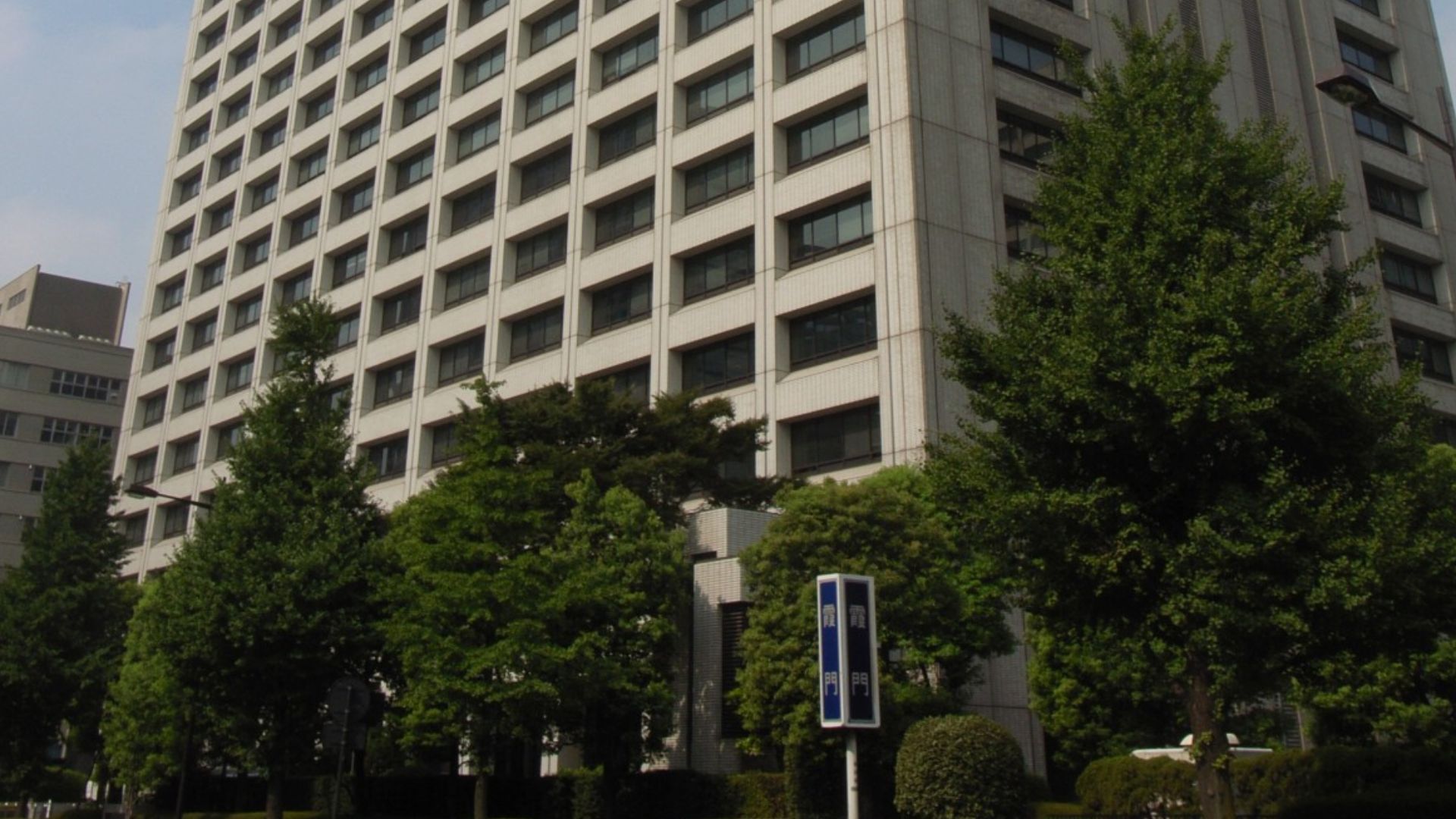
Government Office Complex No5, Kasumigaseki, Tokyo, Japan / 中央合同庁舎5号館BlackRiver, Wikimedia Commons

Advertisement

A Different Philosophy Of Work

Japanese workplace culture places a strong emphasis on harmony and avoiding public embarrassment. Quietly shifting someone into a smaller role can sometimes be seen as more respectful than firing a longtime employee outright.

Man and Woman Working at Call CenterAntoni Shkraba Studio, Pexels

Advertisement

Things Are Slowly Changing

In recent years, some Japanese companies—especially newer or global firms—have moved toward more flexible hiring systems that resemble Western workplaces and allow companies to adjust staffing more quickly.

Woman Working at the OfficeMikhail Nilov, Pexels

Advertisement

Could It Ever Work In America?

For most American companies, paying workers to sit quietly without responsibilities would be hard to justify. But the practice offers a fascinating glimpse into how differently cultures can think about loyalty, employment, and the meaning of a long career.

mwitt1337mwitt1337, Pixabay

Advertisement

You Might Also Like:

Is Remote Work More Or Less Productive?

Don’t Close That Old Credit Card—Even If You Never Use It

22 Rare Vinyl Records Worth Big Money

Sources:  123


READ MORE

Zero-Based Budgeting: A Different Way Of Looking At Your Finances

Whether you're struggling to budget or are needing to start budgeting and are looking for a new approach, zero-based budgeting could be a different approach that will have you looking more honestly at your finances.
March 12, 2025 Jack Hawkins

You've Just Inherited Over A Million Dollars, What Now?

Any inheritance, although coming with a (sometimes) painful loss, is a great opportunity to invest your money into yourself in some way. Whether that's a vacation, a new home, or in your future. What if you inherited over a million dollars? Here are our suggestions for the unexpected multi-millionaire.
May 2, 2025 Jack Hawkins

You're Probably Spending Too Much On Grocery Bills. You Can Save Money With Some Simple Tricks.

Groceries aren't getting any cheaper. But the way you shop could be quietly costing you more than it should. Ready to keep your cart full and your budget intact?
May 7, 2025 Peter Kinney

These Items In Your Grandma’s House Could Be Worth A Fortune

Whether you're clearing your grandma's house after she's passed on or simply decluttering, there are so many vintage items worth big bucks that most people just throw away. Do some research before discarding anything that may have some value. You could be throwing out thousands of dollars worth of vintage valuables.
March 10, 2025 Jack Hawkins

Your 2025 Retirement Checklist

If you've finally hit 65 or 70 and think this will be the year you'll retire, congratulations! But before you take that monumental step of giving up work for good, here's your must-do retirement checklist.
January 10, 2025 Jack Hawkins

You'll Wish You'd Kept Granny's Vintage Handset: It's Worth Thousands Now

Discover the surprising value of retro telephones in today’s collector market. From rotary classics to rare designer models, find out why Granny’s vintage handset might now be worth thousands—and which old phones are fetching the biggest bids.
November 13, 2025 Jack Hawkins


Disclaimer

The information on MoneyMade.com is intended to support financial literacy and should not be considered tax or legal advice. It is not meant to serve as a forecast, research report, or investment recommendation, nor should it be taken as an offer or solicitation to buy or sell any securities or adopt any particular investment strategy. All financial, tax, and legal decisions should be made with the help of a qualified professional. We do not guarantee the accuracy, timeliness, or outcomes associated with the use of this content.


Dear reader,


It’s true what they say: money makes the world go round. In order to succeed in this life, you need to have a good grasp of key financial concepts. That’s where Moneymade comes in. Our mission is to provide you with the best financial advice and information to help you navigate this ever-changing world. Sometimes, generating wealth just requires common sense. Don’t max out your credit card if you can’t afford the interest payments. Don’t overspend on Christmas shopping. When ordering gifts on Amazon, make sure you factor in taxes and shipping costs. If you need a new car, consider a model that’s easy to repair instead of an expensive BMW or Mercedes. Sometimes you dream vacation to Hawaii or the Bahamas just isn’t in the budget, but there may be more affordable all-inclusive hotels if you know where to look.


Looking for a new home? Make sure you get a mortgage rate that works for you. That means understanding the difference between fixed and variable interest rates. Whether you’re looking to learn how to make money, save money, or invest your money, our well-researched and insightful content will set you on the path to financial success. Passionate about mortgage rates, real estate, investing, saving, or anything money-related? Looking to learn how to generate wealth? Improve your life today with Moneymade. If you have any feedback for the MoneyMade team, please reach out to [email protected]. Thanks for your help!


Warmest regards,

The Moneymade team