The Cash Secret That Won’t Die
You have probably heard the advice: never tell a dealer you are paying cash, because you will lose negotiating power. It's a great story because it sounds like insider knowledge, like they're letting you in on a secret. But how real is it? Well, the truth depends on how dealers actually make money and how modern car financing works.

What “Paying Cash” Really Means Today
In dealership talk, “cash” often just means you are not using the dealer’s financing. You might be paying with a wire, cashier’s check, personal check, or money from your bank. The key issue is whether the dealer can earn money by arranging your loan.

How Dealers Get Paid On Financing
Dealers can make money when they arrange financing, because lenders may pay them a fee for originating the loan. The Consumer Financial Protection Bureau has described “dealer markup,” where a dealer increases the interest rate above the lender’s minimum and keeps some of the difference.
That creates a real reason some dealers may prefer financing over an outside loan or cash.

The Big CFPB Crackdown People Miss
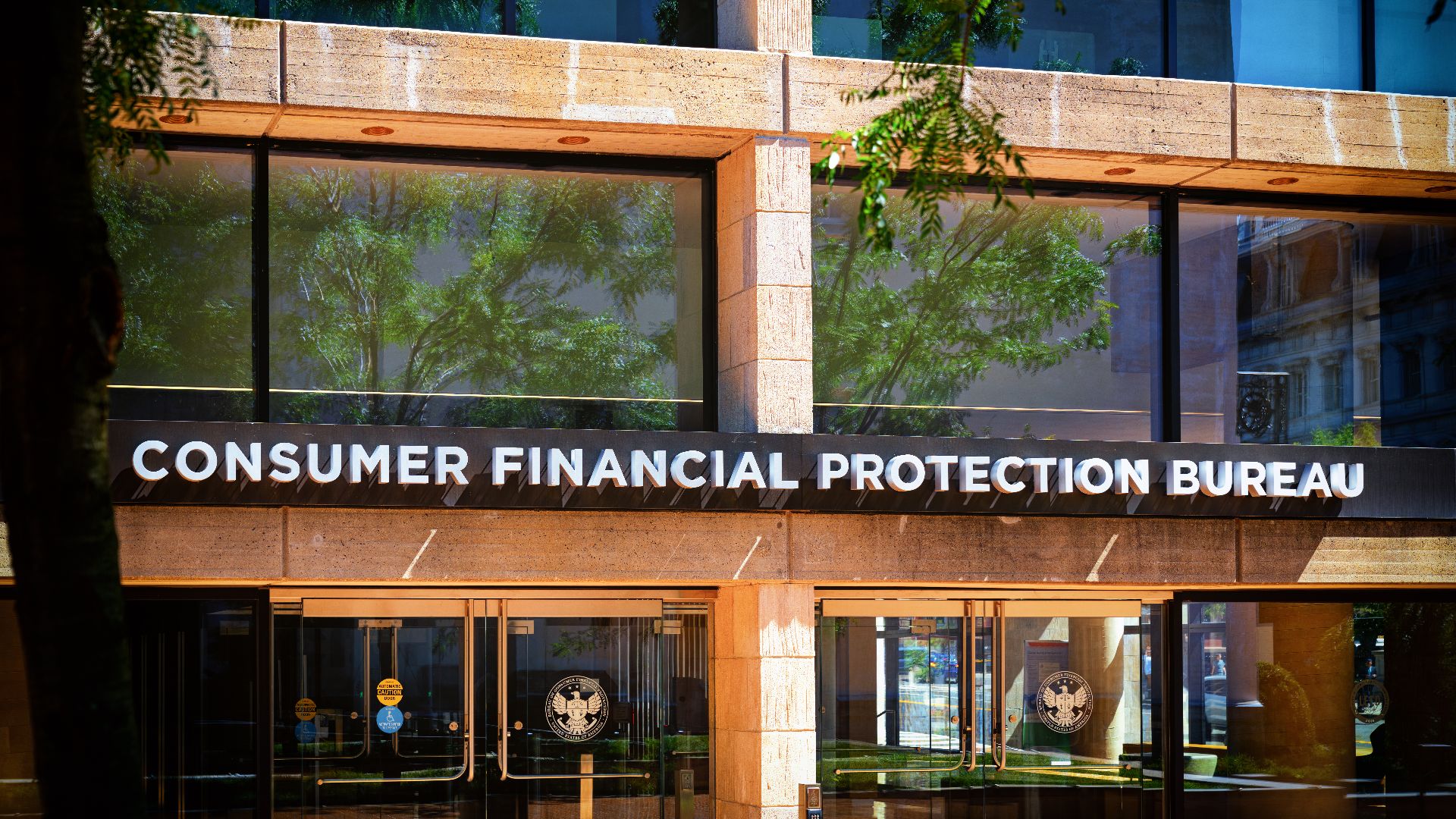
In June 2013, the CFPB issued a bulletin warning auto lenders that allowing discretionary dealer markups could lead to unlawful pricing discrimination. That bulletin became a major industry flashpoint, because it pushed lenders to limit or eliminate dealer discretion on interest rate markups.
But in May 2018, Congress used the Congressional Review Act to overturn the 2013 bulletin, and President Donald Trump signed the resolution.
 Tony Webster, Wikimedia Commons
So Does Cash Always Hurt Your Deal
No, because the best price is often driven by inventory, demand, and manufacturer incentives, not just financing. But in some deals, financing is very much a part of the store’s profit plan, so a “cash” buyer may not be the dealer’s favorite customer.
The smart move is to control when you discuss payment method, not to treat cash like a magic trick.

What Dealers Usually Negotiate First
Dealers will very often try to steer the conversation toward monthly payment. That approach can hide the actual selling price, interest rate, loan term, and add-ons inside one number.
Consumer advocates like the Federal Trade Commission warn buyers to focus on total cost and key terms, not just the monthly payment.

Start With The Out The Door Price
Your strongest negotiating anchor is the out-the-door price, which includes the vehicle price plus taxes and required fees. That keeps you from “winning” a low price and then losing it to surprise add-ons in the finance office. Always ask for an itemized breakdown and confirm what is optional.

Why Cash Can Remove A Dealer Profit Center
If a dealer expects profit from arranging a loan, a cash deal can remove that opportunity. That does not mean the dealer must raise your price, but keep ion mind, it can reduce their flexibility. This is why the advice exists in the first place, and why it sometimes works in the real world.

When Financing Can Actually Lower The Price
Some dealers will offer a lower price if you finance through them, because they expect to earn money on the loan. This is most common when the dealer is trying to hit volume targets or move inventory quickly. If you take that deal, you need to compare the cheaper price against the total cost of the loan.

The Manufacturer Incentive Trap
Sometimes the best advertised deals are tied to “captives,” which are finance companies wholly owned by the manufacturer themself. For example, a rebate might require financing with the brand’s finance arm instead of paying cash. In those cases, the “cash is king” advice can actually be wrong on the math.
Rebates Versus Low APR Offers
It is common to choose between a rebate and a promotional low APR, depending on the program rules. The cheaper option depends on the price, the loan term, and how long you keep the loan. Before you walk in, it's extremely helpful to run both scenarios with a simple calculator.

What The FTC Says About Buying A Car
The FTC’s car buying guidance emphasizes shopping around, comparing offers, and focusing on the total price. It also warns consumers to be careful with add-ons and to understand the final paperwork before signing. That advice matters more than any single line about cash versus financing.

Your Best Weapon Is A Preapproved Loan
Walking in with a preapproval from a bank or credit union gives you a real benchmark. You can still let the dealer try to beat it, but now the rate has to compete in the open. And if the dealer cannot beat it, you have a clean fallback.

Why You Should Delay The Cash Talk
If you announce “I am paying cash” early, you may trigger a dealer to protect profit elsewhere. If you delay the topic and focus first on the purchase price, you reduce the chances of the negotiation drifting into payment games.
This is not about tricking anyone, it is about keeping the conversation in the right order. Remember: Their job is to maximize profits, not to get you the lowest price available.

The Clean Negotiation Script
Ask for the OTD price on the exact vehicle, with an itemized list of fees and taxes. Then negotiate that total based on comparable listings and your budget. Only after the price is set should you talk about how you will pay.

Should You Ever Lie About Cash
Lying is risky because it can waste time and make the deal more tense. You can simply say you are still deciding whether to finance and you want to settle the price first. That is true for many buyers, and it keeps your options open.

Dealers Can Ask About Payment For A Reason
Some dealers ask early because it helps them structure offers and lender approvals. But you do not have to accept a monthly payment quote as the main negotiation. You can keep coming back to the OTD number.

Watch For The Four Square Worksheet
Some dealerships use a “four square” style form to blend price, trade-in, down payment, and monthly payment. The goal is often to keep you focused on the monthly figure instead of the full cost. If you see it, slow down and ask for each number separately in writing.

Cash Buyers Still Face The Finance Office
Even cash deals typically go through the finance and insurance office for paperwork. That is where warranties, GAP coverage, and other add-ons get pitched. The FTC warns consumers to understand which add-ons are optional and what they cost.

What About Paying Cash To Avoid A Credit Pull
Paying without dealer financing can reduce the need for a hard credit inquiry by the dealer’s lenders. But if you are considering financing, a credit pull may be part of the process. Ask what is required before your credit is run.

There Is A Smarter “Cash” Strategy
If the dealer offers a better price for financing, you can consider taking the loan and paying it off early. Before you do, confirm there is no prepayment penalty and check whether the contract includes finance charges that still apply. The CFPB has consumer guidance on auto loans that stresses understanding your contract terms.

Do Prepayment Penalties Still Exist
Many auto loans do not have prepayment penalties, but some contracts can include fees or specific payoff rules. Do not rely on verbal promises from the sales floor. Read the contract and ask the lender directly if early payoff changes the total cost.

When Cash Actually Helps
Cash can help when it makes the transaction simpler, especially in private party sales. At a dealership, it can still help if you are buying an unpopular model that has been sitting on the lot. But it is not a guaranteed discount button.

The Real Negotiating Power Is Information
Your negotiating power comes from knowing market prices, having alternative options, and being ready to walk away. Get quotes from multiple dealers, including by email, and compare out the door totals. That works whether you finance, pay cash, or bring your own loan.

Quick Checklist Before You Go In
Get a preapproved rate from a bank or credit union, and bring the terms with you. Ask for an itemized out the door quote and do not negotiate on monthly payment alone. Delay the payment-method conversation until after price is locked, and read the final contract carefully.

So Is Your Friend Right
Your friend is partly right, because saying “cash” early can reduce a dealer’s incentive to discount in some situations. But it is not a universal rule, and it can cost you money if rebates or promotional APR deals are better than paying cash.
The best play is simple: negotiate the out the door price first, then choose the cheapest financing or payment option.