
Am I Really Stuck Working Until I’m 75?
You’ve worked for decades, and retirement was always “somewhere down the road.” Now suddenly, it’s not so far away—and the numbers aren’t where you thought they’d be. It feels like you missed something big.
So what now? Are you really stuck working into your mid-70s, or are there more options than it seems?

You’re Not Alone In Feeling This
A lot of people hit their early 60s and realize they’re behind. In the U.S., the Federal Reserve says 70% of adults ages 55–64 had tax-preferred retirement savings accounts in 2024, meaning a sizable minority still didn’t. And only 35% of non-retirees said their retirement savings were on track. This isn’t rare—it’s incredibly common.

Retirement “Targets” Are Often Unrealistic
You’ve probably heard numbers like $1 million or more. But real-life balances are often much lower than that. In the Federal Reserve’s Survey of Consumer Finances, only about 54% of families held retirement accounts, and among those who did, the median balance was under $100,000. That gap between “targets” and reality is a big reason so many people feel behind.
 Centre for Ageing Better, Unsplash
Why It Feels So Urgent At 64
At this stage, time feels limited. You don’t have decades for compounding to work. But even now, each additional year of work can reduce your retirement shortfall—by allowing you to save more while delaying withdrawals from your accounts.

The “Work Until 75” Fear
This is the default assumption: if savings are low, just keep working. But in reality, many people retire earlier than they expect. Studies show retirees report a median retirement age around 62, even though workers often expect to retire closer to 65.

A Few Extra Working Years Can Help More Than You Think
Working a few extra years can help more than people think. You’re still earning, you may still be saving, you’re giving your investments more time, and you’re shortening the number of years your savings may need to last.

Social Security Can Cover More Than You Expect
For many retirees, Social Security is a much bigger piece of the puzzle than expected. The SSA says 3 in 5 people age 65+ rely on it for at least half their income, and on average it replaces about 40% of pre-retirement earnings, depending on your situation.

Delaying Benefits Increases Your Monthly Income
If you claim at 62, your benefit can be reduced by about 25–30% compared to waiting until full retirement age. Delaying beyond that increases your benefit further each year until age 70, creating a meaningful long-term boost.

Retirement Doesn’t Have To Be All-Or-Nothing
Nearly 1 in 3 retirees continues working in some form, often part-time or seasonal. Retirement today is often a transition, not a hard stop, especially for people who want flexibility or need additional income.

Part-Time Work Changes The Math
Earning even a modest amount part-time can reduce how much you need to pull from savings each year. That alone can make a meaningful difference, especially in the early years of retirement.

Expenses Matter Just As Much As Savings
Expenses matter just as much as savings. Some costs often fall in retirement—like commuting and work-related expenses—but others, especially healthcare, can rise. That’s why your personal spending plan matters more than general averages.

Housing Is Often The Biggest Lever
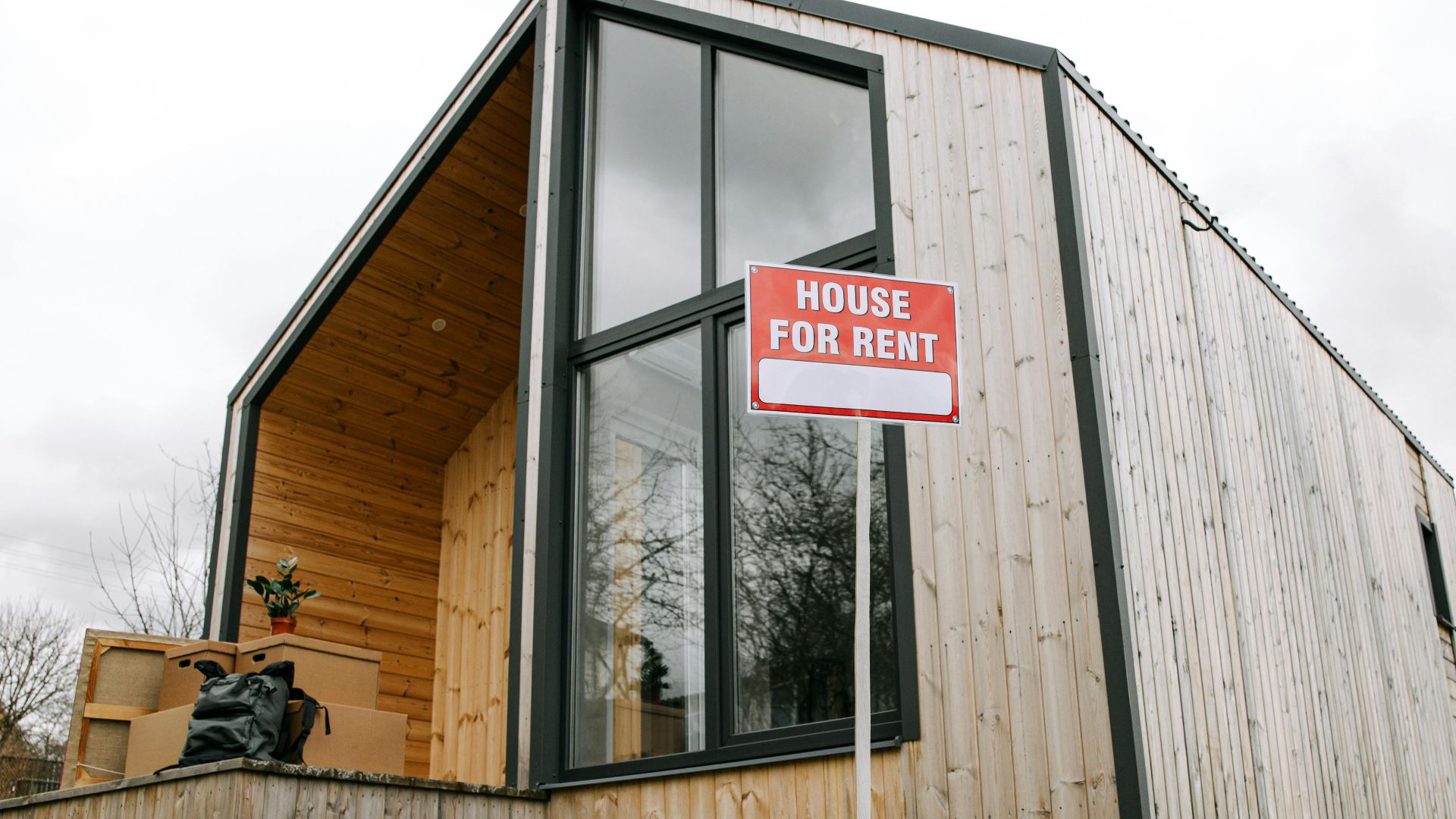
Housing is often the biggest expense. In a BLS analysis of older households, housing accounted for about 32.9% of total spending. Downsizing or relocating can significantly reduce costs or free up equity.
Healthcare Is A Key Factor
Healthcare is a major factor. Fidelity estimates that an average retired couple may need about $330,000 in after-tax savings for healthcare in retirement—and that doesn’t include long-term care.

The 4% Rule Isn’t A Hard Rule
The 4% rule is a guideline based on historical data, not a guarantee. Many retirees adjust their withdrawals based on market conditions and their own flexibility rather than sticking to a fixed percentage.

Flexible Withdrawals Can Stretch Your Savings
Instead of taking the same amount every year, some retirees adjust withdrawals depending on market conditions. Cutting back slightly during downturns can help savings last longer over time.

There May Be Income You’re Not Counting
Spousal benefits, small pensions, rental income, or even occasional work can all add up. Many retirees rely on multiple income streams, not just savings alone. For example, a spouse may be eligible for up to 50% of the other partner’s Social Security benefit, and even a small pension or side income can reduce how much you need to withdraw each year.

Catch-Up Contributions Still Help
If you’re still working, catch-up contributions can still help. In 2026, workers age 50+ can contribute an extra $8,000 to a 401(k), bringing the total annual limit to $32,500, which can boost savings in the final stretch.

It’s Not Just About The Number
Two people with the same savings can have completely different outcomes. Someone spending $40,000 per year is in a very different position than someone spending $80,000 with the same savings.

Working Longer Doesn’t Have To Mean Burnout
Working longer doesn’t have to mean staying in the same stressful job. Some people shift to fewer hours, less demanding roles, or different types of work entirely as they approach retirement.

Planning Now Makes A Huge Difference
At 64, decisions made in the next 1–3 years can significantly impact the next 20–30 years. When you claim Social Security, whether you work a bit longer, and how you sequence withdrawals can all change your outcome. Even delaying retirement by a year or two can improve long-term sustainability more than people expect.

A Financial Plan Can Clarify Everything
Even basic planning tools can show whether you’re short by $50,000—or much more. That clarity turns a vague fear into something specific you can actually plan around. A simple plan can also map out income sources, expected expenses, and how long your savings might realistically last under different scenarios.

So…Are You Stuck Working Until 75?
Not necessarily. You might need to work a bit longer, adjust your spending, or rethink how and when you retire—but very few people have only one option. In many cases, a mix of part-time work, Social Security timing, and expense adjustments can close more of the gap than it first appears.

The Real Question To Ask
Instead of asking if you’re stuck, ask: what combination of income, work, and spending gets me closest to the life I want? That’s where the real answer usually is—and where better decisions start.

You Might Also Like:
Are Canadians Saving More Than Americans? Latest Studies Reveal A Surprising Gap