
The Surprising Truth
When it comes to money in the bank, Americans and Canadians tell two very different stories. While they both live in wealthy countries, how much they save — and how they save — doesn’t always line up. So, who has more savings?

First, Let’s Talk About Averages
You’ll hear two types of “averages” — mean and median. The mean takes all the savings accounts, adds them up, and divides by the number of people. The median is the middle number in the list. The median is often more real because one rich person with $1 million can totally skew the mean.
 Karolina Grabowska www.kaboompics.com, Pexels
Americans: The Numbers
In the US, the median amount in checking and savings accounts is just $8,000, while the mean is around $62,000. That means most people have closer to $8K, not $60K. A few wealthy people pull the average way up, so the mean can be misleading.

What That Means for Everyday Americans
Most Americans don’t have a huge cushion of cash sitting in the bank. In fact, over half the population has less than $10,000 saved. That’s not great when you think about things like medical bills, car repairs, or losing a job.

Emergency Funds Are Rare
Only 46% of Americans have enough savings to cover three months of basic living costs. That means more than half would be scrambling if something big went wrong — like losing a job or dealing with a health emergency.

Savings by Age in the US
Not surprisingly, older people usually have more saved up. Americans under 35 typically have around $5,400, while people in their 60s might have closer to $50,000 or more. But even those numbers often aren’t enough to comfortably retire.

Why Americans Struggle to Save
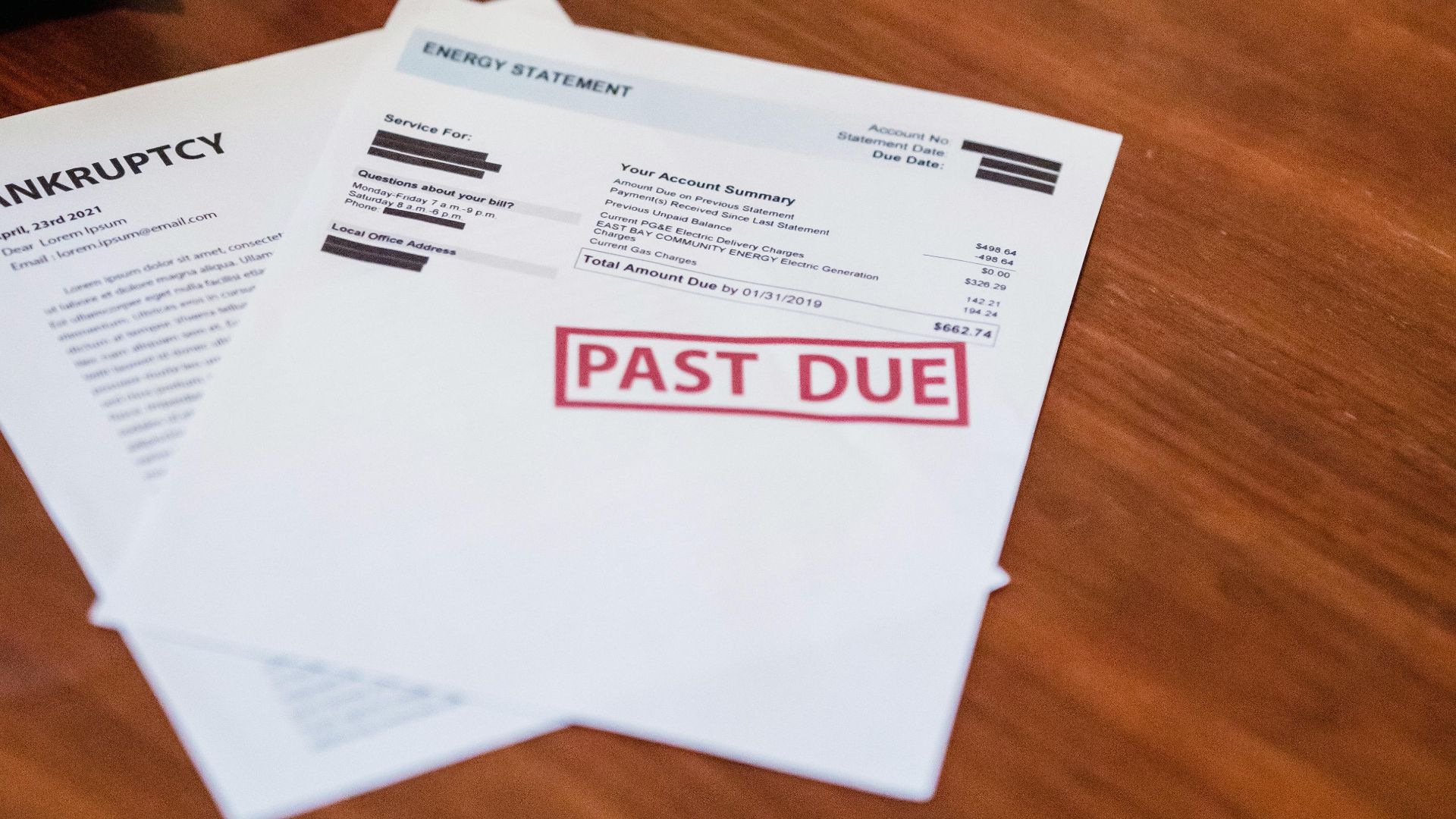
There are a lot of reasons: high rent, student loans, credit card debt, healthcare bills. Plus, saving just isn’t talked about enough in schools or the media. Many people live paycheck to paycheck and don’t have extra cash to stash away.
What About Retirement Savings?
Savings accounts don’t show the whole picture. Retirement accounts — like 401(k)s or IRAs — are separate. But even those are usually underfunded. A lot of people in their 40s and 50s have less than $100,000 saved, which likely won’t be enough.

Let’s Talk About Canada
In Canada, savings data isn’t as clear-cut as in the US, but there are plenty of stats to work with. Canadians keep money in savings accounts, but also in TFSAs (like a Roth IRA) and RRSPs (like a 401(k)). Many Canadians save consistently, but not always in cash form.

Canadian Savings by Age
Canadians under 35 have around $105,000 in total financial assets (including retirement accounts). Those aged 55–64 average closer to $700,000. But these are averages — the medians are much lower, showing that most people aren’t anywhere near those high numbers.

What’s the Median in Canada?
The median savings for younger Canadians is closer to $36,000, and for 55–64-year-olds it’s about $375,000. Like the US, a few very wealthy people raise the average, but most people are working with much less.

Canadians Save a Bit More
On average, Canadians save about 4.7% of their income, while Americans are often below 4%. It’s not a huge difference, but it adds up over time. Canadians also benefit from things like universal healthcare, which means fewer surprise bills.

Rising Costs Hurt Everyone
In both countries, the cost of living is rising fast. In the US, healthcare and rent are major money drains. In Canada, housing and daycare costs eat into people’s paychecks. Either way, saving is getting harder for everyone.

Don’t Let Wealth Stats Fool You
Canada’s average wealth per adult is around $323,000 USD — higher than many other countries. But that includes things like real estate, pensions, and investments. Most people don’t have that kind of money in their checking accounts.

Policies That Make a Difference
Canada has strong saving tools like TFSAs and RRSPs. The US has 401(k)s and Roth IRAs. The difference is that more Canadians use their tools earlier, thanks to stronger incentives and better education around saving.

Emergency Funds: Just As Rare in Canada
Even though Canadians save a bit more, many still don’t have enough cash on hand. A lot of people would have to turn to credit cards or loans in a real emergency. So it’s not like Canada is totally winning the savings game either.

Who Saves More?
It depends on how you measure it. Canadians tend to have more saved overall (especially by retirement age), but Americans might have more access to aggressive investment options. But when it comes to liquid savings — money you can use right now — both are falling short.

Why It Matters
Canadians save more because they often don’t have to worry about healthcare bills or huge student loans. Americans, on the other hand, deal with higher day-to-day costs. That makes it harder to put anything extra away.

The Most Shocking Fact
Here’s the kicker: even though the average savings account balance in the US is $62,000, over half of Americans have less than $5,000 saved. That means millions of people are one unexpected bill away from serious financial trouble.
 Karolina Grabowska www.kaboompics.com, Pexels
What About You?
Now that you’ve seen the numbers, how do your savings compare? Are you saving more like the top group, or falling behind the average? And if you had to come up with $2,000 next week — could you? It’s worth thinking about — and talking about.

You May Also Like:
The Gen Z Approach to Saving
The Retirement Mistake 85% of Gen X and Boomers Wish They Could Undo
Saving Money on Healthcare with Telemedicine