
Image is now replacing reality
Scrolling through polished lives makes satisfaction feel closer than it really is. Money used to signal security through ownership and longevity, but today, success flashes through experiences and aesthetics instead, even when bank statements tell a different story.
When Looking Successful Starts To Matter More Than Feeling Secure
Over the past decade, public signals of achievement have shifted. Social media rewards appearances, and for many young adults, feeling secure matters less than looking accomplished online. That shift influences spending decisions and how financial confidence is widely defined culturally today.

What Is Financial Flexing?
Financial flexing refers to spending money in ways designed to signal success rather than meet needs. It appears through clothes, travel, dining, and lifestyle aesthetics shared publicly. The aim is recognition and social relevance, not long-term stability for many participants in modern culture.

Status Signaling And The Digital Age
Before smartphones and feeds, status came from milestones like homeownership or job titles. Digital culture changed that equation. Visibility now matters as much as achievement. What people see carries weight, even when the wealth-based foundations behind the image remain uncertain.

Money Became Something People Perform Online
Image-driven platforms turned spending into performance. Likes, views, and comments became feedback loops. Purchases transformed into content, and over time, money-related choices grew less influenced by budgets and more by how they would appear to friends and followers.

And Experiences Replaced Ownership As Proof Of Success
Large assets became harder to attain, especially housing. However, experiences filled the gap. Travel, dining, fitness, and wellness signaled taste and momentum without long commitments. These moments photograph well and communicate accomplishment quickly in digital environments shaped by constant sharing and social expectations.

So, Young Adults Are Pressured To Look “On Track”
Cultural timelines still exist, even when economics shift. Many young adults feel judged against invisible benchmarks tied to lifestyles and independence. Looking “on track” reassures peers, family, and employers, even when personal finances lag behind traditional expectations.
 ANTONI SHKRABA production, Pexels
Gen Z Faces That Pressure Earlier Than Past Generations
Gen Z entered adulthood online. Career updates and lifestyle upgrades appear instantly and publicly. That constant exposure compresses timelines, and comparison begins earlier. As a result, many feel the pressure to signal progress during years traditionally reserved for trial and gradual growth.

Flexing Grew As A Response
Financial flexing often reflects insecurity. With rising housing costs, student debt, lifestyle expenses, healthcare, insurance, and uneven wages, long-term planning became harder. Spending becomes a coping mechanism, as looking successful offers temporary reassurance when the future feels unstable and unpredictable.

The Influence Of Curated Feeds And Aspirational Lifestyles
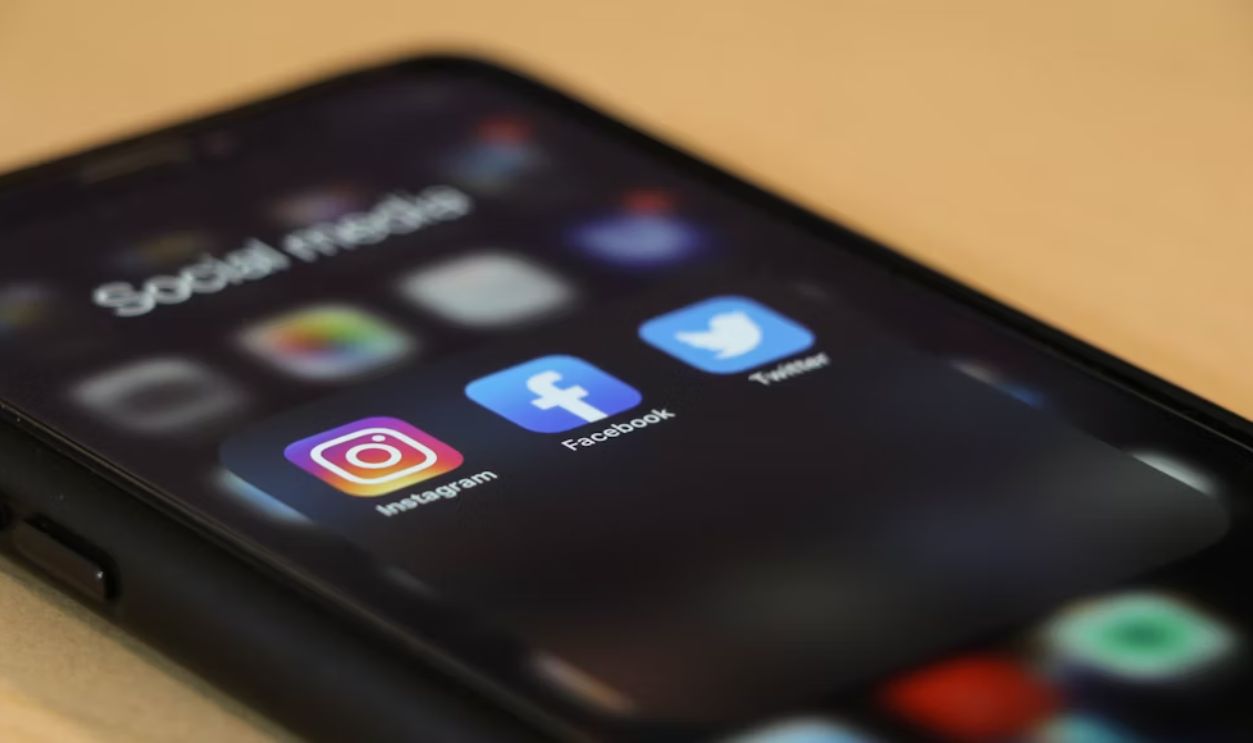
Social platforms prioritize polished outcomes, regardless of the core. Users see vacations, meals, outfits, and experiences without context, and the algorithms amplify aspiration. Over time, repeated exposure reshapes expectations, making elevated lifestyles seem normal and attainable, even when income data and economic conditions tell a different story.
Everyday Splurges Became The New Luxury Purchases
Daily coffee runs, delivery meals, boutique fitness, and frequent travel feel small individually. Repeated often, they mirror the cost of traditional luxuries and can even exceed it. This normalization blurs spending awareness while still delivering visible signals of comfort.

Although Small, Frequent Spending Feels Harmless In The Moment
Smaller purchases avoid triggering economic alarm, and they somehow feel manageable. As a matter of fact, digital payments remove friction entirely. Without a single dramatic expense, cumulative impact stays hidden, allowing habits to form quietly until budgets tighten and savings struggle to keep pace.

Buy Now, Pay Later And The Illusion Of Control
Buy now, pay later services spread purchases into smaller payments, reducing friction and tension at checkout. The structure creates a sense of control, even when obligations stack quietly. Studies show that frequent users often underestimate total balances, increasing strain when multiple plans overlap, and income remains fixed.

But The Social Rewards Keep The Behavior Going
Positive feedback reinforces expenditure. Likes, comments, and social inclusion create immediate emotional payoff. Behavioral research shows people repeat actions tied to recognition, even when costs emerge later. Financial restraint lacks visible rewards, while spending delivers instant validation within online communities.

Financial Image Pressures Disrupt Decision Making
Constant pressure to maintain appearances interferes with clear judgment. Short-term relief often outweighs long-term planning when reputation is at stake. Choices become reactive rather than intentional, which increases impulsive spending and avoidance behaviors that make budgeting and course correction harder over time.

Despite The Emotional And Mental Cost Of Constant Comparison
Constant exposure to polished monetary lives alters emotional baselines. Research shows persistent comparison heightens anxiety and erodes satisfaction. When money becomes a public measuring stick, confidence weakens, and everyday income-driven decisions carry heavier emotional weight.

Flexing Starts Eating Into Savings And Credit
Paying for appearance often pulls from emergency funds and raises credit utilization. Missed payments or rising balances can lower credit scores, which increases borrowing costs later. What begins as image maintenance gradually weakens buffers designed for job loss or unexpected repairs and crises.

So, Identity And Self-Worth Become Tied To Spending
When progress is measured publicly, money choices start shaping identity. Lifestyle signals become shorthand for competence and relevance. Over time, setbacks feel personal rather than situational. That emotional entanglement raises stress levels and makes financial setbacks harder to process.

And The Long-Term Cost Multiplies
Short-term expenditure habits can quietly derail long-term plans. Skipped retirement contributions mean lost employer matches and reduced compound growth. Over decades, even small gaps widen. Although the cost rarely feels urgent now, it reshapes options around retirement age and independence in later life.

Millennials Signaled Success Differently
Millennials reached adulthood before constant sharing dominated daily life. Accomplishment showed through apartments or cars without continuous lifestyle documentation. When instant feedback was absent, money-related decisions were taken privately. Mistakes happened, but fewer audiences watched them in real time.

Even Gen X And Boomers Never Had To Perform Wealth
The same applied to earlier generations who built status through slower, offline signals. Raises, pensions, home equity, and long careers mattered more than visibility. Without social feeds, wealth did not need daily proof, and progress grew privately, reducing pressure to constantly display success.

This Is What Happens When Everyone Looks Rich But Feels Strained
When appearances improve faster than finances, collective stress rises. Households feel behind despite widespread participation. This mismatch distorts expectations and normalizes overextension. Eventually, shared strain replaces shared optimism to create anxiety even among those appearing outwardly successful.

Signs The Flexing Cycle Is Starting To Wear Thin
Evidence of fatigue is now growing. Younger consumers discuss burnout and debt transparency more openly. Search trends show rising interest in budgeting and low-cost living. As consequences surface, the appeal of constant display weakens and is gradually replaced by curiosity about sustainability and restraint.

The Rise Of Underconsumption And Quieter Definitions Of Prosperity
Underconsumption reframes accomplishment around moderation and privacy. Outfit repeating, repurposing, fewer upgrades, and intentional spending signal confidence rather than lack. This shift values stability over spectacle.

What Financial Flexing Reveals About How Success Is Measured Now
Financial flexing exposes a deeper question about modern achievement, as visibility competes with stability, and image often outruns income. In an era shaped by platforms, progress becomes performative. Understanding that tension helps explain why many chase appearances while quietly searching for lasting security.