
I just heard about a plan where no one can have more than $1 billion. It sounds like it could fix everything—would it solve poverty?

I just heard about a plan where no one can have more than $1 billion. It sounds like it could fix everything—would it solve poverty?


April 29, 2026 | Jesse Singer

I just heard about a plan where no one can have more than $1 billion. It sounds like it could fix everything—would it solve poverty?


It Sounds Like an Easy Fix

No billionaires. No extreme wealth gaps. Just a hard cap—once someone hits $1 billion, everything above gets taken and redistributed. It sounds like the kind of idea that could fix a lot of problems overnight. After all, $1 billion is more money than most people could spend in a lifetime.

Elon MuskFrederic Legrand - COMEO, Shutterstock

Advertisement

Does Anyone Need More Than $1 Billion?

This is really the question driving the entire idea. $1 billion is enough to spend $50,000 a day for over 50 years without running out. Many argue no one needs that level of wealth, while others say limiting it removes incentives to build massive companies. There’s no clear answer—but it’s why this idea feels so compelling at first.

Dollars moneyH_Ko, Shutterstock

Advertisement

How Much Money Are We Talking About?

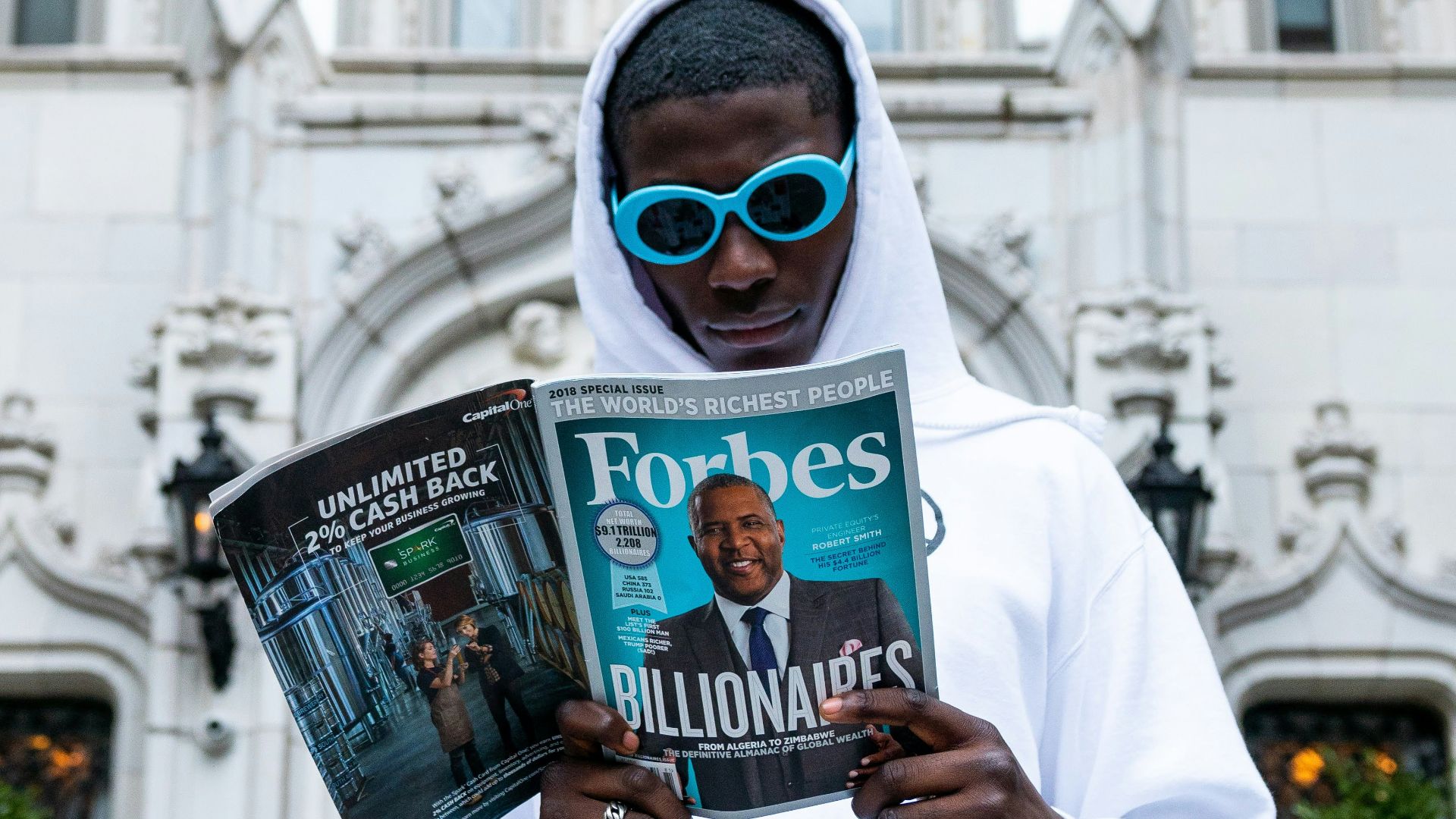
As of recent estimates, there are over 2,600 billionaires globally, with a combined net worth of roughly $12–13 trillion. In the U.S. alone, billionaires hold more than $5 trillion. That’s an enormous pool of wealth.
man in white thobe holding newspaperDavid Suarez, Unsplash

Advertisement

What Could That Money Actually Do?

Trillions of dollars sounds abstract—until you compare it to real-world costs. When you break it down, you start to see why this idea feels so powerful.

Bundles of US dollar bills on a table with a person organizing them.Tima Miroshnichenko, Pexels

Advertisement

It Could Expand Healthcare Access

The U.S. spends about $4.5 trillion per year on healthcare. Even $200–300 billion per year could expand coverage for millions of uninsured people, lower premiums, and improve access to care. It wouldn’t replace the system—but it could make a major dent.

A female doctor examining a child with a stethoscope during a pediatric check-up in a clinic.Pavel Danilyuk, Pexels

Advertisement

It Could Build Millions of Homes

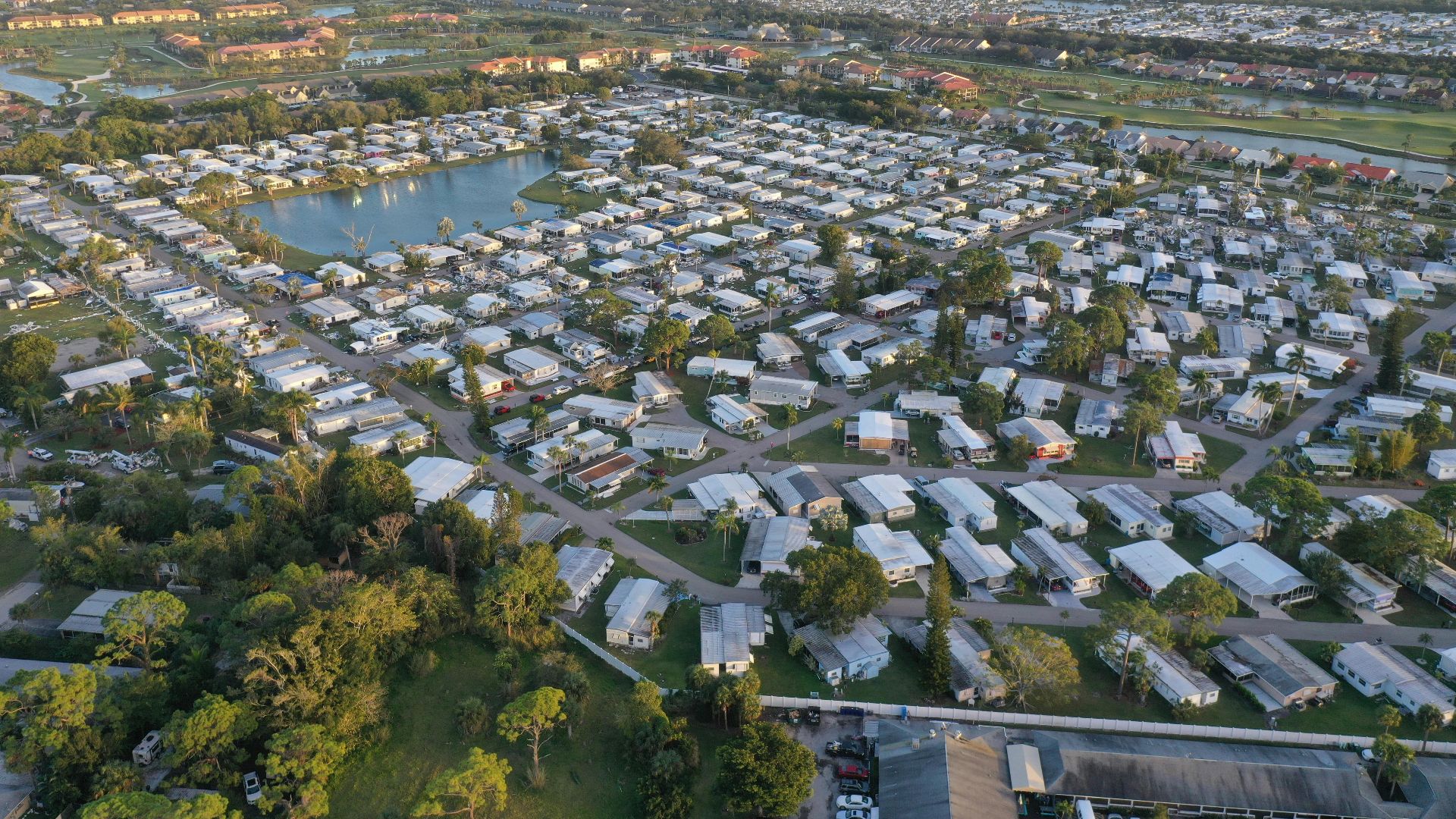
The U.S. is short roughly 3–5 million homes. Building affordable housing can often cost around $200,000–$400,000 per unit. That means $200 billion could build roughly 500,000 to 1 million homes, making a noticeable impact on supply.
Scenic aerial shot of a sprawling residential community in Fort Myers, Florida.Nick Adams, Pexels

Advertisement

It Could Make Rent More Affordable

Rental assistance programs already exist but are underfunded. Expanding them could help millions of renters keep housing costs near 30% of their income. Fully funding assistance for eligible households is estimated at roughly $50–100 billion per year.

A group of three people reviewing a tablet near a 'House for Rent' sign outside.Ivan S, Pexels

Advertisement

It Could Strengthen Education

Public education funding gaps add up to hundreds of billions over time. Raising teacher pay nationwide could cost around $50–100 billion per year, while universal pre-K is estimated at about $20–30 billion annually. Even partial funding could improve outcomes for millions.

Teacher instructing a diverse group of elementary students in a modern classroom setting.Yan Krukau, Pexels

Advertisement

It Could Reduce Poverty Directly

The expanded Child Tax Credit in 2021 cost about $100–120 billion for one year and cut child poverty by around 30–40% while it was in place. Programs at that scale can have immediate, measurable effects.

Street scene depicting a homeless man sleeping with a placard reading 'Homeless and Hungry'.Timur Weber, Pexels

Advertisement

It Could Boost the Entire Economy

Lower-income households tend to spend more of their income. That means redistributing money downward can increase spending, support businesses, and stimulate economic growth—especially in local communities.

Two young women happily shopping with colorful bags in a boutique, embodying a joyful retail experience.Vitaly Gariev, Pexels

Advertisement

It Could Reduce Financial Stress for Millions

Even modest income boosts can make a huge difference. Covering rent, groceries, or healthcare costs more easily can reduce debt, improve mental health, and increase stability for millions of households.

Family enjoying a shopping trip in a supermarket, with a child in a cart and parents smiling.Gustavo Fring, Pexels

Advertisement

It Could Change Generational Outcomes

Access to stable housing, education, and healthcare early in life can have long-term effects. Investments at scale could improve outcomes for entire generations—not just individuals in the short term.

Happy family playing tug of war in front of cozy houses during a summer day.Ron Lach, Pexels

Advertisement

Could It Top Everyone Up to $30,000?

In the U.S., tens of millions of adults earn under $30,000 a year. Topping them up by an average of $10,000–$15,000 would cost roughly in the range of $1–1.5 trillion per year—a massive number, but far less than giving everyone a full income.

Young man joyfully celebrating success with a laptop indoors.Andrea Piacquadio, Pexels

Advertisement

That’s Still a Huge Number

Total U.S. billionaire wealth is about $5 trillion. Even if you used all of it, it would only fund that kind of program for a few years—not permanently. And that assumes you could convert that wealth into cash efficiently.

Woman holding American dollars confidently, depicting wealth and success in a bright indoor setting.Yan Krukau, Pexels

Advertisement

What If the Cap Was $500 Million Instead?

If the cutoff dropped in half to $500 million, the amount of money involved would jump dramatically. Many more people fall above that level, not just a few thousand billionaires. That means far more wealth could be taxed or redistributed—and $500 million is still an enormous amount of money for any one person.

a pile of twenty dollar bills sitting on top of each otherAnastase Maragos, Unsplash

Advertisement

How Far Does $500 Million Actually Go?

$500 million is an almost unimaginable amount of money. Even if someone spent $10,000 every single day, it would take over 135 years to run out. That’s more than a lifetime of extremely high-end spending—without ever needing to worry about money again.

photo of woman holding white and black paper bagsfreestocks, Unsplash

Advertisement

The Reality Behind the Idea

Most billionaire wealth isn’t sitting in cash—it’s tied up in businesses, stocks, and assets that rise and fall in value. Turning that into usable funding would take time, coordination, and major structural changes.

person using smartphone and MacBook ProJason Briscoe, Unsplash

Advertisement

The System Would Adjust

If a hard cap existed, people would likely change how wealth is held—spreading assets across trusts, family members, or even countries. That could reduce how much money is actually captured over time.

Close-up of gold bars atop US currency, symbolizing wealth and investment.Sergei Starostin, Pexels

Advertisement

It Would Likely Be Part of a Bigger Plan

On its own, a $1 billion cap probably wouldn’t generate enough consistent funding to solve poverty. But combined with other policies—tax changes, social programs, and economic reforms—it could play a meaningful role.

A joyful man with a beard in a sweater, expressing excitement and celebration indoors.Diva Plavalaguna, Pexels

Advertisement

So…Would It Solve Poverty?

Probably not on its own. It could fund major improvements in housing, healthcare, and education—the biggest drivers of poverty. But fixing those systems takes more than money. A wealth cap could help a lot, but it wouldn’t instantly solve everything.

a doctor checking a patient's blood pressureNappy, Unsplash

Could It Fully Fix Any One Thing?

Even if you focused all the money on just housing, healthcare, or education, it probably wouldn’t fully solve any one of them long-term. These systems cost hundreds of billions to trillions every year to run. A wealth cap could dramatically improve them though.

man and woman sitting on chairsQuilia, Unsplash

Advertisement

The Bigger Takeaway

The idea feels powerful because it directly targets extreme wealth—and it could do a lot of good. But even with trillions of dollars, solving poverty takes more than one policy. Still, it raises a big question: how much is too much?

man holding his chin facing laptop computerbruce mars, Unsplash

Advertisement

You Might Also Like:

My friend finally paid me the $2,000 he owed, but it’s all in nickel and dime coin rolls with jars of pennies and my bank won’t take them. What now?

After an argument, my dad drained our joint account. I deposited most of the money. Is there any way to get it back?

Sources:  123


READ MORE

Older man sad at office

I’m 64 and don’t even have close to enough saved for retirement. Is my only option to keep working until I’m 75?

You’ve worked for decades, and retirement was always “somewhere down the road.” Now suddenly, it’s not so far away—and the numbers aren’t where you thought they’d be. It feels like you missed something big.
April 29, 2026 Jesse Singer
Elon Musk

I just heard about a plan where no one can have more than $1 billion. It sounds like it could fix everything—would it solve poverty?

No billionaires. No extreme wealth gaps. Just a hard cap—once someone hits $1 billion, everything above gets taken and redistributed. It sounds like the kind of idea that could fix a lot of problems overnight. After all, $1 billion is more money than most people could spend in a lifetime.
April 29, 2026 Jesse Singer

My friend and his wife spent $40,000 on their wedding last year. Now he's asking to borrow $2,000 "until the end of next week." What can I do?

A friend is asking to borrow a large sum of cash on a short term basis after spending a huge amount of money the previous year.
April 29, 2026 Marlon Wright

I inherited $5,000 in small change. When I went to use the money to pay for a car, the dealership refused. Can they deny legal tender like that?

I inherited $5,000 in coins and a dealership refused to take it for a car. Can a business reject legal tender? Here’s what U.S. law actually says about coins, cash, private businesses, and why dealers can usually say no.
April 29, 2026 Jack Hawkins
Angry man, Happy nurse

I bought a house when my mother was sick, expecting an inheritance. Instead she left it all to the nurse who cared for her for 5 years. What can I do?

You made a major financial decision based on what seemed like a sure thing. Then everything flipped. Your mother passed away, and instead of an inheritance, her caregiver received it all. It feels wrong, but is it actually illegal?
April 28, 2026 Jesse Singer
AI-generated image of a man concerned about his upstairs neighbor dumping junk onto balcony.

My upstairs neighbors keep dropping junk from their balcony onto my patio, but they got mad when I asked them to stop. What do I do now?

At first, it might’ve seemed like a one-off thing. Maybe a wrapper or some small debris falling from above. But now it’s becoming a pattern. Items are regularly ending up on your patio, and it’s clearly coming from your upstairs neighbors. You tried to handle it directly by asking them to stop, but instead of fixing the issue, they got defensive or even hostile. Luckily, while it might seem like you’re stuck dealing with both the mess and the tension, you're not.
April 28, 2026 Quinn Mercer


Disclaimer

The information on MoneyMade.com is intended to support financial literacy and should not be considered tax or legal advice. It is not meant to serve as a forecast, research report, or investment recommendation, nor should it be taken as an offer or solicitation to buy or sell any securities or adopt any particular investment strategy. All financial, tax, and legal decisions should be made with the help of a qualified professional. We do not guarantee the accuracy, timeliness, or outcomes associated with the use of this content.


Dear reader,


It’s true what they say: money makes the world go round. In order to succeed in this life, you need to have a good grasp of key financial concepts. That’s where Moneymade comes in. Our mission is to provide you with the best financial advice and information to help you navigate this ever-changing world. Sometimes, generating wealth just requires common sense. Don’t max out your credit card if you can’t afford the interest payments. Don’t overspend on Christmas shopping. When ordering gifts on Amazon, make sure you factor in taxes and shipping costs. If you need a new car, consider a model that’s easy to repair instead of an expensive BMW or Mercedes. Sometimes you dream vacation to Hawaii or the Bahamas just isn’t in the budget, but there may be more affordable all-inclusive hotels if you know where to look.


Looking for a new home? Make sure you get a mortgage rate that works for you. That means understanding the difference between fixed and variable interest rates. Whether you’re looking to learn how to make money, save money, or invest your money, our well-researched and insightful content will set you on the path to financial success. Passionate about mortgage rates, real estate, investing, saving, or anything money-related? Looking to learn how to generate wealth? Improve your life today with Moneymade. If you have any feedback for the MoneyMade team, please reach out to [email protected]. Thanks for your help!


Warmest regards,

The Moneymade team