
When Getting Paid Brings A New Problem
The good news is: you finally got your $2,000 back from a friend who owed you money. The bad news is: instead of a check or transfer, he handed over coin rolls and jars filled with loose change. Now your bank is refusing to accept it, leaving you stuck with the burden of converting it into usable money.
 Liubomir, AdobeStock; Factinate
Coins Are Legal Tender But Not Always Practical
Coins are considered legal tender in the United States, meaning they can be used to settle debts. However, that doesn’t mean banks or businesses have to accept large quantities of coins, especially if processing them generates logistical challenges for their workers.

Banks Can Set Their Own Policies
Many banks have policies limiting or refusing large coin deposits, especially from non-business customers. Some branches require coins to be rolled, while others no longer accept them in any form at all due to the simple cost and effort of handling large volumes of change.
 Steve Morgan, Wikimedia Commons
Ask Your Bank About Specific Requirements
Before assuming your bank won’t help, ask them what their exact rules are. Some institutions accept coins if they are rolled properly, while others may allow deposits only through certain branches or with advance notice.

Coin Counting Machines May Be An Option
Some banks and credit unions offer coin counting machines for customers. These machines can quickly convert loose change into a deposit or voucher, although the availability of these kinds of machines has gone down in recent years.
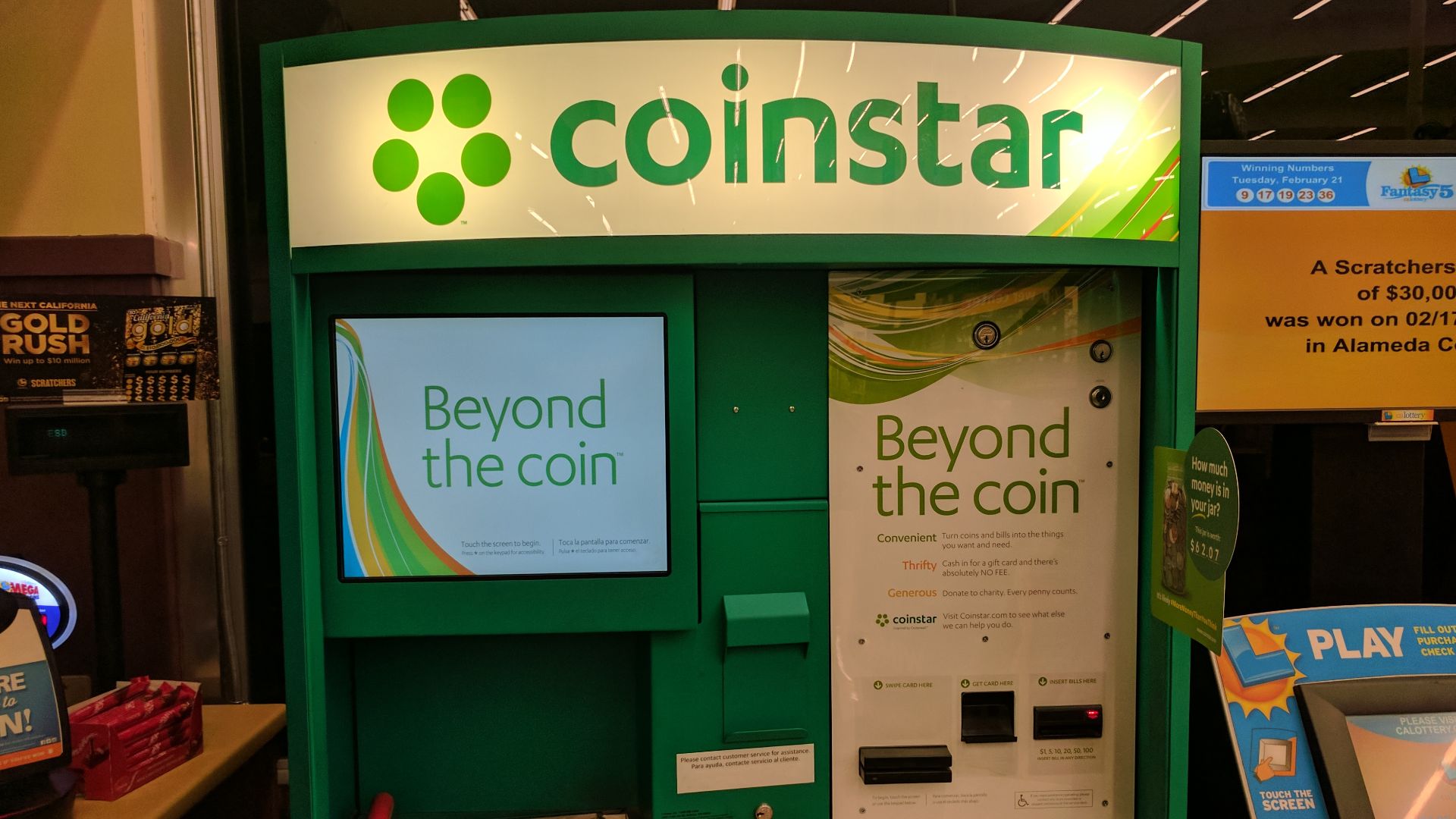
Third Party Coin Machines Are An Option
Retail locations often have coin counting machines that will convert your coins into cash or store credit. These machines usually charge you a fee, but they can at least be a convenient way to handle a sudden flood of loose change.
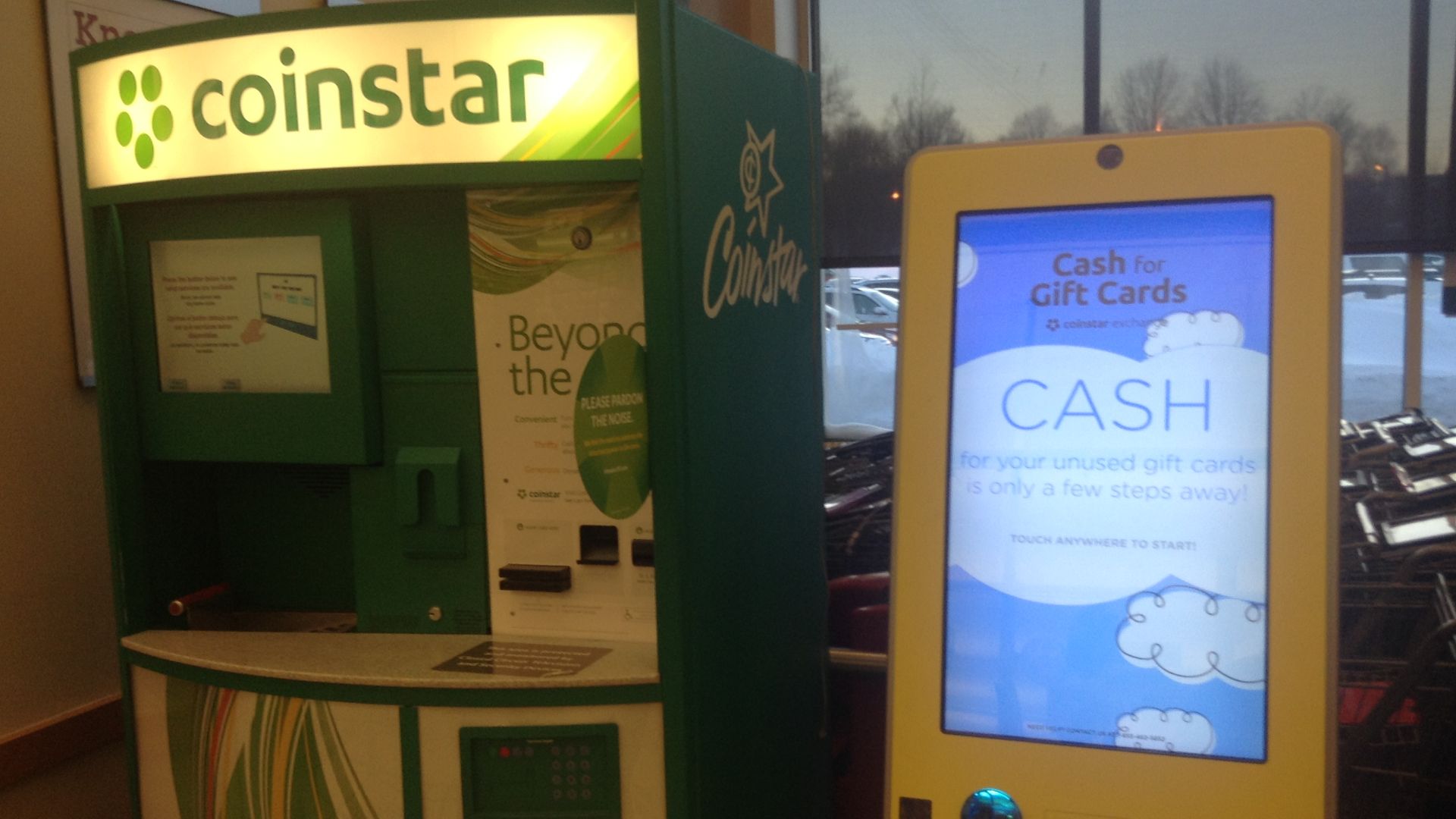 Mike Mozart from Funny YouTube, USA, Wikimedia Commons
Fees Can Reduce Your Total
If you use a third party coin machine, you can expect to pay a percentage of the total amount as a fee. This can add up, especially with $2,000 in coins, so you should compare all your different options before choosing this route.
You Can Sort And Roll Coins Yourself
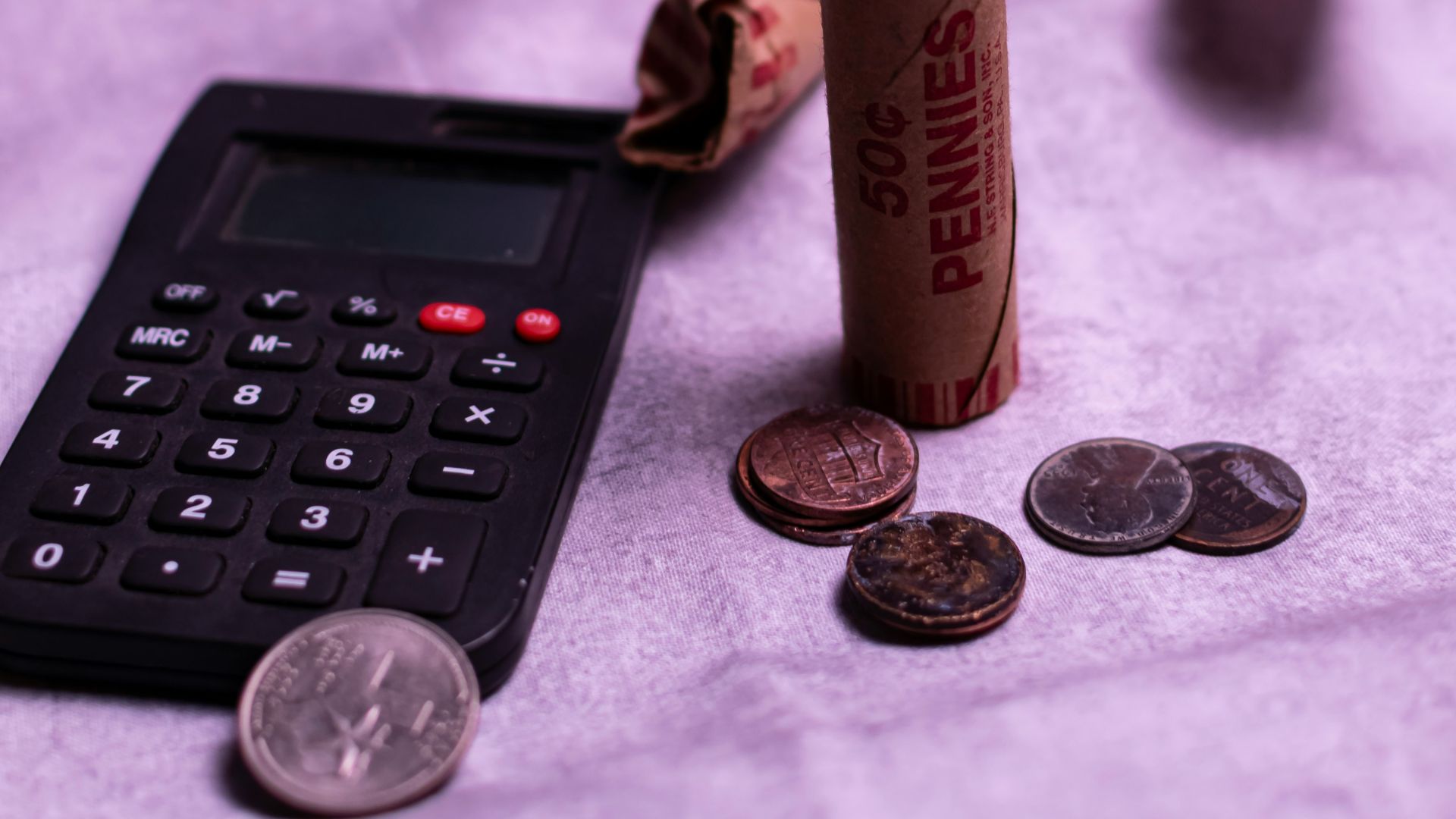
Manually sorting and rolling your coins can make them easier to deposit at a bank, if you can find one that accepts rolled coins. While it may be time consuming, this approach may allow you to avoid fees and maintain the full value of your repayment.

Some Credit Unions Are More Flexible
Credit unions often have more customer friendly policies than large banks. If your bank flat out refuses to accept the coins, it may be worth getting in touch with a local credit union to see if they offer coin deposit services.
 DanielPenfield, Wikimedia Commons
Consider Using The Coins For Spending
Instead of converting all the coins at once, you could just use them gradually for everyday purchases. While this option is far from ideal, this approach can slowly reduce the volume of coins without incurring fees or dealing with the hassle of bank restrictions.
You May Be Able To Deposit In Smaller Amounts
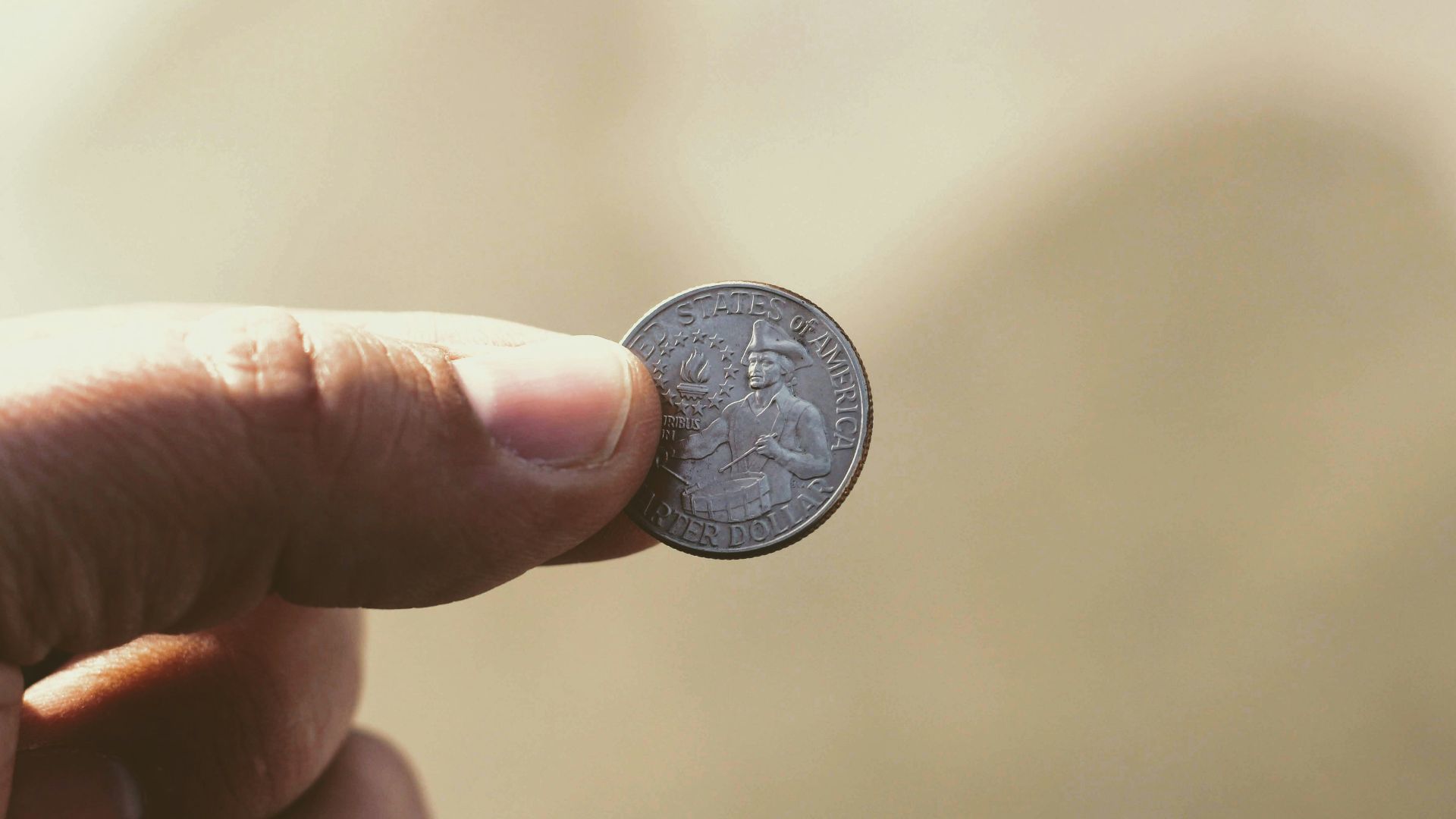
Breaking the coins into smaller deposits may give you a better chance of acceptance. Some banks are more willing to process manageable amounts rather than a single large deposit.
 Kevin Schneider, Wikimedia Commons
Check If Your Bank Charges For Coin Deposits
Even if your bank accepts coins, there may be fees for processing large quantities. Knowing these fees ahead of time can help you decide if it’s worth using your bank or exploring other options.
 Ken Teegardin from Boulder, Boulder, Wikimedia Commons
Your Friend’s Payment Method Matters
While your friend technically repaid the debt, the form of payment has caused an additional inconvenience for you. In the future, it’s reasonable to set your expectations about how repayment should be made, so you can avoid similar situations.

You Could Ask For A Different Form Of Payment
If converting the coins is too much of a rigmarole or too costly, you could consider asking your friend to exchange them for a more practical form of payment. This could involve returning the coins and requesting cash, a check, or an electronic transfer. Use your discretion here, as this option may be more aggravation than it’s worth.

Keep Records Of The Payment
Document the amount you collected and how it was delivered. This can protect you if there is any dispute about whether the debt was fully repaid or if some of the coins are unusable or short.
 ANTONI SHKRABA production, Pexels
Be Mindful Of Time And Effort
Handling thousands of dollars in coins can take some time and effort. It’s important to factor in your own time when you’re figuring out how to deal with the situation, especially if the process becomes overly tedious or drawn out.
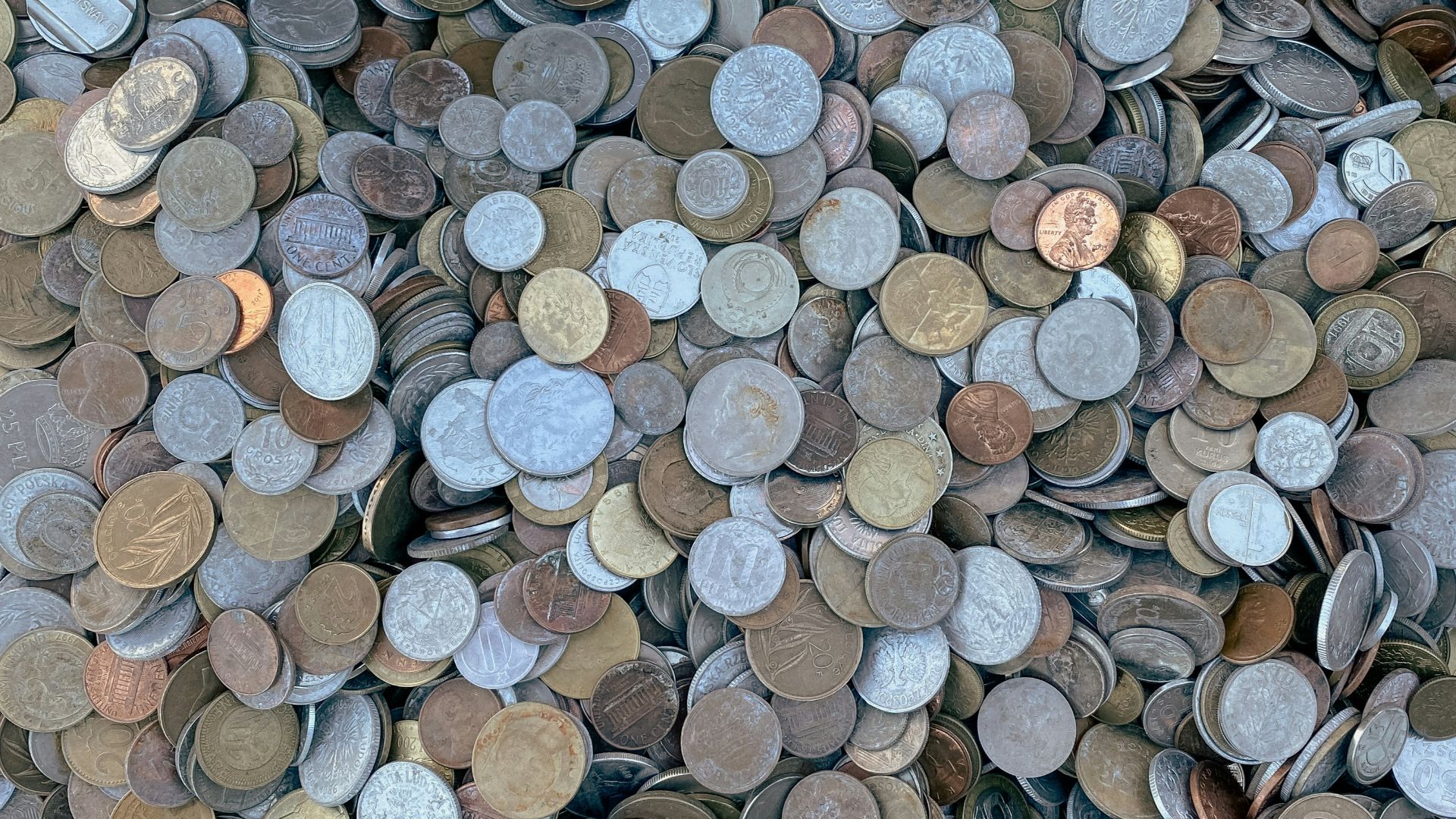
Businesses May Have Limits Too
While coins are legal tender, most businesses aren’t required to accept large quantities of them any more than banks are. Attempting to use them for large transactions may not be practical and could lead to refusal.
 BrayLockBoy, Wikimedia Commons
Plan Ahead For Future Loans
This situation only goes to show the importance of setting clear terms when lending money. Agreeing on repayment methods in advance can help avoid misunderstandings and ensure that you receive funds in a usable form.

Consider The Relationship Impact
While the situation is most likely frustrating, it may be worth damaging your friendship over. Balancing the inconvenience with the value of the friendship of a person who did pay you back after all, can help guide how you respond to your friend.

Final Takeaway
Getting repaid in coins is legally valid but is an inconvenience from the practical point of view. Your best approach is to explore multiple options, from coin machines to bank policies, while trying not to waste any more of your time and money than necessary. Setting clearer expectations in the future can help you avoid similar challenges.
You May Also Like: