
My Landlord Raised The Rent By 12%, But Offered A Deal
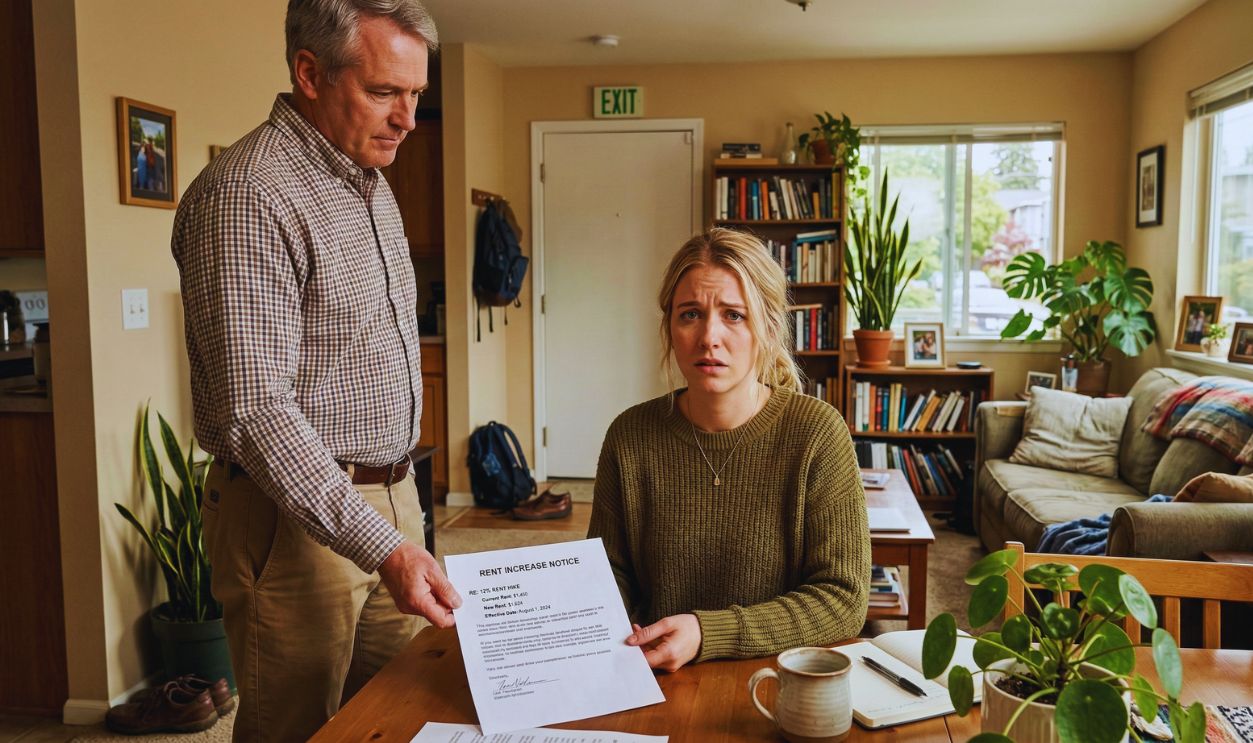
You got hit with a 12% rent hike, then came the “but” that changes everything. Your landlord says they will keep rent flat if you pay a full year upfront. It sounds like a discount, but it can also be a trap if your finances are tight.
What This Deal Really Is
This is basically a prepaid lease, sometimes called “rent paid in advance.” You give your landlord a lump sum now in exchange for stable rent for the next 12 months. The catch is that you take on more risk if anything goes wrong.

Do The Quick Math Before You React
First, calculate what the 12% increase actually costs over a year. Multiply your current monthly rent by 12%, then multiply that by 12 months. That number is the “savings” your landlord is offering you if you prepay.

Turn The Offer Into A Percentage Return
Think of prepaying as an investment you are making in exchange for avoided rent increases. If the increase would cost you $1,440 over the year, and you are prepaying $24,000, treat the offer like a tradeoff in liquidity: You are paying earlier to avoid higher rent later, so compare the rent you save against what that cash could earn and what flexibility you give up.

Compare It To What Your Cash Can Earn Risk-Free
Safe places like high-yield savings accounts and money market accounts often pay interest, but rates change over time. If your cash could earn a similar return while staying liquid, prepaying becomes less attractive. If your alternatives pay less, the rent-freeze starts looking better.

The Biggest Problem: You Lose Flexibility
Paying a year upfront ties your money to that specific apartment and that specific landlord. If you lose your job, need to move, or have a family emergency, you cannot “unpay” rent. That is the part that hurts people the most.

What If You Need To Move Early
Whether you can get unused prepaid rent back depends on your lease terms and your state’s landlord-tenant laws. Many leases treat prepaid rent differently from a security deposit. Before you hand over a lump sum, you need the refund rules in writing.

Security Deposit Rules Do Not Automatically Protect You
Security deposits are often regulated by state law, including timelines for returns and itemized deductions. Prepaid rent usually does not get the same legal treatment. That means your contract language matters even more than usual.

Ask One Question: Is This Even Legal Where You Live?
Some places limit how much rent a landlord can collect in advance, especially if the unit is rent-stabilized or rent-controlled. Other places allow it but require certain disclosures. This is worth checking, because an illegal arrangement can become a mess later.

Get The Offer In Writing, With Zero Wiggle Room
Do not rely on texts that sound friendly but lack details. You want a lease or addendum that states the monthly rent, the amount prepaid, and the period it covers. You also want clear language about what happens if the tenancy ends early.

Watch For The “New Lease” Trap
Sometimes the landlord is not just freezing rent. They are also using the moment to change other terms, like late fees, maintenance responsibilities, or renewal rules. The rent number is not the only thing that can get more expensive.

Check If You Are Accidentally Giving Up Rights
Lease addenda can include clauses about notice, entry, repairs, or dispute resolution. Some landlords slip in mandatory arbitration or attorney fee clauses. Read like a skeptic, because you are paying like a skeptic.

You Need Proof Of Payment That Is Hard To Dispute
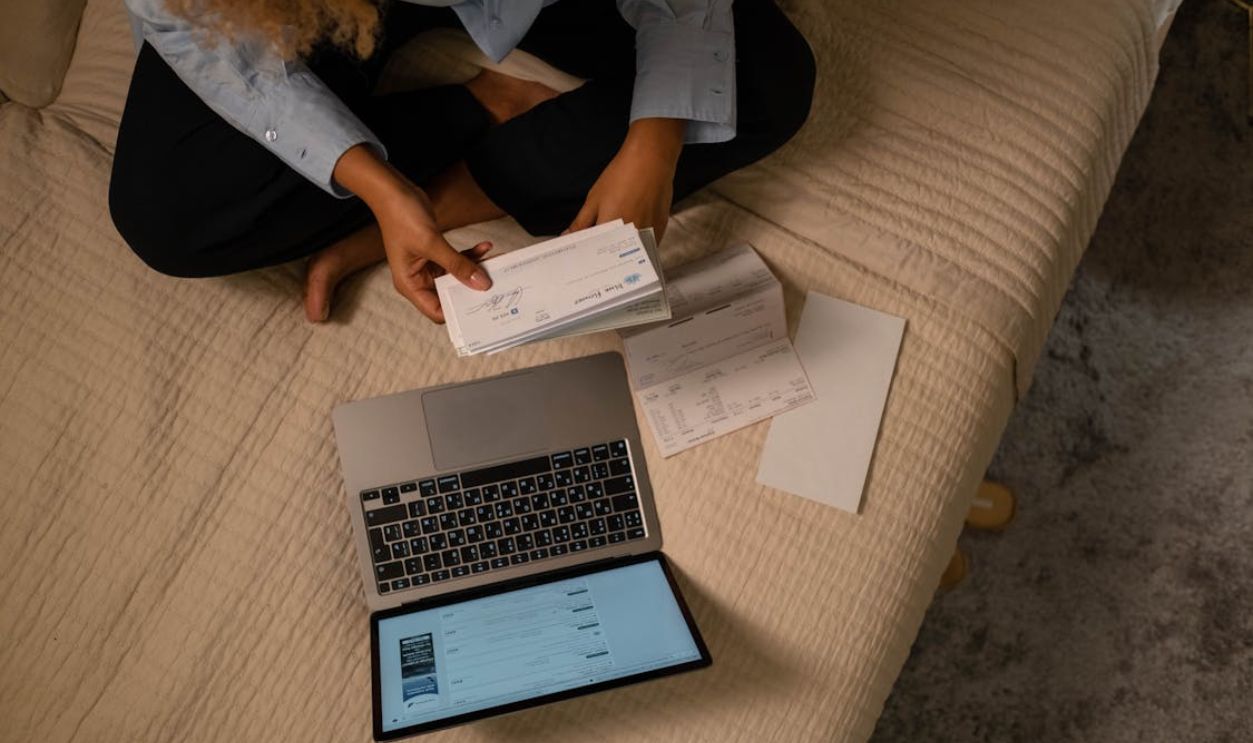
Paying by check, bank bill pay, or another traceable method makes disputes easier to resolve. Cash is risky for large sums, even if you get a receipt. Keep a copy of the lease, the payment record, and confirmation the landlord received it.
Also Ask Where The Money Goes
In many states, security deposits must be stored in specific ways, sometimes with interest rules. Prepaid rent is often not required to be held in a separate account. If your landlord has financial problems, that can matter more than you think.

The Nightmare Scenario: The Property Changes Hands
Landlords sell buildings, and property managers change. A new owner should honor existing leases, but prepaid rent disputes happen when records are messy. If that happens, you want documentation that is painfully clear.

If Your Landlord Goes Bankrupt, It Gets Complicated
In a landlord bankruptcy, tenants can end up as creditors for money they are owed. Getting prepaid rent back could be slow, partial, or contested. You do not need to assume disaster, but you should price in the risk.

Another Risk: Repairs And Habitability Problems
Most states require landlords to maintain rental units in habitable condition. If serious issues come up, you may want leverage to push for repairs. Paying upfront reduces your leverage because the landlord already has the money.

Rent Withholding Is A Legal Tool In Some Places
Some states allow rent withholding or repair-and-deduct under specific conditions when a landlord fails to make needed repairs. The rules are strict and vary by state. Prepaying can make these options harder to use in practice.

Run A Simple Personal “Stress Test”
Ask yourself if you could cover three to six months of expenses after making the payment. If prepaying wipes out your emergency fund, the deal is risky even if the math looks good. A rent freeze is not worth a financial cliff.

Do Not Ignore Credit Card And Loan Interest
If prepaying causes you to carry credit card balances, the interest can erase the savings fast. Credit card APRs are often far higher than the “return” you get from avoiding a rent hike. The cheapest money is the money you do not borrow.

Try A Counteroffer That Keeps Your Safety Net
You can ask for a smaller prepayment, like three or six months, in exchange for a smaller increase. You can also ask for a longer lease term with a fixed rent and no lump sum. Your goal is stability without draining cash.

Negotiate Like You Have Options
Bring comps from similar rentals in your area and ask what the increase is meant to cover. If you are a low-maintenance tenant who pays on time, say that plainly. A landlord might accept a smaller increase to avoid turnover costs.
 ANTONI SHKRABA production, Pexels
Make The Landlord Earn The Upfront Payment
If you do prepay, ask for something in return besides the rent freeze. That could be a written commitment for prompt repairs, a professional cleaning, or upgraded appliances. If you are giving premium terms, ask for premium service.

Use A Written Addendum With Specific Refund Terms
The best protection is a clause that explains how unused prepaid rent is refunded if you move out early. It should include a timeline, the method of return, and whether any fees can be deducted. Vague language is where money disappears.

Consider An Escrow Or Attorney Trust Account
In some situations, tenants and landlords use escrow to reduce risk with large payments. This is not common for everyday rentals, but it can be negotiated. If the payment is huge, it may be worth asking about.

When Prepaying Might Actually Be Smart
It can make sense if you have a strong emergency fund, stable income, and a clear reason you will stay put. It also helps if your landlord is reputable and you can verify good property management. The deal is better when your risk is low.

When It Is A Bad Idea
If you might move, if your job is uncertain, or if you do not trust the landlord, prepaying can backfire. If you are already cash-tight, it can force you into debt. A rent hike is painful, but a drained bank account is worse.

The Bottom Line To Decide In One Minute
Calculate the savings, compare it to what your cash can earn, and measure the hit to your emergency fund. Then get ironclad written terms about refunds, early termination, and what happens if ownership changes. The deal is not automatically terrible, but the fine print decides whether it is a bargain or a regret.