Taking The Money And Running
So you're thinking about doing something most people never seriously consider: closing every bank account you have and taking your money elsewhere. But if you make that leap, can you still have a credit card if you don't have a bank account? The answer might surprise you...

You're Not The Only One Asking
A surprising number of people have grown skeptical of traditional banks in recent years. Some are frustrated by fees, some dislike how little interest their savings earn, and others simply prefer having more direct control over their money. But even people who want nothing to do with bank accounts often hit the same roadblock: modern life still seems built around them. Which is where the credit card question comes into play.

Banking On It
Most people automatically connect credit cards and bank accounts in their minds. After all, the payments usually come from a checking account, and many cards are issued by banks. But those are actually two separate financial products. And that's where things start to get confusing.

The Banks
Major cards from companies like Chase, Bank of America, Citi, and Wells Fargo are issued by banks. However, opening one of their credit cards does not automatically require you to open or maintain a deposit account with them. Millions of people have credit cards from banks where they have no checking or savings account at all.
 G. Edward Johnson, Wikimedia Commons
Credit Cards Are Loans
At its core, a credit card is simply a revolving line of credit. The card issuer agrees to lend you money up to a certain limit. You make purchases, receive a bill, and repay what you owe. Whether you keep a checking account is often a separate issue from the lender's perspective.

The Credit Card Company Mainly Cares About Credit
When you apply for a credit card, the issuer usually focuses on things like your credit score, income, debt levels, and payment history. They generally care much more about your ability to repay than whether you keep money in one of their bank accounts.

You Still Need A Way To Pay The Bill
This is where things get tricky. Even if you can keep a credit card without a bank account, you still need a way to pay your monthly bill. Credit card companies expect payment in actual money, not promises. Without a bank account, paying that bill can become more inconvenient.

Paying By Check Is Still Possible
Some card issuers still accept mailed checks. If you maintain a relationship with a credit union, use money orders, or have another payment method available, you may still be able to make payments without a traditional checking account. However, mailing payments can create delays and increase the risk of late fees if timing goes wrong.

Money Orders May Work
Some credit card issuers accept money orders as payment. This can be useful for people who primarily operate with cash. However, not every issuer handles these payments the same way, so you would need to confirm the rules directly with your card company.

Prepaid Cards Aren't The Same Thing
Some people think prepaid cards solve this problem. They can help with everyday spending, but prepaid cards are not credit cards. You're spending money you've already loaded onto the card, not borrowing money from a lender. That means prepaid cards generally don't help build credit the way traditional credit cards can.

Secured Credit Cards Are An Option
Secured credit cards usually require a refundable security deposit and are often used by people building or rebuilding credit. The deposit helps protect the lender, but it doesn't necessarily mean you need a traditional checking or savings account with that institution.

Cash-Only Living Has Challenges
Some people attempt to go completely cash-only. While it sounds simple, many modern transactions are much easier with some type of account relationship. Online purchases, automatic bill payments, travel reservations, and subscription services often become more complicated without one.

Accessing Cash May Be Harder
Credit cards are designed primarily for purchases, not for replacing a bank account. While cash advances exist, they often come with immediate interest charges and additional fees. For most people, using a credit card as a substitute for banking services quickly becomes expensive.
Some Credit Cards Require Electronic Payments
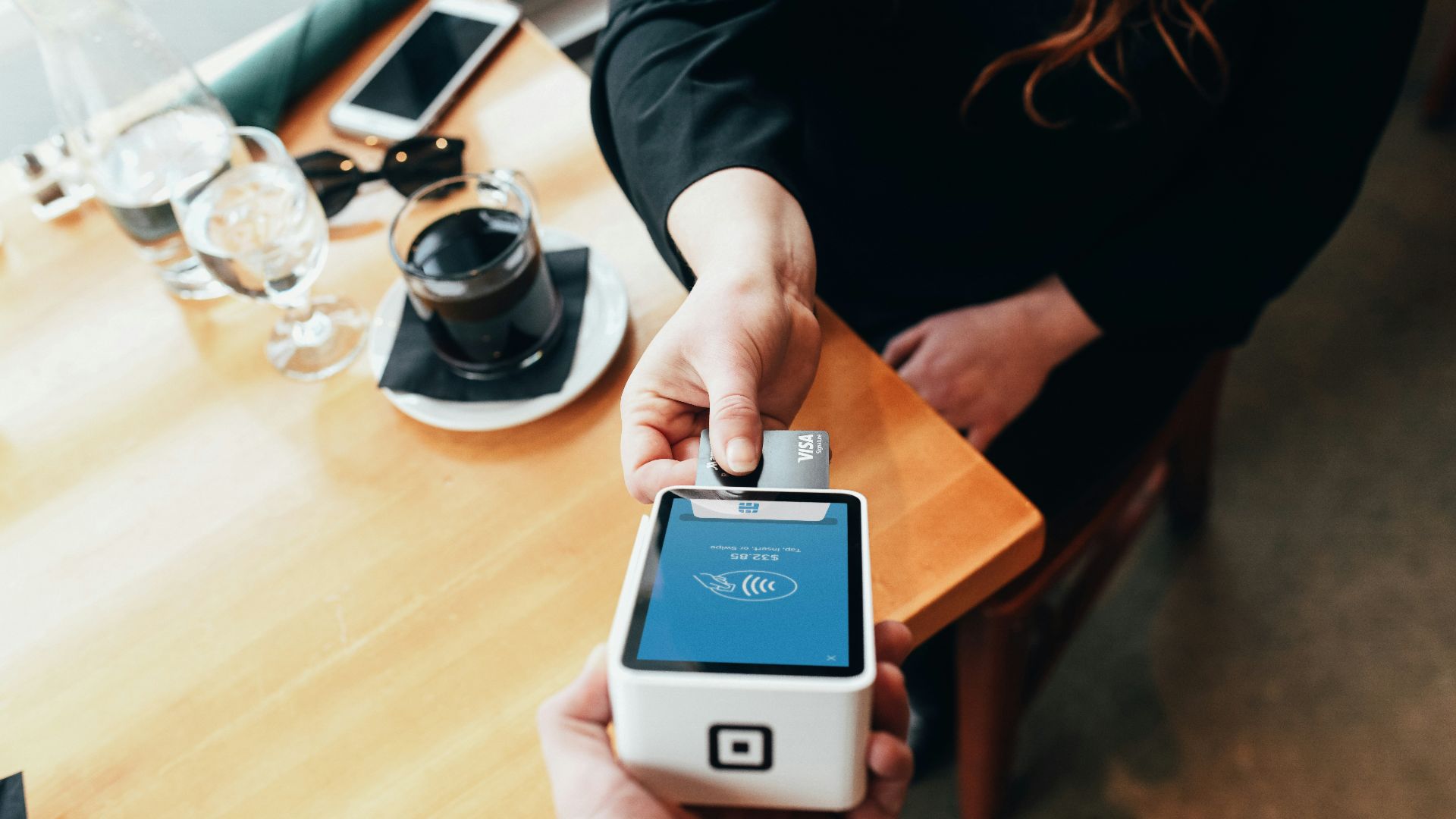
Certain issuers strongly encourage online payments and electronic account management. While alternative payment methods may exist, they can be slower or less convenient than linking a checking account. Before closing everything, it's worth understanding your card issuer's specific policies.
You Can Have A Credit Card And No Savings Account
A savings account is usually even less important to the credit card relationship. There is generally no requirement that cardholders maintain savings accounts in order to keep existing credit cards open.
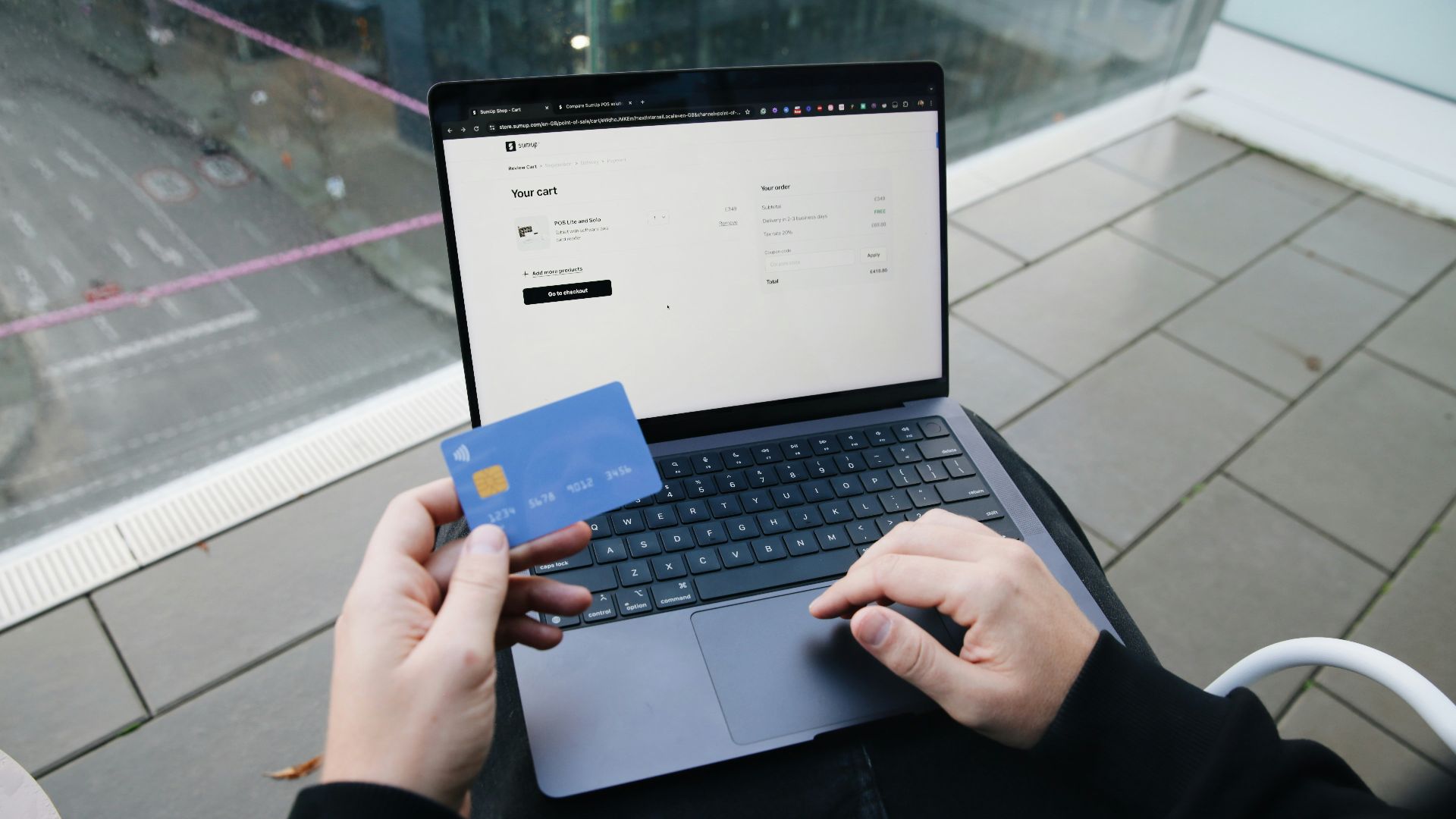
Existing Cards Usually Stay Open
If you already have a credit card and decide to close your bank accounts, the card itself typically remains active as long as you continue meeting the card issuer's requirements. Closing a checking account does not automatically cancel a credit card.

Auto-Pay Will Need Attention
Many cardholders use automatic payments linked to a checking account. If you close that account, you'll need to update your payment method immediately. Otherwise, failed payments could lead to late fees, interest charges, and potential damage to your credit score.

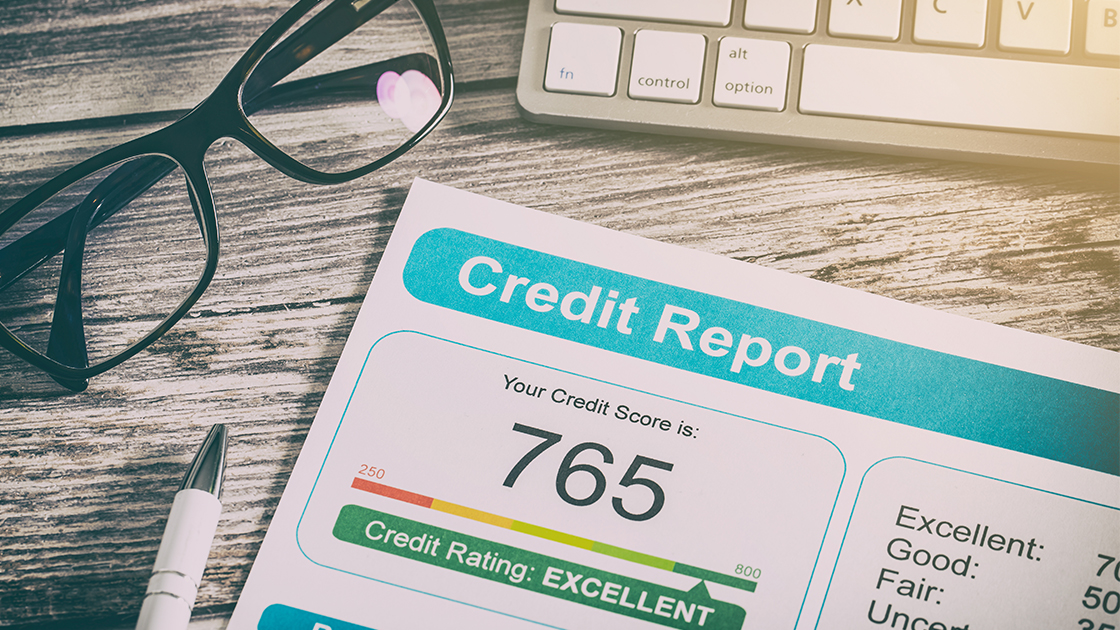
Your Credit Score Doesn't Depend On A Bank Account
A common misconception is that everyone needs a bank account to maintain good credit. In reality, credit scores primarily track borrowing and repayment behavior. Responsible use of loans and credit cards matters far more than whether you have a checking account. However, unpaid fees or negative balances on a closed bank account can sometimes end up in collections, which can indirectly affect your credit.
Credit Unions May Be An Alternative
If your issue is with large banks rather than financial institutions in general, a credit union might be worth considering. Credit unions often offer checking accounts, savings accounts, and credit cards while operating under a different ownership structure than traditional banks. Many members report lower fees and more personalized service.
Online Banks Count Too
If your frustration is with physical banks, remember that online banks are still banks. Many offer lower fees, higher savings rates, and fewer account requirements while still allowing easy payment of credit card bills. For some people, this provides a middle ground.

Some Lenders Like Seeing Banking Relationships
While not always required, some lenders view stable banking relationships as a positive sign during certain lending decisions. This is more common with mortgages, personal loans, and business lending than with routine credit card approvals.

FDIC Insurance Still Matters
People who withdraw all their money from banks sometimes overlook one important benefit: deposit insurance. At FDIC-insured banks and NCUA-insured credit unions, deposits are generally protected up to $250,000 per depositor, per insured institution, per ownership category if the institution fails. Holding large amounts of cash outside the banking system carries different risks.

Credit Cards Can Actually Be Harder Without Banking Access
Ironically, completely abandoning banks can sometimes make managing credit cards more difficult. The card itself may stay active, but making payments, receiving refunds, resolving disputes, and managing accounts often becomes less convenient without some type of financial institution relationship.

Cash Doesn't Always Equal Control
Many people feel safer when they can physically see their money. But keeping large amounts of cash at home creates risks including theft, fire, loss, and lack of insurance protection. Convenience and security are part of the reason bank accounts became so common in the first place.
The Real Answer
Yes, you can usually have and keep a credit card without maintaining a traditional bank account. The bigger question isn't whether it's possible. It's whether you have a practical plan for paying the bill every month and handling your day-to-day financial life. For most people, eliminating banks entirely is possible in theory, but much harder in practice than it first appears.
You Might Also Like:
I’m 60 years old and I just heard about the retirement Rule of 173—now I’m panicking. Am I too late?