
The Accountant Ghosted Me. Now What?
You did the responsible thing. You gathered your income documents, sent them to your accountant, and waited like a model adult. Then came silence. Now you have discovered the business is closed, and suddenly your tax situation feels like a financial horror movie. Take a breath. This is fixable.

Start With One Goal
Right now, your mission is not to solve everything in one panicked afternoon. Your goal is to protect your identity, figure out whether your tax return was filed, recover your records if possible, and get a new qualified professional involved quickly. One step at a time beats total chaos.

Confirm The Business Really Closed
Before spiraling, make sure the closure is real. Check the accountant’s website, voicemail, email auto-reply, state business registry, and any social media pages. Sometimes firms merge, move, or rebrand. Other times, yes, they disappear like socks in the dryer. You need facts before taking action.

Figure Out What You Sent
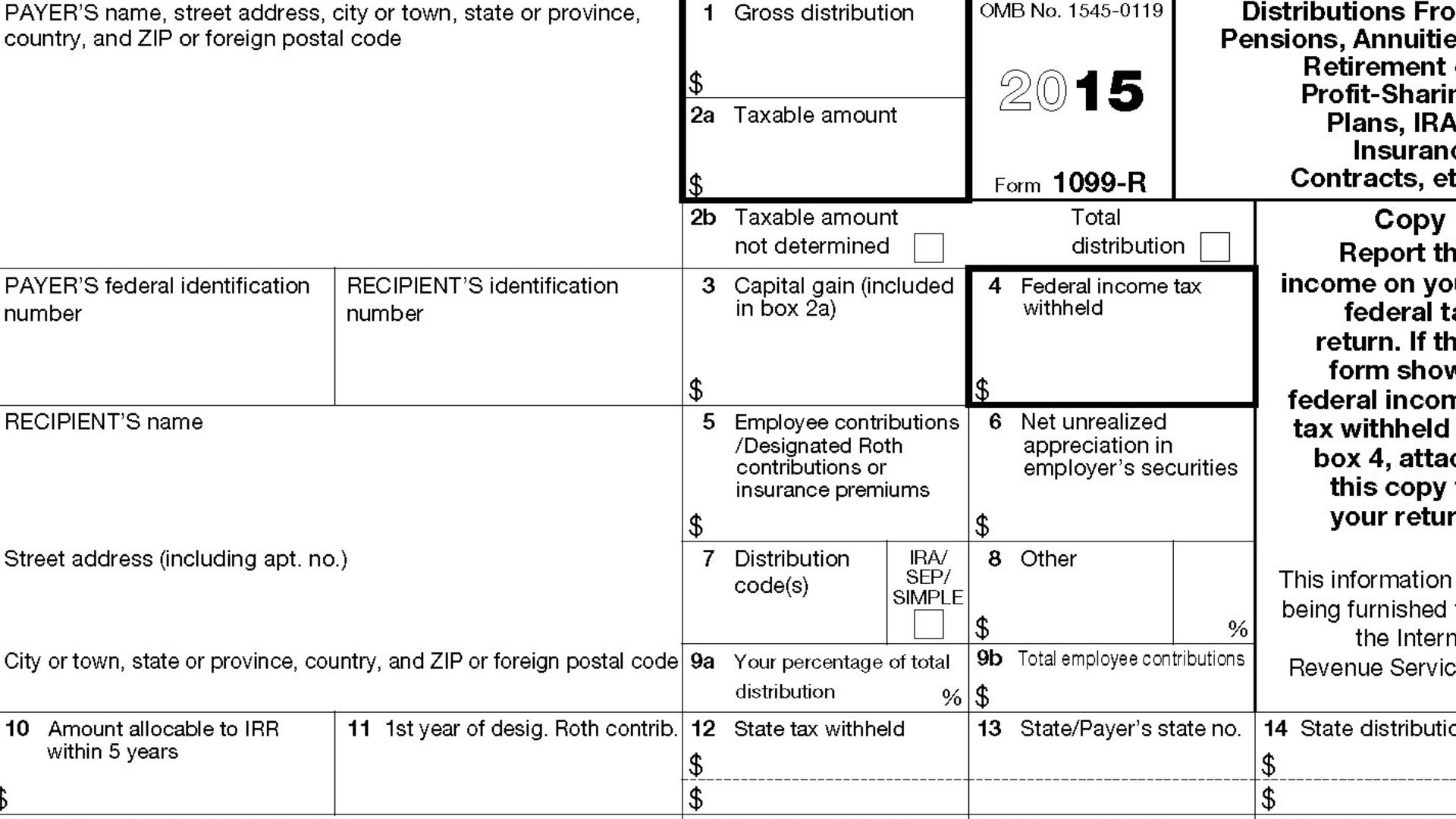
Make a list of every document you gave that accountant. Think W-2s, 1099s, prior tax returns, Social Security numbers, banking details, ID copies, and any business records. This matters because the next steps depend on whether you lost only paperwork, or handed over a full identity theft starter pack.
 United States Internal Revenue Service, Wikimedia Commons
Check Whether Your Return Was Filed
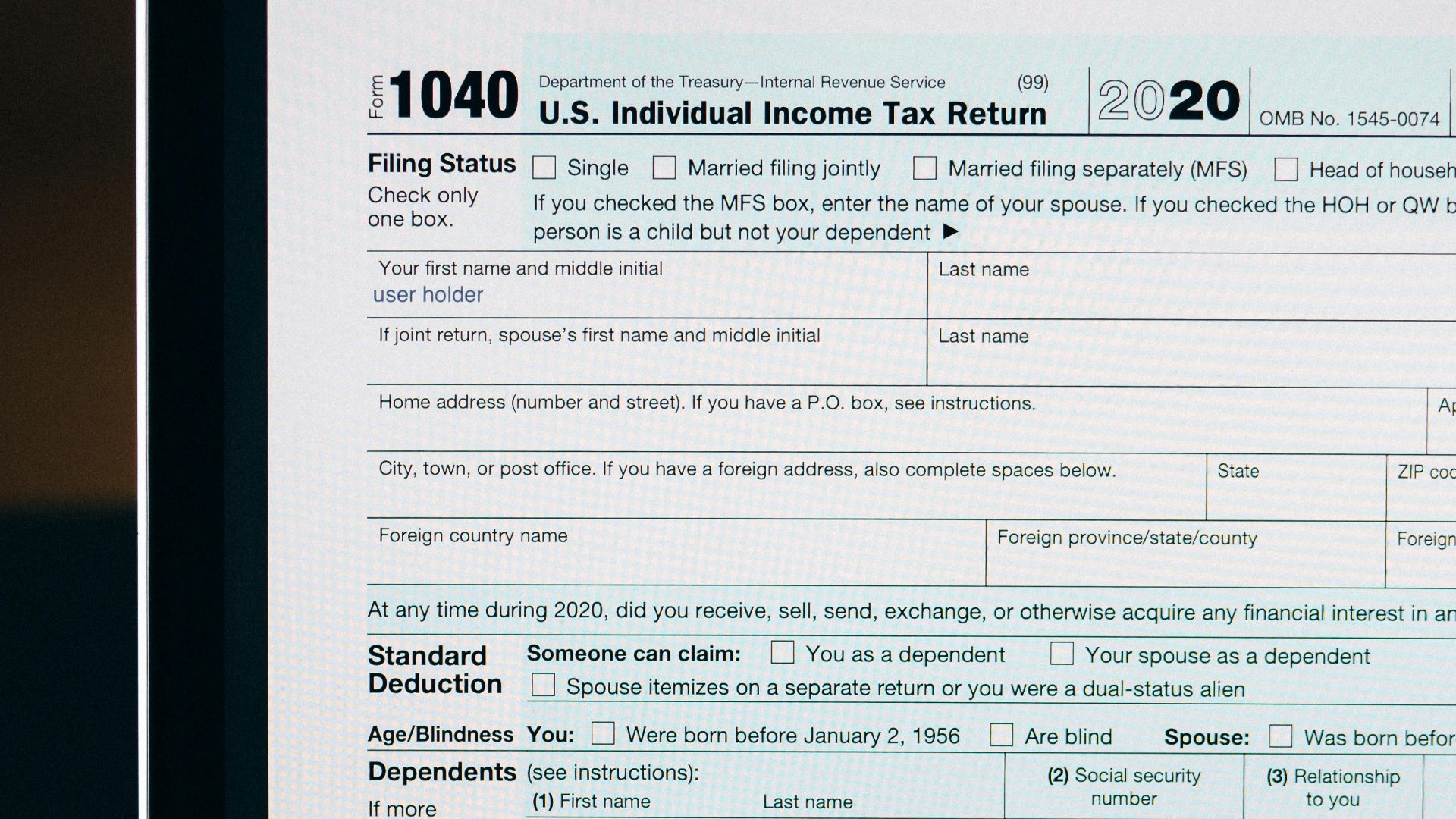
Do not assume nothing happened just because no one called you back. Your return may have been prepared or even submitted. Check your email for e-file notices, payment confirmations, or portal alerts. You can also review your IRS account or ask a new preparer to help verify your filing status.
Create An IRS Online Account
If you do not already have an IRS online account, now is a great time to set one up. It can help you view tax records, balances, notices, and filing history. It is not thrilling, but neither is discovering a stranger filed a return in your name first.

Pull Your Tax Transcripts
Tax transcripts can show whether a return was filed and what information the IRS has on record for you. They are extremely useful when your original preparer has gone missing. Think of transcripts as the tax-world equivalent of checking security footage after something weird happened.

Watch Your Mail Like A Hawk
Keep an eye on your mailbox and email for anything from the IRS or your state tax agency. If a return was filed incorrectly, or not filed at all, notices may be on the way. Official tax letters are never fun, but ignoring them makes everything much less fun.
 Elizaveta Kushnirenko, Unsplash
Try To Recover Your Documents
If the office is closed, reach out anyway through every channel you have. Email, call, send a certified letter, and document all attempts. Ask where client records were transferred. Sometimes another firm takes over storage. Even if no one answers, your paper trail will help later.

Contact Your State Licensing Board
If your accountant was a CPA, enrolled agent, or attorney, there may be a state board or professional body that can help you track records or file a complaint. This step may not get your papers back instantly, but it can create pressure and give you a formal path forward.

Change Your Mindset From Delay To Damage Control
This is no longer a “wait and see” situation. It is a “move quickly and reduce risk” situation. That does not mean panic-buying a shredder and changing your name. It means acting fast enough to limit missed deadlines, fraud exposure, and ugly surprises from tax authorities.

Protect Your Identity Immediately
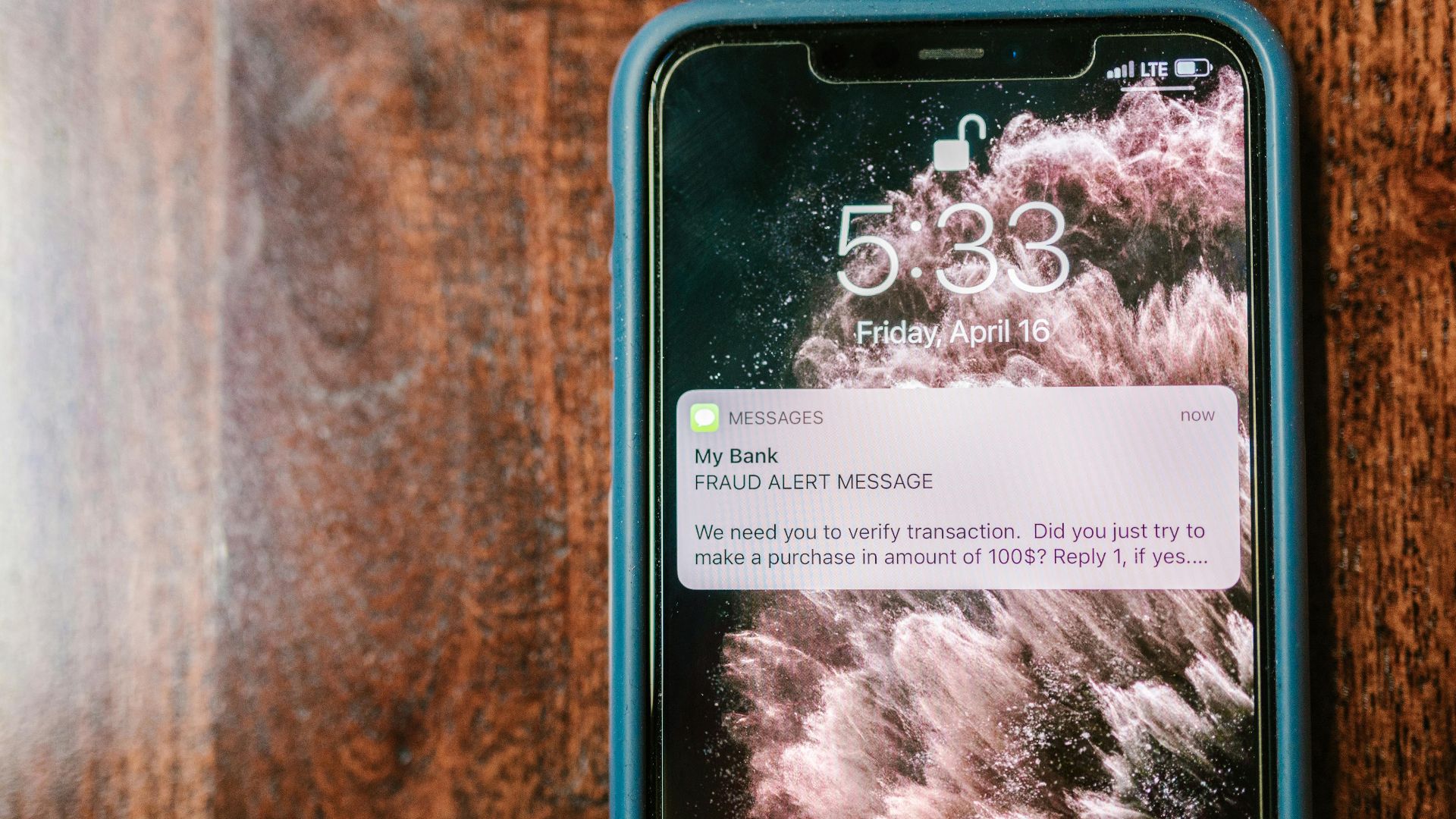
If that accountant had your Social Security number, date of birth, address, and income records, treat this as a possible data security issue. Consider placing a fraud alert or credit freeze with the major credit bureaus. It is annoying, yes, but far less annoying than cleaning up identity theft.
Change Sensitive Financial Access
If you shared bank account numbers for direct deposit or tax payments, review those accounts closely. Update passwords for your email, tax software, and financial accounts, especially if you reused passwords anywhere. A little digital housekeeping now can save you from a major headache later.

Gather Fresh Copies Of Your Tax Documents
You may not need the vanished accountant’s files to move forward. Employers, clients, payroll providers, banks, and brokerages can often resend tax forms. Start collecting new copies of everything you originally submitted. It is tedious, but rebuilding your file cabinet is better than guessing.

Find A New Tax Professional Fast
This is the moment to hire a new accountant, CPA, or enrolled agent. Look for someone with strong credentials, clear communication, and actual availability. Bonus points if they answer emails before the next equinox. You want a professional who can assess deadlines, filings, and risk without drama.

Tell The New Pro The Whole Story
When you contact a new preparer, explain exactly what happened. Say what you sent, when you sent it, whether you signed anything, and whether you know if a return was filed. Full honesty helps them move faster. This is not the time for a mysterious “long story.”

Ask About Filing Deadlines
If your return was never filed, deadlines matter. Your new professional can help determine whether you should file immediately, request relief, or take other corrective steps. The sooner you act, the more options you usually have. Taxes are one of those things that rarely improve with neglect.

Consider An Extension Or Late Filing Strategy
Depending on timing, you may need to file as soon as possible or address missed deadlines directly. A new preparer can guide that. What matters most is showing effort and getting compliant. Tax agencies tend to prefer taxpayers who act late but responsibly over taxpayers who vanish entirely.

Check Whether You Signed A Power Of Attorney
Look through your records to see whether you signed any authorizations that gave the accountant permission to act for you. If you did, ask your new professional whether any permissions should be revoked or replaced. You want the right people handling your taxes, not financial mystery guests.
Review Any Payments Or Refunds
Check whether you paid the old accountant, whether tax payments were made, and whether any refund was issued. Review bank statements carefully. Sometimes the biggest clue is not in a tax file at all, but in the money trail. Follow the dollars. They gossip.

Keep Notes On Everything
Create one simple timeline with dates, emails, calls, documents sent, and anything you have learned. This will help your new accountant, and it may help if you need to file complaints or respond to notices. A messy situation becomes much easier once it is written down clearly.

Report Suspicious Behavior If Needed
If you suspect fraud, misuse of funds, or identity theft, do not shrug and move on. Report concerns to the IRS, your state tax agency, relevant licensing boards, and possibly local law enforcement, depending on the issue. “Weird vibes” are not evidence, but suspicious facts should be documented.

Do Not Send More Sensitive Information Blindly
When hiring a replacement, verify how they collect documents and store data. A secure portal is better than random email attachments floating around cyberspace forever. After one disappearing-accountant saga, you have officially earned the right to become extremely picky about document security.

Learn The Red Flags For Next Time
Silence for months, vague answers, no engagement letter, no secure portal, and no proof of filing are all warning signs. A good tax pro does not need to be flashy, but they do need to be organized, reachable, and transparent. Professionalism is not a luxury feature.

Give Yourself Some Credit
This situation is stressful, but it is not proof that you were careless or foolish. Plenty of smart people trust a professional and get blindsided when that professional drops the ball. What matters now is how you respond. Calm, organized action is your best financial superpower.
 Kateryna Hliznitsova, Unsplash
Your Next Week Game Plan
This week, confirm the closure, check whether your return was filed, protect your credit, gather replacement documents, and hire a new tax professional. Those five moves will put you back in control quickly. You do not need a miracle. You need a checklist and decent coffee.

You Can Recover From This
Discovering your accountant shut down after taking your income information is awful, but it is not the end of the story. With quick action, good records, and a trustworthy replacement, you can protect yourself and get back on track. The paperwork may be messy, but your future does not have to be.

You May Also Like: