
When “Just A Few Dollars” Feels Like A Huge Red Flag
Living alone while needing round-the-clock care already takes a lot of trust, planning, and patience. So when cash starts disappearing from your jar, it is not “just money missing.” It is a warning sign. Whether the cause is theft, confusion, or poor recordkeeping, the right move is to treat it seriously, act calmly, and protect yourself fast.

Start By Trusting Your Gut
If you noticed money is missing, do not brush it off or talk yourself into thinking you are overreacting. People who depend on caregivers often get pressured to stay quiet or avoid “making trouble.” That is nonsense. Your safety, dignity, and finances matter. If something feels off, it deserves a closer look right away.

Don’t Confront Anyone In The Heat Of The Moment
It is tempting to call out the first person who comes to mind, especially if you feel violated or angry. But a heated confrontation can make things messier. Someone could deny it, become defensive, or even retaliate. Instead, pause, write down what you noticed, and focus on gathering facts before making accusations.

Write Down Exactly What Happened
Grab a notebook, your phone, or whatever is easiest, and create a simple record. Note the date, time, how much money you think is missing, where the jar was kept, and who had access to your home. Even rough notes are better than relying on memory later, especially during a stressful situation.

Check For Innocent Explanations First
Before you assume theft, consider whether you moved the cash, spent some and forgot, or had someone help with errands using that money. That does not mean ignoring the problem. It just means ruling out simple explanations first. A clear head now can save you from confusion and strengthen your case if something is wrong.

Think About Who Has Access To Your Home
Make a short list of everyone who may have entered your home recently. That could include caregivers, home health aides, cleaners, maintenance workers, neighbors, friends, or even visiting relatives. You are not building a suspect board for a crime show. You are simply narrowing down who had the opportunity to see or reach the cash jar.

Protect The Cash That Is Left
If there is still money in the jar, move it immediately to a safer place. A locked box, a small home safe, or better yet, a bank account is much smarter than an open jar. Cash is easy to take and hard to track. You are not being dramatic. You are closing the door before more disappears.

Stop Keeping Daily Money In Plain Sight
A cash jar may feel simple and convenient, but it is also an open invitation for temptation. If caregivers or helpers come through regularly, visible cash can create risk even when most people are honest. Keep only a small amount at home for true daily needs, and store it somewhere private and secure.

Tell Someone You Trust
You live alone, so this is not the moment to keep everything to yourself. Call a trusted family member, friend, case manager, social worker, or veterans support contact. You need another set of eyes and ears. Bad situations often get worse in silence, while even one trusted person can help you think clearly and act safely.

Review Your Care Schedule
Look at who was in your home and when. If you use an agency, match visit times with when you last remember seeing the cash. If you hire privately, review texts, notes, calendars, or door camera timestamps if you have them. Small details can help you spot patterns without turning the situation into guesswork.

Secure Your Important Financial Items Too
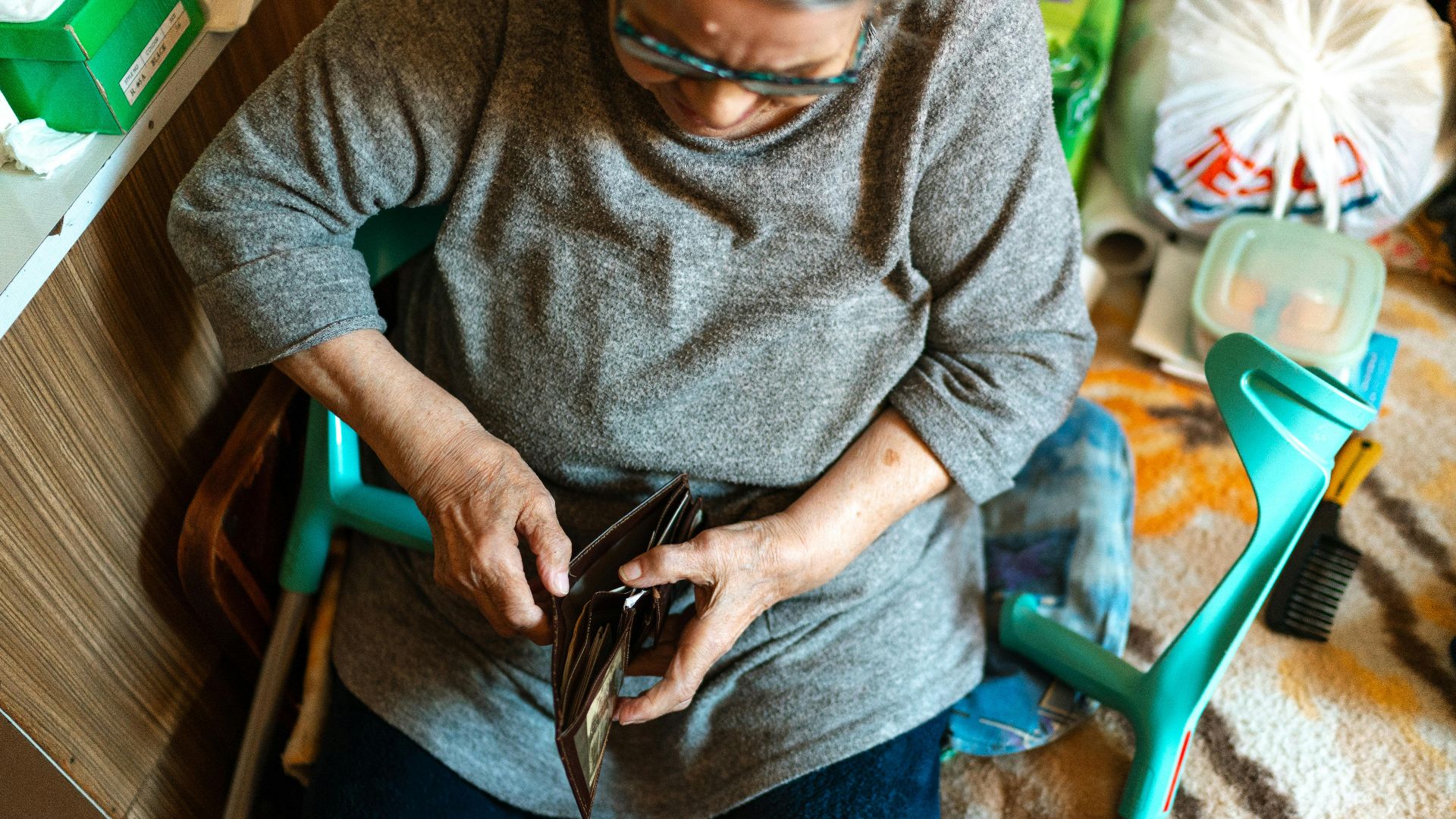
If cash went missing, assume other things could be at risk too. Check your wallet, checkbook, debit card, credit cards, account statements, prescription records, and personal documents. Theft sometimes starts small. You do not want to discover later that the missing cash was only the opening act in a much bigger mess.
Consider Changing How Care Is Managed
If different people rotate through your home, weak oversight can make problems easier to hide. Ask whether visits are tracked properly, whether supervisors check in, and whether you can request more accountability. If you hire someone directly, it may be time to tighten routines, document visits better, and reduce unsupervised access to valuables.

If You Use A Care Agency, Report It Promptly
Call the agency and report the missing money in a calm, factual way. Stick to what you know: cash was present, now it is not, and multiple people may have had access. Ask them to document your complaint, investigate, and tell you what protections they can put in place immediately. Keep notes on that call too.

If You Hire Privately, Be Extra Careful
Private care can feel more personal, but it may come with less oversight. That means you may need to do more of the tracking yourself. Document everything, reduce access to cash, and consider whether you need a different caregiver setup. Trust matters, but trust works best when it is backed by boundaries and records.

Watch For Bigger Signs Of Financial Abuse
Missing cash can be a one-time theft, or it can be part of a larger pattern. Watch for unpaid bills, unusual withdrawals, pressure to lend money, requests for gifts, missing belongings, or anyone trying to isolate you from people you trust. Financial abuse often sneaks in quietly before it becomes obvious and expensive.

Make Your Home A Little Harder To “Browse”
You should not have to live like a spy in your own home, but some practical changes help. Keep valuables out of common areas. Lock up checkbooks and cards. Do not leave mail, account info, or spare keys where visitors can see them. Less visibility means fewer opportunities for sticky fingers.

Use Banking Tools To Reduce Risk
If possible, shift more of your money handling away from cash. Direct deposit, automatic bill pay, low-balance alerts, and separate spending accounts can make your finances easier to monitor. Cash disappears silently. Bank activity leaves a trail. When you need help managing money, a paper trail can be your best friend.

Consider A Small Camera Or Entry Log
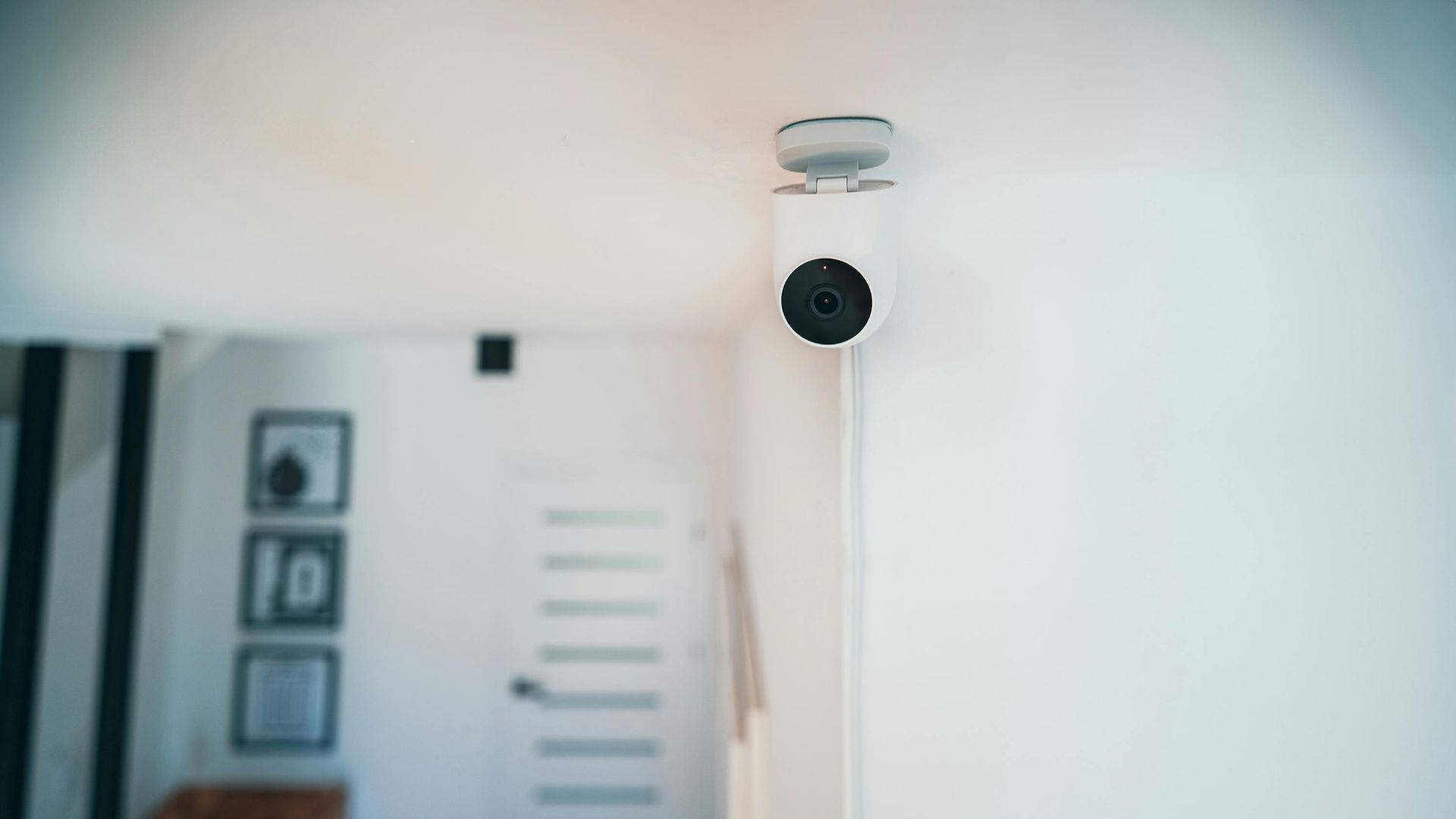
Depending on your comfort level and local rules, a doorbell camera, entry camera, or even a simple visitor log can help. The goal is not to make your home feel cold. It is to add accountability. People usually behave better when they know access is recorded and visits are easier to verify later.
Don’t Feel Guilty About Being “Suspicious”
A lot of people in care situations worry that setting boundaries makes them seem ungrateful or paranoid. It does not. Protecting your money is not rude. Asking questions is not rude. Wanting transparency in your own home is not rude. You are allowed to expect honesty from anyone who is paid to help you.

Reach Out To Veteran Support Resources
As a veteran, you may have access to support systems that can help you think through care, benefits, safety, and reporting options. A VA social worker, veteran service officer, or local veterans organization may help you figure out your next steps. You do not have to solve this alone just because you live alone.

Report It If You Believe A Crime Happened
If the missing money clearly looks like theft, consider filing a police report. That can feel intimidating, but it creates an official record. Be ready to share your notes, timeline, and who had access. Even if the amount seems small, reporting it may help protect you and possibly others who use the same caregiver.

Tell Adult Protective Services If You Feel Unsafe
If you are a vulnerable adult and believe you are being exploited, neglected, or endangered, contacting Adult Protective Services may be appropriate. This can be especially important if you depend on others for daily care. The goal is not punishment for its own sake. The goal is protection, support, and stopping further harm.

Ask For A Care Plan Review
Needing round-the-clock care means your daily setup should be built around safety, not just convenience. If this incident rattled your trust, request a review of your care arrangement. You may need fewer rotating helpers, more supervision, clearer rules, or involvement from a family member or advocate who can check in regularly.

Create A “Money Routine” Going Forward
A simple routine can make future problems easier to spot. Count any cash at the same time each day or week. Write it down. Keep receipts. Store money in one secure place. The goal is not obsession. It is clarity. When your system is consistent, you can notice trouble faster and respond with confidence.

Prepare For Pushback
If you report the issue, someone may say you are mistaken, forgetful, unfair, or overreacting. That can be upsetting, especially if you rely on help. Stay steady. Repeat the facts. Missing money deserves attention no matter who feels uncomfortable. Your need for care does not cancel your right to be heard and taken seriously.

Remember: This Is About More Than Cash
Yes, the missing money matters. But the bigger issue is trust inside your home. When you rely on others for daily care, even a small theft can shake your sense of safety. That is why this situation deserves action. Protecting your finances is also protecting your independence, confidence, and peace of mind.

You Deserve Help That Feels Safe
If money is missing from your cash jar, do not ignore it, minimize it, or carry the burden alone. Document what happened, secure what is left, tell someone you trust, and report the issue where needed. Care should make life safer, not more stressful. You deserve support that protects both your health and your wallet.