
The Unexpected Phone Call
Your adult son finally moved out with a few roommates, and you even helped by paying the security deposit. Months later, the landlord contacts you demanding money for unpaid rent or property damage. Suddenly, you are wondering whether helping with the deposit made you legally responsible for the lease.

Paying A Deposit Does Not Automatically Make You A Tenant
In most situations, simply providing money for a security deposit does not automatically make someone a tenant. Legal responsibility usually comes from signing the lease or another binding agreement. The source of the money alone is generally not what creates liability.

The Lease Is Usually The First Place To Look
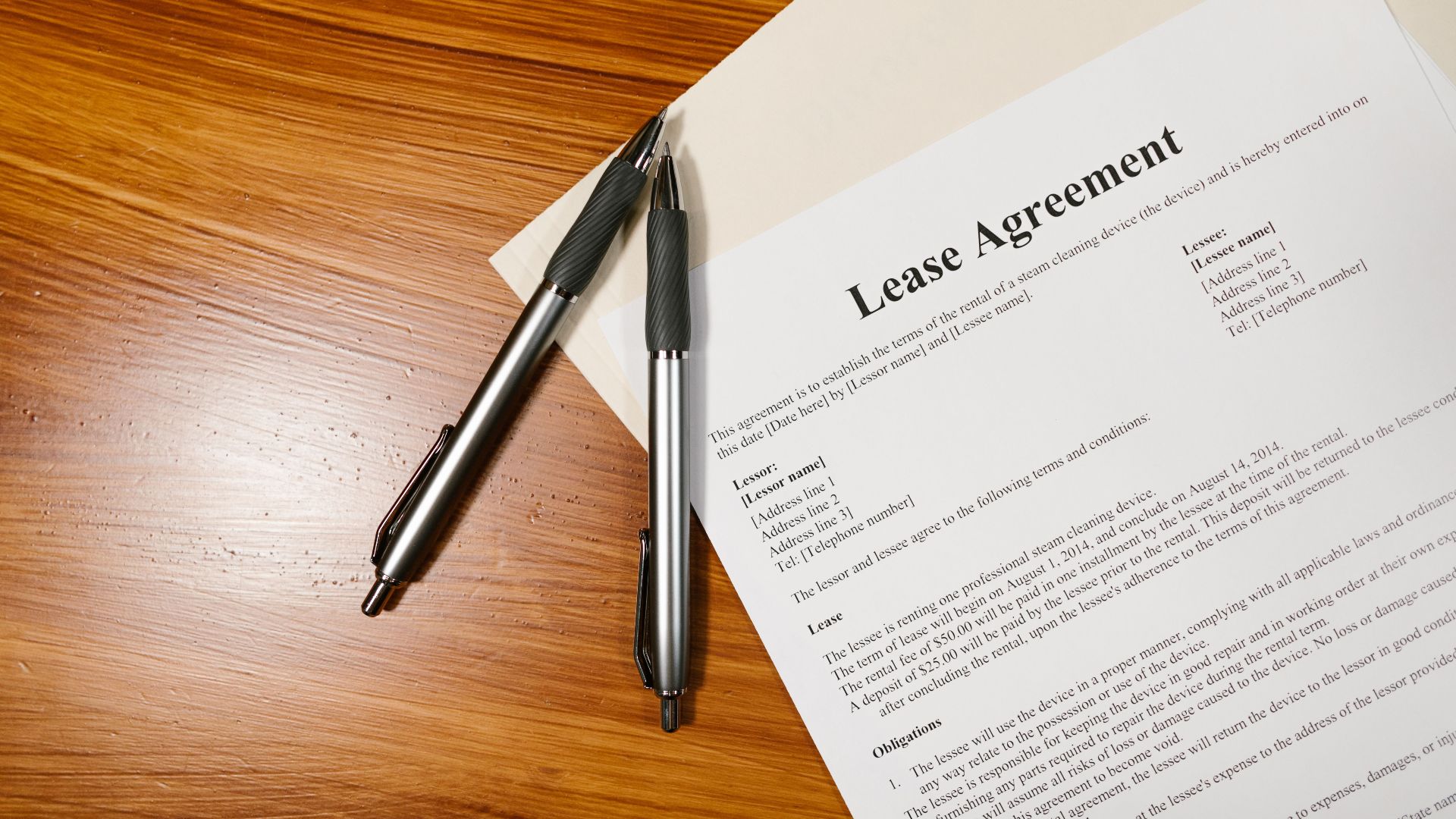
The lease is the most important document in almost every landlord tenant dispute. It identifies who the tenants are and who agreed to follow the lease terms. If your name does not appear as a tenant or guarantor, that fact often matters significantly.
A Guarantor Is Different From Someone Who Helps Financially
Parents sometimes agree to act as guarantors so their adult children can qualify for a rental. A guarantor signs a separate legal promise to cover certain obligations if the tenant fails to do so. Paying a deposit without signing such an agreement is usually a different situation.

Why Landlords Sometimes Contact Parents Anyway
Landlords may contact parents simply because they know they helped financially. A parent may also be easier to reach than several young roommates. However, asking for payment is not the same thing as having a legal right to collect it.

Security Deposits Have A Specific Purpose
Security deposits generally exist to cover unpaid rent, excessive damage, or other lease violations permitted under state or provincial law. They are not automatically a guarantee that the person who supplied the funds assumes all future lease obligations. The rules governing deposits vary by jurisdiction.

Roommates Can Complicate Everything
Shared housing often creates confusion because several people may share responsibility for rent. Many leases make each tenant jointly responsible for the full amount owed. That responsibility normally applies to the people who signed the lease rather than someone who merely contributed money.

Did You Sign Anything At Move In?
This is often the biggest question. Some parents unknowingly sign guaranty forms, co signer agreements, or lease addendums during move in. Those documents can create legal obligations that go far beyond paying a deposit.
Co Signers Usually Accept Greater Responsibility
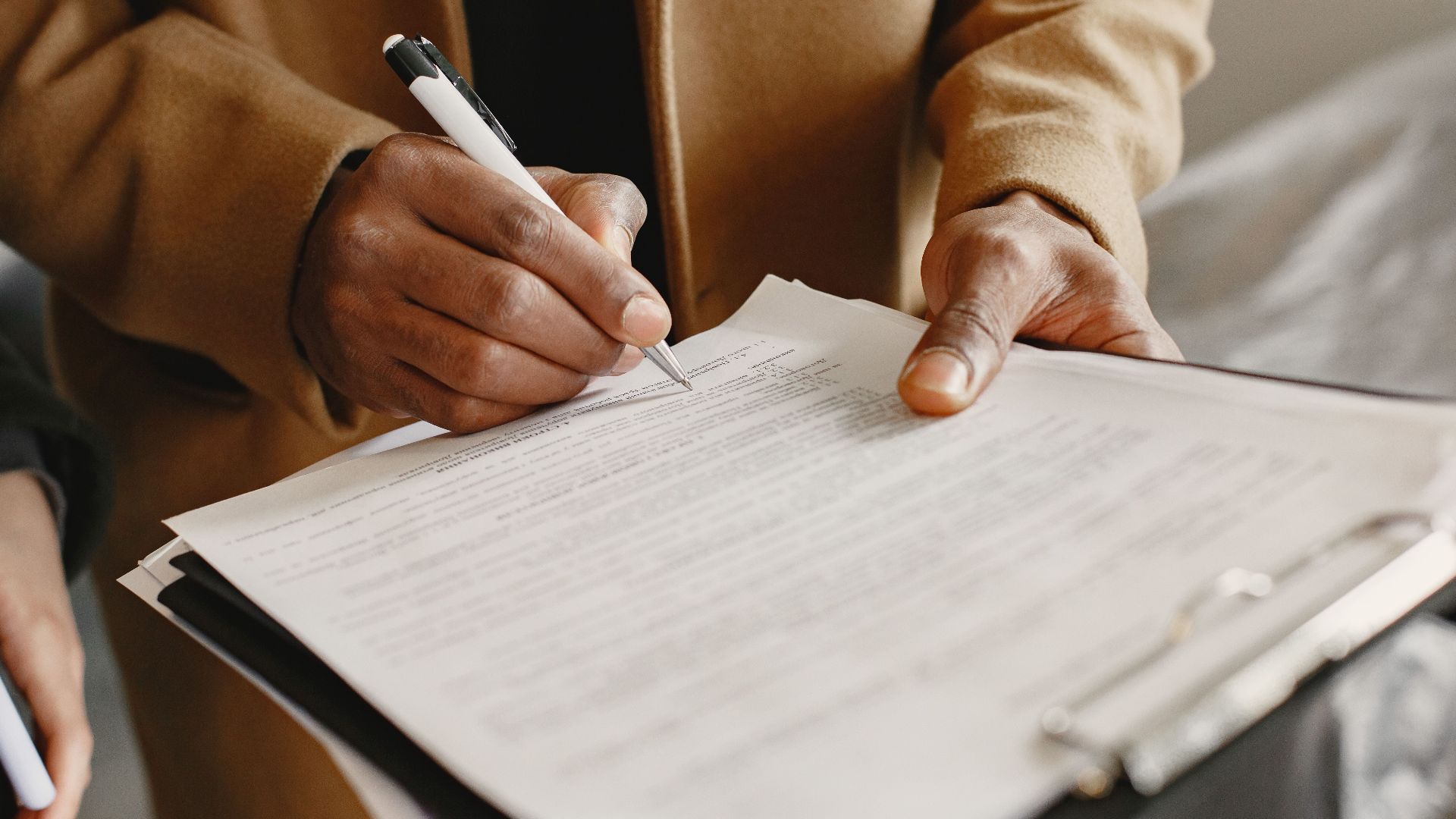
A co signer generally agrees to become legally responsible for the lease alongside the tenant. Depending on the agreement, the landlord may pursue the co signer for unpaid rent or other obligations. That is very different from simply giving your child financial assistance.

Read Every Signature Line Carefully
Many rental documents contain several separate signature pages. Someone may sign an application, guaranty, inspection report, or payment receipt without realizing each serves a different purpose. Reviewing exactly what you signed is essential before reaching any conclusions.

The Deposit Receipt Matters Too
The receipt may identify who actually paid the security deposit. It may also state whether the payment was made on behalf of a tenant. Even so, a receipt by itself usually does not replace the legal obligations established in the lease.

State And Provincial Laws Can Be Very Different
Landlord tenant laws vary widely across the United States and Canada. Some jurisdictions have detailed rules about deposits, guarantors, and tenant rights. The outcome of any dispute depends heavily on local law and the actual contract.

Parents Often Assume The Worst
Receiving a demand letter can be intimidating. Many people immediately assume they must pay because they helped their child financially. In reality, legal responsibility depends on contracts and applicable law rather than assumptions.

Ask The Landlord To Explain The Claim
If a landlord says you owe money, ask for a written explanation. Request copies of any documents that supposedly create your responsibility. That allows you to compare their claim with what you actually signed.

Do Not Ignore Written Notices
Even if you believe the landlord is mistaken, do not throw away letters or emails. Responding promptly can prevent misunderstandings from becoming larger disputes. Keeping organized records is also helpful if questions continue.

Keep Copies Of Everything
Save the lease, payment receipts, emails, text messages, and inspection reports. These documents often become important if disagreements arise later. Good records frequently clarify who agreed to what.

Damage Claims Require Evidence
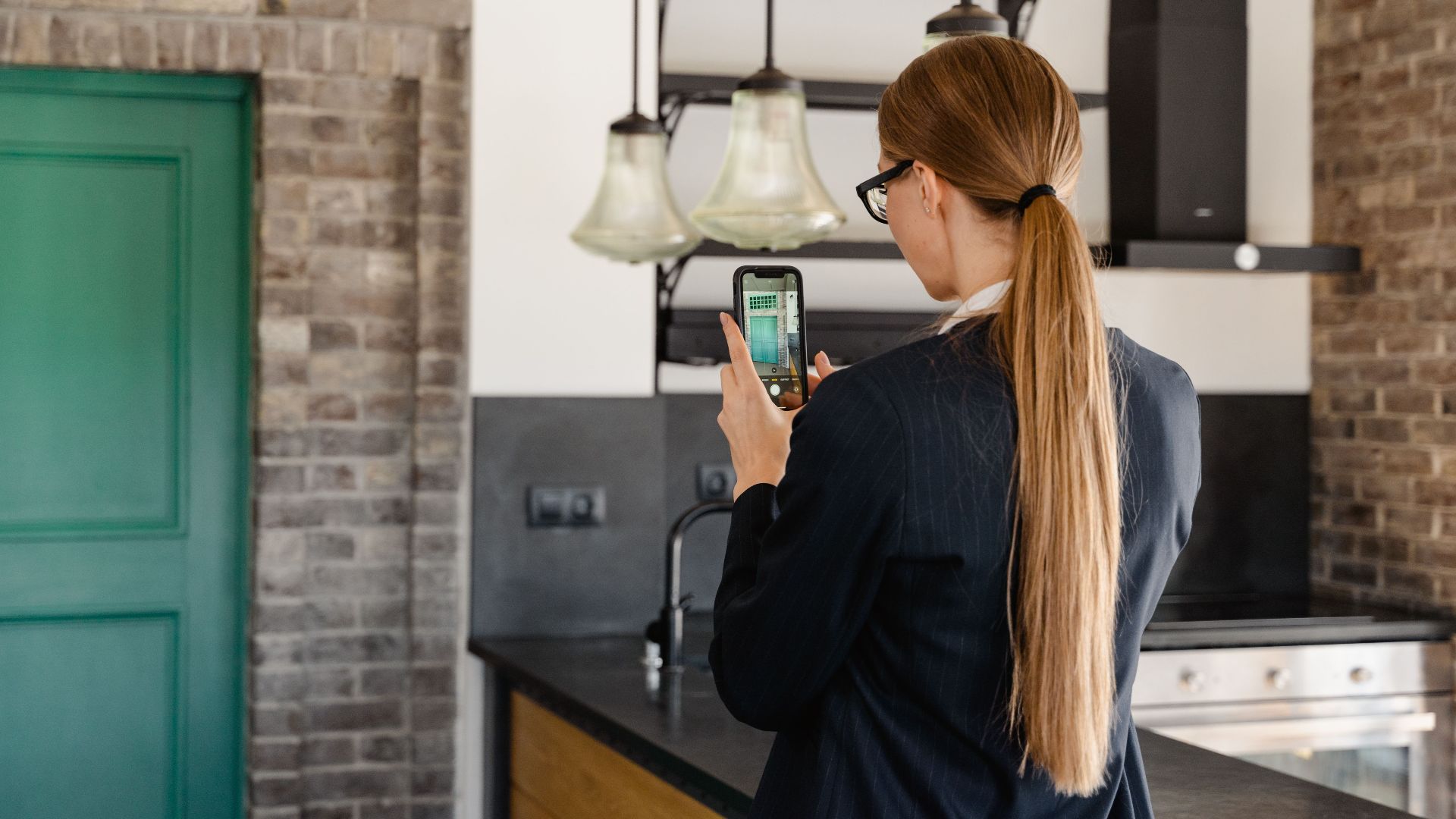
If the landlord seeks money for property damage, documentation usually matters. Move in and move out photographs, inspection reports, and repair invoices can help establish whether deductions are appropriate. Many jurisdictions regulate how security deposits may be used.
The Roommates May Also Affect The Outcome
When several roommates sign together, the lease often explains how responsibility is shared. One roommate moving out does not necessarily eliminate obligations created under the agreement. The exact wording of the lease controls many of these issues.

Your Son Is Still An Adult Tenant
Parents often help with first apartments, but adult children generally remain legally responsible for contracts they sign themselves. Financial support does not automatically transfer those contractual obligations to a parent. The lease remains the key document.

Communication Can Prevent Bigger Problems
Sometimes misunderstandings arise because the landlord assumes a parent is also a guarantor. A respectful conversation supported by documentation may resolve the issue quickly. Clear communication is often less expensive than prolonged conflict.

When Legal Advice Makes Sense
If substantial money is involved or the landlord threatens legal action, consulting a local attorney or tenant advocacy organization can be worthwhile. They can review the actual lease and applicable laws. Personalized legal advice is far more reliable than general internet discussions.

Avoid Making Verbal Promises
During stressful conversations, avoid casually promising to pay before understanding your legal position. Statements made during negotiations may complicate matters later. It is reasonable to review the documents before responding.

Helping Does Not Always Mean Owing
Many parents assist with deposits, moving expenses, or furniture purchases. Those acts alone generally do not make them parties to the lease. Actual legal liability usually depends on signed agreements and local law.

Planning Ahead For Future Rentals
If you help with another apartment in the future, ask to see every document before signing anything. Understand whether you are merely providing funds or accepting legal responsibility. Knowing the difference can prevent unpleasant surprises later.

The Bottom Line
A landlord's demand for payment does not automatically mean you are legally responsible because you paid the security deposit. The lease, any guaranty or co signer agreement, and the laws where the rental is located usually determine liability. If you never agreed in writing to assume those obligations, the landlord may face significant hurdles in holding you personally responsible, but only a review of the actual documents and local law can provide a definitive answer.

You May Also Like:
I'm 65 and my husband wants to buy a timeshare. Is this how we end up broke?