That Cash Deposit Can Trigger More Than A Receipt
Selling your car for cash can seem simple. You hand over the keys, count the bills, and head to the bank with money that is clearly yours. But once that cash hits the counter, your bank may see something else entirely: a transaction that has to be reviewed under federal anti-money-laundering rules.
Why A Bank Might Freeze An Account
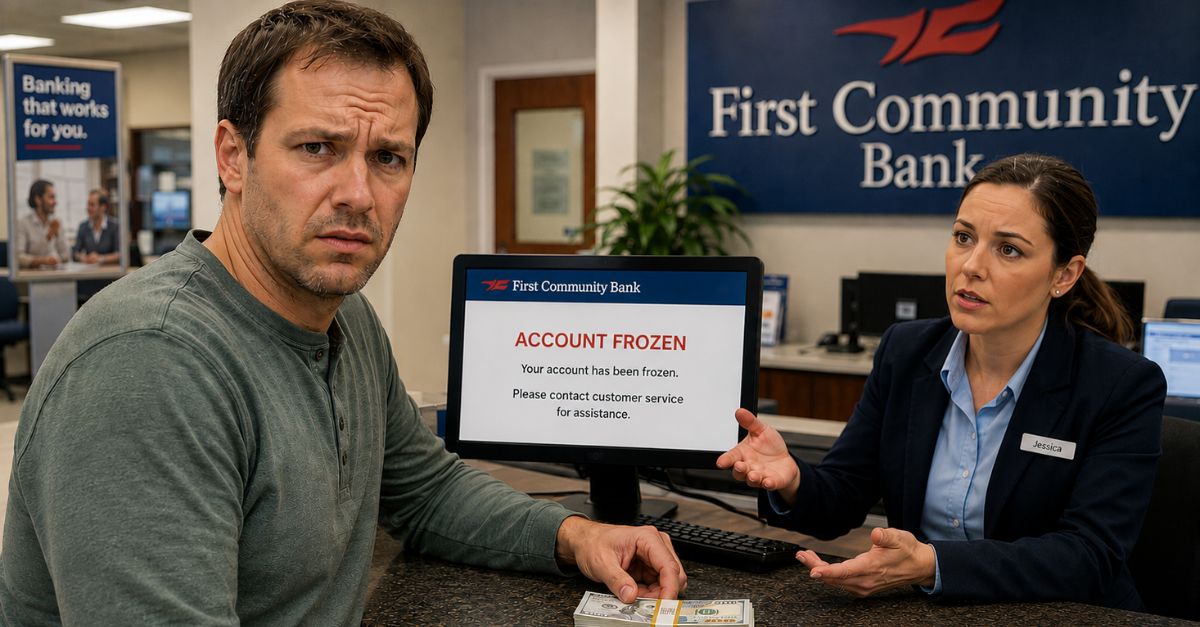
Banks have to monitor accounts for suspicious activity under the Bank Secrecy Act, a federal law first passed in 1970. If a deposit does not match your usual account activity, a bank may place a hold, restrict access, or even close the account while it reviews what happened. That can happen even when the money came from a legal sale.

The Law Behind The Scrutiny
The Bank Secrecy Act set up recordkeeping and reporting rules meant to help detect money laundering and other financial crimes. The law is enforced in part through the Treasury Department’s Financial Crimes Enforcement Network, or FinCEN. Banks work under these rules every day, and cash transactions get some of the closest attention.
 LIGHTFIELD STUDIOS, Adobe Stock
The $10,000 Threshold Everyone Talks About
If you deposit more than $10,000 in cash, a bank generally has to file a Currency Transaction Report, or CTR, with FinCEN. The IRS says banks and other financial institutions file this report for cash transactions over that amount. That does not mean you did anything wrong, but it does mean the transaction goes into a reporting system built for law enforcement review.

Smaller Deposits Can Still Cause Problems
A lot of people think deposits under $10,000 fly under the radar. They do not. Banks can still flag smaller transactions if the activity looks unusual, inconsistent, or broken up to avoid reporting rules.

What “Structuring” Actually Means
Structuring is when someone splits up cash transactions to avoid the $10,000 reporting threshold. FinCEN and the IRS both warn that this is illegal, even if the money itself came from a legal source. In other words, trying to stay under the limit on purpose can cause more trouble than making one clean deposit.
Yes, Your Own Money Can Look Suspicious
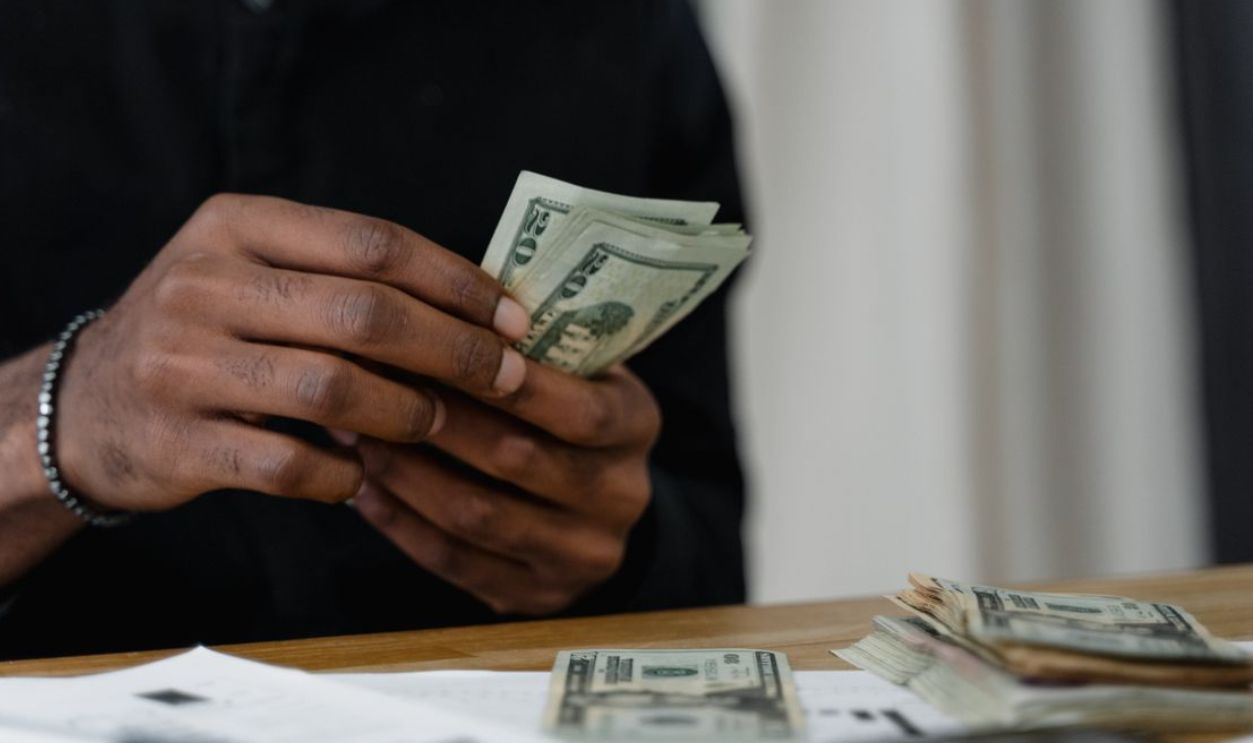
From your point of view, the story is simple: you sold a car and deposited the money. From the bank’s point of view, a sudden cash deposit may look like a red flag if you do not usually deal with large amounts of cash. Compliance systems are built to compare new activity with your normal behavior, not just your explanation at the counter.
 WavebreakMediaMicro, Adobe Stock
Banks Are Told To Know Their Customers
Federal regulators expect banks to understand what normal activity looks like for their customers. The Federal Financial Institutions Examination Council’s Bank Secrecy Act and anti-money-laundering guidance says suspicious activity monitoring should take that into account. That is why a one-time car sale can stand out so sharply in an otherwise ordinary checking account.
Why Cash Gets Extra Attention
Cash is harder to trace than a wire transfer, cashier’s check, or electronic payment. Regulators treat it as higher risk because it can move without the same paper trail digital payments create. A bank employee may see a thick envelope of bills and immediately think compliance review, even if the sale was legitimate.

A Suspicious Activity Report Is A Different Animal
Besides CTRs, banks may also file Suspicious Activity Reports, or SARs. FinCEN requires SARs when a bank detects transactions that may involve illegal activity, attempts to dodge reporting rules, or behavior with no clear lawful purpose. Customers usually are not told whether a SAR was filed, which is one reason account freezes can feel so confusing.

Your Bank Usually Will Not Tell You Everything
Federal law limits what banks can say about suspicious activity reporting. Banks are not allowed to tell the person involved whether a SAR was filed. So if your account is restricted after a cash deposit, you may get only a vague explanation like “under review” or “for security reasons.”

Holds And Freezes Are Not Always The Same
A hold usually means the bank is delaying access to some or all of the deposit. A freeze can mean the bank has restricted transactions more broadly while it reviews the account. Policies vary by bank, but either move can leave you unable to pay bills even when the money came from a legal sale.

Cash Deposits Can Also Raise Check-Fraud Questions
Banks are on alert for scams involving unusual deposits followed by quick withdrawals. That pattern is often tied to checks, but any sudden surge of funds can trigger a closer look if the bank worries the money could be linked to fraud or third-party activity. Context matters, and accounts with little past cash activity often get more scrutiny.

The Car Sale Itself May Be Totally Fine
There is nothing illegal about selling your car for cash. The problem is usually not the sale itself but the bank’s duty to review unexpected cash activity. The cleaner your paper trail, the easier it is to show that the deposit came from a real private sale.

Paperwork Matters More Than Most People Realize
A dated bill of sale can make a big difference. So can text messages with the buyer, a copy of the signed title transfer, maintenance records, and even a photo of the vehicle listing. If your bank asks questions, actual documents carry a lot more weight than a verbal explanation.

What To Bring To The Bank
If you are depositing a large amount of cash from a car sale, bring your ID and the sale documents with you. Be ready to explain where the money came from clearly and consistently. Some banks may note that information internally, which can help if the transaction is reviewed later.

Do Not Try To Split Up The Deposit
This is the part that catches many honest people off guard. Making several smaller deposits to avoid attention can look like an attempt to evade the law. The IRS specifically warns that breaking up transactions to avoid the reporting threshold is illegal structuring.
A Straight Story Is Usually Your Best Defense
If the money came from a legitimate sale, say that plainly. Tell the bank you sold your car, state the amount, and offer the paperwork. A simple, consistent explanation is much safer than trying to outsmart the system or leaving out details.

Could The Bank Close Your Account Entirely?
Yes, it can happen. Banks generally have broad discretion to close accounts if they think the relationship creates compliance risk. The Consumer Financial Protection Bureau notes that institutions may close accounts for different reasons, and customers often get little more than a notice.

What To Do If Your Account Gets Frozen
Contact the bank right away and ask what documents it needs to review the deposit. Keep records of every call, message, and branch visit, including dates and names. If the issue comes down to verifying the source of funds, a quick and organized response can help shorten the disruption.

Ask Specific Questions
Do not stop at “Why is my account frozen?” Ask whether the restriction applies only to the deposit or to the whole account. Ask what documents are needed, when the review began, and when you should expect an update.

Escalate If You Hit A Wall
If front-line customer service cannot help, ask for the bank’s fraud or compliance department, or for a branch manager if you are there in person. If you still cannot get answers, you can file a complaint with the Consumer Financial Protection Bureau. That will not override federal reporting rules, but it may push the bank to respond more clearly.

How Long Can A Review Take?
There is no standard timeline. Some issues are resolved in a day or two, while others drag on depending on the bank’s internal process and the details of the transaction. The more complete your documentation, the better your chances of moving things along.

Why Digital Payment Can Be Easier Next Time
A cashier’s check, bank wire, or verified electronic transfer can create a cleaner record than a stack of bills. Many private sellers still prefer cash because it feels immediate, but banks often see traceable forms of payment as less risky. That does not make cash wrong, just more likely to draw questions.

Meet At The Buyer’s Bank If Possible
One smart move is to complete the sale at the buyer’s bank. You can watch the buyer withdraw the funds or get a cashier’s check, and you may be able to deposit the money right away with documentation in hand. That setup can cut down on uncertainty for both sides.

Count The Money, But Document The Story
Most people focus on making sure the cash amount is right. That matters, but the paper trail is what helps later if your bank’s systems light up. A legitimate source of funds is much easier to defend when every step of the sale can be shown on paper.
The Red Flag Is Often About Pattern, Not Ownership
The frustrating truth is that depositing your own money can raise red flags because banks are screening for patterns linked to crime, not judging your personal sense of ownership. A sudden, large cash deposit after a private sale can fall outside your normal profile. That alone can be enough to trigger a review, even when the transaction is innocent.

The Bottom Line For Car Sellers
If you sell your car for cash, do not panic if the bank asks questions. Report the deposit honestly, avoid structuring, and keep every document tied to the sale. In the world of bank compliance, the best way to show your money is clean is to make the story easy to verify.