
That Deposit You Thought Was Safe
It's a nasty surprise in your bank account. You make a deposit, the money shows up, and then two weeks later your bank takes it back and says it was a mistake. In many cases, yes, a bank can reverse a deposit if it was posted in error, if the check bounces, or if the bank later finds fraud or a duplicate credit.

Why This Happens More Than People Realize
Most people assume that once money appears in an account, it is fully cleared and final. That is not always true. Federal law requires banks to make some deposited funds available quickly, but availability is not the same thing as final payment.

Available Does Not Mean Final
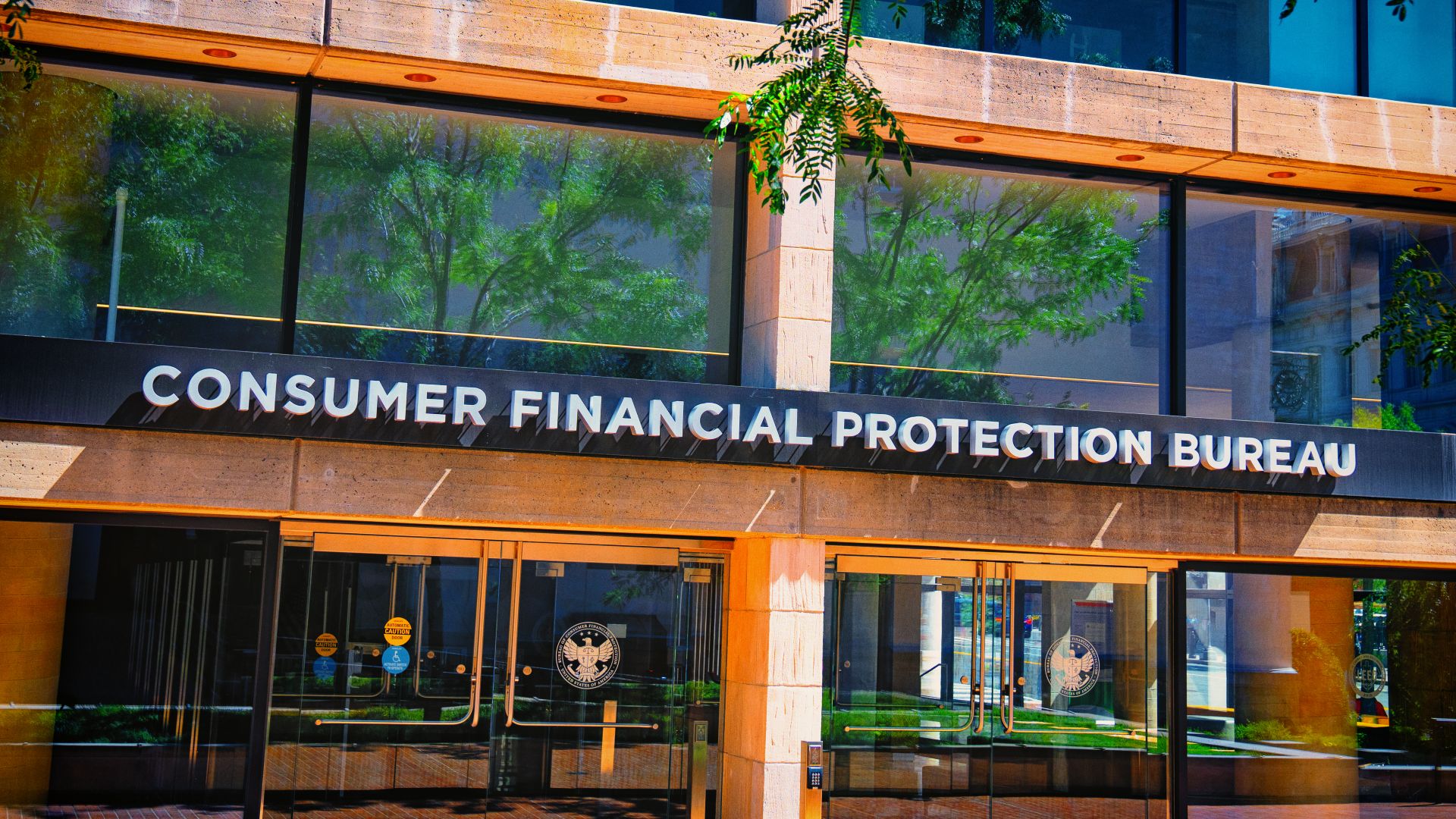
The key legal distinction comes from the Expedited Funds Availability Act and its main rule, Regulation CC. As the Consumer Financial Protection Bureau explains, banks often have to make money from certain deposits available within set time frames. But the bank can still reverse that credit later if the deposit is returned unpaid or was posted by mistake.
 Tony Webster, Wikimedia Commons
The Rule Most People Never Hear About
Regulation CC is the main reason this catches customers off guard. It controls when your bank has to let you use deposited money, not whether the paying bank has finally honored the item. That means you can spend money that later disappears if the deposit never fully settles.

Checks Are the Classic Example
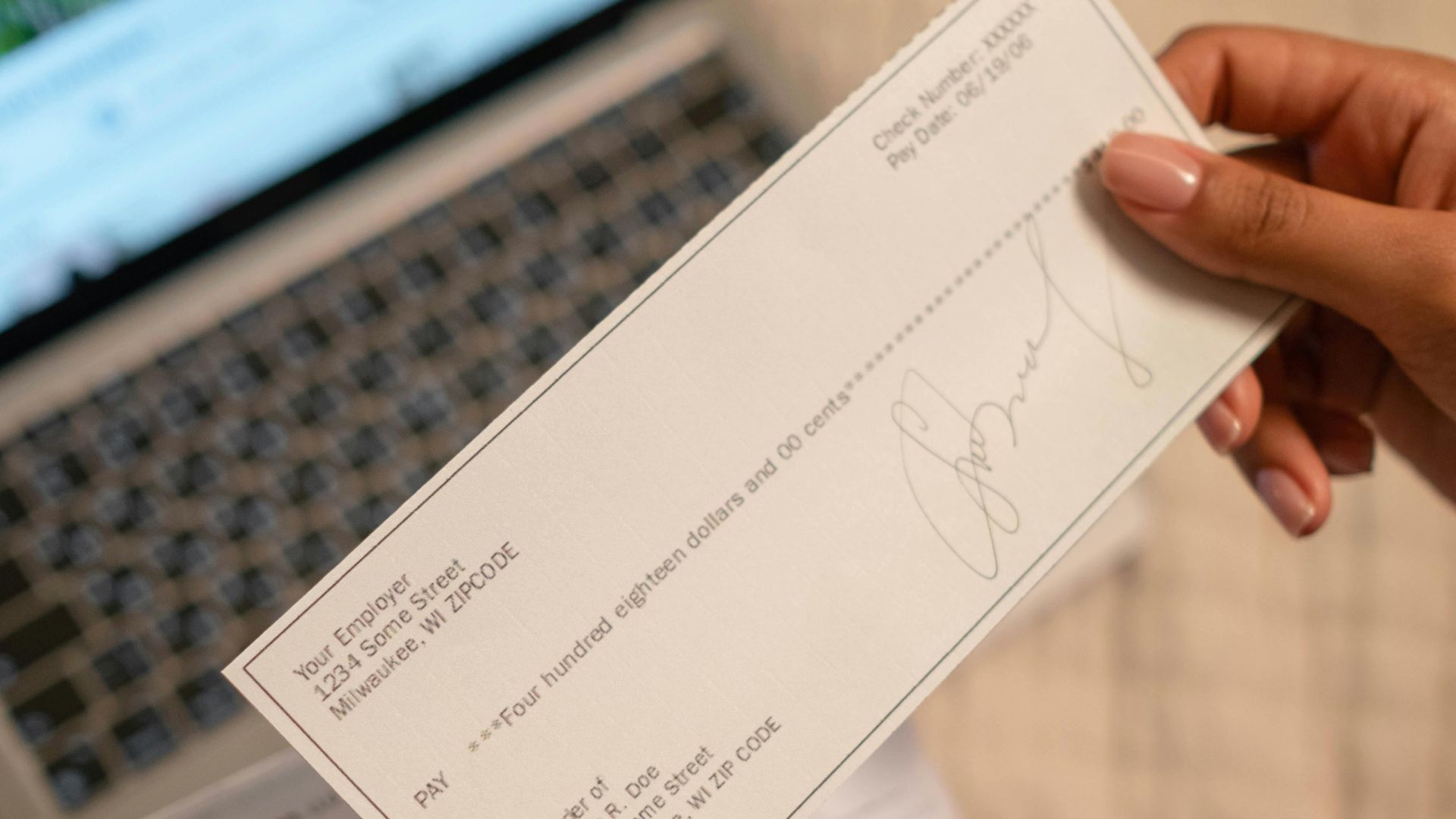
If your deposit was a check, the reversal may be completely routine even after many days. The Federal Reserve explains that a bank can make funds available before the check collection process is finished. If the check is later returned unpaid, your bank can charge the amount back to your account.
The Legal Backbone for Chargebacks
The Uniform Commercial Code gives banks broad chargeback rights when a deposited check is not finally paid. UCC Section 4-214 says a collecting bank that made a provisional settlement can revoke that settlement and charge back the amount if it does not receive final payment. In plain English, provisional credit can be taken back.
Two Weeks Later Can Still Happen
There is no magic seven-day or fourteen-day cutoff that makes a deposit untouchable. The timing depends on what was deposited, how it was processed, and when the bank learned there was a problem. A returned check, duplicate mobile deposit, encoding error, or fraud investigation can all lead to a later reversal.

When the Bank's Own Error Is the Problem
Banks also reverse deposits when they discover they posted money to the wrong account or credited the same deposit twice. That falls under the broad category of correcting an error. If the funds were never actually yours under the account agreement, the bank will usually say it had the right to fix the mistake.

Your Deposit Agreement Matters a Lot
The fine print in your bank's deposit account agreement usually gives the bank authority to correct errors and reverse provisional credits. Major banks spell this out clearly. Chase, for example, says in its deposit account agreement that it may deduct funds from your account to correct an error or return a deposit that is unpaid.

Wells Fargo Says Something Similar
Wells Fargo's consumer account agreement also says deposited items may be returned unpaid and that the bank may deduct the amount of a returned item from your account. It also keeps the right to correct credits made in error. That is standard language in the banking world.

Bank of America Uses Similar Terms Too
Bank of America's deposit agreement also explains that credits for deposits may be provisional until final settlement. If a deposited item is returned or a credit was made by mistake, the bank can remove the funds. The wording varies from bank to bank, but the basic rule is the same.

A Common Source of Chaos Is Mobile Deposit
Remote deposit capture has made reversals more common and more confusing. If the same check is deposited through a mobile app and then again at an ATM or branch, banks can reverse one of the credits as a duplicate. The Federal Trade Commission has also warned consumers about fake check scams that exploit the lag between funds availability and final rejection.

Fake Check Scams Are Built Around This Delay
In a fake check scam, the check can look real, the money can appear in your account, and your bank may even let you spend some of it. Then the check bounces and the bank takes the money back. The FTC has repeatedly warned that consumers are generally the ones left holding the bag when a deposited check turns out to be fake.
Direct Deposits Can Be Reversed Too
It is not just checks. ACH direct deposits can sometimes be reversed, though the rules are tighter. Nacha permits reversals for limited reasons such as duplicate entries, wrong amounts, or wrong accounts, and generally within five banking days of the settlement date.

That Five-Day ACH Rule Matters
If your issue involved payroll or another ACH credit, timing matters. Nacha's operating rules allow a reversing entry only in specific situations and usually only within a short window. If a bank is calling an ACH credit a mistake after two weeks, you should ask exactly what network rule or account agreement term it is relying on.

Government Benefit Deposits Have Their Own Rules
Certain federal benefit payments can be reclaimed under Treasury rules in cases such as payments made after a recipient dies. The U.S. Department of the Treasury has reclaim procedures for financial institutions handling federal benefit payments. That means some reversals come from government payment rules, not just the bank's own decision.

What the CFPB Says to Do First
The Consumer Financial Protection Bureau advises customers to review their account history and contact the bank for an explanation when something looks wrong. Ask whether the deposit was a check return, duplicate credit, posting mistake, fraud hold, or ACH reversal. The more specific the bank gets, the easier it is to tell whether the reversal was legitimate.

Get the Exact Reason in Writing
A phone representative saying it was a mistake is not enough. Ask the bank for the transaction date, the original deposit type, the return reason code if one exists, and the date the reversal was posted. If the bank charged an overdraft fee because of the reversal, ask whether it will waive the fee.

Look for the Paper Trail
If it was a check deposit, ask for the returned item notice or image and the reason it was returned. If it was ACH, ask for the entry description and any reversal code or supporting detail. If it was a bank error, ask what was misposted and why the original credit should never have been made.

Your Monthly Statement Can Reveal a Lot
Statements and online transaction histories often label reversals in different ways. You may see terms like returned deposited item, chargeback, reversal adjustment, correction, or ACH reversal. Screenshot everything before entries disappear from the bank's online system.

When to Push Back Harder
If the bank cannot explain the reversal clearly, dispute it in writing. The CFPB accepts complaints about checking and savings account issues, including deposit problems and unexplained reversals. A written complaint creates a timeline and often gets the issue in front of a more experienced review team.

Where Regulation E Fits In
Many consumers know Regulation E from debit card fraud disputes, but it does not cover every deposit reversal situation. If the issue is an electronic fund transfer error from your account, Regulation E may help. If it is a check chargeback or a correction of a bank crediting mistake, other rules and your deposit agreement usually control.

Be Ready for Overdraft Fallout
The worst part is what happens if you already spent the money. A reversal can push your account negative and trigger fees or rejected payments. Consumer advocates often recommend asking for fee reversals when the situation was confusing or when the bank gave poor notice.

Timing Can Decide Whether the Bank Looks Reasonable
Two weeks feels late, but that does not automatically make it improper. For a returned check or a discovered duplicate credit, that timeline can still fit how bank processing works. For an ACH reversal, though, the allowed window is usually much tighter, which is why the deposit type matters so much.

What You Should Say on the Phone
Keep it simple and direct. Ask, "Was this a returned check, a duplicate deposit correction, a bank posting error, or an ACH reversal?" Then ask, "What rule or account agreement section allows this, and can you send me the documentation?"

If the Reversal Is Legitimate
If the bank has proof that the deposit never finally settled or was credited by mistake, your best move is damage control. Ask for fee waivers, a temporary repayment plan if the account is negative, and a written explanation for your records. If a third party gave you the bad check or payment, go after that party right away.

If the Reversal Looks Wrong
Mistakes happen on the bank's side too. If the documents do not add up, escalate to a branch manager or executive response team and file a CFPB complaint. You can also contact your state banking regulator or the bank's federal regulator if the explanation stays vague or contradictory.

The Bottom Line
Yes, banks really can take money back after a deposit posts, even two weeks later, but only in certain situations. The biggest question is not whether they can ever do it. The real question is what kind of deposit it was, what went wrong, and whether the bank can show that the reversal fits the law and your account agreement.