The Clock Is Ticking, But Is It Worth Rushing?
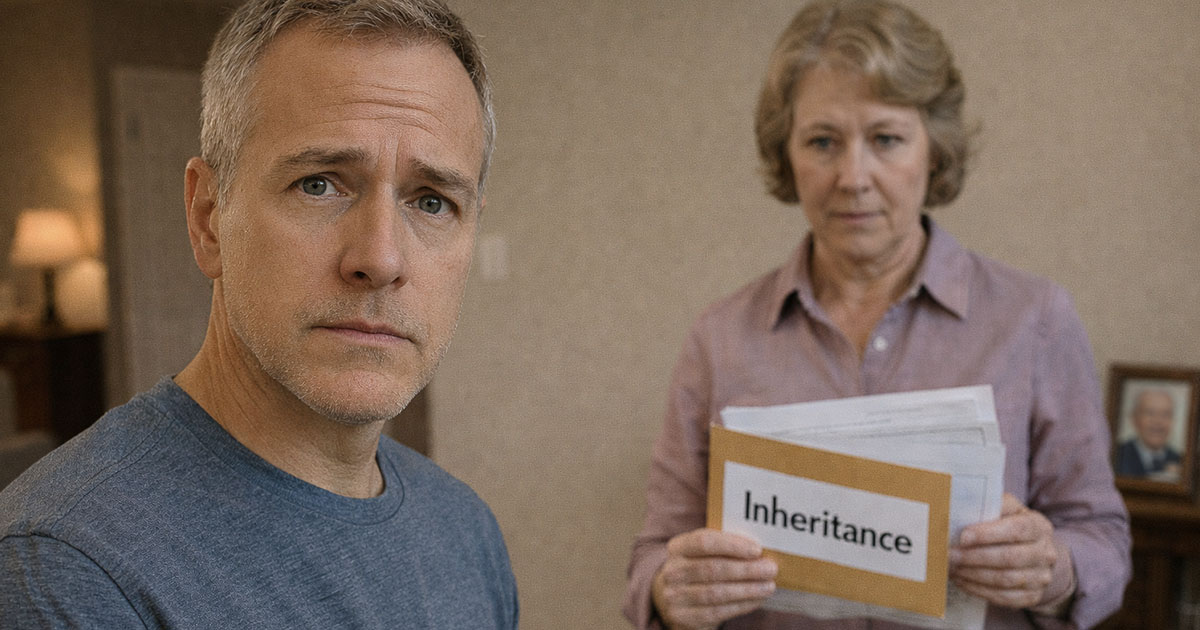
Losing parents is difficult enough without having to make financial decisions immediately afterward. When a collection of antiques, artwork, coins, sports memorabilia, or other keepsakes is involved, family members often disagree about how quickly to sell. Taking a little extra time to understand what the collection is actually worth can prevent expensive mistakes. Factinate Ltd
Why Families Often Disagree About Selling
One sibling may want to settle the estate as soon as possible. Another may worry that a quick sale could leave money on the table. Neither viewpoint is unusual because estate administration often combines emotional stress with financial uncertainty.

Not Every Collectible Is Actually Valuable
Many people assume that old automatically means valuable. In reality, rarity, condition, authenticity, demand, and provenance usually determine market value. Some mass-produced collectibles have very little resale value, while seemingly ordinary items can be surprisingly valuable.

Fair Market Value Is The Goal
Professional appraisers generally focus on fair market value. This represents the price that knowledgeable buyers and sellers would reasonably agree upon without pressure. Understanding this concept helps families evaluate offers more objectively.
The First Offer Is Rarely The Only Offer
Many estate buyers purchase items for resale. That business model is legitimate, but their offer reflects room for profit rather than the highest possible retail value. Comparing multiple offers provides a much clearer picture of what a collection may actually bring.

Inventory Before Anything Leaves The House
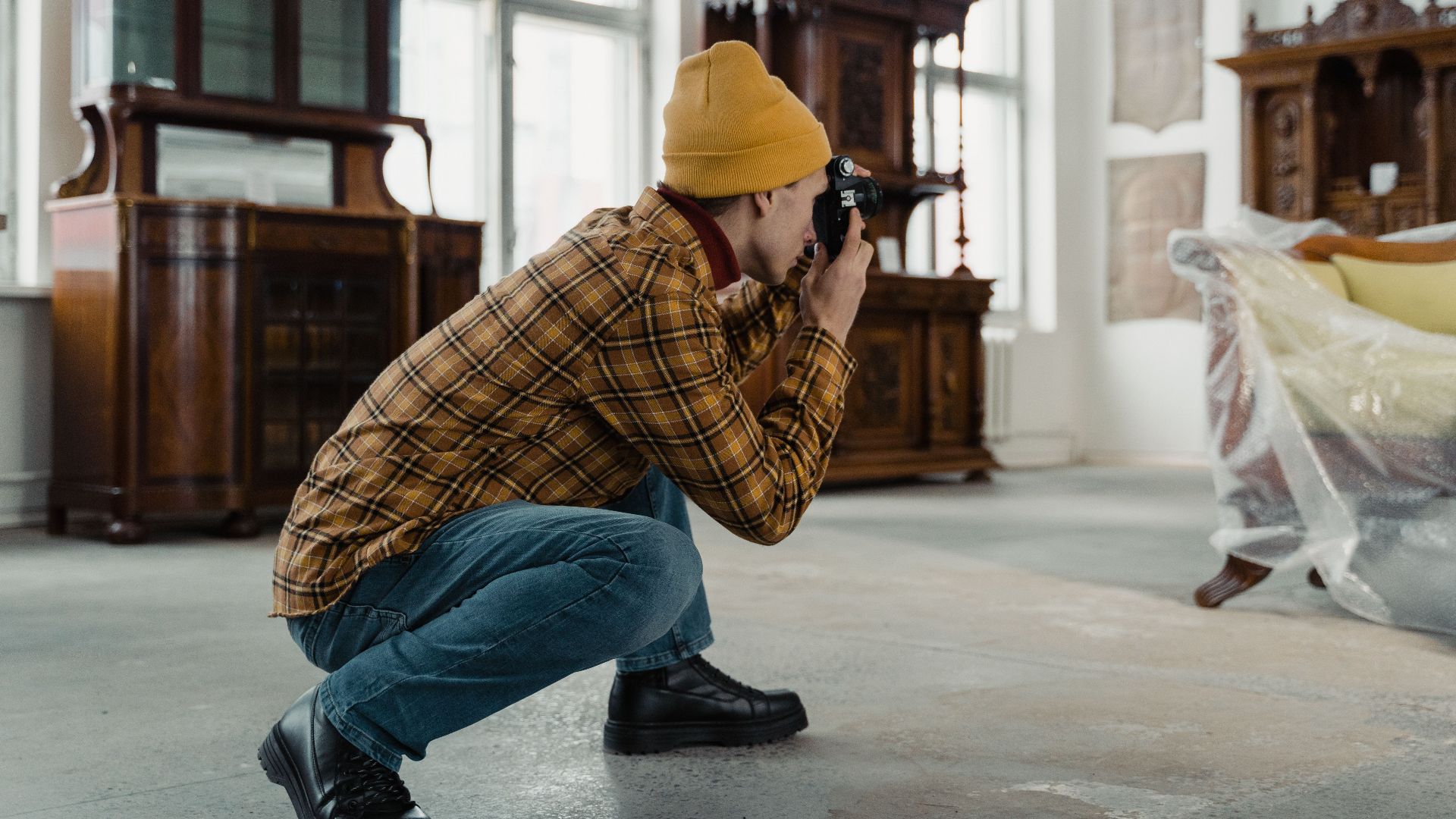
Create a written inventory before selling or donating anything. Photograph each item from multiple angles and record identifying marks, signatures, serial numbers, or certificates. Good documentation also helps prevent disagreements among heirs.
Provenance Can Increase Value
Receipts, certificates of authenticity, auction records, exhibition history, and family documentation may significantly strengthen an item's value. Collectors often pay more when an object's history can be verified. Keeping this paperwork together is worthwhile.

Condition Matters More Than Many People Realize
Small repairs, missing parts, fading, or improper cleaning can reduce value considerably. At the same time, over-restoring an antique may also hurt its desirability. Before making changes, it is often wise to ask a qualified expert.
Different Experts Specialize In Different Fields
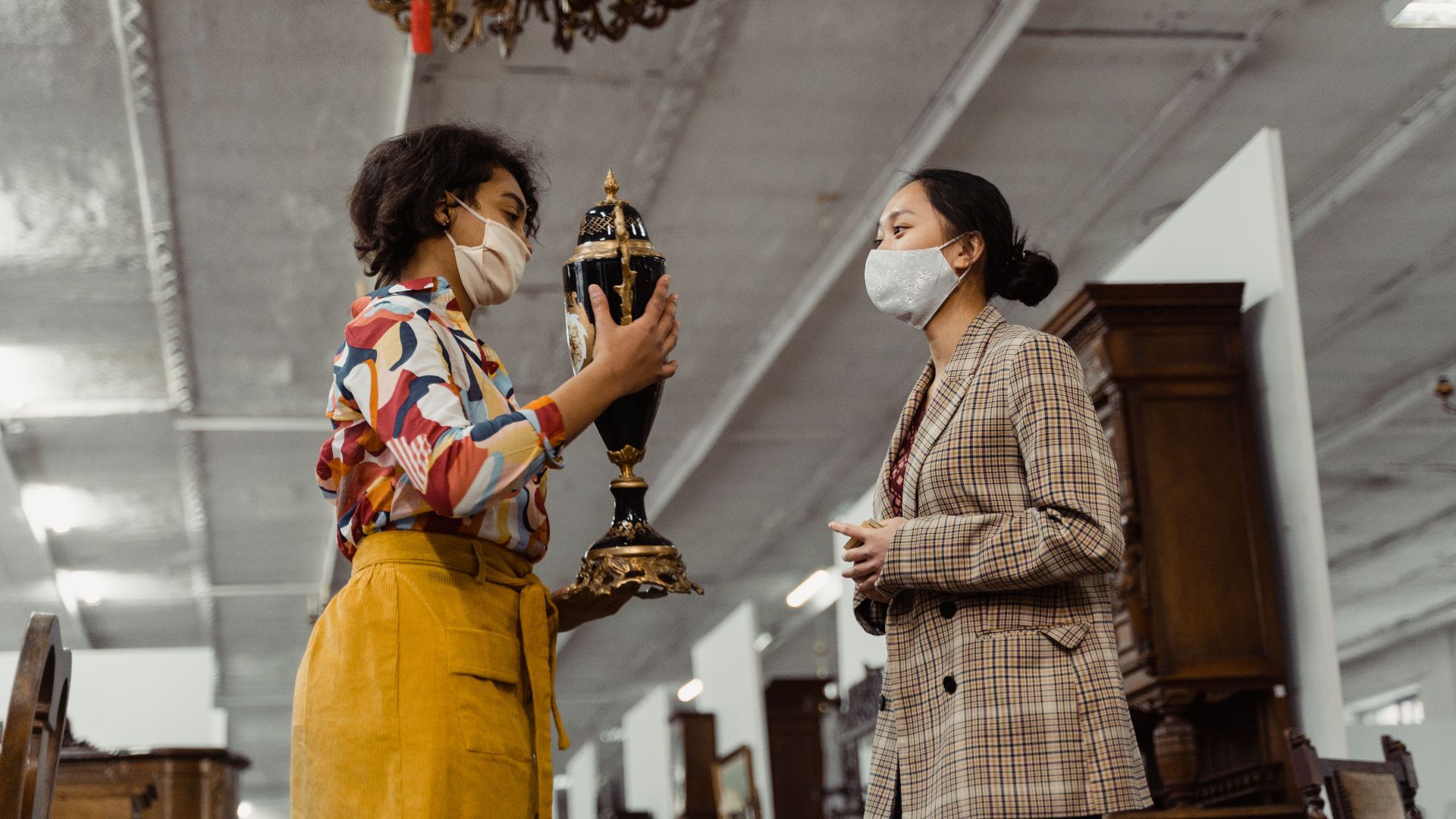
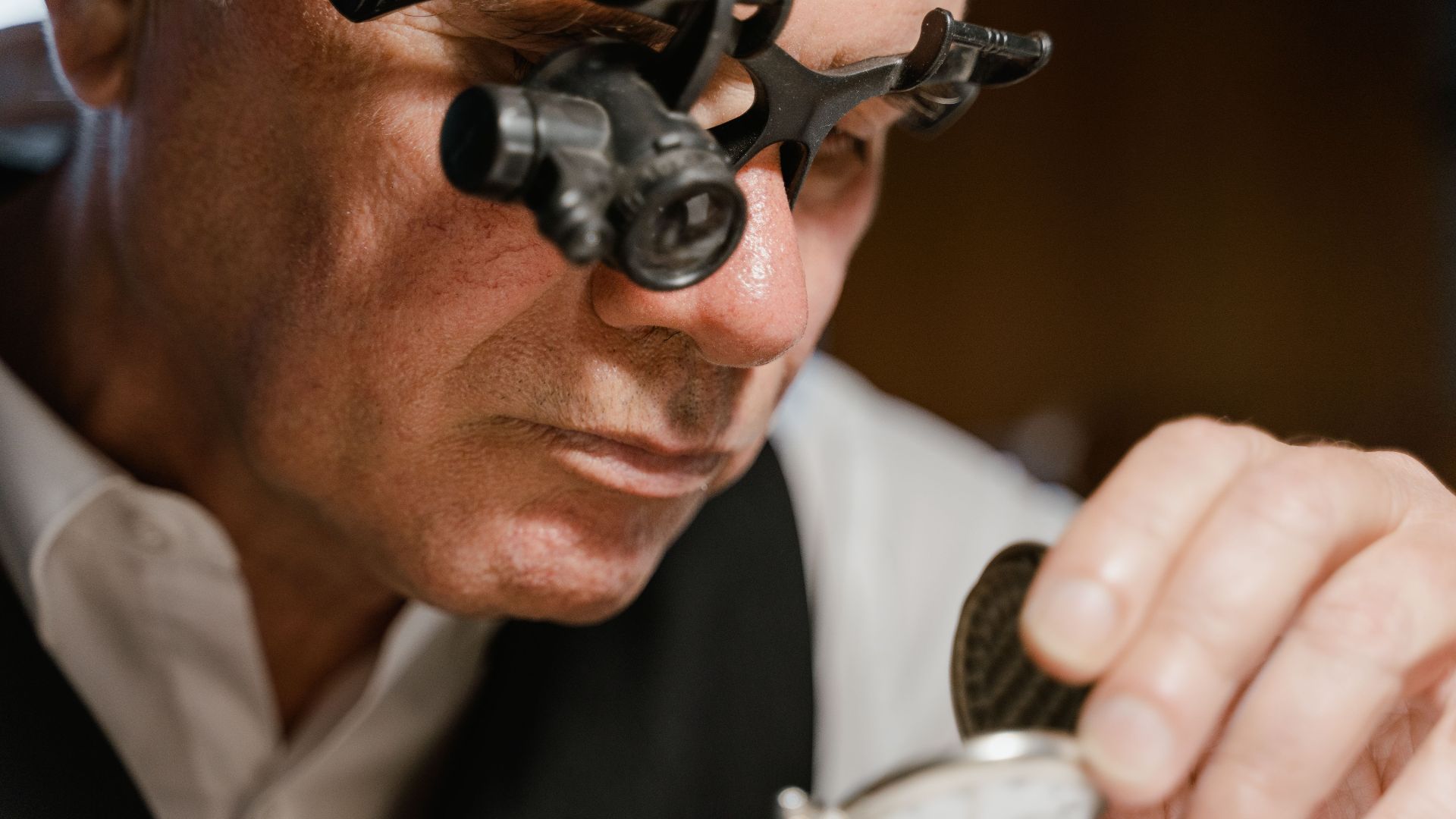
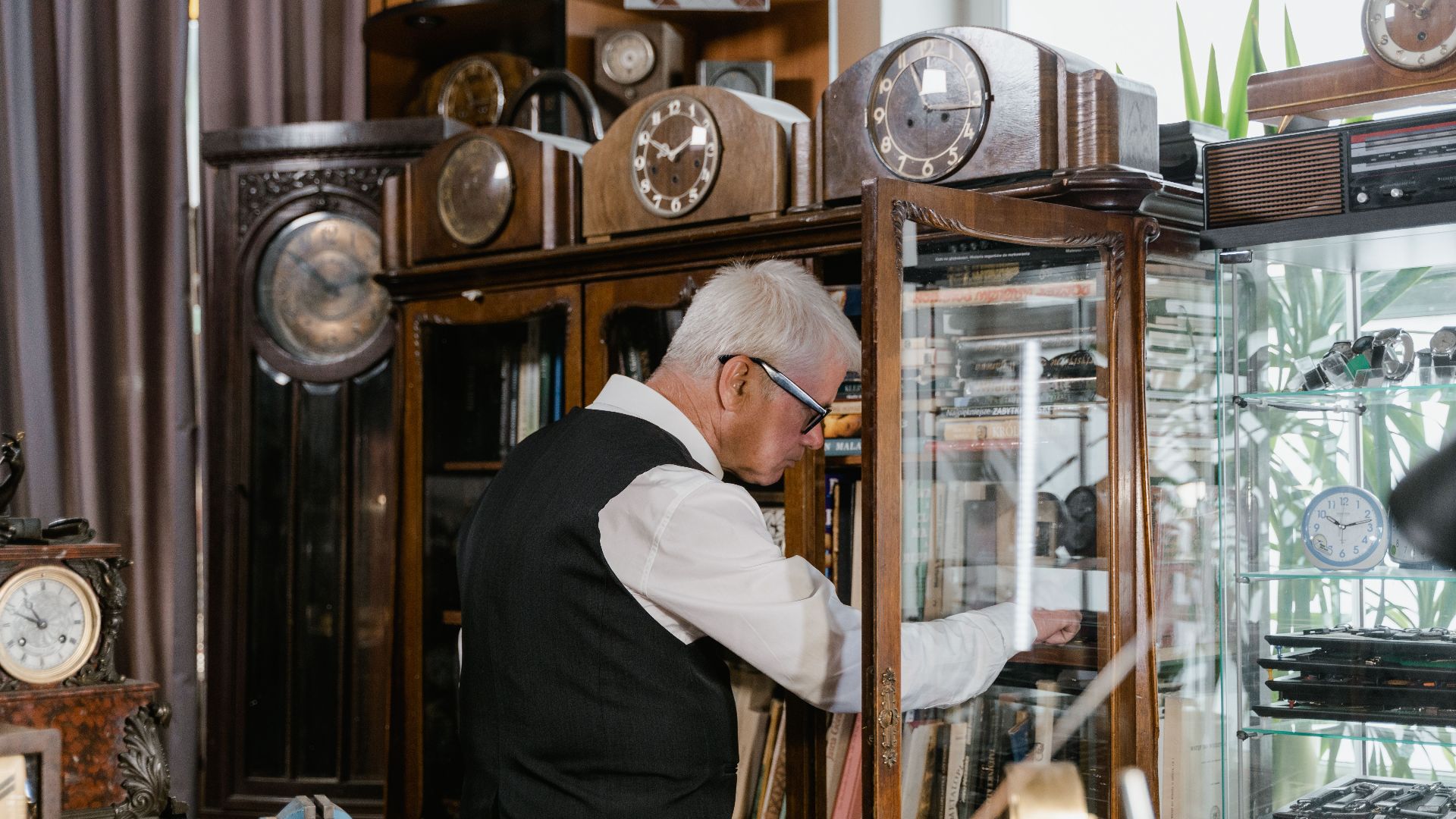
Someone who understands vintage comic books may not be qualified to evaluate fine art. Jewelry, coins, firearms, sports memorabilia, rare books, stamps, and furniture each have their own specialized markets. Choosing the right specialist produces more reliable valuations.

What Makes An Appraiser Qualified?
Qualified appraisers generally have education, experience, and professional training within the category they evaluate. The IRS explains that qualified appraisers should possess verifiable expertise and regularly perform paid appraisals. Those standards exist because accurate valuations matter in tax and estate situations.

An Appraisal Is Different From An Offer
An appraisal estimates value. An offer represents what one buyer is willing to pay. Families sometimes confuse the two, but they serve different purposes during an estate settlement.

Online Searches Have Limits
Auction sites and marketplace listings can provide useful clues, but asking prices are not the same as completed sales. Items that appear identical may differ dramatically because of authenticity, condition, or rarity. Verified sales data provides much better guidance.

Estate Sales Are Not One Size Fits All
Estate sale companies can be extremely helpful when handling large households. However, families should understand their commission structure, marketing approach, and experience with specialized collectibles before signing an agreement. Asking detailed questions upfront reduces misunderstandings later.

Auction Houses May Reach More Buyers
Rare or high-end collectibles sometimes perform better through reputable auction houses because they expose items to competitive bidding. Wider visibility may increase selling prices when demand is strong. Auction fees should still be reviewed carefully before making a decision.

Sentimental Value And Market Value Are Different
A childhood baseball glove may be priceless to one sibling but worth very little on the collector market. Separating emotional attachment from financial value makes negotiations easier. Honest conversations often prevent future resentment.

Large Collections Deserve A Plan
Thousands of individual items do not necessarily require thousands of separate appraisals. Professionals sometimes evaluate collections by category or identify the pieces that deserve individual attention. That approach can save both time and money.
Avoid Cleaning Valuable Items Too Soon
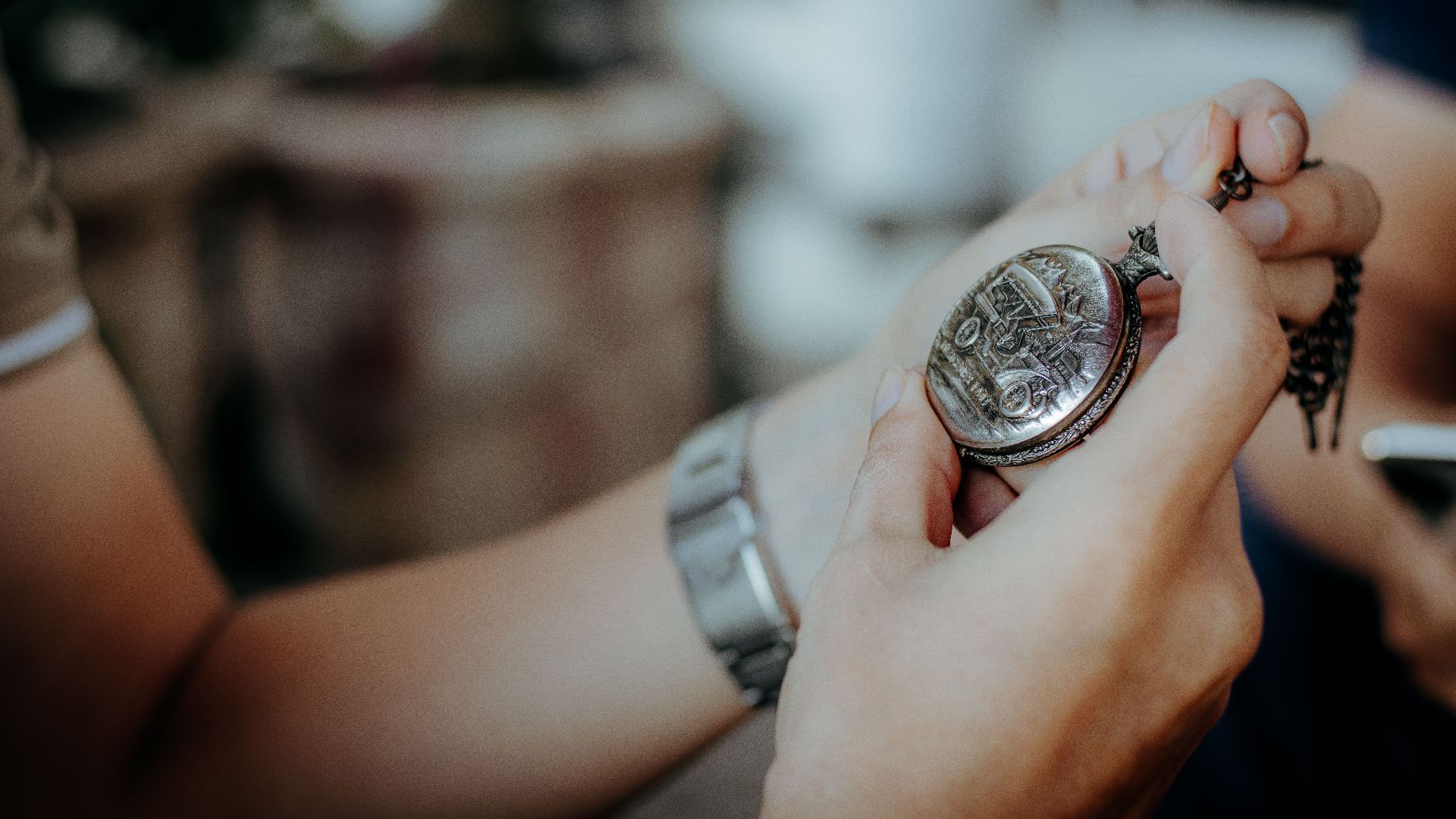
Many people assume cleaning improves value. Unfortunately, aggressive polishing or restoration can reduce collector interest, especially with coins, antiques, artwork, and vintage furniture. When uncertain, leave the item unchanged until an expert examines it.
Keep Every Family Member Informed
Transparency reduces suspicion. Sharing inventories, appraisal reports, photographs, and offers helps everyone understand how decisions are being made. Open communication often matters as much as the financial outcome.

Consider Tax Consequences
Inherited property can involve tax considerations depending on the estate, jurisdiction, and later sale price. Families may benefit from speaking with an estate attorney or tax professional before disposing of especially valuable collections. Proper documentation also becomes important for future reporting.

Beware Of High Pressure Buyers
Anyone insisting that a deal must happen immediately deserves extra scrutiny. Legitimate buyers generally understand that heirs need time to organize documents and compare options. Taking a few days to think rarely harms a fair transaction.
Insurance Still Matters
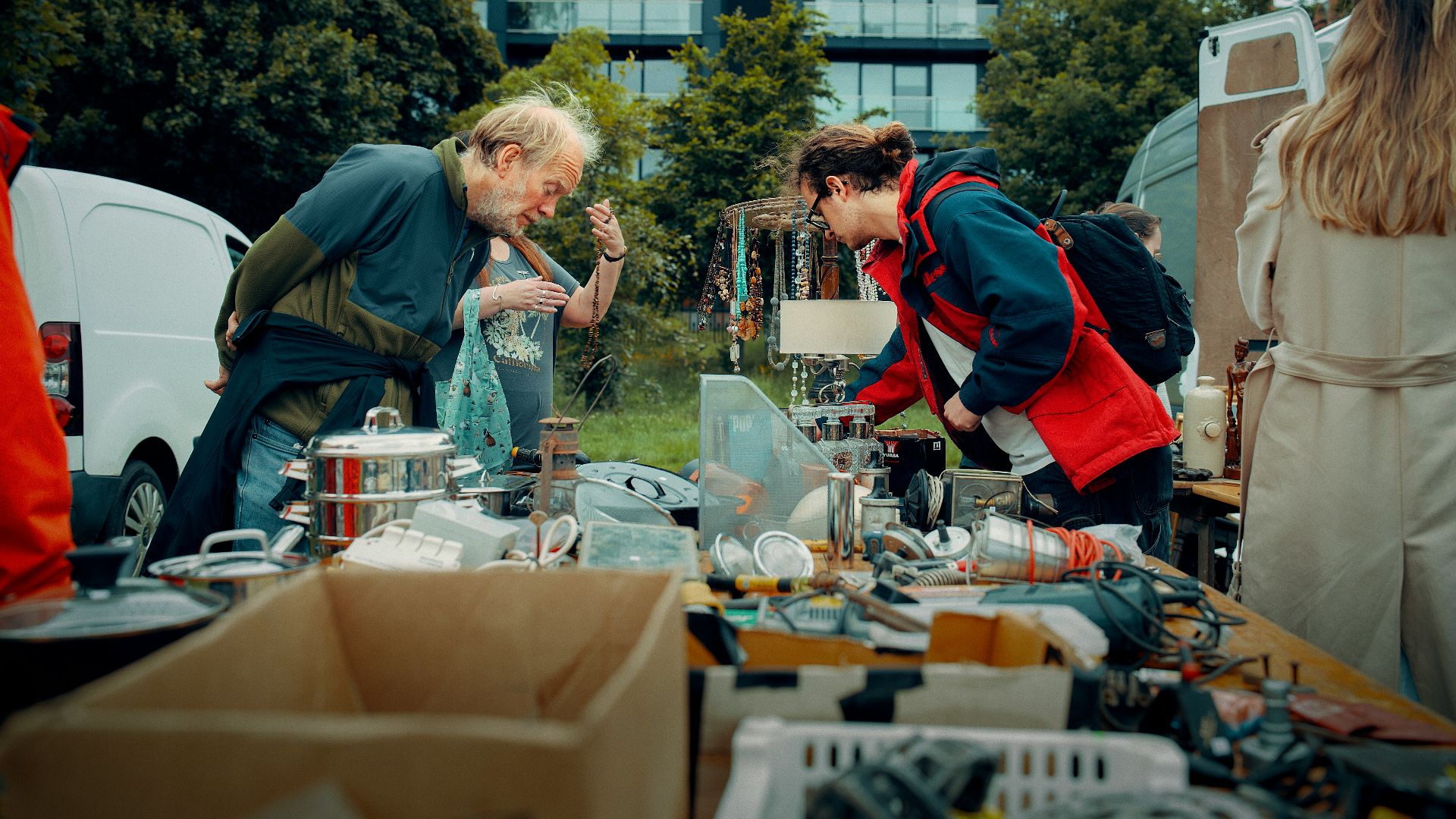
Valuable collections should remain insured while families decide what to do. Damage, theft, or natural disasters can occur even during estate administration. Reviewing existing coverage helps avoid unpleasant surprises.

Mediation Can Save Relationships
If siblings cannot agree, a neutral estate attorney, mediator, or fiduciary may help resolve disagreements. Paying for professional guidance can be less expensive than a prolonged legal dispute. Preserving family relationships often has lasting value.

Selling Slowly Is Sometimes Smarter
Certain collectibles have seasonal demand or stronger markets at specialized events. Breaking a collection into carefully planned sales may generate better returns than accepting a single bulk offer. Every collection deserves an approach suited to its contents.

Good Records Protect Everyone
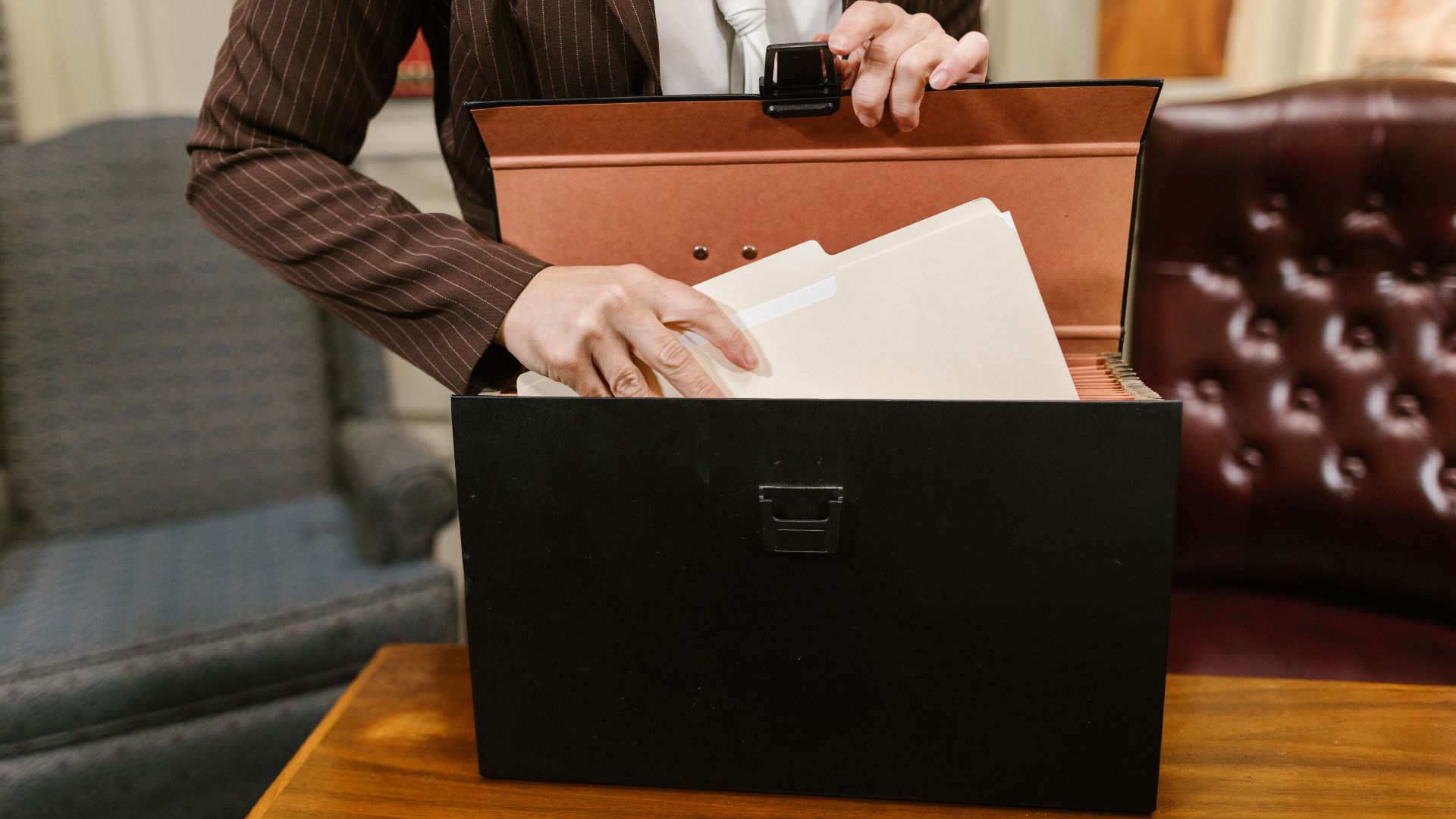
Keep copies of appraisal reports, sales receipts, auction settlements, and correspondence. These records create transparency among heirs and simplify future tax or estate questions. Organized paperwork also reassures buyers.
Respect The Collection Before Letting It Go
Many collections represent decades of careful effort rather than random accumulation. Taking time to understand what your parents assembled honors that work while protecting the family's financial interests. Even if everyone ultimately agrees to sell, informed decisions usually produce the best outcomes.

The Best Compromise Often Balances Speed And Care
Your brother's desire to settle the estate quickly may be completely understandable. Your concern about obtaining professional appraisals is equally reasonable when valuable collectibles are involved. By documenting the collection, seeking qualified experts when appropriate, comparing multiple selling options, and communicating openly, families greatly reduce the risk of accepting far less than a collection is truly worth.

You May Also Like: