Before Anyone Says “It’s Probably Junk,” Stop
Your dad spent decades collecting things, but now nobody knows whether the boxes contain $20 curios or something genuinely valuable. That is exactly when families can make expensive mistakes. Before donating, selling, dividing, or throwing anything away, slow down. The collection needs to be understood before it needs to be emptied.

Secure The Collection First
If several relatives, neighbors, cleaners, or estate-sale workers have access to the house, valuable pieces can disappear before anyone realizes they mattered. Estate guidance recommends securing significant personal property early. Limit access, photograph rooms as they are, and avoid letting people casually take “just one thing".
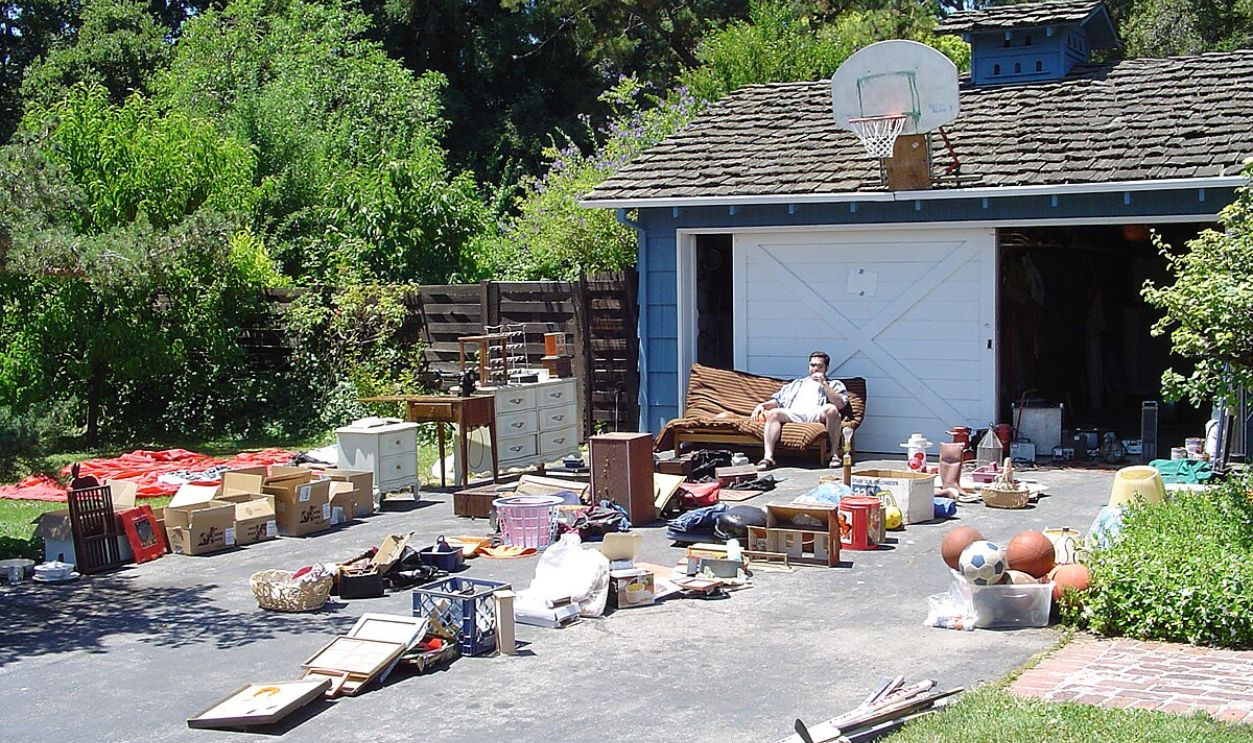
Do Not Start With A Garage Sale
A garage sale is designed to move ordinary household goods quickly, not discover the true value of specialized collectibles. Rare coins, vintage toys, sports memorabilia, books, watches, art, records, and other niche items can look surprisingly ordinary to someone unfamiliar with the market. Identification should come before pricing.

Make An Inventory Before You Move Everything
Walk room by room and photograph what is there. Give boxes or shelves simple numbers and create a basic list. You do not need to identify every object immediately. The first goal is documenting what exists so items cannot quietly disappear and siblings are not later arguing about what was supposedly in the house.

Look For Your Dad’s Own Records
Collectors often leave clues. Search for receipts, auction invoices, dealer correspondence, certificates, insurance schedules, inventory spreadsheets, notebooks, emails, and old photographs. Even handwritten labels may reveal where something came from, when it was purchased, or why your dad thought it was important.

Provenance Can Be Part Of The Value
With certain collectibles, the story behind an item matters. Documents showing previous ownership, authenticity, exhibition history, purchase history, or a connection to a notable person can make an object easier to authenticate and potentially more desirable. Do not separate paperwork from the objects before someone knowledgeable reviews it.

Condition Matters—So Resist The Urge To “Improve” Anything
Two apparently identical collectibles can have dramatically different values because one is pristine while another is damaged, restored, incomplete, or heavily worn. Do not polish coins, repair toys, clean paintings, replace packaging, or reframe unusual pieces before getting advice. A well-meaning cleanup can permanently reduce value.

Separate The Collection Into Categories
You probably do not need one person to evaluate everything. Divide items into broad groups such as coins, watches, books, art, sports memorabilia, records, jewelry, toys, military items, or vintage electronics. Collectibles are highly specialized, and expertise in one field does not automatically transfer to another.

Find The Right Independent Specialist
A furniture dealer may know little about rare watches, while a coin expert may know almost nothing about vintage toys. For potentially valuable items, find an appraiser or specialist experienced in that exact category. Ask about credentials and fees, and be cautious if the same person wants to value the item and immediately buy it.

Look At Actual Sales, Not Wishful Asking Prices
Finding your dad’s figurine listed online for $3,000 does not mean anyone has ever paid $3,000 for it. Look for recent completed sales of genuinely comparable items. Edition, maker, age, condition, authenticity, completeness, and provenance can all affect the price, so superficial similarities may be misleading.

Know Which Kind Of Value You Are Looking For
“What is this worth?” can have several answers. Insurance replacement value may be higher than what an item could actually sell for. An estate may need fair market value as of the date of death, while an auction estimate reflects expected selling conditions. Tell the appraiser why you need the valuation so you get the right number.

The Date Of Death Can Matter For Taxes
For US tax purposes, inherited property generally receives a basis tied to its fair market value at the owner’s date of death, subject to exceptions and alternate valuation rules. If an inherited collectible is later sold, that basis may help determine the taxable gain. Throwing away valuation records now can create headaches later.

Collectibles Can Have Special Tax Treatment
If inherited collectibles are later sold for a taxable gain, certain long-term collectibles gains can face a maximum federal rate of 28%, rather than the lower maximum rates that can apply to some other long-term capital gains. That is another reason to involve a tax professional when valuable collections are being sold.

Do Not Sell Everything To The First Dealer
A dealer may make a perfectly fair wholesale offer while still paying less than the item might achieve through retail consignment or auction. That difference can reflect the dealer’s time, risk, overhead, and need for profit. Get enough information to understand the tradeoff between a quick sale and potentially maximizing proceeds.

The Best Selling Method Depends On The Item
A major painting, rare coin collection, vintage record collection, and house full of modest collectibles may each belong in different markets. Auction, specialist dealer, consignment, direct sale, online marketplace, and estate sale all have strengths and drawbacks. Matching the object to the right audience often matters as much as setting the price.

Ask About Every Selling Fee Up Front
If you use an auctioneer, dealer, consignment shop, or estate-sale company, ask what comes out of the final price. Commission, photography, cataloging, insurance, shipping, storage, cleanup, or other charges may affect what the estate actually receives. Compare the expected net amount, not simply the impressive-looking sale estimate.

Do Not Advertise Valuable Items Carelessly
Posting “Dad left us a huge coin collection—what is it worth?” with photographs and your location can attract the wrong kind of attention. Keep particularly valuable collections secure, limit information about where they are stored, and make sure insurance remains appropriate while the estate is being settled.

Give The Executor Room To Do The Job Properly
The executor or personal representative may have a duty to identify, secure, and value estate assets before distributing or selling them. Family members rushing in to claim favorite pieces can complicate that responsibility. Until the estate documents and legal process are clear, nobody should assume an object is theirs simply because Dad once said they could have it.

Sentimental Value Needs Its Own Conversation
The most financially valuable object may not be the one that causes the biggest family fight. A $50 fishing reel Dad used every weekend could mean more to one child than an expensive collectible. Families may want to separate sentimental decisions from market-value decisions so neither side gets confused with the other.

Keep A Record Of Every Sale
Save appraisals, photographs, invoices, auction statements, dealer offers, sales receipts, and notes showing how significant values were established. Good records protect the executor and beneficiaries, make tax reporting easier, and provide an answer if someone later asks why Dad’s collection was sold for a particular amount.

Expect The Collection To Be A Mixed Bag
Serious collectors often own a combination of valuable pieces, sentimental favorites, common items, and things worth far less than they originally paid. Do not assume every box is treasure, but do not dismiss unfamiliar objects either. The goal is to identify what deserves attention before ordinary items are donated or sold in bulk.

Slow Is Usually Safer Than Sorry
Nobody needs to become an expert in Dad’s hobby overnight. Secure everything, document it, find the records, separate the categories, and bring in specialists where the potential value justifies it. The goal is not to squeeze every last dollar out of every object. It is to make sure ignorance does not become somebody else’s bargain.

You May Also Like:
7 Countries With The Lowest Corporate Tax Rates
The Best Cities To Live And Work Abroad In Right Now