
Two Weeks Can Feel Like a Shock
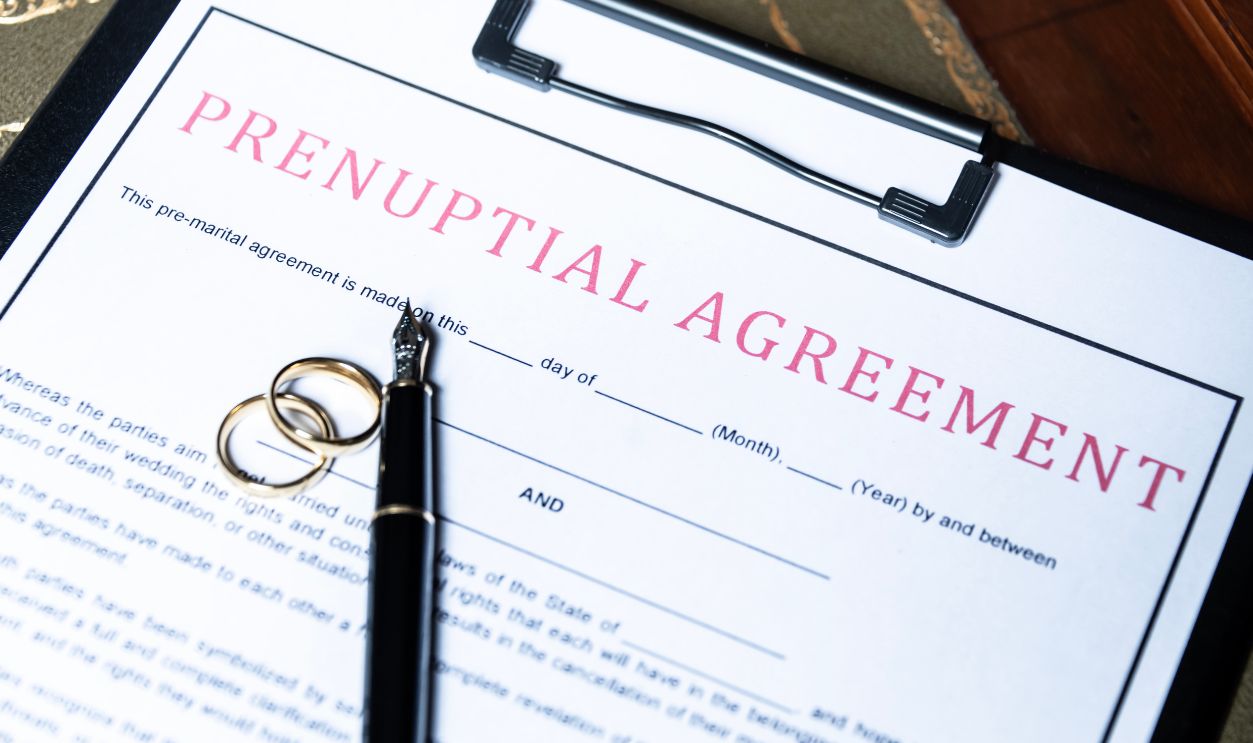
If your fiancé asks you to sign a prenuptial agreement just two weeks before the wedding, it can feel like the whole plan changed overnight. A prenup can be a smart financial tool, but timing matters. Courts often look closely at whether both people had a real chance to review the agreement before signing.

Why Timing Matters So Much
A prenup is supposed to be voluntary, not something pushed through at the last minute. When the wedding is close, the emotional and financial pressure can make it much harder to say no or ask for changes. That is one reason judges sometimes take a hard look at agreements signed shortly before the ceremony.

What a Prenup Actually Does
Prenuptial agreements usually set rules for property, debts, and sometimes spousal support if the marriage ends. They can protect a business, preserve family wealth, or spell out how separate property will be treated. They usually cannot decide child custody or child support ahead of time, because courts handle those issues differently.

The Uniform Premarital Agreement Act Set the Baseline
Many states follow some version of the Uniform Premarital Agreement Act, first approved in 1983 by the Uniform Law Commission. Under that framework, a prenup is not enforceable if a party did not sign voluntarily. It can also be challenged if it was unconscionable and signed without fair financial disclosure or a real chance to get that information.

A Newer Law Adds More Protection in Some States
The Uniform Premarital and Marital Agreements Act was approved in 2012 and goes further on process and fairness. It includes ideas like access to independent legal representation and clearer rules around voluntariness. Not every state has adopted it, but it shows how lawmakers have tried to cut down on the risks of rushed agreements.

California Put a Number on the Waiting Period
California is one of the clearest examples of how lawmakers view last-minute prenups. Under California Family Code section 1615, a premarital agreement is deemed involuntary unless the party against whom enforcement is sought had at least seven calendar days between first being presented with the final agreement and signing it. The law also requires separate counsel or a written waiver, along with other protections.
 Juan Ruiz Paramo, Getty Images
Seven Days Is a Floor, Not the Ideal
That California rule does not mean seven days is a great timeline. It means lawmakers decided anything less than that is especially questionable. Two weeks clears that minimum, but it can still be too rushed if the agreement is complex, one-sided, or presented with pressure.
 Fotógrafo Samuel Cruz, Unsplash
States Can Differ a Lot
Prenup law is highly state-specific, and the details can change the answer in a big way. Some states rely more on court-made standards about voluntariness and fairness instead of a strict waiting period. That means whether two weeks is enough may depend heavily on where you live and where the agreement would be enforced.
 Filip Rankovic Grobgaard, Unsplash
Judges Often Ask Whether You Had a Real Choice
Courts usually care less about the calendar by itself and more about what was happening around the signing. Did you have time to read it carefully, ask questions, negotiate changes, and hire your own lawyer. If not, the agreement may look less like planning and more like pressure.

Independent Counsel Can Make a Big Difference
One of the strongest signs of fairness is that each person had their own attorney. A separate lawyer can explain what rights you may be giving up and whether the terms are unusual or harsh. If your fiancé wants a prenup two weeks before the wedding, getting your own lawyer right away is one of the smartest moves you can make.

Financial Disclosure Matters
A fair prenup depends on both sides understanding the full financial picture. That means income, assets, debts, business interests, and anything else substantial should be disclosed honestly. If one person is signing in the dark, that can become a major problem later in court.

Pressure Can Undermine Consent
Imagine being told the wedding is off unless you sign by Friday. That kind of pressure can become evidence that the agreement was not truly voluntary. Courts have long been wary of situations where one person feels they have no real option but to sign.

Wedding Money Raises the Stakes
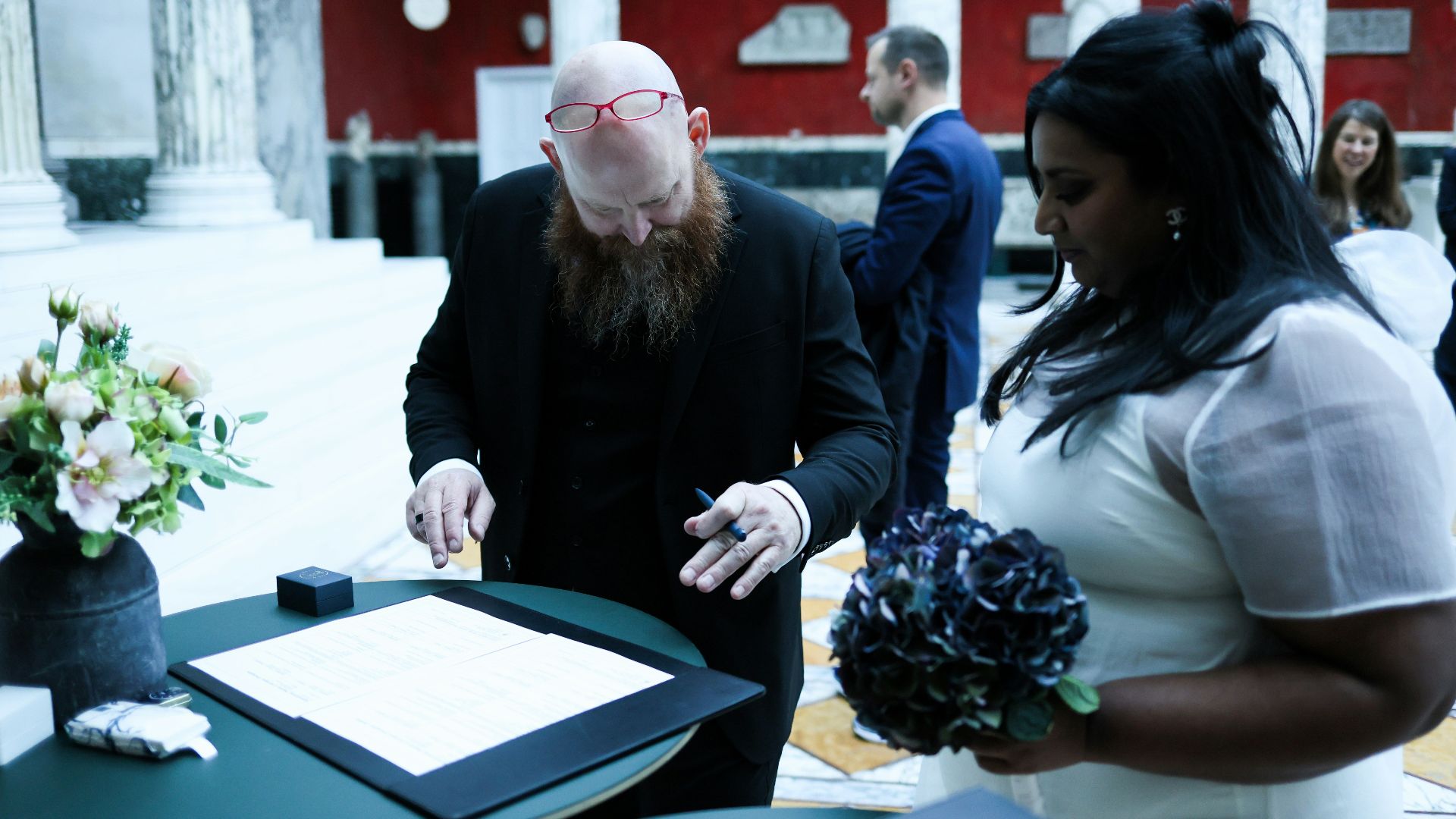
By the final two weeks, the venue is paid, guests are traveling, and emotions are running high. That does not automatically make a prenup invalid, but it can add to the sense of coercion. A judge may consider whether the social and financial pressure made meaningful consent harder.
 Yuganov Konstantin, Shutterstock
Fairness Is About More Than a 50-50 Split
A prenup does not have to be equal to be enforceable. But if the terms are extremely one-sided, that can draw more scrutiny, especially if there was little time to review them. A deal that fully protects one person while leaving the other exposed may be harder to defend.

Business Owners Often Push for Prenups
There are legitimate reasons your fiancé may be bringing this up now, even if the timing is bad. Someone with a closely held business, family money, or children from a prior relationship may want clear boundaries before getting married. The reason may be valid even if the way it was handled was not.

Last-Minute Does Not Always Mean Invalid
Courts do not automatically throw out every prenup signed shortly before a wedding. If both parties had lawyers, exchanged complete financial disclosures, negotiated terms, and signed without pressure, two weeks may be enough in some cases. The key question is whether the process was genuinely fair.

But Last-Minute Definitely Adds Risk
From a practical standpoint, a rushed prenup is more open to challenge later. That can mean expensive litigation years down the road, even if the agreement is eventually upheld. If the goal is certainty, a hurried signing is not the strongest foundation.

Consumer Advice Groups Urge Early Planning
Nolo, a long-running legal information publisher, advises couples to start the prenup conversation well before the wedding and notes that presenting an agreement at the last minute can raise the chance of a successful challenge. The American Academy of Matrimonial Lawyers also stresses fairness, full disclosure, and independent counsel. Those are not just talking points. They are often the issues that decide whether an agreement holds up.

So Is Two Weeks Enough
The honest answer is maybe, but it is not ideal. Two weeks could be enough if the agreement is simple, the disclosures are complete, both of you have lawyers, and you are free to negotiate or postpone the wedding. It is probably not enough if you just saw the document, do not fully understand it, or feel cornered.

Questions You Should Ask Right Away
Ask when the first draft was prepared, why this is coming up now, and whether your fiancé is willing to postpone the wedding if you need more time. Ask for complete financial disclosures in writing. Ask whether they will pay for your independent lawyer, which is common and often makes sense.

Do Not Rely on Verbal Promises
If your fiancé says, “This would never be enforced that way,” that is not enough. Courts read contracts, not romantic promises. If a term seems unfair, vague, or different from what you were told, it needs to be revised in writing before you sign.

Read the Spousal Support Terms Carefully
One of the biggest parts of a prenup can be any waiver or limit on alimony. That kind of clause can shape your financial future in a major way if the marriage ends. Some states treat these clauses with special caution, especially if enforcing them would be harsh.

Think About Debt as Well as Assets
Prenups are not just about protecting wealth. They can also assign responsibility for premarital debt, business liabilities, or future financial obligations. If your fiancé has significant debt, the agreement may matter just as much for your downside risk as for theirs.
 Cast of Thousands, Shutterstock
Postponing the Wedding Is Better Than Panicking
This is the part many people do not want to hear, but it matters. If you do not have enough time to understand the agreement, postponing the wedding is usually safer than signing under pressure. A short delay may be awkward, but a bad contract can affect you for years.

A Postnup Might Be Another Option
If the issue is timing rather than principle, some couples choose to marry first and negotiate a postnuptial agreement later. That is not automatically easier, and postnups have their own legal rules, but it can remove the immediate countdown. You would still want your own attorney and full financial disclosure.

Your Best Next Step Is Practical, Not Dramatic
Take a breath and slow the process down. Get a family law attorney in your state, ask for all financial documents, and do not sign anything you do not fully understand. A fair prenup should hold up under scrutiny, and a partner acting in good faith should want you to have time and advice.

The Bottom Line Before You Say I Do
Two weeks before a wedding is not automatically too late, but it is close enough to raise real fairness concerns. The facts that matter most are disclosure, independent legal advice, room to negotiate, and freedom from pressure. If those pieces are missing, the smartest financial move may be to pause the wedding plans rather than rush into a contract you may regret.