When The Ball Keeps Going Over The Wall
It starts out as one of those everyday neighborhood problems that feels almost funny at first. The kids are playing, the ball goes flying, and suddenly it lands in the one yard nobody wants to bother. But when your elderly neighbor refuses to toss it back, and will not let anyone retrieve it, the situation can turn awkward fast. The good news is that this is one of those problems that usually has a better solution than a full-blown feud.
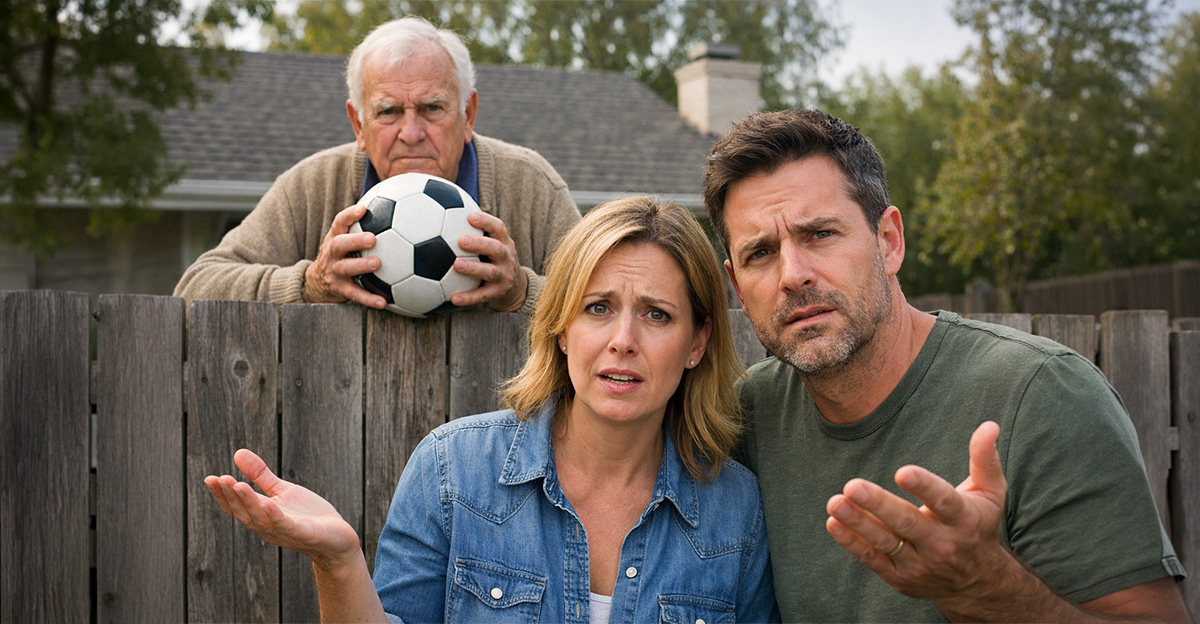
Why This Feels Bigger Than A Lost Ball
On the surface, it is just a ball. In real life, though, it can feel like a clash over respect, boundaries, parenting, and neighborly goodwill. That is why these little disputes get heated so quickly. What your kids see as an accident, your neighbor may see as a repeated intrusion.
Start By Taking A Breath
Before marching over in frustration, pause for a moment. If tempers are already running high, another tense conversation will only make things worse. A calm approach gives you a much better shot at getting the ball back and preventing this from happening again.

See It From His Side
Even if your neighbor is being difficult, it helps to consider how he may feel. He may value his privacy, worry about damage to plants or property, or simply feel overwhelmed by repeated disruptions. Understanding that does not mean agreeing with him, but it can shape a smarter response.

Explain The Situation To Your Kids
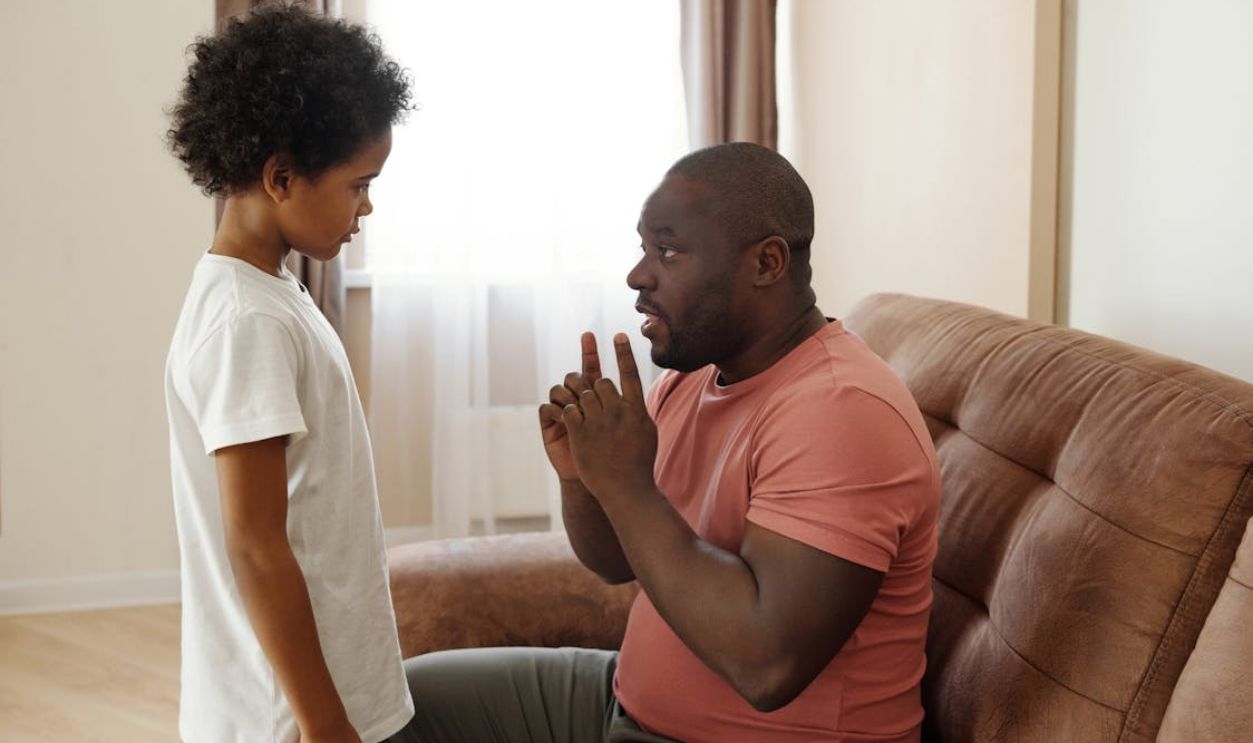
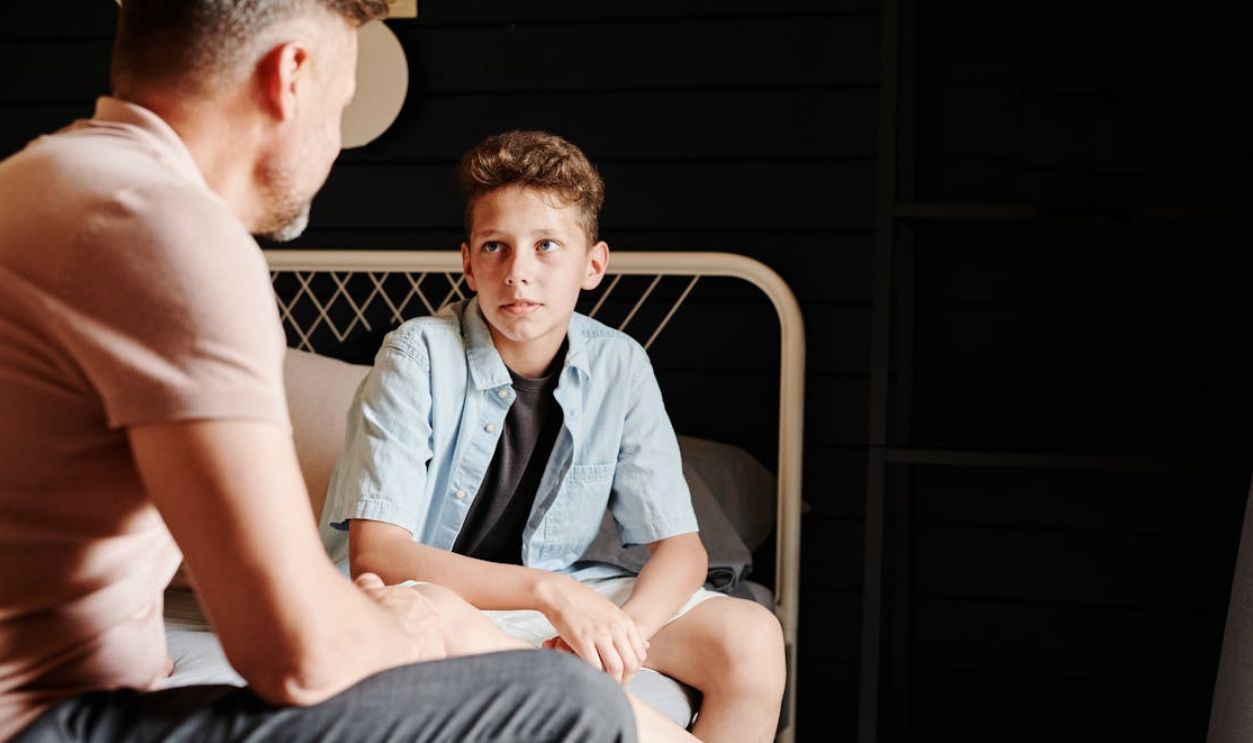
This is also a good teaching moment. Your kids probably did not mean any harm, but they do need to understand that another person’s yard is not part of their play space. A quick, gentle talk about boundaries can help stop the problem from repeating.
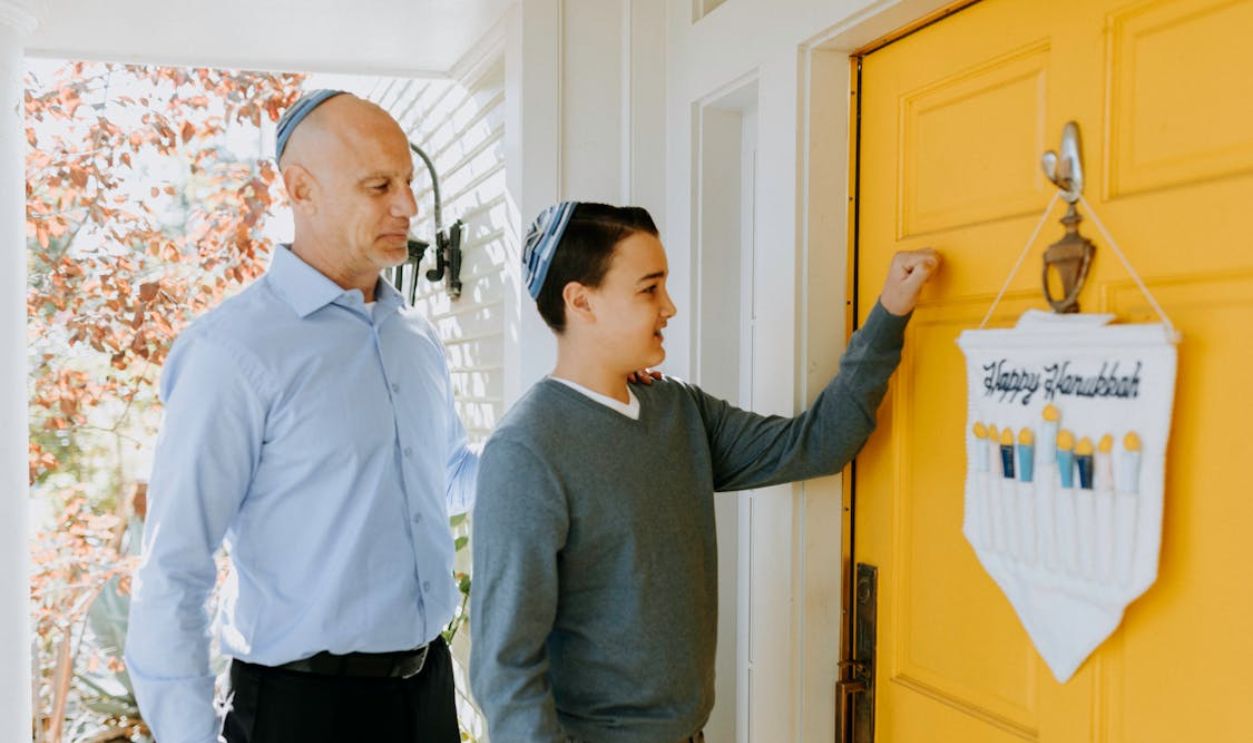
Knock Again, But Keep It Friendly
If you have only had one tense exchange, try again when everyone is calmer. A simple, polite conversation can work wonders. Keep your tone warm and practical. You are not there to argue about who is right. You are there to solve a small but annoying problem.
Try A Simple Script
You do not need a dramatic speech. Something like, “I am sorry the ball keeps ending up in your yard. We are working on stopping that. Would you mind passing it back this time?” can feel much less confrontational and more likely to get a positive response.
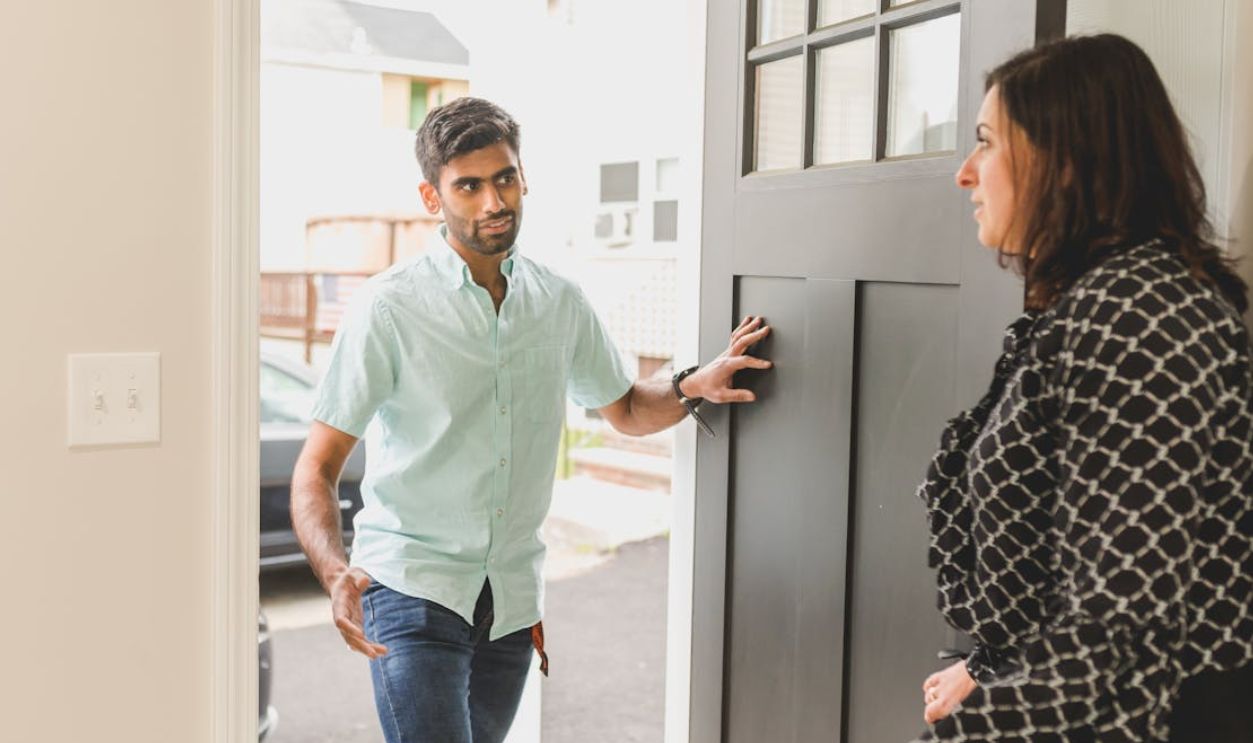
Offer Reassurance, Not Defensiveness
Sometimes neighbors dig in because they think nothing will change. Let him know you are taking steps to prevent future flyovers. That could mean moving the game, using a softer ball, or setting up a boundary. Reassurance can soften resistance much faster than arguing.

Do Not Send The Kids In
It may be tempting to tell the children to hop the wall, sneak through a gate, or grab the ball when nobody is looking. Do not do that. It can escalate the conflict and create safety issues. However annoying your neighbor is being, trespassing is not the answer.

Keep The Tone Respectful
Even if he is curt or rude, resist the urge to match his energy. Once a neighborhood spat turns personal, it gets much harder to fix. Staying calm and respectful protects your side of the story and keeps the problem from becoming something much uglier.

Ask If There Is A Better Way
If he does not want visitors on his property, ask whether there is a solution he would prefer. Maybe he would rather leave the ball by the gate or toss it back at a certain time. Giving him some control may help break the deadlock.

Consider A Peace Offering
This does not have to be dramatic. A small gesture, like a sincere apology or a brief note, can reset the tone. If the relationship has really soured, a tiny act of goodwill can make you seem like a thoughtful neighbor instead of half the problem.
Move The Game Elsewhere
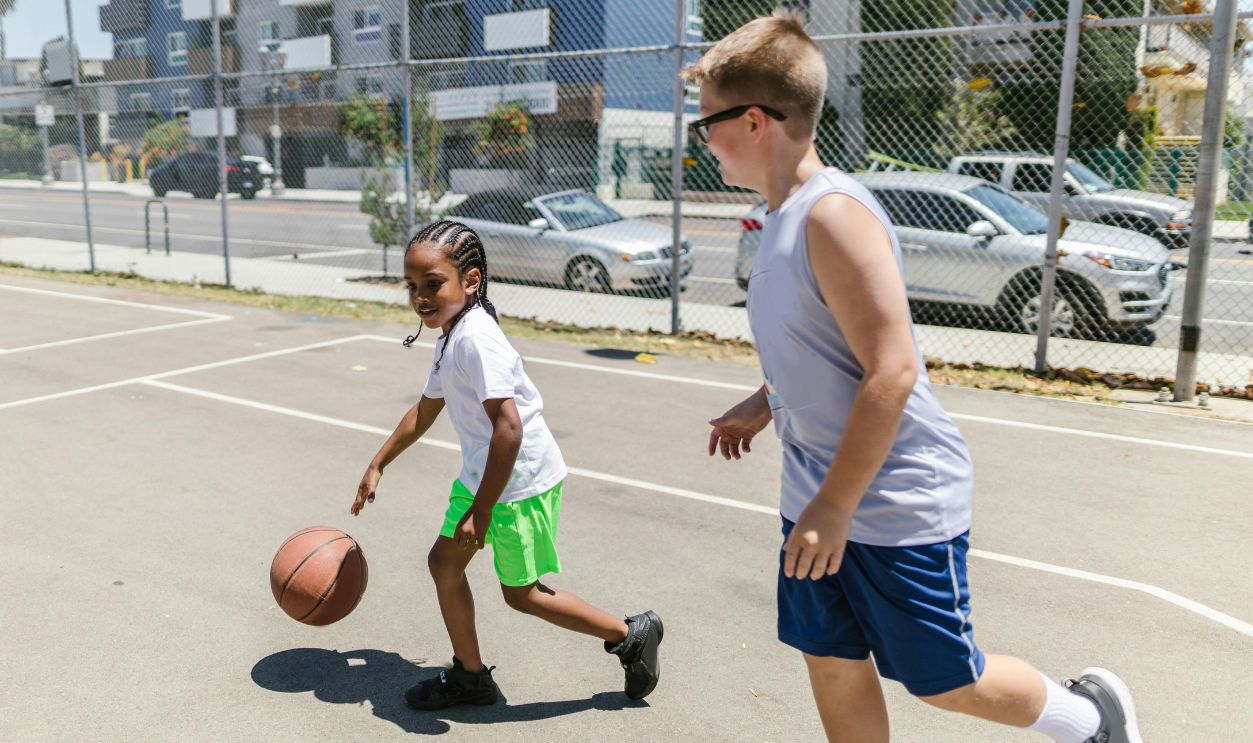
The easiest long-term fix may be changing where your kids play. If the wall is too easy to clear, that play area may simply not work for ball games. A park, a driveway with more space, or a different part of the yard could save everyone repeated hassle.
Switch To A Softer Ball
Not every game needs a full-powered soccer ball or bouncy rubber one. A softer, lighter ball may be less likely to fly over the wall and less worrying if it does. Sometimes the simplest equipment change solves the whole issue without any drama.

Add A Visual Boundary
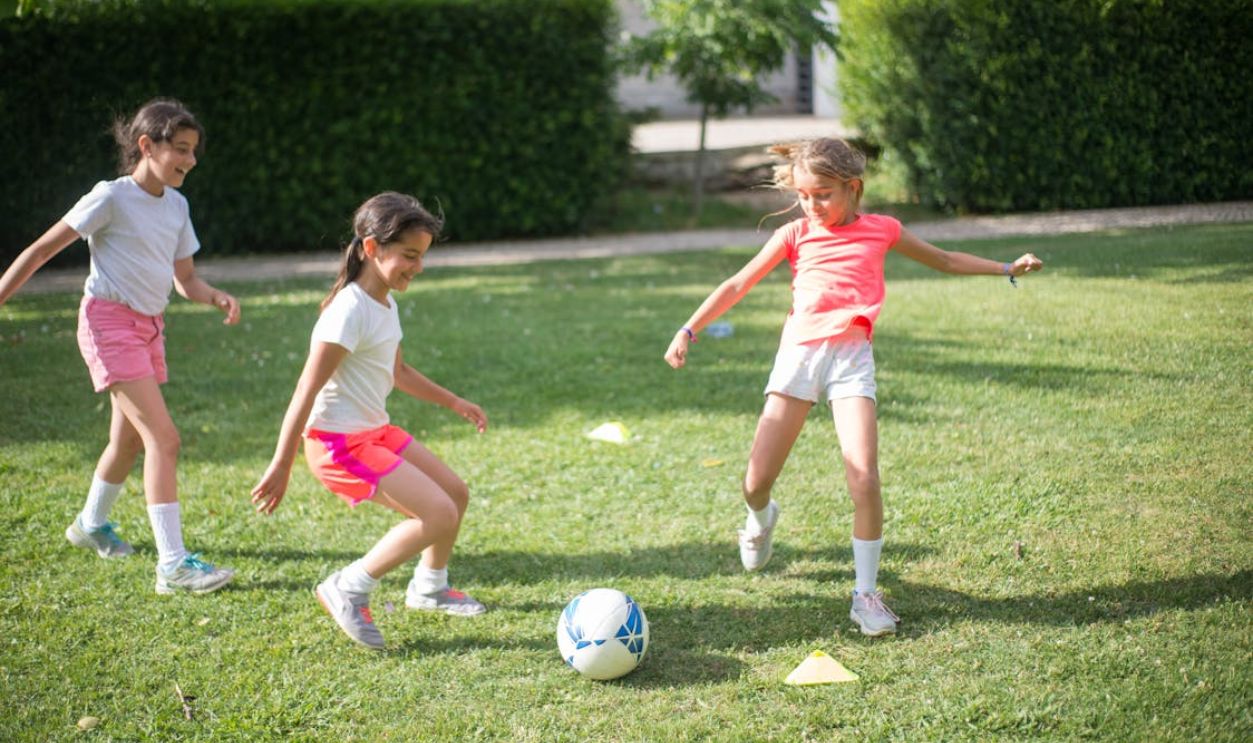
Kids do better when the rules are easy to see. Cones, chalk lines, or a “no-kick” zone near the wall can help them stay mindful while playing. Turning the fix into part of the game can make it feel less like punishment and more like a challenge.
Practice Better Ball Control
If your children are old enough, this is a great excuse for a quick lesson in accuracy and control. Challenge them to keep passes low and inside the safe zone. Suddenly, the annoying neighbor problem becomes a backyard skill-building exercise with a purpose.
Set A House Rule
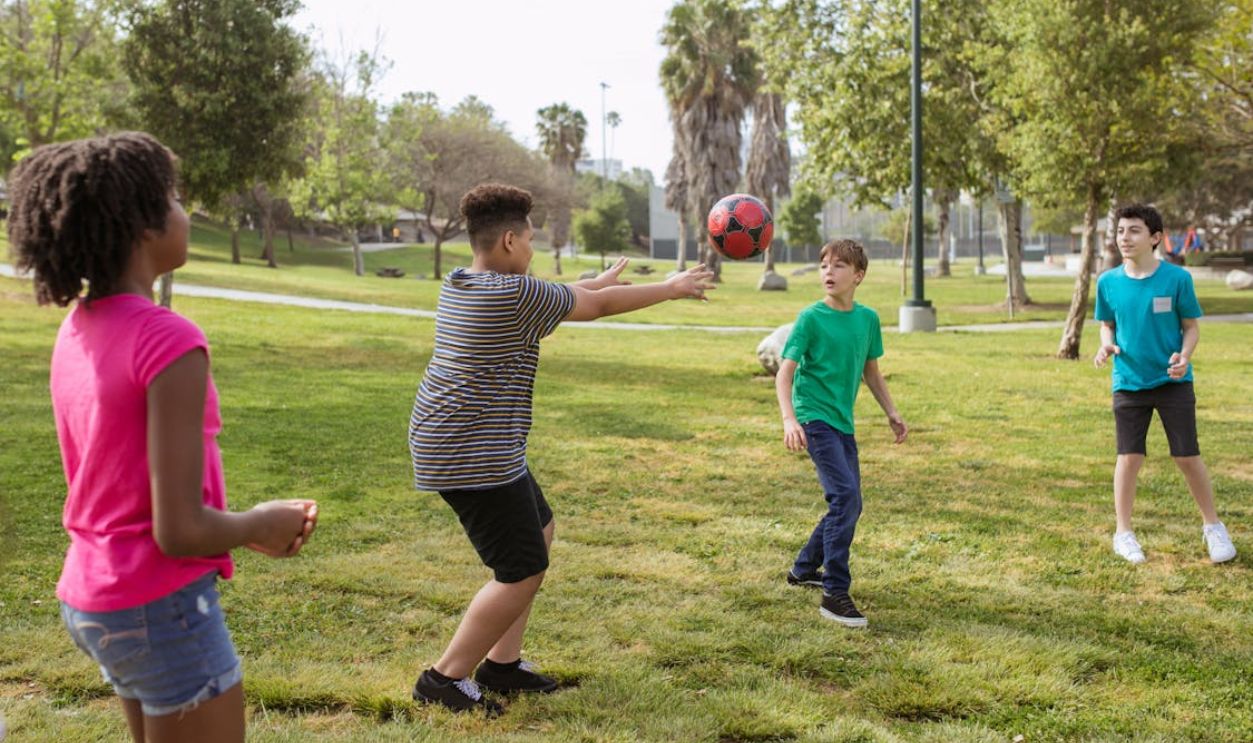
A clear family rule can cut down on repeat incidents. Something like, “If the ball goes over again, the game is over for the day,” gives kids a real reason to be careful. They may not love it, but they will remember it.

Document Repeated Issues Calmly
If this has happened several times and your neighbor is refusing all reasonable communication, keep a simple record of what happened and when. No need for anything dramatic. Just note the dates, your attempts to resolve it, and how he responded.

Know What He Can And Cannot Do
In many cases, a neighbor cannot simply keep property that belongs to someone else forever. That said, property access laws vary, and entering someone’s yard without permission can create its own problems. This is where common sense matters more than righteous anger.

Avoid Turning It Into A Legal War
Could this become a legal issue? Maybe. Should it be your first move? Probably not. Lawyers and official complaints can turn a minor neighborhood problem into a lasting cold war. Unless there is harassment or serious property conflict, it is usually better to exhaust friendly options first.
 The Jopwell Collection, Unsplash
Check Local Rules If Needed
If the situation becomes stubborn, look into local bylaws, community association rules, or non-emergency mediation options. Some neighborhoods or municipalities offer simple dispute resolution services. These can help both sides talk things through without turning the issue into a formal battle.

Try A Written Note
Face-to-face conversations are not always the best route, especially if emotions keep flaring. A short, polite note can be surprisingly effective. It gives your neighbor time to process your request without feeling cornered, and it lets you choose your words carefully.

Keep The Wider Neighborhood Out Of It
It is tempting to vent to other neighbors, but that can backfire. Once a private irritation becomes neighborhood gossip, embarrassment and resentment tend to grow. Keep things as direct and quiet as possible if your real goal is peace rather than public support.
Protect The Future Relationship
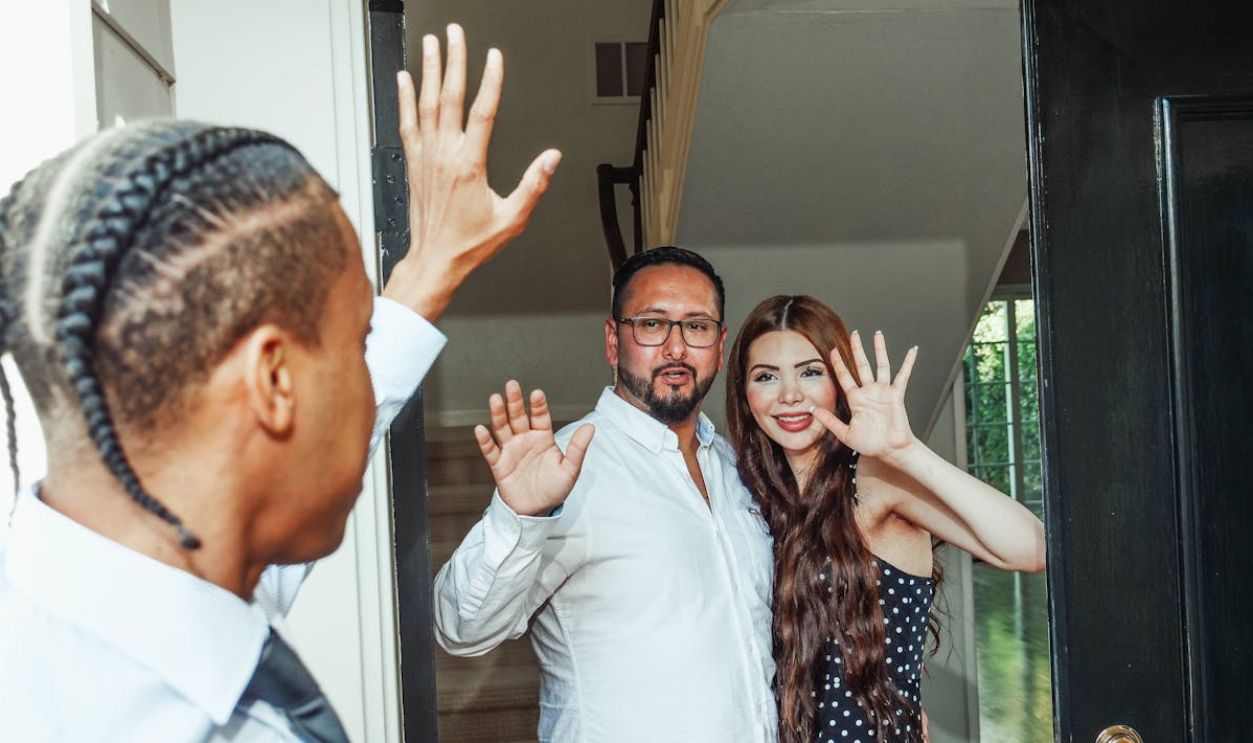
Unless one of you is moving tomorrow, this is someone you may live beside for years. That is worth remembering. A returned ball matters, but so does being able to wave hello, collect your mail, and enjoy your home without a simmering feud next door.
Sometimes You Need To Let One Ball Go
It may not feel fair, but there are moments when replacing the ball is cheaper than continuing the fight. That does not mean giving in forever. It just means choosing peace in the short term while you put better habits and better boundaries in place.
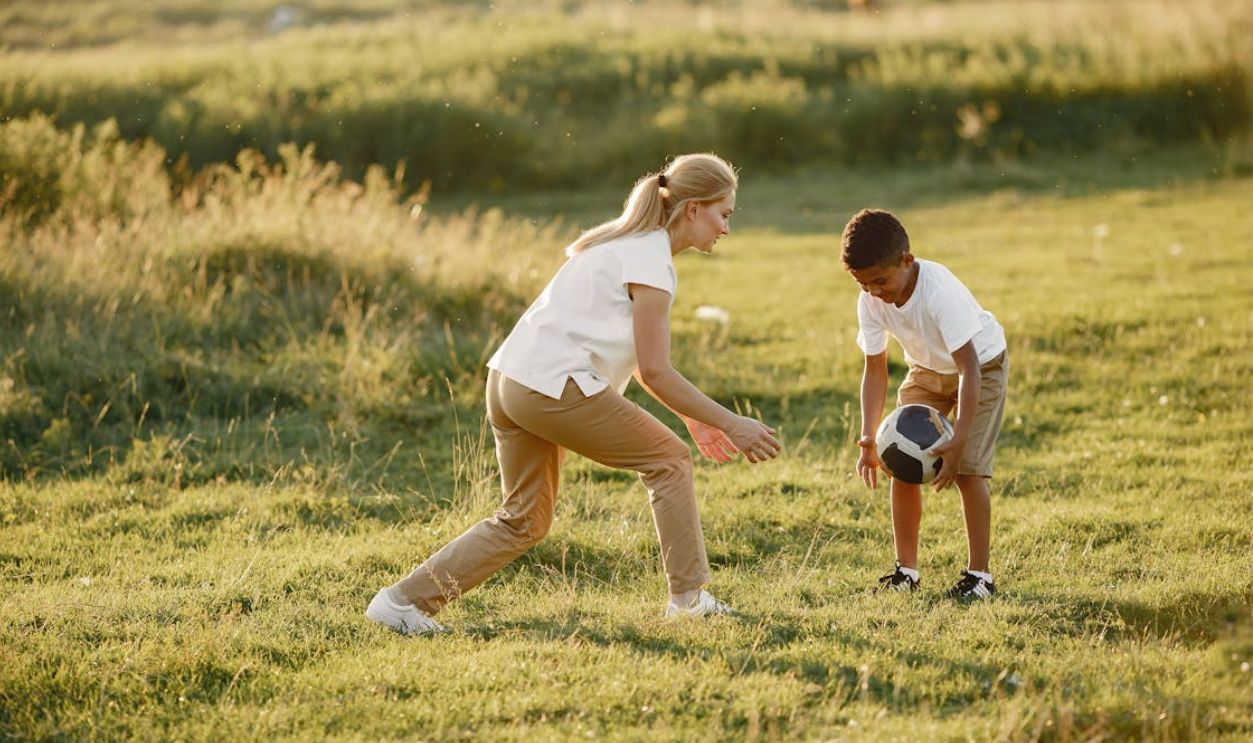
Turn The Problem Into A Family Reset
These moments can actually lead to something good. Your kids learn respect, patience, and responsibility. You get a chance to model calm conflict resolution. And your household can come away with better play rules that make life easier for everyone on the block.

A Little Diplomacy Goes A Long Way
When a ball keeps sailing over an elderly neighbor’s wall, the smartest move is usually a mix of kindness, boundaries, and prevention. Stay calm, keep your kids out of his yard, ask politely, and make changes so it stops happening. You may not control his behavior, but you can absolutely control the next chapter of the story.

You May Also Like: