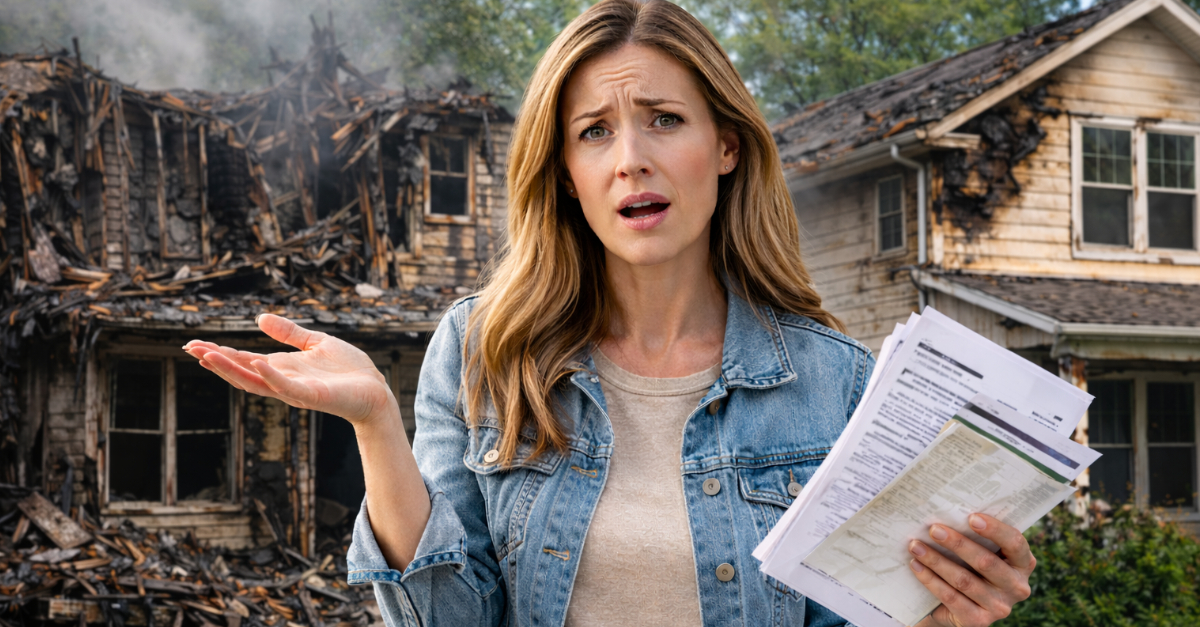
This Wasn’t Even My Fire…
You didn’t cause it. You didn’t start it. But now your home is damaged, and suddenly you’re the one dealing with insurance, claims, and rising costs. It feels backwards, and honestly, it kind of is. So what’s actually supposed to happen here, and why does it feel like you’re the one paying for someone else’s disaster?
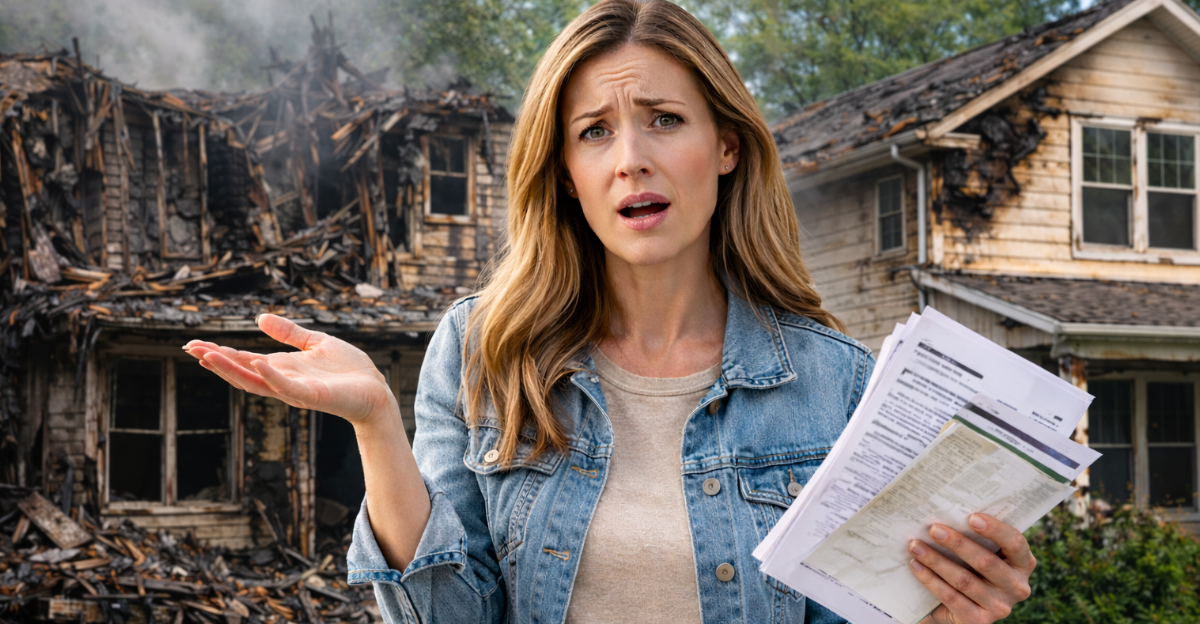
It Feels Obvious Who Should Pay
If your neighbor’s house caused the fire, it seems simple: their insurance should cover your damage. That’s what most people assume, and on the surface, it makes total sense. After all, the damage didn’t originate on your property, so why should your policy even be involved in the first place?

This Is Where Things Get Complicated
In many cases, you’re told to file a claim with your own insurance first, even if the fire didn’t start on your property. That’s not a mistake or a brush-off. Homeowners insurance is designed to pay for covered damage to your home, and insurers often sort out reimbursement questions afterward.

Why You’re Told To Use Your Own Insurance
Home insurance is designed to cover your property when it suffers a covered loss like fire. Filing your own claim is usually the fastest way to start repairs and get your life back to normal. Waiting on someone else’s insurer to finish its investigation can take much longer.

This Process Has A Name: Subrogation
After your insurance pays for your repairs, it may go after the other party or their insurer to recover what it paid. This process is called subrogation. It’s a real, standard part of insurance claims handling, and it often happens behind the scenes.

But Here’s The Catch
Even if your insurer eventually gets reimbursed, you still had to file the claim first and open that record on your policy. From your perspective, the damage is already done, both literally and financially, before any recovery process even begins.

Yes, Your Premiums Can Go Up
Filing a homeowners claim can affect what you pay later, even though there is no single national rule that says rates must rise by a set percentage. Insurers price policies based on risk, claims history, location, rebuilding costs, and state rules.

“Not At Fault” Doesn’t Always Protect You
Unlike auto insurance, homeowners claims are not always treated in a simple fault versus no-fault way when rates are set. Insurers generally look at the overall risk of insuring the property and the history of claims tied to it.

Claims Stay On Your Record
Insurers commonly use claims-history reports such as CLUE when underwriting or repricing policies. Consumer reporting rules generally limit negative information to about seven years, which is why claims history can follow a homeowner for quite a while.

You May Also Pay Your Deductible
Before your insurance pays anything, you’re responsible for your deductible. That deductible can be a flat dollar amount or, in some policies, a percentage-based deductible tied to the insured value of the home.

Can You Get That Deductible Back?
Sometimes. If your insurer successfully recovers money through subrogation, you may get some or all of your deductible back. But it is not automatic, and recovery can take time.

When Does Your Neighbor’s Insurance Pay?
Your neighbor’s insurance may cover your damages if your neighbor was legally liable for the loss. In plain English, that usually means negligence or some other legal responsibility has to be established.

What Counts As Negligence?
Negligence generally means someone failed to use reasonable care. In a fire case, that could involve unsafe electrical work, ignored hazards, code violations, or other careless conduct.

If It Was A Pure Accident…
If no negligence can be proven, each homeowner’s insurance often ends up covering that homeowner’s own property damage, subject to the policy terms and deductible.

Fire Damage Claims Are Common
Fire remains one of the most significant causes of homeowners losses. Lightning-related fires alone generate tens of thousands of claims annually in the U.S. and account for over a billion dollars in damages.

Average Fire Damage Is Expensive
These claims are expensive. The average cost of certain fire-related claims can reach tens of thousands of dollars, showing how quickly property losses can become major financial events.

You Can Still Take Legal Action
If your neighbor was clearly negligent, you may be able to pursue legal action for costs that insurance does not fully cover. This can include your deductible and other losses.

But Legal Cases Take Time
Lawsuits can take months or longer, and success depends on proving fault with evidence. That’s one reason insurance is usually the first step for homeowners dealing with serious property damage.

What About Temporary Living Costs?
If your home is unlivable after a covered loss, many homeowners policies include additional living expenses coverage. This can help with temporary housing and certain extra costs.

Filing Quickly Matters
After a major loss, it is important to contact your insurer promptly, document the damage, and begin the claim process. Delays can complicate inspections and repairs.

The System Isn’t About Fair, It’s About Speed
Insurance is built to get covered damage addressed first and sort out responsibility after. That’s why people are often pushed to file with their own carrier.

So…Should Their Insurance Cover It?
Sometimes, yes. But usually only if negligence or legal responsibility can be shown. Otherwise, your insurer may handle the loss first, and any reimbursement happens later.

What You Can Do Right Now
Document everything, take photos, file your claim quickly, and ask your insurer whether it expects to pursue subrogation. If negligence seems clear, talking to a lawyer early may be worth it.

You Might Also Like: