
I was charged an overdraft fee even though I had the money. The teller at the bank couldn't help me, can I still dispute the charge?

I was charged an overdraft fee even though I had the money. The teller at the bank couldn't help me, can I still dispute the charge?


May 26, 2026 | Jack Hawkins

I was charged an overdraft fee even though I had the money. The teller at the bank couldn't help me, can I still dispute the charge?


Yes, You Can Still Dispute It

Seeing an overdraft fee when you swear the money was there feels like getting a parking ticket while your car is in your driveway. Annoying? Absolutely. Hopeless? Not at all. Even if the teller could not fix it, you can still dispute the charge.

Rss Thumb - Overdraft FeesFactinate Ltd

Advertisement

Why This Happens In The First Place

Bank balances are sneakier than they look. Your app may show an “available balance,” a “current balance,” pending charges, deposits on hold, or card authorizations that have not settled yet. The fee may come from the bank’s timing rules, not from the balance you saw.

Adult man with glasses using a smartphone on a city street in Budapest, Hungary.Andrea Piacquadio, Pexels

Advertisement

Available Balance Is The Magic Number

Most overdraft decisions are based on your available balance, not the total money sitting in the account. A check deposit, payroll deposit, or transfer may show up visually before the bank fully releases it. That small timing gap can trigger a surprisingly expensive fee.

A woman working on her laptop at home, deeply contemplating her work, symbolizing remote work challenges.Yan Krukau, Pexels

Advertisement

Pending Transactions Can Play Tricks

Pending charges are like ghosts at a dinner party: not fully there, but still taking up space. Gas stations, hotels, restaurants, and subscriptions can temporarily reserve money. If another payment hits while those holds are active, your account may look funded but act overdrawn.

Attentive female driver in casual outfit and headband filling up modern automobile with automotive fuel gun on petrol station while looking downGustavo Fring, Pexels

Advertisement

Posting Order Matters Too

Banks process transactions in batches, and the order can matter. A debit card coffee, an automatic bill, and a check might not post in the order you made them. If the bank’s posting order created the overdraft, that detail belongs in your dispute.

Barista serving customer in a charming coffee shop setting.Vitaly Gariev, Pexels

Advertisement

The Teller Is Not The Final Boss

A teller may be friendly, but they usually have limited power. They may not be able to reverse fees, investigate posting order, or access the back-end transaction timeline. Ask for escalation to customer service, account resolution, or the bank’s complaint department.

Two professionals in a serious business meeting at a modern office setting.Vitaly Gariev, Pexels

Advertisement

Start With The Exact Fee

Before arguing, identify the fee. Was it an overdraft fee, nonsufficient funds fee, returned item fee, overdraft transfer fee, or extended negative balance fee? The name matters because each fee may follow different rules, disclosures, and refund procedures.

A woman in a white top attentively takes notes using a laptop at home.Anna Tarazevich, Pexels

Advertisement

Check Whether You Opted In

For ATM withdrawals and one-time debit card purchases, banks generally need your affirmative consent before charging overdraft fees for paying those transactions under Regulation E. If the fee came from one of those transactions, ask the bank to prove when and how you opted in.
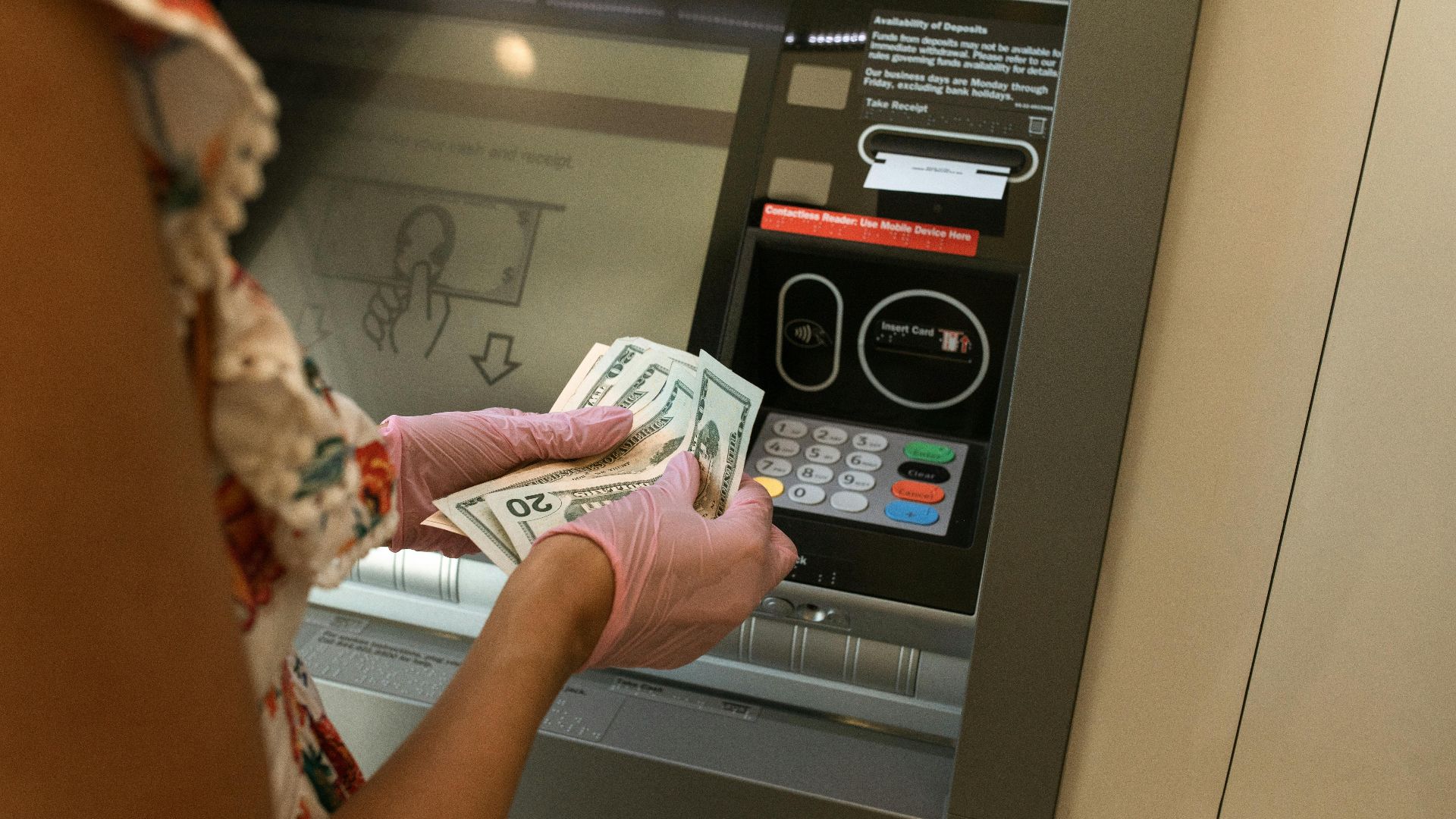
A person wearing gloves withdraws cash from an ATM, ensuring hygiene.RDNE Stock project, Pexels

Advertisement

Some Fees May Be Unfair

The CFPB has warned that “unanticipated” overdraft fees can be unfair, including situations where consumers reasonably thought they had enough money when making the transaction. That does not guarantee a refund, but it gives your complaint more teeth.

Young woman using her smartphone on a sunny day by the waterfront bridge.Roberto Hund, Pexels

Advertisement

Gather Your Receipts

Collect screenshots, statements, deposit slips, ATM receipts, confirmation numbers, and the bank’s fee notice. You are building a tiny courtroom exhibit. The goal is to show the timeline: when the money arrived, when the transaction happened, and when the bank assessed the fee.

Woman reviewing receipts and planning budget using a laptop and notebook at home to manage expenses.www.kaboompics.com, Pexels

Advertisement

Write Down The Timeline

Make a simple timeline in plain English. For example: “My paycheck posted at 8:03 a.m. The debit card purchase occurred at 10:15 a.m. The bank charged an overdraft fee that evening.” Clear timelines are harder to brush off than emotional complaints.

Concentrated female taking notes in planner near heap of many books and cup of strong coffee on white backgroundGeorge Milton, Pexels

Advertisement

Ask For A Courtesy Refund First

Sometimes the fastest path is not a formal dispute. Call and say, “I believe this fee was charged in error, but I’d also appreciate a courtesy reversal while you review it.” Many banks reverse first-time or occasional fees, especially for customers in good standing.

A businessman in a suit making a phone call while working on a laptop in a modern office setting.Andrea Piacquadio, Pexels

Advertisement

Use The Word “Dispute”

If the first person says no, be clearer. Say, “I want to formally dispute this overdraft fee and request a written explanation of how it was assessed.” That wording signals you are not just venting; you want the bank to investigate and document its answer.

Confident woman in business attire talking on phone while walking in urban setting.MART PRODUCTION, Pexels

Advertisement

Ask For The Transaction Ledger

Your app may not show the full story. Ask for the ledger showing available balance, pending items, holds, posting order, and the exact transaction that triggered the fee. You are not asking for magic. You are asking for the math.

Serious businessman wearing glasses focused on smartphone in a modern office setting.Lisa from Pexels, Pexels

Advertisement

Challenge Deposit Holds

If the bank says your deposit was not available yet, ask why. Different deposits can have different hold rules. A mobile check deposit, cash deposit, ACH transfer, and direct deposit may not become available at the same speed, even when they appear in your account.

Two businessmen engaged in a discussion during a job interview in a contemporary office environment.Tima Miroshnichenko, Pexels

Advertisement

Watch For Debit Card Rules

If the overdraft came from a debit card purchase or ATM withdrawal, focus on opt-in consent. Regulation E requires banks to provide certain disclosures and get affirmative consent before assessing fees for paying ATM and one-time debit card overdrafts.

African American woman using laptop and credit card for online shopping at home.Mikhail Nilov, Pexels

Advertisement

Ask The Bank To Show Consent

Do not just ask, “Did I opt in?” Ask for proof: the date, method, and disclosure tied to your consent. The CFPB has emphasized that financial institutions should be able to show evidence of a consumer’s affirmative consent for covered overdraft services.

Professional business meeting in a modern office with two adults discussing documents.Los Muertos Crew, Pexels

Advertisement

Be Polite, But Firm

You do not need to sound like a lawyer. Try: “I had sufficient funds based on the information available to me, and I’m requesting reversal of the fee.” Calm, specific, and persistent usually works better than unleashing your inner courtroom drama star.

Focused woman architect discussing floor plans on the phone in an office setting.AI25.Studio Studio, Pexels

Advertisement

Escalate Beyond The Branch

If the branch cannot help, contact the bank’s customer care line, secure message center, or executive complaints office. Branch staff may be boxed in by policy, while centralized teams often have more authority to investigate, refund, or explain.

StartupStockPhotosStartupStockPhotos, Pixabay

Advertisement

Get The Response In Writing

A phone promise is nice. A written response is useful. Ask the bank to confirm its decision by secure message, email, or letter. If the answer is “no,” request the specific reason, including the balance calculation and transaction that caused the overdraft.

Side view of crop young unshaven male watching cellphone under light sky in townMary Taylor, Pexels

File A CFPB Complaint

If the bank will not resolve it, you can submit a complaint to the Consumer Financial Protection Bureau. The CFPB forwards complaints to companies for response, and it is especially relevant when the issue involves overdraft practices, account errors, or confusing fee disclosures.

Woman working remotely with a laptop on the floor next to a sofa, enjoying comfortable home office setup.Vlada Karpovich, Pexels

Advertisement

Your State May Help Too

Your state banking regulator or attorney general may also take complaints, especially if the bank’s explanation seems misleading or inconsistent. This is not about starting a legal war. It is about moving your complaint to someone who can make the bank answer properly.

A woman in a business suit participates in a job interview, showcasing professionalism and modern office environment.Edmond Dantes, Pexels

Advertisement

Keep The Account Healthy

While disputing, bring the balance positive if possible. A lingering negative balance can create more fees, account closure, or collection headaches. You can dispute the charge and still protect yourself from the next wave of bank drama.

An adult woman sitting on a sofa, counting money with a laptop and notebook nearby, illustrating budget planning.www.kaboompics.com, Pexels

Advertisement

Prevent Round Two

Turn on low-balance alerts, link a savings account, review overdraft settings, and consider opting out of debit card overdraft coverage. The best overdraft fee is the one that never gets invited to the party.

A young adult working on a smartphone and laptop in a modern office.Vitaly Gariev, Pexels

Advertisement

Consider Switching Banks

If your bank keeps playing fee bingo, shop around. Many online banks, credit unions, and newer checking accounts offer lower overdraft fees, grace periods, or no overdraft fees at all. Loyalty is lovely, but not when it costs $35 a surprise.

Thoughtful businessman in glasses pondering by office window, holding a folder.Andrea Piacquadio, Pexels

Advertisement

The Main Takeaway

Yes, you can still dispute the overdraft fee, even if the teller could not help. Focus on timing, available balance, consent, and documentation. Ask for a formal review, escalate when needed, and make the bank show its work.

Business professionals engaged in a meeting, highlighting collaboration.Vitaly Gariev, Pexels

Advertisement

The Bottom Line

An overdraft fee is not automatically correct just because it appeared on your statement. Banks make mistakes, systems use confusing timing rules, and consumers can challenge unfair or unexplained charges. Be organized, be persistent, and do not let one unhelpful teller be the end of the story.

Focused young female student with dark curly hair in casual clothes taking notes in copybook while preparing for exams sitting on couch and using laptop at homeSam Lion, Pexels

Advertisement

You May Also Like:

My coworker says people who lease luxury cars are secretly broke. Is leasing a status symbol just financial self-sabotage?

My cousin says he lives entirely off debt and never uses his own money. Is that genius or financial disaster waiting to happen?

My insurance premium increased, but my coverage didn’t change. Is the company really allowed to do that?

Sources: 1, 2, 3


READ MORE

I was charged an overdraft fee even though I had the money. The teller at the bank couldn't help me, can I still dispute the charge?

Charged an overdraft fee even though you had money? Learn why it can happen, how to dispute the fee, what records to gather, and when to escalate your complaint.
May 26, 2026 Jack Hawkins
uncertain and thoughtful man holding documents, standing in front of a house undergoing repairs

My friend insists that in 2026, homeownership is a scam because of taxes, insurance, and repairs. Is renting actually now smarter long term?

Your friend is not wrong to cringe at property taxes, insurance bills, and surprise repair costs. Those expenses are real, and in many markets they have risen sharply in the past few years. But calling homeownership a scam goes too far, because the long term math depends on time, location, financing, and what would happen to your rent if you do not buy.
May 19, 2026 Miles Brucker

I loaned a friend $5,000 to buy a car via an informal payment arrangement. He recently tragically died. Can I still ask his widow to keep paying me?

Loaned a friend $5,000 before he passed away? Learn whether you can ask his widow to keep paying, how estate debts work, and how to handle the situation with compassion and proof.
May 22, 2026 Jack Hawkins

My son moved back home, and now my utility bills are out of control. He can't afford to pay us, is now the time to upgrade my home for efficiency?

Having an extra person in the home can spike your utility bills, especially if they have high usage habits.
May 25, 2026 Marlon Wright

I refused to lend my son $1000 to the end of next week, so he went and took out a payday loan instead. Did I make a mistake?

Setting boundaries for lending to family members is important, but what it they resort to high-interest payday loans instead?
May 25, 2026 Jane O'Shea
Restaurant Investment

My brother wants me to invest in his restaurant even though he has already failed at two businesses. Should family loyalty trump my instincts?

Few money conversations get messier faster than this one. Your brother wants you to invest in his restaurant, but he has already watched two businesses fail. That puts family loyalty on a collision course with cold financial reality.
May 18, 2026 Miles Brucker


Disclaimer

The information on MoneyMade.com is intended to support financial literacy and should not be considered tax or legal advice. It is not meant to serve as a forecast, research report, or investment recommendation, nor should it be taken as an offer or solicitation to buy or sell any securities or adopt any particular investment strategy. All financial, tax, and legal decisions should be made with the help of a qualified professional. We do not guarantee the accuracy, timeliness, or outcomes associated with the use of this content.


Dear reader,


It’s true what they say: money makes the world go round. In order to succeed in this life, you need to have a good grasp of key financial concepts. That’s where Moneymade comes in. Our mission is to provide you with the best financial advice and information to help you navigate this ever-changing world. Sometimes, generating wealth just requires common sense. Don’t max out your credit card if you can’t afford the interest payments. Don’t overspend on Christmas shopping. When ordering gifts on Amazon, make sure you factor in taxes and shipping costs. If you need a new car, consider a model that’s easy to repair instead of an expensive BMW or Mercedes. Sometimes you dream vacation to Hawaii or the Bahamas just isn’t in the budget, but there may be more affordable all-inclusive hotels if you know where to look.


Looking for a new home? Make sure you get a mortgage rate that works for you. That means understanding the difference between fixed and variable interest rates. Whether you’re looking to learn how to make money, save money, or invest your money, our well-researched and insightful content will set you on the path to financial success. Passionate about mortgage rates, real estate, investing, saving, or anything money-related? Looking to learn how to generate wealth? Improve your life today with Moneymade. If you have any feedback for the MoneyMade team, please reach out to [email protected]. Thanks for your help!


Warmest regards,

The Moneymade team