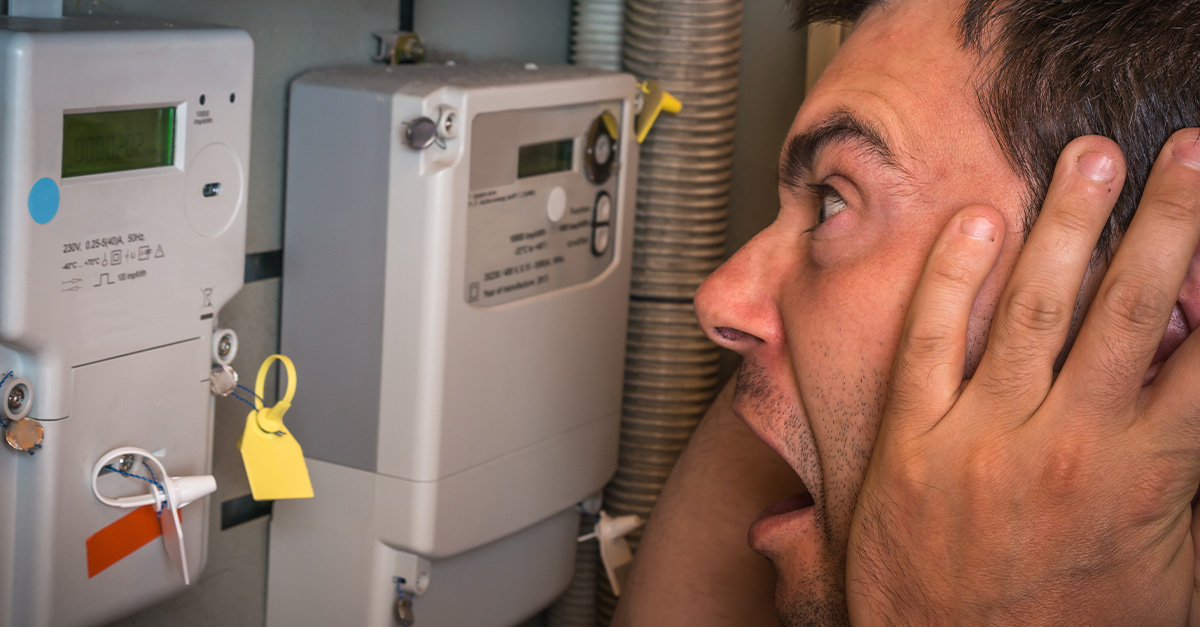
When The Lights Stay On But The Bills Go Dark
Getting a power bill that suddenly tops $1,000 feels a little like opening the mailbox and finding a jump scare inside. If your utility company paused billing for months after a hack, you are not wrong to wonder whether that giant number is real, estimated, or pulled from thin air.

Why A Delayed Bill Feels So Shady
Most people build their budget around a rough monthly pattern, so a three-month billing gap throws everything off. When the bill finally lands, it can feel less like a normal charge and more like a financial ambush, especially if no one explained what was happening.

A Hack Can Wreck More Than A Website
When a utility gets hit by a cyberattack, the damage is not always visible to customers. Billing systems, meter data, payment portals, and account histories can all be disrupted, which means the company may struggle to produce normal, timely statements even if your service never stopped.
 Mike van Schoonderwalt, Pexels
So, Are They Just Guessing?
Sometimes, yes, at least partly. Utilities often use estimated billing when they cannot access actual meter reads on time. That does not automatically mean the number is fake, but it can mean the bill is based on past usage patterns, seasonal trends, or later catch-up calculations.

What Estimated Billing Usually Means
An estimated bill is not supposed to be a random number picked by a sleepy accountant with a dartboard. It is usually based on your previous usage, similar months from earlier years, or nearby meter readings, then adjusted later when actual data becomes available.

Why Three Months Can Create One Monster Bill
Even if the company was not overcharging, combining several months into one statement can make the total feel outrageous. Three normal bills of $340 each can suddenly look like a crisis at $1,020, even though the problem is timing as much as amount.
 Vodafone x Rankin everyone.connected, Pexels
The Big Question: Did You Actually Use That Power?
That is the heart of the issue. If your home used electricity during those three months, you probably do owe something. The real debate is whether the utility measured it correctly, estimated it fairly, and gave you enough information to understand the total.
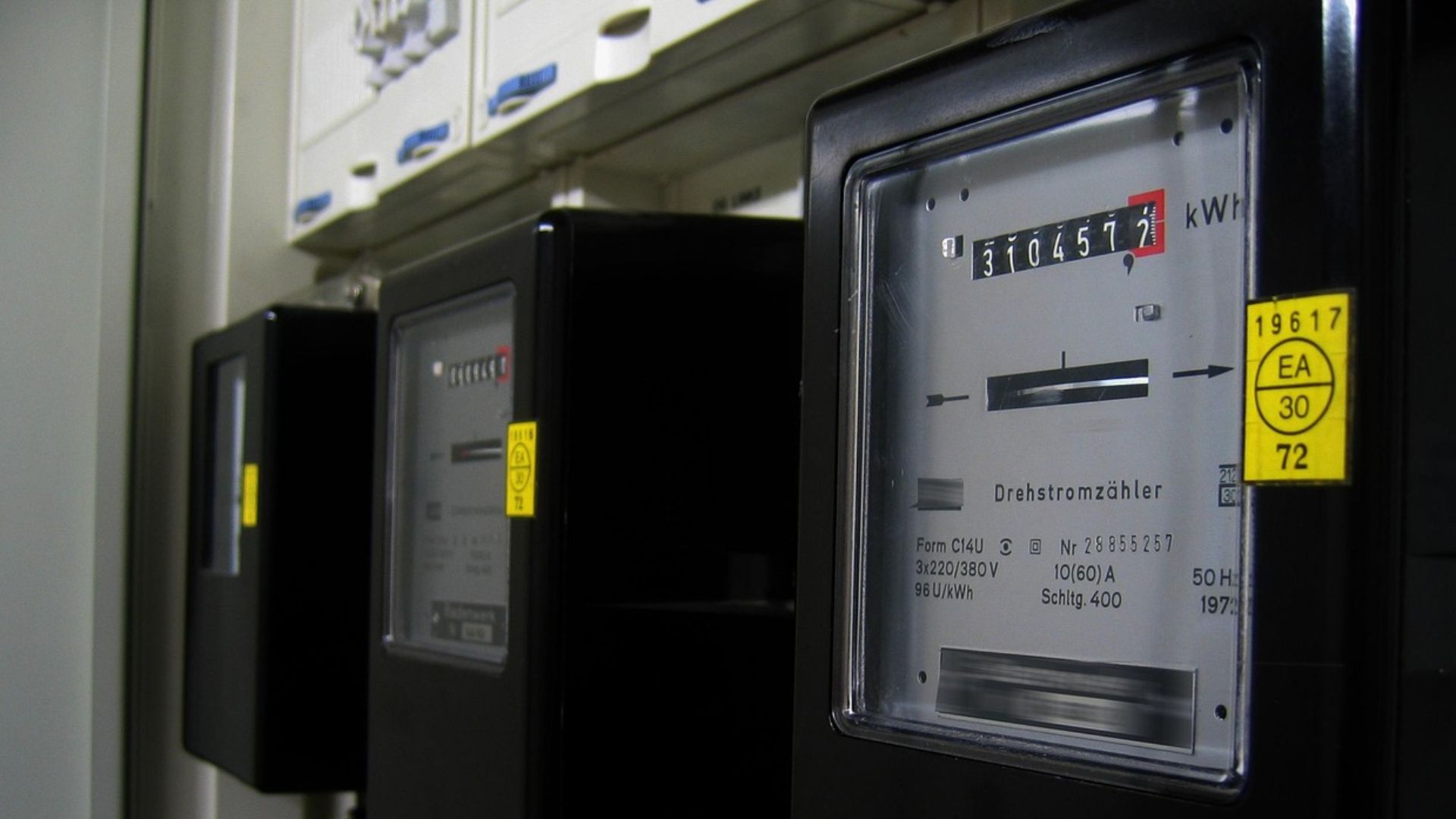
Look For The Word “Estimated”
Your first move is simple: read the bill like a detective. Somewhere near the meter section, usage details, or account summary, utilities often note whether a reading was actual, estimated, adjusted, or based on a catch-up calculation from delayed billing.

Compare The Usage, Not Just The Price
People fixate on the dollar amount, but the usage line matters more. Check the kilowatt-hours on this bill against the same season last year, or against your normal summer or winter patterns. If the usage looks wildly off, that is your first red flag.
Seasons Can Mess With Your Gut Feeling
A delayed three-month bill may include the coldest or hottest stretch of the year, when heating or air conditioning sends electricity use soaring. So even if the bill feels absurd, part of the answer may simply be that weather and timing teamed up against you.
Fees, Taxes, And Riders Add Up Too
It is not always just raw electricity. Delivery charges, taxes, fuel riders, service fees, and late-applied adjustments can stack onto a catch-up bill. That is why two homes with similar usage can still see very different totals when delayed billing gets sorted out.

Check Whether Payments Were Properly Credited
After a major system issue, mistakes can happen. Maybe you made a payment during the outage, but it was not posted correctly. Maybe autopay was paused. Before assuming the whole bill is wrong, make sure the utility actually credited every payment you already made.

Ask For A Meter History
You do not need to argue in the dark. Ask the company for your meter read history for the delayed period, including which reads were actual and which were estimated. That request alone can turn a vague, stressful bill into something concrete and easier to challenge.

Ask For A Billing Breakdown In Plain English
Do not settle for a robotic explanation. Ask the utility to walk you through the bill month by month, showing usage, rates, fees, credits, and adjustments. If they cannot explain how they reached the number, that is a problem all by itself.

Your Bill Should Not Feel Like A Math Escape Room
A utility bill is allowed to be boring, but it should still be understandable. If you need a magnifying glass, two calculators, and an emotional support spreadsheet to decode it, push for a clearer explanation before agreeing that the amount is correct.

What If The Utility Estimated Too High?
That happens. If estimates overshot your actual use, the company should eventually correct the account once real meter data is confirmed. You may get a lower adjusted bill or a credit. That is why documentation matters before you rush to pay everything immediately.

What If The Utility Estimated Too Low?
This is the sneaky flip side. Some customers enjoy a suspiciously low bill during a disruption, only to get a painful catch-up statement later. That still stings, but it does not necessarily mean the utility is cheating. It may mean the underbilling finally got corrected.

Can They Demand The Full Amount At Once?
They may bill you for past service, but many utilities also offer payment arrangements when delays were caused by their own system problems. If the company’s outage created the backlog, it is reasonable to ask for extra time, waived fees, or a structured repayment plan.

Do Not Ignore The Bill Out Of Rage
Tempting, yes. Smart, no. Ignoring the statement can lead to collections, late fees, or service trouble while the dispute drags on. It is better to contact the utility right away, note that you are questioning the bill, and request a review in writing.

Put Your Questions In Writing
Phone calls are fine for speed, but written complaints are better for proof. Send an email or secure message asking whether the charges are actual or estimated, how the total was calculated, and what options exist if the amount is correct but unmanageable.

Keep A Tiny Paper Trail
Save copies of bills, screenshots, emails, payment confirmations, and notes from calls. You do not need a courtroom binder with color tabs, but you do want enough documentation to show what happened if the dispute drifts into regulator territory later.

You May Have A Right To Escalate
If the utility gives you vague answers or refuses to explain the bill, you may be able to file a complaint with your state or provincial utility regulator, consumer protection office, or public utilities commission. Utilities are regulated for a reason.

Ask About Payment Plans Before Panic Wins
Even if the bill is accurate, a surprise four-digit charge can wreck a household budget. Ask for an installment plan, budget billing option, or hardship program. Utilities would usually rather collect steadily than turn one shocking bill into a bigger nonpayment problem.

Budget Billing Could Save Future You
After the dust settles, consider levelized or budget billing if your utility offers it. That spreads seasonal highs and lows into more predictable monthly payments, which means fewer financial jump scares and less chance of a giant bill blowing up your cash flow.
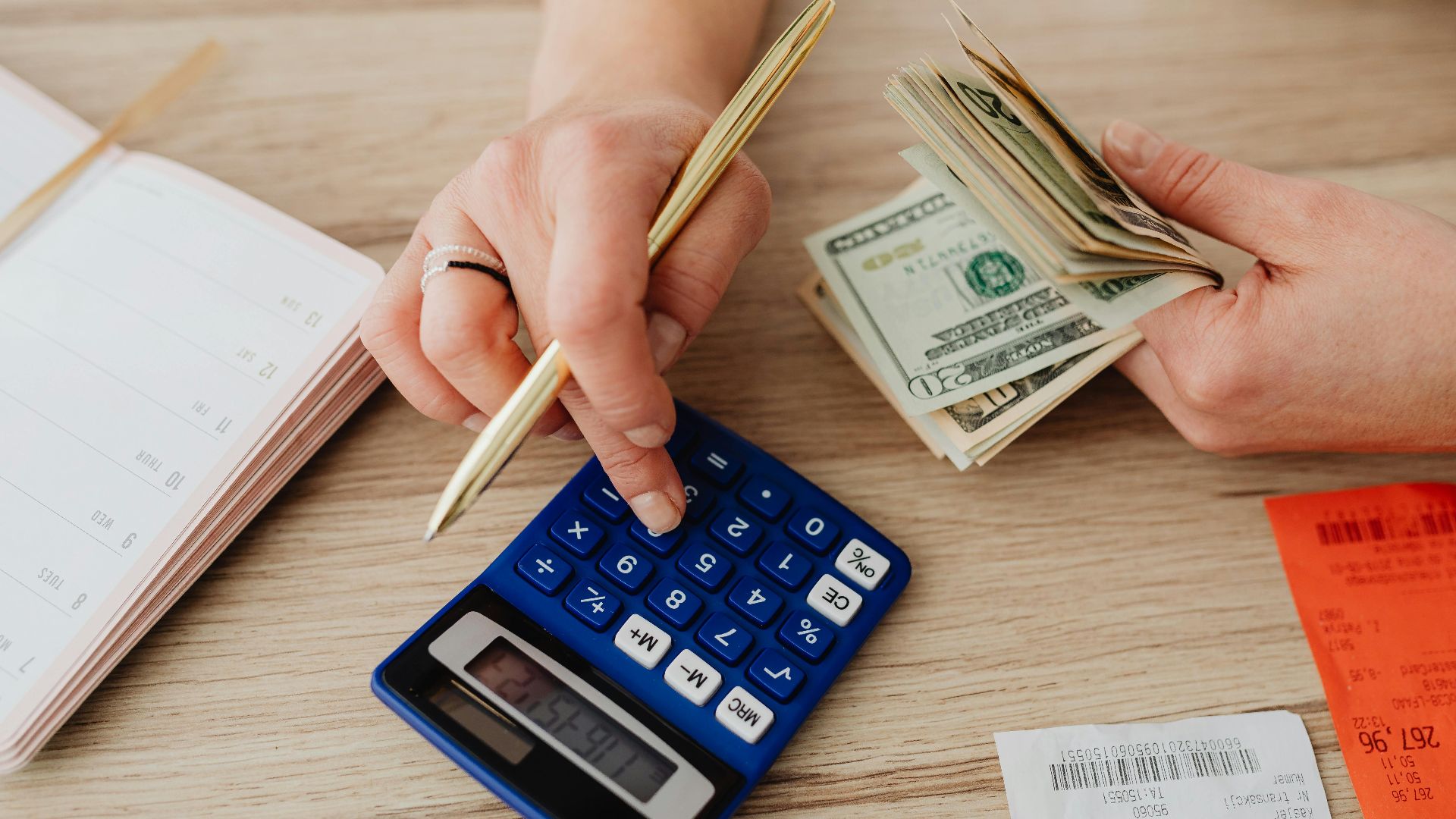
Red Flags That Deserve A Harder Fight
Push harder if the usage is far above normal, meter reads are missing, payments vanished, dates do not match, or the company cannot explain the numbers clearly. A delayed bill is annoying; an unexplainable delayed bill is when your consumer instincts should get loud.

The Best First Script To Use
Try this: “I understand billing was delayed after the hack, but I need a month-by-month explanation of this balance, a record of actual versus estimated meter reads, and information on payment-plan options while this is reviewed.” Calm, clear, and hard to dodge.

The Bottom Line On That $1,000 Shocker
Your utility is probably not just tossing out a random number, but that does not mean you should accept the bill blindly. It may be based on actual usage, estimates, or catch-up adjustments, and your job is to make them show their work before you pay in full.

You May Also Like:
Want To Buy A Home? These Are The Cheapest And Most Expensive States, According To Data