
When Home Suddenly Doesn’t Feel Safe Anymore
There’s something especially upsetting about this kind of story. Your dad has lived quietly in the same apartment for 10 years—same neighbors, same routines, probably the same favorite chair by the window—and now, out of nowhere, he’s being told he might have to leave. It feels unfair, even a little cruel. And the question that keeps coming up is: why would anyone do this to someone who’s done nothing wrong?

It Feels Personal—Even When It Isn’t
When something like this happens, it’s hard not to take it personally. It feels like someone looked at your dad—his age, his situation—and decided he didn’t matter. But in reality, these decisions are usually driven by money and policy, not people. That doesn’t make it hurt less, though.

So… What Changed?
The biggest shift here is ownership. Once the building was sold to an HOA (or a group that plans to run it like one), everything about how the property is managed can change. What used to be a straightforward rental situation suddenly becomes something much more complicated.

What An HOA Actually Does
An HOA, or homeowners association, typically exists to manage a property where people own their units—like condos. They set rules, collect fees, and try to maintain property value. The key detail? Their priority is the owners, not renters.

This Might Be A Condo Conversion
One of the most common reasons for this situation is a condo conversion. That’s when a rental building is turned into individually owned units that can be sold. It’s a popular move for investors because it often brings in more money than renting.

Why Developers Love This Move
From a business standpoint, it’s simple math. Selling 20 units individually can be far more profitable than collecting rent over time. So when a building is bought, the goal often isn’t to keep tenants—it’s to prepare units for sale.

Where That Leaves Tenants Like Your Dad
Unfortunately, people like your dad get caught in the middle. He didn’t sign up for this change. He just kept paying rent and living his life. But when ownership changes, his stability can disappear almost overnight.

“But He’s Been There Forever!” Doesn’t Always Matter
You’d think that living somewhere for 10 years would count for something—and emotionally, it absolutely should. Legally? Not always. In many places, length of tenancy doesn’t guarantee permanent housing.

The Harsh Reality Of “No-Fault” Evictions
What makes this even tougher is that your dad likely hasn’t done anything wrong. These are often called “no-fault” evictions, meaning the tenant didn’t break any rules—they’re just being displaced because of new plans for the property.

It’s Not About Him—It’s About The Unit
As cold as it sounds, the decision isn’t really about your dad. It’s about the apartment itself—what it could be worth, how it can be sold, and how quickly that can happen. He’s just… in the way of that plan.

Why Older Renters Get Hit Harder
This kind of situation is especially difficult for older tenants. Moving isn’t just inconvenient—it can be overwhelming. There’s the physical side, the emotional side, and the financial reality of trying to find something affordable.

Fixed Incomes Make It Worse
If your dad is retired or on a fixed income, the problem gets even bigger. Rents have likely gone up a lot in the last 10 years, and finding a comparable place at a similar price might be nearly impossible.

HOAs Want Stability—But A Different Kind
Ironically, HOAs do care about stability—but in a different way. They want stable property values, predictable ownership, and a certain kind of community. Long-term renters don’t always fit into that picture.

Owner-Occupied Units Are Often The Goal
Many HOAs prefer buildings where most units are owner-occupied. It’s seen as better for maintenance and resale value. That often means reducing or eliminating renters altogether.

Renovations Are Usually Part Of The Plan
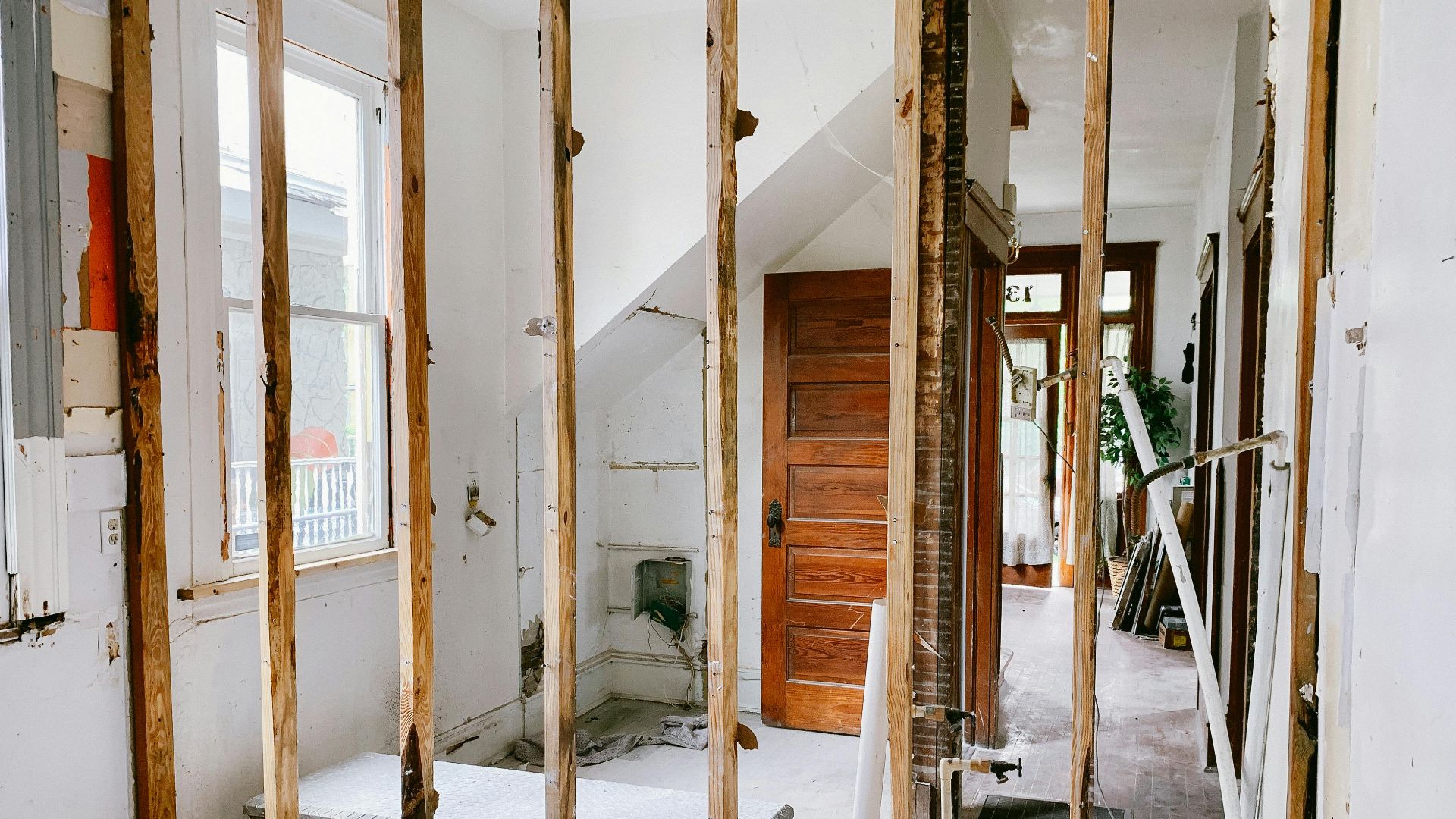
If units are going to be sold, they’re often renovated first. That’s a lot easier to do when they’re empty. So clearing out tenants becomes part of the process—even if it’s disruptive.
The Notice Period Matters
The one piece of good news? There are usually rules about how this has to be done. Your dad should receive proper notice—often 30, 60, or even 90 days, depending on where you live.

There Might Be Extra Protections
Some areas have specific protections for seniors or long-term tenants. These can include longer notice periods or even financial compensation. It’s definitely worth looking into local laws.

Compensation Isn’t Uncommon
In some places, landlords or new owners have to offer relocation assistance. It won’t fix everything, but it can help cover moving costs or ease the transition a bit.

Can He Push Back?
Sometimes, yes. If the process wasn’t handled correctly, your dad might be able to challenge the eviction or at least delay it. That could give him more time to figure things out.

Legal Advice Can Be A Game-Changer
Even a quick conversation with a tenant lawyer or advocacy group can make a big difference. They’ll know the local rules and might spot protections you didn’t even know existed.

This Is Happening Everywhere
As frustrating as it is, your dad’s situation isn’t unique. Across North America, rising property values are pushing out long-term renters in favor of higher profits.

The Emotional Toll Is Real
It’s not just about moving boxes. It’s about losing a place that feels like home. For someone who’s been there a decade, that’s a huge emotional hit.

It’s Okay To Be Angry About It
There’s nothing wrong with feeling upset. Even if the decision is “legal,” it doesn’t feel fair. And honestly, a lot of people would agree with you on that.

What You Can Do Right Now
Start by gathering all the details—lease agreements, notices, timelines. Then look into local tenant protections and consider getting legal advice. The more information you have, the better.

Supporting Your Dad Matters Most
Beyond the paperwork, your dad is going through something stressful. Just being there—helping him understand what’s happening and what comes next—can make a huge difference.

There Might Be A Better Option Ahead
As hard as this is, it could lead to a living situation that’s safer, closer to family, or better suited to his needs. Not ideal—but possibly a small silver lining.

When Housing Becomes A Business Decision
At the end of the day, this isn’t about your dad being “sweet” or deserving—though he absolutely is. It’s about a system where housing is treated as an investment first and a home second.

A Tough Reminder About Today’s Housing Reality
Stories like this are a reminder of how fragile renting can be, even after 10 years. It’s frustrating, it’s emotional, and it often feels deeply unfair—but understanding why it’s happening is the first step in figuring out what to do next.

You May Also Like:
What Would Happen If Billionaires Paid The Same Tax Rate As Teachers? The Numbers Are Wild