The Old Advice Meets A New Reality
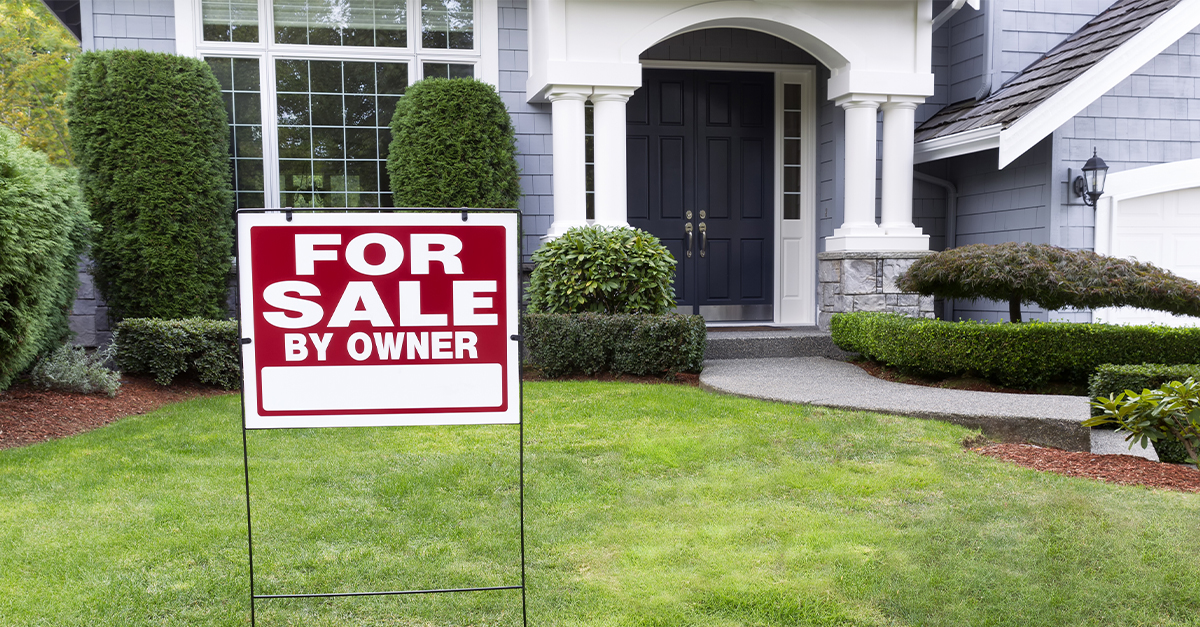
For decades, many parents passed down the same money rule: buy a house as soon as you can, because renting is just throwing money away. That advice came from a time when home prices, mortgage rates, and wages lined up much better than they do in many big cities today.
 Ron Greenberg, Pexels, Modified
Why This Debate Feels So Personal
Housing is not just a numbers question. It is tied to stability, family expectations, and people’s idea of what adulthood is supposed to look like. So when your parents insist buying is always smarter, they may be speaking from real experience that simply does not match today’s market.
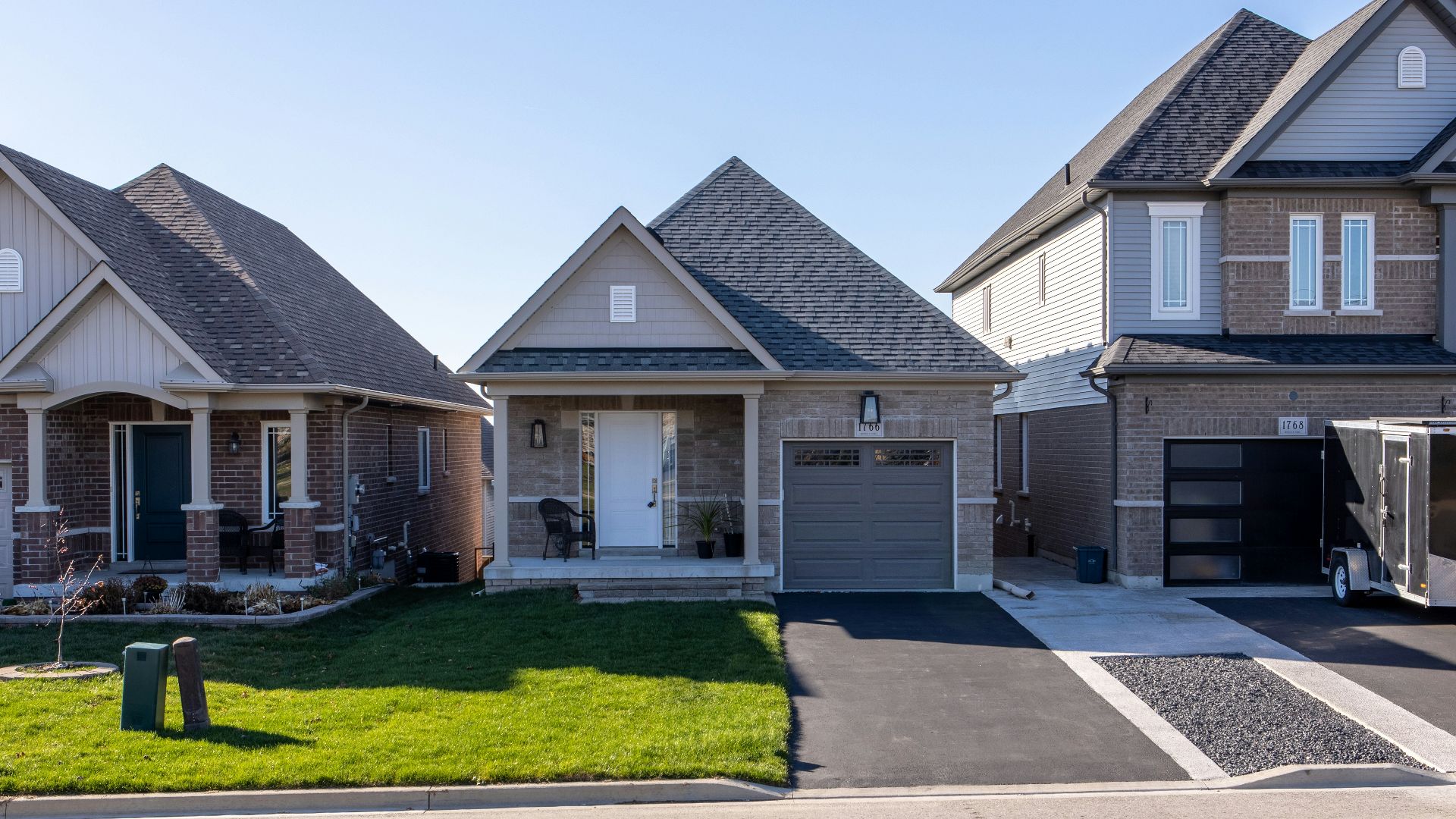
What The Data Says About Today’s Market
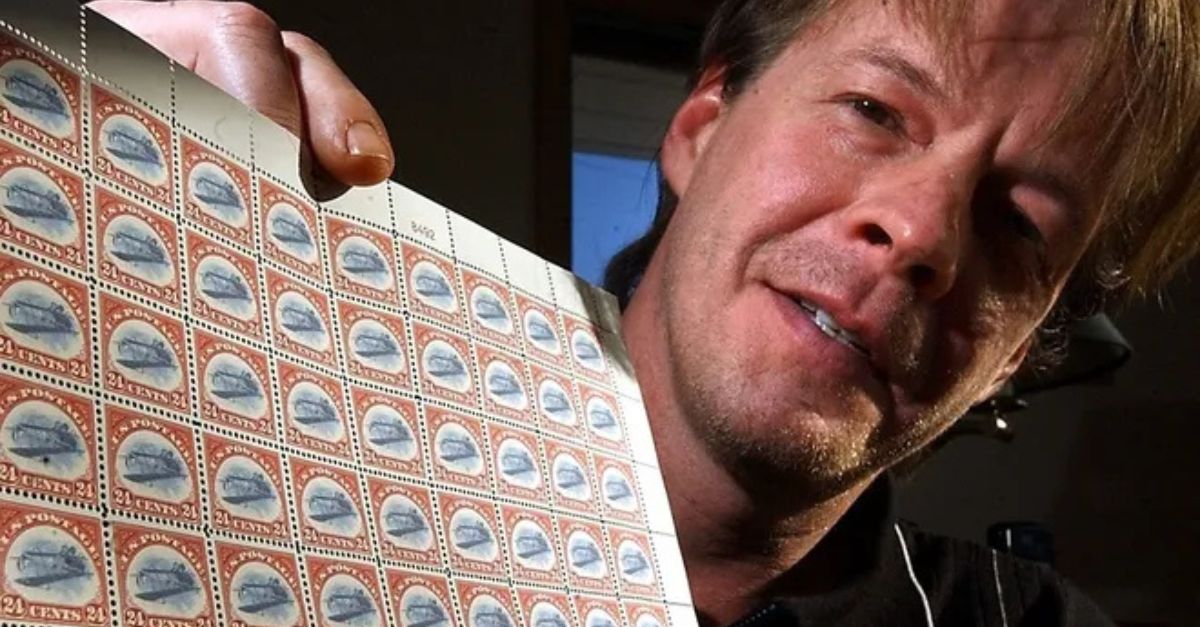
The National Association of Realtors reported that the median existing-home sales price reached $407,500 in 2024, the highest annual level on record. That changes the math right away. A strategy that worked when homes were much cheaper compared with income does not automatically work now.
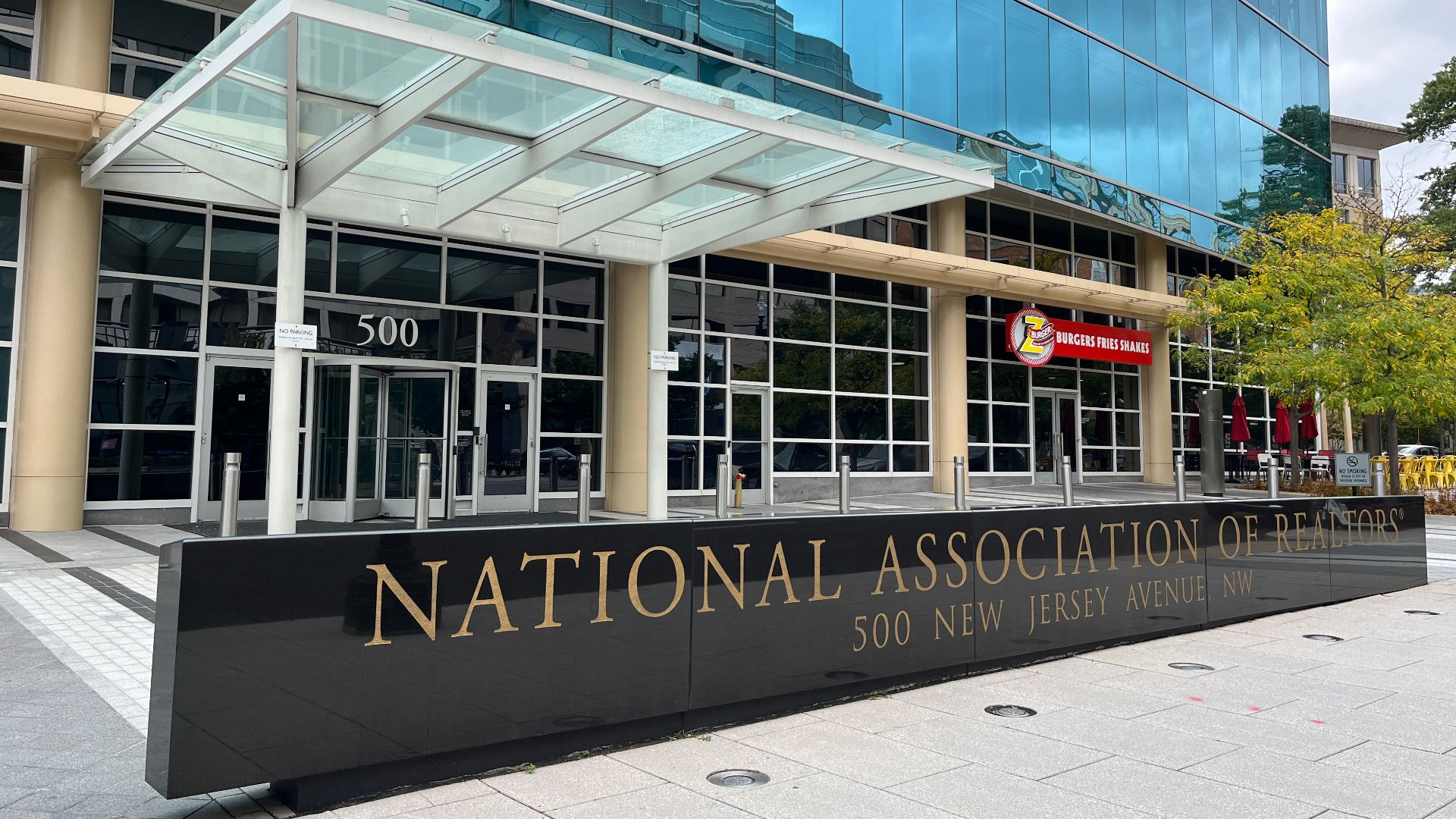 Another Believer, Wikimedia Commons
Mortgage Rates Changed The Equation Fast
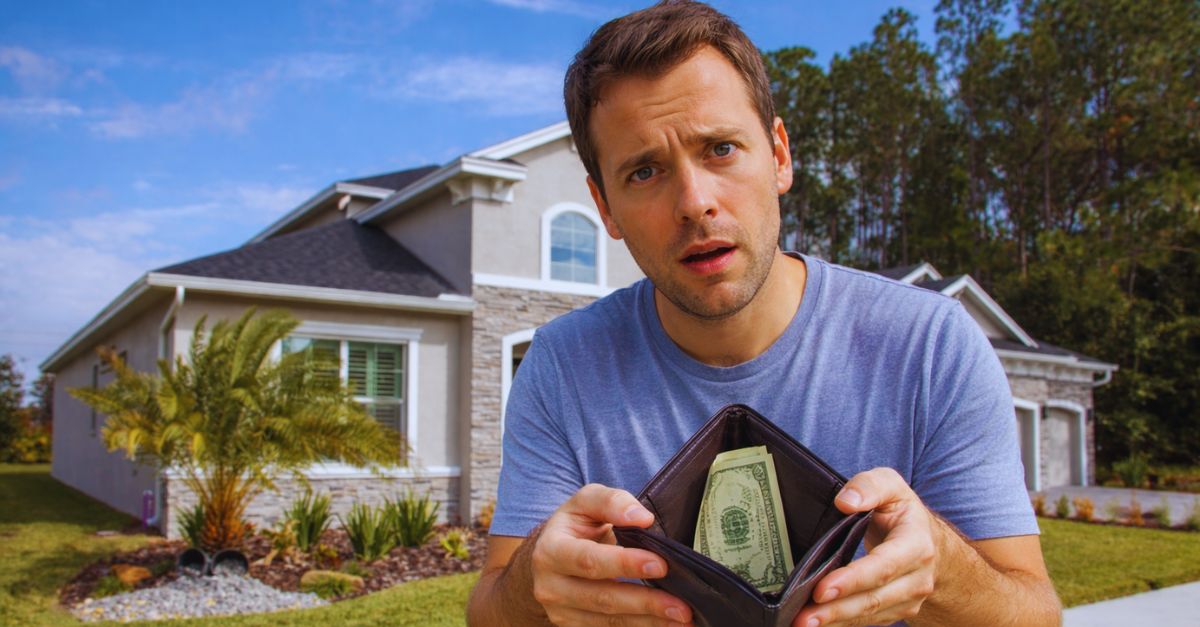
Home prices are only part of the story. Freddie Mac’s weekly survey showed 30-year fixed mortgage rates moved above 7 percent in 2023 and stayed high compared with the ultra-low rates buyers saw in 2020 and 2021. That means the monthly payment on the same home can be far higher than it was just a few years ago.

Renting Is Not Automatically The Losing Move
The biggest problem with the old argument is the idea that every rent check disappears while every mortgage payment builds wealth. In real life, mortgage interest, property taxes, insurance, maintenance, and HOA dues can eat up a huge chunk of a homeowner’s money. There is a reason *The New York Times* rent-versus-buy calculator is so popular: the answer depends on prices, rates, taxes, how long you plan to stay, and what your money could earn elsewhere.

The Price-To-Rent Ratio Is A Huge Clue
Economists often compare home prices with annual rents to judge whether buying makes financial sense in a local market. Brookings has noted that when home prices rise much faster than rents, buying tends to look less attractive. In some expensive cities, that gap has become hard to ignore.
City Buyers Face A Different World
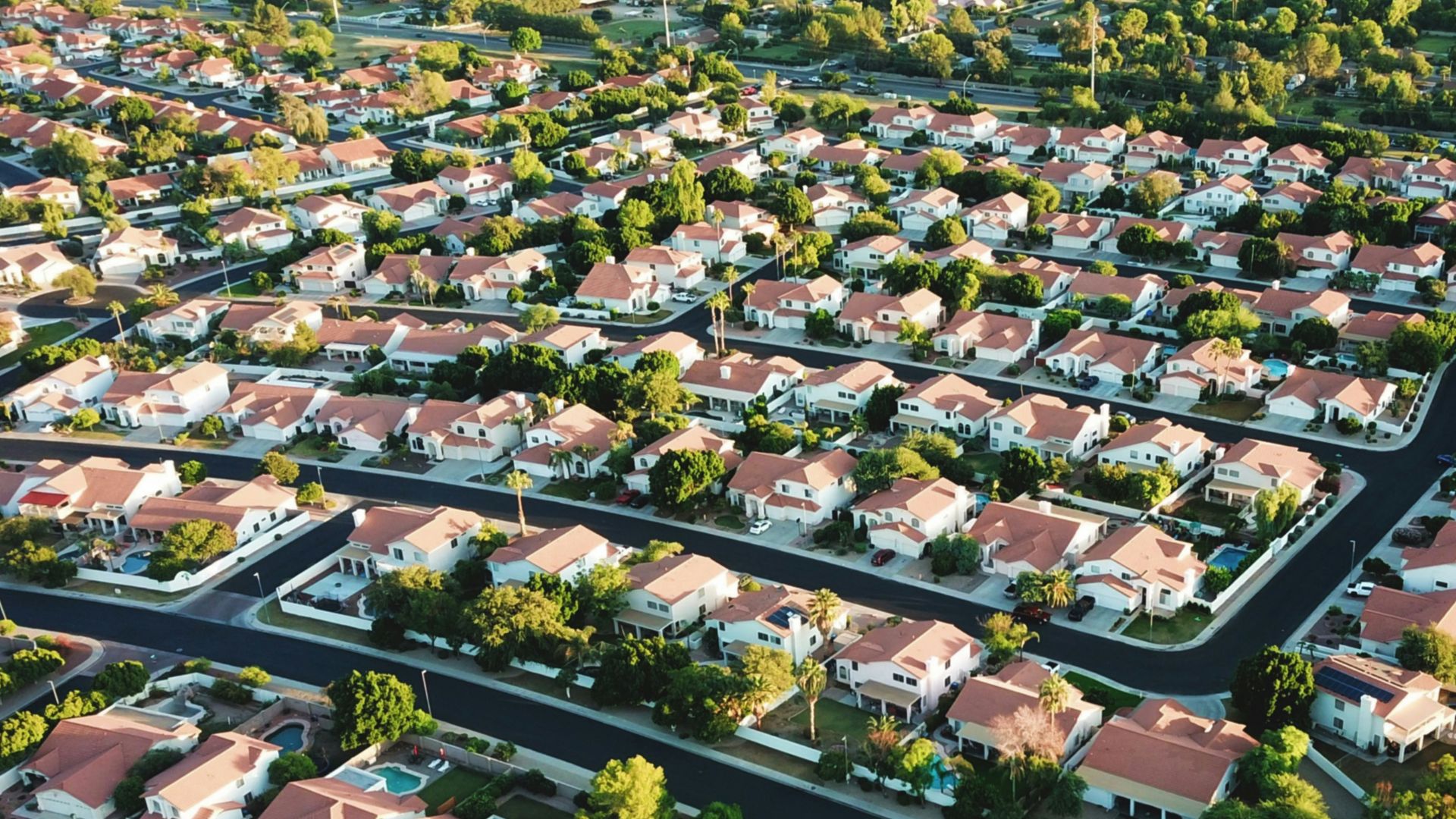
Your parents may have bought in a suburb or smaller metro where starter homes were easier to find. In many large cities now, entry-level inventory is tight and zoning has limited supply for years. The result is fierce competition for smaller homes and condos, which pushes ownership further out of reach.

Affordability Has Been Crushed
The Atlanta Fed’s Home Ownership Affordability Monitor tracks the income needed to afford a median-priced home. In recent years, that gap has widened sharply as prices and rates climbed faster than wages. That is one reason so many would-be buyers feel like they are running in place while the finish line keeps moving.

Your Parents Probably Are Not Wrong About History
Older generations often did see housing deliver strong long-term gains. They may have bought when prices were lower compared with income, then benefited from decades of appreciation and lighter tax burdens. Based on what happened to them, their conclusion made sense.

But They May Be Wrong About It Always Applying
The issue is not that buying can never be smart. The issue is saying it is always smarter than renting. A money rule that ignores location, timing, mobility, upkeep, and opportunity cost is not much of a rule at all.

The Opportunity Cost Is Real
When you buy in an expensive city, the down payment alone can be huge. That money could otherwise stay invested in retirement accounts, index funds, or cash reserves. The rent-versus-buy question is really about what your money can do in each scenario, not just whether you end up with a deed.

Maintenance Is The Part People Love To Forget
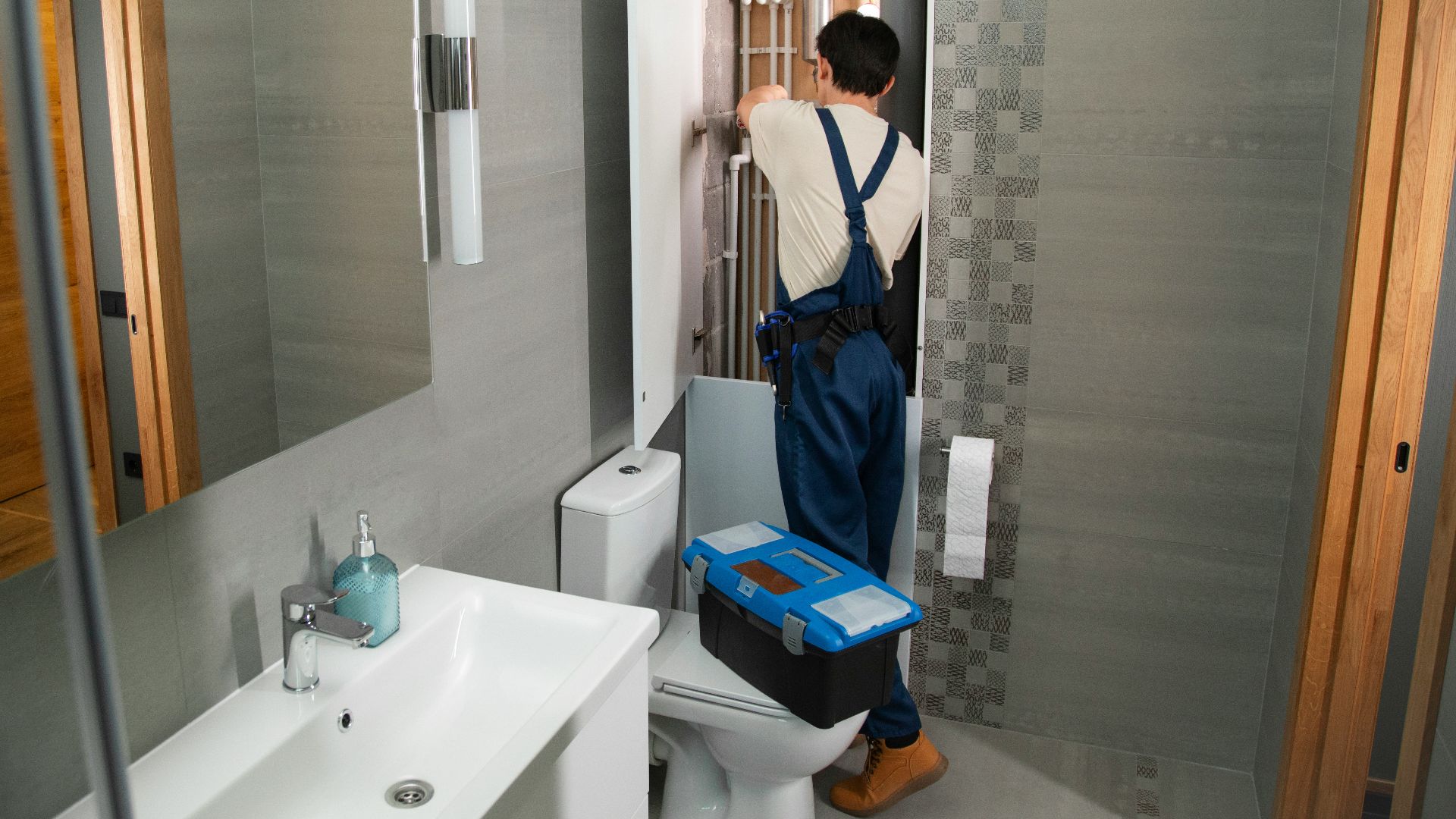
Homeownership comes with ongoing costs renters usually do not pay directly. The U.S. Department of Housing and Urban Development and many personal finance experts warn buyers to plan for repairs, insurance, taxes, and regular upkeep. The mortgage payment is just the start.
Property Taxes Can Rewrite The Budget
In some cities and nearby suburbs, property taxes are high enough to feel like a second rent payment. Those bills can rise over time even if your mortgage principal and interest stay fixed. So the phrase fixed housing cost is not always as fixed as it sounds.

Insurance Has Become A Bigger Wild Card
Homeowners insurance costs have risen in many parts of the country, especially in disaster-prone areas. Renters usually have far less exposure to those increases. If your budget is already tight, that difference can matter a lot.
Closing Costs Are A Sneaky Wealth Drain
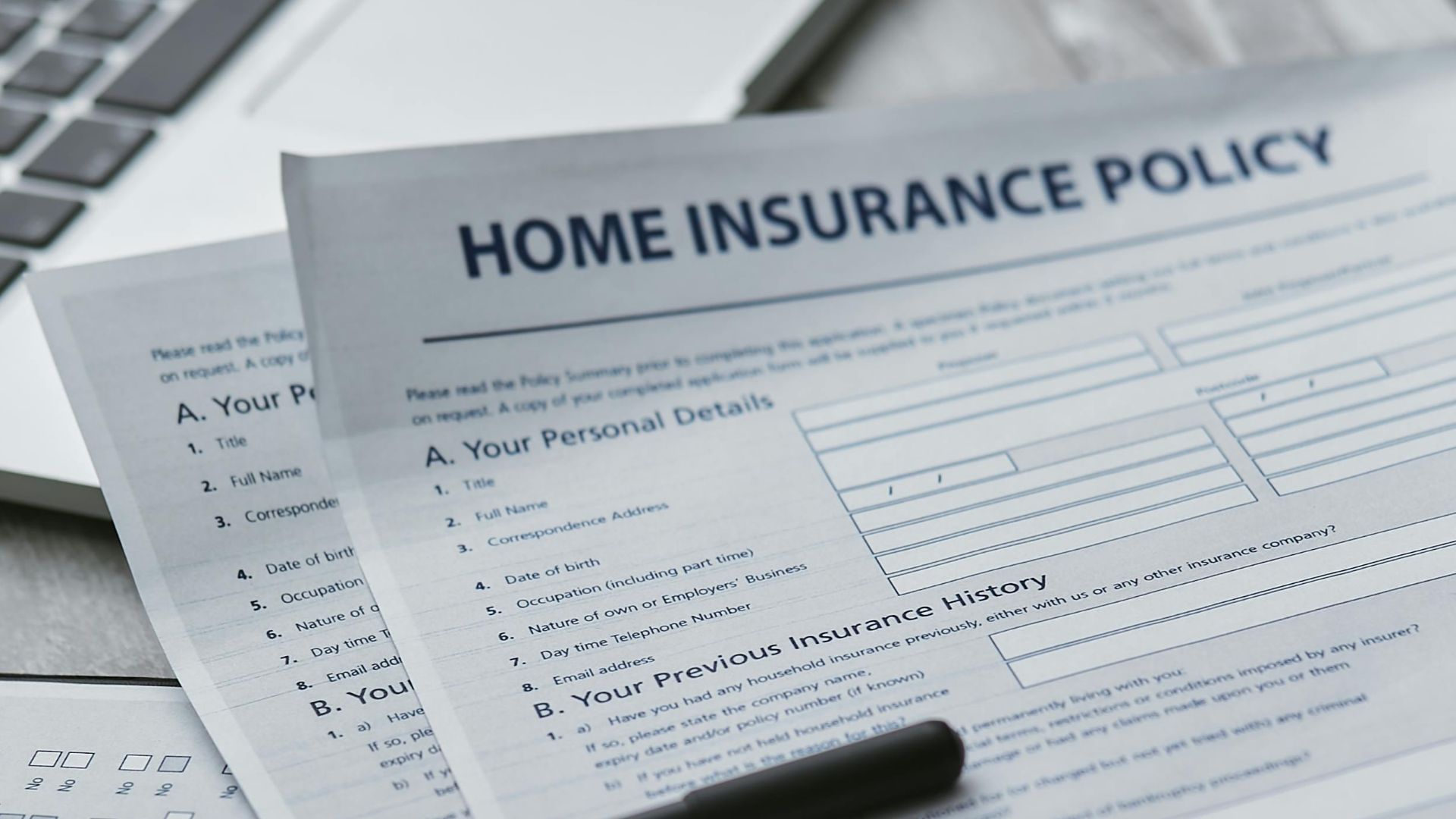
Buying a home means paying loan fees, title costs, taxes, and other closing expenses. Selling means agent commissions and other transaction costs that can wipe out years of equity growth if you move too soon. That is why your time horizon matters so much.

How Long You Plan To Stay Changes Everything
If you expect to stay put for many years, buying often looks better because you have more time to spread out the upfront costs. If your job, relationship, or city may change within a few years, renting can be the smarter move. Flexibility has real financial value, especially for younger workers in shaky job markets.

Job Mobility Favors Renters
In expensive cities, many people are paying a premium to live near jobs, networking, and higher salaries. Renting can make it easier to switch neighborhoods, take a new role, or move for a better opportunity. That freedom is not a financial failure, even if older generations sometimes frame it that way.

Buying Can Still Win In The Right Situation
There are still plenty of cases where buying is the right call. If you have stable income, a long time horizon, manageable monthly costs, and a home price that is not wildly out of line with local rents, ownership can build equity and provide some payment stability. The key is that the numbers have to work in your market, not in your parents’ memories.

Renting Has Hidden Advantages Too
Renters are not on the hook for a new roof, a broken furnace, or a surprise plumbing mess. They can keep more cash available and may be able to invest steadily instead of pouring money into a down payment and repairs. In some high-cost cities, that can leave renters with a stronger net worth than homeowners who are stretched thin.

The New York Times Calculator Became Popular For A Reason
The New York Times rent-versus-buy calculator asks for the exact inputs that family arguments often skip over. It factors in mortgage rates, tax rates, home appreciation, rent growth, investment returns, and how long you will stay. Once you plug in real numbers from your city, the answer can look very different from the old buy-at-all-costs script.

Home Prices Do Not Rise Forever At The Same Pace
Many people talk about appreciation as if it is guaranteed, but housing markets move in cycles. Prices can stall, fall, or lag behind other investments for long stretches. Buying mainly because you assume the home will save you later is a risky bet.

Cash Flow Stress Is A Serious Risk
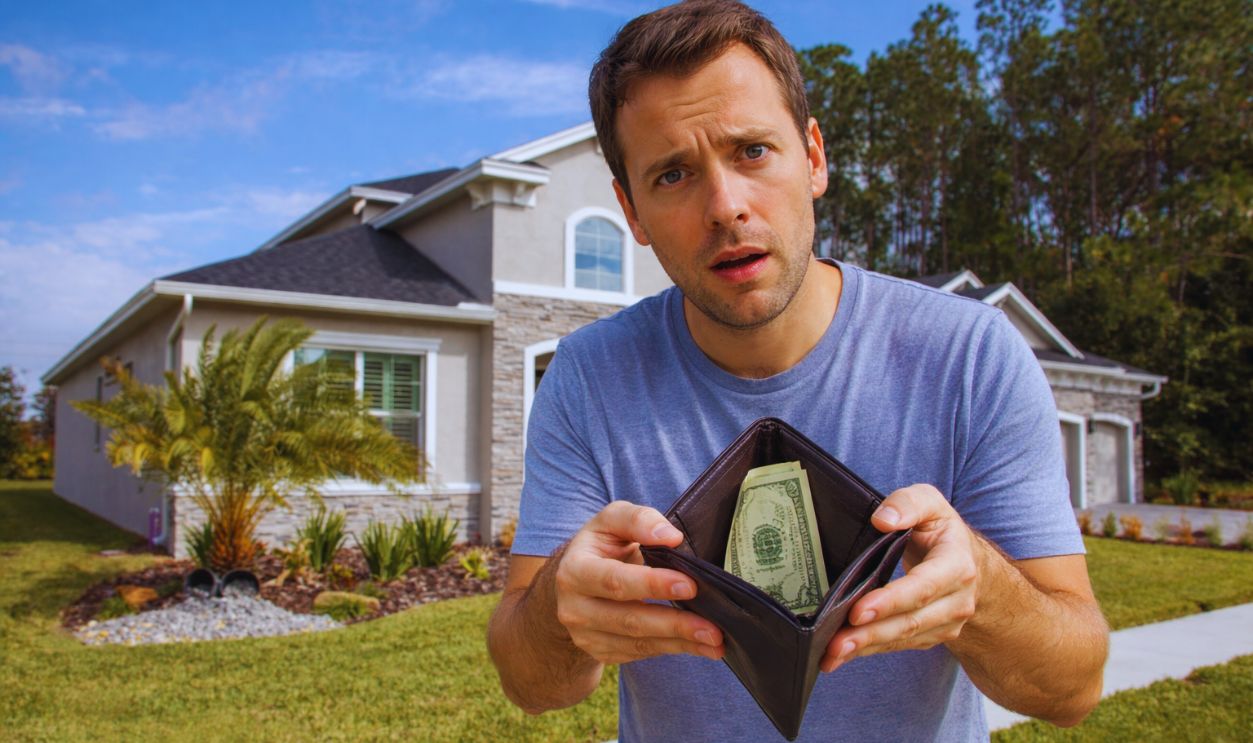
A home can look smart on paper and still wreck your day-to-day finances. If ownership leaves you with little savings after the mortgage, taxes, insurance, and repairs, one emergency can turn the dream into a burden. Having breathing room matters more than winning an argument at the dinner table.
Parents Often Confuse Wealth Building With Forced Saving
One reason buying helped older generations is that it forced them to save through mortgage principal. That can be useful, but forced saving is not the same thing as a guaranteed better investment. If a renter consistently invests the difference between renting and owning, the gap can shrink or even reverse.

The Emotional Side Of Owning Is Still Real
None of this means buying has no emotional upside. Many people value control over their space, the freedom to renovate, and the sense of permanence that comes with owning. Those benefits matter, but they are lifestyle benefits, not proof that every purchase is financially better.
 Colin Grice , Wikimedia Commons
So Are Your Parents Stuck In The Past
Maybe partly, but not entirely. They are probably relying on a housing market that rewarded their generation in ways that are harder to repeat in today’s expensive cities. The better takeaway is that their advice is outdated as a blanket rule, not that it was foolish in the world they lived in.

The Better Rule For Right Now
Do not ask whether buying is always smarter than renting. Ask whether buying this home, in this city, at this price, with this interest rate, for this many years, is smarter for you. It is a less catchy rule than the one your parents gave you, but it is a lot more useful.

How To Push Back Without Starting A Family Fight
You do not have to tell your parents they are wrong about everything. You can point out that prices are at record highs, mortgage rates are much higher than they were a few years ago, and rent-versus-buy math depends on the local market. Keeping the conversation focused on today’s numbers usually goes over better than turning it into a generational fight.

The Bottom Line
In a city where prices are out of control, renting can absolutely be the smarter move. Buying is not dead, but the old rule that owning always beats renting does not hold up against today’s data. If your parents repeat that line no matter where you live, then yes, they are at least a little stuck in the past.