Used Items Internal

Items You Should Always Buy Used


September 3, 2023 | Sammy Tran

Items You Should Always Buy Used


The Genius Hack to Big Savings

Purse with cash and happy girl split

Advertisement

In our fast-paced consumer culture, there's always the allure of the shiny and new.

But is new always better? Definitely not, especially when you consider the massive savings and sustainability of buying used items.

There are some things you should almost always buy used, not only because it's kinder to your wallet but also because it's gentler on the environment.

Benefits of Buying Used Items
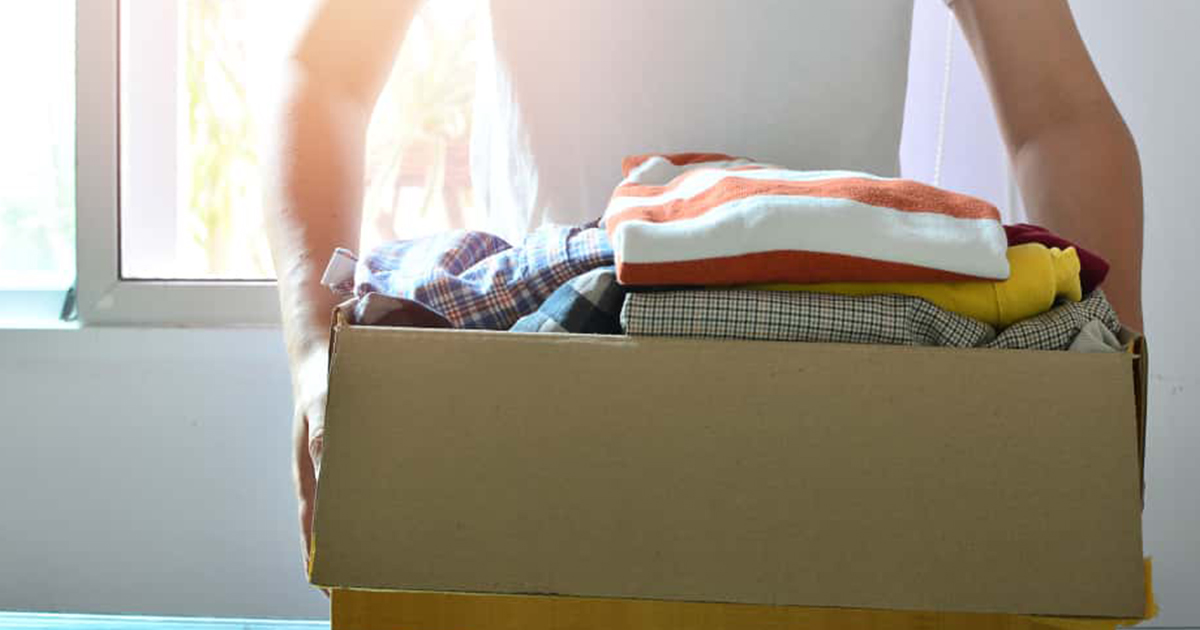
Donation Bin FactsShutterstock

Advertisement

Quality for a Fraction of the Price: Many used items, especially vintage ones, are of superior quality compared to newer, similarly-priced items.

Uniqueness: Second-hand items, especially clothing or furniture, can be unique finds that stand out from mass-produced items.

Support Local Economy: Buying from local thrift stores or sellers keeps money in the community and can support charitable causes.

Let's dive into 7 specific items you should consider swapping new for used, and why.

1. Cars

A couple looking to buy a carrh2010, Adobe Stock

Advertisement

Why Buy Used: The moment you drive a brand-new car off the lot, its value depreciates by approximately 20%. By the end of the first year, it could lose almost 30% of its value.

Savings Potential: By opting for a model that's a few years old, you can save thousands of dollars and still get a reliable vehicle.

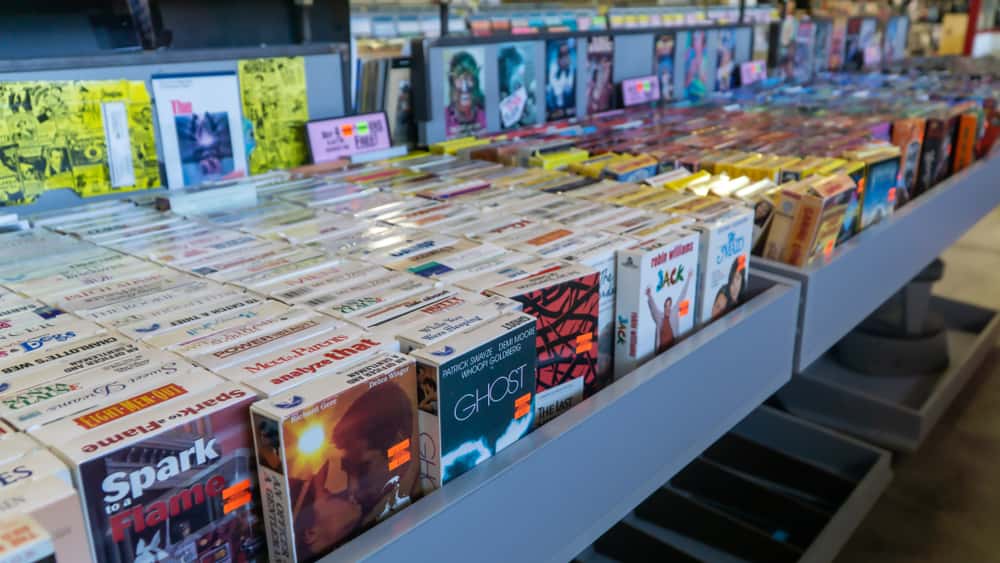
2. Books
Best Films Of The 1990s factsShutterstock

Advertisement

Why Buy Used: Stories don't change, even if the pages have been turned before.

Savings Potential: Used bookstores, online marketplaces, or library sales often price books at a fraction of their original cost.

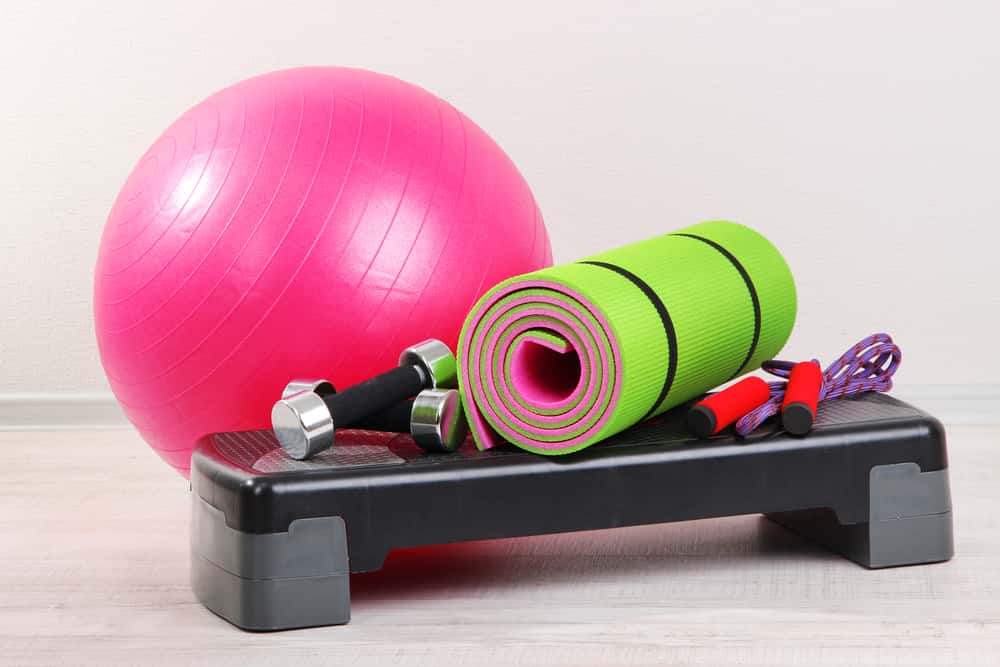
3. Fitness Equipment
Ruth Bader Ginsburg FactsShutterstock

Advertisement

Why Buy Used: Many people buy gym equipment with high hopes, only to let them collect dust. As a result, there's a bounty of barely-used equipment out there.

Savings Potential: You can save up to 50-70% off the original price.

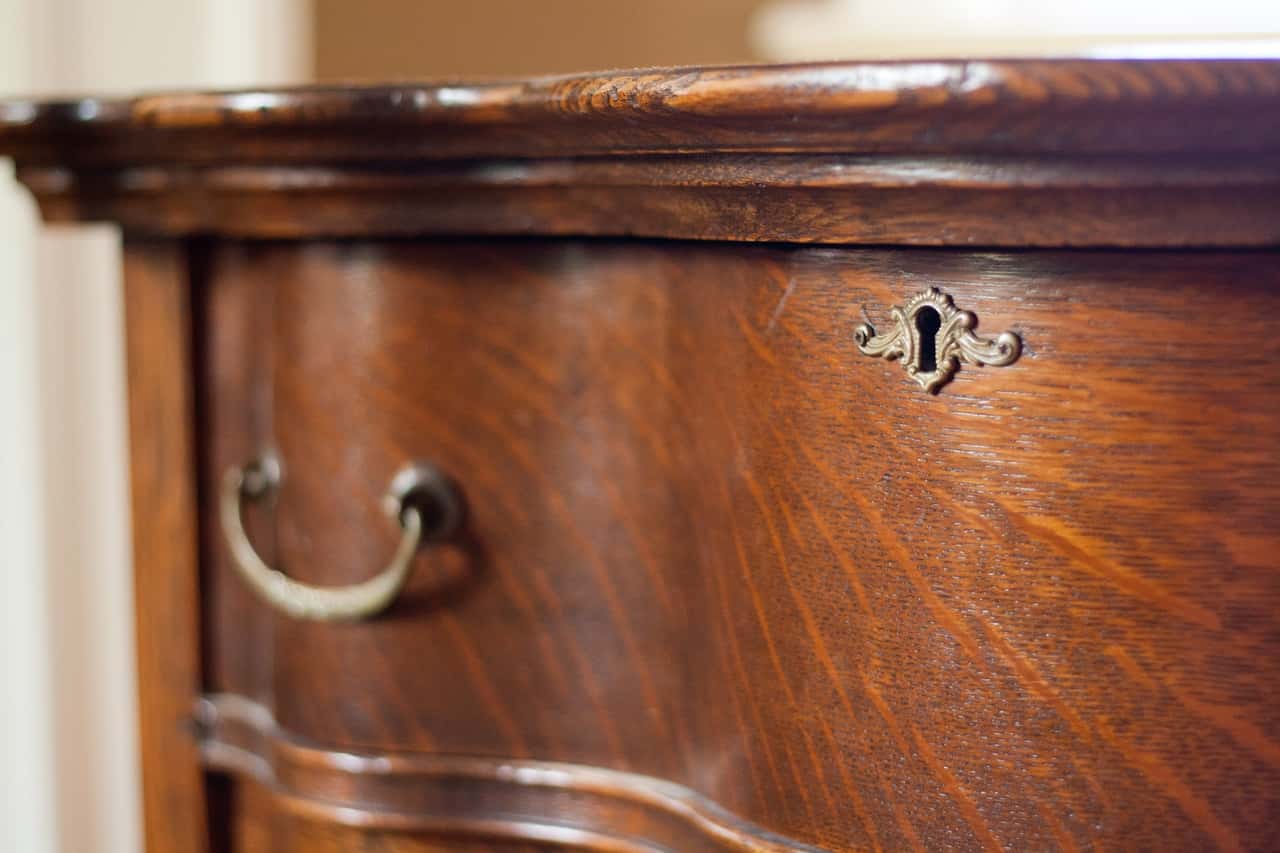
4. Furniture
desk-table-wood-antique-furniture-chest-961444-pxhere.com

Advertisement

Why Buy Used: Solid wood furniture can last generations, and some wear and tear can add character.

Savings Potential: Buying second-hand, especially from estate sales or auctions, can offer savings of up to 80%.

5. Musical Instruments

Man is seating on the floor and playing a guitar.MART PRODUCTION, Pexels

Advertisement

Why Buy Used: Instruments, especially those for beginners, can be pricey. Many people give them up after a short time.

Savings Potential: Opting for a used instrument can cut the price in half, if not more.

6. Baby Clothes and Toys

Woman is holding a baby in her arms.Andrea Piacquadio , Pexels

Advertisement

Why Buy Used: Babies outgrow their clothes and lose interest in toys so quickly.

Savings Potential: You can save as much as 90% off retail prices by shopping at thrift stores or online resale sites.

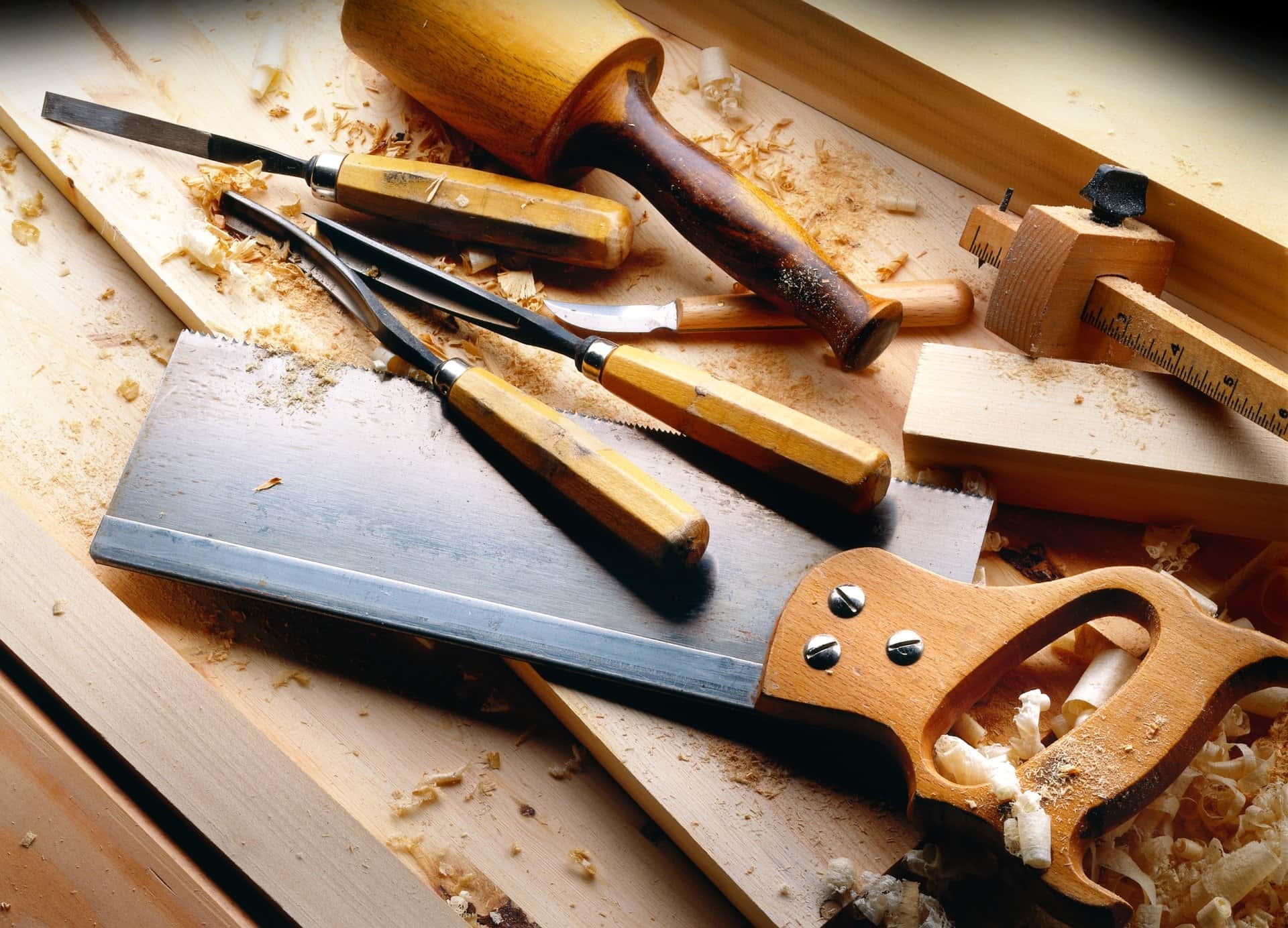
7. Tools
Harrison Ford factsPixabay

Advertisement

Why Buy Used: Tools, especially high-quality ones, are built to last.

Savings Potential: Garage sales and online marketplaces offer tools at up to 50-75% less than retail prices.

Bonus: Environmental Benefits
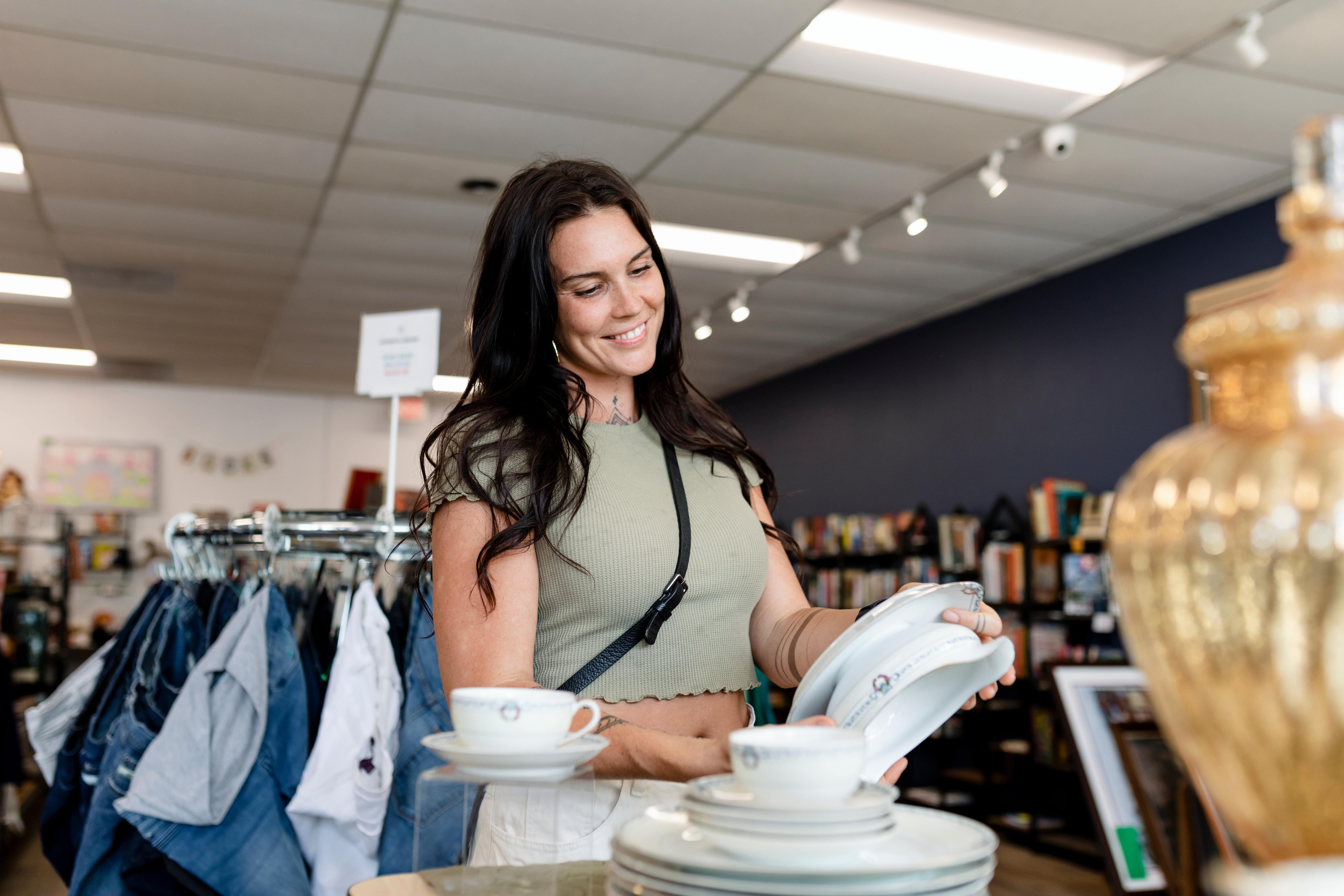
Thrift StoreAdobe

Advertisement

Embracing the second-hand market doesn't just benefit our wallets; it's a massive win for our planet too. Every time we opt for a used item over a new one, we're directly reducing the demand for raw materials and energy that go into manufacturing. This means fewer trees get chopped for paper, less metal gets mined for electronics, and fewer pollutants are released from factories into our atmosphere. 

Moreover, by prolonging the life of items, we're preventing them from ending up in landfills prematurely. In essence, buying used is a simple yet profound way to practice sustainability, making it not just a choice for frugality, but a decision for a healthier Earth.

In summary, going the second-hand route can yield immense savings, decrease environmental impact, and provide a treasure trove of unique finds. 

Next time you're tempted by the allure of the brand new, consider the value and benefits of choosing used.



READ MORE

Attractive woman in 1970s grocery store looking at camera

Grocery Store Items Everyone Was Buying In The 70s—But By The 80s Had Disappeared From Store Shelves

Walk into a grocery store in the 70s and some of the stuff staring back at you would look completely made up today. Some of the decade’s grocery-store regulars vanished so completely that younger shoppers would probably swear they never existed. And honestly—how many do you actually remember?
August 18, 2026 Jesse Singer
woman comparing grocery items in a big store

My family is arguing over whether Costco, Walmart, or the local grocery store is actually cheapest. How should we compare fairly?

Costco, Walmart, and your neighborhood grocery store can all offer great value, but figuring out which one actually saves your family the most money is harder than comparing receipt totals. Package sizes, promotions, membership costs, and even how you shop can completely change the math. The good news is that you do not need a complicated spreadsheet to settle the debate. A few simple comparisons can reveal where your grocery dollars go furthest and help you build a shopping strategy that could save you money week after week.
August 18, 2026 Sammy Tran
man at laptop worried about credit card charges

Payment Methods That Can Cost Shoppers More Than They Realize

A $100 purchase can cost more than $100 depending on how you choose to pay for it. Credit card interest, checkout surcharges, overdrafts, installment-plan fees, currency conversion, and instant-transfer charges can all increase the final cost after the shopper has mentally committed to buying. Some appear in small print at checkout, while others do not show up until a statement or account notification arrives days later. Knowing where those extra costs hide can make choosing a payment method almost as important as choosing the product itself.
August 18, 2026 Sammy Tran
Person looking at the price of food.

I Switched To Store Brands To Save Money, But My Grocery Bill Barely Changed. Are Private Labels Still A Good Deal?

Switching to private labels can lower the price of individual items without producing a dramatic change at checkout. Your total bill also reflects how much you buy, which categories you choose, and whether food prices are still rising. Store brands remain useful, but they work best as one part of a broader shopping strategy.
August 18, 2026 Peter Kinney
Facebook  Internal (1)

My employer wants to pay part of my salary in company stock instead of cash. Is that a perk or a way to shift risk onto me?

If your employer wants to pay part of your salary in company stock instead of cash, it can sound like a vote of confidence. You are being invited to share in the upside, at least on paper. But stock compensation can also shift market risk from the company onto your household budget, which matters a lot if that stock is replacing money you need for rent, groceries, or debt payments.
August 17, 2026 Miles Brucker
Wedding

My fiance admitted he owes $70,000 in student loans after we set a wedding date. Should debt change whether you marry someone?

You pick a venue, text your friends, and start browsing registries. Then your fiancé admits he owes $70,000 in student loans. That kind of late disclosure can feel less like a money problem and more like a trust problem.
August 17, 2026 Miles Brucker


Disclaimer

The information on MoneyMade.com is intended to support financial literacy and should not be considered tax or legal advice. It is not meant to serve as a forecast, research report, or investment recommendation, nor should it be taken as an offer or solicitation to buy or sell any securities or adopt any particular investment strategy. All financial, tax, and legal decisions should be made with the help of a qualified professional. We do not guarantee the accuracy, timeliness, or outcomes associated with the use of this content.


Dear reader,


It’s true what they say: money makes the world go round. In order to succeed in this life, you need to have a good grasp of key financial concepts. That’s where Moneymade comes in. Our mission is to provide you with the best financial advice and information to help you navigate this ever-changing world. Sometimes, generating wealth just requires common sense. Don’t max out your credit card if you can’t afford the interest payments. Don’t overspend on Christmas shopping. When ordering gifts on Amazon, make sure you factor in taxes and shipping costs. If you need a new car, consider a model that’s easy to repair instead of an expensive BMW or Mercedes. Sometimes you dream vacation to Hawaii or the Bahamas just isn’t in the budget, but there may be more affordable all-inclusive hotels if you know where to look.


Looking for a new home? Make sure you get a mortgage rate that works for you. That means understanding the difference between fixed and variable interest rates. Whether you’re looking to learn how to make money, save money, or invest your money, our well-researched and insightful content will set you on the path to financial success. Passionate about mortgage rates, real estate, investing, saving, or anything money-related? Looking to learn how to generate wealth? Improve your life today with Moneymade. If you have any feedback for the MoneyMade team, please reach out to [email protected]. Thanks for your help!


Warmest regards,

The Moneymade team