My Dad’s Antique Collection Had Hidden Gems—But It All Went To My Stepmom
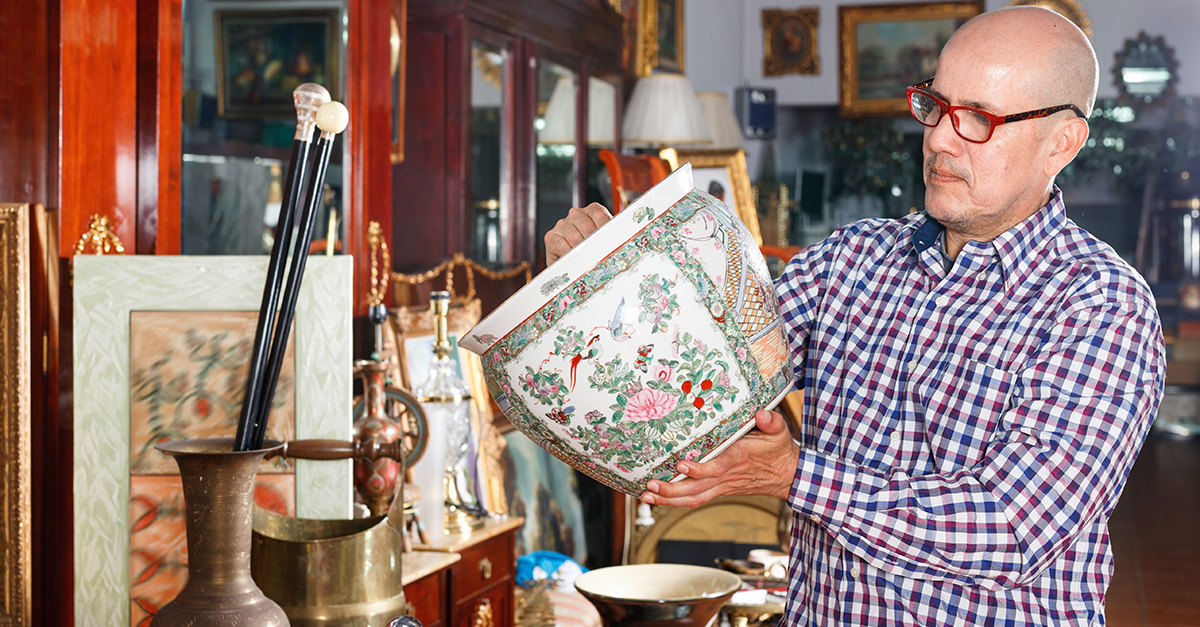
Losing a parent is incredibly hard. But sometimes, the situation gets even more complicated after you learn what’s in the will. Maybe your dad spent years building an antique collection—old furniture, rare clocks, coins, or art he loved hunting down at estate sales. You might even know that a few pieces are worth far more than people realize. Now he’s passed away, and the will says the entire collection goes to your stepmom. It’s normal to feel confused, frustrated, or even worried about what happens next.
Why Valuable Collections Cause Family Problems
Collections can be tricky because they mix money with memories. One person might see an old chair, while another knows it’s a rare piece worth thousands. If you were the one who helped your dad research or identify valuable antiques, you may feel like you understand the collection better than anyone else. That’s why finding out it all goes to someone else can feel especially upsetting.
First, Read The Will Carefully
Before reacting, it’s important to read the will yourself. The exact wording can make a big difference. Some wills list specific items and who should receive them. Others simply say that all personal belongings go to a spouse. If your father’s will uses broad language like that, the antiques may legally fall into that category.

Make Sure It’s The Final Version
People often update their wills over time. Marriage, illness, or financial changes can lead to new versions. The one filed with probate court or held by the executor is usually the final legal version. Checking this first helps make sure you’re not reacting to outdated information.

Look For A Separate List Of Items
Some people attach a list to their will showing who should receive certain belongings. This is often called a personal property list. It’s easier to update than rewriting the entire will. If your dad carefully tracked his antiques, there’s a chance he left a list somewhere explaining who should get what.

Understand What Probate Is
Most estates go through a process called probate. This is when a court confirms the will and oversees how property is distributed. During probate, family members can raise questions if something doesn’t seem right. If the estate is still in this process, you may still have time to look into your options.

Think About When The Antiques Were Bought
The timing of when your dad bought the antiques could matter. If he collected many of them before marrying your stepmom, they might be considered separate property in some places. That doesn’t automatically mean you inherit them, but it could affect certain legal discussions.
Talk With The Executor Of The Estate
The executor is responsible for carrying out the will. Speaking with them can often clear up confusion. They may have inventory lists, appraisals, or other documents about the collection. Sometimes a calm conversation can answer a lot of questions quickly.

Don’t Assume Everyone Knows The Value
If you were the one who understood the value of certain pieces, others might not realize how important they are. What looks like an ordinary item could actually be rare. Sharing that information could help ensure valuable pieces are handled properly.
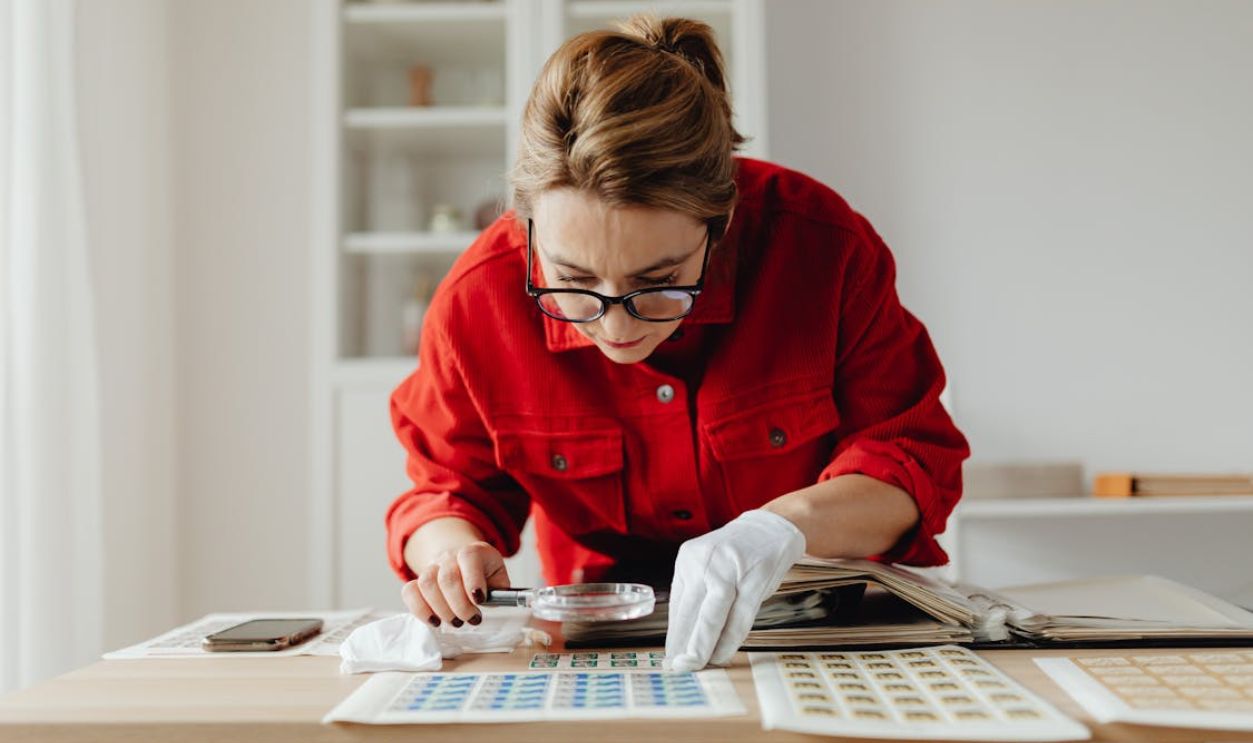
Consider Talking To Your Stepmom
It might feel uncomfortable, but a simple conversation can sometimes help. Your stepmom may not realize that some antiques are especially meaningful to you. Explaining that connection could lead to a compromise where you receive a few pieces that matter most.

Some Antiques Are Valuable Because Of Memories
Not every item is important because of its price. Sometimes the real value comes from memories. Maybe you and your dad spent weekends searching for antiques or fixing them up together. Sharing those memories can help others understand why certain pieces matter to you.
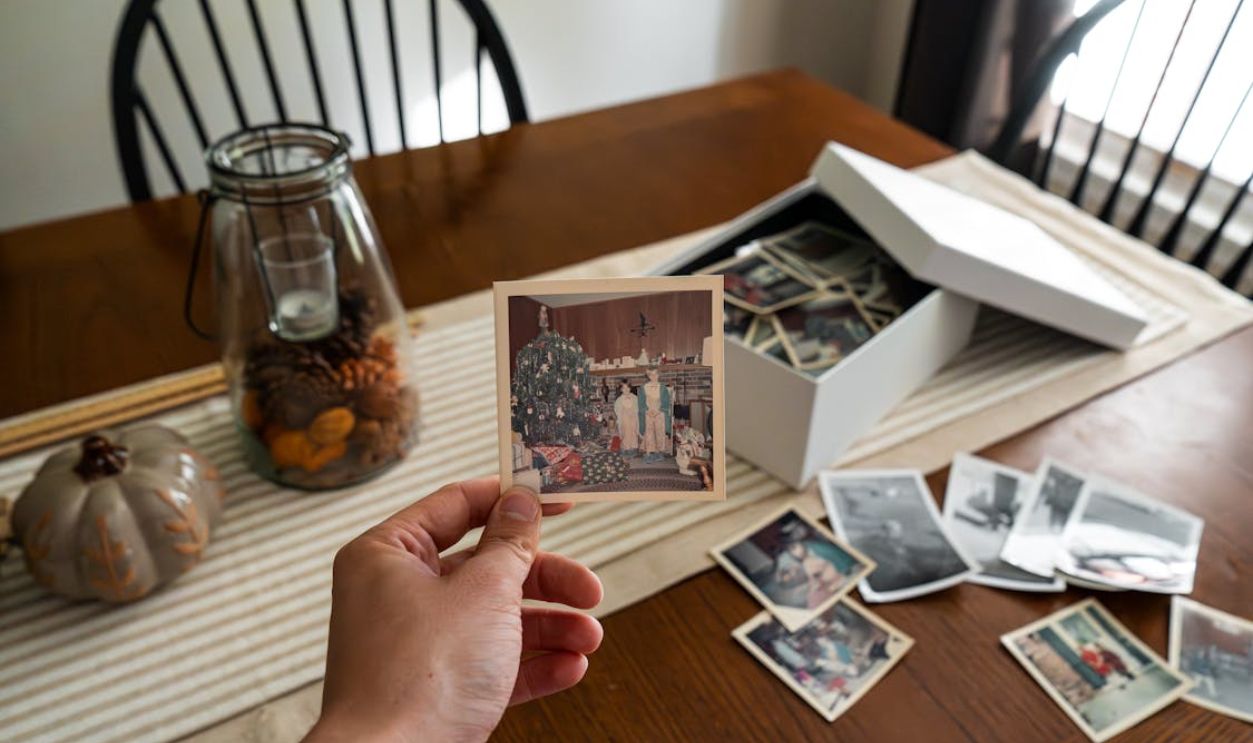
Find Out What The Collection Is Worth
Before thinking about legal action, it’s smart to learn the true value of the collection. Some antiques that look impressive aren’t worth very much. Others can be extremely valuable. A professional appraisal can help everyone understand what the collection is really worth.

Watch For Signs Of Pressure
Sometimes wills are challenged because of something called undue influence. This happens when someone pressures a person into changing their will. If your father made sudden changes late in life while relying heavily on someone else, it might raise questions.

Think About Your Dad’s Health At The Time
Courts sometimes look at whether someone understood what they were doing when signing a will. Serious illness or memory problems can affect judgment. If your father wasn’t mentally well when the will was written, that could be an important factor.

Know That Challenging A Will Is Difficult
Many people think challenging a will is easy, but it usually isn’t. Courts tend to respect the wishes written in the document. Even if the decision feels unfair, judges usually uphold it unless there’s strong proof something went wrong.

Talk To An Estate Lawyer If Needed
If something about the situation seems suspicious, speaking with an estate lawyer can help. They can review the will and explain whether there are realistic grounds for a challenge. Sometimes just understanding the law can bring clarity.

Think About The Cost Of Legal Action
Legal disputes can become expensive quickly. Lawyer fees and court costs add up fast. Even if the antiques are valuable, it’s important to think about whether the financial and emotional cost of a lawsuit is worth it.

Mediation Might Be A Better Option
Not every disagreement needs to go to court. Mediation allows family members to talk things through with a neutral professional. This process is often quicker, less expensive, and less stressful than a legal battle.

Spouses Often Have Legal Protection
In many places, the law protects surviving spouses. Even if a will tries to leave everything elsewhere, the spouse may still be entitled to a share of the estate. These laws are meant to protect partners after someone dies.

Look At The Whole Estate
Try not to focus only on the antique collection. Your dad may have left other assets—like money, property, or insurance benefits—to different family members. Looking at the full estate plan may show a more balanced picture.

Make Sure The Antiques Still Exist
Collectors sometimes sell pieces quietly over the years. Medical bills, retirement costs, or changing interests can lead to items being sold. Estate records can help confirm exactly which antiques are still part of the collection.
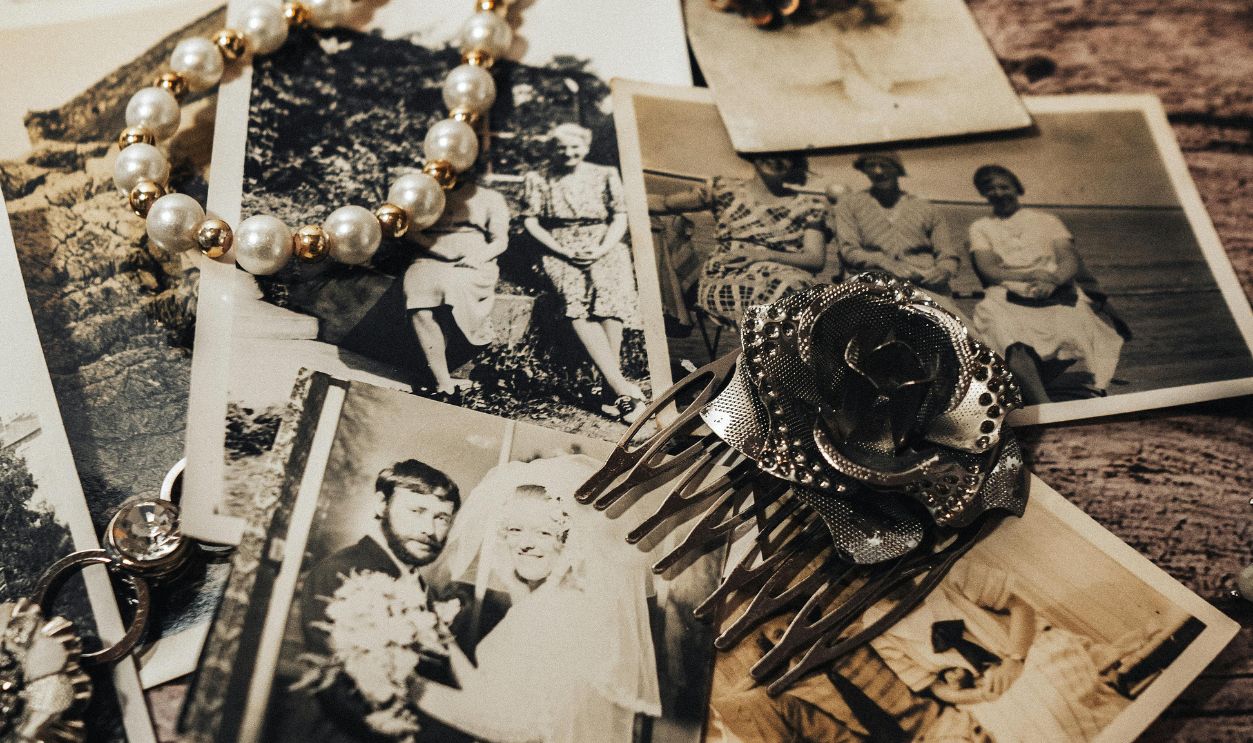
Buying Certain Pieces Could Be Possible
If the collection legally belongs to your stepmom, buying a few items might be an option. While it may feel unusual, it could allow you to keep antiques that hold special meaning.

Help Protect Valuable Pieces
Since you know which antiques are especially valuable, sharing that information with the executor may help. This ensures the collection is handled properly and prevents rare items from being sold for far less than they’re worth.
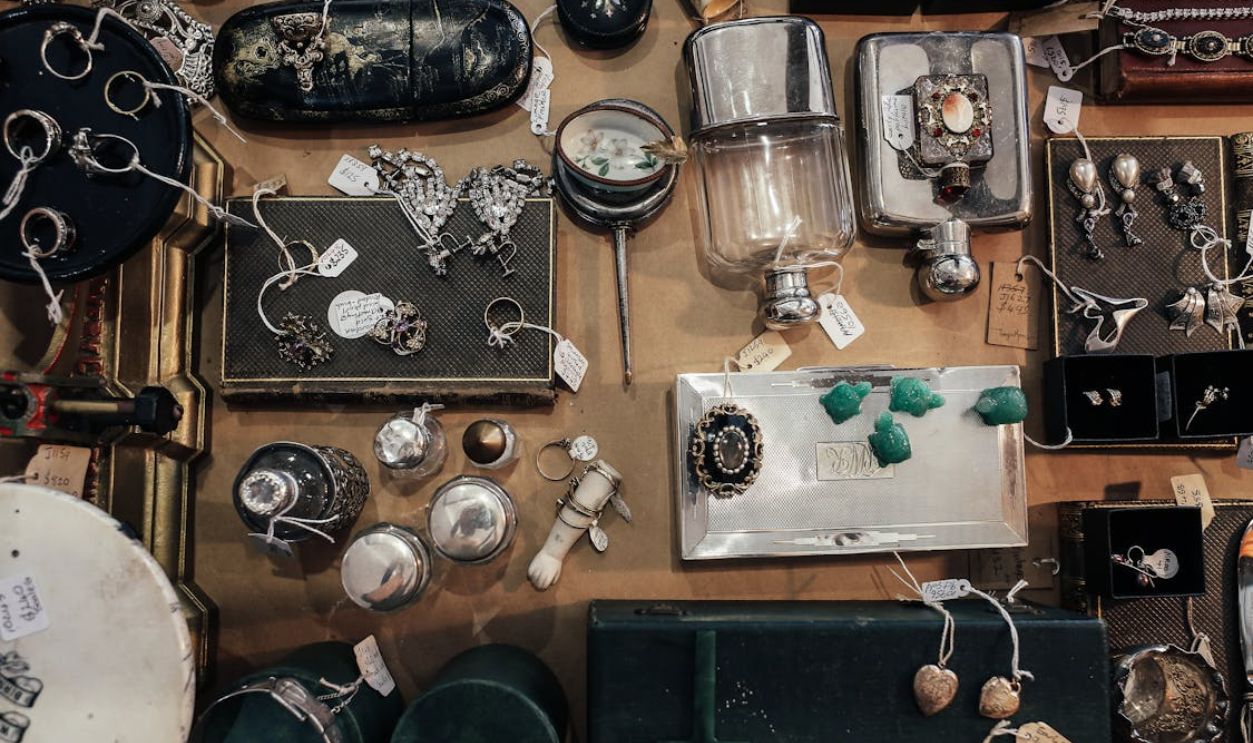
Preserve The Story Of The Collection
Even if you don’t inherit the antiques, you can still preserve their story. Photos, notes, and receipts often reveal where each item came from. Keeping this information helps honor your father’s passion for collecting.
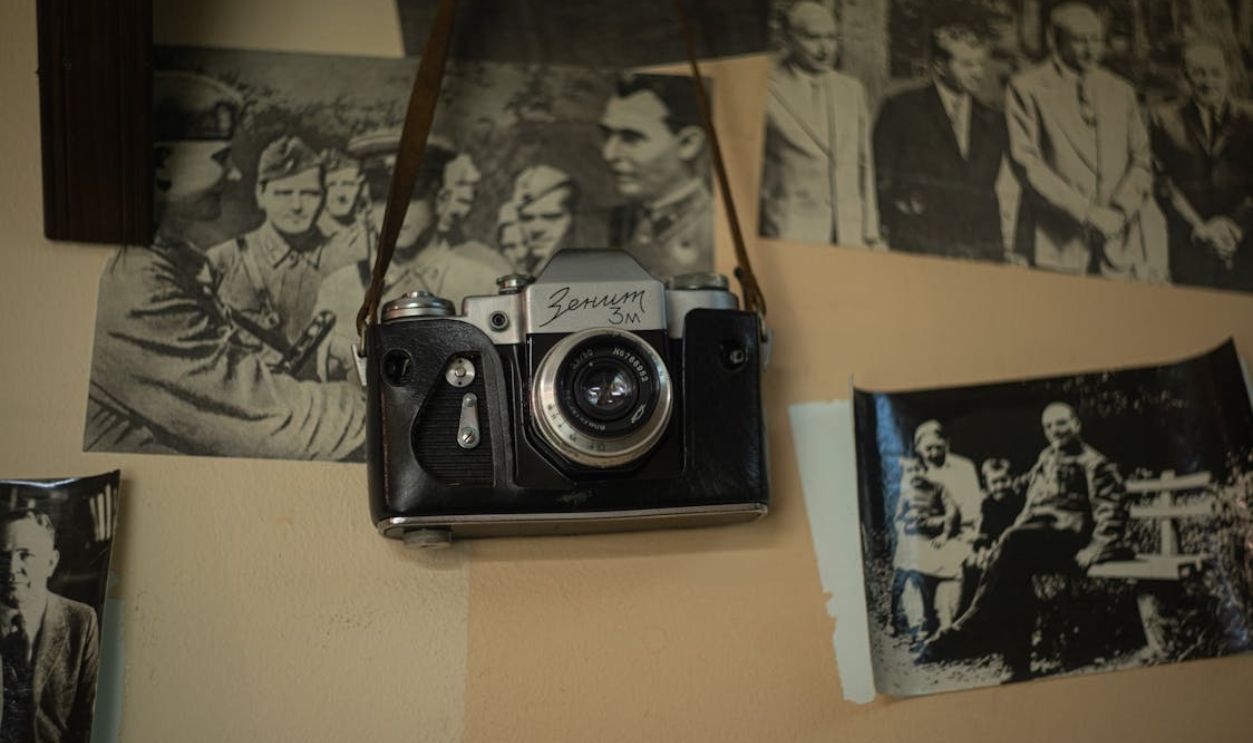
Think About Family Relationships
Inheritance disagreements can damage families for years. Before escalating things, it’s worth thinking about the long-term impact. Sometimes protecting relationships matters more than winning a dispute over belongings.
 Hoi An and Da Nang Photographer, Unsplash
Decide What Matters Most
Only you can decide how far you want to take the issue. Some people fight because valuable assets are involved. Others decide the stress and conflict simply aren’t worth it.

Moving Forward After A Difficult Discovery
Learning that your father left a valuable antique collection to someone else can feel deeply personal. But by reviewing the will, asking questions, and getting professional advice if needed, you can decide how to move forward while still honoring your dad’s passion for collecting.

You May Also Like: