
Your First Real Side Hustle
Listing a property on Airbnb sounds like an easy path to extra income, but anyone who’s actually tried it knows it’s a little more complicated than uploading photos and waiting for bookings.If you’re planning to launch your first Airbnb—or you already have one—these tips can help you turn it into a genuinely profitable side hustle.

Pick The Right Location First
Location can make or break an Airbnb before you even create the listing. Places near tourist areas, downtown districts, beaches, ski resorts, or major event venues tend to attract more consistent bookings. Even within the same city, some neighborhoods perform far better than others. Doing a little research on local listings and demand can save you from investing in a property that struggles to stay booked.
Understand Local Laws Before You List
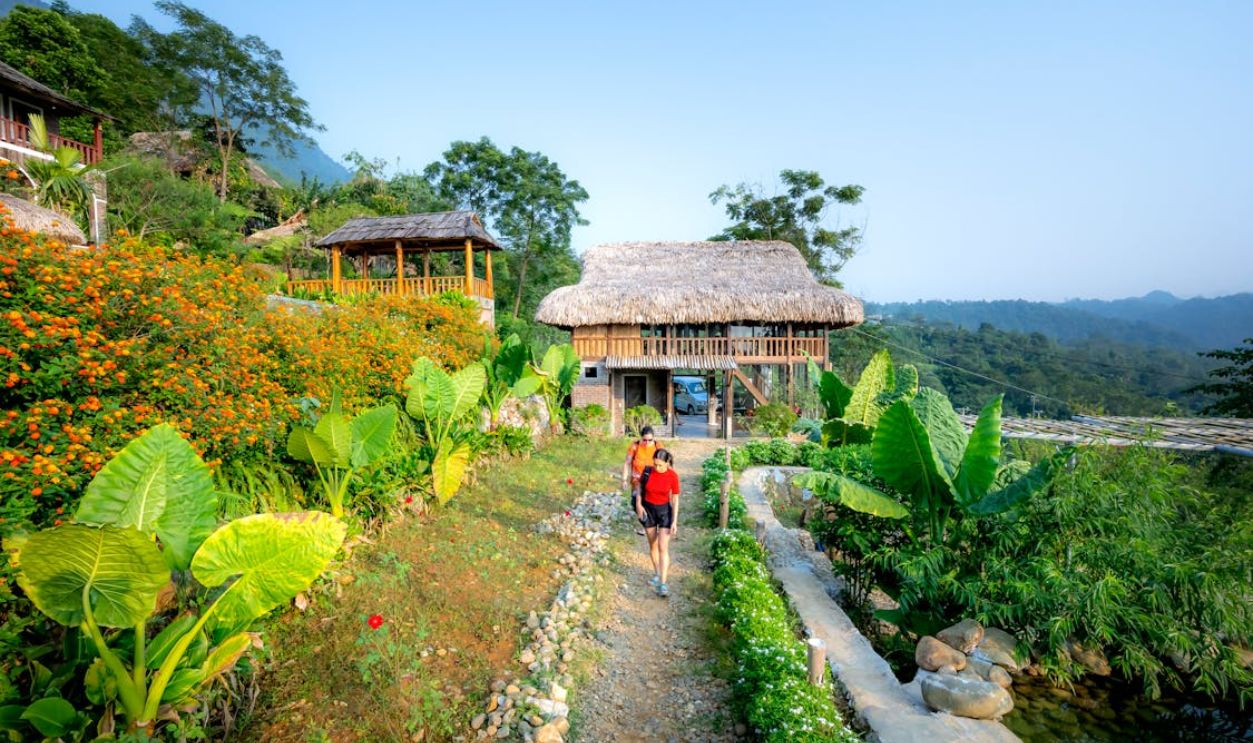
Short-term rental rules have tightened in many cities, and ignoring them can become an expensive mistake. Some areas require permits, limit how often you can rent your property, or restrict rentals to your primary residence. Checking these rules ahead of time helps you avoid fines or forced shutdowns later. It also lets you factor permit fees and taxes into your profit calculations.

Run The Numbers Before You Buy
Many first-time hosts assume Airbnb income will automatically cover their mortgage, but that’s not always the case. Your actual profit depends on occupancy rates, average nightly prices, maintenance costs, and platform fees. It’s smart to estimate income conservatively and include every possible expense. If the numbers still work after that, you’re probably looking at a more sustainable investment.

Design Your Space For Guests, Not Yourself
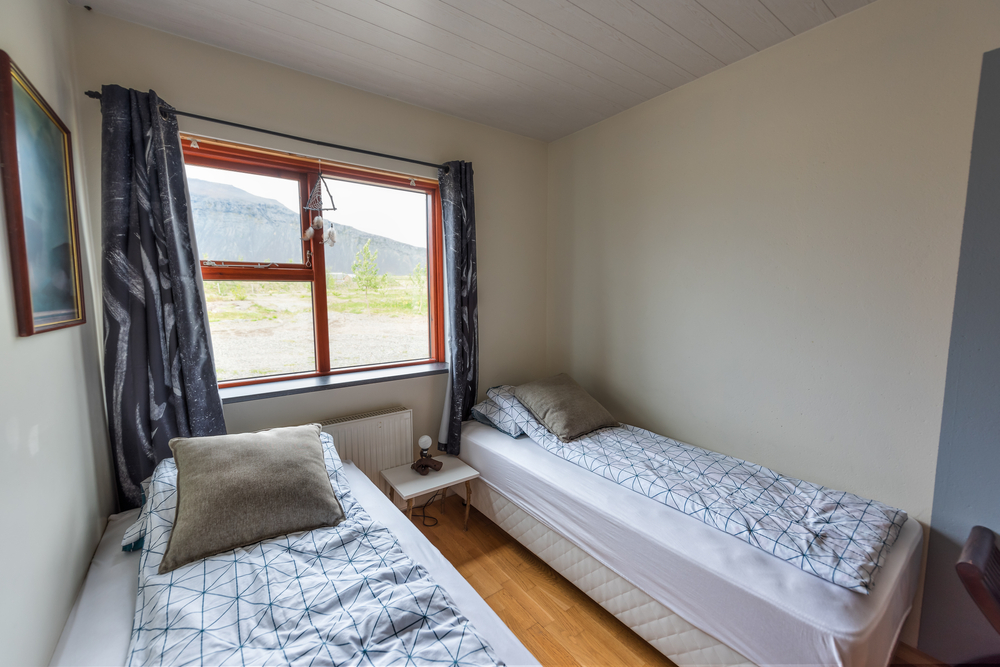
The way you decorate your home for everyday living isn’t always ideal for short-term guests. Travelers usually prefer clean, simple, functional spaces over highly personalized design choices. Comfortable beds, good lighting, and practical furniture tend to perform better in reviews. The goal is to create a space that feels welcoming to anyone who walks through the door.
Invest In Professional Photography
Photos are one of the biggest factors in whether someone clicks on your listing. Dark rooms, clutter, or low-quality images can instantly turn potential guests away. Professional photography helps your property stand out and look more appealing in search results. For many hosts, this small upfront investment pays off quickly with higher booking rates.

Write A Listing That Sells The Experience
Your description shouldn’t just list features—it should help guests picture their stay. Mention nearby attractions, restaurants, public transit, and anything unique about the property. Travelers often imagine what their trip will feel like before they book. A well-written listing helps them see your place as part of that experience.
Price Strategically Instead Of Emotionally
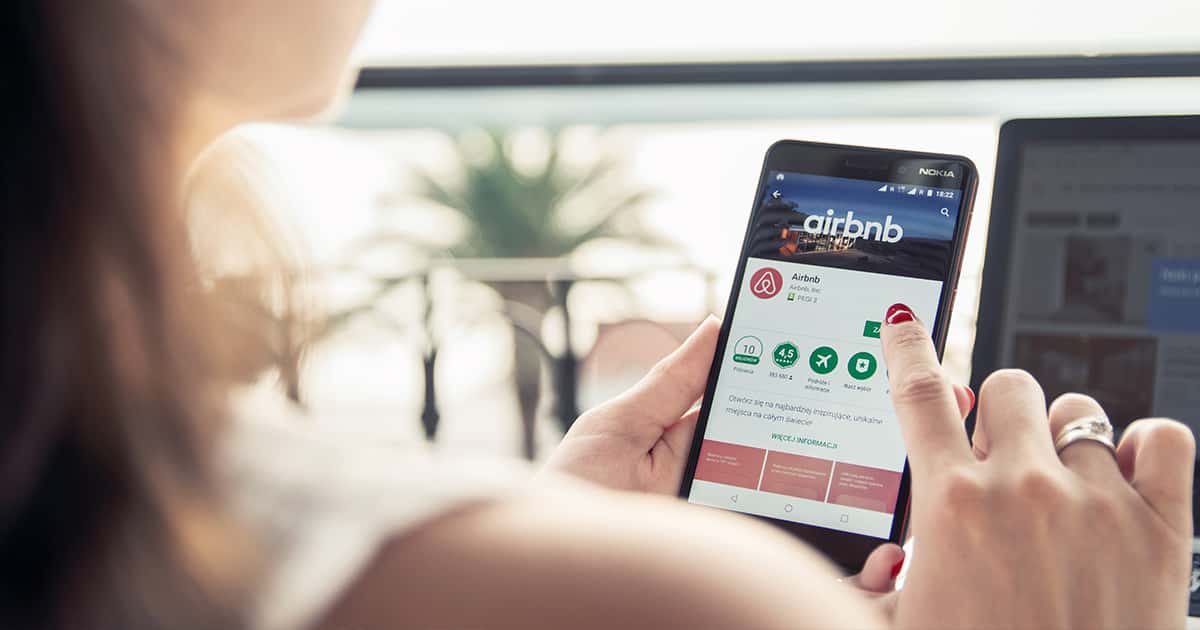
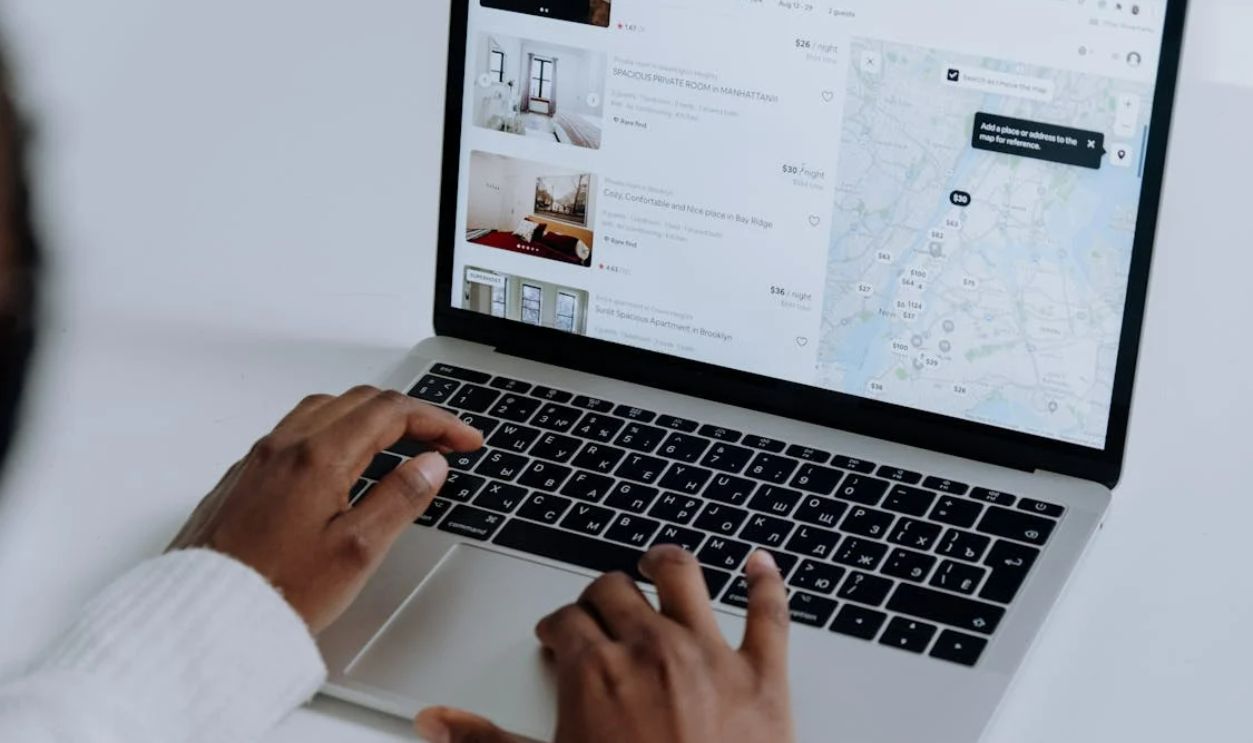
It’s easy to price your Airbnb based on what you hope to earn, but the market ultimately decides what guests will pay. Charging too much can leave your calendar empty, while pricing too low means you’re leaving money behind. Looking at comparable listings in your area gives you a more realistic range. The goal is to stay competitive while still covering your costs.
Use Dynamic Pricing Tools
Demand for Airbnb listings constantly changes depending on the season, weekends, and local events. Dynamic pricing tools automatically adjust your rates based on demand. This helps you capture higher prices during busy periods while remaining competitive during slower weeks. Many experienced hosts rely on these tools to maximize their earnings.
Focus On Getting Great Reviews Early
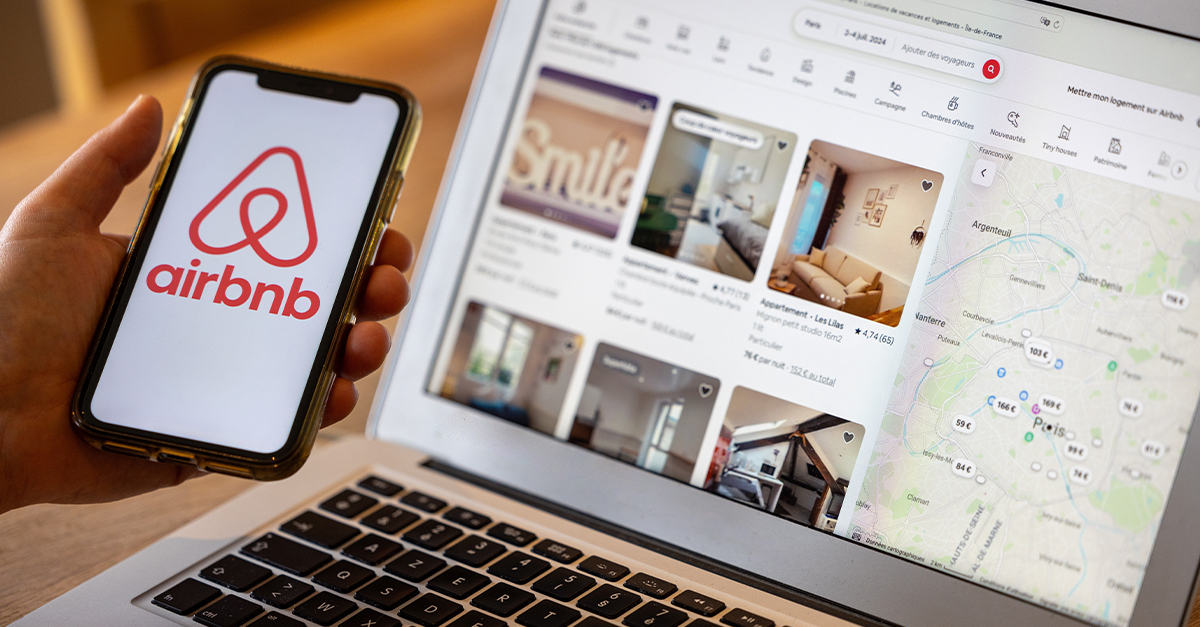
When your listing is brand new, reviews matter more than almost anything else. Guests often hesitate to book places that don’t have any ratings yet. Providing great communication, clean accommodations, and a smooth check-in experience can quickly earn those first positive reviews. Once you build a strong rating, bookings usually become much easier.

Provide Hotel-Level Cleanliness
Cleanliness is one of the most common things guests mention in reviews, both good and bad. Even small issues like dust, stains, or leftover trash can lead to negative feedback. Many hosts hire professional cleaners to maintain consistent standards. While it adds a cost, it often leads to better reviews and more repeat bookings.
Add Small Touches Guests Appreciate
Little details can go a long way in making guests feel welcome. Things like coffee, extra towels, toiletries, or a local guidebook can make a stay feel more thoughtful. These small extras don’t cost much but can leave a strong impression. Guests who feel taken care of are more likely to leave positive reviews.
 Lightfield Studios, Adobe Stock
Optimize Your Calendar
A poorly managed calendar can leave unnecessary gaps between bookings. Adjusting minimum stay requirements or availability can help reduce empty nights. For example, requiring two-night stays on weekends can make turnover easier and increase total revenue. Small scheduling tweaks can make a noticeable difference over time.

Learn When To Charge Cleaning Fees
Cleaning fees help cover turnover costs, but setting them too high can discourage bookings. Some hosts choose to include cleaning costs in the nightly rate instead. Others keep the fee separate but competitive with nearby listings. Testing different approaches can help you figure out what works best for your market.

Respond To Messages Quickly
Guests often send inquiries to multiple hosts at once. If you reply quickly and clearly, you have a better chance of securing the booking. Fast responses also improve your listing’s ranking in Airbnb search results. Even a short, friendly message can make your property feel more trustworthy.

Automate As Much As Possible
Managing bookings, messages, and check-in instructions manually can become overwhelming over time. Many hosts use automation tools to send scheduled messages to guests. This keeps communication smooth without requiring constant attention. Automation helps you maintain a professional experience while saving time.

Keep Maintenance Costs Under Control
Every property needs regular upkeep, from replacing linens to fixing appliances. Setting aside part of your revenue for maintenance helps avoid surprises later. Catching small issues early is usually much cheaper than dealing with major repairs. Treating maintenance as part of the business keeps your profits more predictable.
Adjust Pricing For Local Events
Local events can cause huge spikes in demand for short-term rentals. Concerts, sports games, festivals, and conferences often bring in large numbers of visitors. Raising your nightly rate during these periods can significantly boost your income. Hosts who track local event calendars often earn much more during these peak times.

Consider Self Check-In
Self check-in options like smart locks or lockboxes make the process easier for both you and your guests. Travelers arriving late don’t have to coordinate schedules or wait for someone to meet them. It also reduces the amount of time you personally need to manage arrivals. Convenience like this often leads to better guest experiences.
Track Your Profit Like A Business
It’s easy to focus on how much money comes in, but profit matters more than revenue. Costs like utilities, cleaning, repairs, and Airbnb fees can add up quickly. Tracking every expense helps you understand whether your listing is truly profitable. It also shows you where you might be able to cut costs.

Think Long Term With Your Property
The hosts who make the most money on Airbnb usually think long term. Over time you can improve your listing, build a strong review history, and fine-tune your pricing strategy. These small improvements can significantly increase your earnings year after year. A well-managed Airbnb can eventually become a steady and reliable income source.
You May Also Like:
The Bond Yield: The Number That Predicts Recessions
Why GenZ Can’t Live According To The 30% Housing Rule