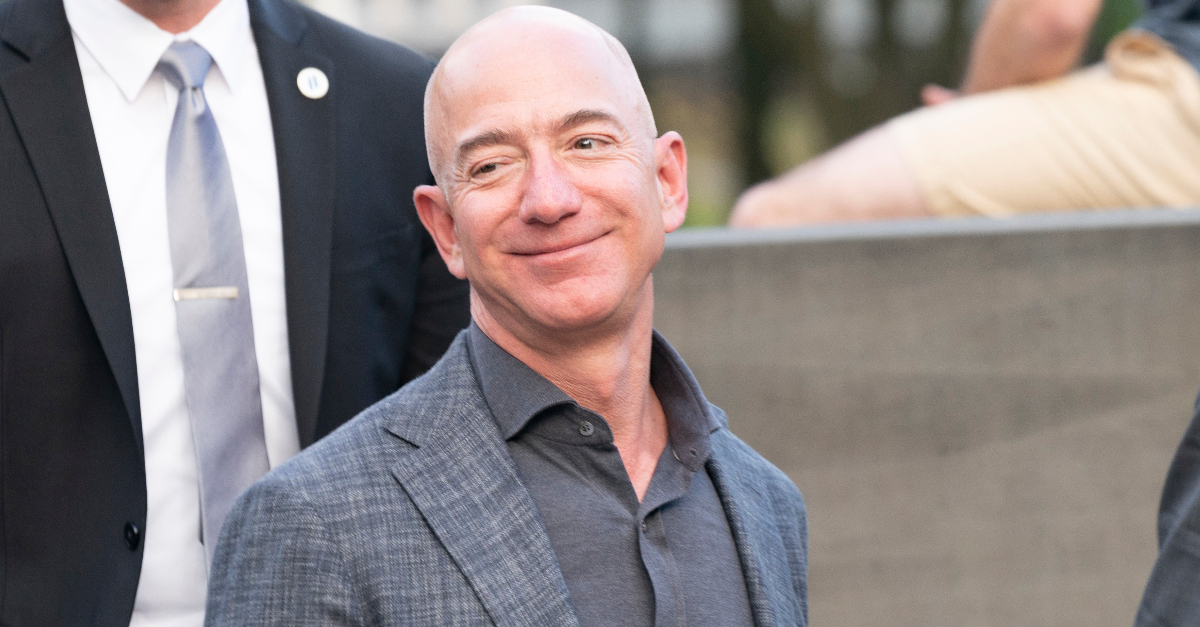
What If Billionaires Paid The Same Rate?
Make more money, pay more taxes—that’s the rule most people assume the system follows. The more you earn, the bigger the percentage that goes to the IRS. Teachers, nurses, and millions of other workers see it happen every year on their paychecks.
But when you start looking at how the ultra-wealthy are actually taxed, the numbers can look very different. So what would actually happen if billionaires simply paid the same tax rate as teachers? The answer is rather shocking...
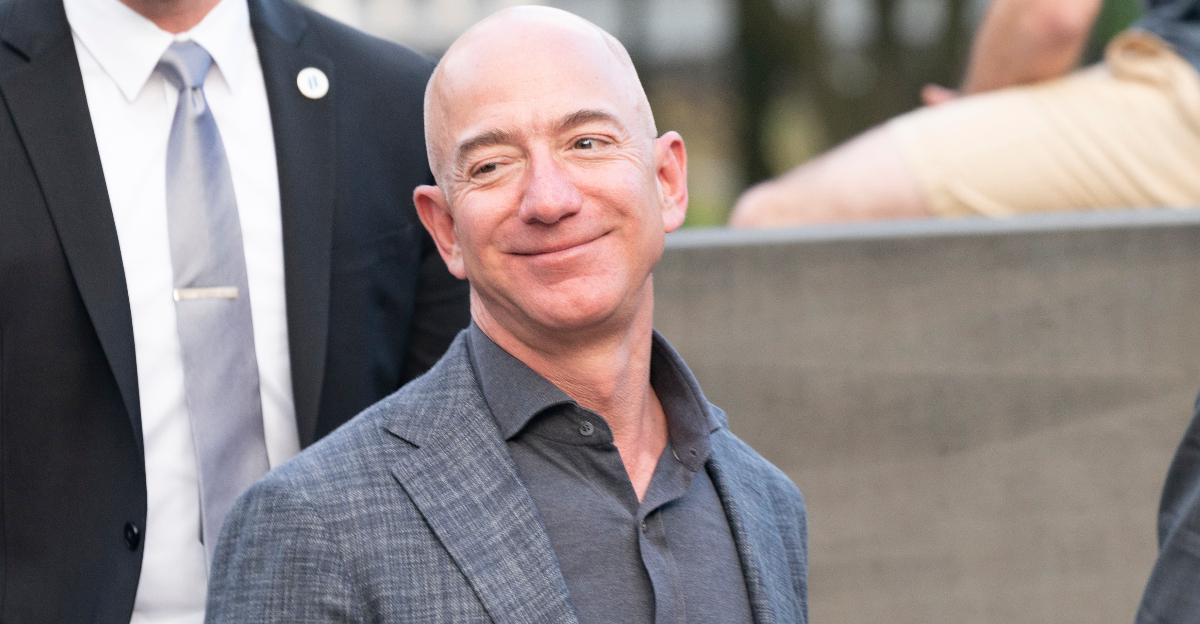
The Average Teacher Tax Rate
Public school teachers in the United States typically make about $65,000–$70,000 per year and pay roughly 20–25% of their income in taxes when federal income and payroll taxes are combined. Since billionaires make vastly more money, they must be paying a higher percentage in taxes, right?

How Many Billionaires Are There?
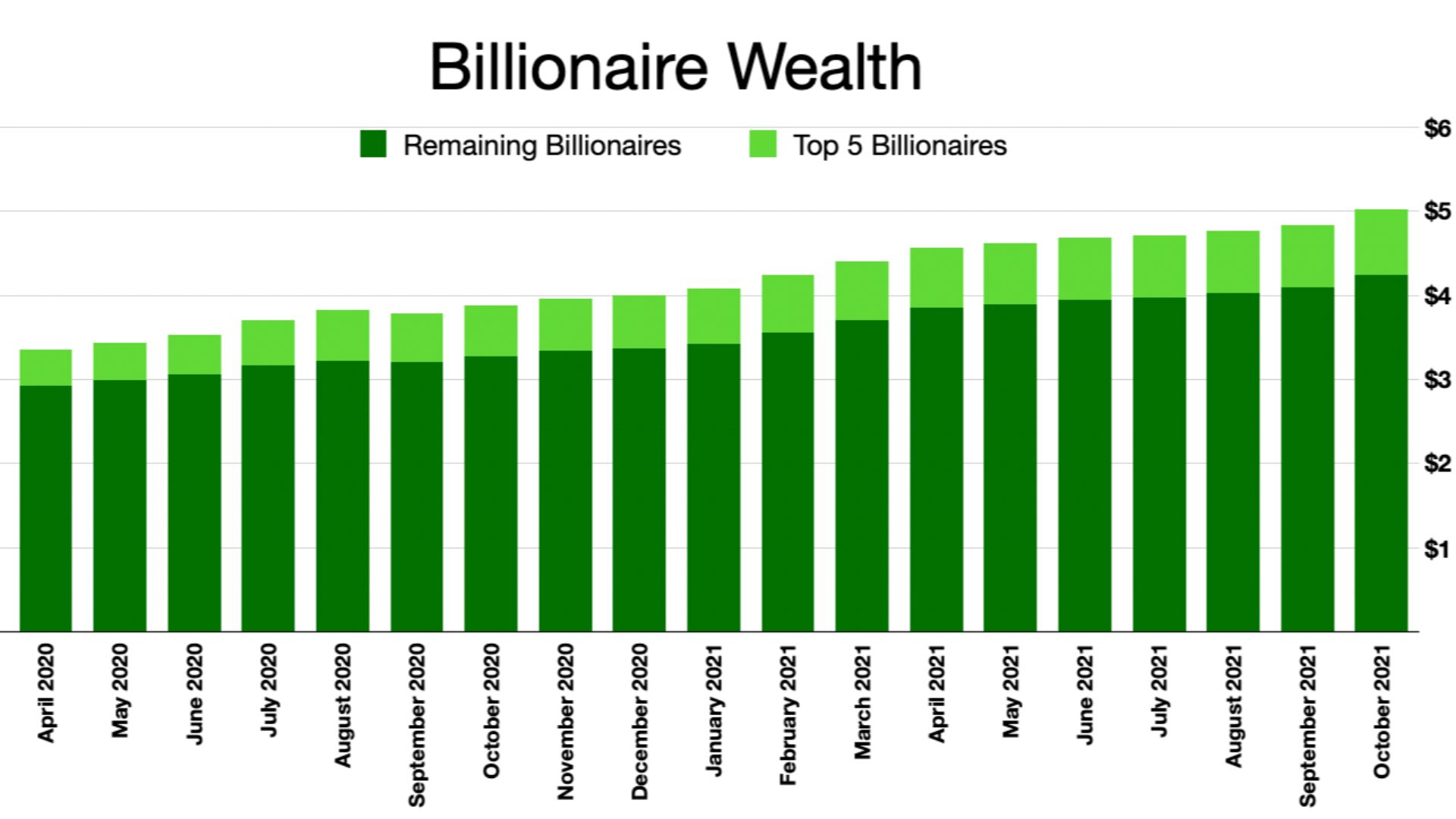
The United States currently has more than 700 billionaires, according to wealth estimates from Forbes and other financial trackers. Together, they control over $5 trillion in combined wealth, an amount larger than the entire economy of many countries.

Now Run That Through The Same Tax Rate
Now imagine applying the same tax rate teachers pay to the people sitting at the very top of that wealth pyramid. If the numbers sound like they might get big, that’s because they do. But before we get to that math, it helps to look at what some of the richest Americans have actually been paying.
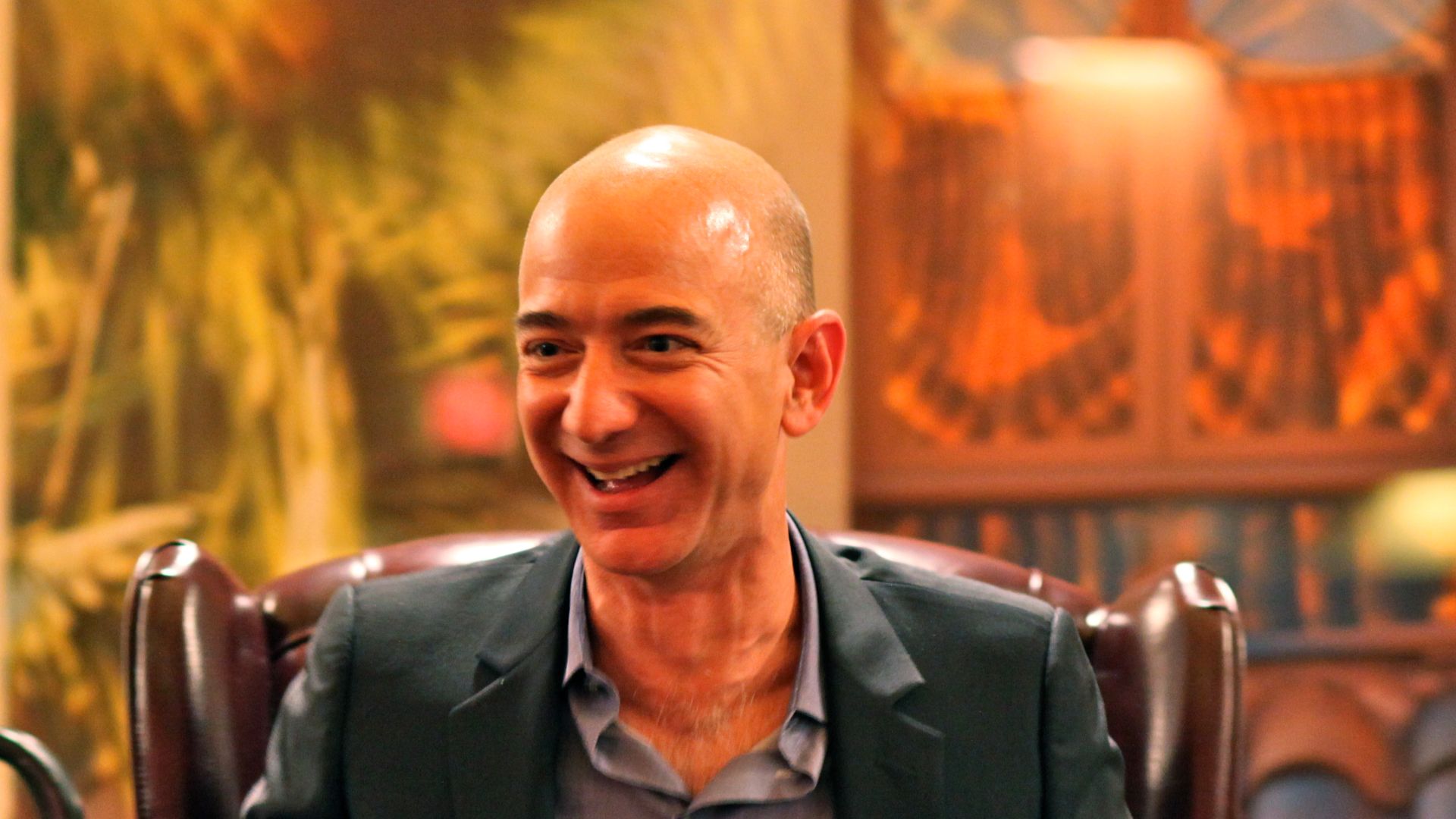 Steve Jurvetson, Wikimedia Commons
The Billionaire “True Tax Rate”
A 2021 analysis of leaked IRS data estimated that the 25 richest Americans paid an average “true tax rate” of about 3.4% when compared to the growth of their wealth over several years. And notice we said “average”—which means some of those lucky individuals paid even less.

Jeff Bezos As A Real Example
Jeff Bezos’ wealth increased by roughly $99 billion between 2014 and 2018, according to the ProPublica analysis. During that same period, he reportedly paid about $973 million in federal income taxes. That sounds enormous—but compared to the increase in his wealth, it worked out to roughly about a 1% effective rate.
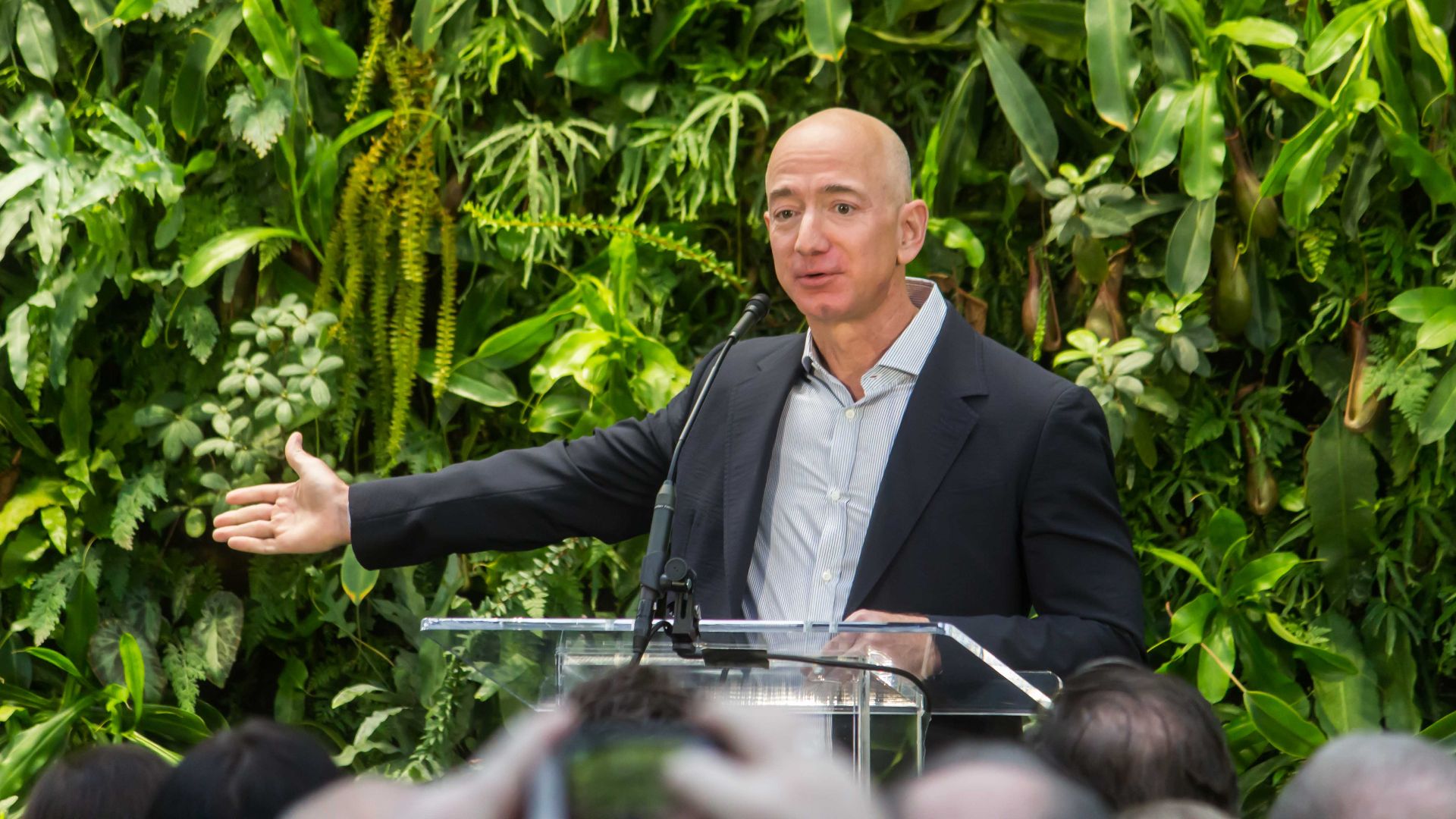 Seattle City Council from Seattle, Wikimedia Commons
Elon Musk’s Wealth Explosion
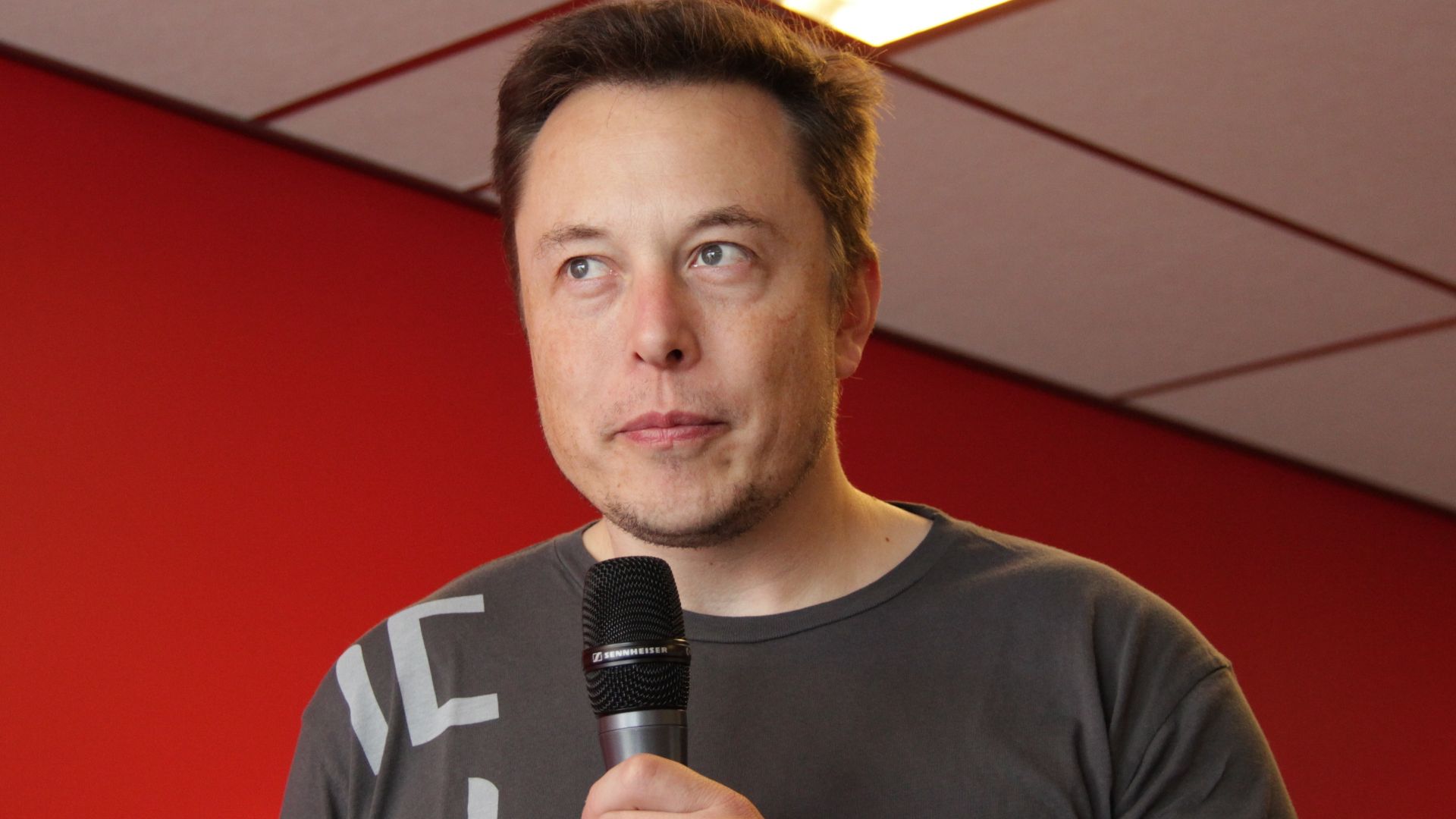
Elon Musk’s fortune skyrocketed as Tesla and SpaceX grew. From 2014 to 2018, his net worth increased by about $13.9 billion, while he reportedly paid around $455 million in federal income taxes during that time. Compared to the increase in his wealth, the effective rate worked out to roughly 3%.
 Tesla Owners Club Belgium, Wikimedia Commons
How This Even Happens
The key reason for this difference is how the tax system treats income versus wealth. Most Americans earn money through salaries, which are taxed immediately. But billionaire wealth often grows through rising stock prices and company valuations, which aren’t taxed unless the assets are sold. And the rich have gotten very good at using that system to their advantage.
Keeping “Income” Surprisingly Low
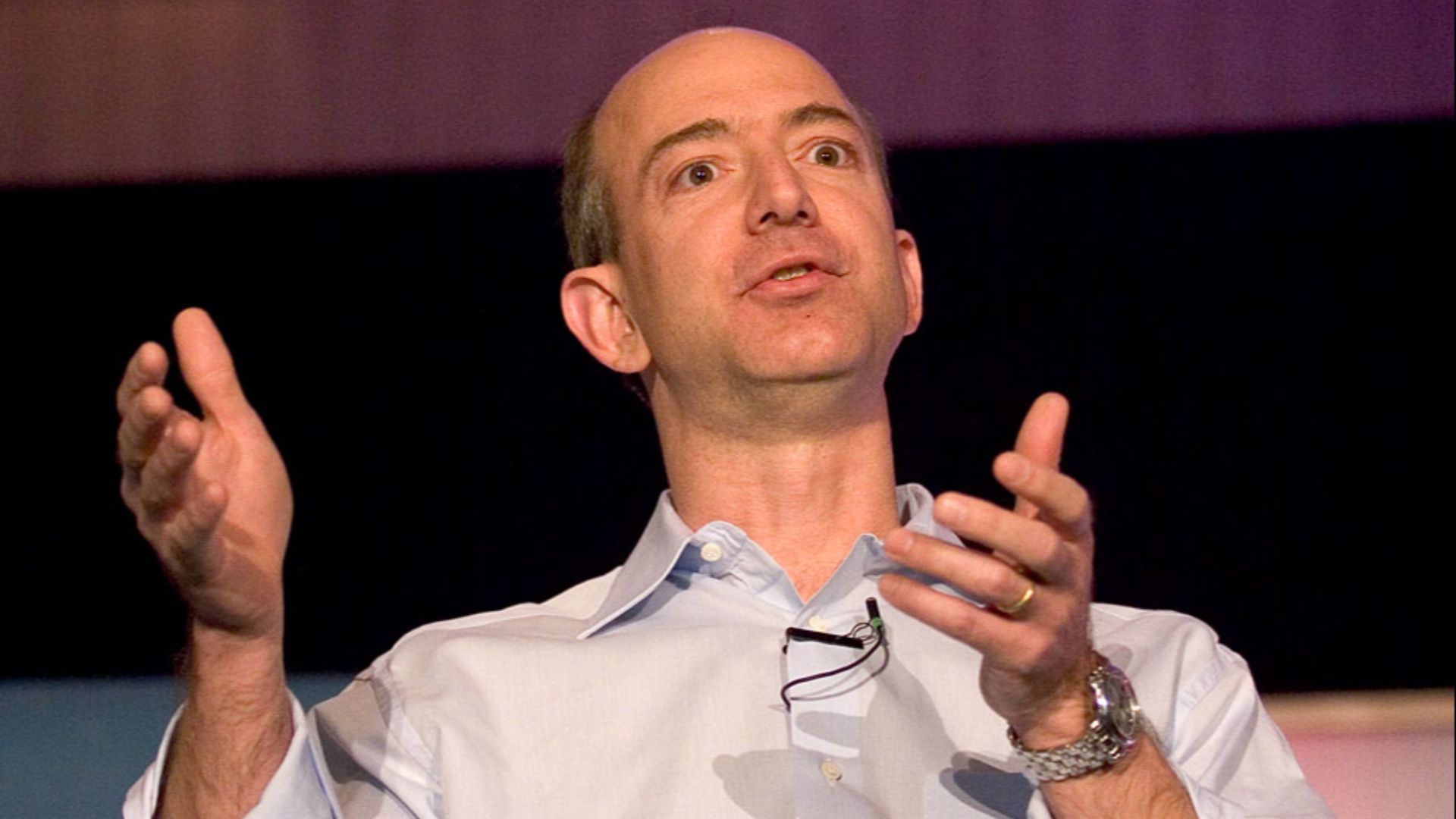
Another way many billionaires reduce their tax bills is by keeping their official income surprisingly small. For example, Jeff Bezos’ official salary at Amazon was about $81,840 per year for many years. Most of his wealth came from Amazon stock rising in value rather than traditional paychecks. Because that growth isn’t taxed until shares are sold, his taxable income could stay relatively low even as his net worth skyrocketed.
 James Duncan Davidson from Portland, USA, Wikimedia Commons
Wealth Isn’t Always Cash
For many billionaires, most of their wealth exists on paper. It’s tied up in companies, investments, or stock holdings rather than cash sitting in a bank account. That means their net worth can rise dramatically—even by billions—without technically creating taxable income. But then how do they actually have money to spend while showing so little income?

The “Buy, Borrow, Die” Strategy
Another strategy often discussed in tax debates is sometimes called “buy, borrow, die.” Instead of selling stock and triggering taxes, wealthy investors can borrow money using their assets as collateral. Because loans aren’t considered income, they can fund spending without selling the investments that created their wealth.

Billionaire Wealth Has Been Surging
Billionaire wealth can grow extremely quickly during strong markets. Between 2020 and 2024, U.S. billionaires collectively gained about $1.7 trillion in wealth, according to several economic analyses tracking net-worth growth.

Now Run The Math
This is where the thought experiment from earlier comes back. If that $1.7 trillion in billionaire wealth growth were taxed at roughly the same rate teachers pay on their income, the amount of tax revenue generated would be staggering.

Running The Numbers
Apply a 25% tax rate to $1.7 trillion in wealth growth, and the result is roughly $425 billion in potential tax revenue. That’s an enormous number for a single policy change. And remember, that figure comes from just a few recent years of wealth growth among American billionaires—not decades of accumulated fortunes.

That’s A Massive Amount Of Money
To put it in perspective, the federal government collects roughly $4.5–$5 trillion in revenue each year. An additional $425 billion would represent close to 10% more annual federal revenue—from just one slice of billionaire wealth growth.

What $400 Billion Could Pay For
Hundreds of billions of dollars could fund major government programs. It could cover multiple years of the Department of Education’s federal budget, finance major infrastructure projects, or support other large national initiatives debated in Congress.

But There’s A Major Complication
Taxing wealth growth isn’t as simple as taxing salaries. Stock prices can rise dramatically one year and fall sharply the next, which creates difficult questions about how to fairly tax gains that might later disappear.

Markets Can Swing Wildly
Imagine an investor whose portfolio rises $20 billion in one year but falls $15 billion the next. If taxes were applied annually to gains, that investor might owe massive taxes on wealth that later vanished.

Other Countries Have Tried Wealth Taxes
Several countries—including France, Sweden, and Spain—have experimented with taxes on large fortunes. Some later eliminated them after facing administrative challenges or concerns about wealthy individuals moving assets abroad.
 Yann Caradec from Paris, France, Wikimedia Commons
The U.S. Already Taxes Investments
In the United States, investment gains are taxed when the asset is sold. The long-term capital gains tax rate ranges from 0% to 20% federally, depending on income level. Because investors can hold assets for many years, those taxes can sometimes be delayed for long periods.

Billionaires Sometimes Pay Enormous Taxes
When wealthy individuals eventually sell large holdings, the tax bills can be huge. For example, Elon Musk paid an estimated $11 billion in taxes in 2021 after selling Tesla shares—one of the largest individual tax payments in U.S. history.

New Proposals Keep Appearing
Some policymakers have proposed minimum tax rules for extremely wealthy households. One proposal suggested a 20% minimum tax on individuals worth more than $100 million, including certain unrealized gains.

Critics Say There Are Risks
Opponents argue wealth taxes could discourage investment or push capital overseas. Others say many billionaire fortunes are tied to companies employing thousands of people, meaning major tax changes could affect businesses and economic growth.
 JD Lasica from Pleasanton, CA, US, Wikimedia Commons
Could The System Be Changed?
Economists and policymakers have floated several ideas for taxing extreme wealth more effectively. Some proposals include a minimum tax on ultra-wealthy households, higher taxes on investment gains, or closing rules that allow taxes on massive stock gains to be delayed for decades. None of these ideas are simple—and all come with trade-offs—but the debate over how to tax billionaire wealth more fairly isn’t going away anytime soon.
 Richter Frank-Jurgen, Wikimedia Commons
So What’s The Real Answer?
If billionaires truly paid the same effective tax rate many teachers pay, estimates suggest the government could collect hundreds of billions more in revenue during years when billionaire wealth rises. Exactly how much depends on how the policy is structured.

Why This Debate Keeps Coming Back
When many Americans see a large portion of their paycheck go to taxes while some of the richest people appear to pay far less relative to their wealth, it raises obvious questions. As billionaire fortunes keep growing, this debate is unlikely to disappear anytime soon.

You Might Also Like: