
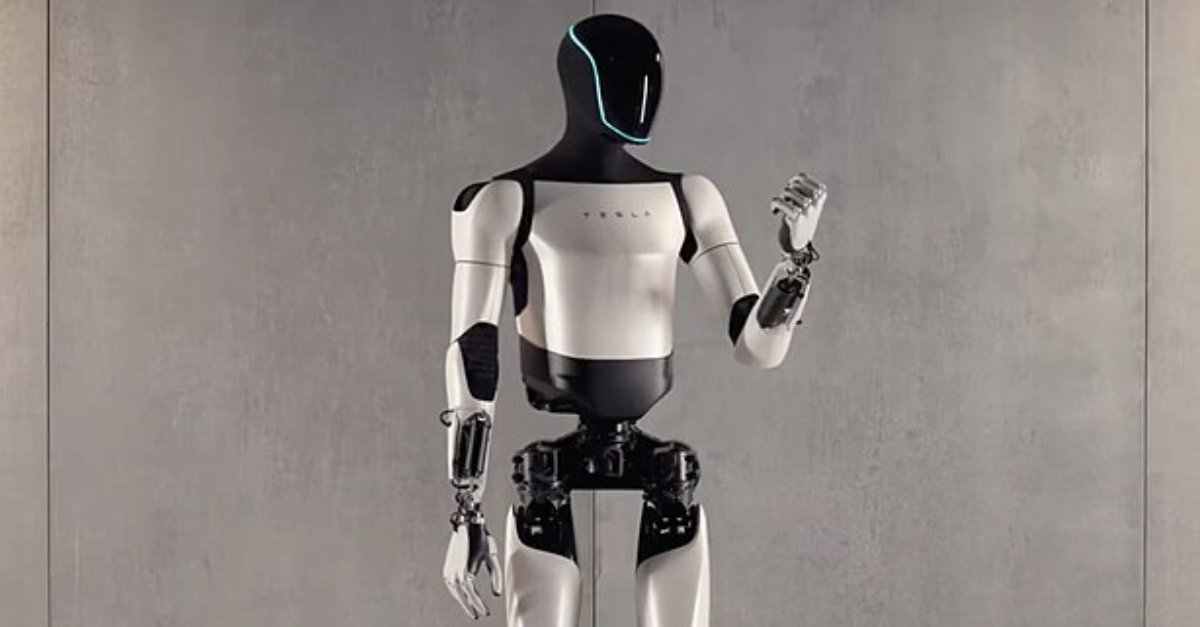
Here’s What Tesla Thinks Optimus Will Become
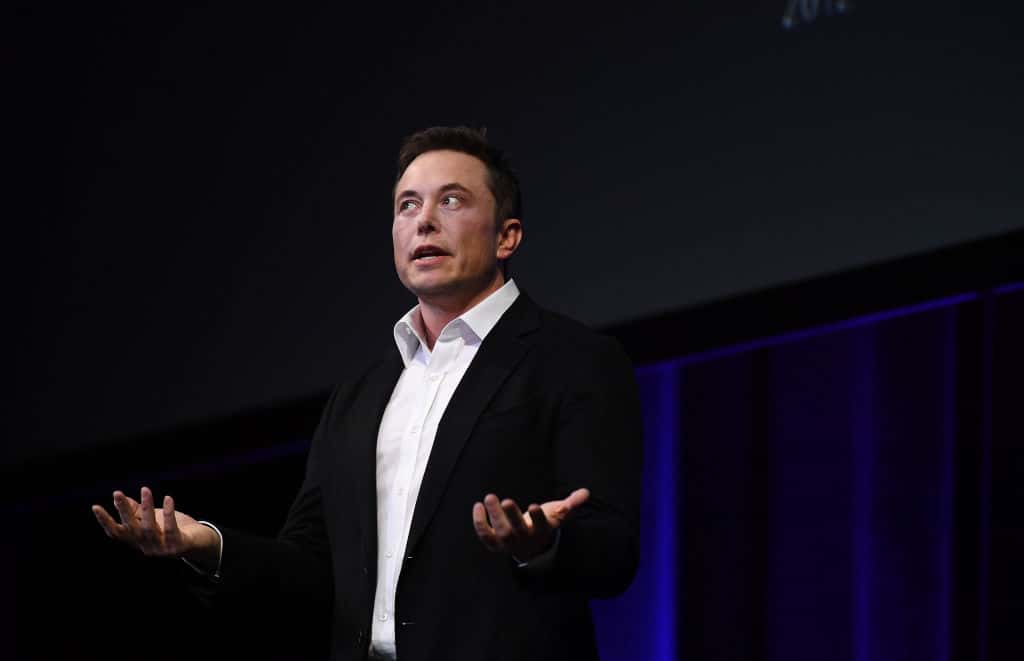
Elon Musk says Tesla’s humanoid robot, Optimus, will go on sale in 2026—and he’s pairing that timeline with one of his boldest claims yet: that it could outperform human surgeons within three years. It’s a promise that’s ignited debate across tech, medicine, and robotics. Here’s what we actually know so far.
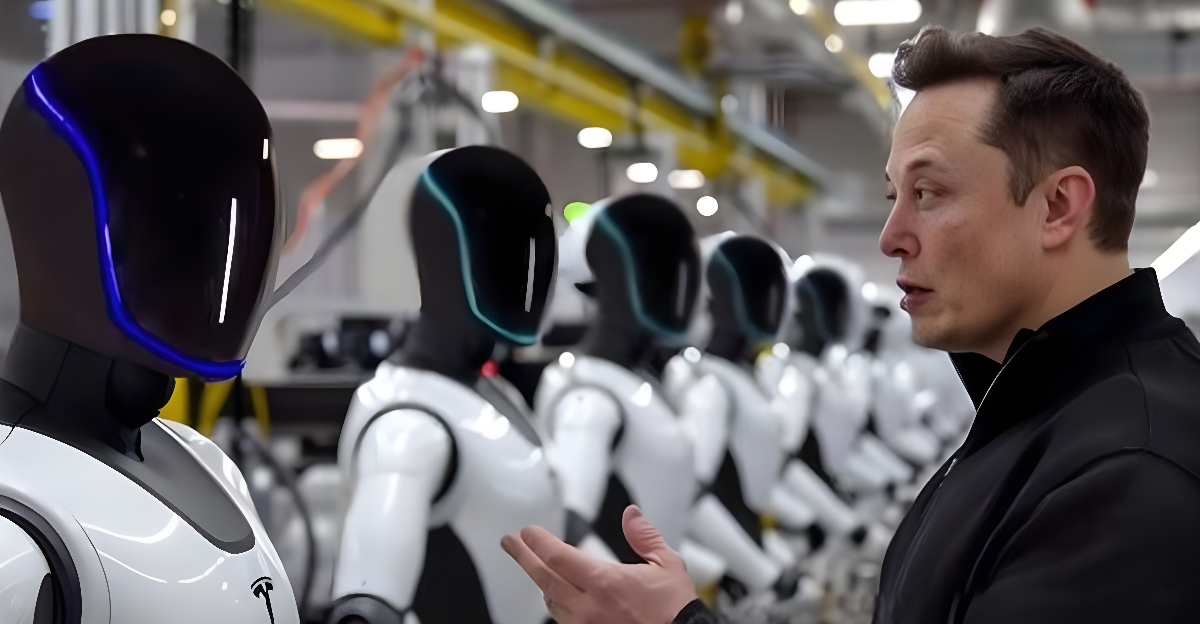 Optimus Is Meant to Be a Consumer Product
Tesla isn’t building Optimus just for factories. Musk has repeatedly described it as a personal, general-purpose robot designed for everyday life—something households could eventually own, like a car or major appliance, rather than rent or lease as industrial equipment.
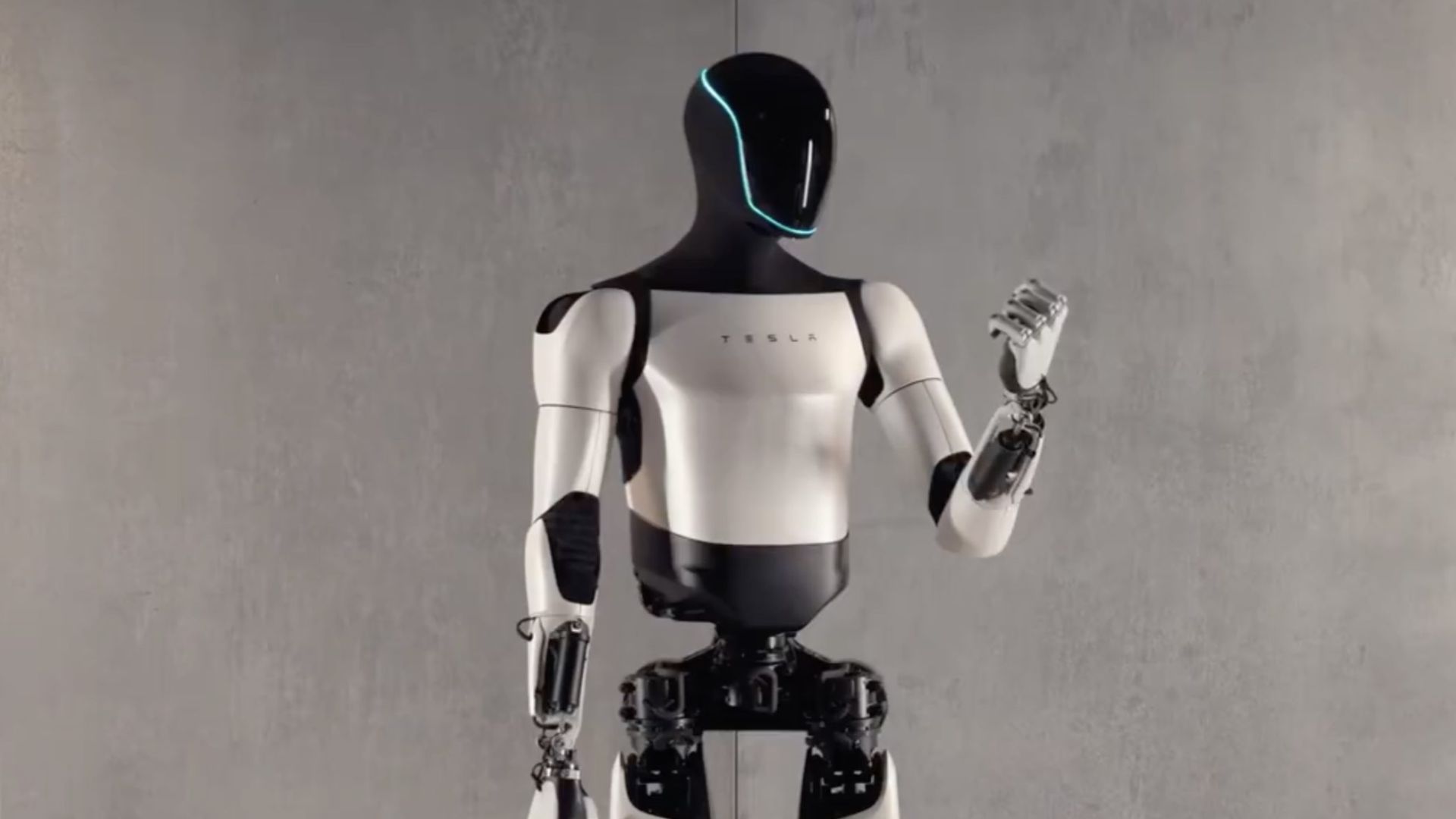
The Vision: A Robot That Helps at Home
Musk has said Optimus could handle chores, run errands, carry groceries, clean, and assist with daily tasks people don’t want to do. The goal is a robot that fits naturally into human spaces, using hands, vision, and movement designed around homes—not specialized facilities.
 Steve Jurvetson, Wikimedia Commons
Why Tesla Thinks Household Ownership Is Viable
Tesla believes Optimus works as a consumer product because it’s humanoid, vision-based, and doesn’t require custom infrastructure. Instead of modifying homes, the robot is meant to adapt to human environments—stairs, doors, clutter, and all—using the same AI approach as Tesla vehicles.
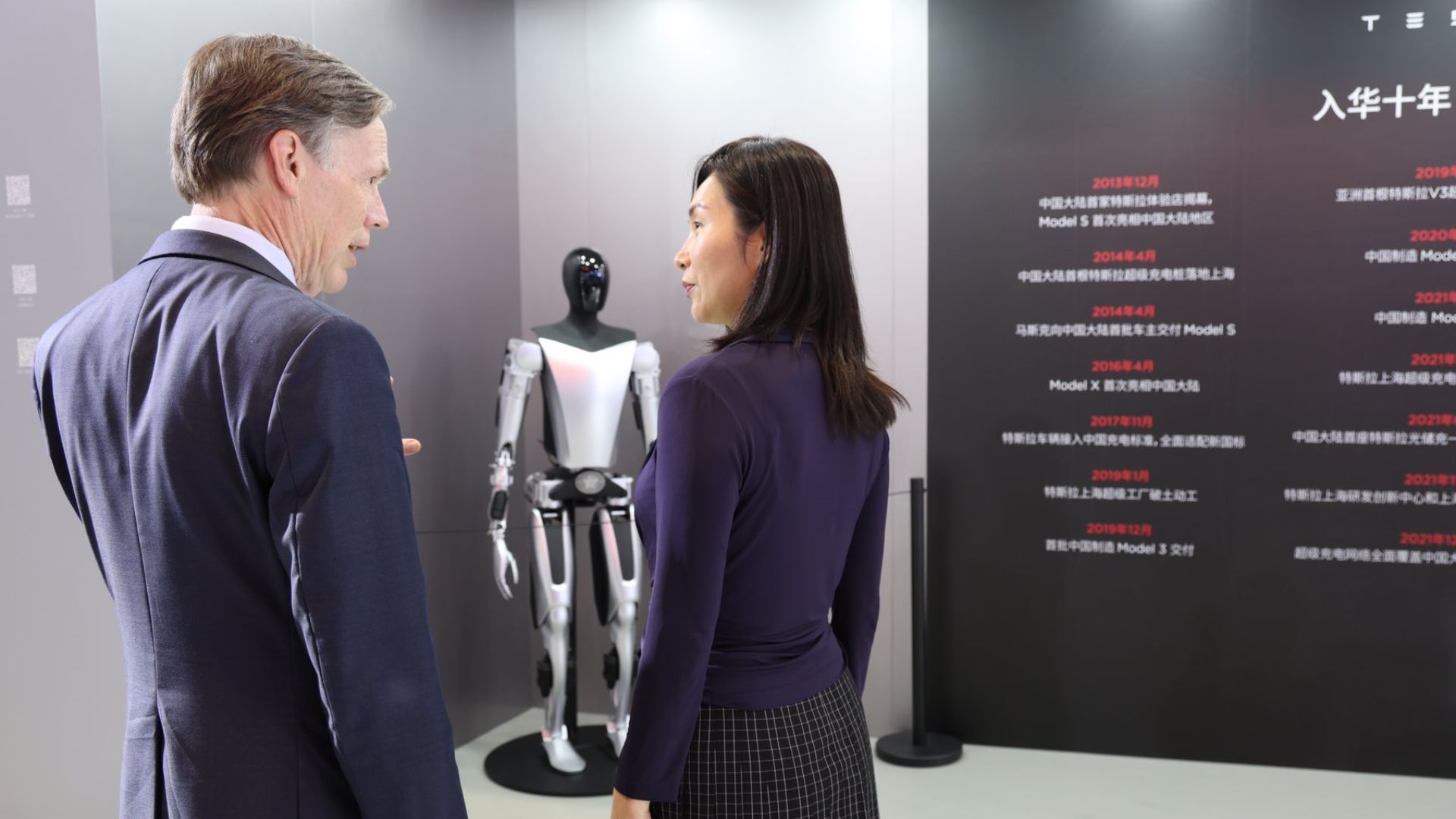 Ambassador of the United States of America to the People's Republic of China, Wikimedia Commons
Affordability Is Central to the Plan
Musk has suggested Optimus could eventually cost less than a car, repeatedly floating a long-term price target under $20,000. Tesla argues that mass production, shared AI systems, and simplified hardware could make personal robot ownership economically realistic.
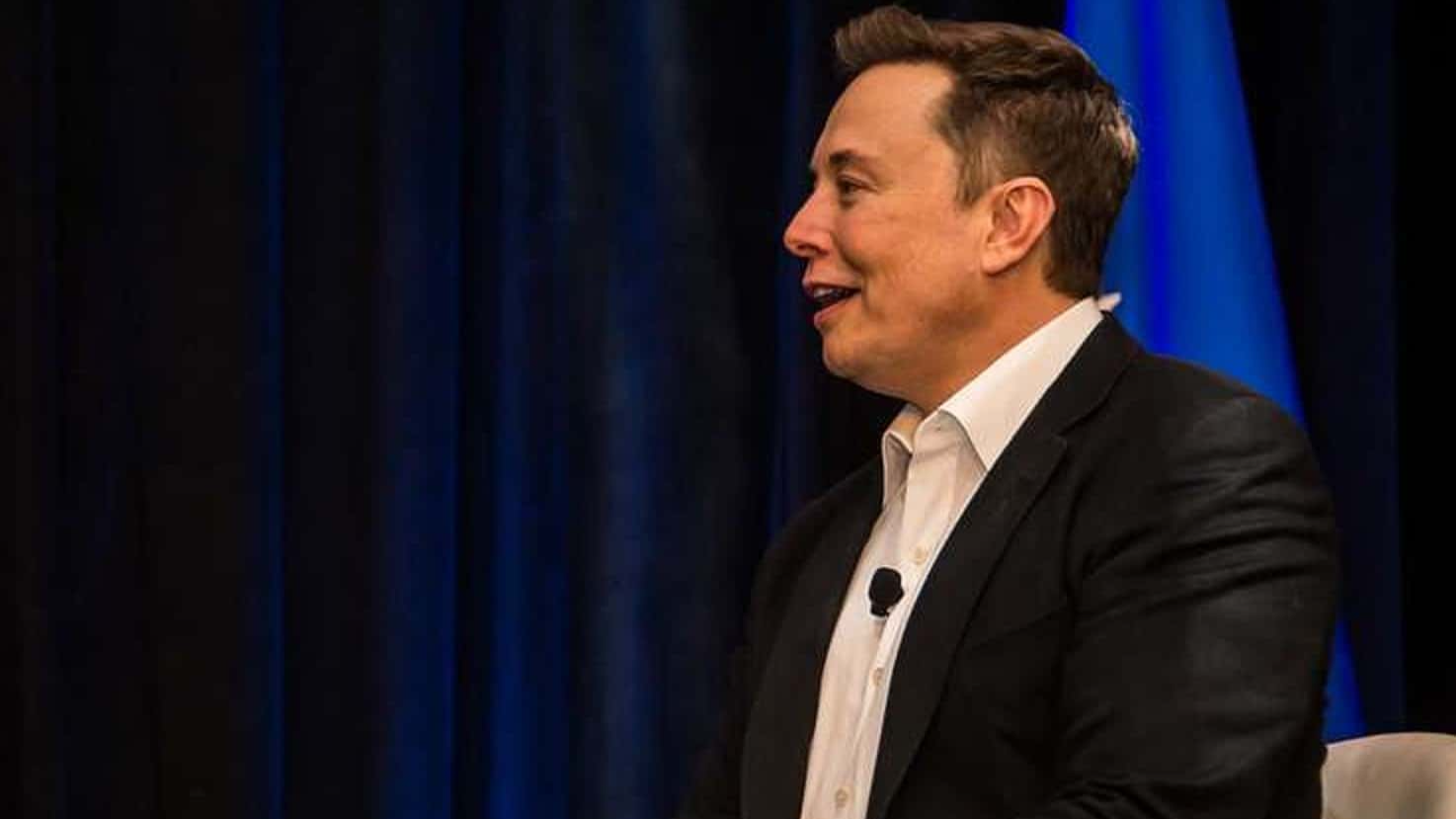 Defense Visual Information Distribution Service, Picryl
Optimus Was First Introduced in 2021
Tesla unveiled Optimus at its 2021 AI Day, originally calling it the Tesla Bot. Early reactions were skeptical, especially since the reveal leaned heavily on ambition rather than demonstration. Musk insisted progress would come quickly.
Early Demos Were Symbolic, Not Functional
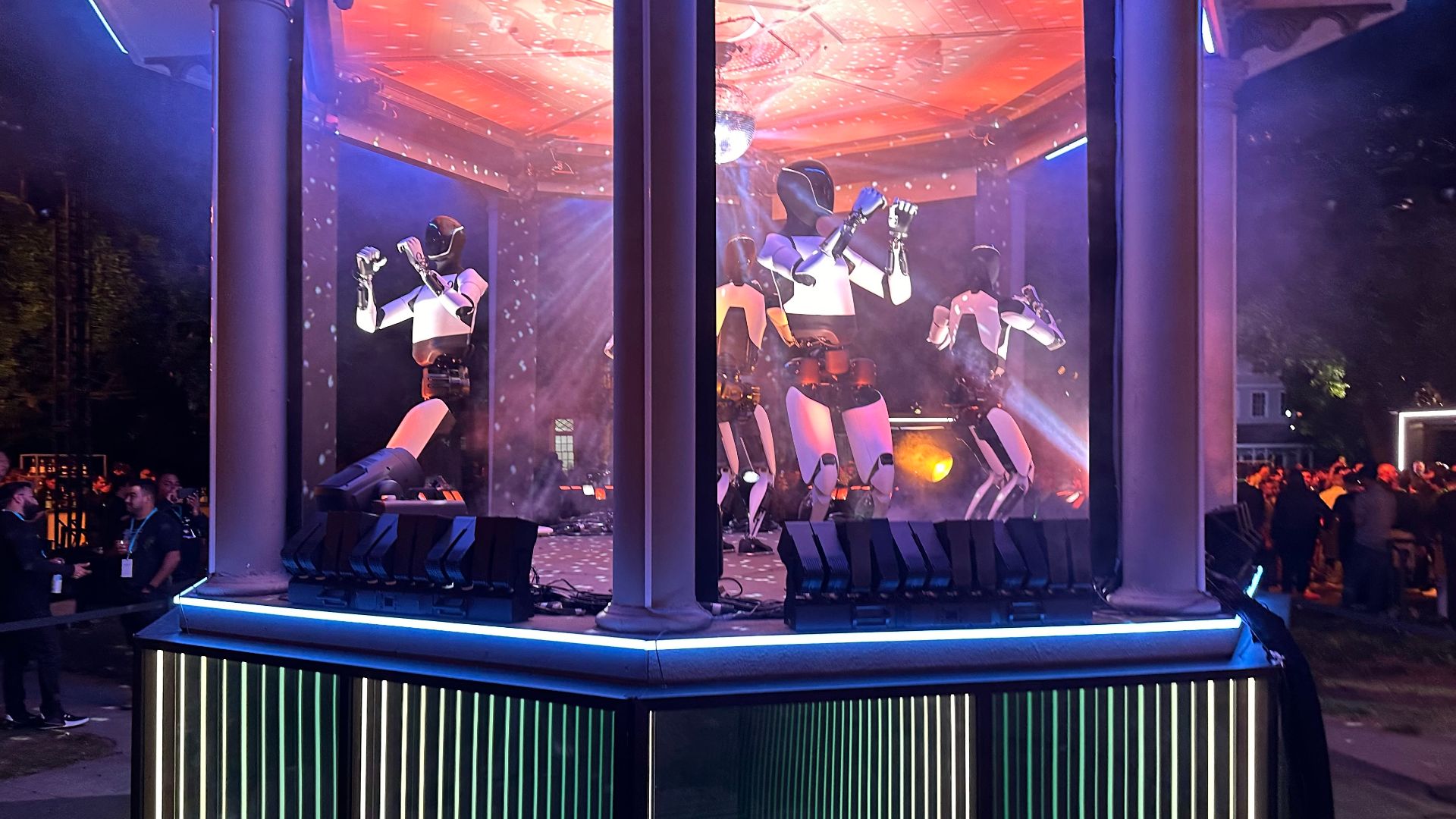
The first public Optimus appearance featured a human in a robot suit dancing. Musk later acknowledged it was symbolic. At the time, Tesla engineers were still focused on core challenges like balance, vision, and real-world locomotion.
 Steve Jurvetson, Wikimedia Commons
Today’s Optimus Is a Real, Working Prototype
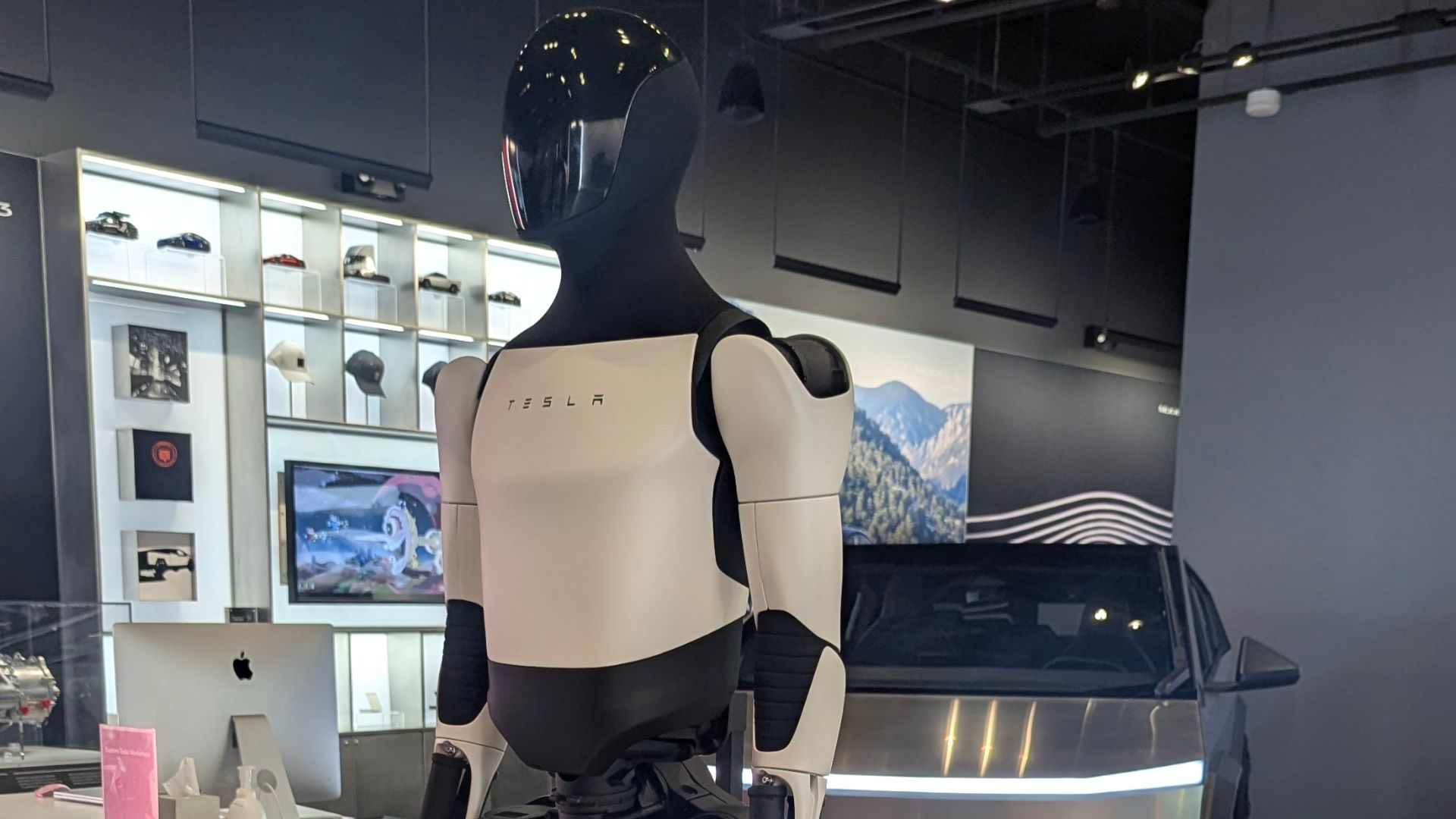
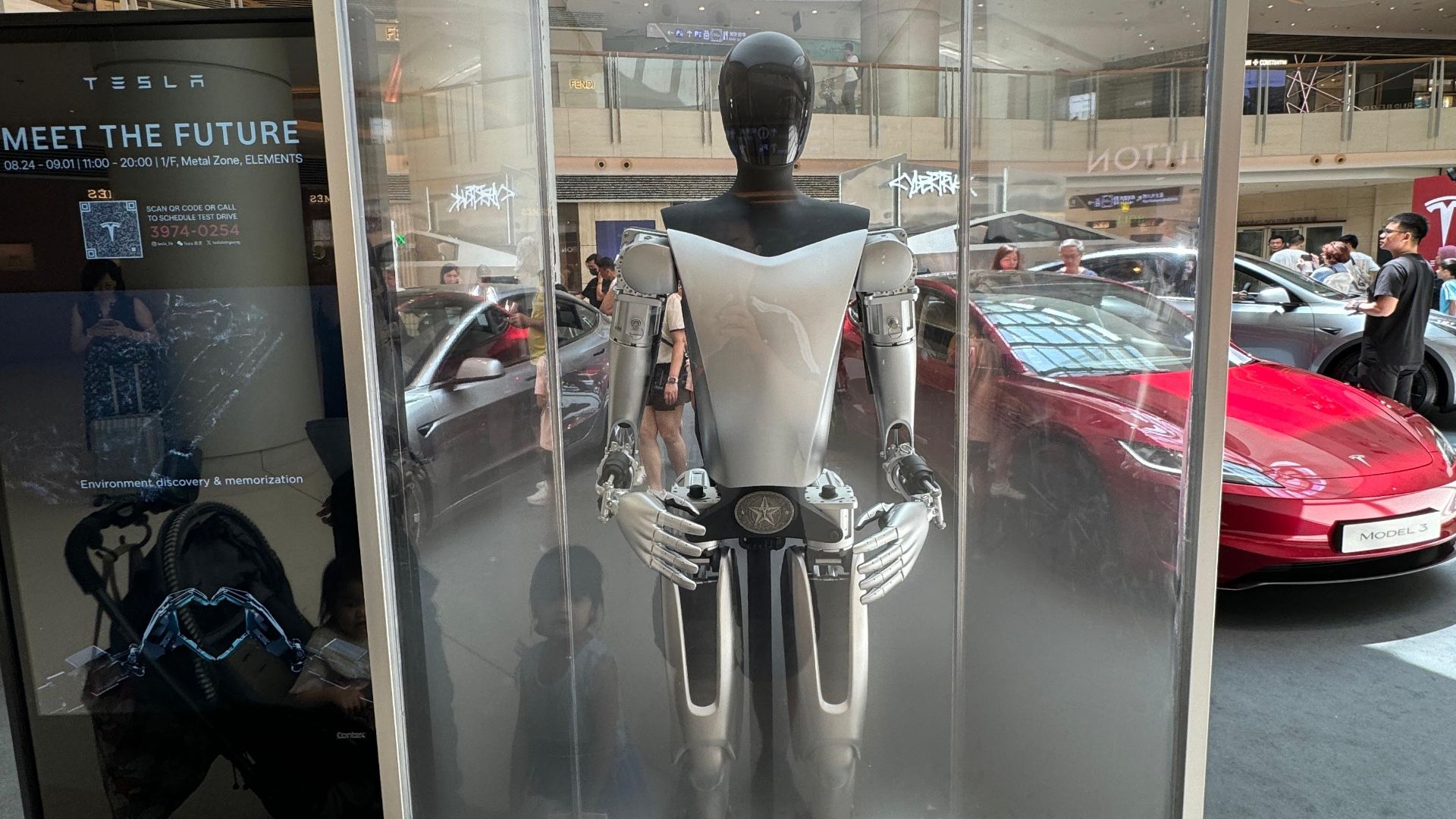
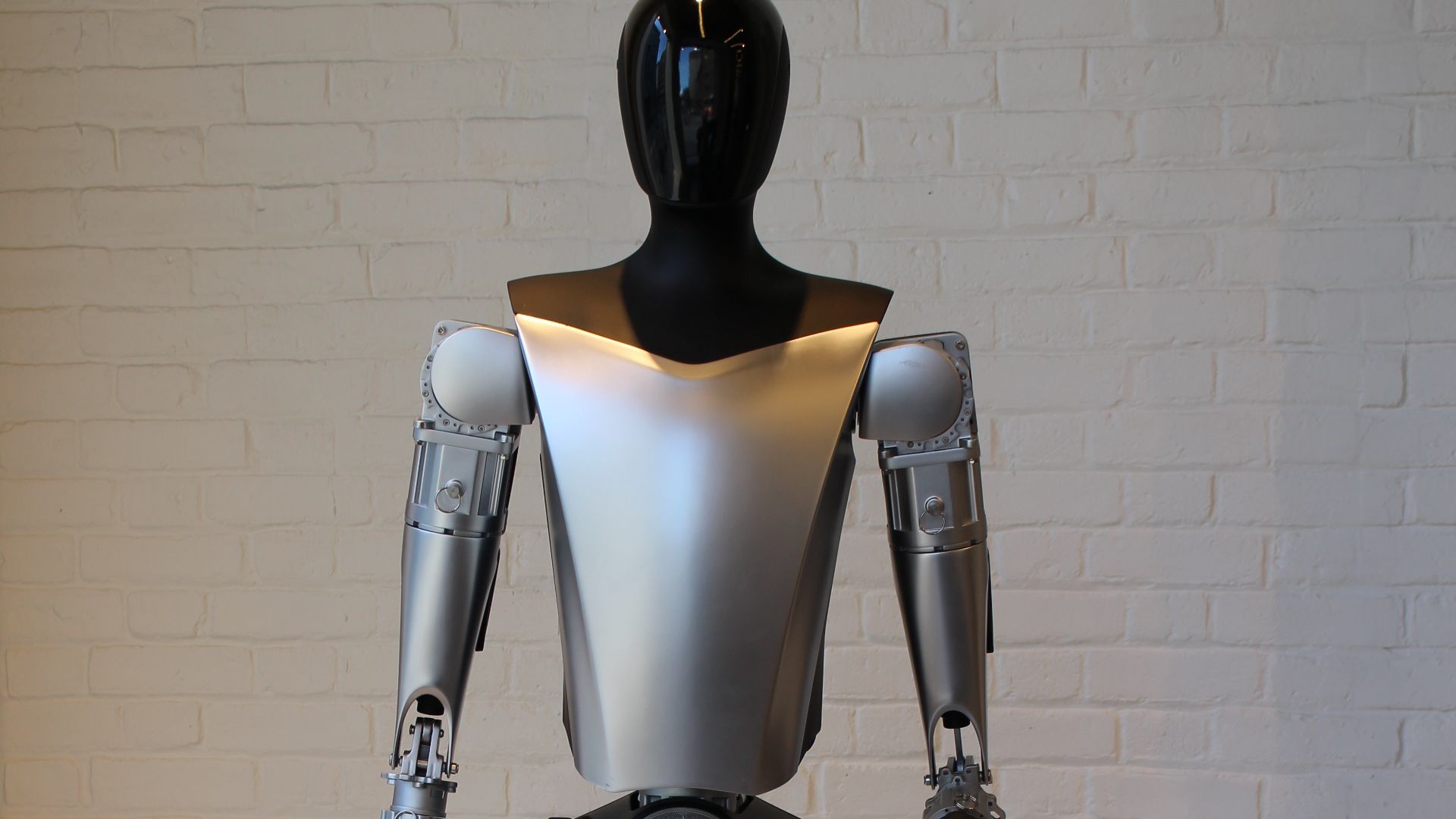
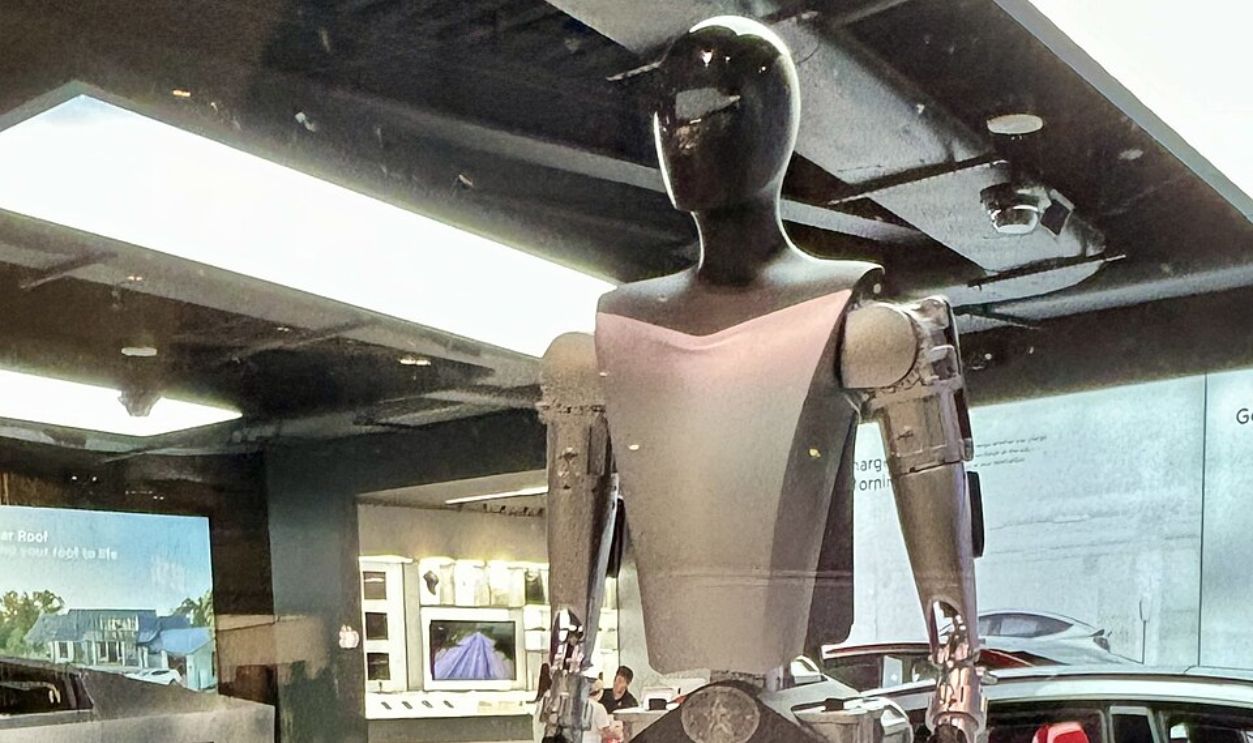
By 2023 and 2024, Tesla showed Optimus walking untethered, sorting objects, carrying items, and folding laundry. The robot stands roughly 5’8”, weighs about 125 pounds, and moves deliberately to prioritize balance and safety.
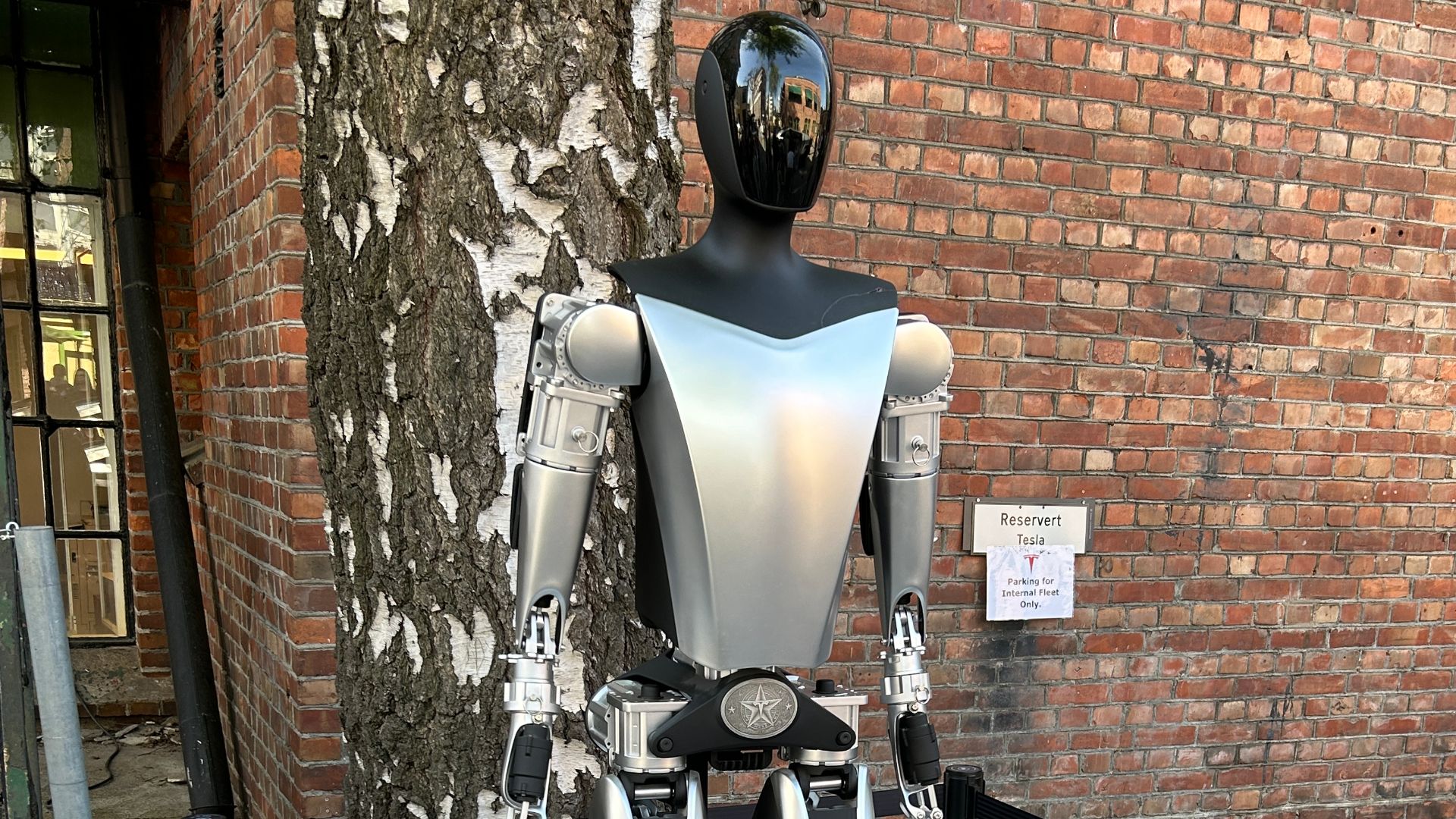 Premeditated, Wikimedia Commons
Optimus Uses Tesla’s Self-Driving AI Brain
Tesla says Optimus runs on the same neural networks, cameras, and onboard computer as its vehicles. Musk has argued that solving real-world autonomy for cars naturally translates to robots operating safely around people.
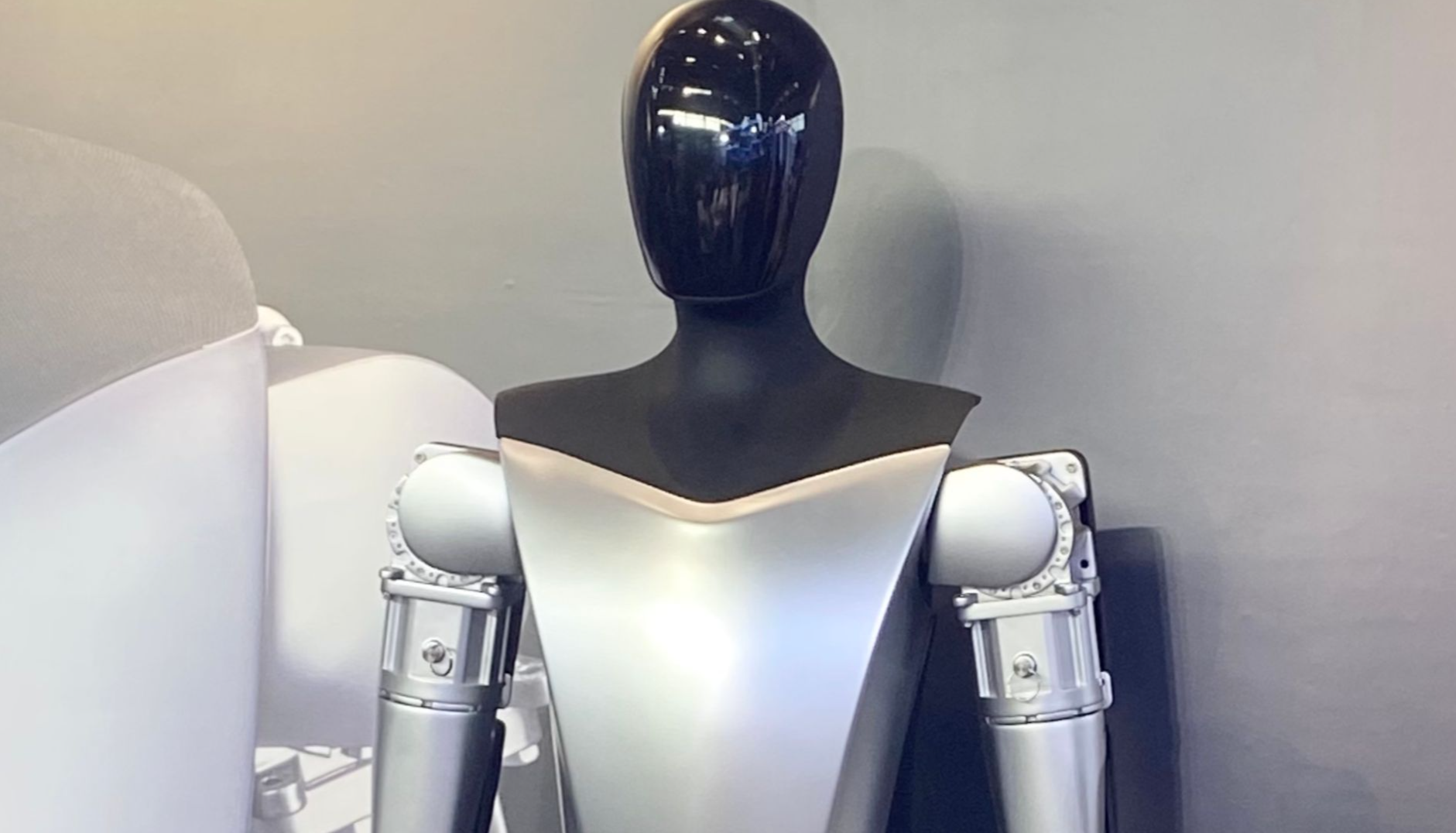 Benjamin Ceci, Wikimedia Commons
Hands Are the Make-or-Break Feature
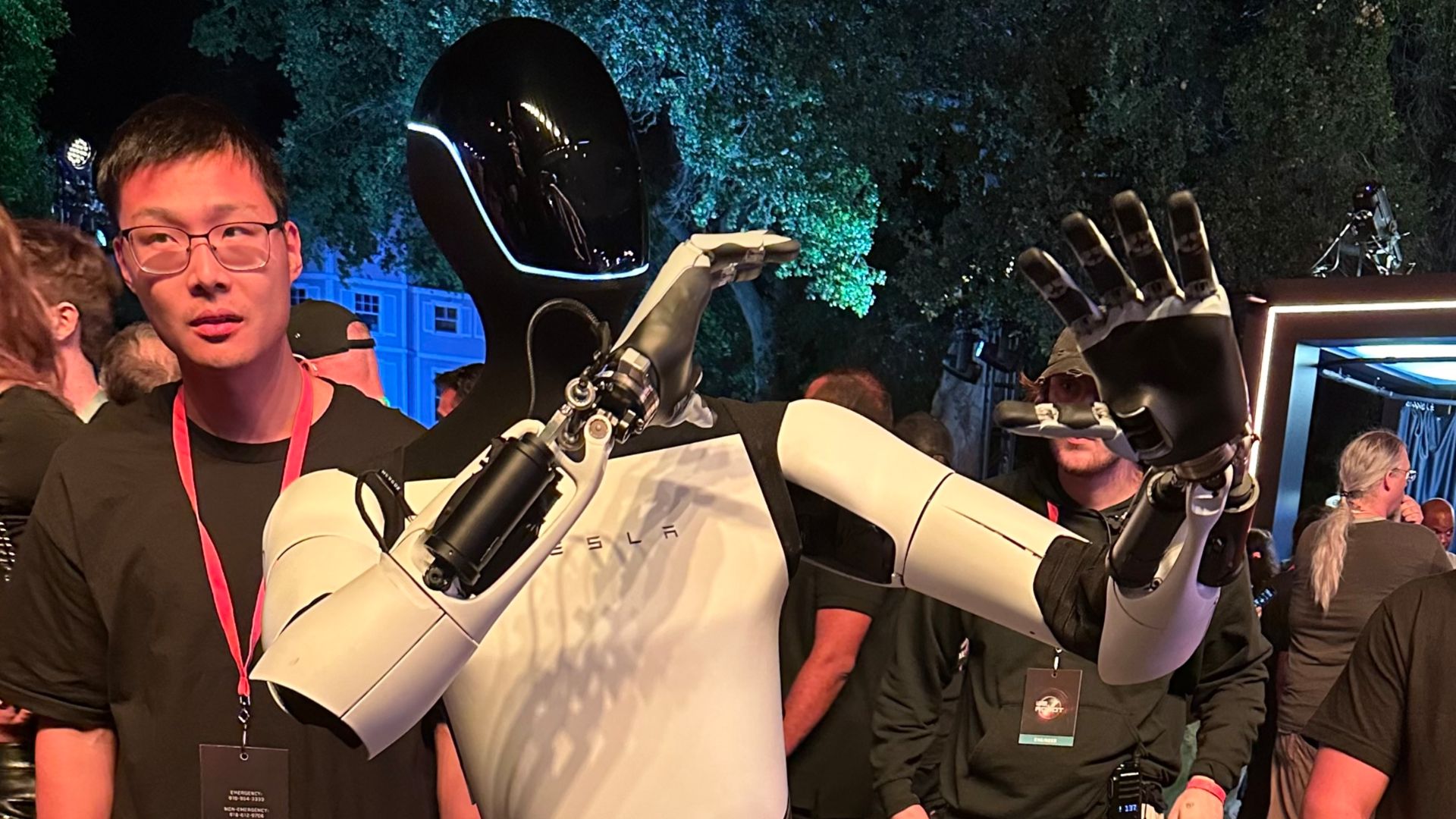
Tesla engineers say hands are one of the hardest challenges in humanoid robotics. Optimus now has articulated fingers capable of precise movement, which is critical for household usefulness beyond simply walking.
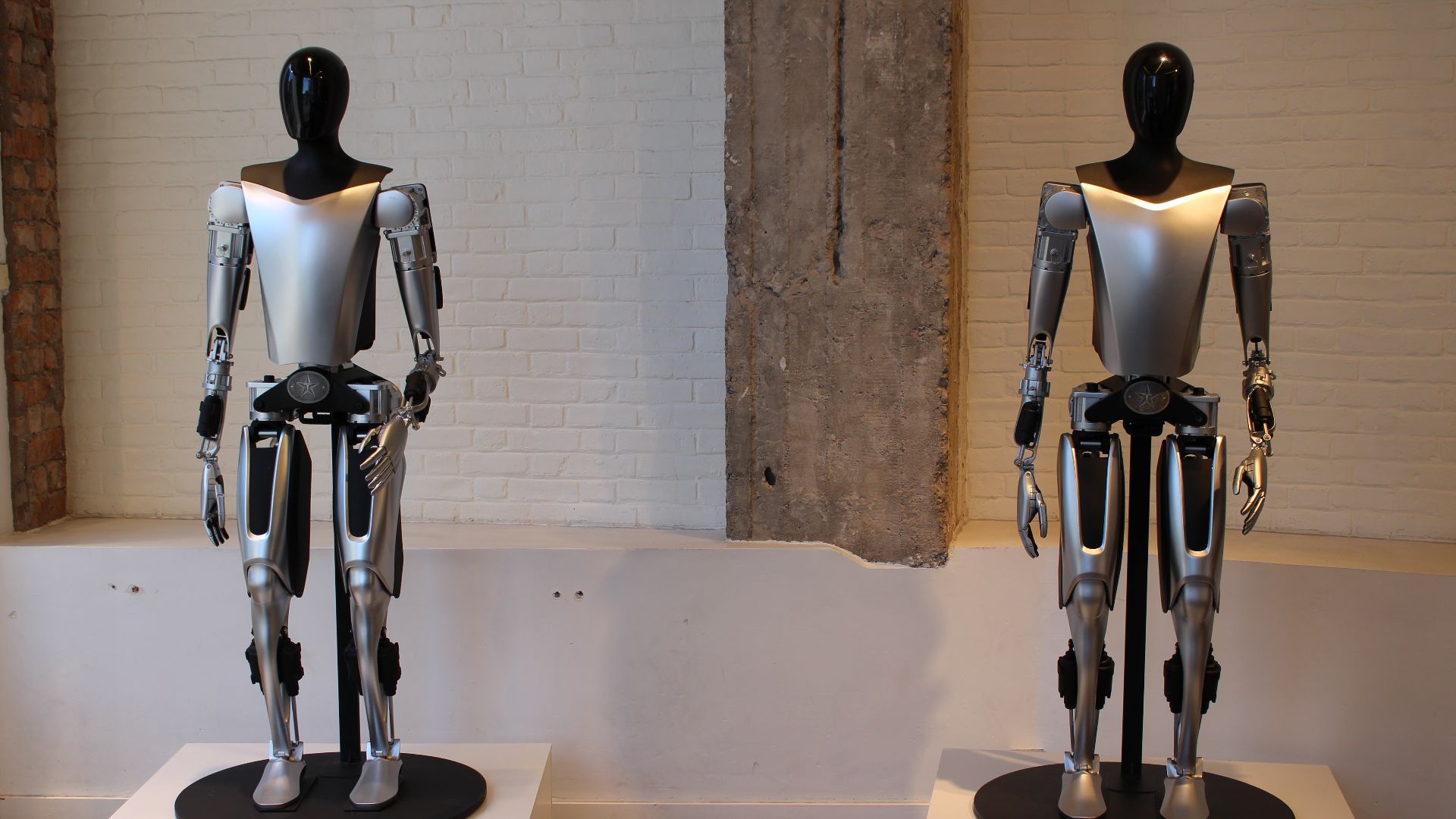
Optimus Learns by Watching Humans
Rather than coding every task, Tesla trains Optimus using imitation learning. Humans perform tasks while being recorded, and the robot learns by copying those movements, allowing it to adapt to new activities over time.
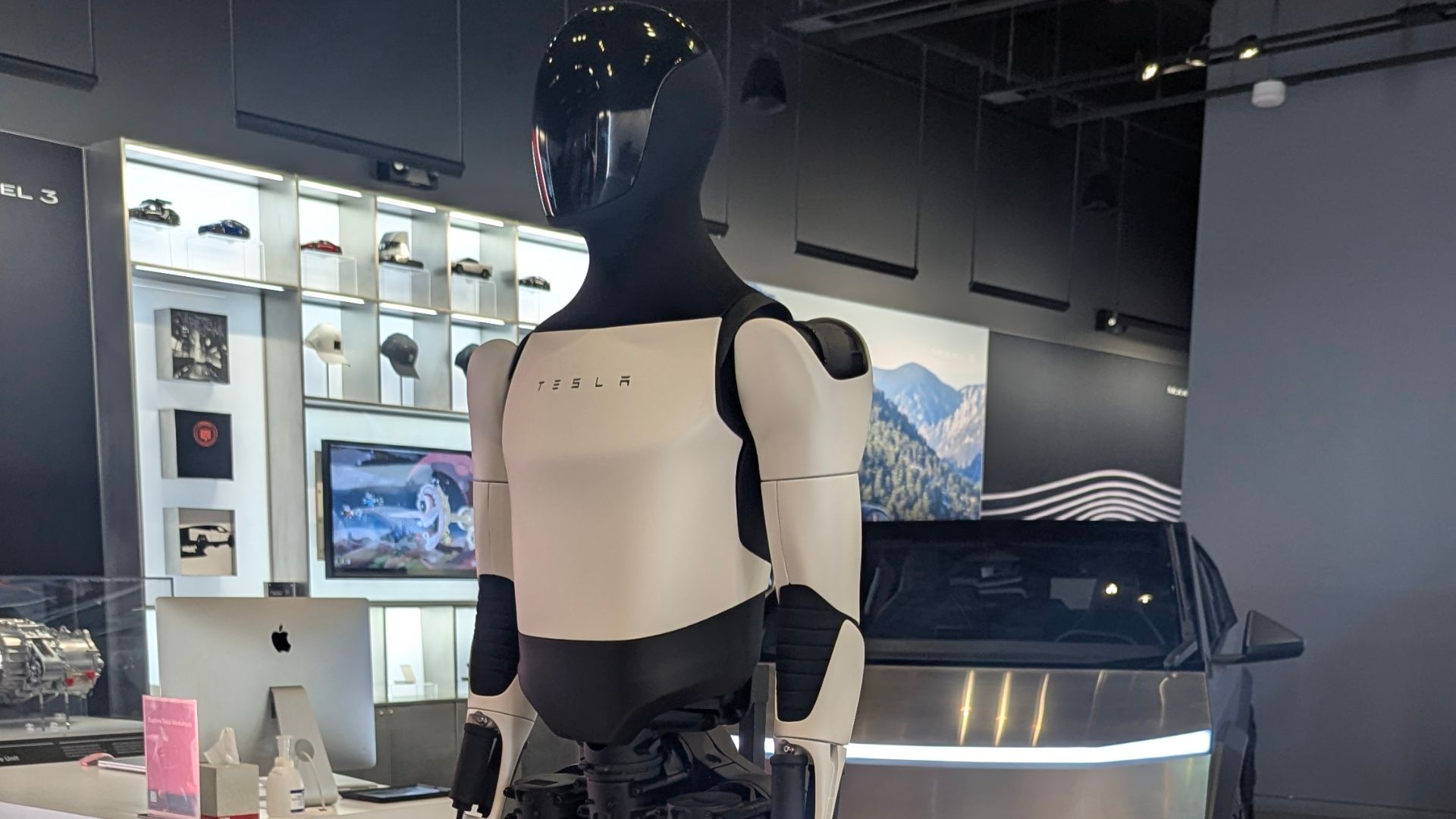
Factories Come Before Living Rooms
Tesla plans to deploy Optimus inside its own factories before selling it. Musk has said internal testing is already underway, helping Tesla refine reliability, safety, and real-world performance.
Musk Says Optimus Will Go on Sale in 2026
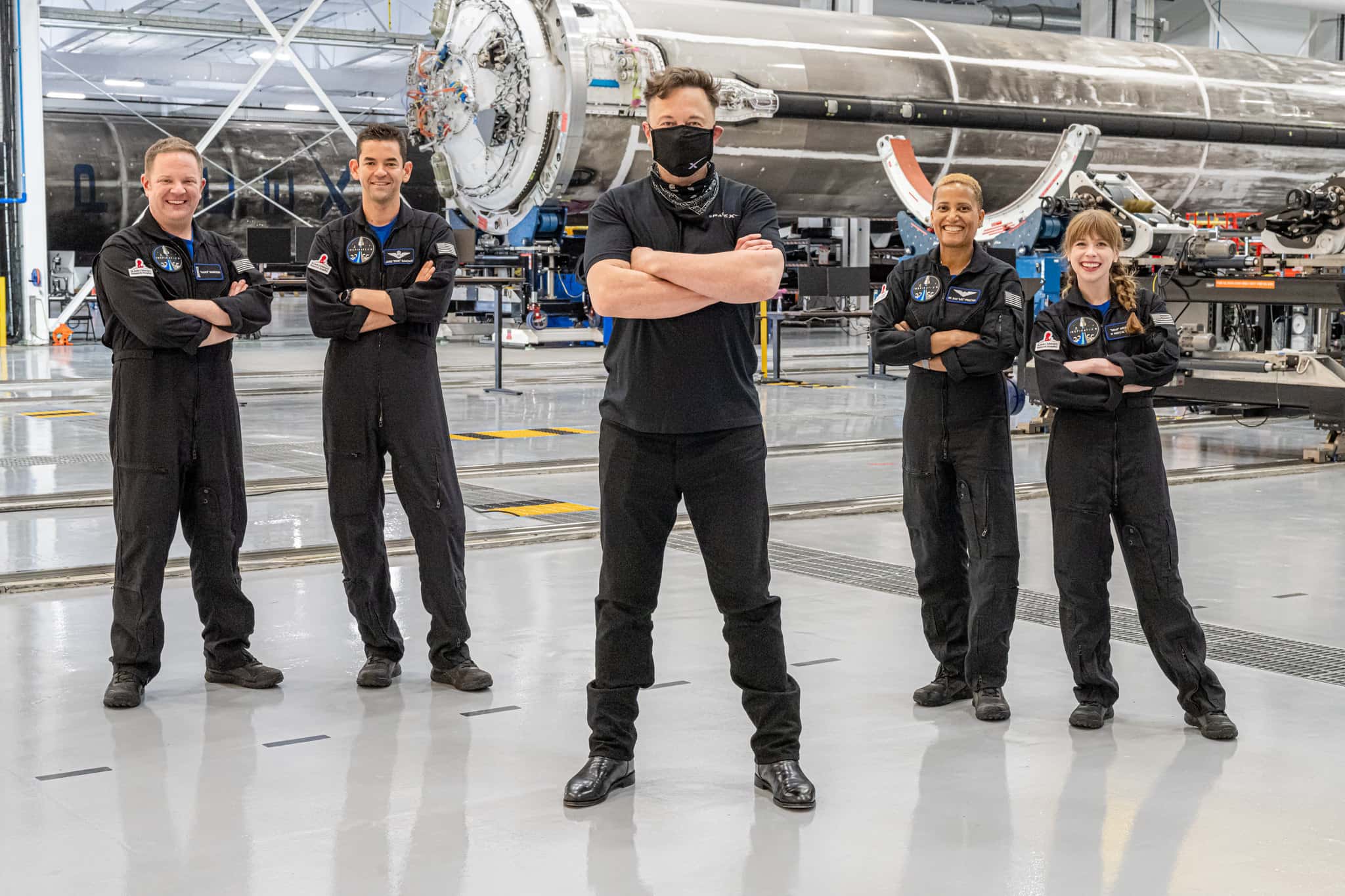
In July 2024, Musk stated that Tesla aims to sell Optimus externally by 2026. TechCrunch reported the timeline as ambitious but intentional, with factory deployment meant to accelerate readiness. And given that we are now in 2026, we will know soon enough if Musk and Tesla can live up to those lofty sale ambitions.
 Daniel Oberhaus, CC BY-SA 4.0, Wikimedia Commons
The “Better Than Human Surgeons” Claim
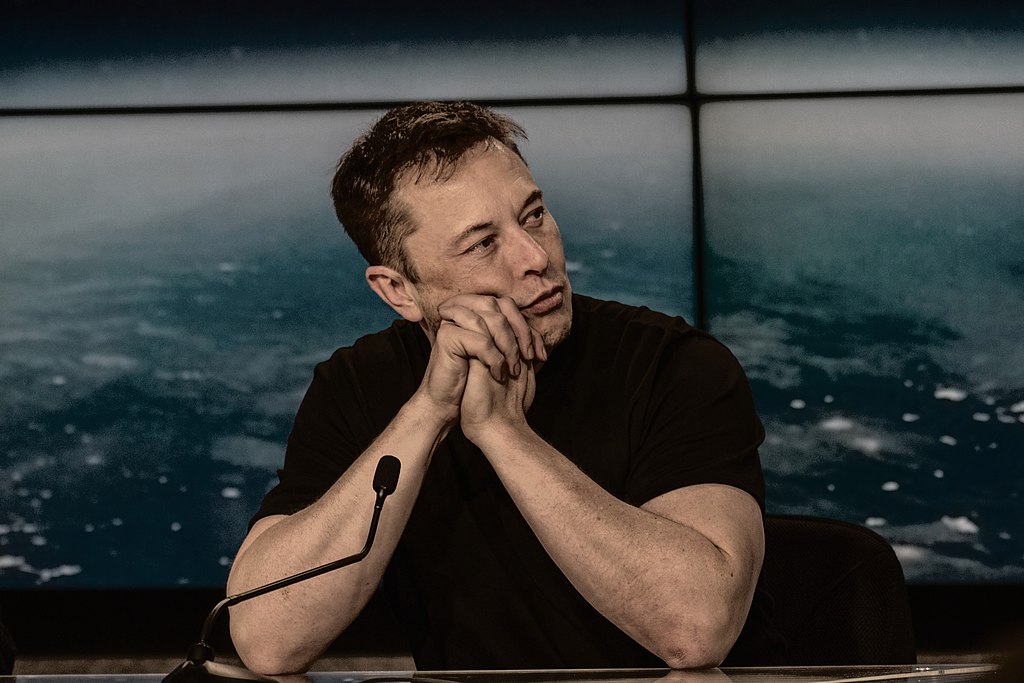
Alongside the sales timeline, Musk claimed Optimus could outperform human surgeons within three years, citing perfect steadiness, zero fatigue, and AI-guided precision as advantages.
Why Musk Thinks Robots Could Excel at Surgery
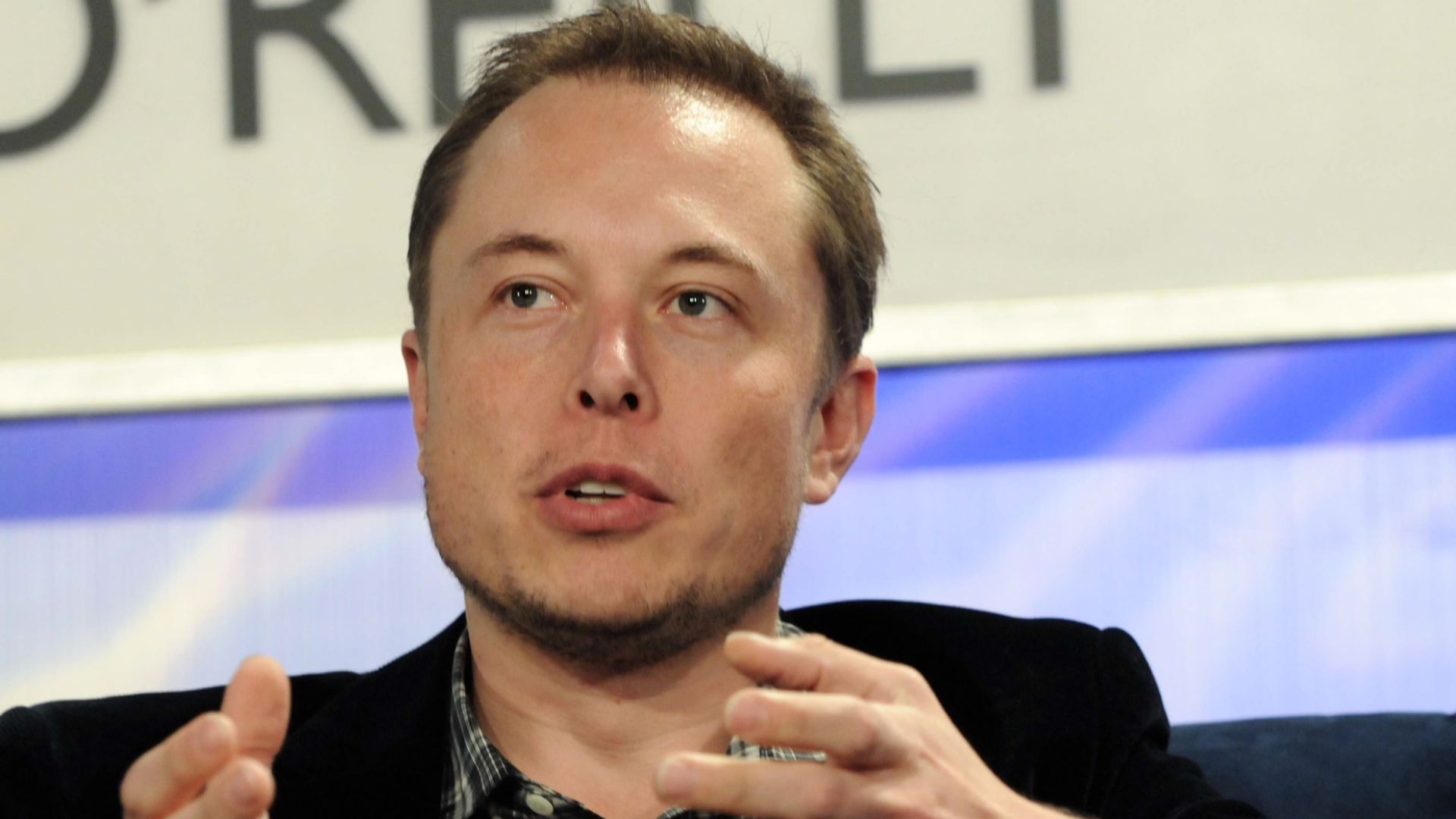
Musk has argued that robots do not tire or lose focus, framing surgery as a task where consistency and precision matter most. In theory, a perfectly controlled machine could outperform even skilled human hands.
 JD Lasica from Pleasanton, CA, US, Wikimedia Commons
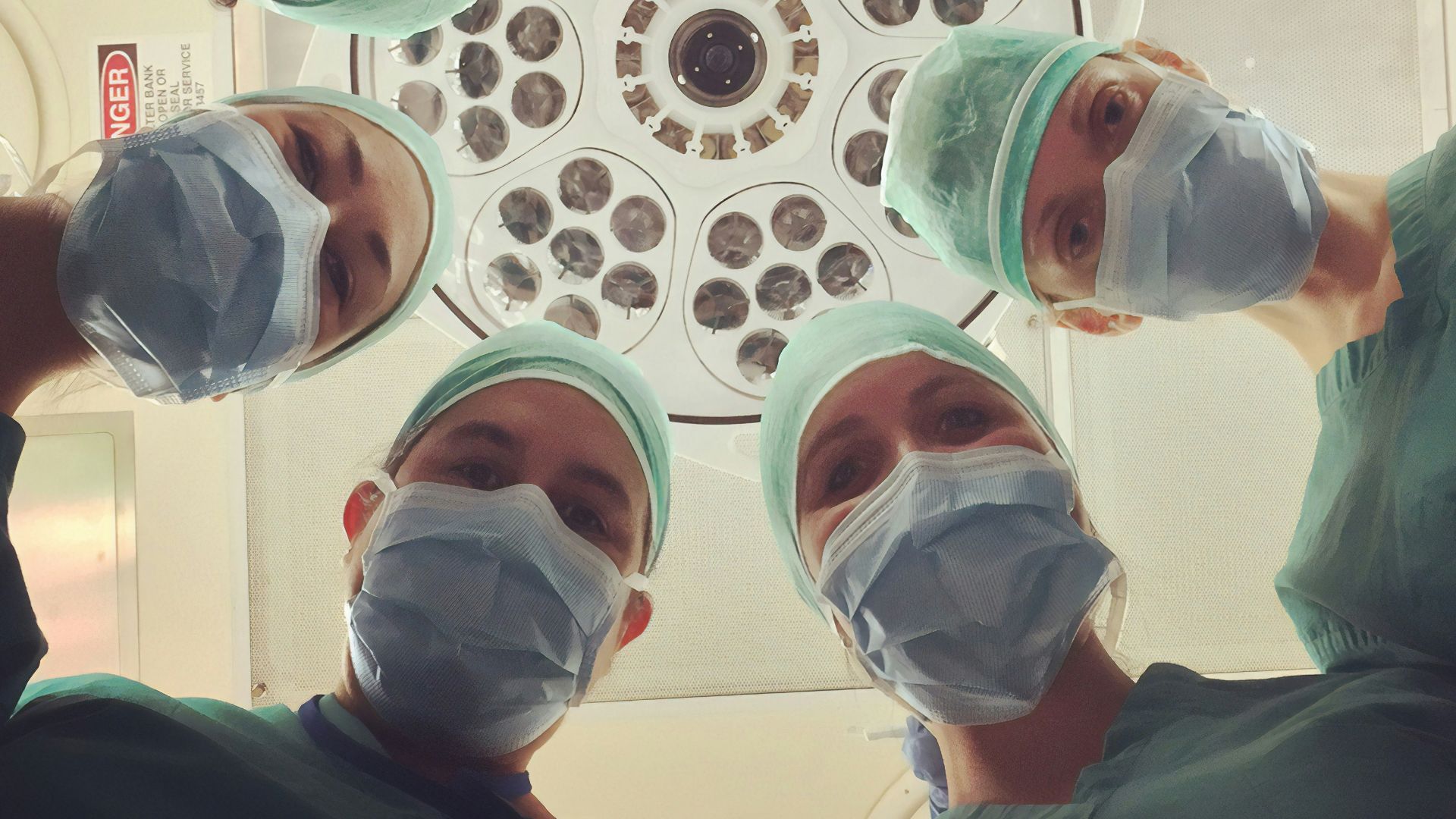
Medical Experts Are Highly Skeptical
Surgeons and roboticists argue surgery requires judgment, adaptability, and accountability. Today’s leading surgical robots remain fully human-controlled, and autonomous surgery is still highly experimental.
 National Cancer Institute, Unsplash
Tesla Has Shown No Medical Prototypes
As of now, Tesla has not demonstrated Optimus performing medical procedures. There are no FDA filings, clinical trials, or hospital partnerships announced to support near-term surgical use.
Optimus Still Moves Slowly—By Design
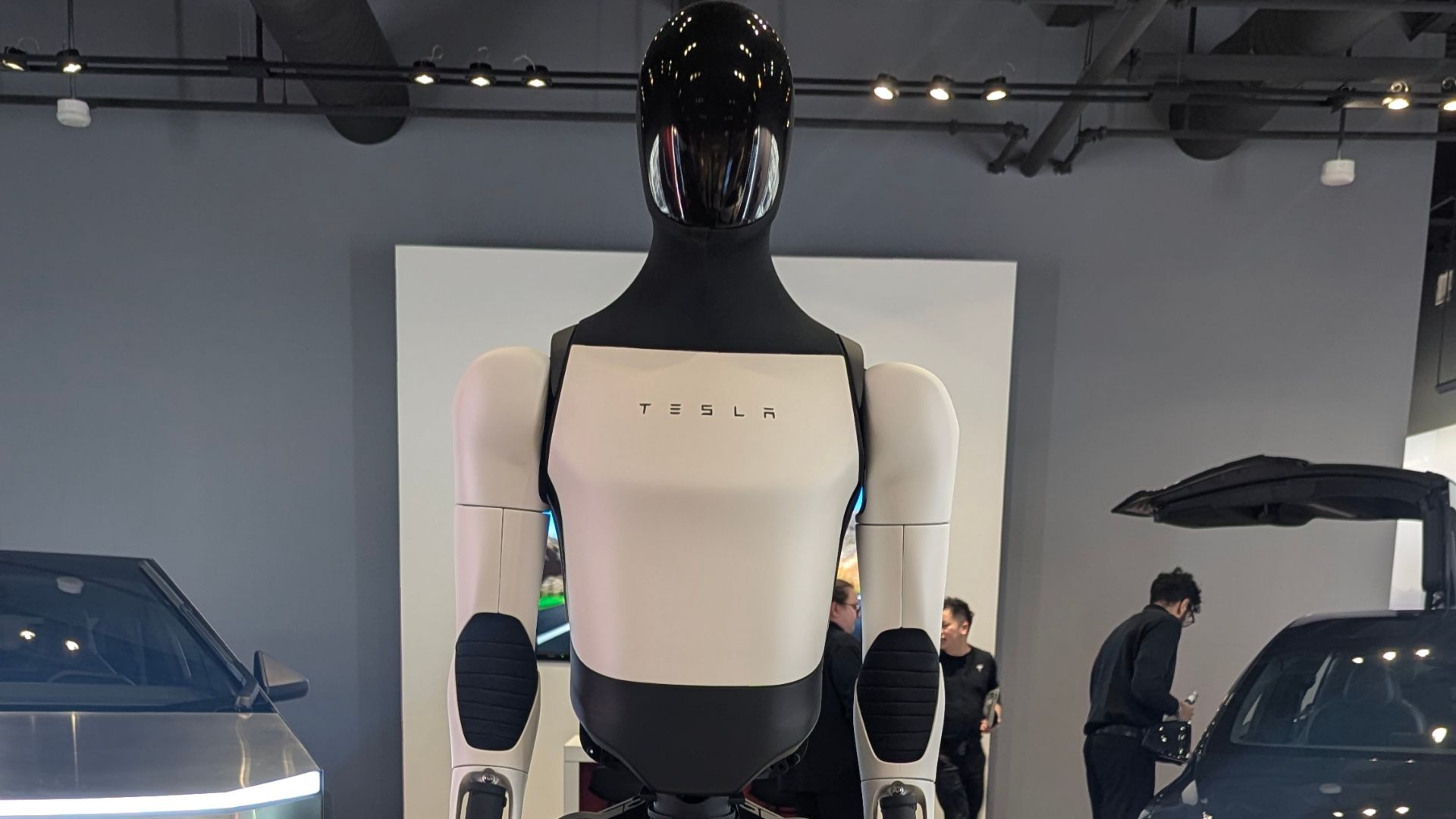
Optimus’s movements are cautious and deliberate. Tesla says this is intentional, prioritizing balance and safety over speed, especially for a robot meant to operate around people.
Safety and Regulation Remain Open Questions
Humanoid robots in homes raise safety, liability, and regulatory concerns. Tesla says Optimus is physically constrained and software-limited, but consumer humanoid robot rules remain unclear.
 Steve Jurvetson from Los Altos, USA, Wikimedia Commons
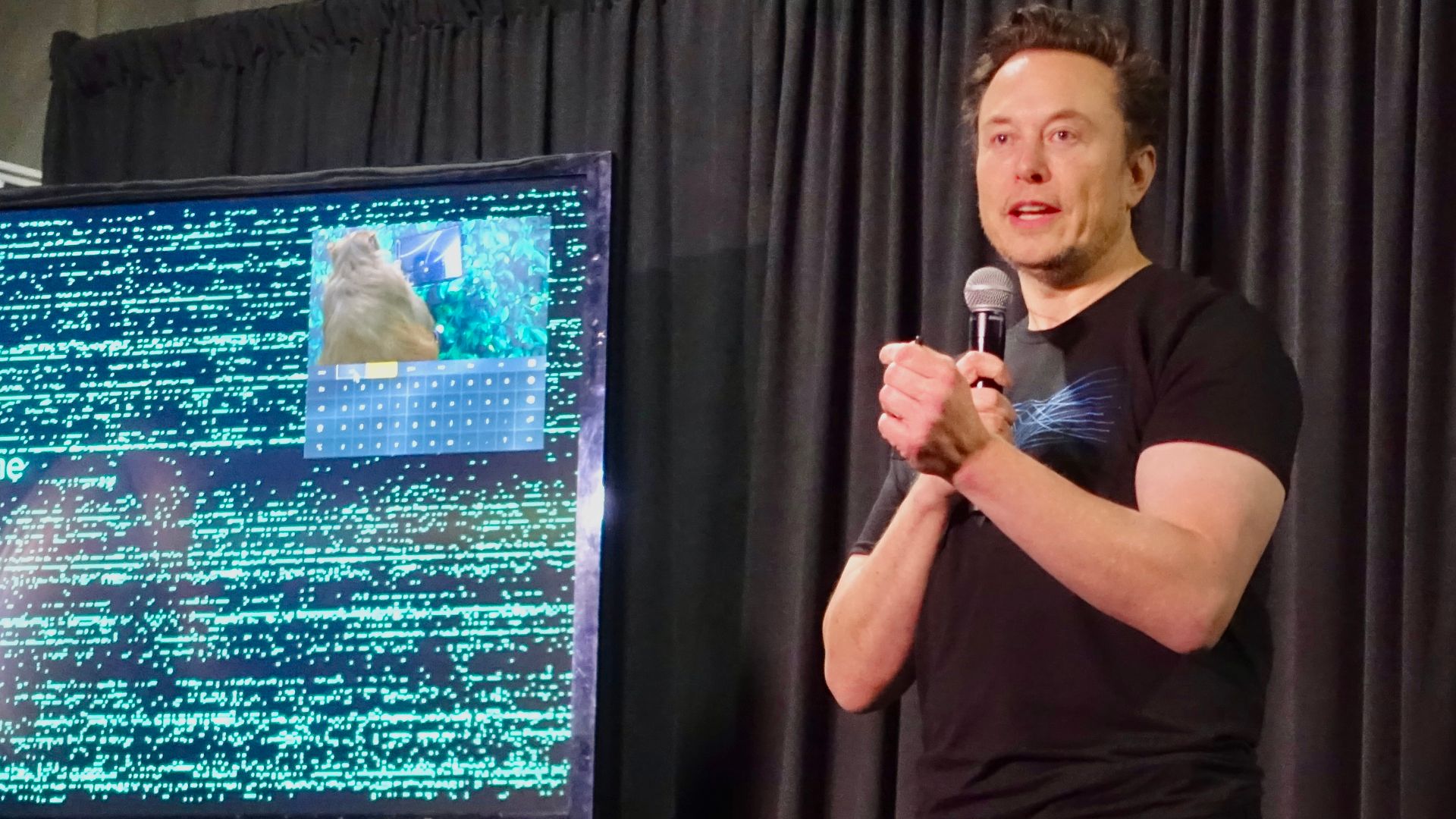
The Bigger Bet Is on AI Scaling
Tesla believes Optimus will improve primarily through software updates and data, much like its vehicles. If that assumption holds, capabilities could scale rapidly without major hardware changes.
Why 2026 Matters—Even If the Claims Fall Short
If Tesla sells Optimus in 2026, it would mark a major milestone regardless of surgical performance. Household robots have been promised for decades, and Tesla’s attempt could finally push them closer to reality.
 Alexis Doine, Wikimedia Commons
You Might Also Like:
Money Mistakes Baby Boomers Tried To Warn Millennials About—But They Didn’t Listen
Jobs AI Robots Are Already Doing And You Had No Idea
Bill Gates Says These 3 Jobs Will Be The Only Ones To Survive The Rise Of Artificial Intelligence



.JPG)