Turns Out, That Advice Wasn't Wrong
Baby boomers didn’t always explain money well—but many of their warnings came from hard-earned mistakes. To millennials, that advice often sounded outdated, annoying, or incomprehensible in a Charlie Brown–teacher sort of way. Now, a lot of millennials are realizing—usually mid-budget crisis—that those warnings weren’t totally wrong after all.
Spending Every Raise Felt Like Winning
To millennials, getting a raise feels like winning. Boomers thought so too—and spent accordingly. Bigger paychecks often meant better everything: nicer apartments, upgraded cars, and more convenience spending. The problem? Expenses rose just as fast, and the extra money never actually created real breathing room.
 Photo By: Kaboompics.com, Pexels
Lifestyle Inflation Is a Sneaky Villain
Boomers warned that raises shouldn’t automatically mean upgrades. Bigger apartments, nicer cars, and pricier habits quietly lock in higher monthly costs. Many learned too late that once lifestyle inflation sets in, it’s incredibly hard to reverse without real financial pain—something millennials are learning now as well.

Credit Cards Became the Default
Boomers have been warning us about credit cards for decades. Yet millennials often use them as their main—or only—method of payment. Groceries, utilities, even rent in some cities end up on plastic. With average APRs above 20 percent, what starts as a short-term fix quickly turns into long-term stress.

Jobs Felt Stable…Until They Weren’t
Boomers trusted employers more than they should’ve. Layoffs, restructures, and benefit cuts changed that. Millennials watched it happen growing up—yet it’s still easy to underestimate how fast income can disappear without savings to fall back on. And speaking of savings…

Emergency Funds Sound Boring—Until You Need One
Boomers learned this lesson the stressful way. A car repair, medical bill, or sudden job loss forced many into debt. Even a modest cash buffer would’ve softened the blow—but emergencies rarely announce themselves in advance or wait until it’s convenient.
 Vitalii Vodolazskyi, Shutterstock
Retirement Felt Like a “Later” Problem
Boomers assumed they had time. Then suddenly, they didn’t. Waiting to save meant a whole lot of scrambling later in life. Time—not effort—does most of the heavy lifting when it comes to retirement, and delaying it is a hard lesson to unlearn. It’s one boomers have been trying to teach for a long time. But is anyone listening?

Trying to Time the Market Seemed Smart
Boomers waited for the perfect moment to invest—or jumped out when things got scary. Most learned that strategy rarely worked. Missing even a few strong years hurt far more than riding out short-term ups and downs ever would have.

Buying More House Than Necessary Looked Fine on Paper
A bigger home felt like progress. But taxes, insurance, repairs, and maintenance don’t care about intentions. Many boomers learned that being house-poor limits flexibility and turns what should feel like stability into constant financial pressure.

Cars Were Treated Like Rewards
New job? New car. Boomers did it too. The issue is depreciation. Cars lose value fast, but payments stick around for years. Long auto loans quietly crowd out saving and investing—without delivering much long-term satisfaction.

Small Spending Didn’t Feel Like a Problem
Boomers focused on big purchases and ignored daily habits. Subscriptions, fees, and convenience spending didn’t feel like big deals—but over time, they quietly chipped away at savings without ever triggering alarm bells. Now, in a world filled with memberships and subscriptions, millennials are getting bombarded with this lesson on a monthly basis.

Debt Didn’t Feel Limiting—At First
Debt seemed manageable…until it wasn’t. Boomers learned that high balances don’t just cost interest—they limit options. Career changes, moves, and even small risks feel much harder when monthly payments eat up flexibility.
 Andrii Iemelianenko, Shutterstock
Money Wasn’t Talked About Enough
Boomers often avoided money conversations. It didn’t make problems disappear—it made them worse. Unspoken expectations and quiet stress turned finances into a source of tension instead of something couples and families tackled together.

High Income Didn’t Equal Comfort
Some boomers earned good money and still felt financially uneasy. Without understanding investing, taxes, or inflation, higher income alone didn’t create confidence—or peace of mind. The money came in, but clarity never did.

Delayed Gratification Was Underrated
Boomers warned about patience because they learned its value late. Short-term comfort often replaced long-term flexibility. Waiting a little longer would’ve hurt far less than constantly playing financial catch-up year after year.

Healthcare Costs Were a Surprise
Many boomers underestimated how expensive healthcare becomes with age. Insurance didn’t cover everything, and costs added up quickly. Planning late made these expenses far more stressful—and far more limiting—than they needed to be.

Social Security Wasn’t a Full Plan
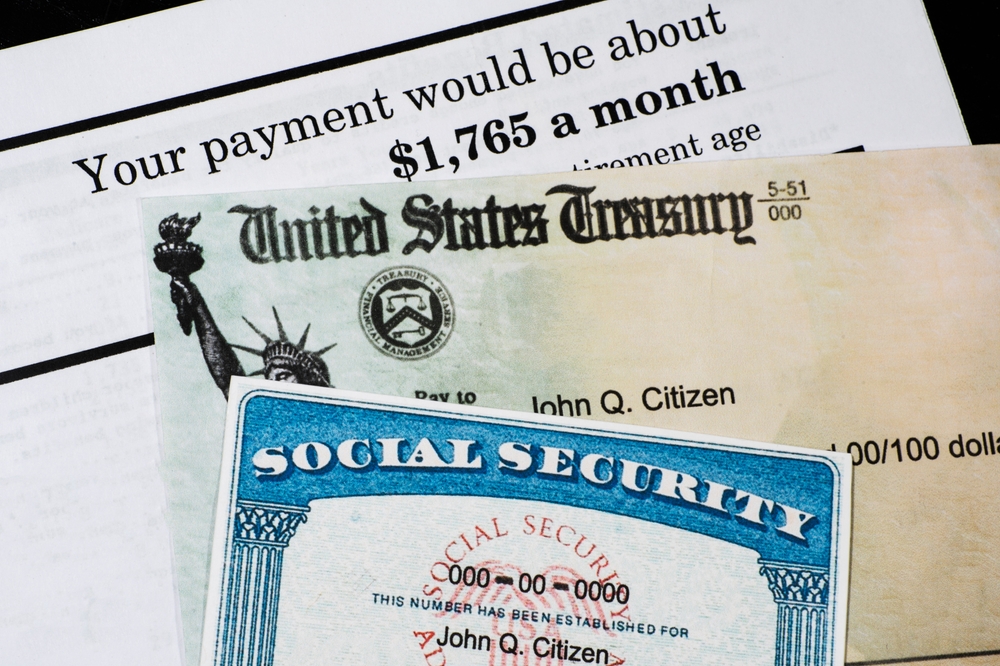
Boomers assumed benefits would handle most retirement needs. Many found out otherwise. Social Security helped, but it worked best as a supplement—not the entire strategy for covering decades of living expenses.
 Rix Pix Photography, Shutterstock
Renting Forever Wasn’t the Goal
Boomers warned about renting long-term—not because ownership is mandatory, but because building no assets leaves people vulnerable later. Millennials renting longer are now facing that same tradeoff, often without a clear alternative.

“I’ll Fix It Later” Caused the Most Damage
Boomers don’t regret every mistake. They regret waiting. Waiting to save. Waiting to learn. Waiting to adjust. Delay—not bad decisions—did the most lasting financial damage.

The Warnings Were About Regret—Not Judgment
Boomers weren’t trying to sound superior or out of touch. They were reacting to experience. The advice came from mistakes that were expensive, stressful, and very human—even if they didn’t always explain it well.

Millennials Are Learning These Lessons Faster
Higher costs and less stability mean mistakes show up sooner now. That’s the downside. The upside? Awareness earlier in life still changes outcomes dramatically—if action follows.

Listening Now Still Makes a Difference
You don’t need perfection—you need momentum. Small, imperfect changes compound into real flexibility over time. You can’t rewind the past, but you can absolutely change what happens next.

You Might Also Like: