
Why does this keep happening?
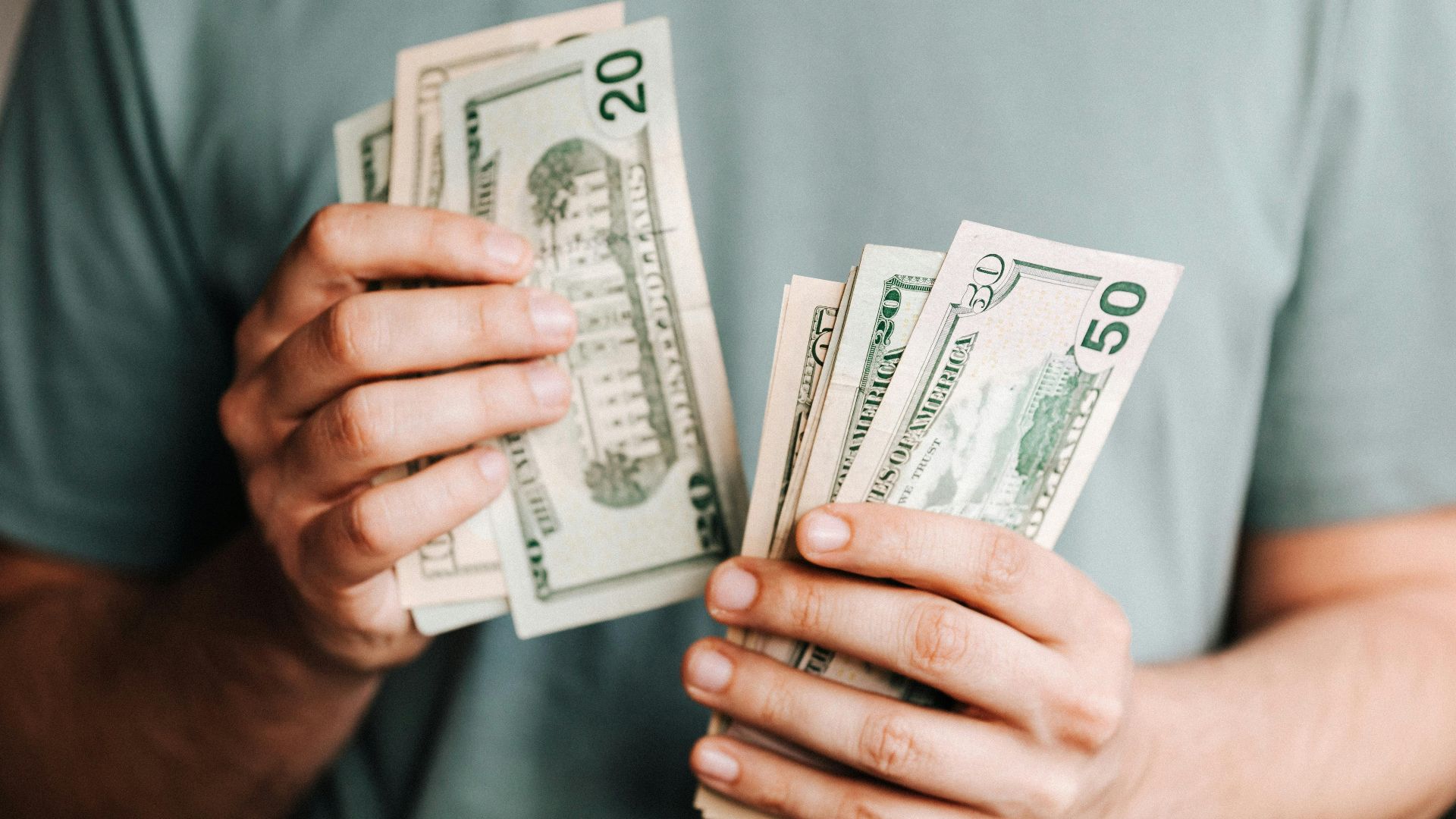
Every time you go to the bank, you walk out with crisp $50s or $100s. Then you try to use one at a store, and suddenly it’s a problem. “Sorry, we don’t take big bills.” If they’re real money… why won’t anyone take them? And if no one will, why does the bank keep giving them to me?

Yes, they’re still legal tender
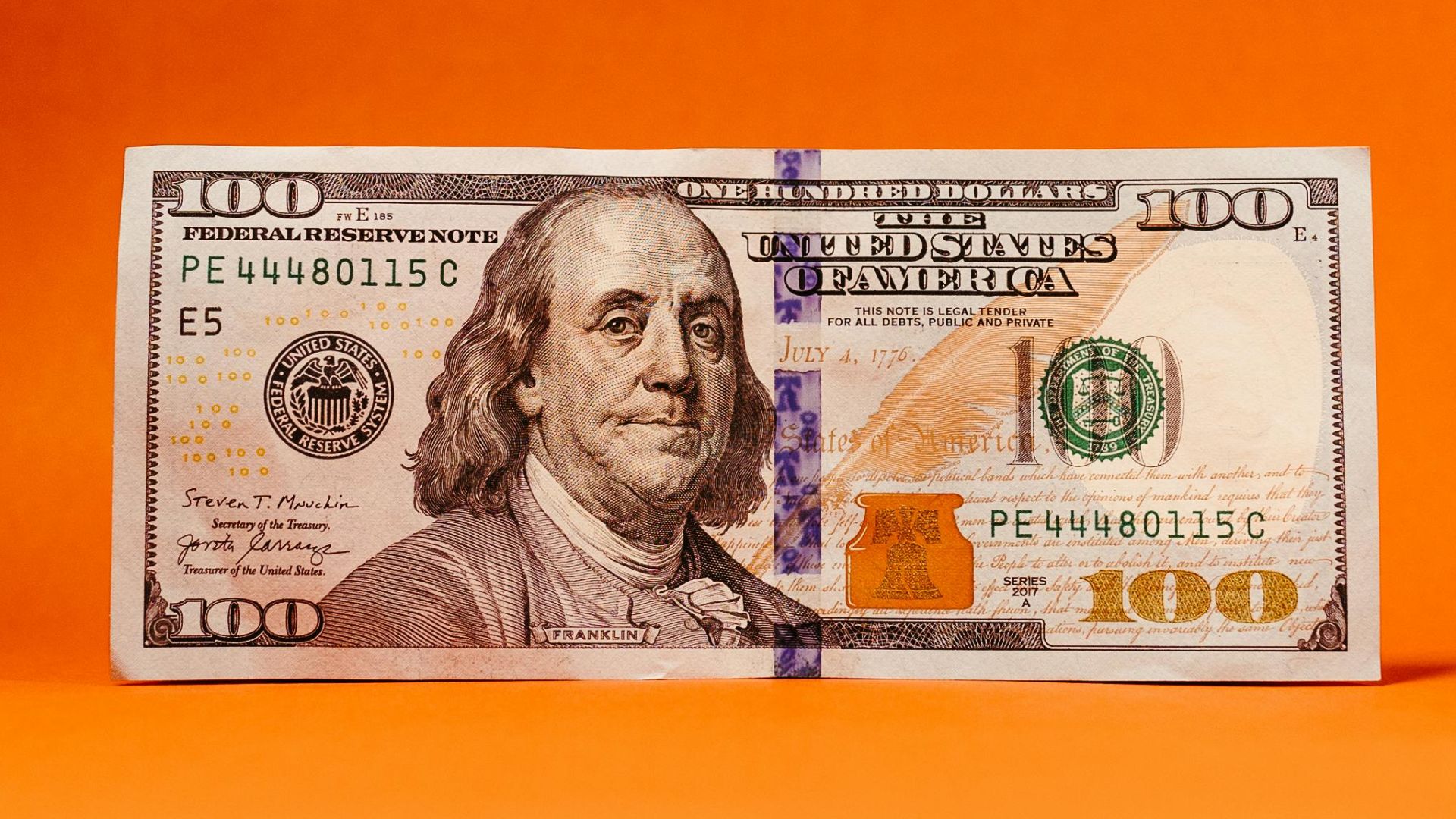
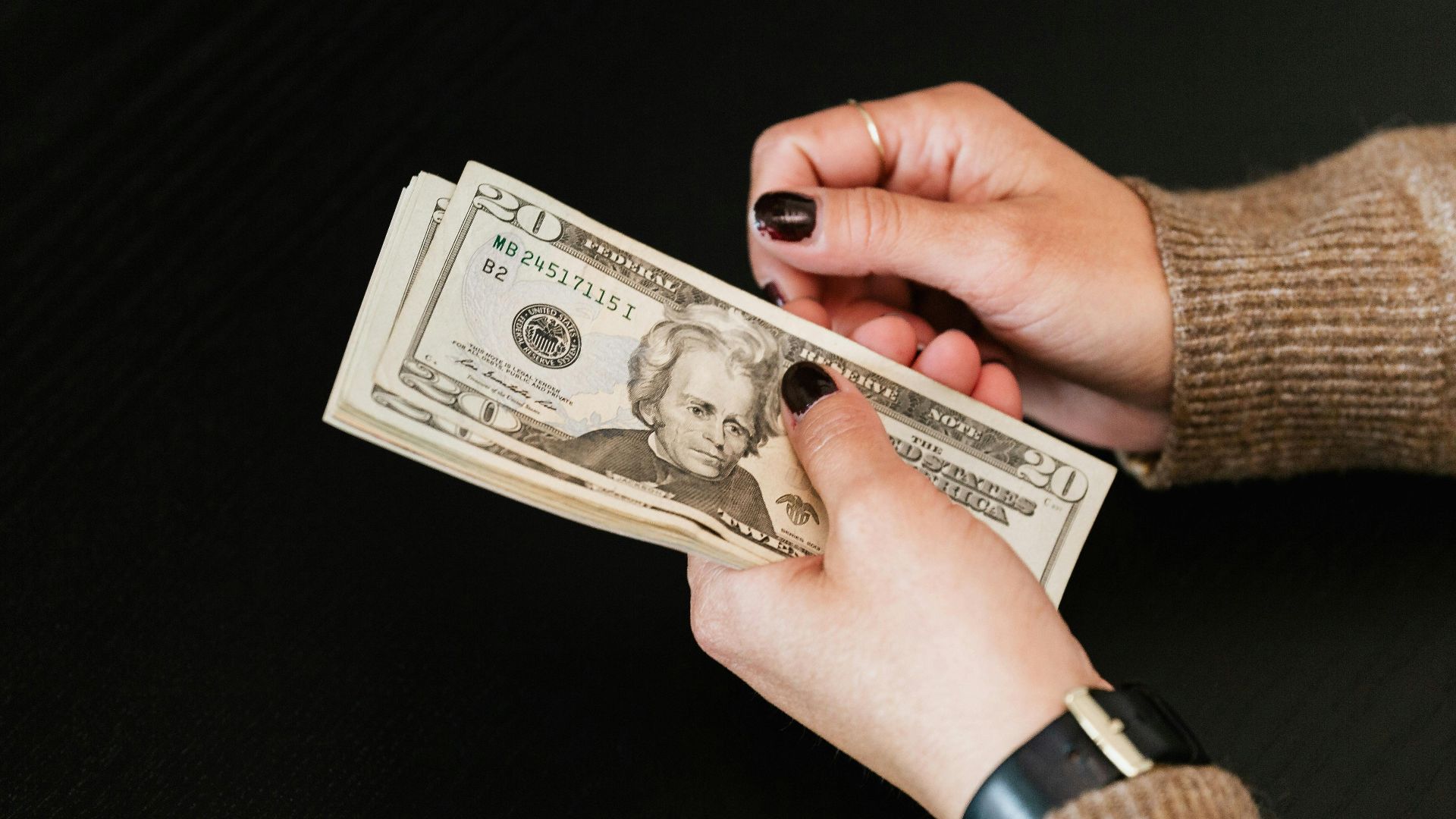
First things first—$50 and $100 bills are absolutely legal tender in the United States. That means they’re valid for paying debts. They haven’t been discontinued, and they aren’t rare. Banks aren’t doing anything wrong by giving them out.
But legal tender doesn’t mean mandatory
Here’s the frustrating part: private businesses generally aren’t required to accept every form of cash. Unless there’s a specific state or local law saying otherwise, stores can set their own payment policies—including refusing large bills.
Why stores hesitate in the first place
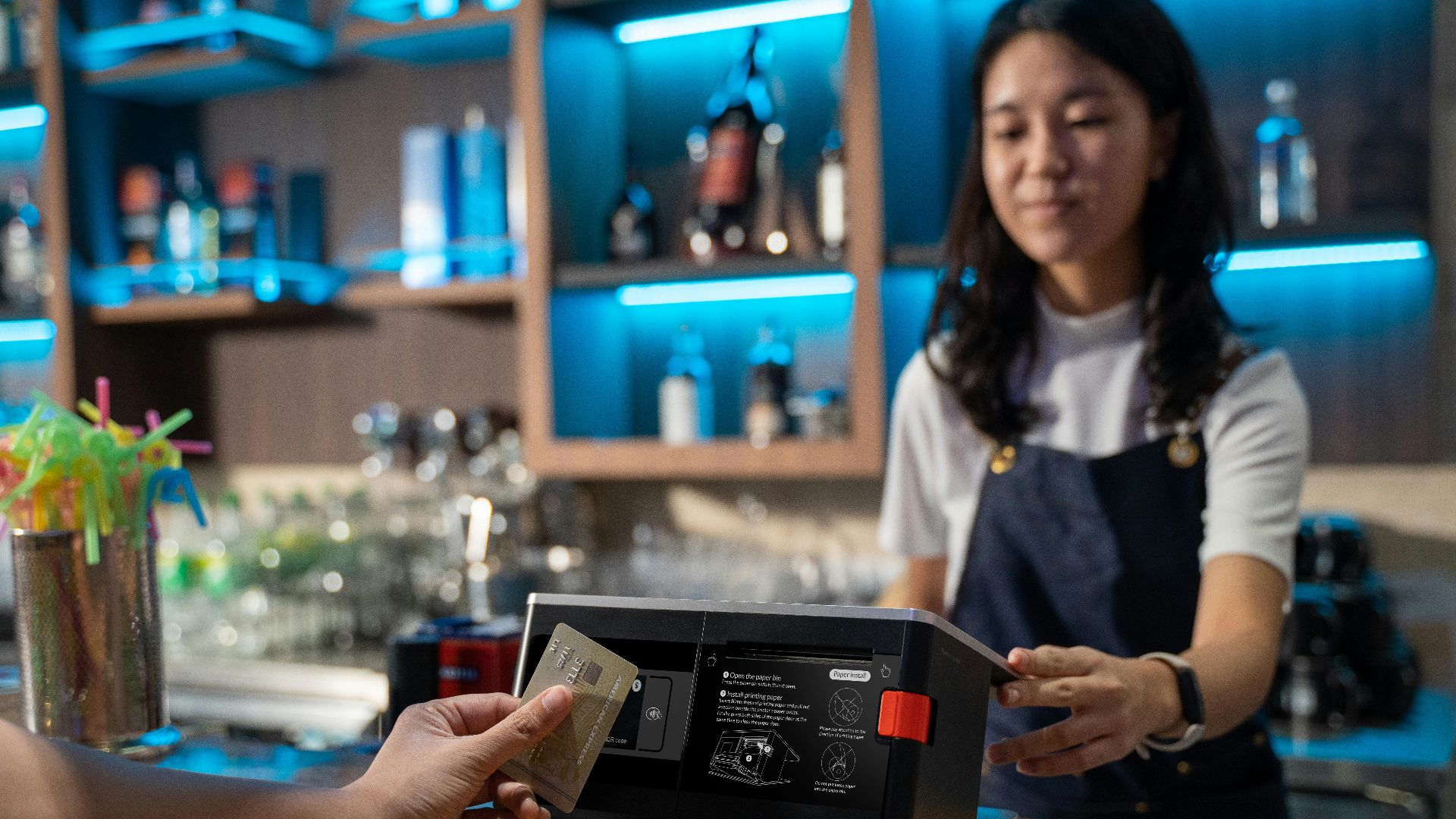
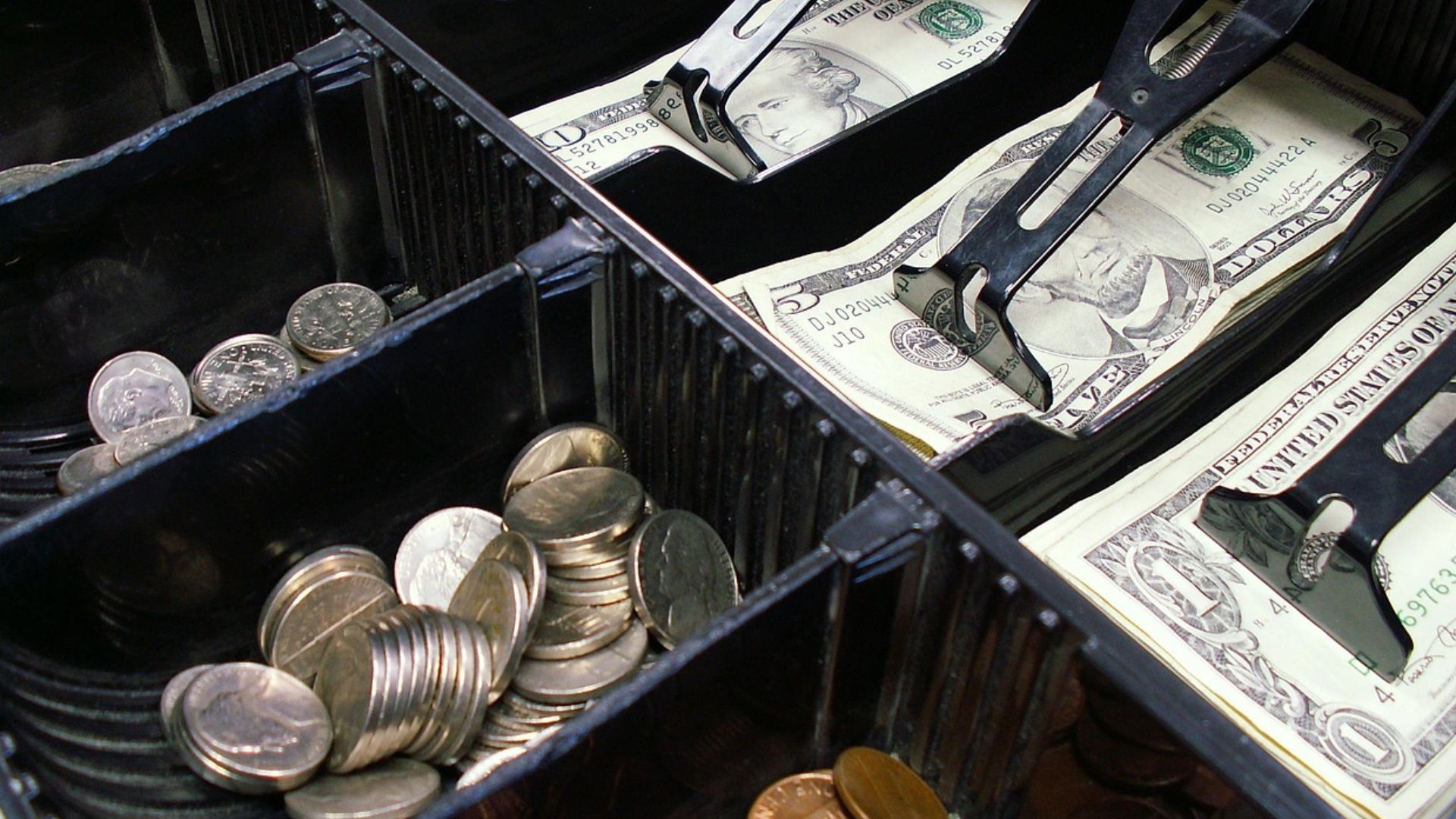
For many small businesses, large bills create real logistical problems. A single $100 purchase early in the day can wipe out most of the change in the register. That’s a big headache when margins are tight.
Counterfeit fears are real
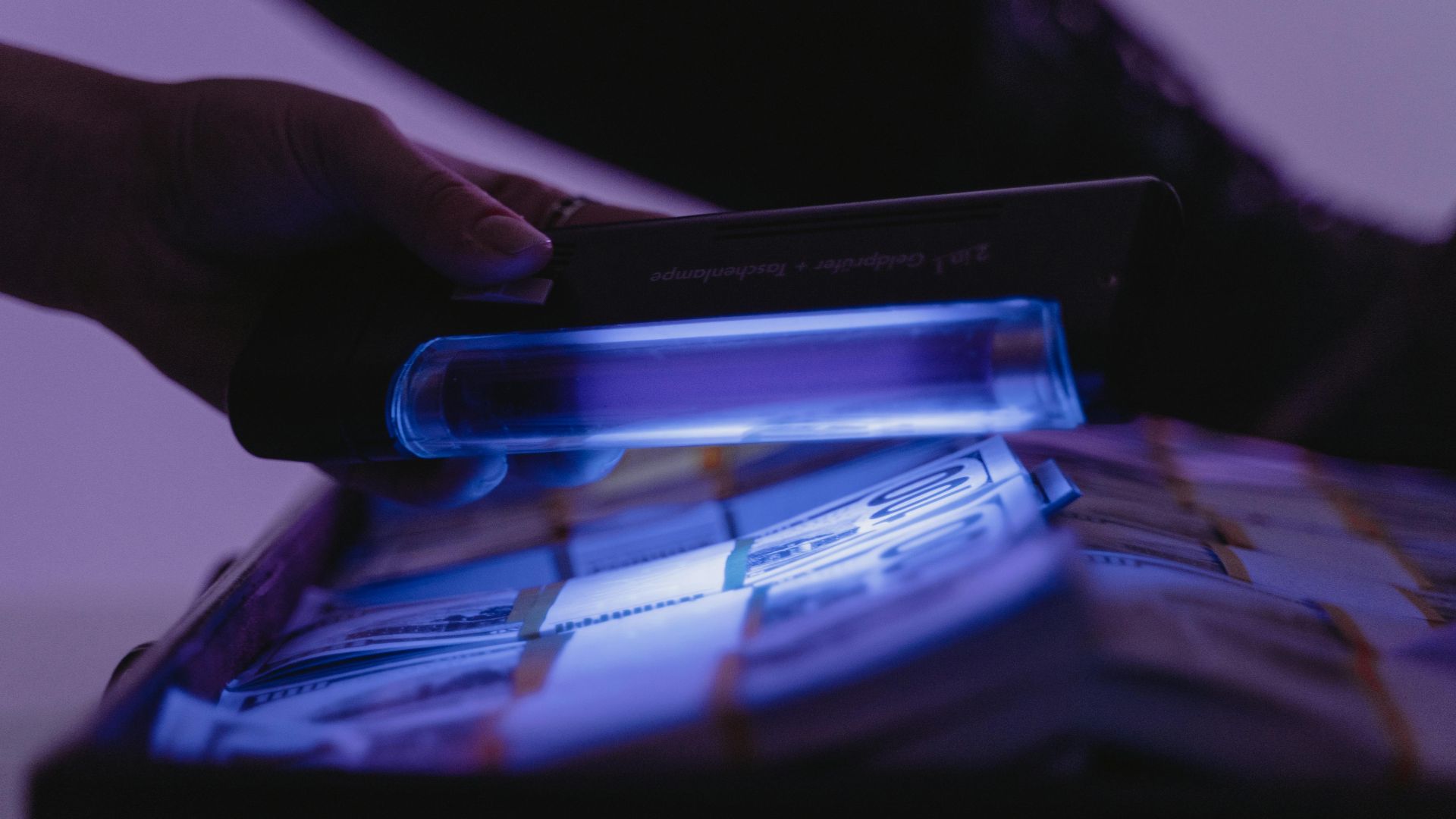
Another major reason? Counterfeiting. Higher-denomination bills are more likely to be faked than $5s or $10s. The U.S. Secret Service estimates that counterfeit currency represents only a tiny fraction of bills in circulation—roughly a few tens of millions of dollars annually—but $100 bills are the most commonly counterfeited denomination by face value.
It’s about cash flow, too
Small retailers often start the day with limited change—sometimes just $100 to $200 total in the drawer. Breaking one $100 bill could leave them unable to serve the next few customers. That’s not great for business.
Banks operate differently
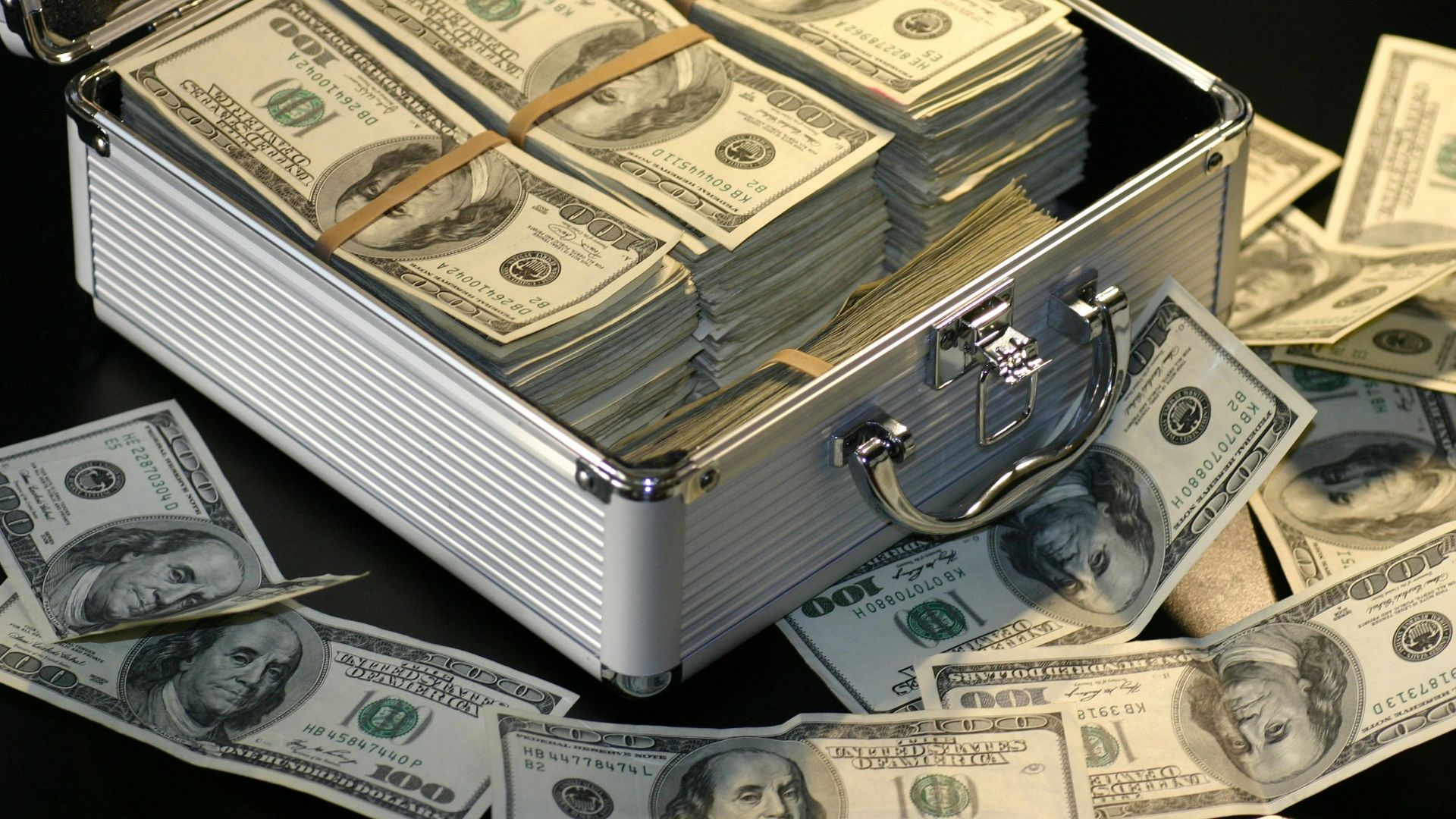
Banks don’t have that same problem. They have vaults full of mixed denominations and can easily break large bills. In fact, the total value of U.S. currency in circulation now exceeds $2 trillion, and $100 bills make up the majority of that value. To banks, handing out larger bills is efficient—fewer notes to count and store.
It’s also about supply
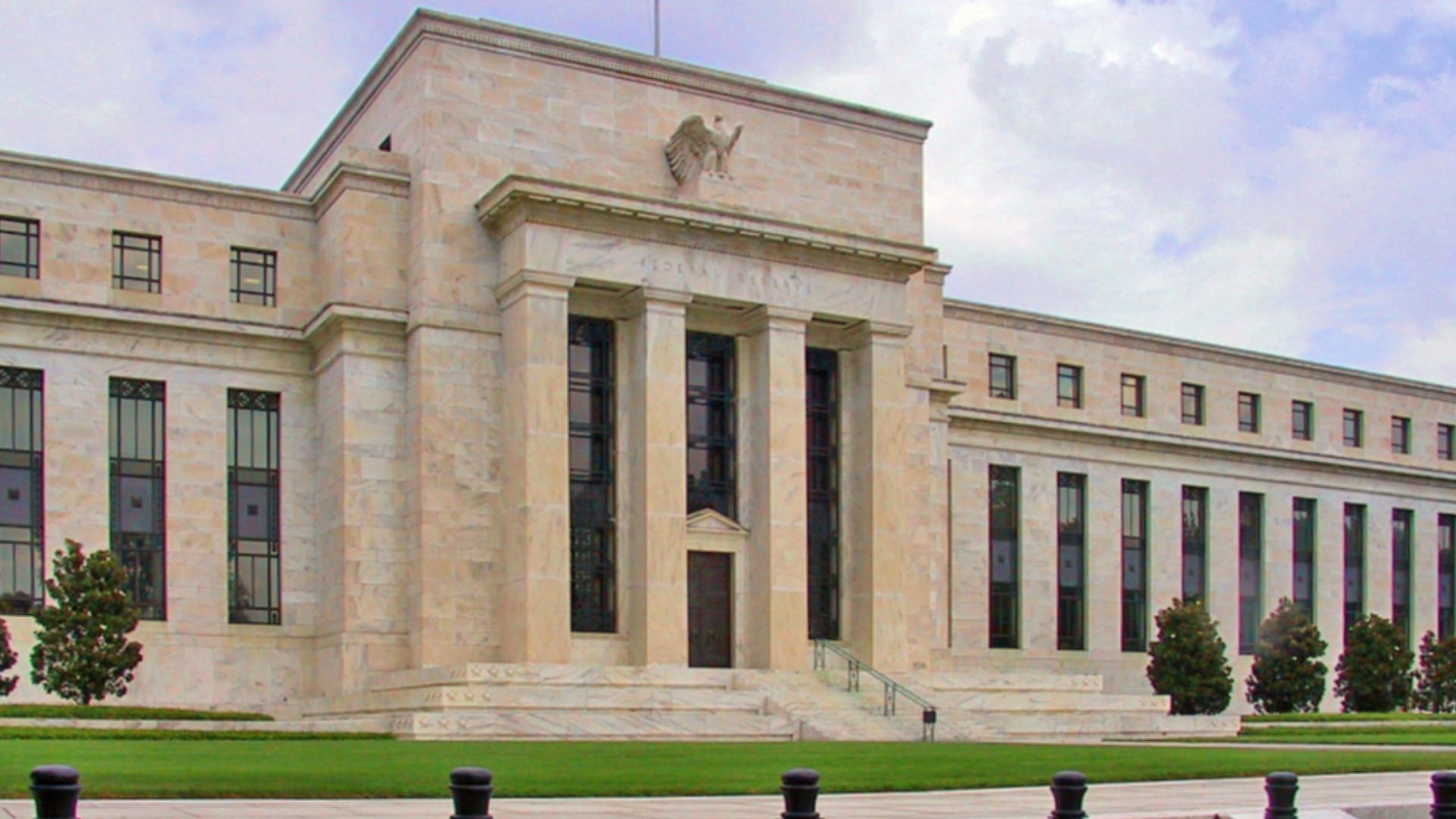
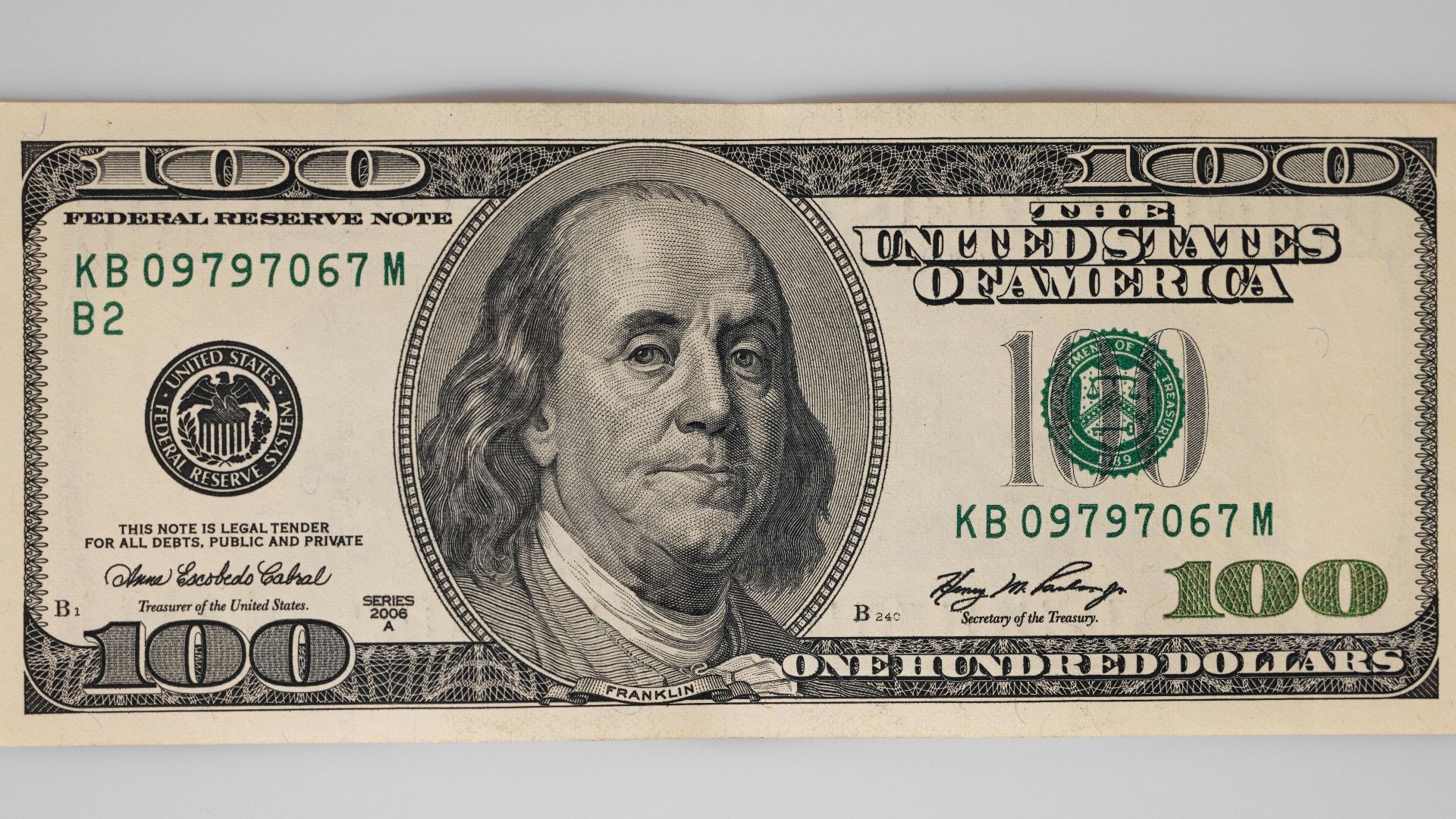
There are simply a lot of $100 bills in circulation. In fact, $100 bills make up the largest share of U.S. currency by value. As of recent Federal Reserve data, more than 18 billion $100 bills are in circulation—accounting for well over 70% of the total value of all U.S. paper money.
Large bills are popular globally
Another wrinkle—many $100 bills circulate outside the U.S. The Federal Reserve estimates that a substantial share—often cited at around 40% to 50%—of U.S. currency is held overseas. $100 bills are widely used globally as a stable store of value.
The digital payment shift
Cash use has declined significantly over the past decade. According to Federal Reserve payment studies, cash accounted for around 30% of consumer payments in 2017, but that has fallen closer to about 16%–18% in recent years. So when someone pays with a $100 bill for a $12 purchase, it feels unusual—even suspicious—to some retailers.
Fraud policies are tightening
Some chains have formal policies against accepting $50s or $100s for small transactions. It’s not personal—it’s risk management. Training employees to verify large bills properly takes time and money.

Early morning problem
You’re most likely to get turned away early in the day. Registers haven’t built up change yet. By late afternoon, businesses are often more flexible because they’ve accumulated smaller bills from earlier sales.

Gas stations and convenience stores
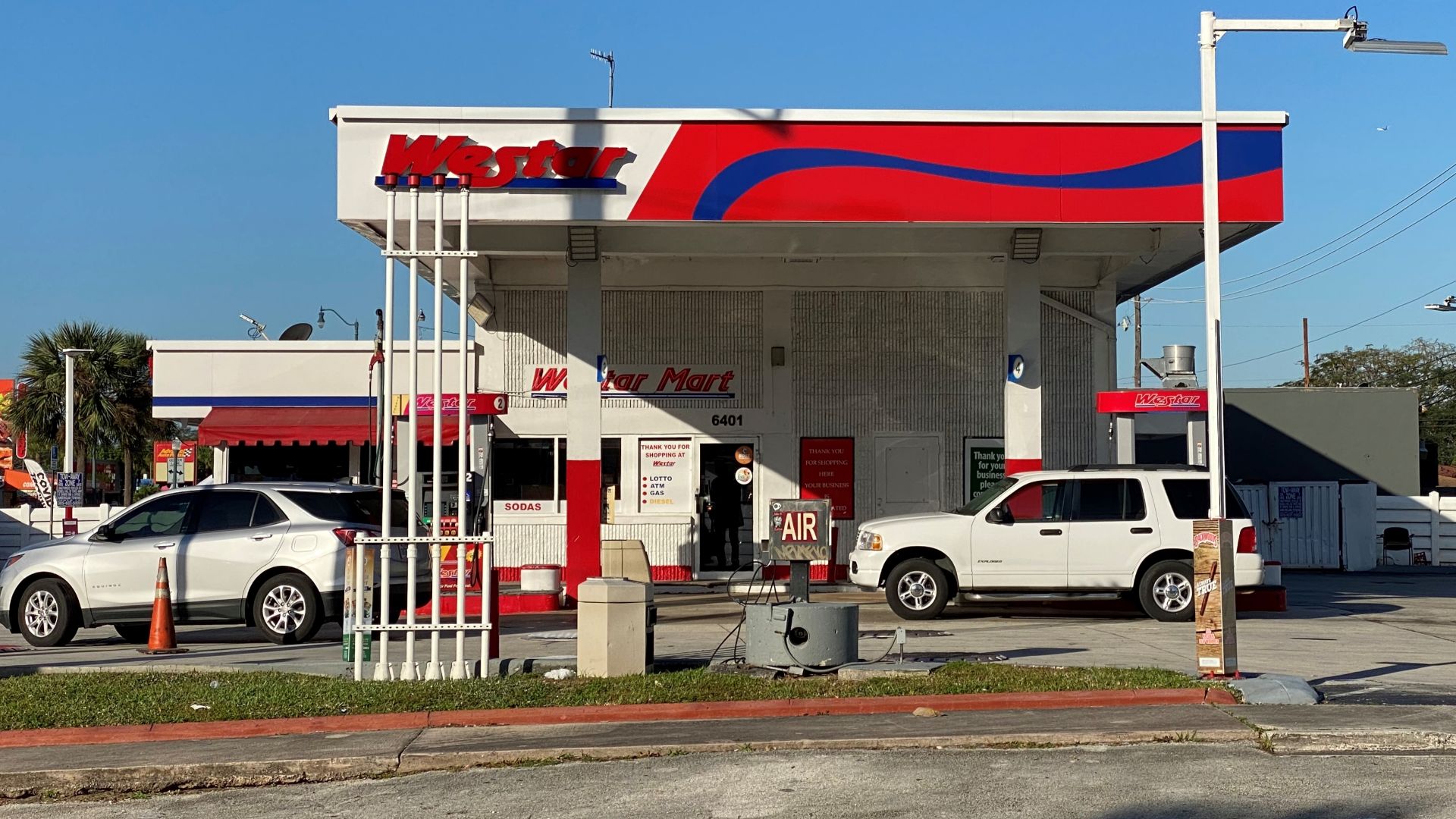
These businesses are especially strict. High traffic, lower-priced items, and robbery risks make them cautious about large denominations. Some even post signs clearly stating they won’t accept $50 or $100 bills.
 Phillip Pessar, Wikimedia Commons
So why don’t banks ask first?
Honestly? Efficiency. If you withdraw $300, three $100 bills are easier to hand over than a stack of $20s. Unless you request specific denominations, many tellers default to larger bills.
You can absolutely request smaller bills
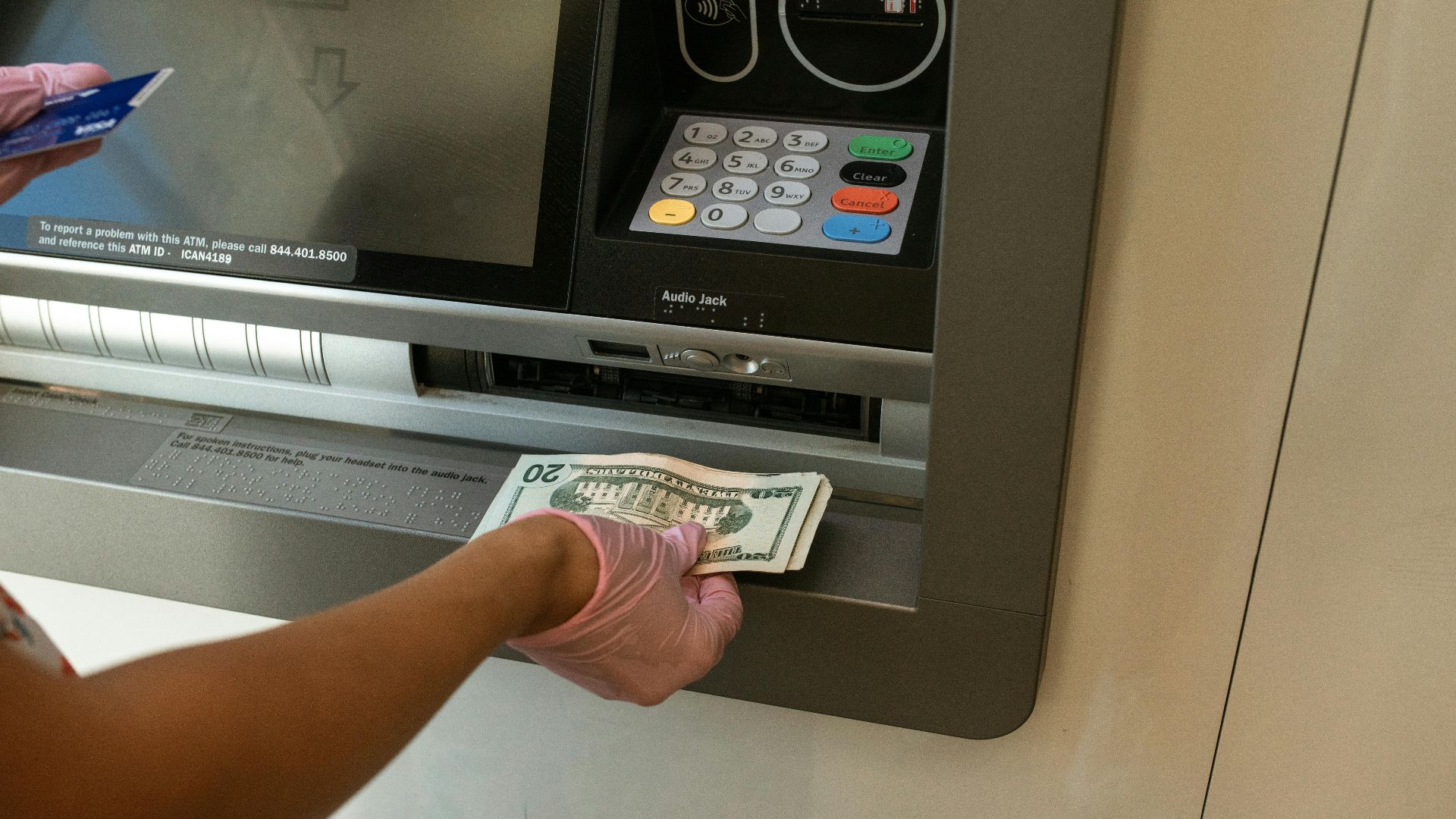
This is the part I wish more people realized—you can just ask. Tell the teller you’d prefer $20s or a mix of smaller denominations. They’ll almost always accommodate you without hesitation.

ATMs play a role, too
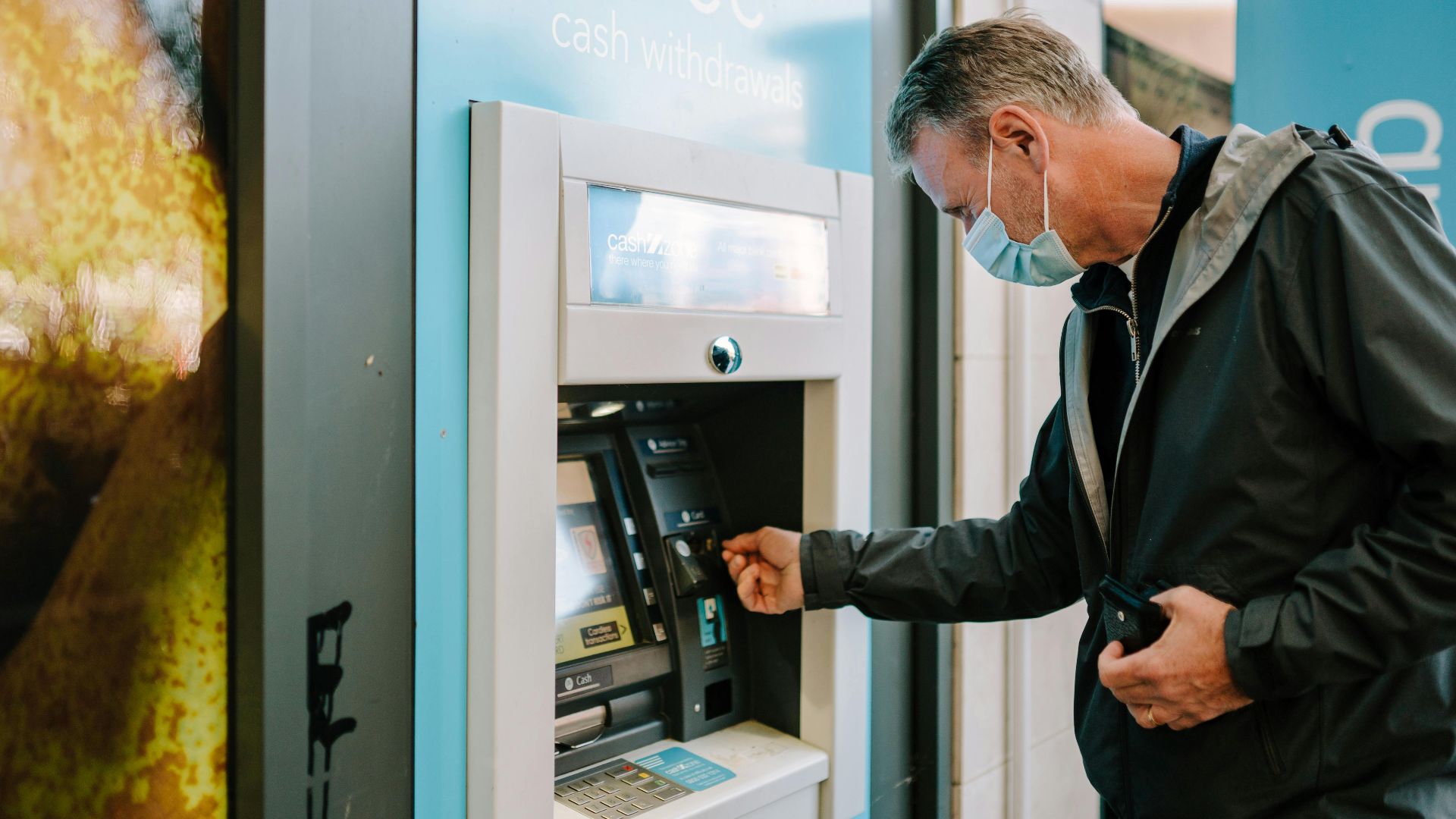
Many ATMs primarily dispense $20s, but some now offer $50s and even $100s. Banks load machines based on demand and efficiency. Larger bills mean fewer reloads and lower operational costs.
 Centre for Ageing Better, Pexels
Is this a new trend?
Not really—but it feels more noticeable now. As fewer people use cash overall, large bills stand out more. A $100 bill used to be common for bigger purchases. Now, even mid-sized purchases happen by card.
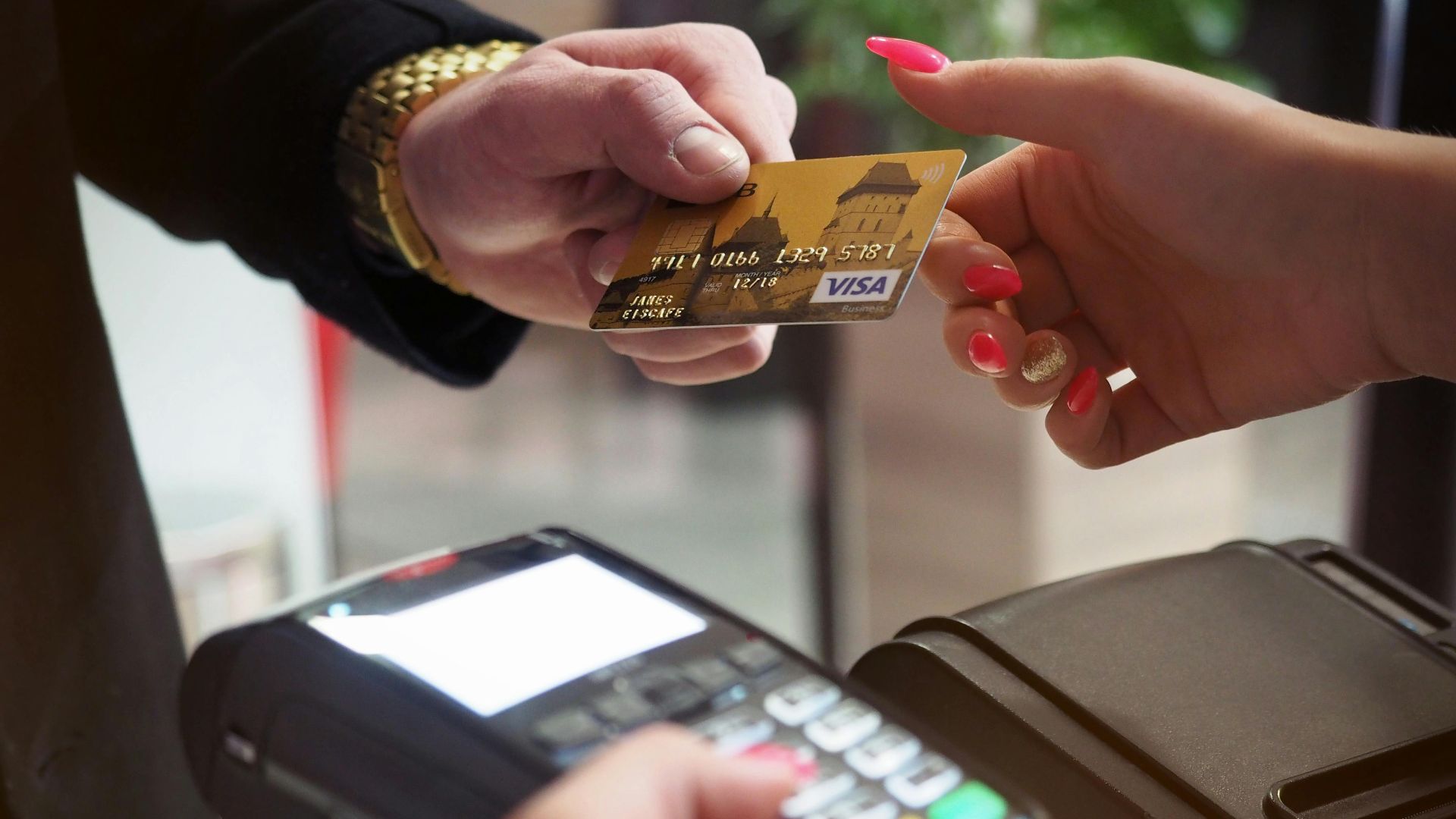
Are stores allowed to refuse cash entirely?
In some places, yes. Federal law doesn’t require private businesses to accept cash for purchases. However, a growing number of cities and states have passed cashless ban laws requiring stores to accept cash.
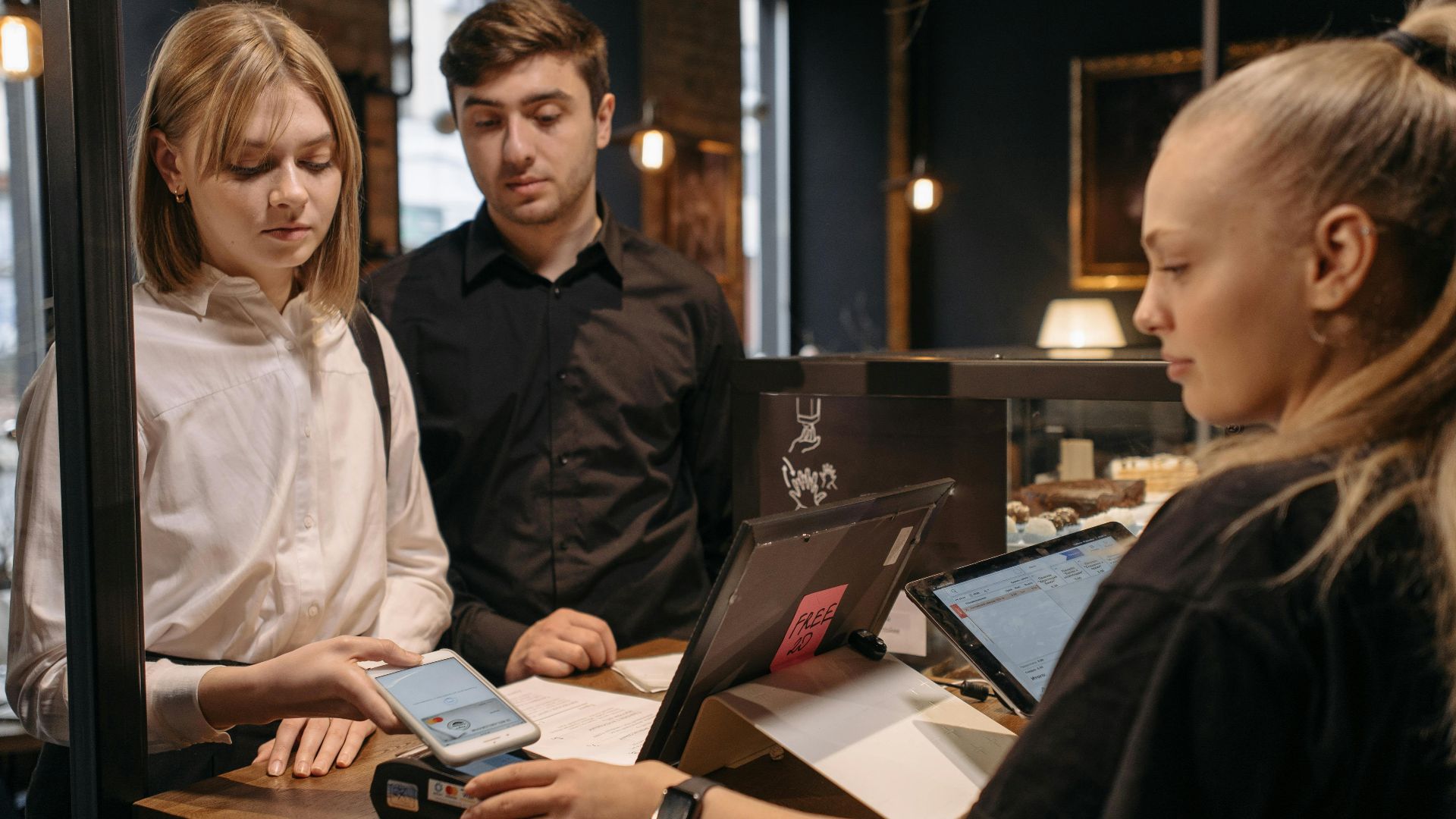
It’s a weird middle ground
So here we are—banks distribute large bills because it’s practical. Stores avoid them because it’s practical. And customers end up stuck in the middle, feeling like perfectly good money isn’t welcome.

How to avoid the frustration
If you’re planning to use cash for small purchases, ask for $20s or smaller at the bank. If you already have large bills, use them at bigger retailers, grocery stores, or during larger transactions.
The bottom line
$50 and $100 bills aren’t going anywhere. They’re legal, common, and widely circulated. But in a world moving toward cards and digital payments, they’ve become inconvenient in everyday settings—even if they’re still perfectly valid money.
You Might Also Like:
I traded in a paid-off car for a $45K loan. Can I undo this mistake?