
A "Laissez Faire" Attitude
You are concerned because an attorney, who is not a specialist in estate planning, advised your retired parents that they don’t need a will. That advice may sound reassuring at first, but it can also be a source of confusion. Estate planning involves more than a quick answer, and there’s no doubt that skipping a will without understanding the full consequences of that decision can create significant stress, delay, and expense for heirs later.
 Carlos Barquero, Shutterstock, Factinate
What A Will Actually Does
A will is a legally binding document that outlines exactly how you want your assets distributed after your death and who you want to be responsible for carrying out those wishes. Without one, your estate will be divided according to your state’s intestacy laws. That means that the government’s legal formula will then decide who inherits, regardless of what you may have wanted privately.

Why Some Lawyers Might Say “No Will”
Some attorneys, especially those who aren’t estate planning specialists, may suggest that a will isn’t entirely necessary if your assets seem straightforward or are likely to pass on to close family members anyway. But this more-or-less reasonable advice can oversimplify the situation. Estate law is nuanced, and failing to take into account all the contingencies can leave families exposed to unnecessary complications.
 PeopleImages.com, Yuri A., Shutterstock
Intestate Succession Is The Default
If someone dies without a will, they are considered to have died intestate. In that case, the state’s intestacy statutes decide how the estate’s assets are distributed. These rules generally prioritize spouses and children, but blended families, second marriages, or estranged heirs can cause problem that many people don’t expect.

Probate Can Still Happen Without A Will
One common misconception is that not having a will means you avoid probate. That is incorrect. If assets are solely in the deceased person’s name and they don’t have any designated beneficiaries, the estate still has to go through probate court. The difference is simply that the court follows the statutory rules of probate instead of the written instructions contained in a will.
When “No Will” Might Make Sense
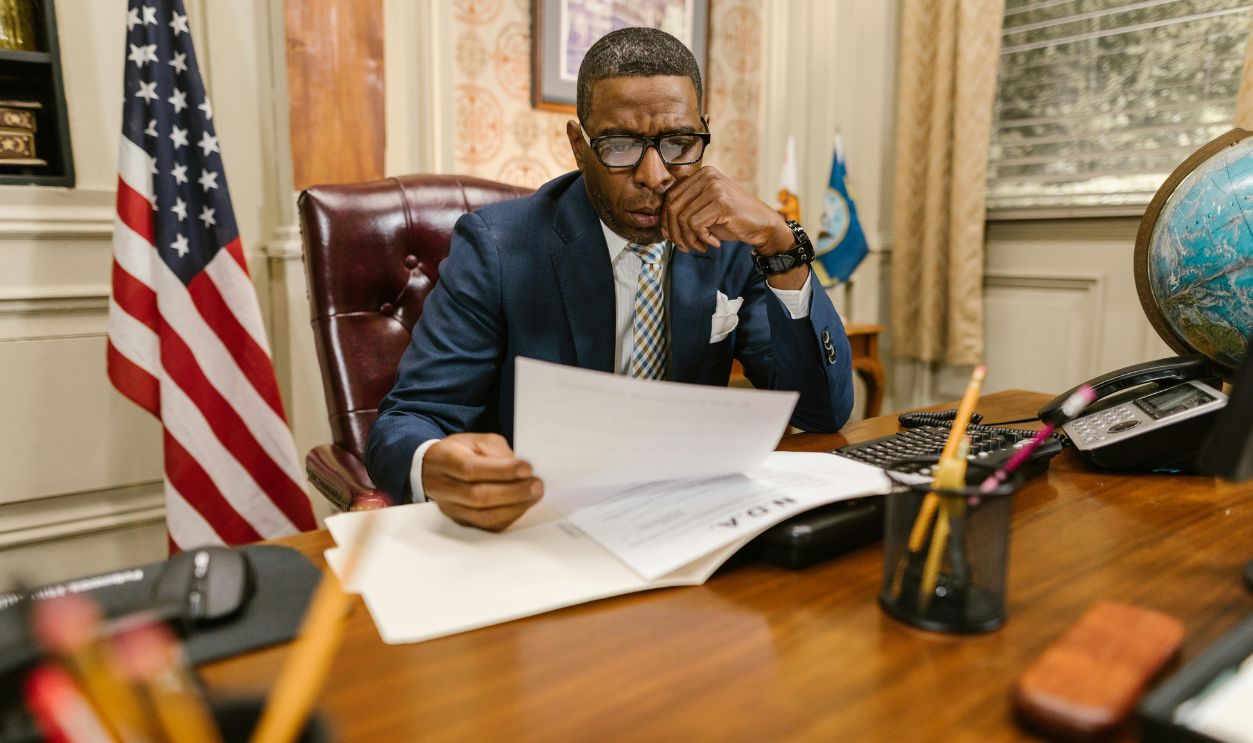
There are some limited circumstances where an attorney might reasonably suggest that a traditional will isn’t strictly necessary. For example, if nearly all assets are held jointly with rights of survivorship or have clear beneficiary designations, there might not be much left to distribute through a will. But even then, careful review is essential.
Beneficiary Designations Can Bypass Probate
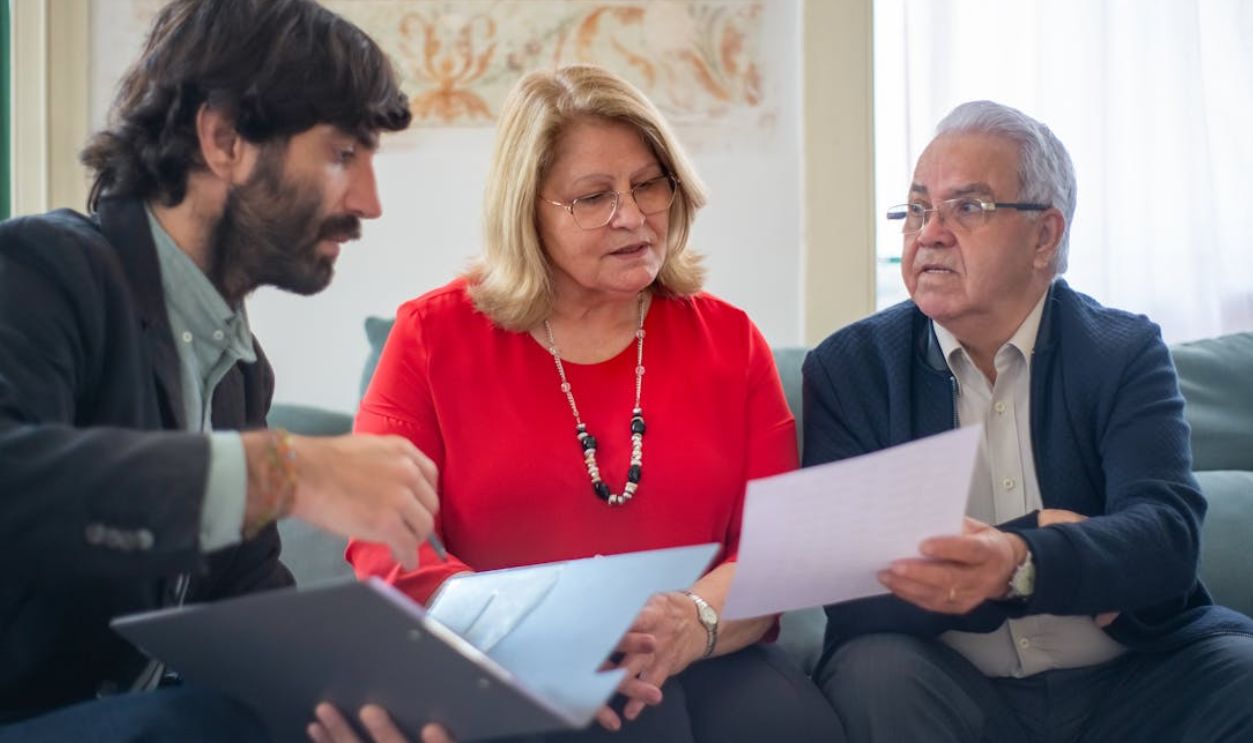
Certain financial accounts, like retirement plans, life insurance policies, and payable-on-death bank accounts, transfer automatically to named beneficiaries upon death. When beneficiary designations are properly updated and coordinated, those assets bypass probate completely. But keep in mind that this strategy only works if the designations are accurate, up to date, and comprehensive.

TOD Deeds On Property Can Also Help
Some states allow transfer-on-death deeds, which permit real estate to pass directly to a named individual outside probate. This tool can simplify property transfers in certain situations. Still, these deeds must be correctly executed and recorded, and they only address the specific property listed, not the rest of the estate.

Estate Planning Is More Than Just A Will
Comprehensive estate planning typically includes powers of attorney, health care directives, trusts, and coordinated beneficiary designations. A will is only one part of your broader plan. An attorney who is unfamiliar with the holistic nature of estate design may focus too narrowly on the immediate technical issue of whether a will is absolutely necessary as opposed to the larger issue of what estate plan best fits the family’s needs.

A Non-Specialist Lawyer May Miss Key Details
General practice attorneys may handle a variety of legal matters but not concentrate deeply in estate planning. As a result, they may overlook complex tax implications, family dynamics, or potential conflicts. Consulting a specialist ensures that advice accounts for subtle but important details that can significantly affect heirs later.

Probate Costs And Time Can Add Up
Probate can involve court filings, legal fees, executor commissions, and administrative costs. Even in relatively simple estates, the process can take months, and complicated estates may take much longer. Without a will providing clear direction, probate may become more time-consuming, increasing stress on grieving family members.

Disagreements Among Heirs Can Grow
When there is no will spelling out your intentions, family members may interpret fairness differently. Even small estates can become contentious if expectations do not align. A written will reduces ambiguity and helps prevent misunderstandings that might otherwise damage relationships during an already emotional time.
 Daniel Laflor/peopleimages.com
A Will Protects Minor Children
One of the most important roles of a will is naming guardians for minor children. If parents die without a will, a court appoints guardians based on what it determines to be in the child’s best interest. That process may not reflect the parents’ personal preferences or family relationships.

Having A Will Doesn’t Prevent Probate
While a will doesn’t eliminate probate, it makes the process a lot more orderly. The court validates the will and appoints an executor to carry out the deceased’s instructions. Without a will, the court has to appoint an administrator and settle the estate through statutory distribution formulas, which can create delays.
 Kaspars Grinvalds, Shutterstock
Trusts Are Another Strategy
In some situations, a revocable living trust may be advisable instead of, or alongside, a will. Trusts can help certain assets avoid probate if properly funded. But you should be aware that trusts require ongoing attention, proper asset transfers, and careful drafting. They aren’t automatically simpler than a will.

Poor Advice Can Cause Confusion
When someone hears “you don’t need a will,” they may interpret it as “you don’t need estate planning.” That’s a total misunderstanding that can leave families totally unprepared. Clarifying what the attorney really meant here is critical, because alternative planning tools require proper setup and ongoing maintenance.

Online Will Tools Are Far From Perfect
Some people draft their will using online templates in order to save money. While this may be more convenient, those tools don’t always adequately address state-specific requirements or complex family circumstances. Improperly drafted documents can create more legal challenges down the road, especially if they don’t have the required formalities or contain ambiguous language.

Estate Law Varies By State
Intestacy rules, probate procedures, and estate tax thresholds vary from one state to the next. Advice that may be applicable in one jurisdiction might not apply elsewhere. That variability underscores the importance of consulting someone knowledgeable about the specific laws governing your own state.

Your Heirs Benefit From Clear Decisions
Clear, documented instructions remove uncertainty and make administration much easier for your loved ones. When decisions are written down, family members are far less prone to squabbling over exact sums, or arguing about fairness. A straightforward will can create peace of mind for both the person doing planning and the people left behind.

When To Seek A Specialist
If an attorney recommends skipping a will and you don’t have much confidence in that advice, think about going to an estate planning specialist. A second opinion can either confirm that the strategy makes sense or turn up gaps that need attention. Given the long-term consequences, professional clarity is often well worth the effort.
 Jacob Wackerhausen, Getty Images
Peace Of Mind Is Worth It
Ultimately, estate planning is about minimizing stress for the people you care about. Even if state laws would eventually distribute assets as you expect them to, formal planning removes delays, confusion, and administrative burden. In most situations, thoughtful thorough preparation will give the reassurance that your wishes will be honored responsibly.

Wills Aren’t One-Size-Fits-All
While a will might not be the ideal tool in every scenario, it serves as a foundational safeguard for many households. The real question isn’t about whether a will is universally required, but whether your overall estate plan clearly directs assets, protects beneficiaries the way you want it to, while minimizing unnecessary complications.

You May Also Like: