
The Job Sounds Simple Until It’s Yours
Being named executor can feel like a big honor at first. Then you realize it comes with paperwork, deadlines, family questions, bank calls, court forms, taxes, and a whole lot of responsibility. The good news is that you do not have to magically know how to do everything right away.

Start By Understanding The Role
An executor is the person named in a will to help carry out someone’s final wishes. That usually means finding assets, paying debts, handling taxes, and distributing what is left to the people named in the will. It is less glamorous than it sounds, but it is important.

You Are Not Expected To Be An Expert
Most people who become executors have never done it before. So if you feel overwhelmed, that does not mean you are doing anything wrong. It just means you have stepped into a role that comes with a learning curve.

You May Need Court Approval First
Being named in the will does not always mean you can immediately start acting on behalf of the estate. In many cases, the probate court has to officially appoint you first. Once that happens, you may receive documents showing that you are authorized to manage estate matters.

Find The Original Will
One of the first things to do is locate the original will. Courts often need the original version, not just a photocopy. You should also look for related documents, such as trust paperwork, account information, funeral instructions, or insurance policies.
Get Several Certificates
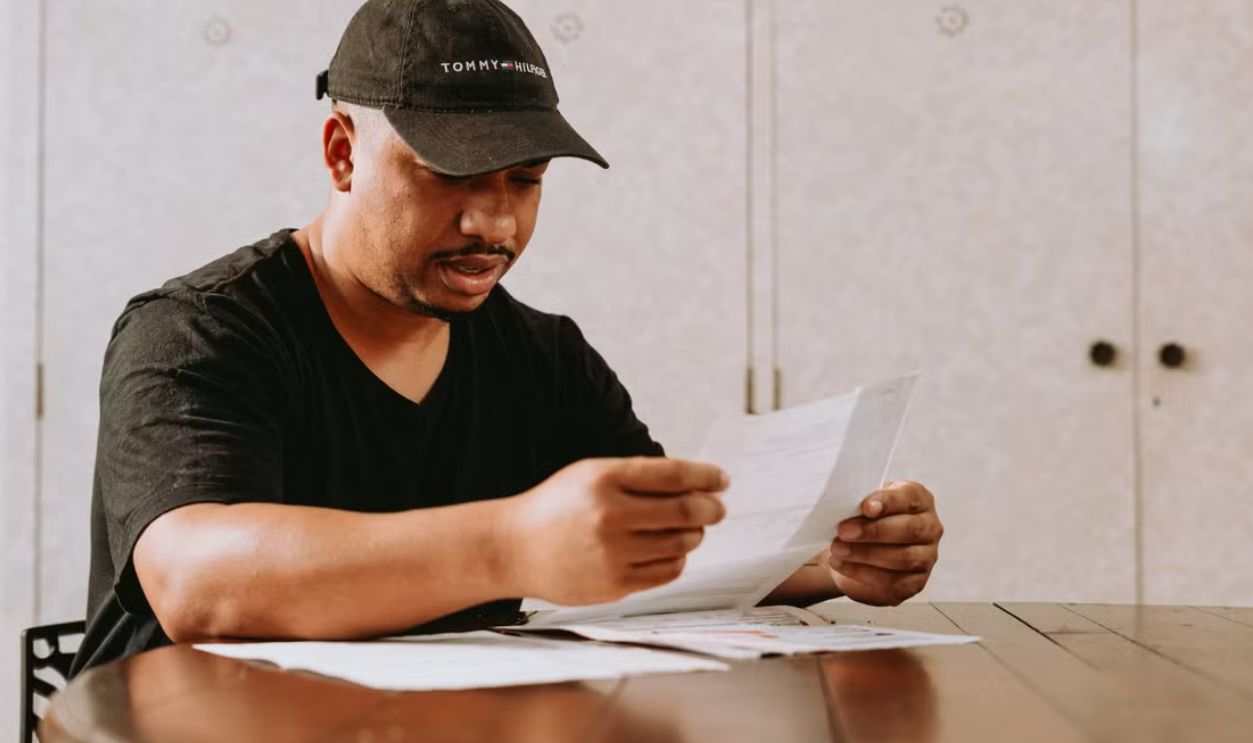
You will probably need certified death certificates for banks, insurance companies, government agencies, and financial institutions. Getting several copies early can save you from making the same request over and over. It is one of those small tasks that makes the bigger process easier.

Protect The Property
If the person owned a home, car, valuables, or other property, your job includes keeping those things safe. That could mean locking up the house, checking insurance coverage, collecting mail, or making sure nothing goes missing. Think of yourself as the temporary caretaker.

Make A List Of Assets
You will need to figure out what the estate actually includes. That might mean bank accounts, investments, real estate, vehicles, personal belongings, retirement accounts, or business interests. This part can take time, especially if the person was not very organized.

Keep Every Receipt
Good recordkeeping is your best friend here. Save receipts, statements, emails, letters, and notes from phone calls. If beneficiaries ask questions later, or if the court wants an accounting, you will be glad you kept everything organized.

Remember That You Have A Fiduciary Duty
As executor, you have to act in the best interests of the estate and its beneficiaries. That means you cannot treat estate money like your own money. You also cannot make decisions based on personal grudges, family pressure, or who is being the loudest.

Expect Some Family Tension
Even calm families can get tense when money, property, and grief are involved. People may disagree about timing, sentimental items, or what they think they deserve. Your job is not to keep everyone happy. Your job is to follow the will and the rules.

Notify The Right People
You may need to notify creditors, beneficiaries, financial institutions, government agencies, and sometimes the court. Creditors usually need a chance to make valid claims against the estate. Skipping this step can create problems later.

Open An Estate Bank Account
It is usually smart to keep estate money completely separate from your own. An estate bank account can be used to deposit estate funds and pay estate expenses. Mixing personal and estate money is a headache you absolutely do not want.

Do Not Hand Out Money Too Soon
It can be tempting to distribute money or property quickly, especially if beneficiaries are asking. But debts, taxes, funeral costs, court fees, and other expenses usually need to be handled first. Giving assets away too early can come back to bite you.

Taxes Still Matter
A final income tax return may need to be filed for the person who passed. The estate may also have its own tax responsibilities, depending on the situation. This is one area where getting professional help can be especially useful.

Probate Can Take A While
Estate administration is rarely instant. Probate can take months, and complicated estates can take longer. Delays can happen because of court schedules, missing documents, creditor claims, tax issues, or family disputes.

You Can Ask For Help
You do not have to do this alone. Probate lawyers, accountants, appraisers, financial advisors, and tax professionals can help with different parts of the process. Hiring help is not a failure. It is often the smart move.
You May Be Able To Get Paid
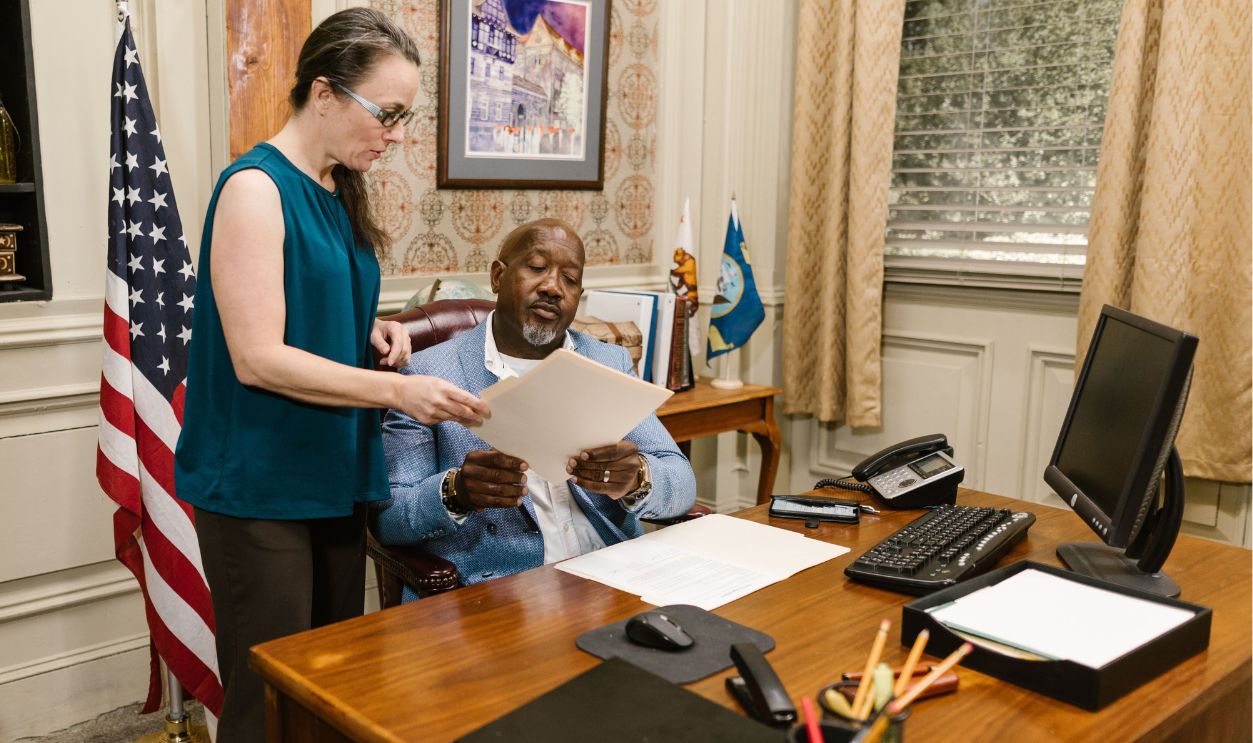
Executors are often allowed to receive reasonable compensation for their work. The exact rules depend on the will, the estate, and local law. Since the job can involve serious time and effort, it is worth checking what applies in your situation.

Being A Beneficiary Is Common
Many executors are also beneficiaries. That is not automatically a problem. But it does mean you need to be extra careful to treat everyone fairly and avoid decisions that look self-serving.

You Cannot Rewrite The Will
Your role is to carry out the will, not improve it, reinterpret it, or change it because someone complains. You cannot favor one person over another or use estate assets for personal reasons. The will and the law are your guideposts.

You Can Say No
Being named executor does not always mean you are forced to serve. If you have not formally accepted the role and feel unable to take it on, you may be able to decline. In that case, another qualified person may be appointed instead.

Take It One Step At A Time
The whole process feels intimidating when you look at it all at once. So do not. Start with the basics: find the will, secure the property, get certificates, gather records, and ask for help when you need it. You do not have to be perfect. You just have to be careful, organized, and honest.

You May Also Like: