The Mortgage Is Gone—So Why Does Retirement Still Feel Expensive?
Paying off the house before retirement feels like crossing the financial finish line. No more giant monthly mortgage payment should mean life gets much cheaper, right? It certainly helps. But retirees often discover that owning a home outright removes one bill while leaving an entire collection of others very much alive.
 yurakrasil, Adobe Stock Images
A Paid-Off House Is Not A Free House
This is the first surprise. Your lender may disappear, but property taxes, insurance, utilities, repairs, landscaping, pest control, and maintenance do not. In fact, some of those costs may rise as the house gets older. Mortgage-free is a wonderful position to be in, but it is not the same as housing-free.

Property Taxes Keep Showing Up
The deed may be completely yours, but your local government still expects property taxes every year. Depending on where you live, that can mean thousands of dollars annually. Some states and municipalities offer relief programs for older homeowners, but eligibility and savings vary widely.

Homeowners Insurance Can Become A Bigger Expense
Retirees sometimes build a budget using the insurance premium they were paying five or ten years ago. That can be a problem. Homeowners insurance costs have risen sharply in many parts of the country, particularly where storms, wildfires, flooding, or rebuilding costs have made coverage more expensive.

Your Roof Does Not Care That You Retired
A new roof can easily become one of the biggest surprise expenses of retirement. Unfortunately, roofs do not schedule their replacement around your retirement budget. The same goes for siding, windows, plumbing, electrical systems, foundations, and driveways. A paid-off home can still produce very large bills.

The HVAC System Will Eventually Want Attention
Heating and cooling equipment can last for years, which makes it easy to forget about it until something stops working. Replacing a furnace, air conditioner, or heat pump can become a major expense. Retirees who plan only for routine bills may be caught off guard by these infrequent but predictable replacements.
Appliances Have Their Own Retirement Schedule
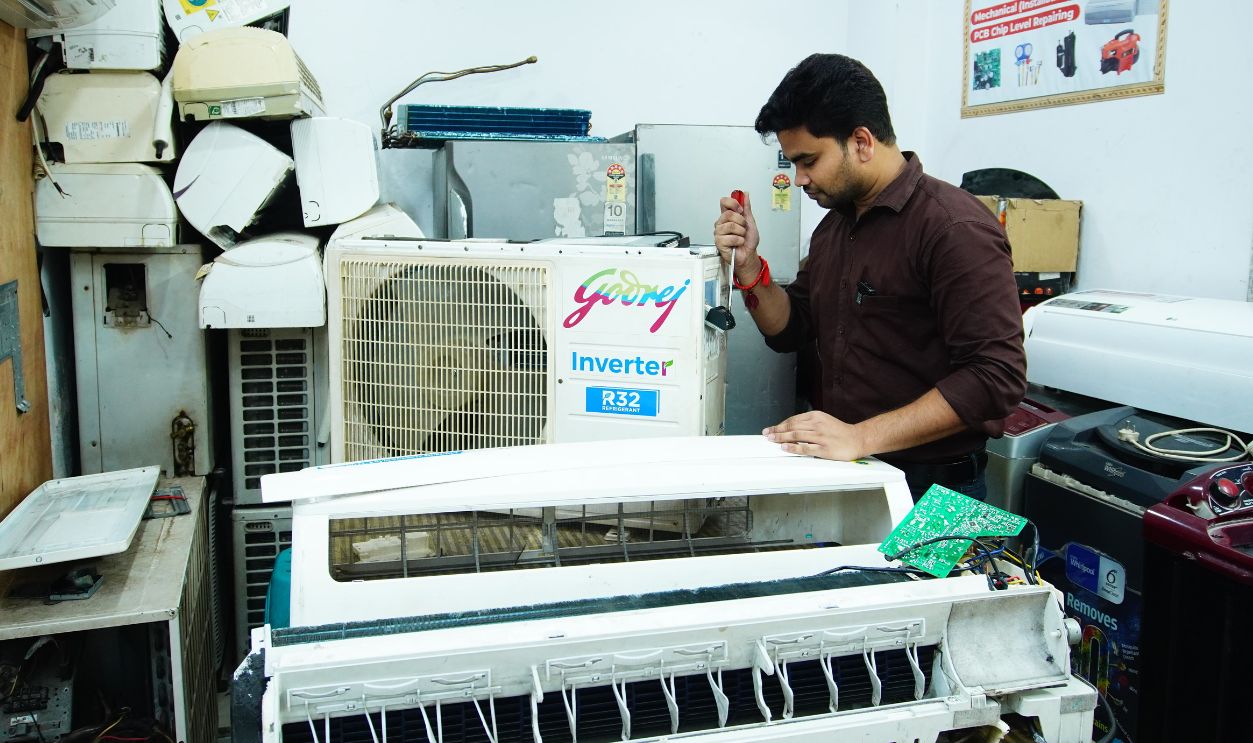
Your refrigerator, washer, dryer, stove, dishwasher, and water heater are aging right alongside you. They probably will not all fail at once, but over a 20- or 30-year retirement, several will likely need replacing. Setting aside money for home equipment can make those inevitable purchases much less painful.

Maintenance Gets Harder To Do Yourself
Tasks that once cost almost nothing because you handled them yourself may eventually require paid help. Lawn care, snow removal, gutter cleaning, painting, minor repairs, and heavy yard work can become difficult with age. Suddenly, maintaining the same house requires a much bigger service budget.

Utilities Do Not Disappear When Work Does
Electricity, natural gas, water, sewer, trash service, internet, and phone bills keep arriving every month. And if retirement means spending much more time at home, utility use may actually increase. Heating or cooling a large house all day can cost more than it did when everyone was away at work.

Homeowners Association Fees Can Keep Rising
If your home or condo belongs to a homeowners association, paying off the mortgage does nothing to eliminate those dues. Fees can increase as landscaping, insurance, labor, utilities, and repairs become more expensive. Condo owners can also face special assessments when major building work cannot be covered by reserves.

Aging In Place May Require Renovations
The house that worked perfectly at 55 may feel very different at 75 or 85. Stairs, narrow doorways, slippery bathrooms, and high cabinets can become real obstacles. Grab bars, walk-in showers, ramps, better lighting, first-floor bedrooms, and other accessibility improvements can add another layer to retirement housing costs.

Medicare Is Not Free Health Care
Many people reach 65 thinking Medicare will dramatically reduce their medical budget. It helps enormously, but retirees still face premiums, deductibles, copays, prescription costs, and services Medicare does not fully cover. In 2026, the standard Medicare Part B premium alone is around $200 per month for most beneficiaries.

Health Care Can Become One Of The Biggest Expenses
Recent retirement estimates suggest a 65-year-old retiring in 2026 could need roughly $185,500 for health care over retirement, depending on longevity, coverage, health, and location. That estimate does not include long-term care, which is one reason a mortgage-free home alone may not provide enough financial security.

Dental Bills Can Be A Shock
Routine dental work is easy to overlook while you have employer coverage. In retirement, fillings, crowns, implants, dentures, root canals, and periodontal treatment can become significant out-of-pocket costs. Original Medicare generally does not cover most routine dental care, so retirees need another plan for these expenses.

Vision And Hearing Expenses Can Grow Too
Glasses, eye exams, hearing tests, and hearing aids can become more important with age. Yet coverage varies widely depending on the health plan. These are exactly the kinds of expenses that rarely dominate a pre-retirement budget but can gradually become regular costs later in life.

Prescription Costs Can Change Quickly
Someone who takes one inexpensive medication at 65 may have a completely different medication list 10 years later. Prescription coverage can help, but formularies, deductibles, copayments, and premiums still matter. Health needs change, so using today's medication bill as a lifetime estimate can give a false sense of security.
 https://kaboompics.com/, Pexels
Long-Term Care Is The Expense Many People Avoid Thinking About
Home health aides, assisted living, and nursing care can dwarf ordinary household expenses. Medicare generally does not provide unlimited coverage for ongoing custodial long-term care. Recent cost estimates show that extended care can cost tens of thousands of dollars per year, making this one of retirement's biggest financial unknowns.

Your Car Does Not Retire When You Do
Commuting may disappear, but transportation does not. You still need groceries, medical appointments, family visits, errands, and social activities. Insurance, fuel, maintenance, tires, registration, and repairs continue, and eventually the vehicle itself may need replacing.

Giving Up The Car Is Not Always Free Either
Some retirees eventually stop driving and assume transportation costs will vanish. Instead, spending may move toward taxis, rideshares, community transportation, delivery services, or paying someone for help. Depending on where you live, giving up a vehicle can save money, but it does not necessarily eliminate transportation costs.

Taxes Can Follow You Into Retirement
Leaving work does not mean leaving taxes behind. Retirement account withdrawals, pensions, investment income, and sometimes Social Security benefits may create taxable income. Required withdrawals from certain retirement accounts can also increase taxable income later in retirement, so taxes deserve their own line in the budget.

Inflation Quietly Changes The Entire Plan
A retirement budget that looks comfortable at 65 may feel tight at 80 if living costs rise over time. Groceries, utilities, insurance, repairs, health care, and services can all become more expensive. This matters especially for retirees who keep too much money in accounts that do not grow enough to keep pace.

A Long Retirement Magnifies Small Mistakes
Retiring at 65 and living into your 90s can mean funding three decades without a paycheck. A monthly expense that seems harmless today has years to grow. That is why retirement planning is less about surviving the first year and more about making sure the budget can survive the twentieth.

Helping Adult Children Can Follow You Into Retirement
Some parents assume financial support for their children will end before retirement. Life does not always cooperate. Adult children may need help with housing, childcare, medical bills, job loss, divorce, or emergencies. Generosity is admirable, but repeated assistance can quietly weaken the parents' own retirement security.

Grandkids Have A Way Of Opening The Wallet
Grandchildren can add wonderful experiences to retirement, but also spending. Gifts, travel, birthdays, activities, education help, and family vacations can become substantial. These expenses are optional, but emotional spending rarely feels optional when someone you love needs help or you want to make memories together.

Retirement Can Actually Increase Entertainment Spending
Having more free time can mean more opportunities to spend. Restaurants, golf, hobbies, concerts, classes, travel, clubs, and day trips may replace the routine of going to work. There is nothing wrong with that. Enjoying retirement is the point. The mistake is assuming leisure will somehow be free.

Travel Is More Than The Plane Ticket
Many people dream of traveling once work no longer controls their calendar. But airfare is only part of the budget. Hotels, meals, rental cars, travel insurance, pet care, airport parking, tours, and medical coverage abroad can turn a modest trip into a significant annual expense.
 Vidar Nordli-Mathisen, Unsplash
Technology Has Become A Household Utility
Internet service, smartphones, streaming subscriptions, cloud storage, software, device replacements, and cybersecurity tools are now part of everyday life. A retiree 30 years ago could largely ignore this category. Today's retiree may be paying several hundred dollars a month across digital services without realizing it.

Pets Can Become More Expensive As They Age
A beloved dog or cat does not stop having expenses because you retired. Food, routine veterinary care, medication, grooming, boarding, dental work, and emergency treatment can add up quickly. Older pets often need more medical care at exactly the time owners are trying to keep their own retirement spending predictable.

One Spouse Dying Can Change The Math
A household does not simply cut its expenses in half when one spouse dies. Property taxes, insurance, utilities, maintenance, and many other costs remain. At the same time, the household may lose one Social Security benefit or pension income. Widowhood can therefore create a surprisingly difficult financial adjustment.
 The Good Funeral Guide, Unsplash
Downsizing Is Not Automatically Cheap
Selling the big house and moving somewhere smaller sounds like an obvious money saver. Sometimes it is. But moving costs, commissions, closing costs, repairs, new furniture, condo fees, higher local taxes, and today's home prices can reduce the expected savings. The math should be done before the moving truck arrives.

Your House Is Valuable, But It Is Not A Checking Account
Someone can own a $500,000 mortgage-free house and still struggle to pay a $15,000 repair bill. Home equity creates wealth, but accessing that wealth generally means selling, borrowing, or using another financial product. A valuable house does not replace the need for liquid savings.

An Emergency Fund Still Matters At 75
Emergency funds are not just for working people worried about layoffs. Retirees can face broken furnaces, medical emergencies, family crises, major car repairs, storm damage, or unexpected travel. Without cash reserves, they may be forced to sell investments or take taxable withdrawals at an inconvenient time.

The House Was Only One Piece Of The Retirement Plan
Paying off a mortgage before retirement is a major accomplishment. It can dramatically reduce monthly expenses and provide valuable security. But the house still needs taxes, insurance, repairs, utilities, and care, while the people living inside it face health, transportation, and everyday living costs of their own.

The Better Question Is What It Costs To Live There
Instead of asking, “Is my house paid off?” ask, “What will it cost me to live here for the next 20 or 30 years?” Add property taxes, insurance, utilities, maintenance, major repairs, accessibility changes, and outside help. Then add health care and ordinary living costs. That number is a much better retirement reality check.
You May Also Like:
How The Highest Grossing Movie Of All Time Changed Pop Culture History
10 Ways To Save Money With Your Old Phone
Subscription Services Families Forget Until They Become A Budget Line