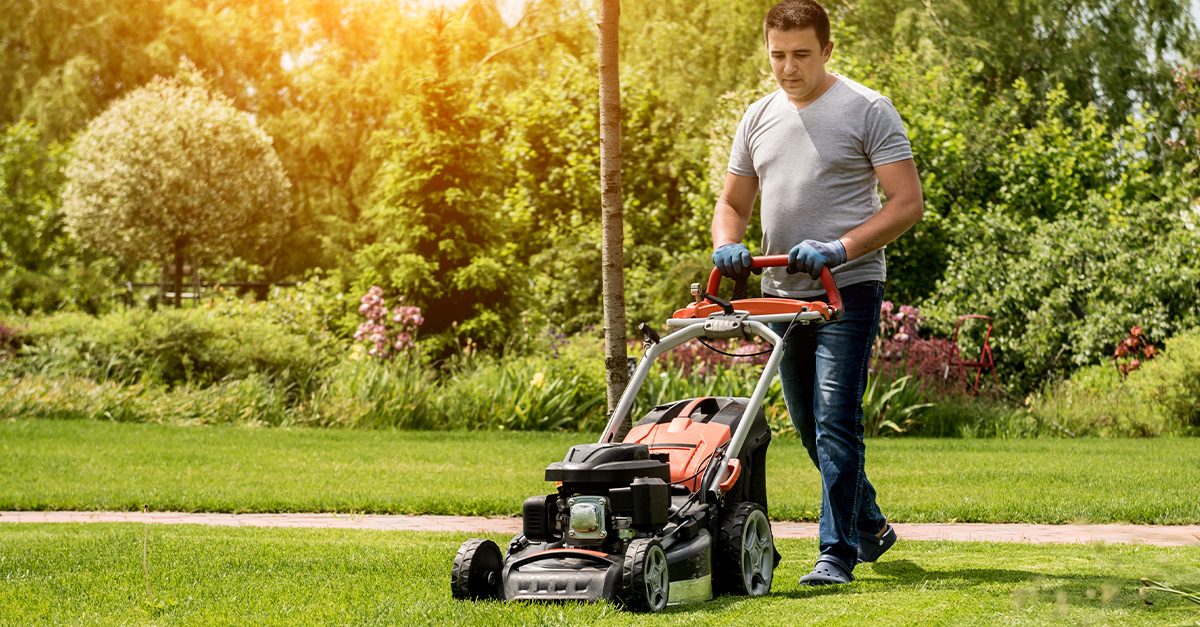
Can You Ask Your HOA For A New Lawn After They Cut It Too Short?
You go away for a few days, come back, and your yard looks like it got the worst haircut in the neighborhood. If your HOA had your grass cut way too short and now it is turning yellow and brown, it is completely reasonable to wonder whether they owe you more than an apology. In many cases, you can absolutely ask them to fix the damage or pay for repairs.

Why A Too-Short Mow Can Ruin A Lawn
Grass is tougher than it looks, but it still has limits. When it gets cut too short, it loses much of the leaf blade it uses to collect sunlight and stay healthy. That kind of stress can leave the lawn weak, patchy, and discolored, especially if the weather is hot or dry at the same time.
What “Scalping” Means In Lawn Terms
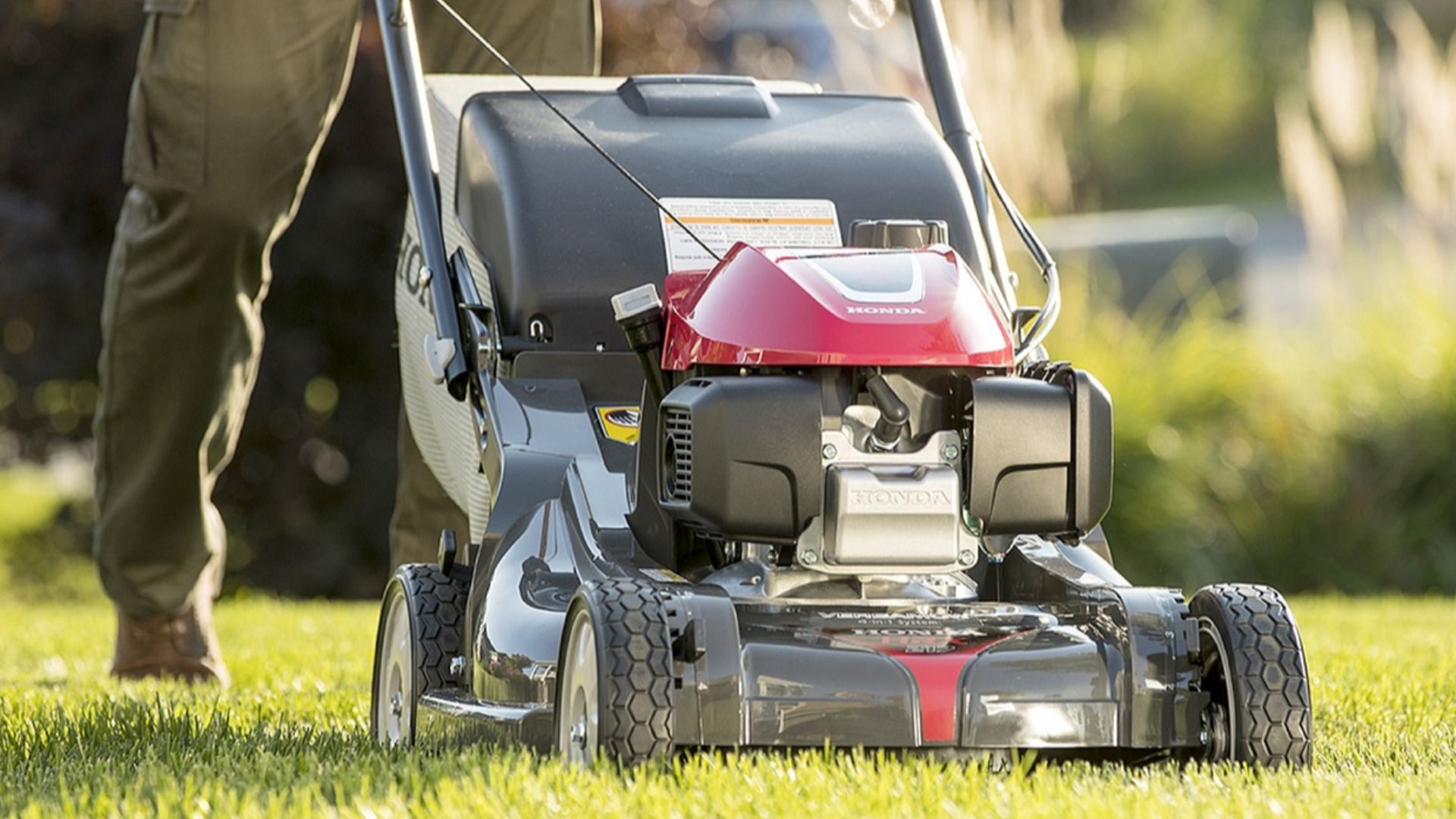
When grass is cut extremely low, it is often called scalping. Instead of trimming the healthy top portion, the mower chops down into the lower, tougher part of the plant. That exposes pale stems, stresses the roots, and can make your lawn look yellow, brown, and generally betrayed.
 John Harvey, Wikimedia Commons
Why Your Lawn Changed Color So Quickly
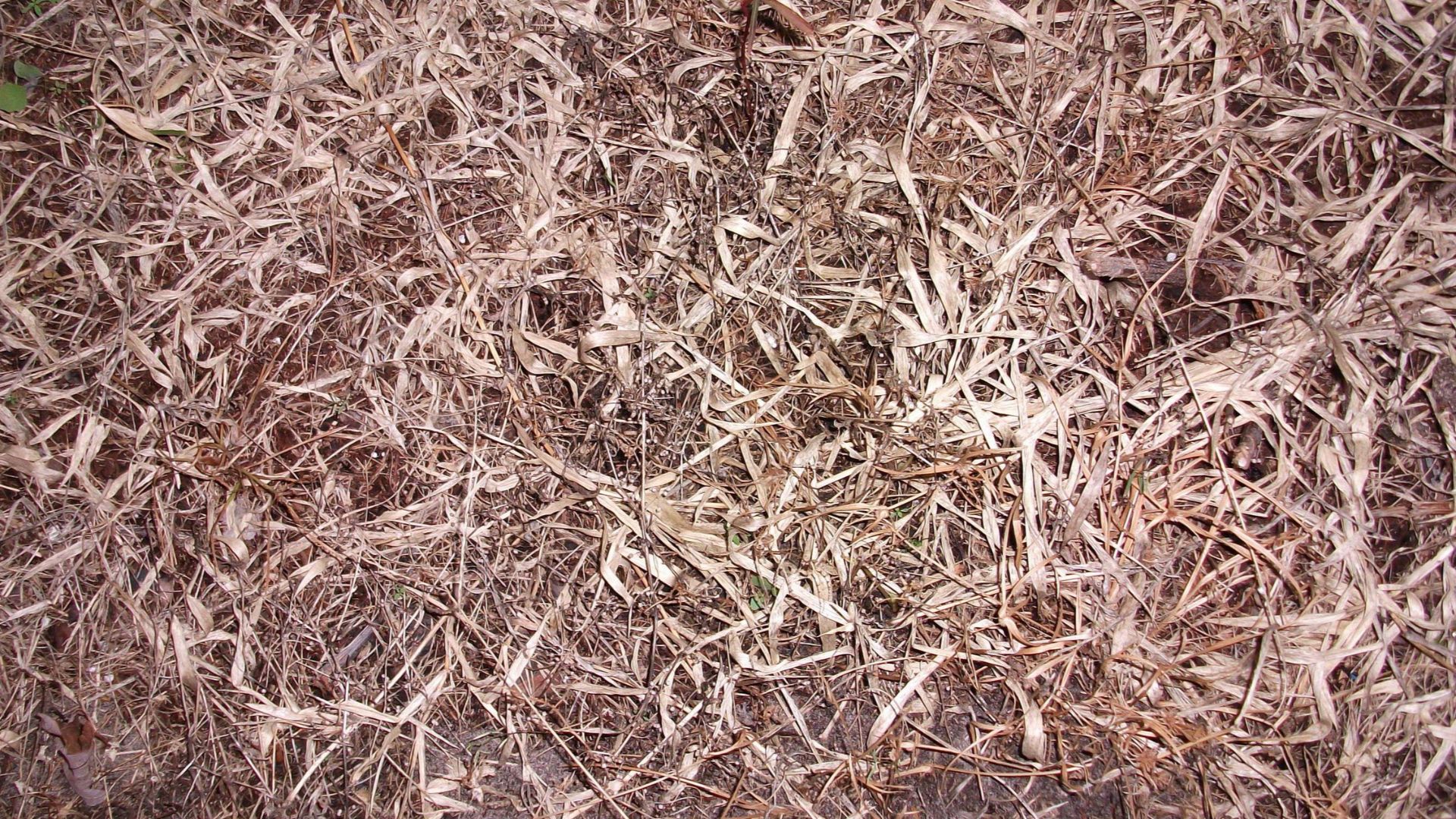
A lawn can look shockingly bad within a day or two after being mowed too short. The green upper blades are gone, so what you see underneath is often lighter and less healthy-looking. Add sun, heat, and dry soil, and suddenly your yard starts looking less like a lawn and more like toasted wheat.

Is The Lawn Actually Dead Or Just Angry?
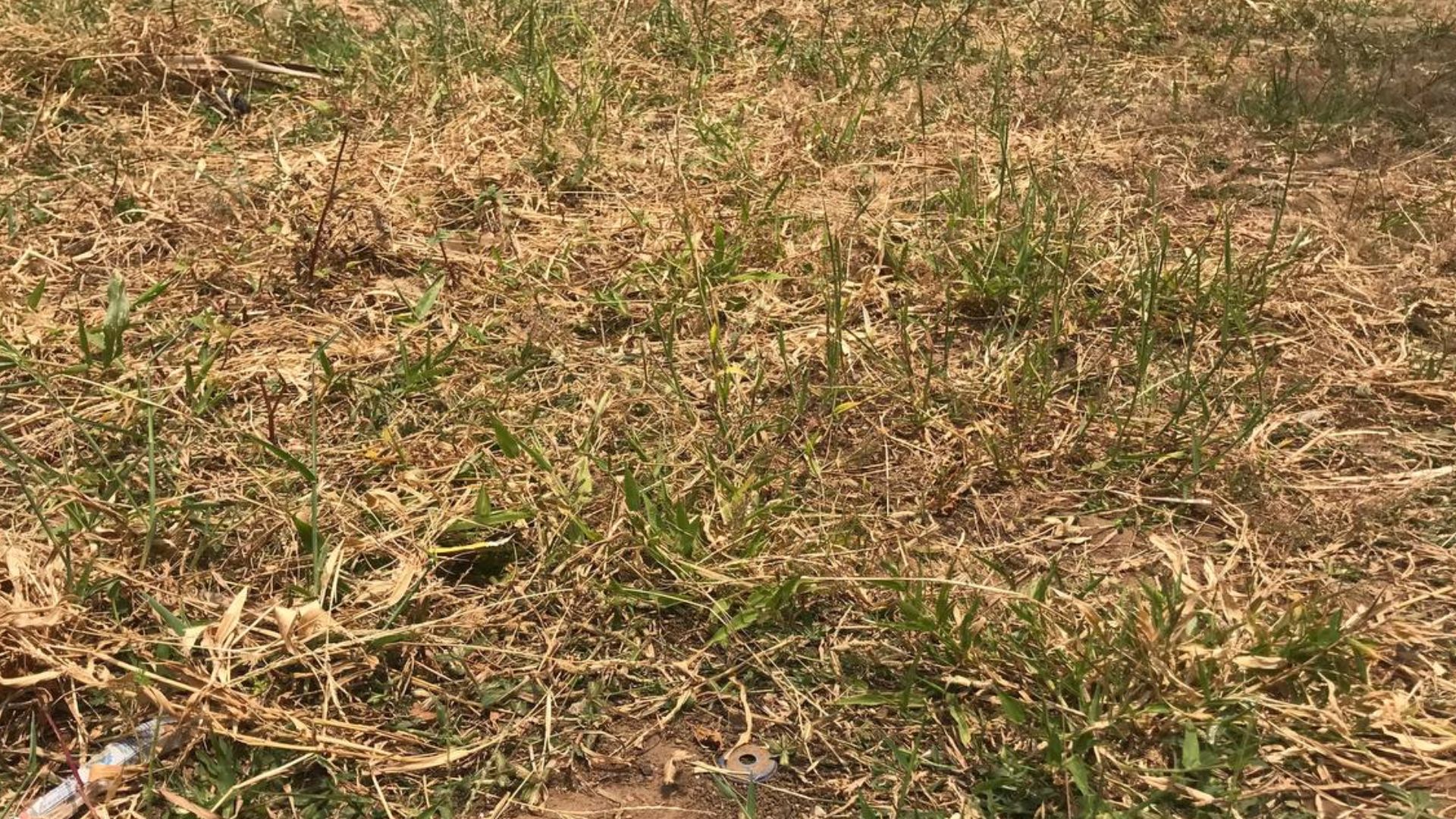
The good news is that yellow and brown grass is not always dead. Sometimes it is just stressed and ugly for a while, which, honestly, is relatable. If the crown of the grass is still alive, the lawn may recover with time. But if large sections are completely dried out, you may be looking at real damage.
 AkosuaCreatives, Wikimedia Commons
Can You Ask Your HOA To Replace It?
Yes, you can ask, and in many cases, you should. If the HOA or its landscaping crew caused the damage by cutting your lawn too short without your approval, you have every right to raise the issue. Whether they owe you a full replacement or just repairs depends on the severity of the damage and your HOA’s rules.

Start With Photos Before You Touch Anything
Before you water, reseed, or fix a single spot, take clear photos of the whole lawn. Get wide shots, close-ups, and pictures that show the uneven cut height or exposed brown areas. Documentation is your best friend here because it turns your complaint from “my yard looks bad” into “here is exactly what happened.”

Write Down The Timeline While It Is Fresh
Make a quick record of when you left, when the mowing happened, and when you noticed the damage. If neighbors saw the crew working or you got a landscaping notice, save that too. A neat little timeline makes you sound organized, calm, and much harder to brush off.

Check Your HOA Rules Before You Complain
As annoying as it sounds, it is smart to read the HOA rules before you fire off a furious email. Some communities control lawn maintenance, while others leave it to homeowners. The rules may also say whether the HOA can enter your property for landscaping and what responsibility they have if their contractor causes damage.

Look For Landscaping Standards In Writing
Some HOAs have landscaping guidelines that set mowing height, maintenance standards, or contractor obligations. If they have a written policy and their crew ignored it, that strengthens your case nicely. Nothing lands quite like politely pointing out that they failed to follow their own rules.

Figure Out Whether It Needs Repair Or Full Replacement
Not every scalped lawn needs to be torn out and replaced. Some lawns recover with water, fertilizer, and a little patience. Others end up with dead patches, bare spots, or root damage that require sod or reseeding. Knowing the difference matters, because asking for a whole new lawn is a bigger request.
 Angelo DeSantis from Berkeley, US, Wikimedia Commons
A Lawn Company Opinion Can Be Very Helpful
If the damage looks serious, it may be worth getting a written opinion from a lawn professional. They can tell you whether the grass is likely to recover, whether reseeding is enough, or whether new sod is the more realistic fix. That kind of outside opinion gives your complaint much more weight.

Ask For The Right Remedy, Not Just Revenge
It is tempting to demand a brand-new lawn on principle alone, especially when your yard now looks like a crunchy doormat. But you will usually get farther if you ask for a reasonable solution. That might mean repair costs, reseeding, sod replacement for dead areas, or professional restoration rather than a complete redo.
 LinkedIn Sales Solutions, Unsplash
When A Full New Lawn Might Be Reasonable
A full replacement may be a fair ask if the lawn was healthy before, the mowing was clearly improper, and the damage is widespread enough that recovery is unlikely. If the grass is mostly dead, patchy, or ruined across the entire yard, requesting sod or full restoration stops sounding dramatic and starts sounding practical.
When The HOA May Push Back
The HOA may argue that the lawn was already stressed, the weather caused the browning, or the grass will grow back on its own. That is exactly why photos, dates, and expert opinions matter so much. You are not just saying the lawn looks bad. You are showing that the mowing caused measurable damage.

Keep Your First Message Calm And Professional
You can be annoyed without sounding like a reality-show reunion episode. Start with a simple explanation of what happened, when it happened, and what the damage looks like now. Ask them to inspect the lawn and discuss repair or replacement. Calm, clear language usually works better than all-caps outrage.

Mention That The Work Was Done Without Notice
If the HOA arranged the mowing without asking you first, include that detail. It does not automatically win the argument, but it helps show that you had no chance to prevent the problem. It also makes the situation feel less like routine maintenance and more like unauthorized bad decision-making.

Ask For An Inspection Promptly
Do not let the issue sit for weeks while the lawn gets worse and everyone starts pointing fingers at the weather. Ask the HOA to inspect the yard as soon as possible. The sooner they see the damage, the harder it is for them to pretend the lawn always looked like that.

Get Everything In Writing
If you call the property manager and they sound sympathetic, great. Then follow up by email anyway. Written records are gold in HOA disputes because memories get fuzzy, staff changes happen, and verbal promises have a magical way of disappearing when repair bills show up.

Save Receipts For Anything You Spend
If you buy seed, fertilizer, hoses, or hire a lawn service to assess the damage, keep every receipt. Even if the HOA does not agree to a brand-new lawn, they may reimburse you for repair costs. And if the dispute drags on, those costs help show the financial impact of their mistake.

Be Ready For A Partial Solution
Sometimes the HOA will not agree to replace the entire lawn, but they might agree to cover reseeding, spot-sodding, or a lawn treatment plan. That may not feel as satisfying as a full replacement, but it can still save you money and restore your yard. Practical wins count too.

If They Blame The Landscaping Company
The HOA may try to point the finger at its contractor, but that does not necessarily end the conversation. From your perspective, the HOA hired the crew, authorized the work, or oversees the service. You usually do not need to become a detective in a polo shirt just to get your grass fixed.

Know That Recovery Can Take Time
Even if the lawn is repaired properly, it may not bounce back overnight. Grass works on plant time, which is extremely rude when you want instant curb appeal. Reseeding can take weeks, and sod can need extra care before it blends in. The key is making sure someone takes responsibility for the fix.

If The HOA Refuses, You Still Have Options
If they deny responsibility, you can escalate through the HOA board, file a formal complaint using the community’s process, or consult a local attorney if the damage is expensive. You may also be able to use mediation if your community offers it. Nobody dreams of lawn arbitration, but here we are.

Should You Demand Cash Or A New Lawn?
That depends on the extent of the damage. If only certain areas are ruined, asking for repair costs may be the smarter move. If the whole lawn is toast, asking for replacement makes more sense. The strongest request is the one that matches the actual damage, not just your understandable frustration.

The Smartest Way To Make Your Case
Your best shot is to stay calm, gather proof, review the rules, and ask for a specific solution backed by facts. HOAs are much more likely to respond when you present a tidy case instead of a vague complaint. Think less dramatic showdown on the sidewalk, more polite paper trail with sharp edges.

Yes, You Can Ask—And You Probably Should
If your HOA cut your grass too short and left your lawn yellow and brown, asking them for repairs or even a new lawn is not unreasonable at all. Whether they agree may depend on the rules and the damage, but you are well within your rights to raise the issue. Bad mowing should not become your expensive problem just because you happened to be out of town.

You May Also Like: