Taking Dress Up to the Next Level
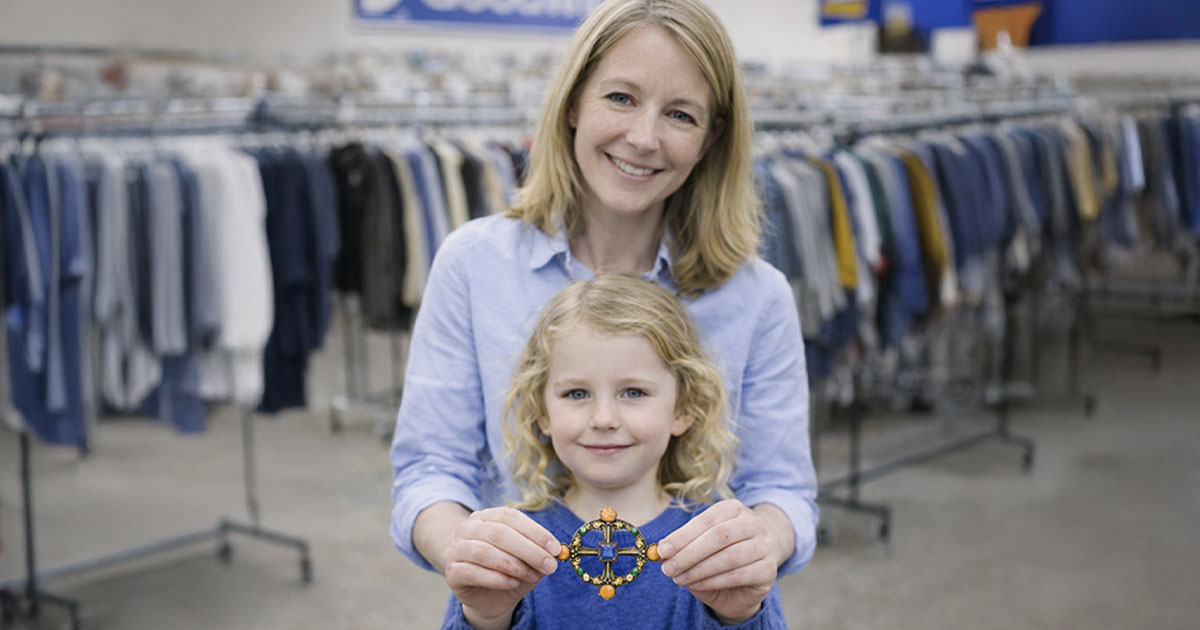
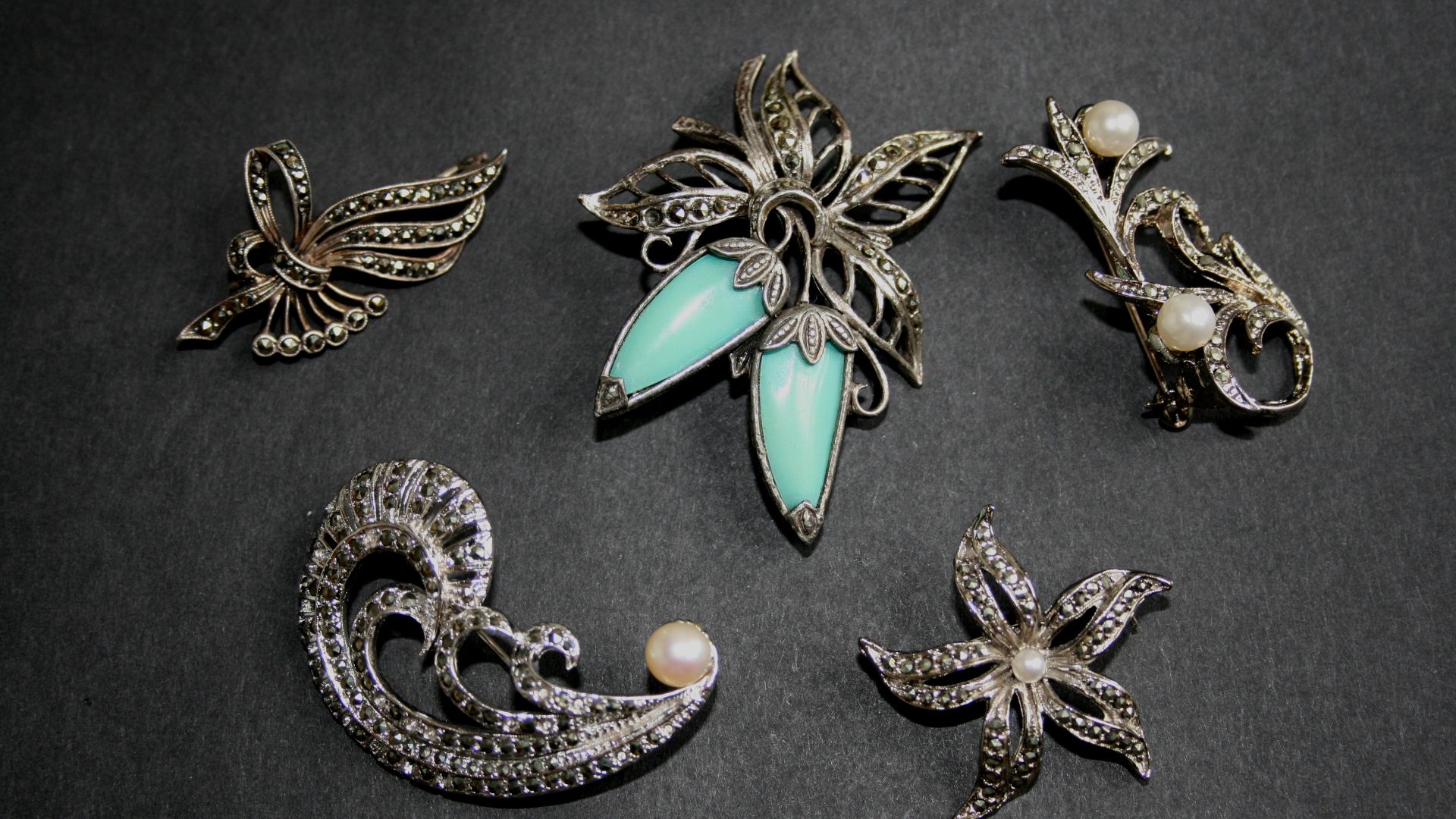
In 2011, a British woman bought a sparkly brooch at a thrift store. Assuming it was costume jewelry, she gave it to her little girl to play dress-up with. For years, no one questioned it. The girl tossed into a toy box, wore it around town, and even brought it to school without a second thought. What no one realized at the time was that the child had been unknowingly wearing something far more serious — and the truth would change everything.

A Junk Shop Find With Zero Expectations
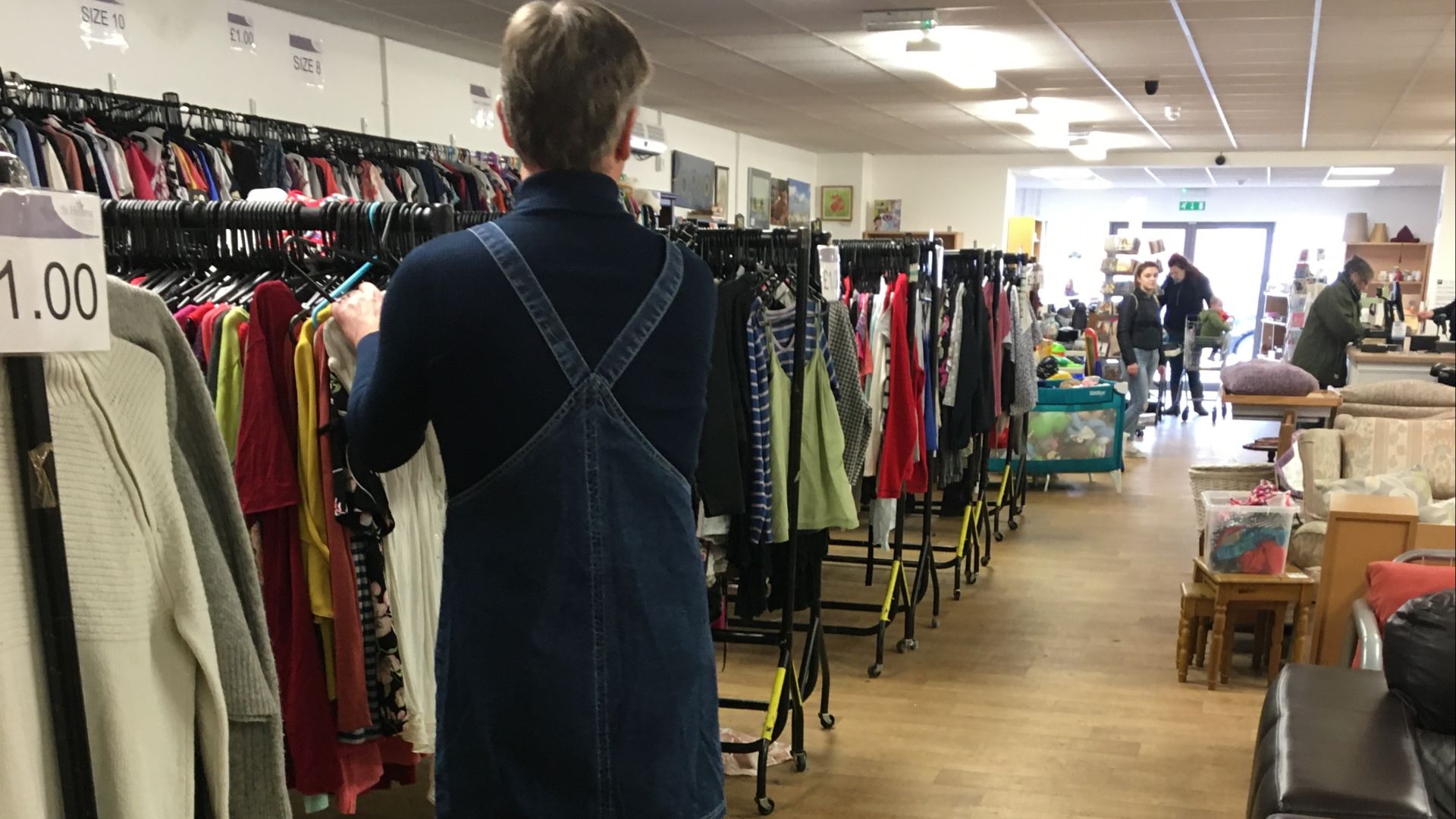
The woman, Thea Jourdan, was browsing a small junk shop in London when she spotted the brooch. It was flashy, oversized, and glittery — the kind of thing that looks fun but fake. She paid about £20, roughly $31, and walked out thinking she’d found a harmless little plaything.
 Opaquetights99, Wikimedia Commons
Straight Into the Toy Box
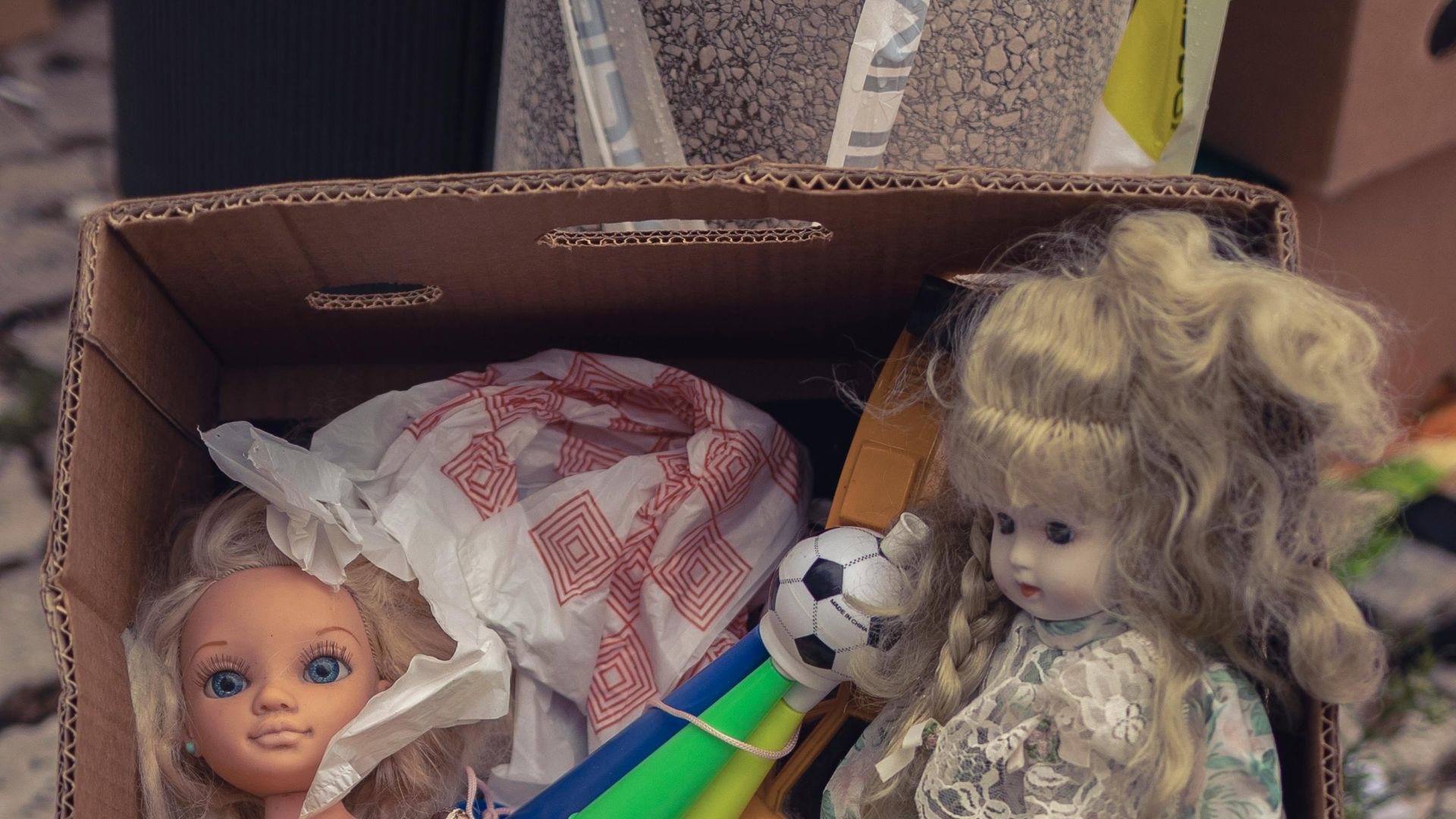
Jourdan didn’t buy the brooch for herself. She bought it for her 4-year-old daughter, who loved sparkly things. It went straight into the toy box alongside plastic crowns, dress-up shoes, and costume jewelry. No display case. No velvet pouch. Just toys.
Worn to School Like It Was Nothing
The little girl loved the brooch so much that she started wearing it everywhere. She wore it to school, on errands, and around town. Teachers saw it. Classmates saw it. Parents saw it. No one raised an eyebrow — it just looked like a chunky costume jewel.

Fake Diamonds, Obviously… Right?
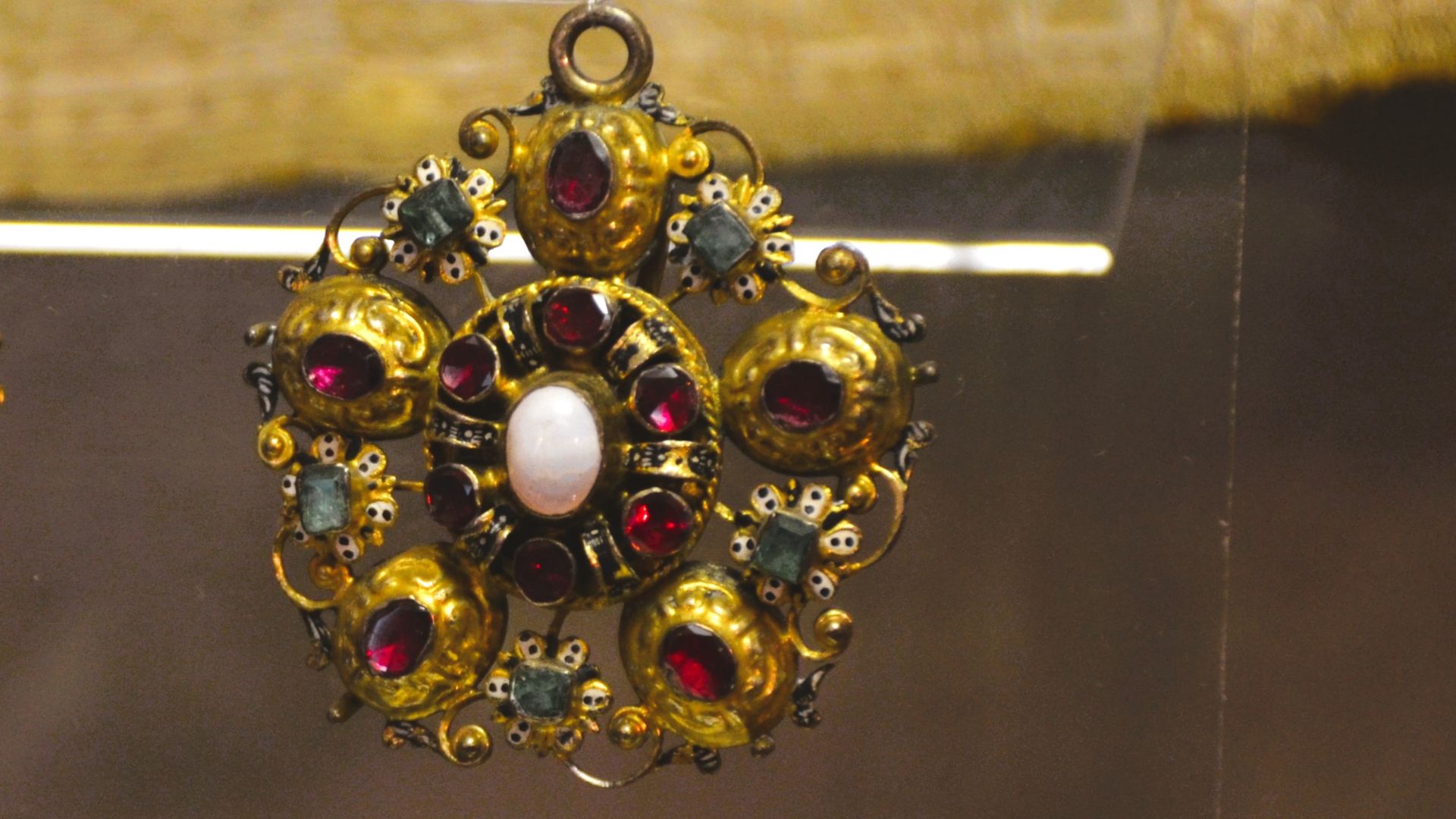
The family assumed the stones were fake. The brooch was large, heavy, and flashy — exactly what you’d expect from costume jewelry. Jourdan later joked that if it had been real, surely someone would’ve noticed before a preschooler started accessorizing with it daily.
Years Go By Without a Second Thought
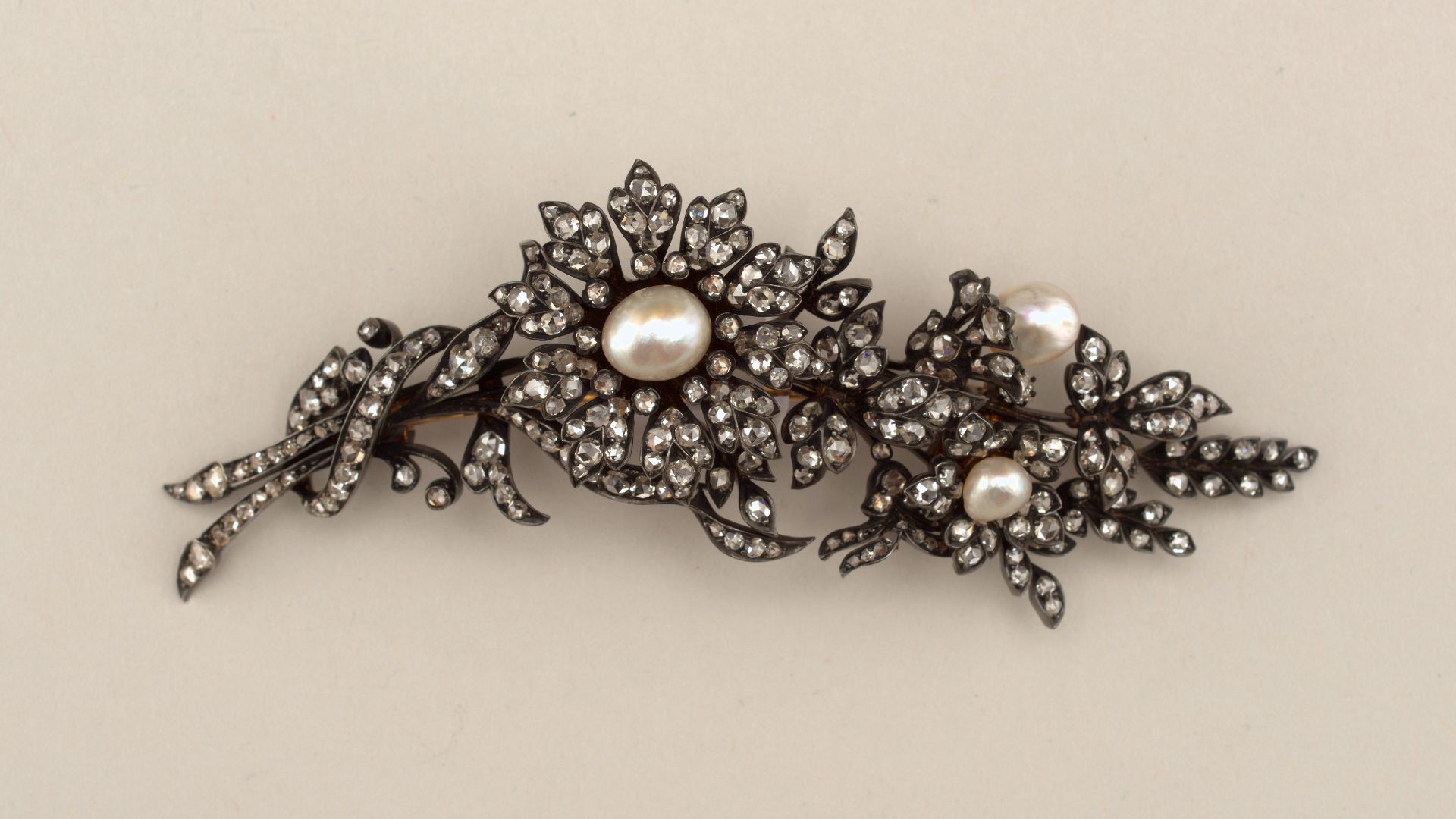
Time passed. The brooch bounced between drawers, toy bins, and dress-up boxes. It survived playgrounds, backpacks, and childhood chaos. It wasn’t protected, insured, or even cleaned carefully — because, again, everyone thought it was worthless.
 Unknown artistUnknown artist, Wikimedia Commons
A Totally Unrelated Jewelry Appointment
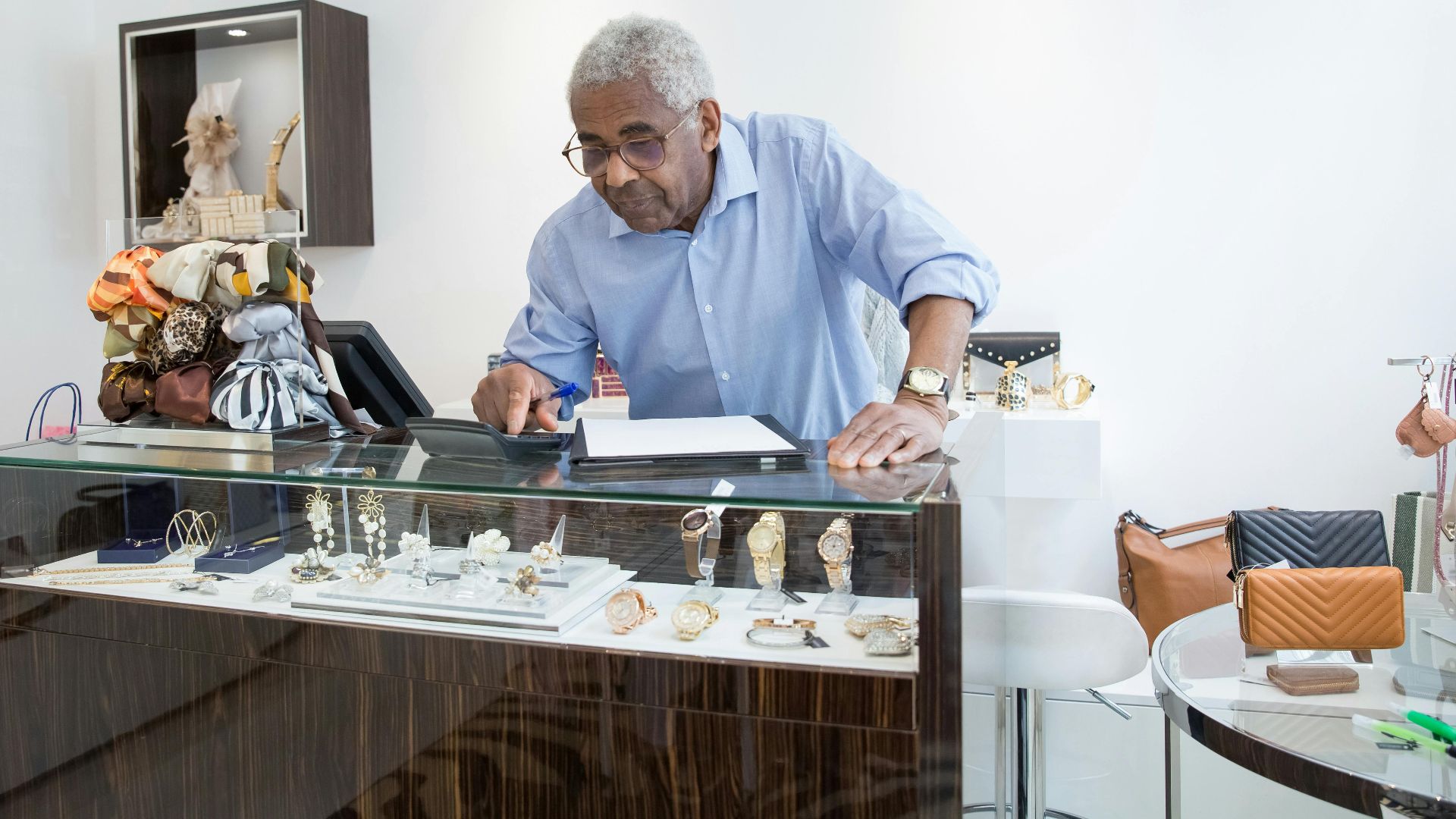
The turning point came years later, almost by accident. Jourdan went to have her engagement ring professionally valued for insurance. While chatting with the jeweler, she casually mentioned the brooch sitting at home — mostly as a funny story.
The Jeweler Pauses
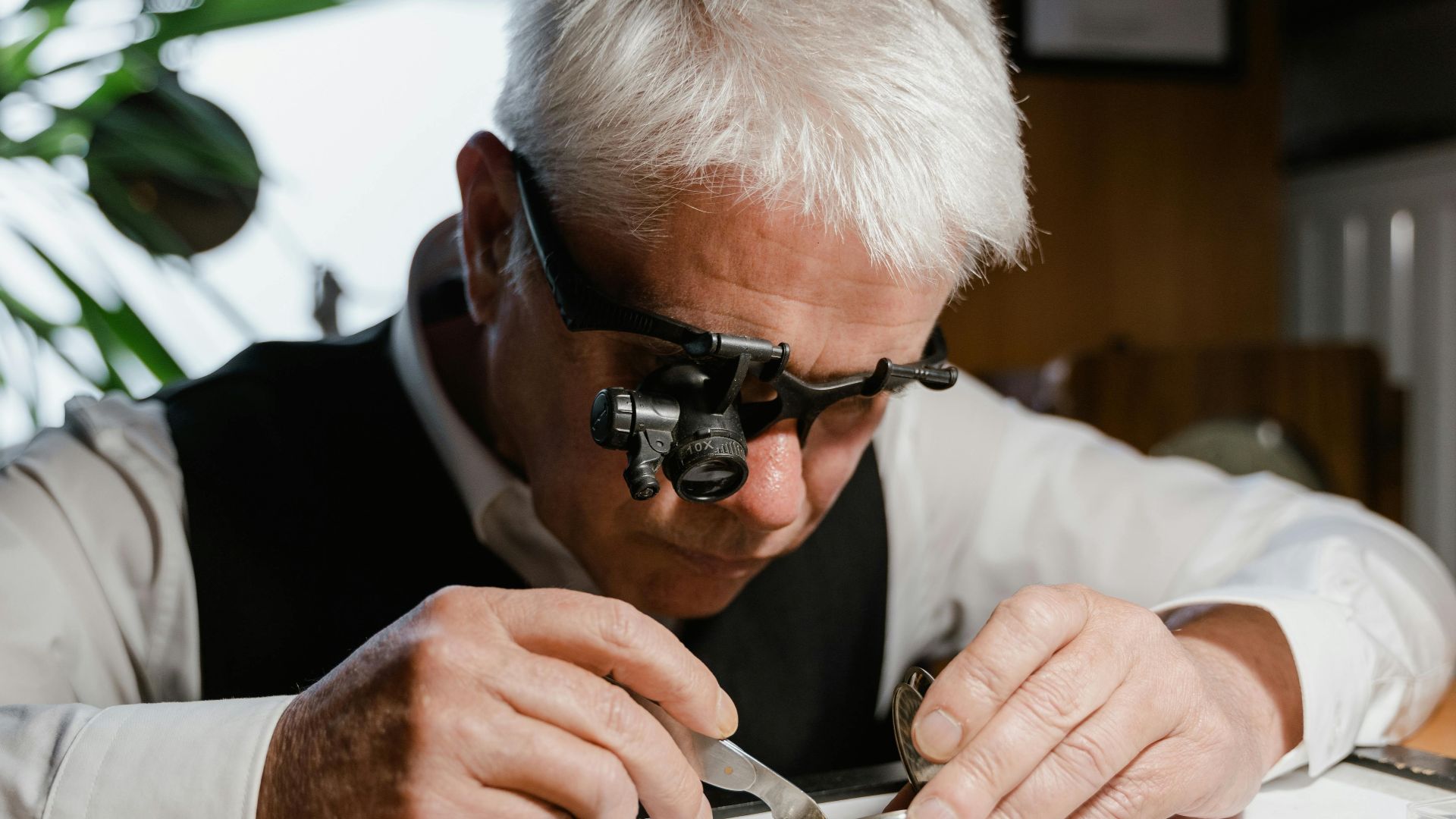
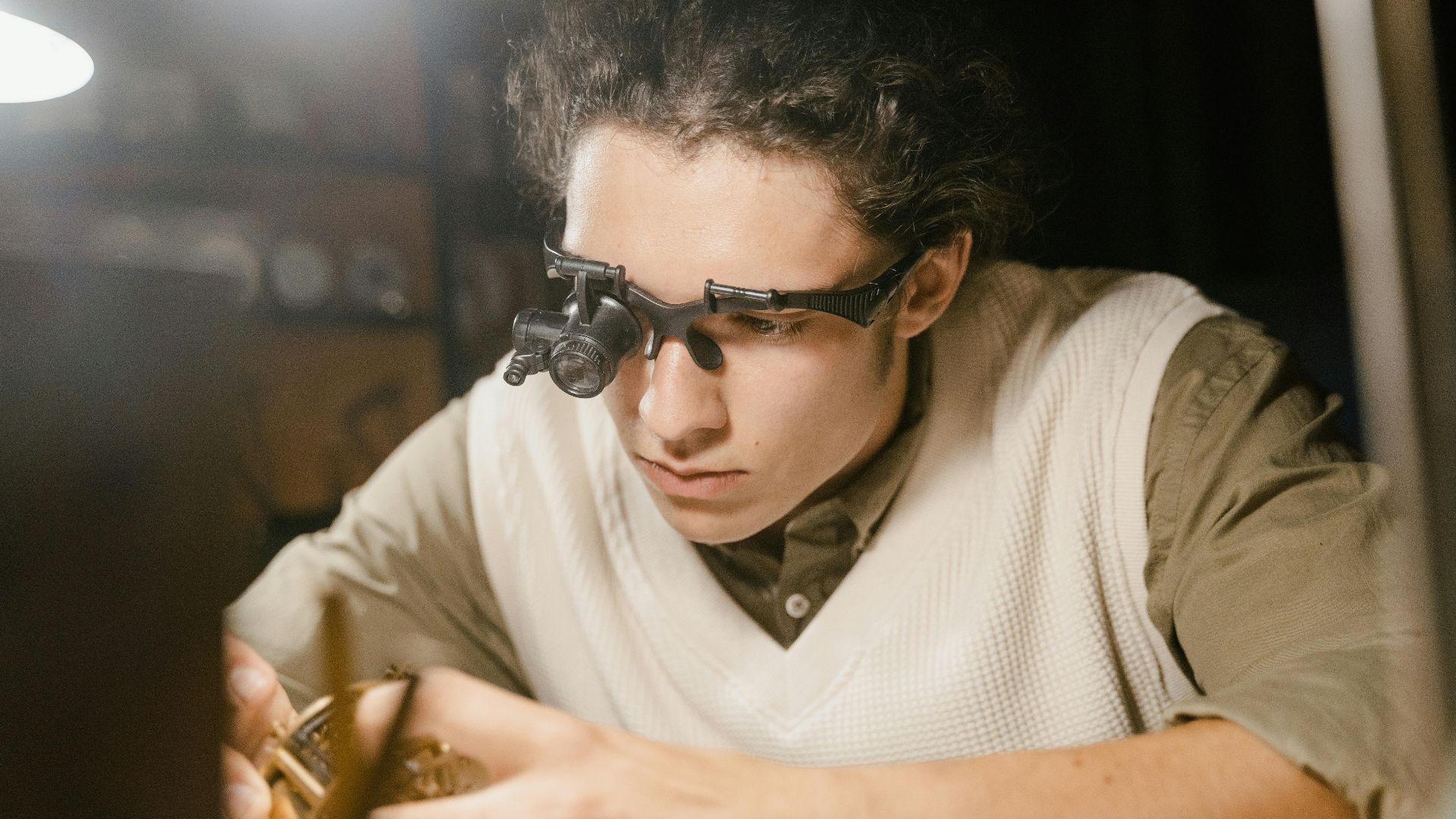
When Jourdan brought the brooch in, the jeweler didn’t laugh. Instead, he stopped, leaned in, and looked closely. The mood changed. He examined the stones, the setting, and the craftsmanship — and then said something no one was expecting.
“This Is Not Costume Jewelry”
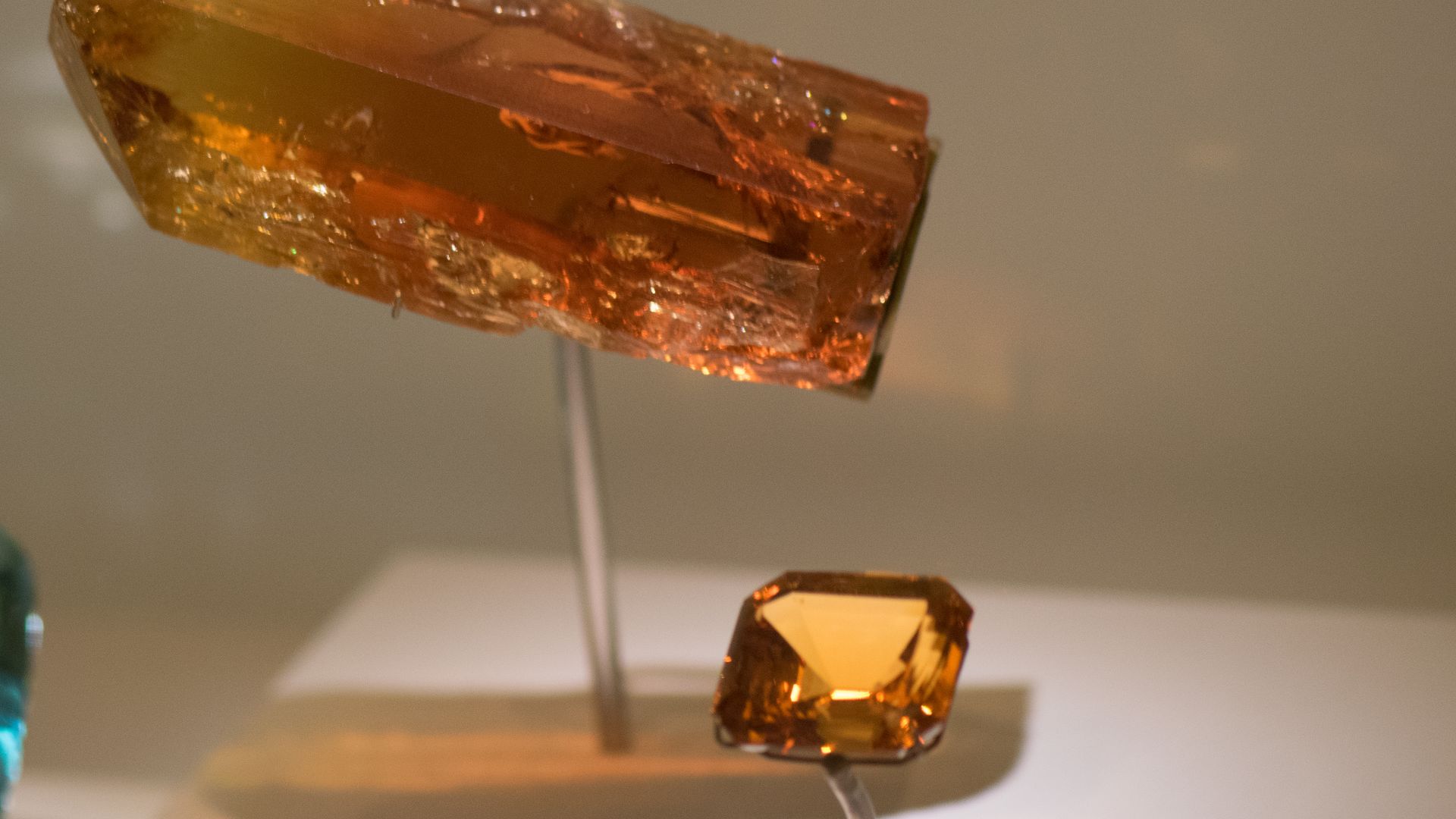
The stones weren’t glass. They were real diamonds, and the large central stone appeared to be a topaz, possibly Imperial topaz, a rare variety historically favored by royalty. Suddenly, the brooch didn’t look playful anymore — it looked dangerous to leave in a toy box.
 Thomas Quine, Wikimedia Commons
A Much Older Piece Than Anyone Realized
Experts dated the brooch to the 19th century, based on its style and construction. This wasn’t modern jewelry pretending to look old. It was genuinely old — the kind of piece that would’ve been worn at formal events, not show-and-tell.
 Philip de László, Wikimedia Commons
Whispers of Royal Origins
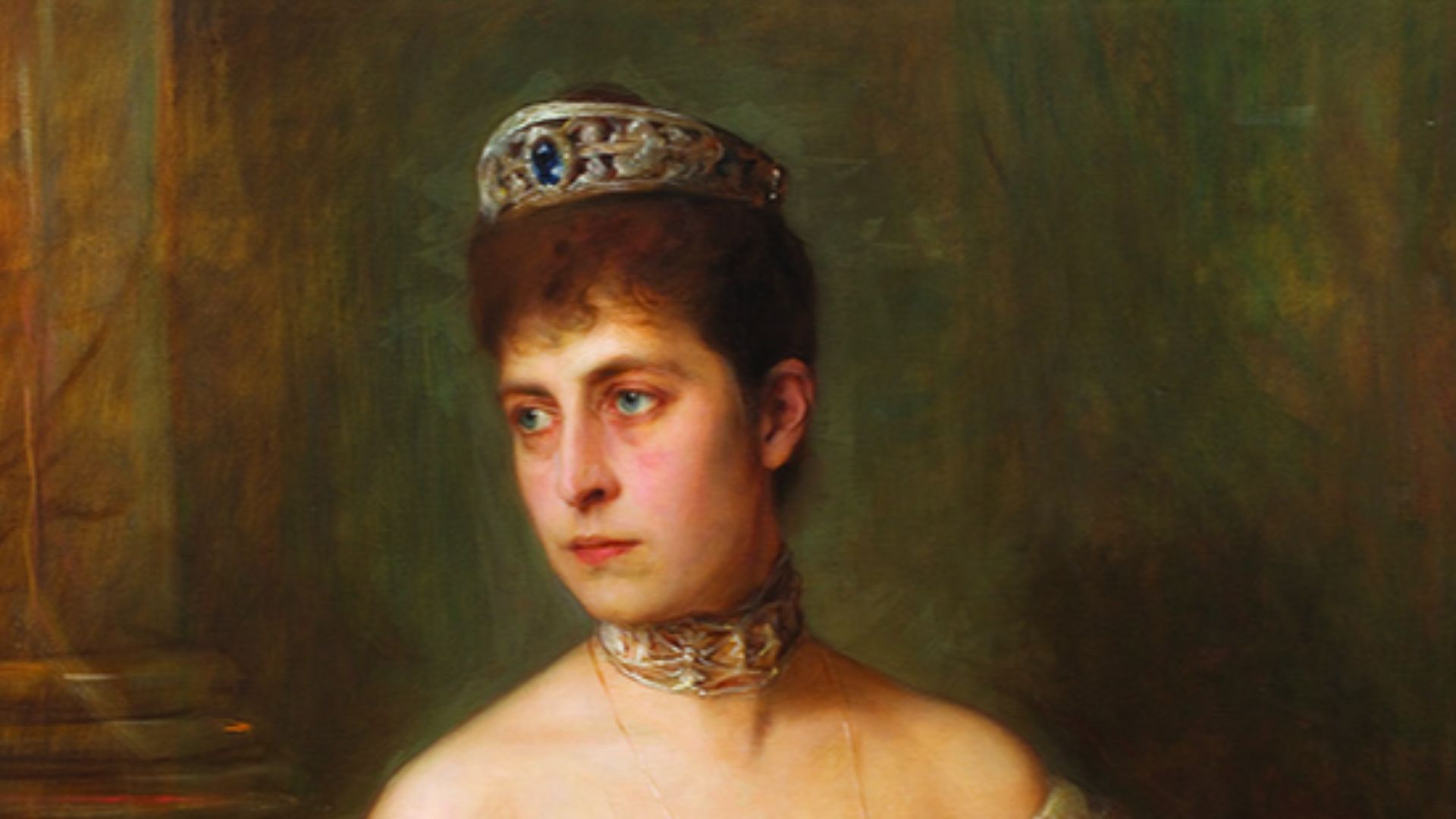
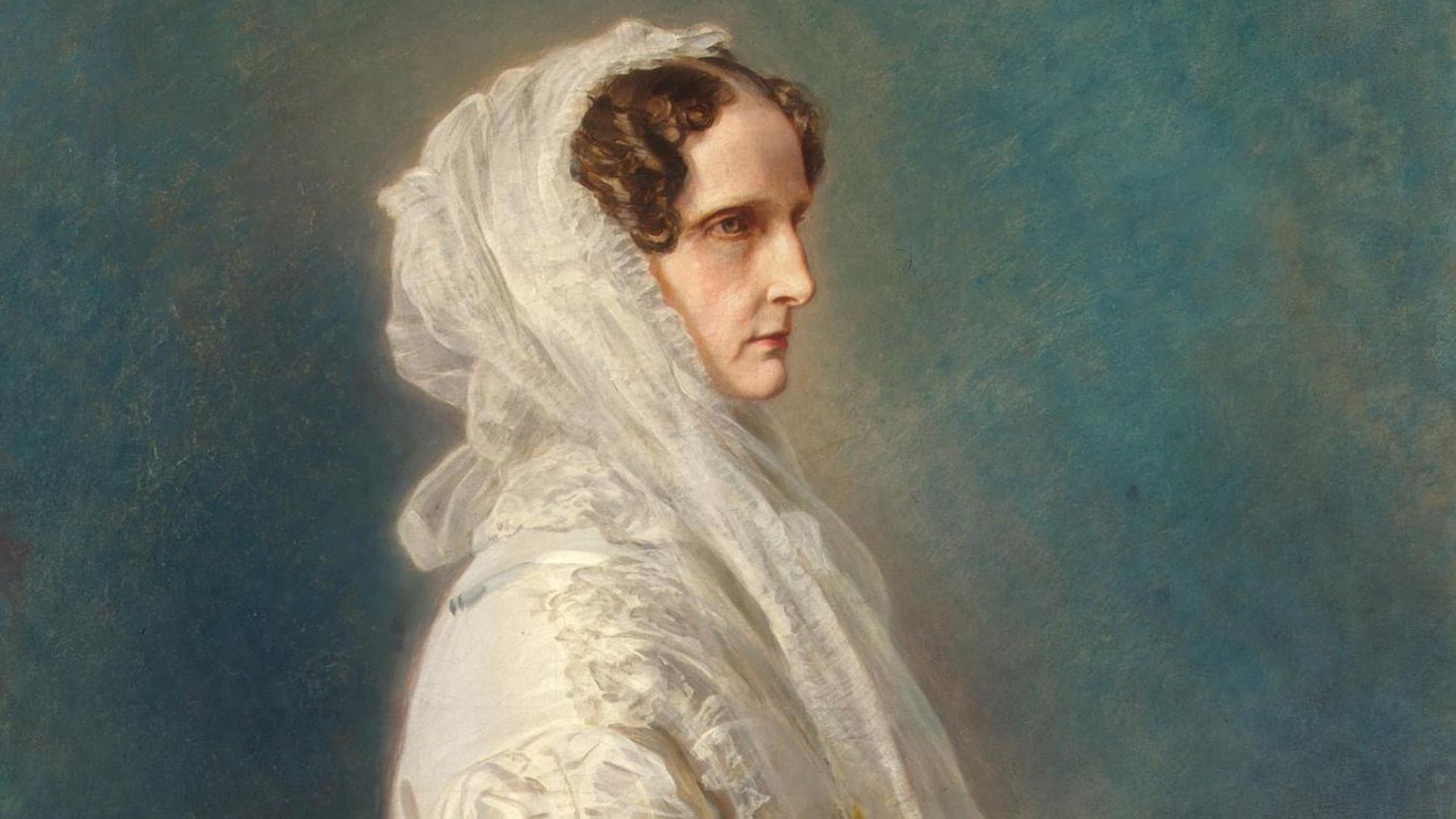
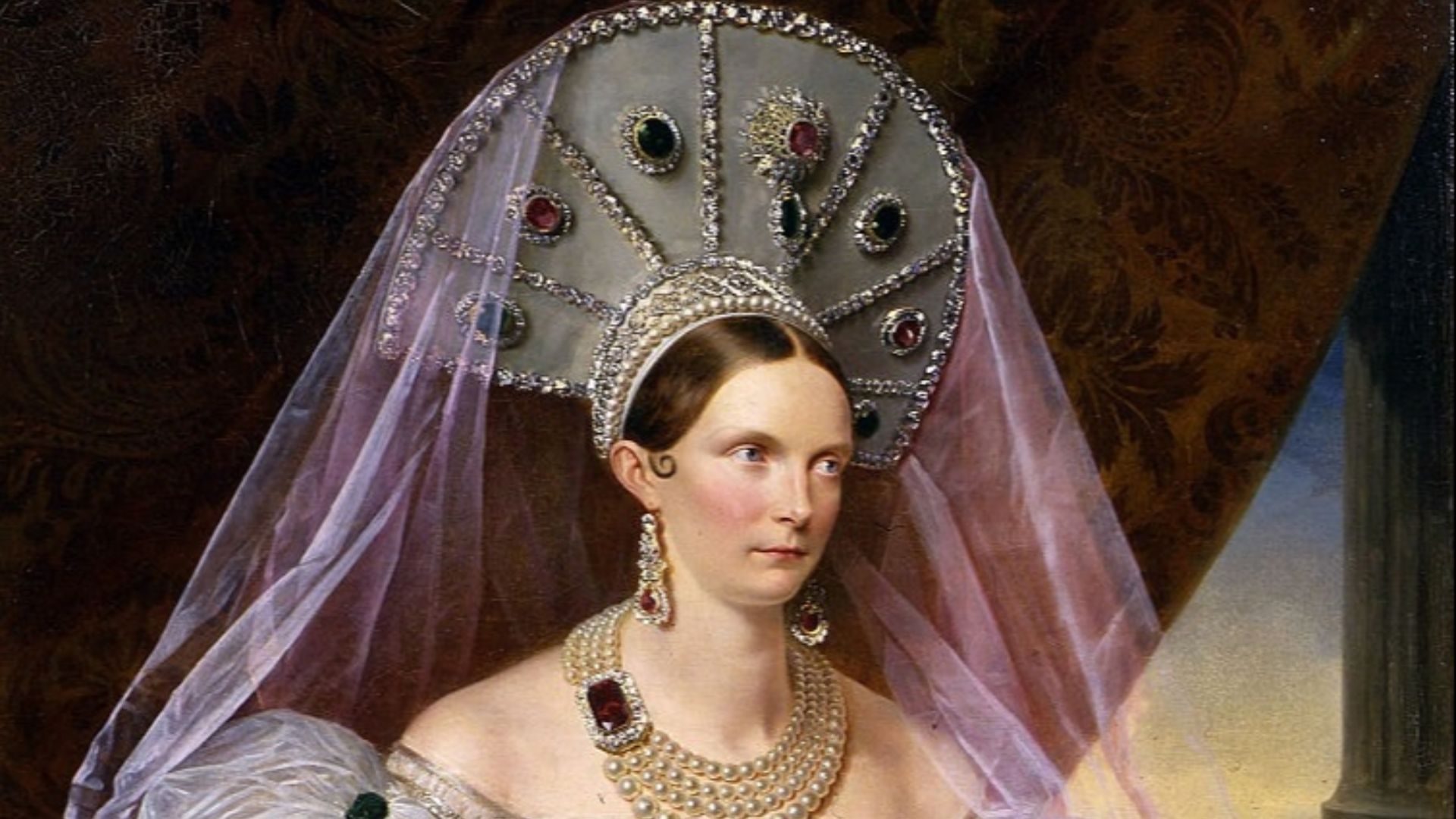
As experts examined it further, the brooch became linked to Imperial Russian design traditions. Media reports began describing it as a royal gem, possibly associated with Russian nobility. Some reports even referred to it as a jewel once worn by a Russian czarina — though that exact provenance remains debated.
 Franz Xaver Winterhalter, Wikimedia Commons
Not a Fairytale, But Still Incredible
To be clear, there’s no signed card saying “Property of the Empress.” But the materials, era, and craftsmanship strongly tied the brooch to elite European jewelry traditions. In other words: it wasn’t a toy. It never was.
 Franz Xaver Winterhalter, Wikimedia Commons
Realizing How Close Disaster Came
Only then did the family fully realize what had almost happened. The brooch had been worn to school, tossed into bags, and handled by a child for years. One lost backpack, one broken clasp, and the story would’ve ended very differently.
Deciding What to Do Next
Jourdan faced a decision: keep it, insure it, or sell it. The brooch wasn’t something she could casually own anymore. Its history, rarity, and materials placed it firmly in the “serious asset” category.

Heading to Auction
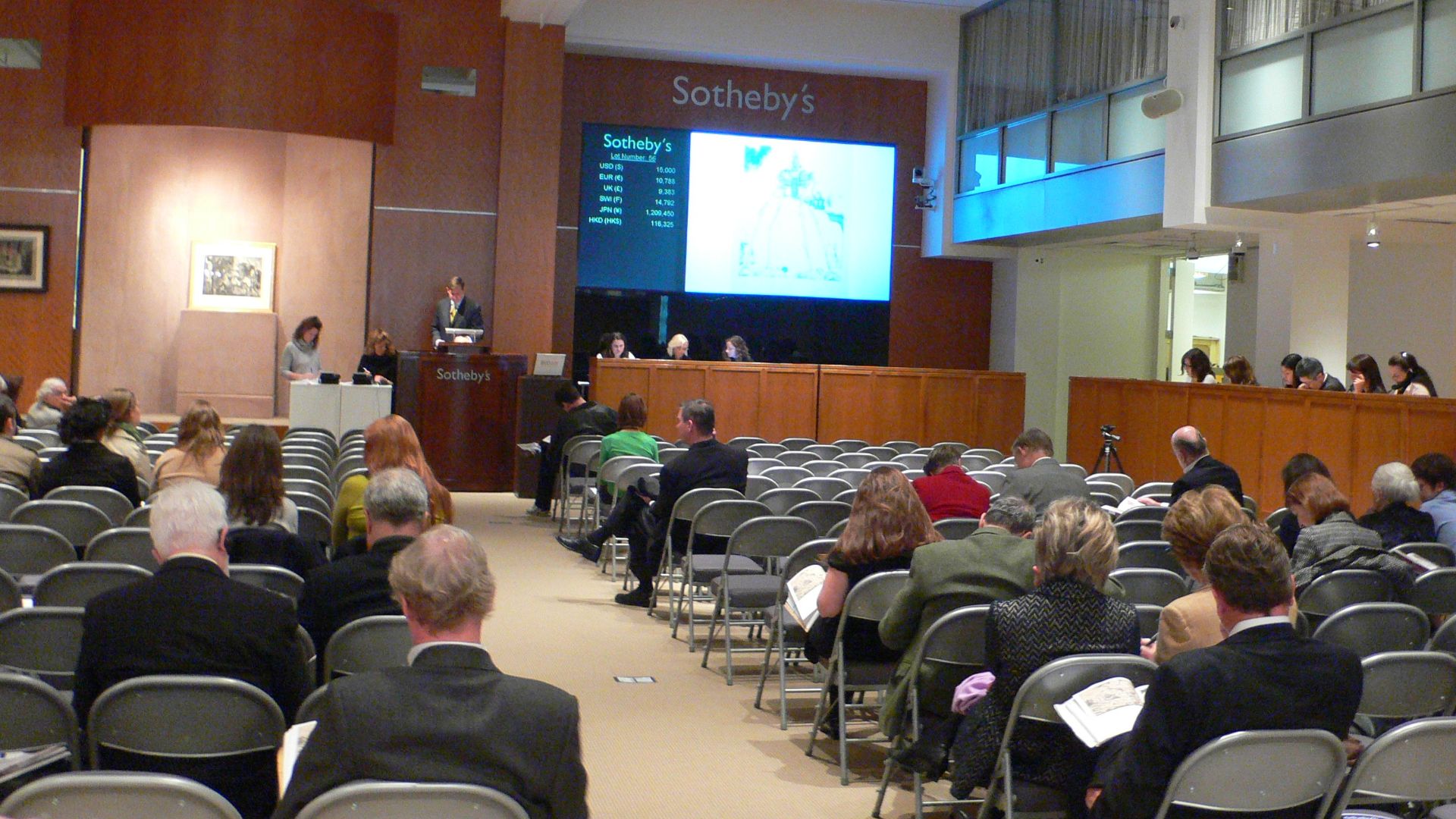
Eventually, Jourdan chose to sell the brooch through an auction process. By then, experts had established a strong market interest. Collectors love pieces with mystery, age, and dramatic backstories — and this brooch had all three.
 Portable Antiquities Scheme from London, England, Wikimedia Commons
The Estimated Value Emerges
When the hammer fell, the brooch sold for an estimated £32,000, roughly $43,000 at the time. That figure wasn’t just shocking — it was surreal. A toy-box trinket had quietly transformed into a five-figure antique.
 Karolina Grabowska www.kaboompics.com, Pexels
From Playground to Auction House
The contrast was almost comical. One day, it was pinned to a child’s sweater at school. The next, it was being discussed by jewelers, historians, and collectors. Same brooch. Totally different reality.
 Nelson Pavlosky , Wikimedia Commons
A Story That Makes Experts Cringe
Jewelry experts still wince when this story comes up. Not because it ended badly — but because it almost did. The brooch survived years of risk purely by luck.
Why This Story Still Resonates
It’s funny, yes — but it’s also a reminder. Valuable things don’t always look valuable. Sometimes they look playful, oversized, or even fake. And sometimes, they’re being worn to kindergarten.

The Ultimate Thrift-Store Lesson
Jourdan’s story lives on as one of the most nerve-wracking thrift finds ever. A £20 purchase, a child’s accessory, and an estimated $43,000 jewel — all hidden in plain sight. Proof that sometimes, the most valuable things are the ones we never think to question.
 Karolina Grabowska www.kaboompics.com, Pexels
You May Also Like: