5 Things You Should Save Up For Before Turning 30
5 Things You Should Save Up For Before Turning 30
Generally speaking, 30 years old is the age when true adulthood really starts to happen. At that point, your teenage years are well beyond you, and your 20s—the decade you have for figuring things out—would be officially over. How well prepared are you for the next stage of your life? Check out this list of five things you should want to save up for before turning 30 as a general guideline:
 Flickr
#1 More education
Most people are done with school forever once they've obtained their bachelor's degree, but in this day and age, one of the only ways to stand out from the crowd and remain competitive in the job market is to pursue higher levels of education. Nowadays, it seems like everybody has a bachelor's degree, and having one no longer guarantees you a job as it used to back in the day. Take up a new course or further your studies in your field—invest in yourself and it will pay off your career.
Wikimedia Commons
#2 Your own place
There's absolutely nothing wrong with living with your parents until you're 30, or even older. Most people frown upon it, but everybody has different circumstances and it's really nothing to be ashamed of. That said, unfortunately, your parents aren't going to be around forever, as much as you might want them to be. You need to save up money to eventually move out into your own place. Establishing a savings account to start and eventually an income that can sustain monthly payments on a property would be ideal.
Flickr
#3 A life-changing trip
30 years old is a tricky age. Time seems to move exponentially quicker at that point, so, while you're still young, you might as well get some of that travel bug out of your system. Contrary to popular belief, traveling is not a luxury—like education, it is an investment in oneself; a way to expand one's horizons and learn about the world. It's harder to travel when you're of older age, so before you turn 30, you should try to fit in at least one trip to a foreign country.
Wallpaper Flare
#4 Investments for the future
Many older people will tell you that one of their biggest regrets is not planning ahead for their futures while they still had the time to do so. It's always good to start planning as early as possible for when you will no longer be able to work. A good way to establish some financial security early on is by investing in financial products like stocks, bonds, and UITFs. Additionally, you're going to want to get life insurance and health insurance.
Pxhere
#5 A potential family
Starting a family isn't on everyone's wishlists, but for those who are looking to do just that, it would be a good idea to start saving early. This is especially crucial for those who have already been in long-term relationships and are almost certain that marriage and a family are the next steps they will be taking. Start thinking about wedding expenses, possible hospital bills, education plans, etc. A local bank representative may be able to advise you on such.
Wallpaper Flare
READ MORE
As the crisis continues, airlines are hemhorraging money. Will airlines survive this crisis? And if so, how?
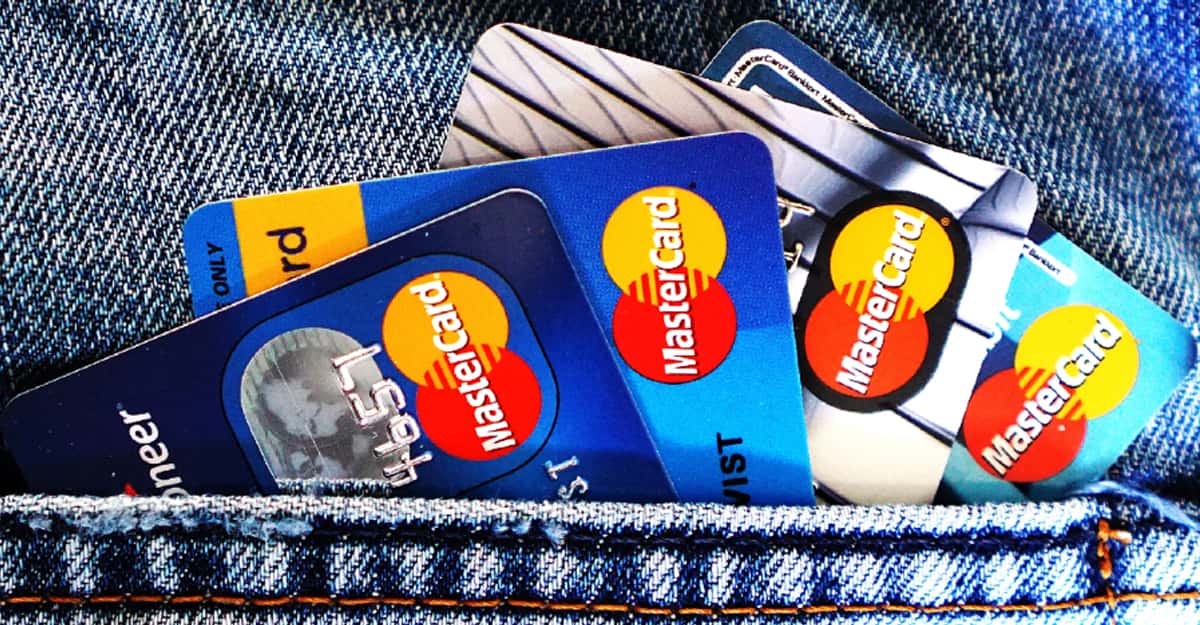
If you're looking to expand your buying power, you need to check out the best credit cards of 2020. You won't believe some of these extras!
Whether it's an incompetent client or an unhinged attorney, these lawyers' stories of their most outrageous plot twists had us banging the gavel.
There is a reason why shows like Gray's Anatomy and ER are so addictive: Hospital drama is insane, and not just on TV—that stuff happens in real life, too.
Courtroom cases can take months or even years to go in front of a judge. Then, in the blink of an eye, it can all unravel spectacularly.
On TV, courtrooms seem like well-oiled machines. In real life, though? Not so much. These court cases are wild rides from start to finish.
Disclaimer
The information on MoneyMade.com is intended to support financial literacy and should not be considered tax or legal advice. It is not meant to serve as a forecast, research report, or investment recommendation, nor should it be taken as an offer or solicitation to buy or sell any securities or adopt any particular investment strategy. All financial, tax, and legal decisions should be made with the help of a qualified professional. We do not guarantee the accuracy, timeliness, or outcomes associated with the use of this content.
Dear reader,
It’s true what they say: money makes the world go round. In order to succeed in this life, you need to have a good grasp of key financial concepts. That’s where Moneymade comes in. Our mission is to provide you with the best financial advice and information to help you navigate this ever-changing world. Sometimes, generating wealth just requires common sense. Don’t max out your credit card if you can’t afford the interest payments. Don’t overspend on Christmas shopping. When ordering gifts on Amazon, make sure you factor in taxes and shipping costs. If you need a new car, consider a model that’s easy to repair instead of an expensive BMW or Mercedes. Sometimes you dream vacation to Hawaii or the Bahamas just isn’t in the budget, but there may be more affordable all-inclusive hotels if you know where to look.
Looking for a new home? Make sure you get a mortgage rate that works for you. That means understanding the difference between fixed and variable interest rates. Whether you’re looking to learn how to make money, save money, or invest your money, our well-researched and insightful content will set you on the path to financial success. Passionate about mortgage rates, real estate, investing, saving, or anything money-related? Looking to learn how to generate wealth? Improve your life today with Moneymade. If you have any feedback for the MoneyMade team, please reach out to [email protected]. Thanks for your help!
Warmest regards,
The Moneymade team






 Wallpaper Flare