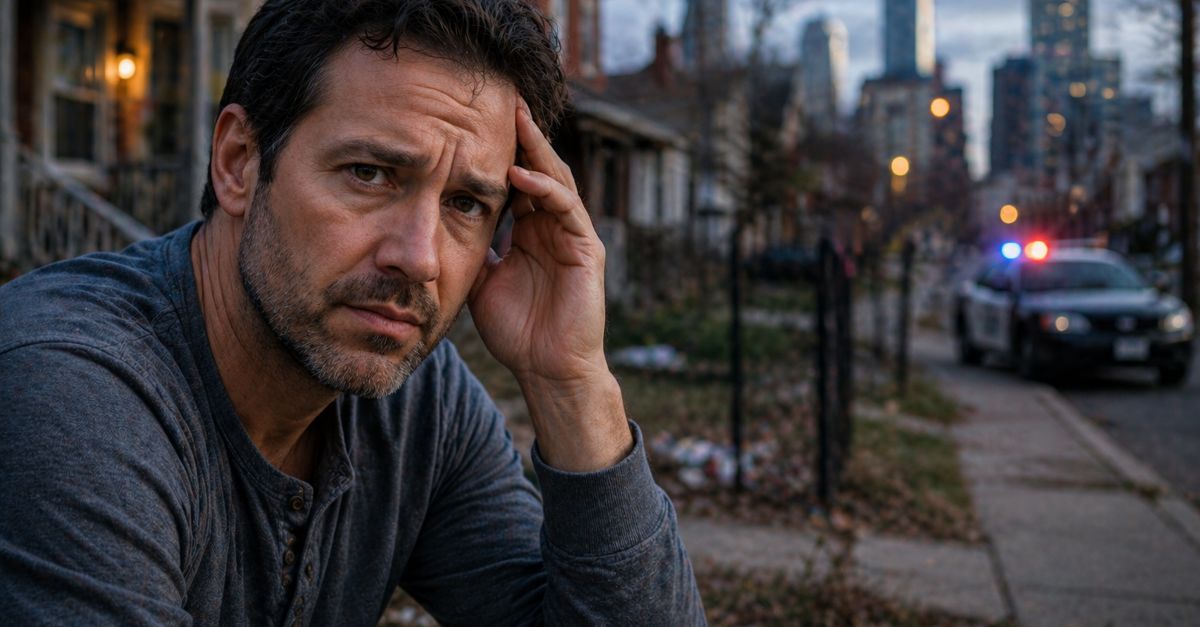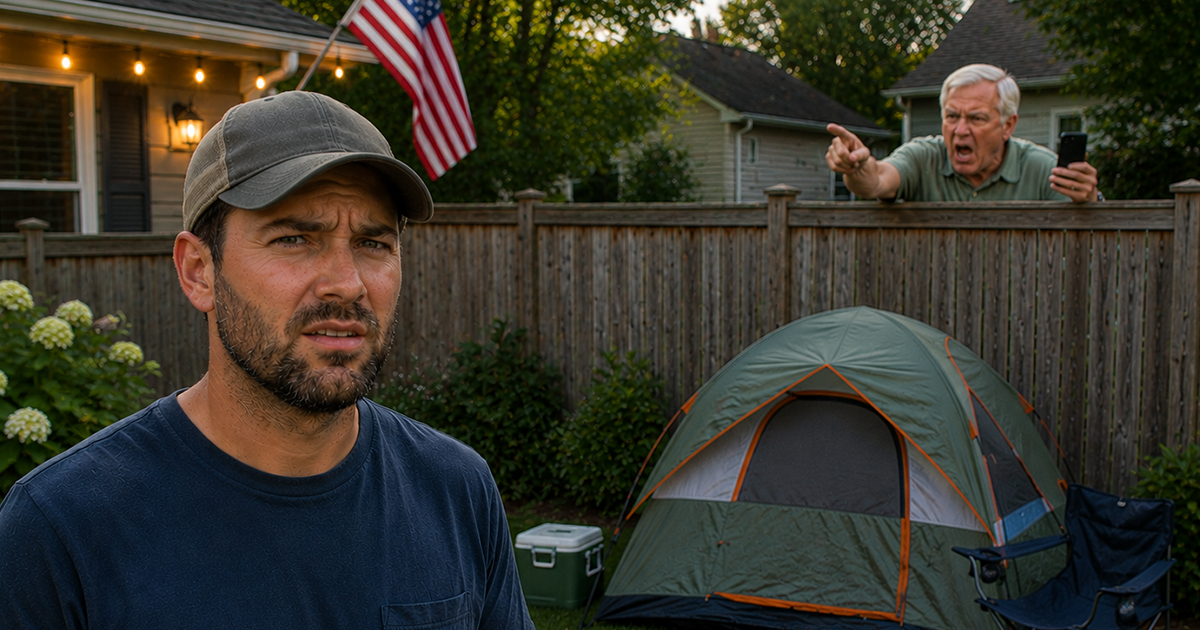
Did Your Tent Just Cross a Line?
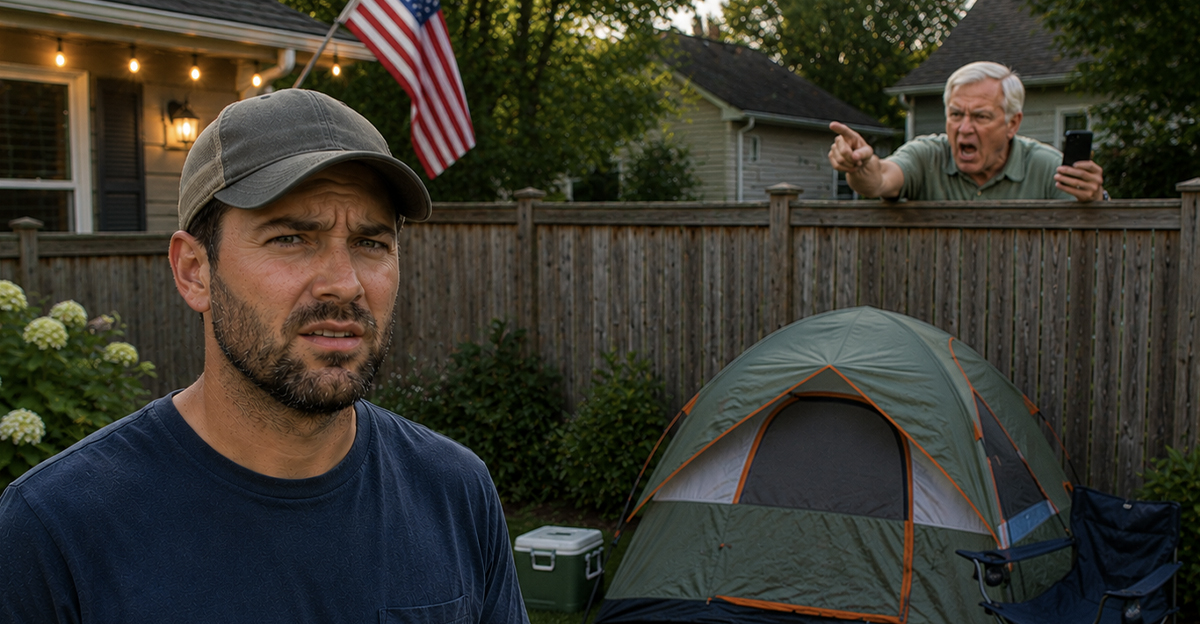
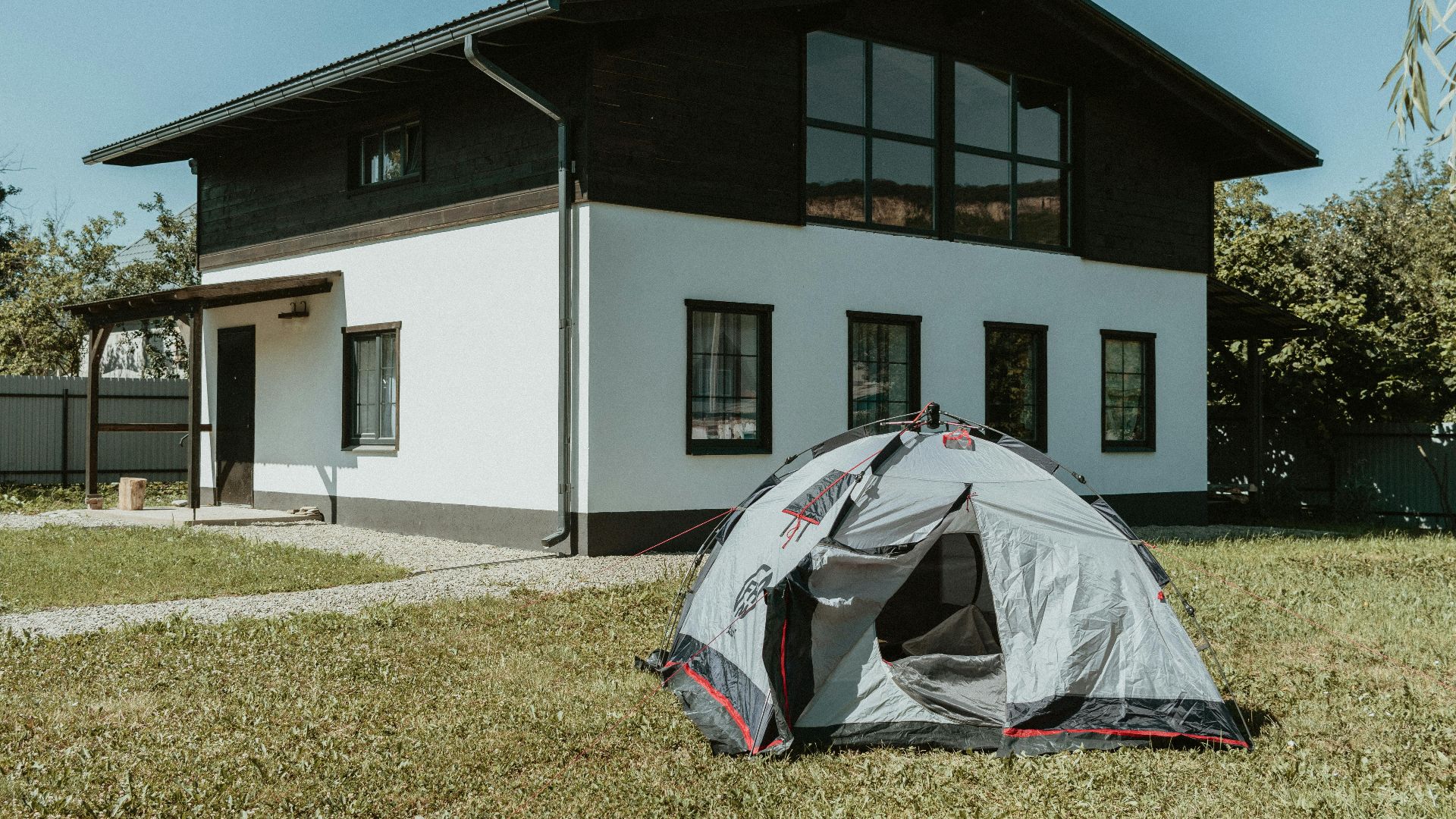
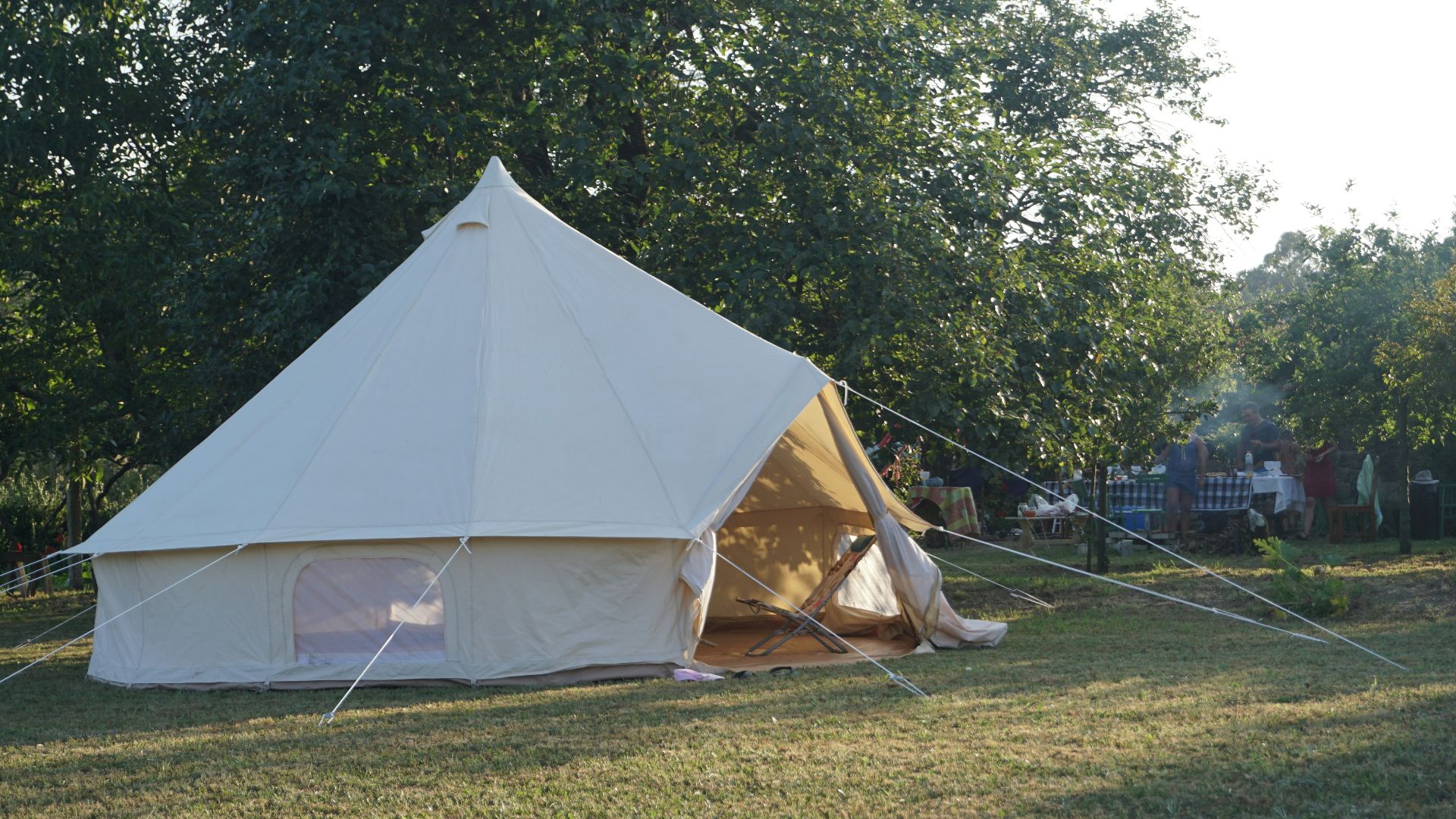
You pitch a tent in your backyard, maybe roast a few marshmallows, and call it a fun night under the stars. Then your neighbor drops the line: “I’m calling the city.” Suddenly you’re wondering… is backyard camping actually a problem now?
Why Backyard Camping Feels Totally Normal
For a lot of people, this is just harmless fun. It’s safe, it’s on your own property, and it’s often something families do with kids. No travel, no permits—just a simple night outside.
So Why Would Anyone Care?
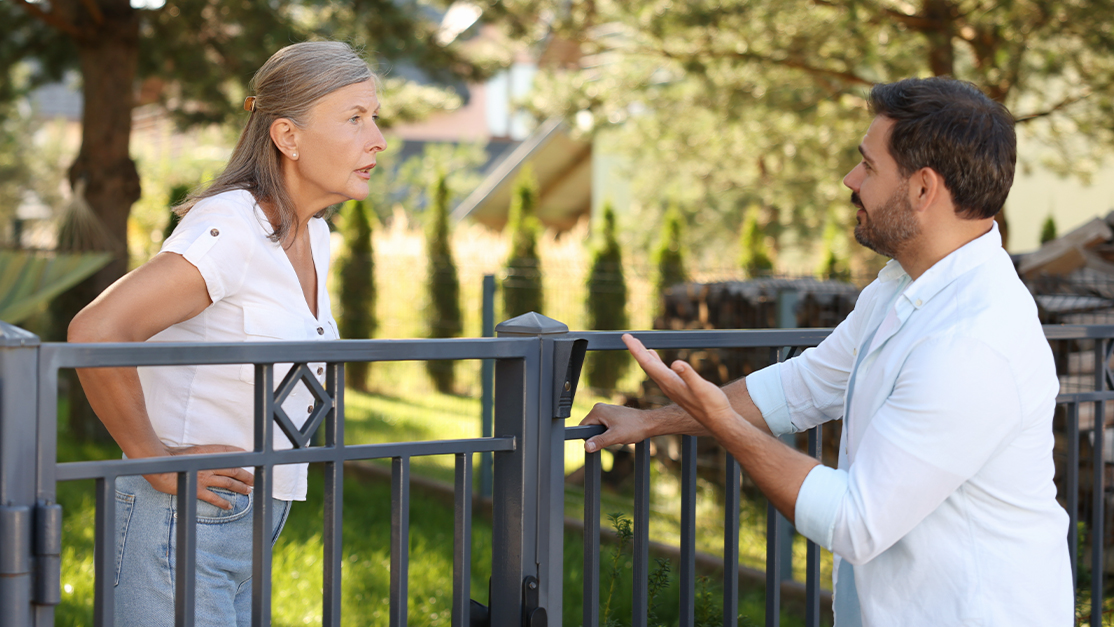
That’s the confusing part. You’re not blasting music or throwing a huge party. But sometimes, what feels harmless to you can raise concerns for neighbors or local authorities.
The Difference Between Camping and “Living Outside”
Here’s where things start to matter legally. A one-night tent setup is very different from someone staying in a tent long-term. Cities often regulate the latter—and sometimes those rules spill over.
What City Codes Usually Focus On
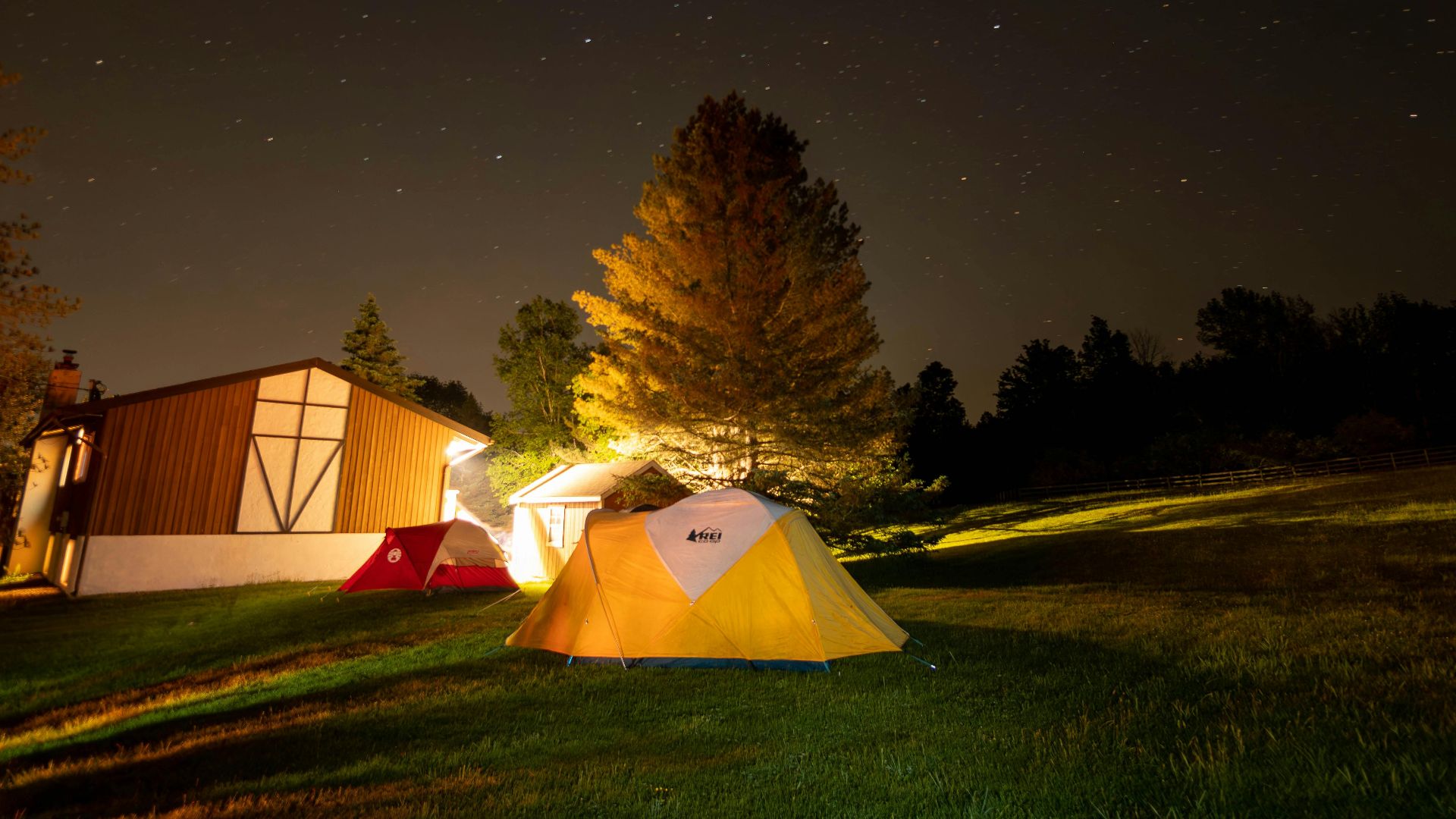
Most local laws aren’t written to ban fun—they’re written to prevent unsafe or unsanitary living conditions. Things like prolonged outdoor sleeping, lack of facilities, or fire risks can trigger violations.

Could a Tent Be Seen as a “Structure”?
In some areas, yes. Even temporary setups can fall under zoning or property use rules, especially if they’re visible, left up for extended periods, or used repeatedly.
What About Noise or Disturbance?
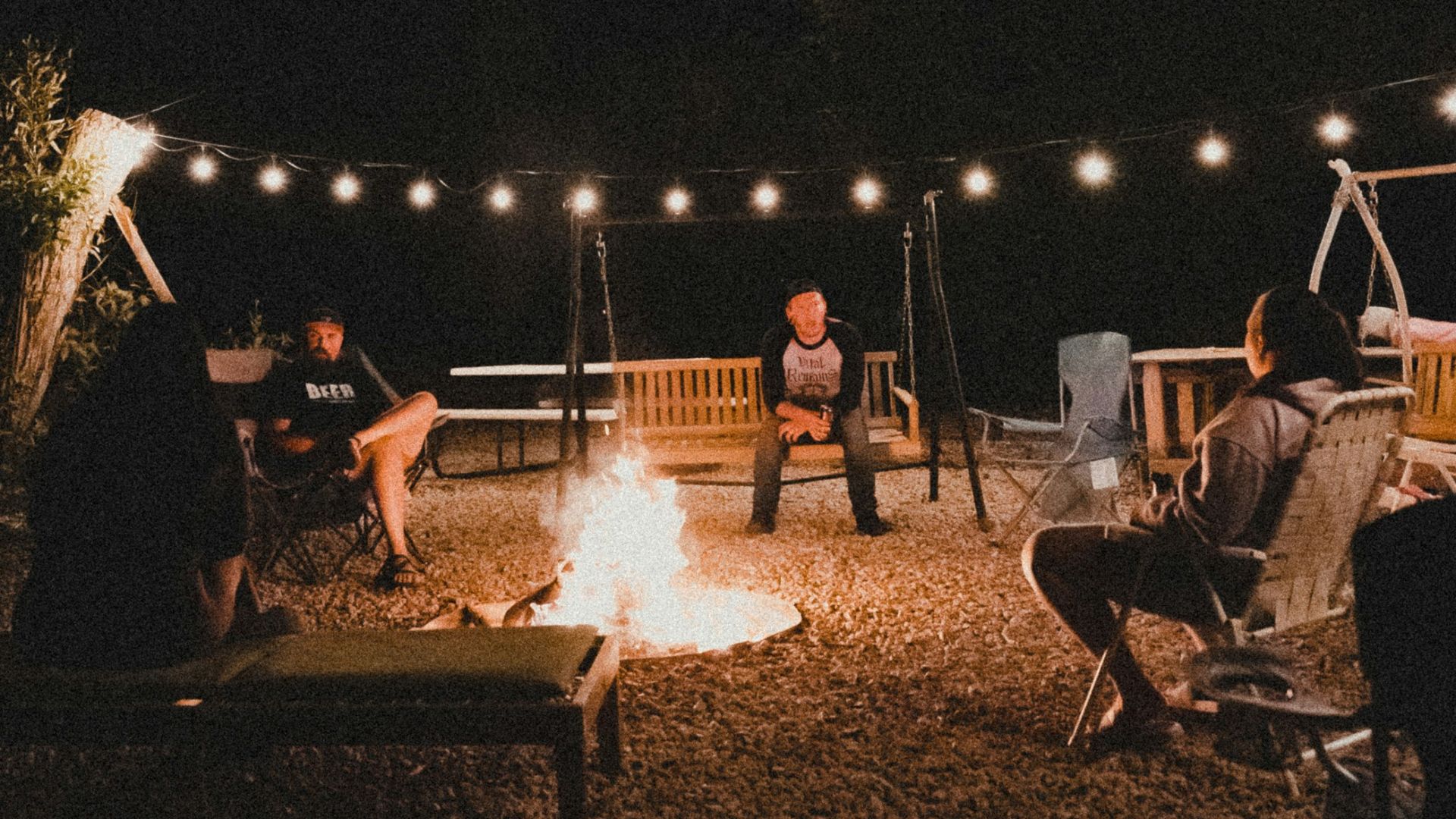
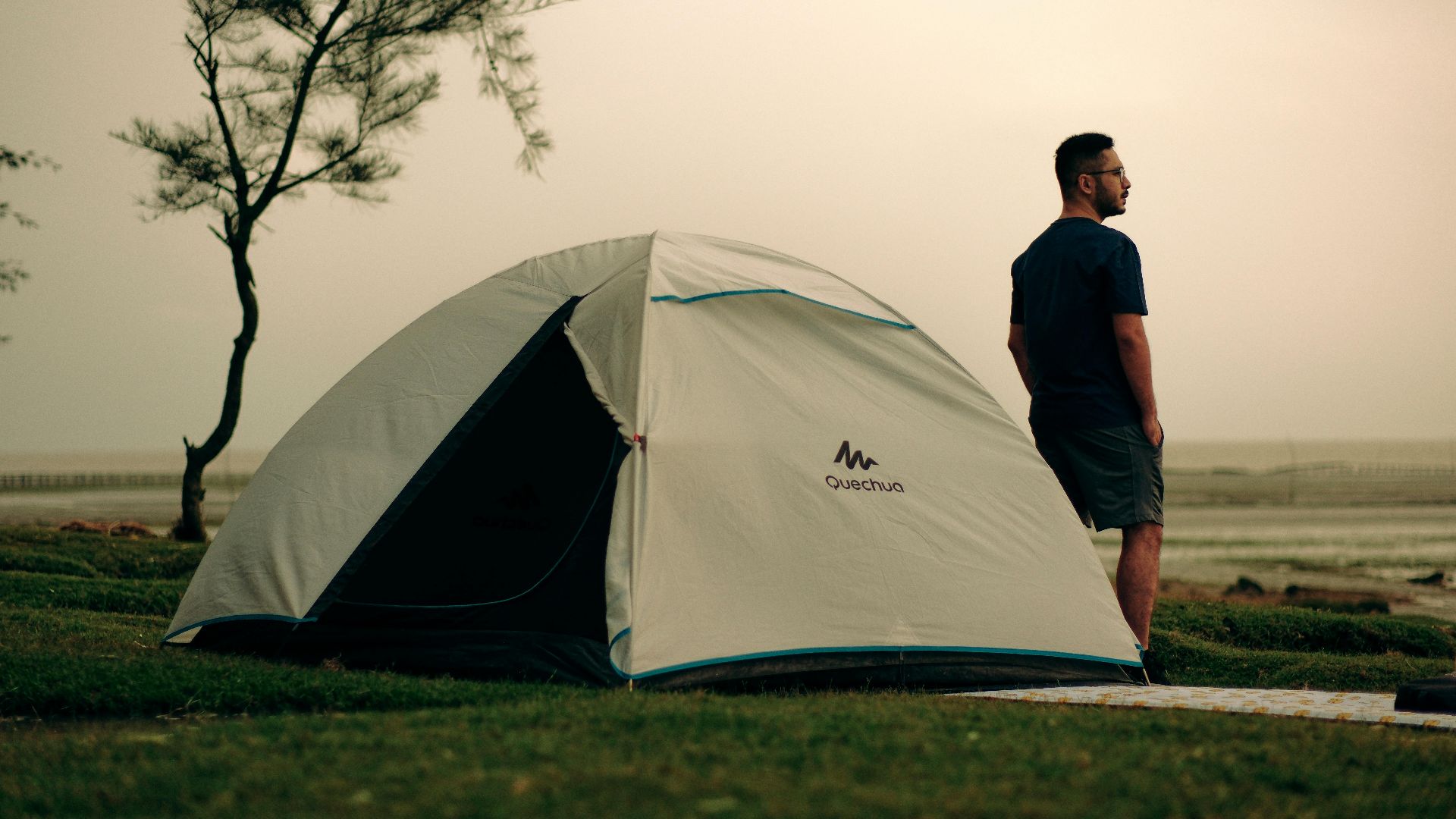
If your backyard camping involves late-night noise, lights, or activity, neighbors might complain. And once a complaint is made, it often brings more attention than the tent itself.
 Grace Anne Bobadilla, Unsplash
Is This More About the Neighbor Than the Tent?
Sometimes, absolutely. A neighbor’s tolerance level can make a big difference. What one person ignores, another might report immediately.

Do HOAs Play a Role Here Too?
If you live in an HOA community, they might have rules about temporary structures or overnight outdoor use. Even a tent could fall into a gray area depending on how the rules are written.

What If It’s Just One Night?
That’s usually where things lean in your favor. Short-term, occasional use is far less likely to be considered a violation compared to repeated or long-term setups.
Why This Feels Like Overreach
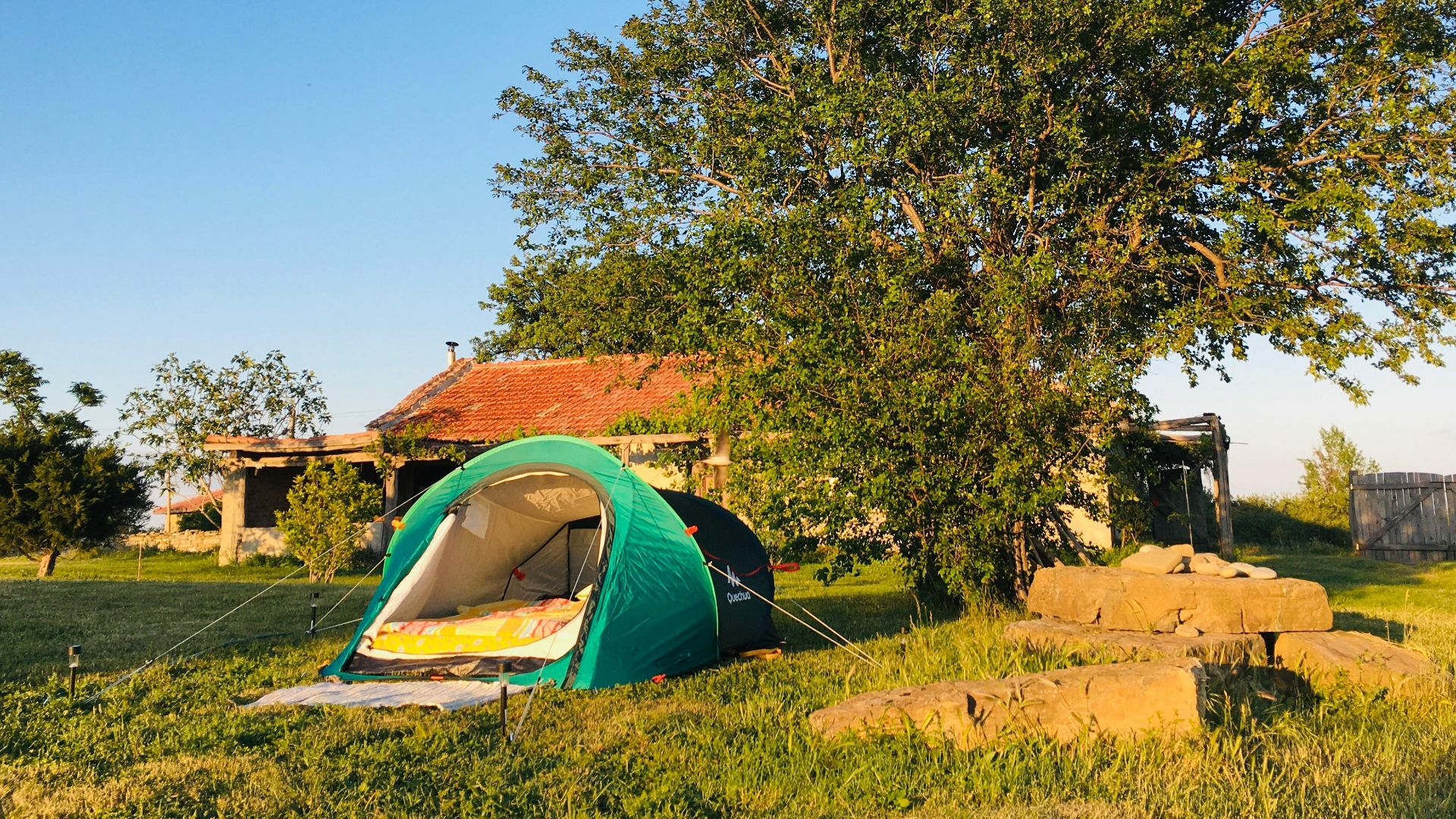
Because it’s your property. You’re not leaving your yard—you’re just using it differently for a night. That’s why it can feel like the rules are going too far.
Could Fire Rules Come Into Play?
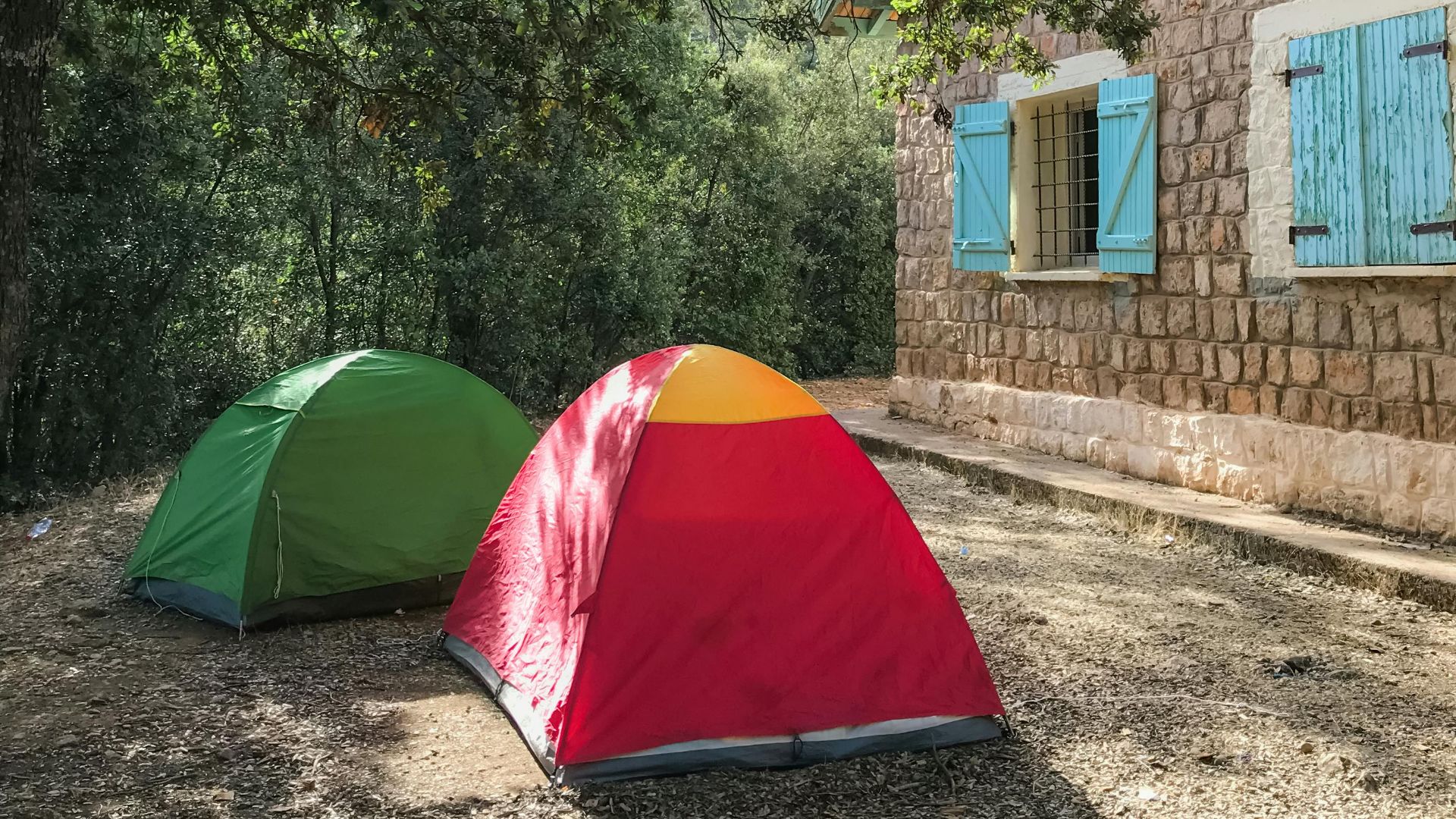
Yes. If you’re using a fire pit, grill, or anything similar, local fire codes might apply. Sometimes the concern isn’t the tent—it’s what’s happening around it.

What Happens If the City Gets Involved?
If a complaint is made, the city may check whether any ordinances are being violated. In many cases, they won’t take action unless there’s a clear issue.

Can You Push Back on a Complaint?
You can. If you’re following local rules and not causing a disturbance, you’re generally within your rights to use your backyard.

Are There Places Where This Is Actually Restricted?
Yes—some cities have specific ordinances about sleeping outdoors, temporary shelters, or unauthorized structures. It’s not common for casual camping, but it does exist.
So… Is Backyard Camping Illegal?
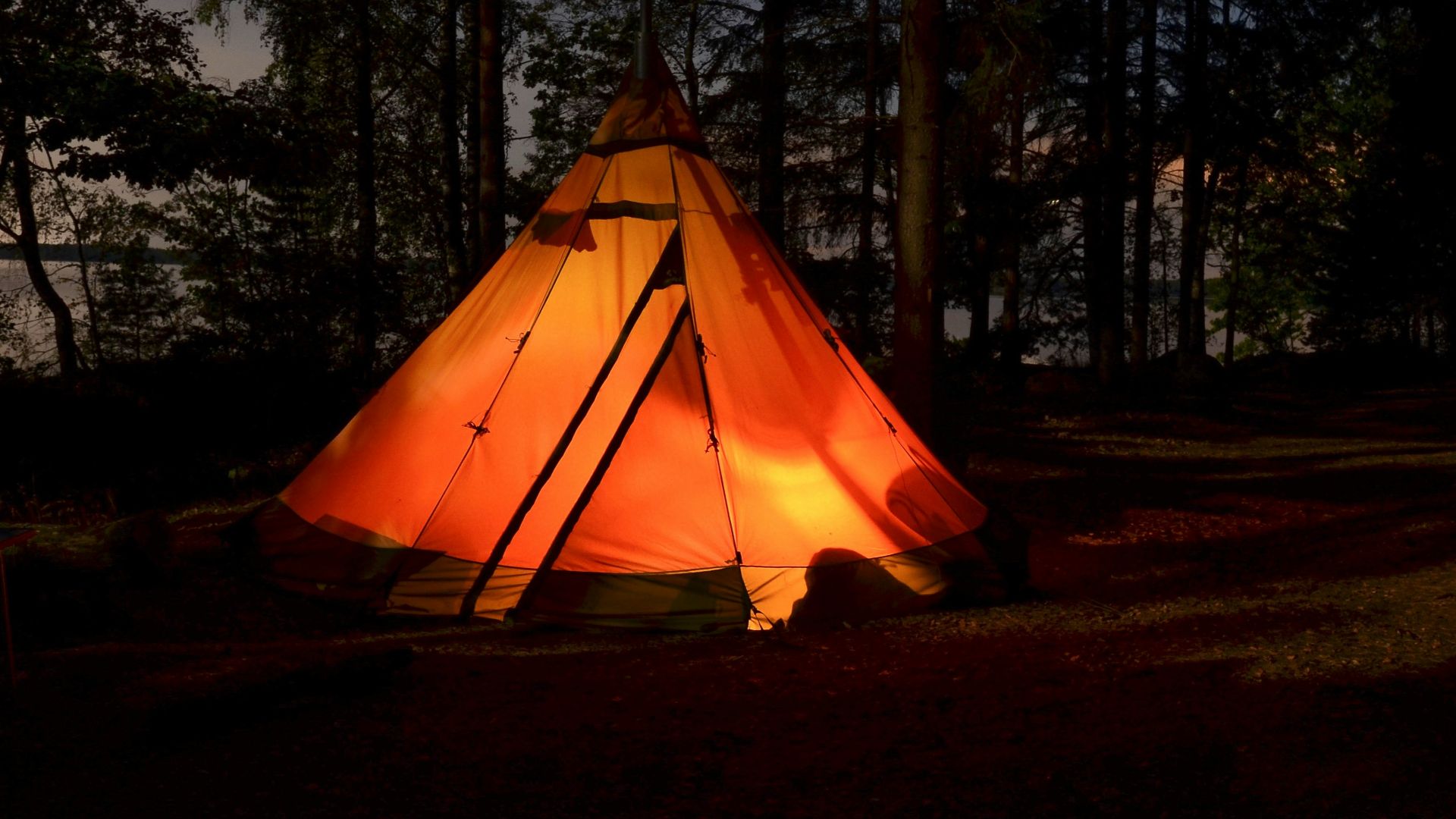
Most of the time, no—but there are exceptions.
If it’s short-term, occasional, and not causing problems, it’s usually allowed. But if it starts to resemble long-term living, violates local codes, or triggers complaints, it can become an issue.
What You Should Do Before Your Next Campout
Check your local ordinances and HOA rules if applicable. Keep things low-key, safe, and temporary—that goes a long way.
The Bottom Line for Backyard Fun
Backyard camping isn’t automatically illegal, but it does sit in a gray area depending on how it’s done and where you live.
One Last Thought Before You Zip the Tent
Next time you set up that tent, you might ask yourself—are we just camping… or accidentally crossing into something the city might notice? Because sometimes, it’s not the tent—it’s how it’s used.

You May Also Like: