Jewelry Can Turn Grief Into Conflict
A jewelry box may be small, but it can ignite a major family feud. One sister sees an inheritance, while another sees memories she believes should be shared. Before the fight gets ugly, the family must separate legal ownership from financial value and emotional attachment.

Start With The Legal Answer
Sentimental items do not automatically have to be divided like cash. The controlling will, trust, beneficiary arrangement, or state inheritance law determines who legally receives the jewelry. A family can choose a more collaborative solution, but it should not quietly override a valid estate document.
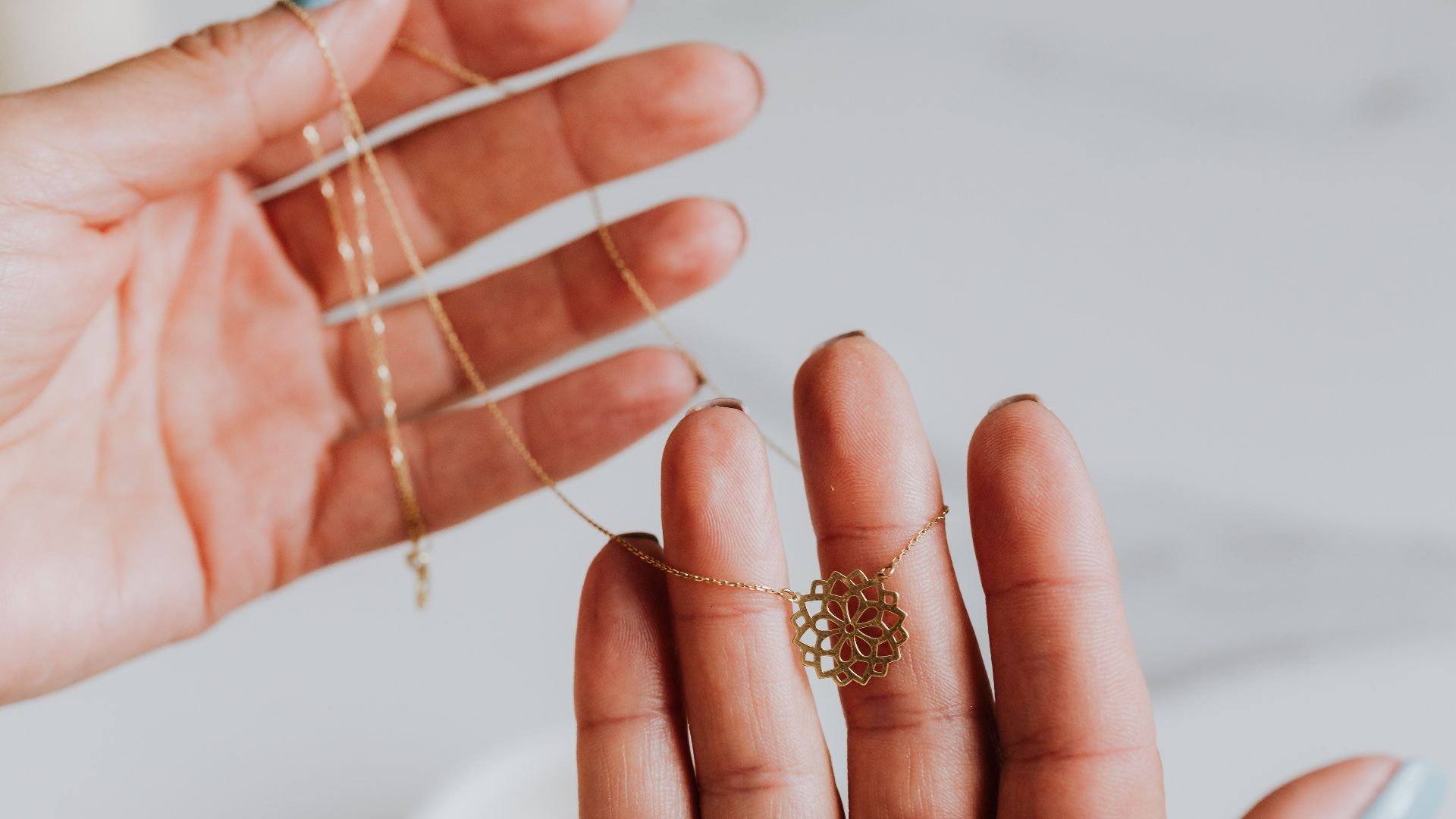 https://kaboompics.com/, Pexels
Clarify What “Left Me” Means
First, determine whether your mother named you in a valid will or trust, wrote an informal note, made a verbal promise, or simply gave you possession. Those situations do not necessarily carry the same legal weight. Ask the executor and estate attorney to confirm which document controls before anyone distributes or trades pieces.

A Specific Gift Usually Comes First
A will might specifically say that a named daughter receives a particular ring or the entire jewelry collection. That is known as a specific bequest, and the executor generally must follow it if the language and item are clear. Your sister’s emotional argument would not ordinarily create an equal legal claim to property specifically left to you.
Broad Language Creates More Questions
The situation changes if the will says the children should divide personal property equally or leaves everything to them in equal shares. Jewelry may then form part of the estate’s remaining property rather than belonging automatically to one sibling. The executor must interpret the document under local law and use a defensible distribution process.
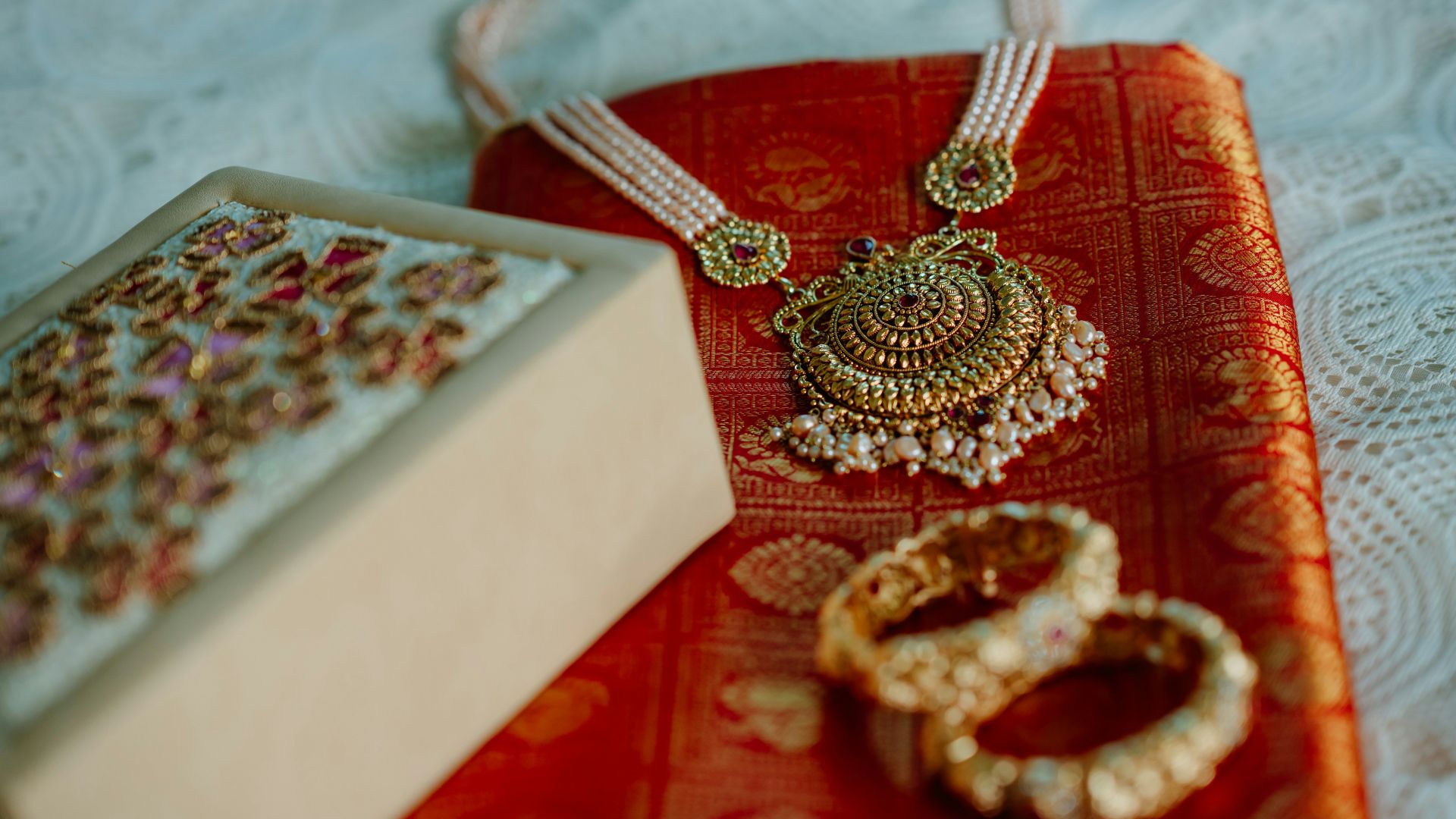
No Will Means State Law Takes Over
If your mother died without a valid will, state intestacy law determines who inherits her probate property. These rules vary, especially when a surviving spouse, children from different relationships, or other relatives are involved. Nobody should assume that physically holding the jewelry proves ownership.
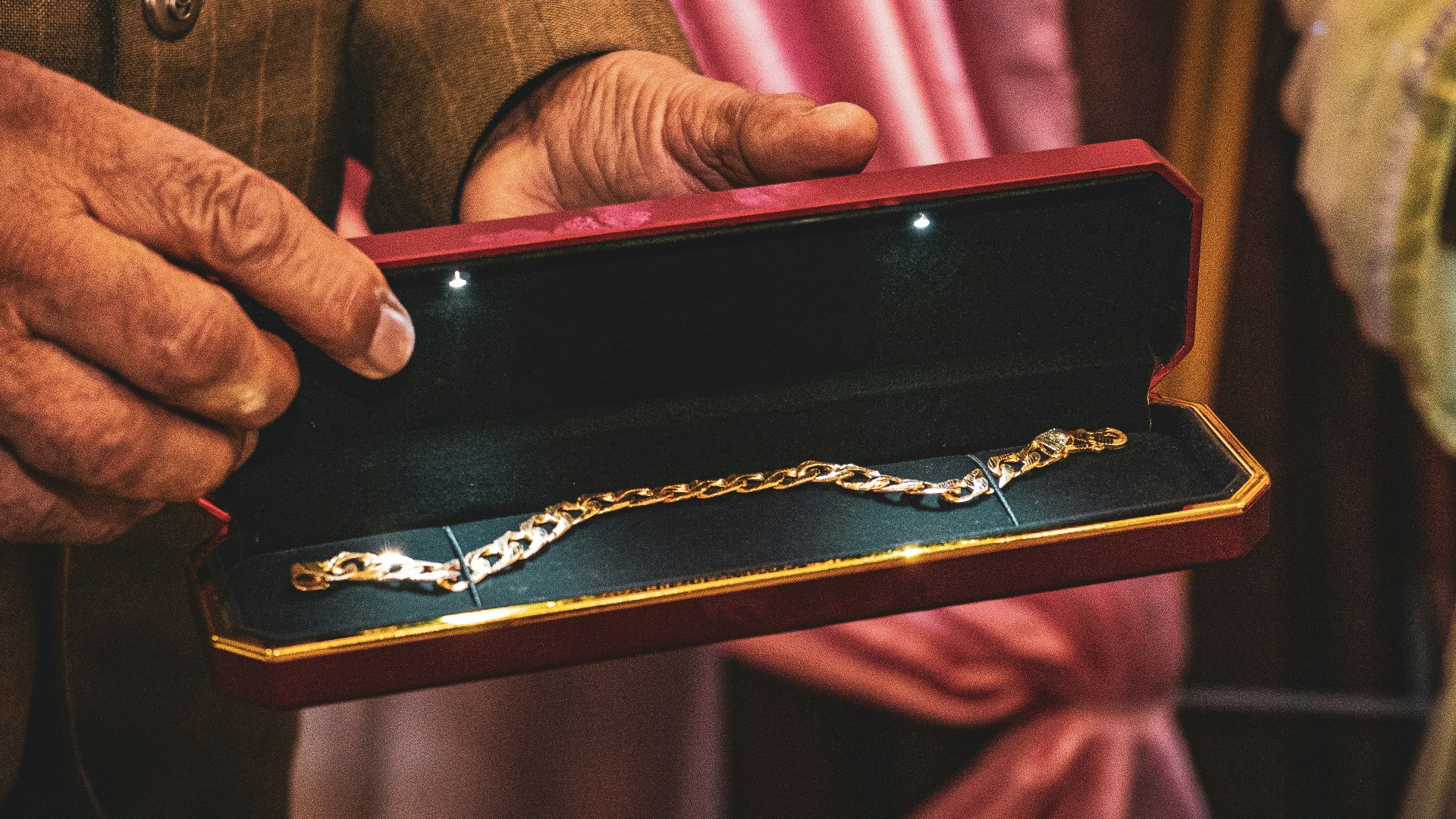
 Maria Fernanda Pissioli, Unsplash
The Executor Controls The Process
Until the estate properly distributes the jewelry, the executor or personal representative generally manages it on the estate’s behalf. The executor is a fiduciary who must follow the governing documents and applicable law. Removing, gifting, selling, or altering pieces prematurely can create accounting problems and deepen distrust.
 YAKOBCHUK VIACHESLAV, Shutterstock
Secure Everything Before Dividing Anything
Place the jewelry somewhere secure and restrict access while ownership is being resolved. Photograph every piece, note identifying marks, and record where it was found. A shared inventory reassures everyone that nothing disappeared before the family agreed on a process.

Look For Supporting Records
Search for receipts, prior appraisals, insurance schedules, gemstone reports, photographs, and repair documents. These materials can help identify stones, metals, designers, provenance, and past ownership. They may also reveal whether your mother treated certain pieces as gifts intended for particular people.
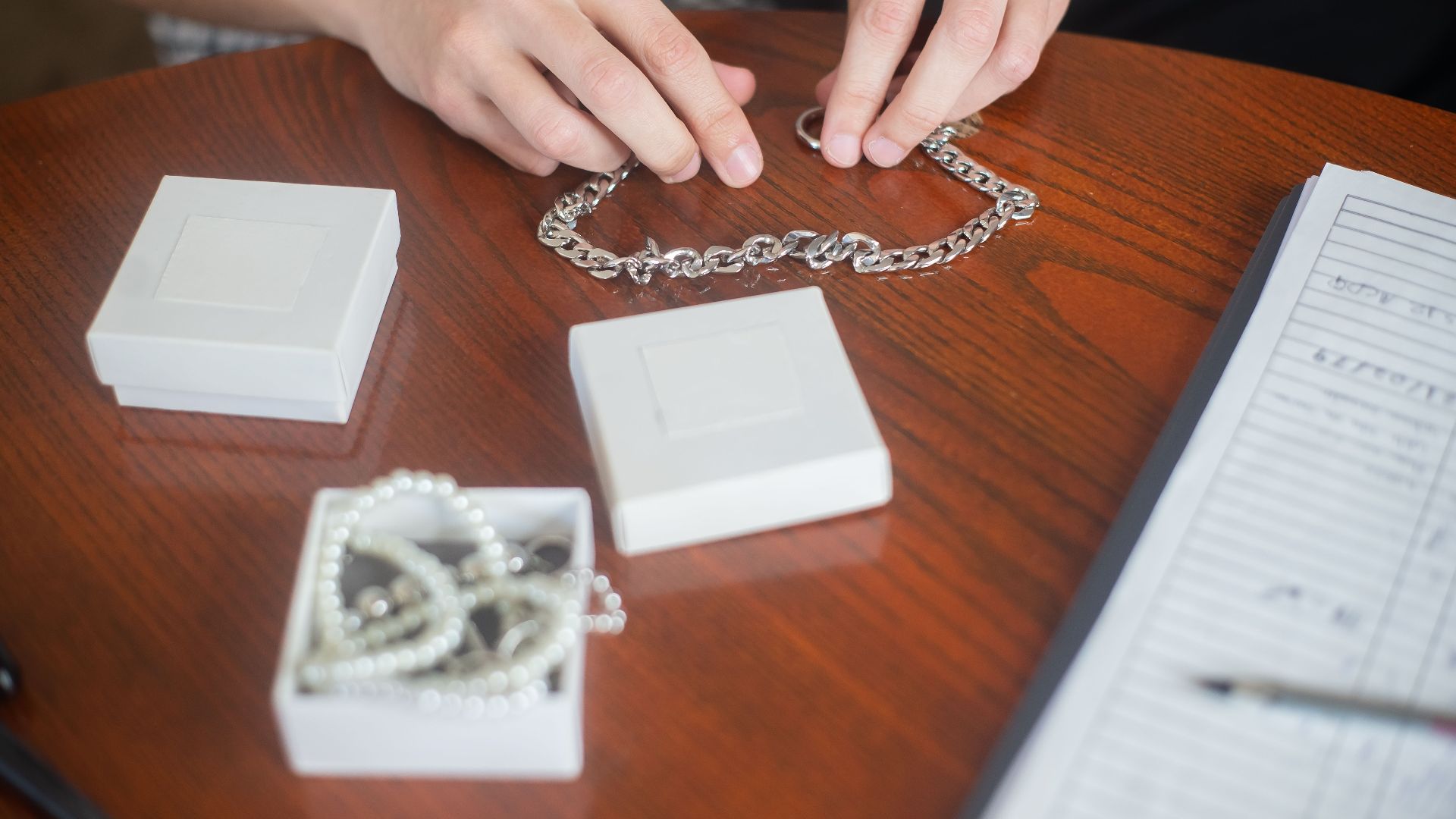
Do Not Confuse Price With Meaning
A modest charm bracelet may matter more to your sister than a commercially valuable necklace. Sentimental value is personal and cannot be established by an appraiser. Fairness therefore requires families to discuss both market value and emotional importance without pretending they are interchangeable.
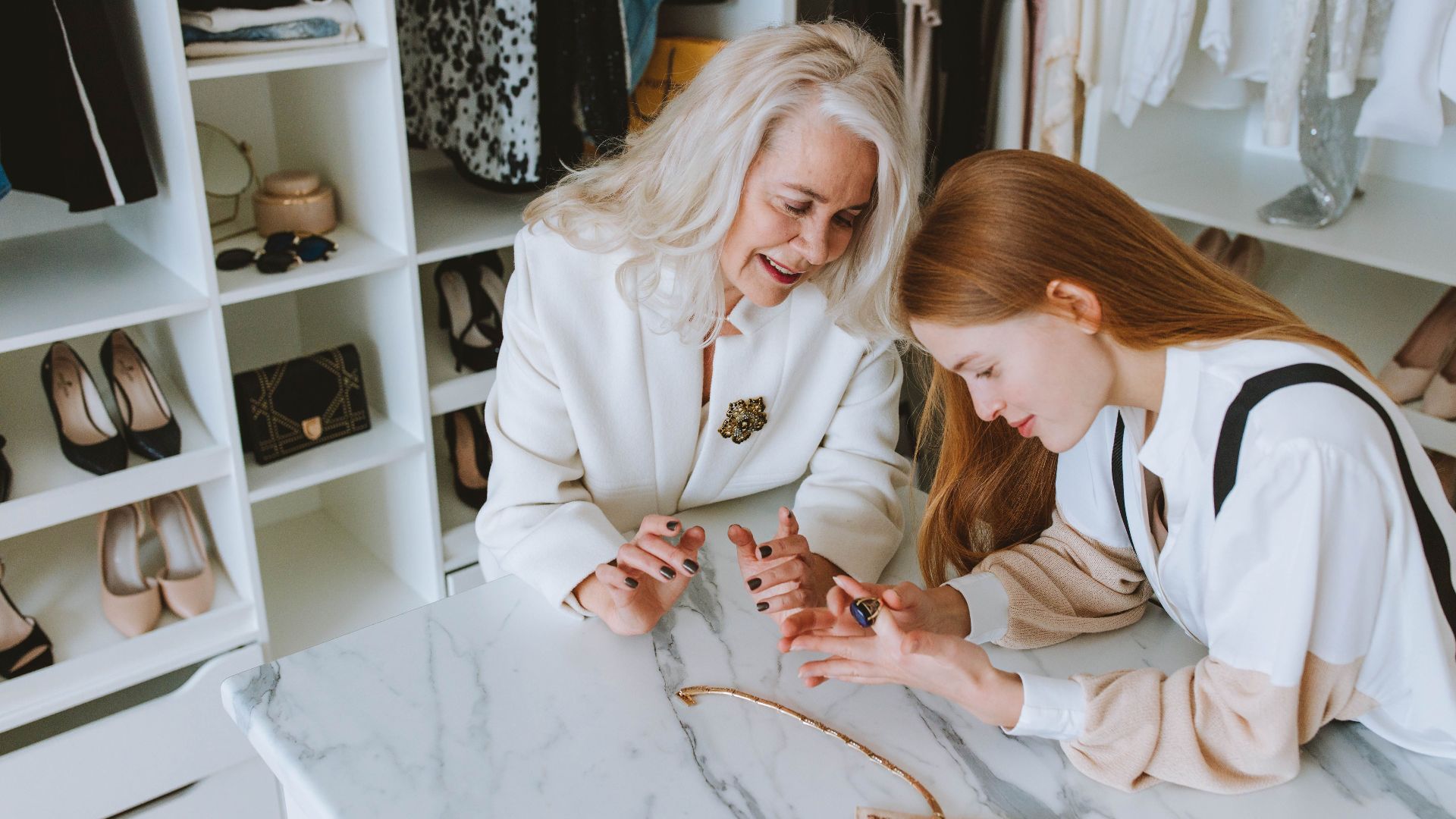
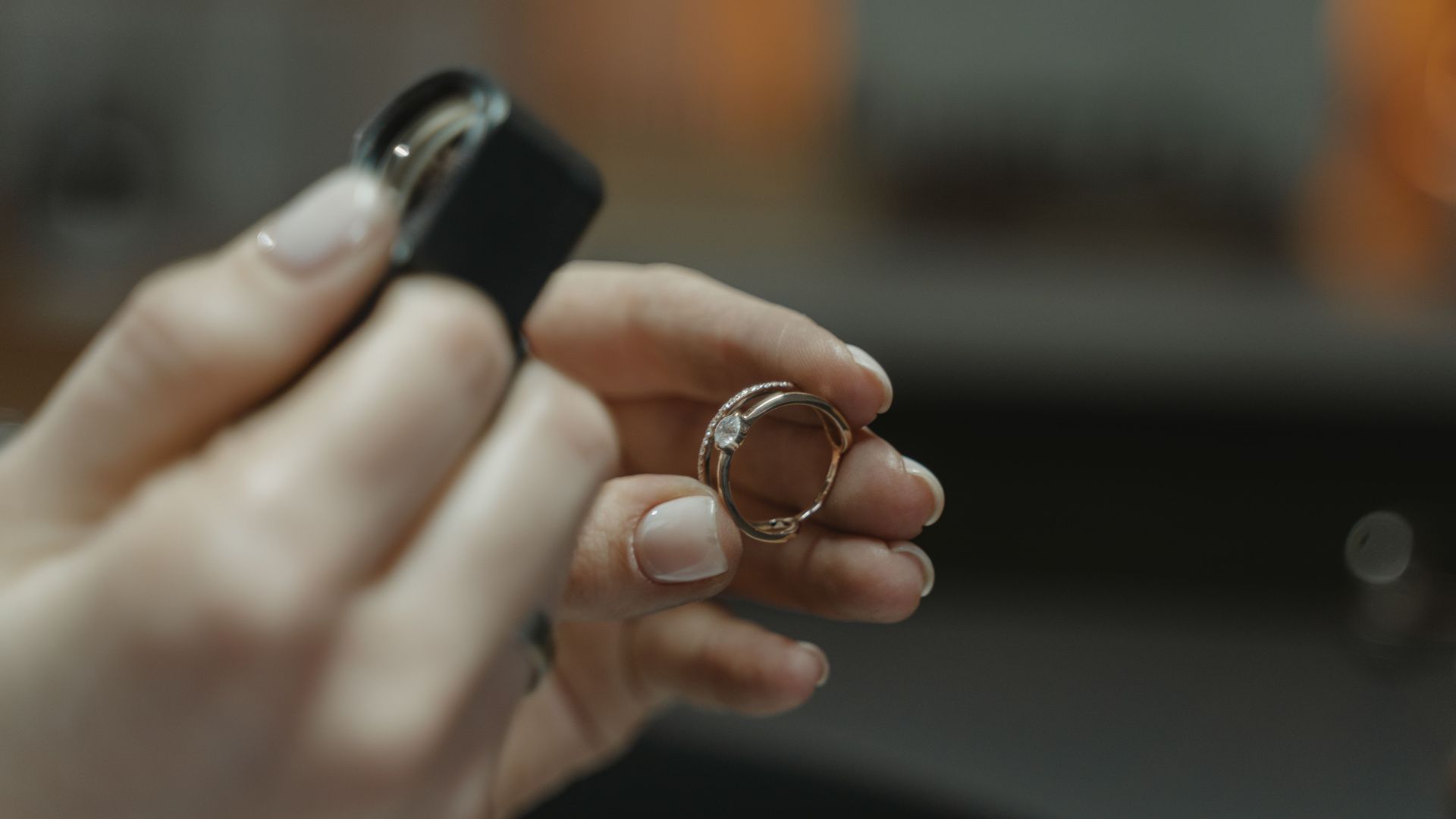
Get Important Pieces Appraised
The American Bar Association recommends professional valuations for estate property such as jewelry, artwork, and collectibles. A specialist may be appropriate when pieces are unusual or potentially valuable. An appraisal gives the executor a stronger basis for estate records, distributions, insurance, and possible tax reporting.
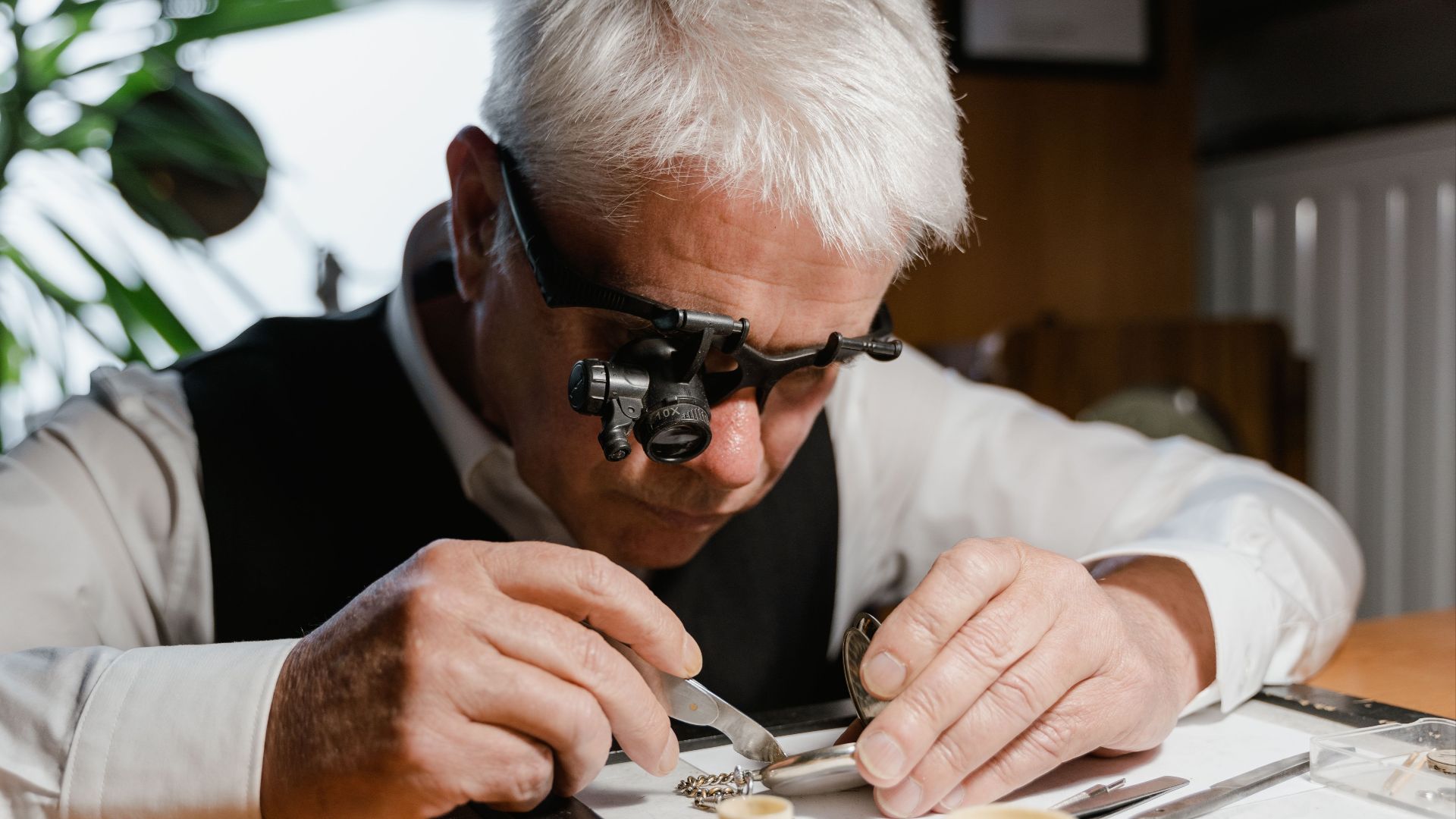
Choose The Right Professional
Consumers should look for both gemological knowledge and appraisal training. Ask about professional designations, experience with the relevant type of jewelry, fees, insurance coverage, and possible conflicts of interest. An independent appraiser who is not trying to buy the jewelry may inspire greater confidence.
Request The Correct Type Of Value
An insurance appraisal may estimate replacement cost, which can differ significantly from fair market value. Estate divisions and tax calculations often require fair market value instead. Tell the appraiser exactly why the valuation is needed so the resulting report answers the correct question.

Appraise Strategically
Not every inexpensive earring needs a costly standalone report. Families can screen the collection first and reserve formal appraisals for pieces that appear valuable, unusual, disputed, or likely to be sold. The goal is reliable information without consuming an unreasonable portion of the estate.
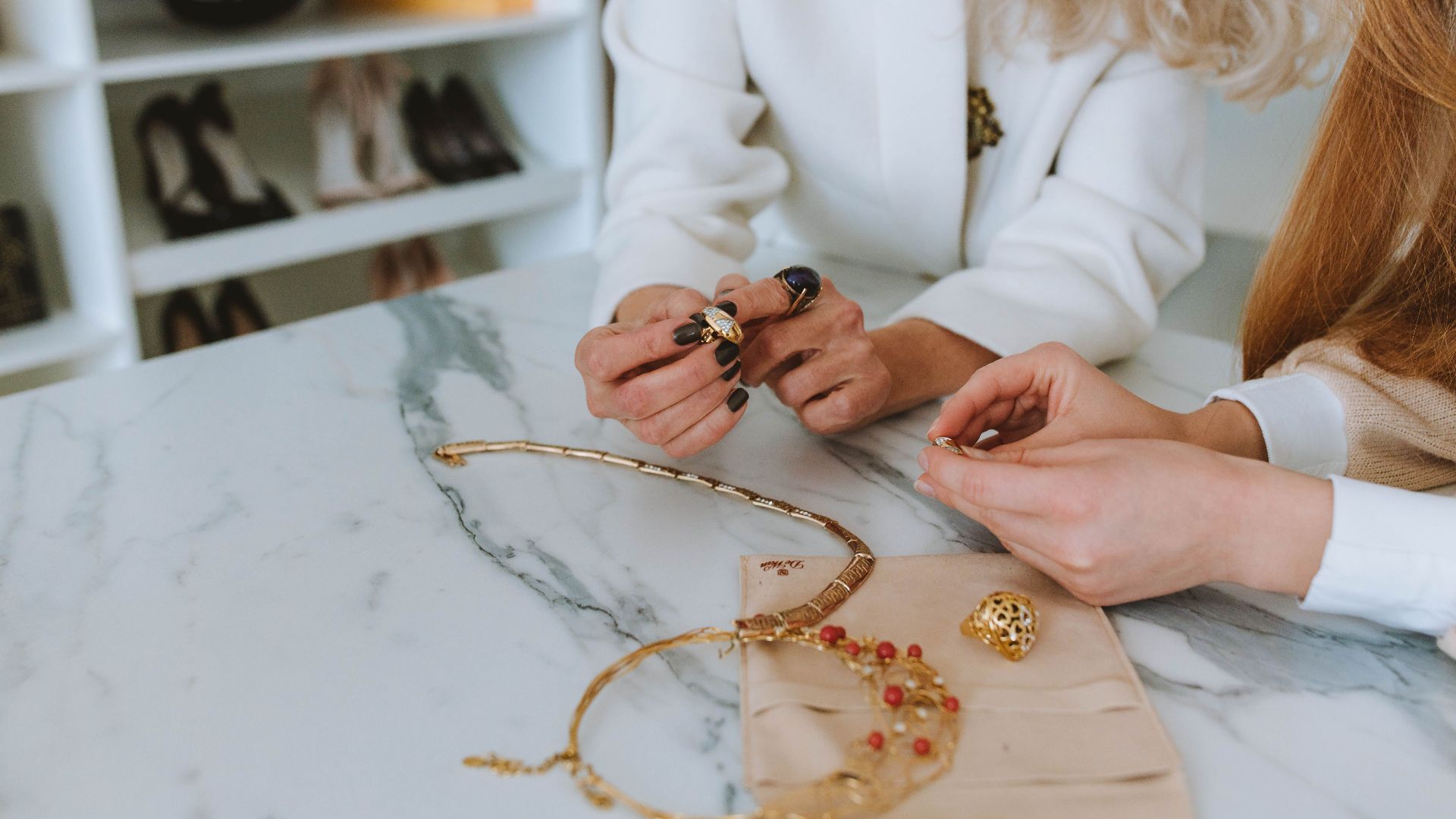
Create Three Separate Groups
Place specifically bequeathed pieces in one group, uncontested items in another, and contested pieces in a third. The first group follows the estate documents, while the second may be resolved quickly with everyone’s agreement. The family can then focus its time and money on the relatively small group causing disagreement.

Let Everyone Explain Their Choices
Ask each sibling to privately list the pieces they want and explain why. One may remember borrowing a brooch for graduation, while another may want a ring connected to a grandmother. These explanations do not decide legal ownership, but they often reveal compromises that a price-only discussion would miss.

Equal Does Not Mean Identical
Two people can receive fair shares without receiving the same number of objects. One sibling might keep a single valuable bracelet while another receives several lower-priced pieces. Values can be equalized through other estate assets if the will and executor’s authority permit that approach.

You Can Keep The Gift And Still Share
If the will clearly gives you the jewelry, you could voluntarily give selected pieces to your sister after the estate transfers ownership to you. That would be your choice rather than an acknowledgment that she owned half. Before making a substantial gift, ask a tax professional whether any reporting considerations apply.
Try A Round-Robin Selection
For numerous pieces with similar values, siblings can draw lots and take turns choosing. The University of Minnesota Extension identifies rotating selections as one possible way to divide personal possessions. Reversing the order in alternating rounds can reduce the advantage of choosing first.
Consider A Points Auction
Each sibling can receive the same number of imaginary points and bid on contested pieces. This allows someone to spend heavily on the item that matters most without giving wealthier relatives an advantage. The family should agree beforehand whether points reflect emotional priority only or will also affect financial equalization.

Use Cash To Balance The Shares
Suppose one sister receives jewelry valued at $8,000 and the other receives pieces worth $3,000. Subject to the will and available estate assets, the executor may be able to offset the $5,000 difference through cash or other property. An estate attorney should confirm that the proposed adjustment complies with the governing document and local procedure.

A Direct Buyout May Be Cleaner
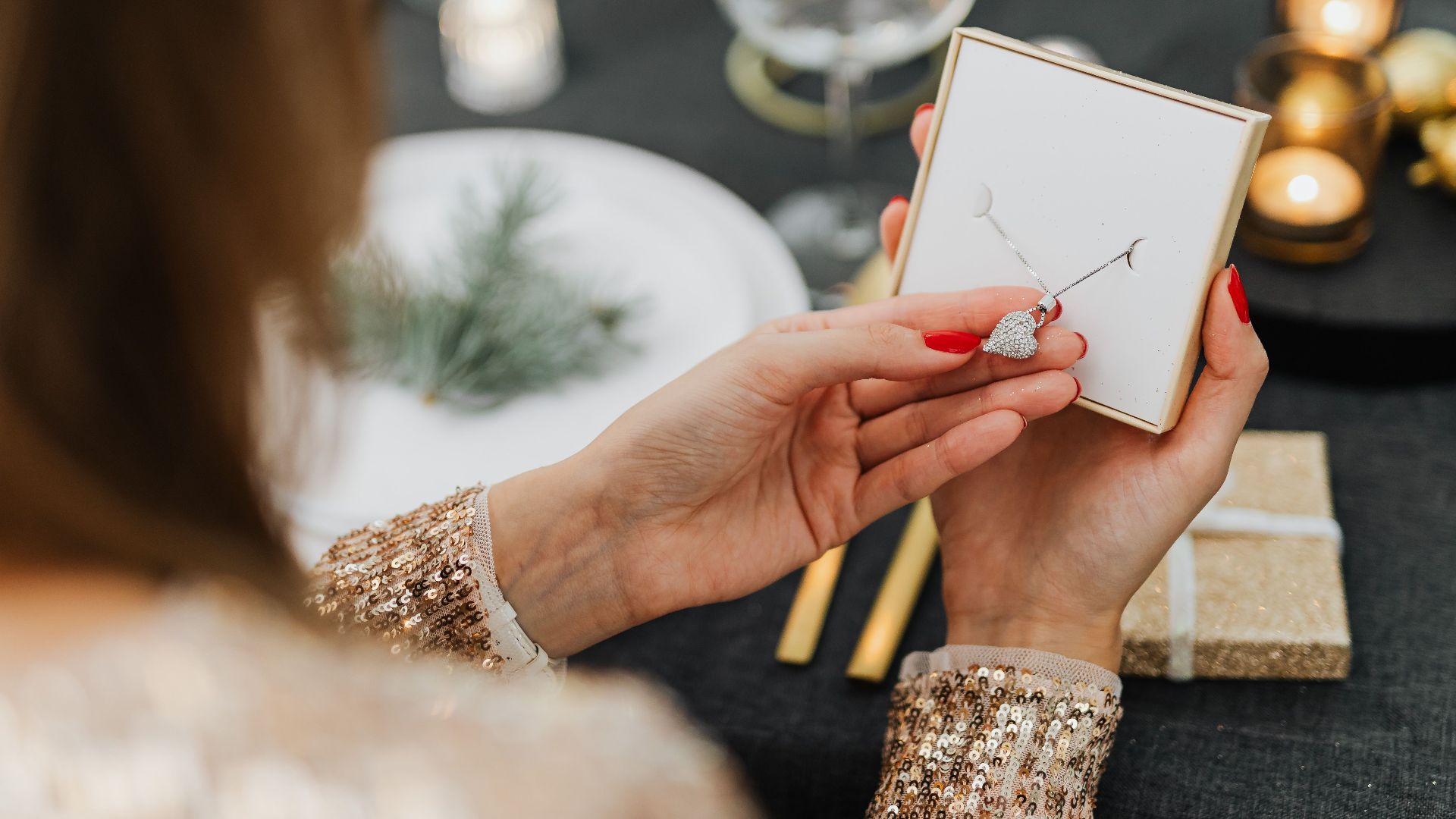
One sibling can sometimes keep a contested item while compensating the other for their estate interest. The agreement should use an accepted appraisal and specify how the payment affects each person’s inheritance. This works best when everyone accepts the value and nobody feels pressured to surrender an emotionally important piece.
 https://kaboompics.com/, Pexels
Handle The Favorite Piece Separately
Most collections contain one ring, watch, or necklace that several relatives want. Resolve that item independently through a buyout, points auction, random draw, or another method accepted in advance. Forcing the entire collection into one all-or-nothing bargain can make a single disagreement much harder to solve.
Selling Should Be A Last Resort
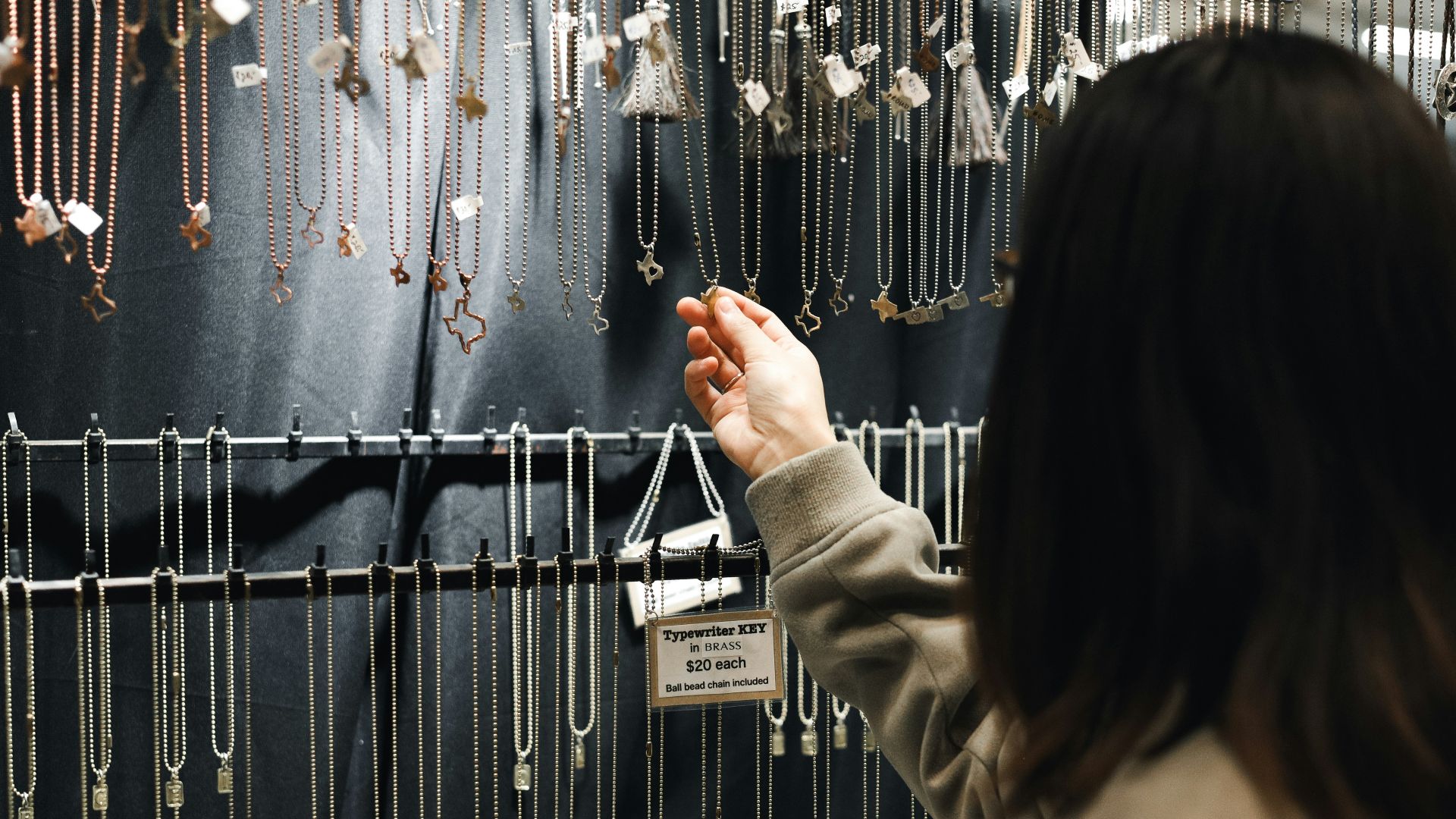
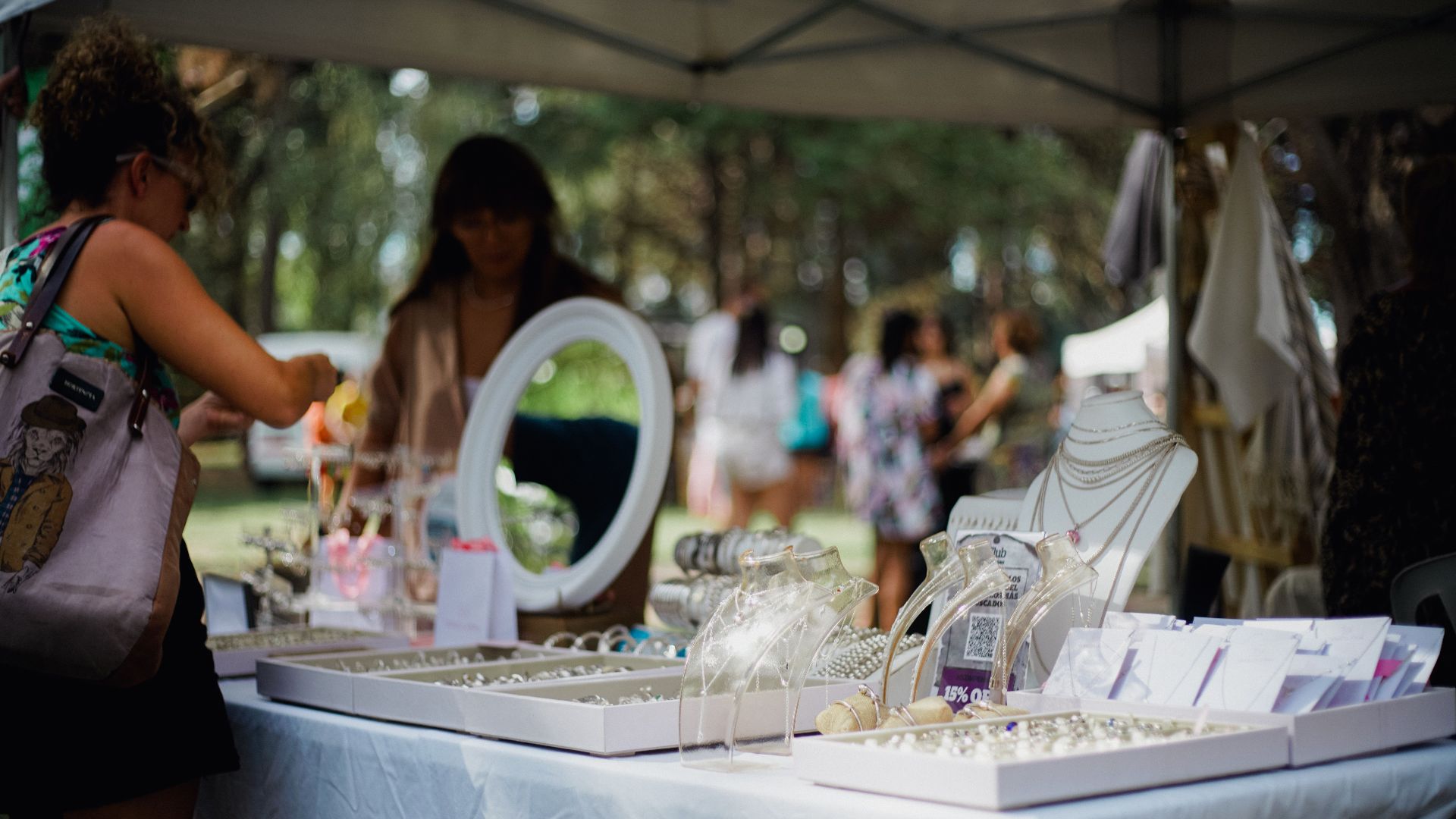
A sale converts jewelry into money that can be divided precisely, but it permanently removes the pieces from the family. Consider selling only items nobody wants or pieces that cannot be allocated fairly after other methods fail. Obtain more than one offer or use an appropriate auction or consignment specialist for potentially valuable jewelry.
Keep The Tax Basis Records
In the United States, inherited property generally receives a tax basis tied to its fair market value on the date of death, subject to certain exceptions and estate-tax elections. If an heir later sells a piece for more than its basis, a taxable capital gain may result. Keep the appraisal, estate inventory, and distribution paperwork with the jewelry’s permanent records.

Put The Agreement In Writing
Document which pieces each person receives, the assigned values, any cash adjustment, and any remaining obligations. Beneficiaries can sign receipts or settlement documents prepared or reviewed by the estate attorney. Good records protect the executor and reduce the chance that old disagreements return years later.

Use Mediation Before Going To Court
A neutral mediator can help relatives discuss practical needs, emotional concerns, and creative settlements without deciding the dispute for them. Courts describe mediation as offering greater speed, flexibility, control, and potential cost savings than continued litigation. If someone challenges the will, accuses the executor of misconduct, or claims property was taken improperly, each side may also need independent legal advice.

Fairness Begins With The Will
Your sister is not necessarily entitled to half the jewelry simply because the pieces are sentimental. Confirm what the estate documents require, inventory and appraise important items, then invite her to identify the pieces that genuinely matter to her. A transparent compromise may preserve both your inheritance and your relationship, but it should begin with your mother’s legally documented wishes.

You May Also Like: