When Your Dream Home Comes With a Plot Twist
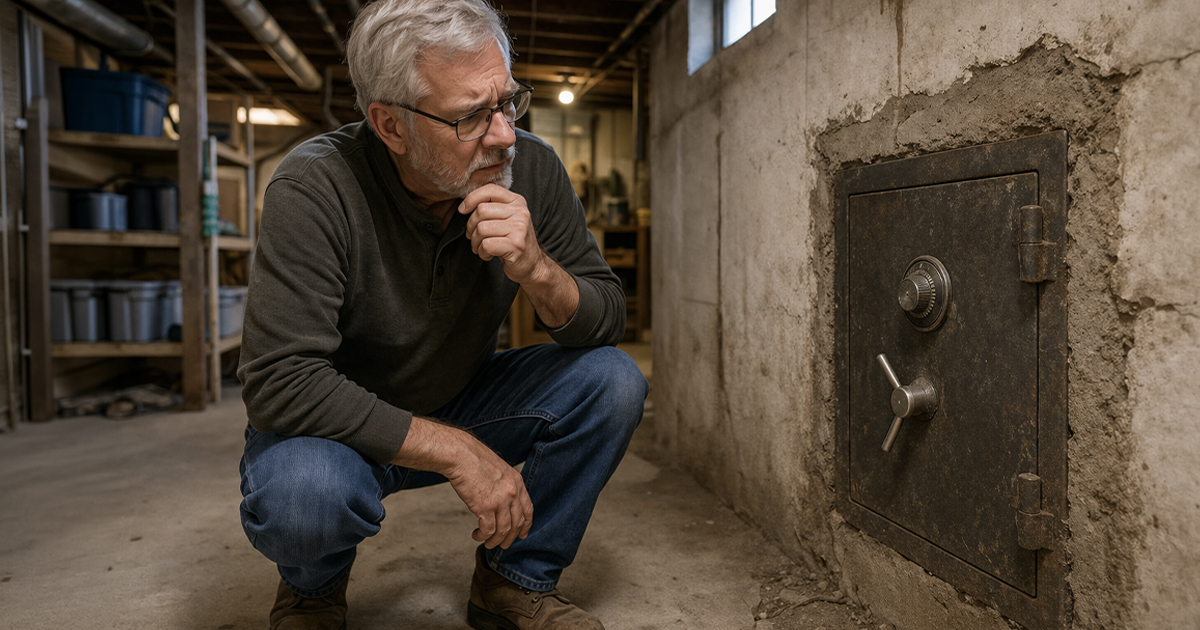
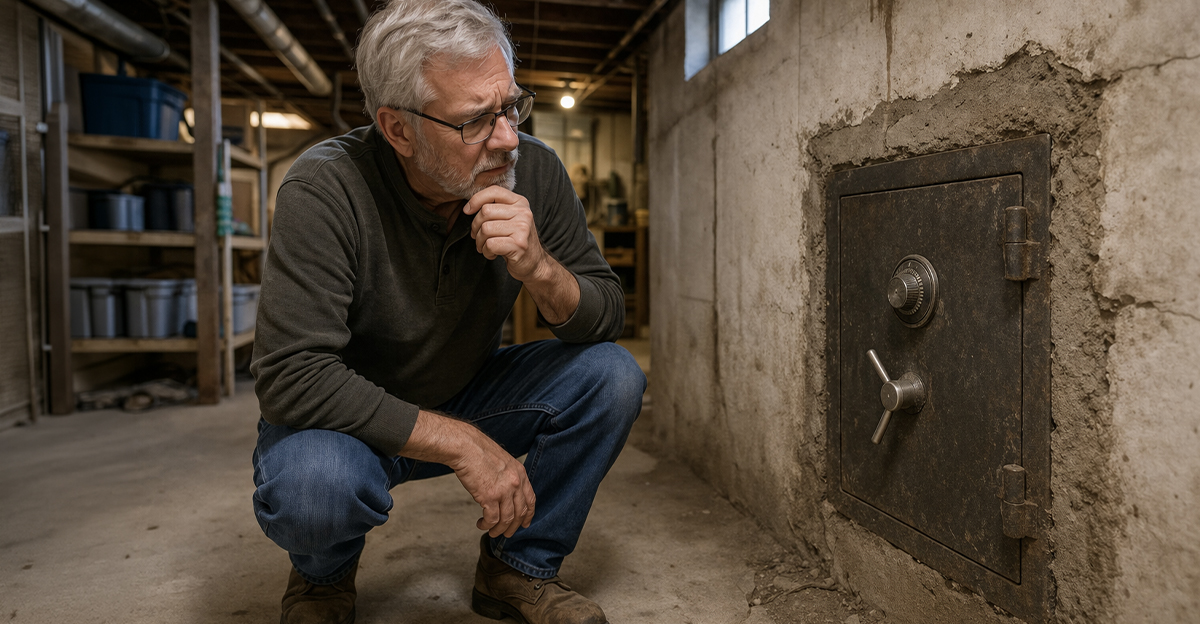
You’re settling into your new home, maybe doing a little cleaning or renovating—and then you spot it. A heavy, cemented-in safe. No mention in the listing, no key, no clue what’s inside. So now the big question is… does it belong to you? Or did you just inherit someone else’s secret?
So… Do You Own the Safe Now?
In most cases, yes—you do. Anything physically attached to the property typically transfers with the home during a sale. Since the safe is cemented into the foundation, it’s considered part of the property you purchased. But what about what’s locked inside?
 Jonathunder, Wikimedia Commons
It’s Not Just the Safe—It’s What’s Inside
Here’s where it gets interesting. If the safe is yours, the contents are usually yours too. Once ownership transfers, anything left behind—especially something built into the structure—typically becomes the new owner’s property. So… did you just hit the jackpot?
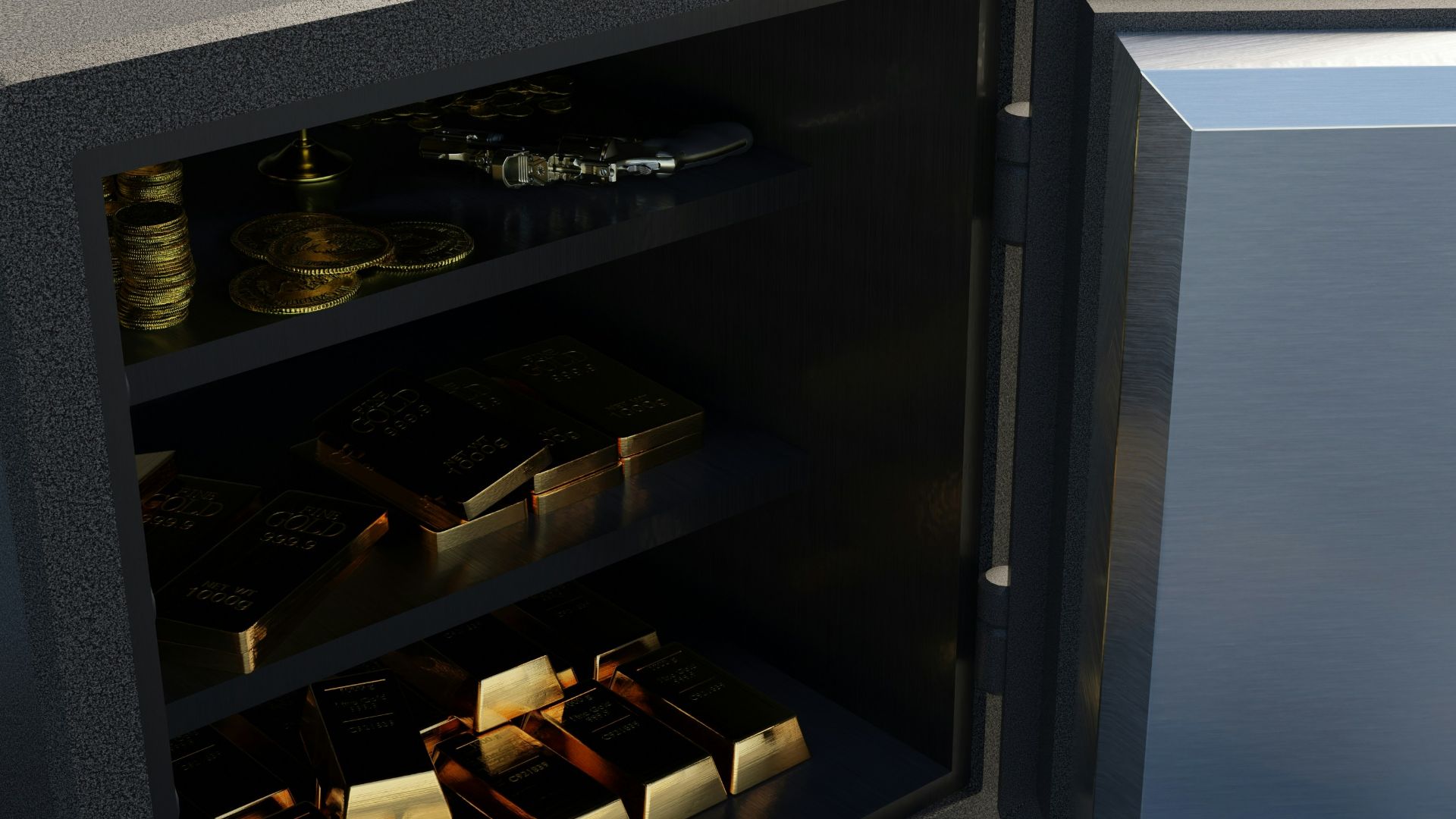
Why Being “Attached” Matters
Real estate law separates movable items from fixtures. A cemented safe isn’t something you can casually remove, so it’s treated as a fixture. That’s what gives you legal claim over it and whatever it contains. But what if the previous owner suddenly remembers?
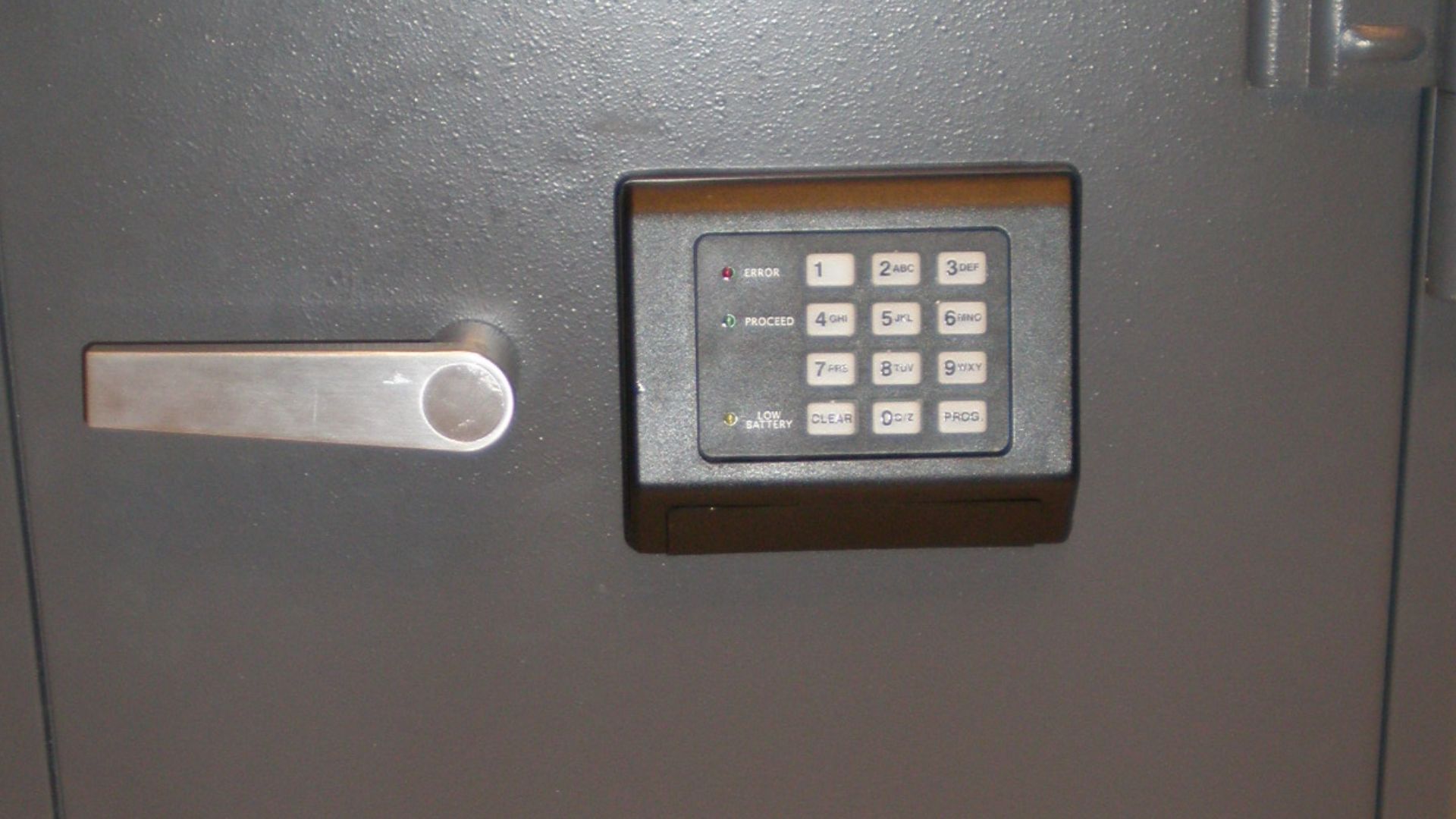 BrokenSphere, Wikimedia Commons
What If the Seller Forgot About It?
That happens more than you’d think. If the seller genuinely forgot, it doesn’t usually change ownership. Once the deal closes, forgotten items—especially built-in ones—are generally considered yours.

Did They Disclose It Before the Sale?
If the seller knew about the safe and didn’t disclose it, that could raise questions. But even then, it doesn’t automatically give them rights to reclaim it after the sale. Which makes you wonder… what else wasn’t mentioned?

The Only Exception That Changes Things
If your purchase agreement specifically mentioned the safe or allowed the seller to retrieve its contents later, then you might have to honor that. Without written terms, their claim is usually very weak. So, unless it’s in writing, it’s yours—including what’s inside.

What Happens If They Come Back Asking for It?
You’re not obligated to let them take it. The property—and everything attached to it—is yours now. If they ask, it becomes a personal decision, not a legal requirement. But would you trust their intentions?

Should You Let Them Access It?
That’s up to you. If you choose to allow it, set clear conditions. You control the property, so you decide how and when access happens—if at all. Still… what if they know exactly what’s inside?

What If the Safe Contains Cash or Valuables?
If it’s cash, jewelry, or documents, it likely belongs to you now. Once the home sale is complete, those items are generally considered part of the property transfer. But not all safes are used for cash…

But What If It’s Something… Worse?
This is where things can get serious. If the safe contains illegal items, weapons, or anything suspicious, you should not handle it yourself. That’s a situation for law enforcement. And suddenly… this isn’t just a curiosity anymore.

Dangerous Contents Change Everything
If the safe contains hazardous materials—like chemicals or unknown substances—you should contact professionals immediately. Safety comes first, and handling it improperly could be risky or even illegal. So… is it worth opening at all?
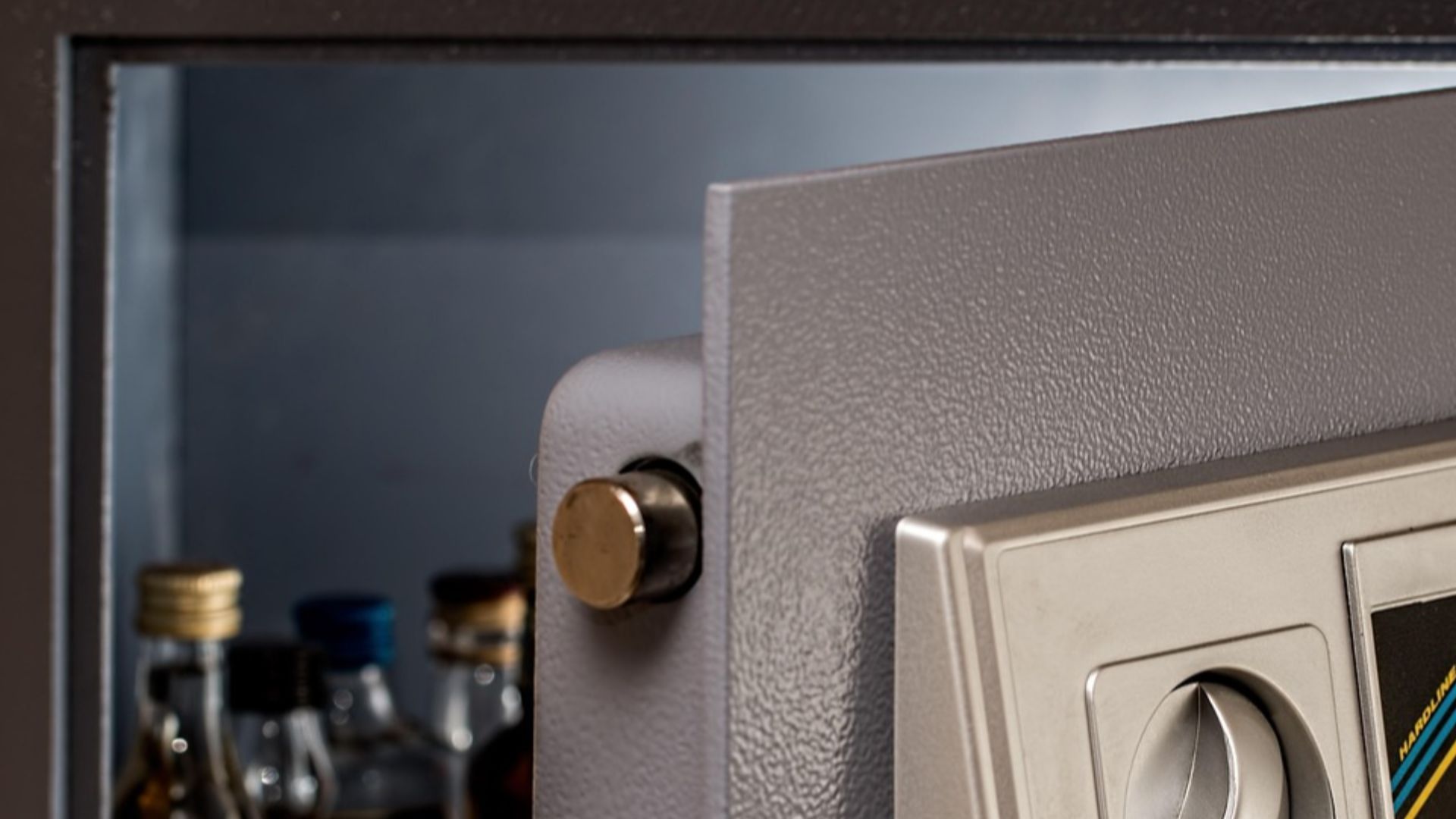
Could You Get in Trouble for What’s Inside?
Generally, no—if you didn’t know about it. But once you discover something illegal or dangerous, you’re expected to handle it responsibly by reporting it or seeking proper help. What you do next could matter more than what you found.

Opening the Safe Isn’t Always Simple
You may need a locksmith or specialist to open it safely. Forcing it open could damage the structure or contents—and if something dangerous is inside, that could make things worse.
Either way, there is something you should do no matter what.
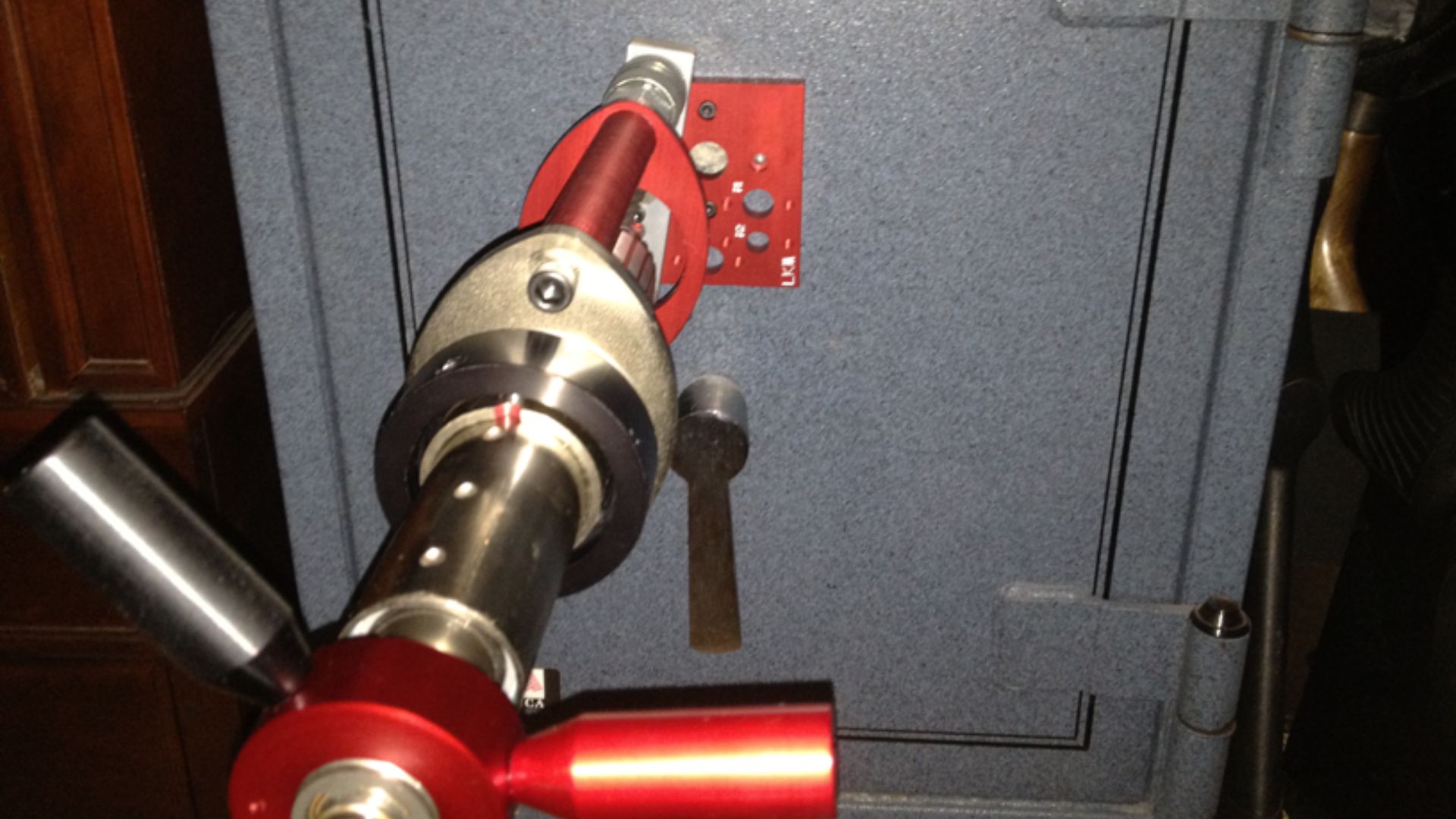 Jon.lorquet, Wikimedia Commons
Should You Document Everything?
Yes. Take photos, keep records, and document what you find. If anything becomes a legal issue later, having proof of when and how you discovered it can help protect you. Because once it’s opened… there’s no going back.

What About “Treasure Trove” Laws?
Some areas have laws about found valuables, but in most home sale situations, fixtures and their contents belong to the new owner—not the previous one. Which means… that “hidden fortune” could legally be yours.

Why Sellers Should Have Handled This
Leaving a safe behind—especially one cemented in—is something sellers should disclose or deal with before closing. Not doing so creates confusion and potential legal questions. Or maybe… they had a reason not to?
 Dmytro Zinkevych, Shutterstock
Could This Affect Your Property Value?
It depends. If the safe is empty or usable, it could be a quirky bonus. If it’s damaged or contains something problematic, it might require repairs or professional removal. Either way… it’s no longer just a curiosity.

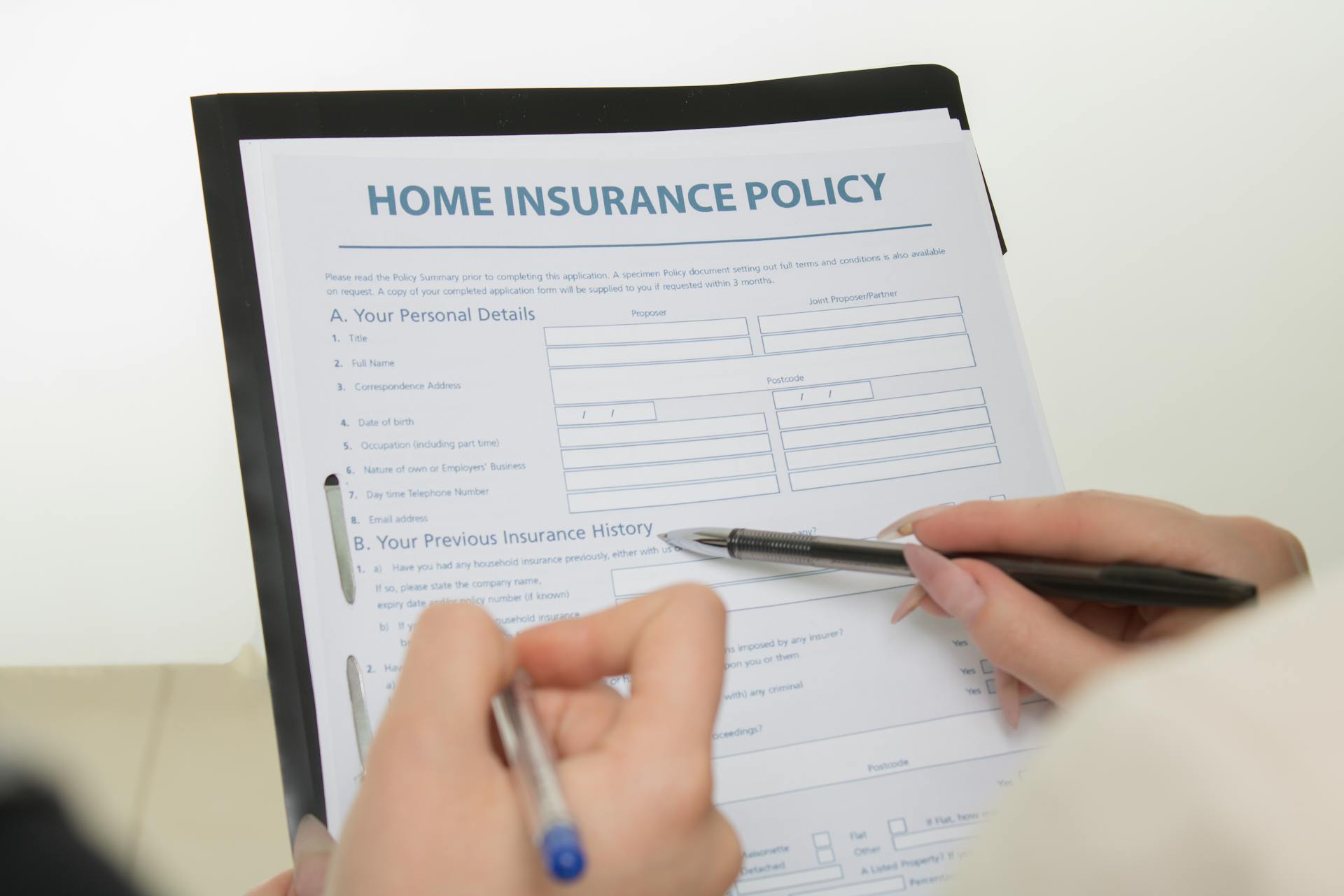
Should You Tell Your Insurance Company?
If the safe becomes a concern—especially if it involves damage or risk—it may be worth notifying your insurer. They can guide you on coverage and next steps. Because some surprises come with a price.
So… Who Owns What’s Inside?
In most cases, you do. The safe and its contents transferred with the property when you bought the home. Unless there’s a written agreement saying otherwise, it’s yours now. But the real question is… do you want it?
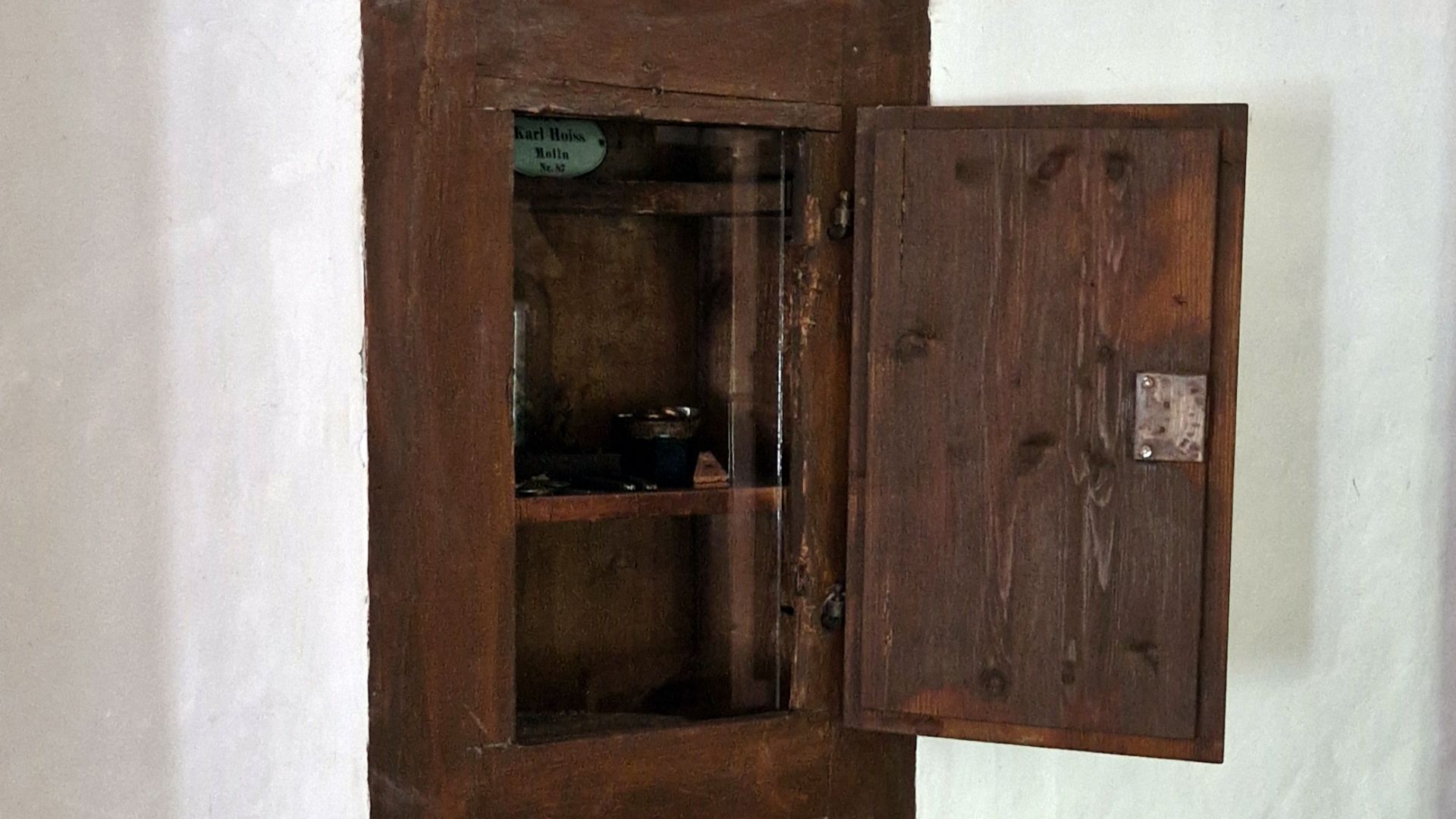
The Bottom Line Before You Crack It Open
That safe might hold something valuable—or something you wish you never found. Either way, it’s now your responsibility. Open it carefully, handle surprises wisely, and remember—you’re the one in control now. Ready to find out what’s inside?

You May Also Like: