The Price Of Keeping Up
Your neighbor buys a new SUV, your coworker books a luxury vacation, and suddenly your perfectly good life feels a little less impressive. Keeping up with the Joneses might sound like a harmless social habit, but research suggests that comparing yourself to others can influence your spending decisions, financial security, and happiness. The real cost isn't always the money you spend, either.

Why We Can't Stop Comparing Ourselves
Psychologists have studied social comparison for decades, and research shows that people frequently evaluate their circumstances in relation to those around them. Instead of judging their financial situation entirely on its own merits, someone might measure success against a colleague's salary or a friend's lifestyle. This can make financial satisfaction depend on an ever-changing standard that has little to do with personal needs.

The Joneses Have Gone Digital
Once upon a time, keeping up with the Joneses meant comparing your house or car with the neighbors' possessions. Today, social media provides a seemingly endless collection of expensive vacations, designer clothes, luxury homes, and enviable lifestyles. Research examining social media and well-being suggests that these opportunities for upward comparison can contribute to negative self-evaluations, although the effects vary considerably between individuals.

Your Brain Has A Favorite Comparison
Researchers distinguish between upward comparisons, involving people perceived as better off, and downward comparisons, involving those perceived as worse off. A 2010 study published in Psychological Science found that people's income rankings within comparison groups predicted life satisfaction, with upward comparisons carrying particular weight. That means earning a comfortable salary may not feel especially rewarding when everyone around you appears to earn more.

More Money Doesn't Always Mean More Happiness
Earning more money can improve someone's quality of life, especially when it helps cover essential expenses and provides financial security. However, research published in the Journal of Happiness Studies found that absolute income, relative income, and income rank can all influence life satisfaction. Simply increasing your paycheck may not eliminate financial dissatisfaction if your expectations continue rising alongside it.

Your Neighborhood Could Be Changing Your Expectations
Living near wealthier households can affect how people evaluate their own financial circumstances. A study involving more than 1.7 million Americans found that relative income had a stronger association with life satisfaction in counties with greater income inequality. The findings suggest that the economic circumstances surrounding people can influence how satisfied they feel with what they have.

When Your Neighbor Wins The Lottery
One particularly revealing study examined what happened when Norwegian households lived near lottery winners. Researchers found that households within ten houses of a winner increased their debt by an average amount equivalent to 2.1% of the lottery prize. The results were consistent with neighbors borrowing to finance additional spending in response to someone else's sudden good fortune.
 Neil Bennett, Wikimedia Commons
The Competition Can Become Expensive
A bigger house, a newer vehicle, and more elaborate vacations can all increase household spending. Research on spending patterns and peer influence suggests that people's consumption choices can respond to information about the financial circumstances of others. When expensive purchases become part of a social competition, the consequences may extend well beyond the original price tag.

The Credit Card Makes Everything Easier
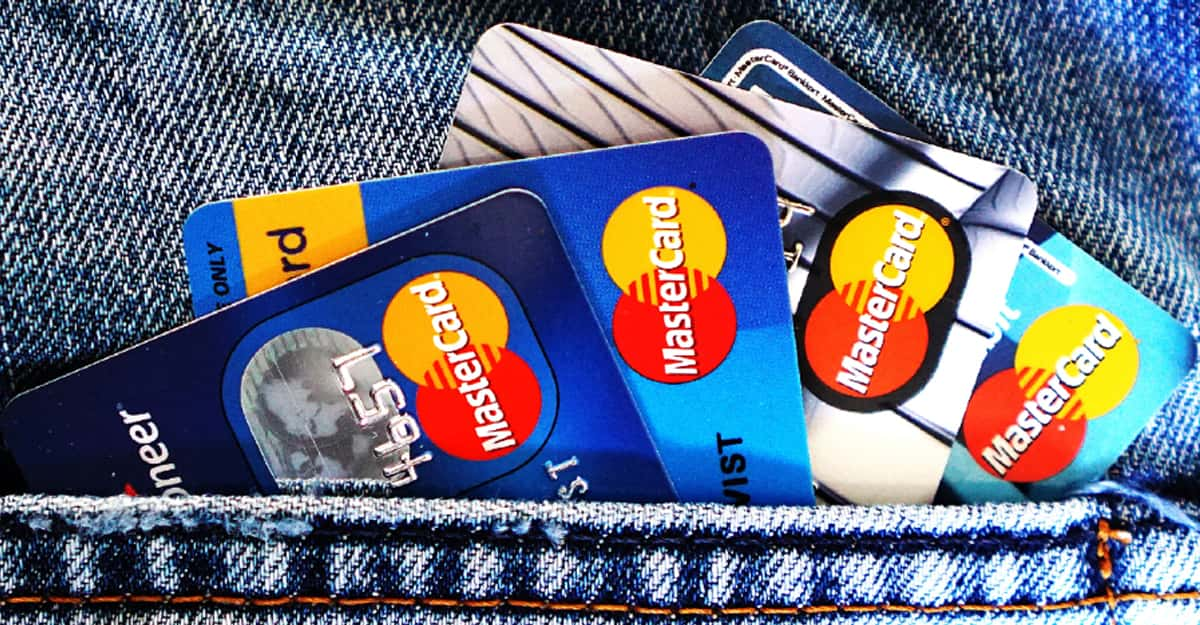
Credit cards can make expensive purchases possible without requiring the full amount upfront. However, the Consumer Financial Protection Bureau warns that carrying a balance can result in interest charges that increase the eventual cost of a purchase. Buying something primarily to impress other people becomes especially expensive when you're still paying interest long after the excitement disappears.

Minimum Payments Can Hide The Damage
A manageable monthly minimum payment doesn't necessarily mean a purchase was affordable. The Consumer Financial Protection Bureau explains that paying only the minimum on a credit card can stretch repayment over years while increasing total interest costs. Before financing a lifestyle upgrade, consider how much the purchase will ultimately cost rather than focusing exclusively on the monthly payment.

Even Researchers Have Found A Spending Shift
A 2024 National Bureau of Economic Research working paper investigated how people responded to information about their peers' incomes and debts. Researchers found some evidence that households learning their peers earned more than expected shifted spending toward durable goods and away from nondurable purchases. The findings suggest that perceptions of other people's finances can shape not just how much people want, but what they choose to buy.

Social Media Makes The Comparison Personal
Social platforms can expose users to highly selective images of other people's accomplishments and lifestyles. A 2023 systematic review found associations between social comparison, envy, and depressive symptoms across the nine studies it examined. Importantly, the researchers cautioned that the relationship was complicated, with some evidence suggesting depressive symptoms may also increase people's tendency to compare themselves negatively.

That Perfect Lifestyle Might Be Advertising
Not every glamorous social media post is simply someone sharing their everyday life. Influencers sometimes receive payment, free products, or other benefits for promoting brands, and the Federal Trade Commission requires appropriate disclosure of material relationships. Remembering that some aspirational content is advertising can help consumers evaluate whether their desire to purchase something comes from personal interest or persuasive marketing.

The Happiness From New Purchases Can Fade
The excitement of acquiring something new doesn't necessarily translate into lasting satisfaction. Research examining material and experiential consumption has found that people often evaluate possessions through comparisons with available alternatives. That can make the satisfaction associated with a purchase vulnerable when a newer, more attractive, or more expensive option appears.

Materialism Has An Emotional Price
A large meta-analysis published in the Journal of Personality and Social Psychology examined 259 independent samples and found an association between materialistic values and lower personal well-being. The relationship was especially pronounced for certain negative self-evaluations and problematic consumer behaviors. The research doesn't mean enjoying expensive possessions is inherently unhealthy, but it raises questions about making wealth and status central measures of personal success.

The Pressure Can Affect Your Relationships
Financial comparison can also influence the way people relate to friends, partners, and family members. A meta-analysis published in the Journal of Consumer Behaviour found a negative association between materialism and social well-being, including aspects of interpersonal relationships. When acquiring status becomes a major priority, it may compete with the connection and support people value in their personal lives.

Experiences May Offer Something Possessions Can't
Research reviewed in the Journal of Consumer Psychology suggests that experiential purchases often generate more satisfaction than material possessions. One proposed explanation is that experiences can strengthen relationships, contribute to personal identity, and invite fewer direct comparisons. A memorable afternoon with friends may therefore provide rewards that are harder to measure against somebody else's belongings.

But Experiences Aren't Automatically Better
Spending money on vacations, concerts, and restaurants isn't guaranteed to make someone happier. Research also shows that the benefits of experiential purchases depend partly on individual circumstances, financial resources, and whether the experience turns out well. A trip that creates financial strain simply to match someone else's travel photographs could undermine the very enjoyment it was supposed to provide.

Start Asking Who You're Really Buying For
Before making an expensive discretionary purchase, ask whether you'd still want it if nobody else ever saw it. That question can help separate personal enjoyment from the desire to communicate success or status. Research connecting materialistic priorities with lower well-being makes this distinction particularly relevant when considering purchases motivated by social approval.

Your Budget Should Reflect Your Life
The Consumer Financial Protection Bureau emphasizes that financial well-being involves control over everyday finances, resilience against unexpected expenses, progress toward goals, and freedom of choice. None of those measures requires owning the most expensive car or taking the most impressive vacation. Building a budget around your actual priorities can therefore provide a more meaningful standard than trying to reproduce another person's lifestyle.
 https://kaboompics.com/, Pexels
Find Out Where The Money Is Going
One practical way to recognize unnecessary spending is to review your transactions rather than relying on memory. The Consumer Financial Protection Bureau recommends tracking expenses, creating a budget, and using spending feedback to guide financial decisions. Looking through several weeks of purchases may help identify items bought for genuine usefulness alongside purchases influenced by social pressure.

Give Big Purchases A Cooling-Off Period
A waiting period can be a useful personal rule when you're tempted by an expensive, nonessential purchase. Consider postponing the decision for a day, a week, or another period that feels appropriate for the amount involved. This creates an opportunity to check the purchase against your budget and financial goals before committing money.

Stop Treating Other People's Choices As Instructions
Just because a friend upgrades their home doesn't mean you need to renovate yours. Someone else's financial decisions may reflect different earnings, obligations, preferences, or circumstances that aren't visible from the outside. Given the evidence that peer information can influence spending decisions, deliberately separating other people's choices from your own priorities can be a valuable financial habit.

Make Saving Your Personal Status Symbol
Instead of measuring progress through visible purchases, consider tracking savings, debt reduction, or another financial goal that matters to you. The Consumer Financial Protection Bureau identifies the ability to absorb financial shocks and remain on track toward goals as important parts of financial well-being. These measures may be less noticeable to other people, but they can provide a clearer picture of your financial resilience.

Curate Your Social Media Feed
You don't necessarily need to abandon social media to reduce unhealthy comparisons. Researchers reviewing the relationship between social media, envy, and well-being have found that outcomes vary depending on the person and how social media is used. Unfollowing accounts that consistently leave you dissatisfied and seeking content that supports your interests may be a reasonable way to change your online environment.

Comparison Can Sometimes Be Useful
Social comparison isn't automatically destructive, and research suggests its emotional effects can differ across situations and individuals. Seeing someone accomplish a meaningful goal may provide inspiration rather than envy, particularly when their example feels attainable. The important distinction is whether a comparison encourages a constructive decision or simply makes you feel inadequate about your circumstances.

Define What Enough Actually Means
Financial success doesn't have to be measured by having more than the people around you. The Consumer Financial Protection Bureau defines financial well-being in terms of security, control, and the freedom to make choices that support your life. Defining what enough means for your household can help establish a financial target that doesn't constantly move whenever someone else buys something new.

The Joneses Aren't Paying Your Bills
Perhaps the most important lesson from social comparison research is that other people's financial circumstances can influence your satisfaction and spending without improving your own financial security. A more expensive lifestyle isn't necessarily a better one, especially when maintaining it requires borrowing or sacrificing personal priorities. Ultimately, the best financial competition may be with your past self, measuring progress by greater stability, more freedom, and a life you genuinely enjoy.
 https://kaboompics.com/, Pexels
You May Also Like:
Things Americans Think Are Normal But No One Else Gets
Celebrity Beauty Brands Worth The Money