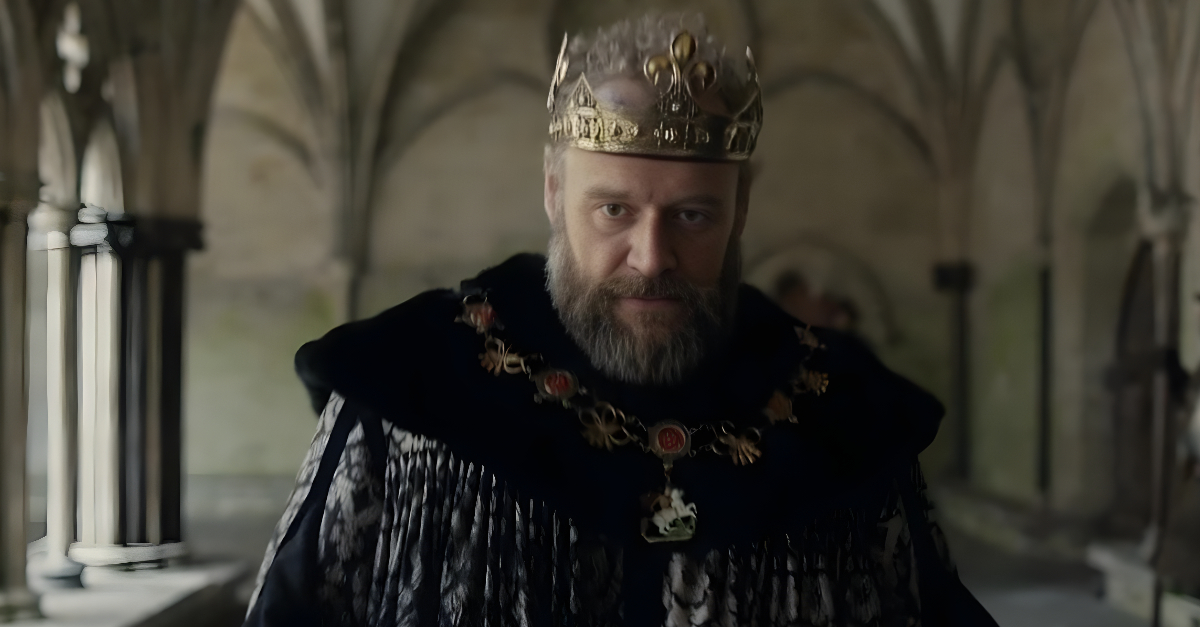
Almost Thrown Away
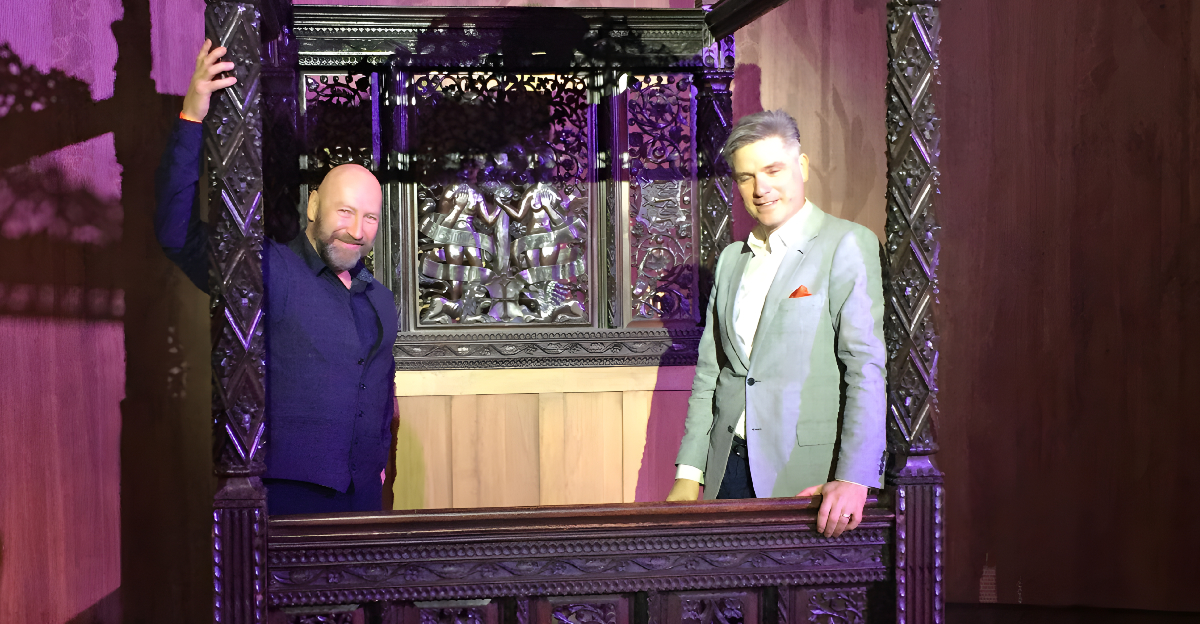
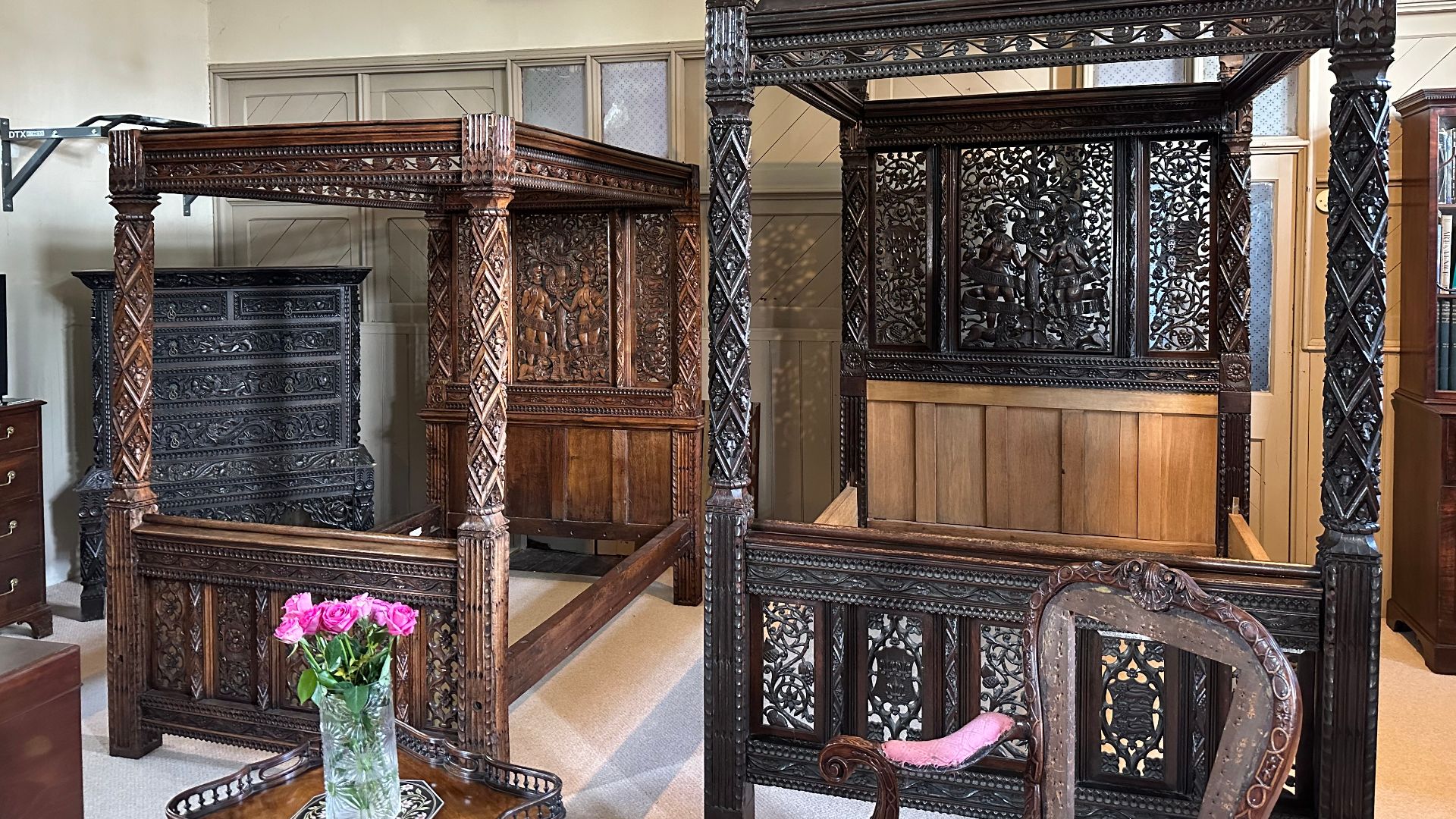
Most people assume priceless historical artifacts are carefully tracked and protected. In reality, many aren’t. This story begins with a massive carved bed that was dismantled and left outside during a hotel redevelopment in Chester, England—treated like just another bulky item to be cleared away, not something tied to centuries of history.
 A Bed Nobody Wanted
During redevelopment at the former Redland House Hotel in Chester, the four-poster bed didn’t receive special handling. It was taken apart and placed outside in the hotel’s car park area, where it sat alongside other unwanted items. To those involved in the renovation, it was simply furniture that no longer had a place.
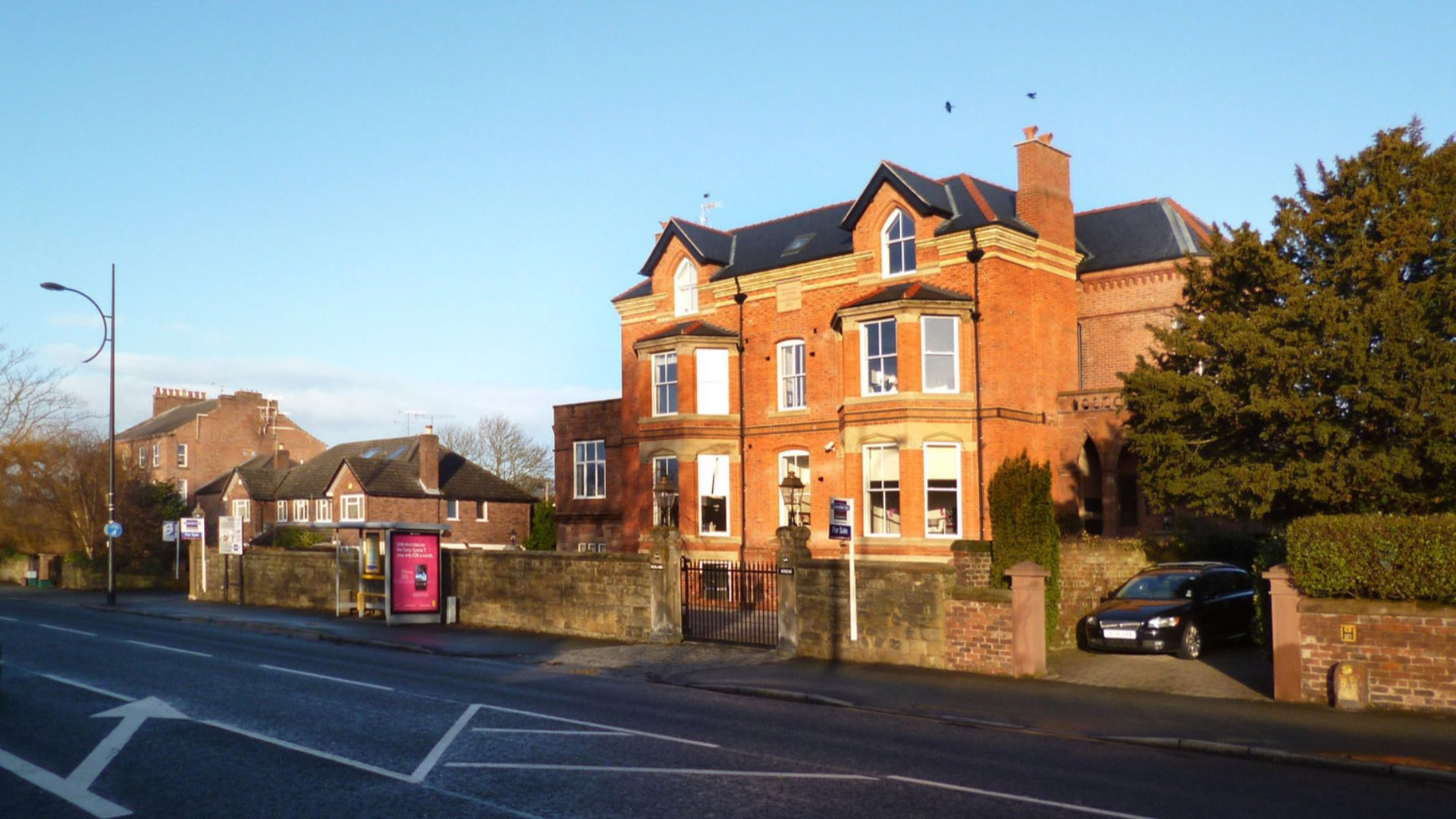 Des Blenkinsopp, Wikimedia Commons
Why It Was Being Removed
The bed had been part of the hotel for years and was sometimes described as decorative or part of a themed room. But its deeper significance wasn’t recognized. Without records or provenance suggesting importance, it was treated like outdated furniture rather than something worth preserving.
Almost Written Off as Junk
At this point, no one was calling the bed an artifact. Accounts later described it as being effectively headed for disposal—left dismantled outdoors, waiting for removal. It wasn’t abandoned on the street, but it was vulnerable in a way genuinely valuable historical objects usually aren’t.
 Moderngothic, Wikimedia Commons
A Listing With Low Expectations
Instead of being destroyed, the bed was sent to auction. The listing described it as a heavily carved four-poster bed, likely Victorian in origin. That placed it in the 19th century—interesting, but not extraordinary—and gave buyers no reason to suspect anything far older or royal.
 Portable Antiquities Scheme from London, England, Wikimedia Commons
One Person Took a Closer Look
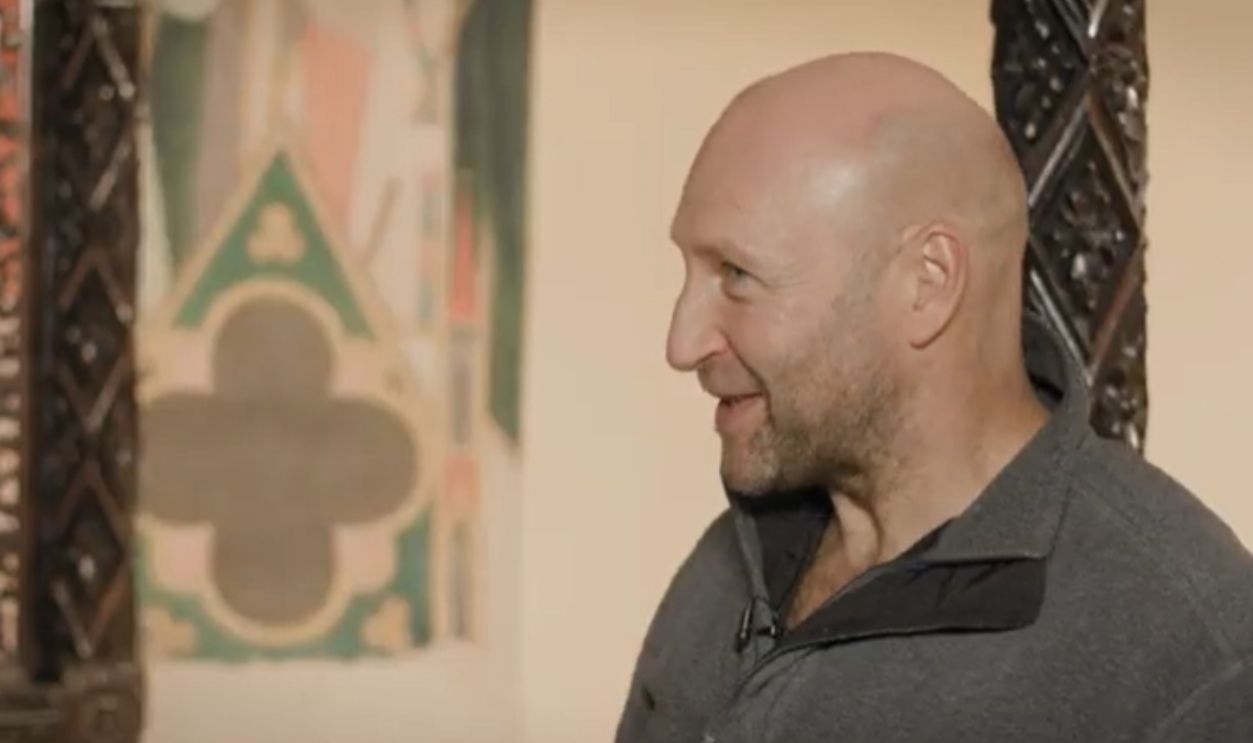
Ian Coulson, an antiques dealer and specialist in historic beds, came across the auction listing in 2010. He didn’t believe it was royal furniture—but something about it didn’t sit right. The carving style and construction looked unusual for a Victorian piece.
A Purchase That Didn’t Feel Historic
Coulson bought the bed for £2,200—just over $3,000 at the time. It wasn’t cheap, but it also wasn’t priced like a museum-grade artifact. He later explained that he bought it simply because he felt it deserved closer examination before being lost.

The Real Examination Begins
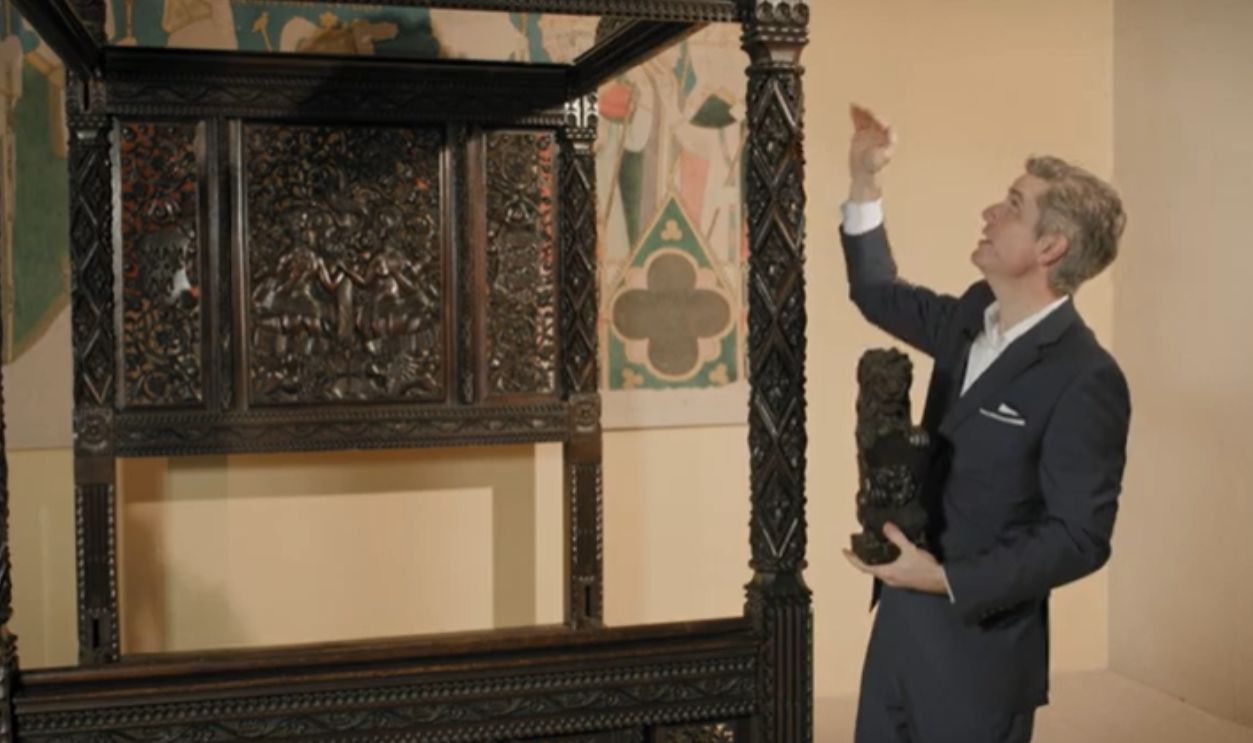
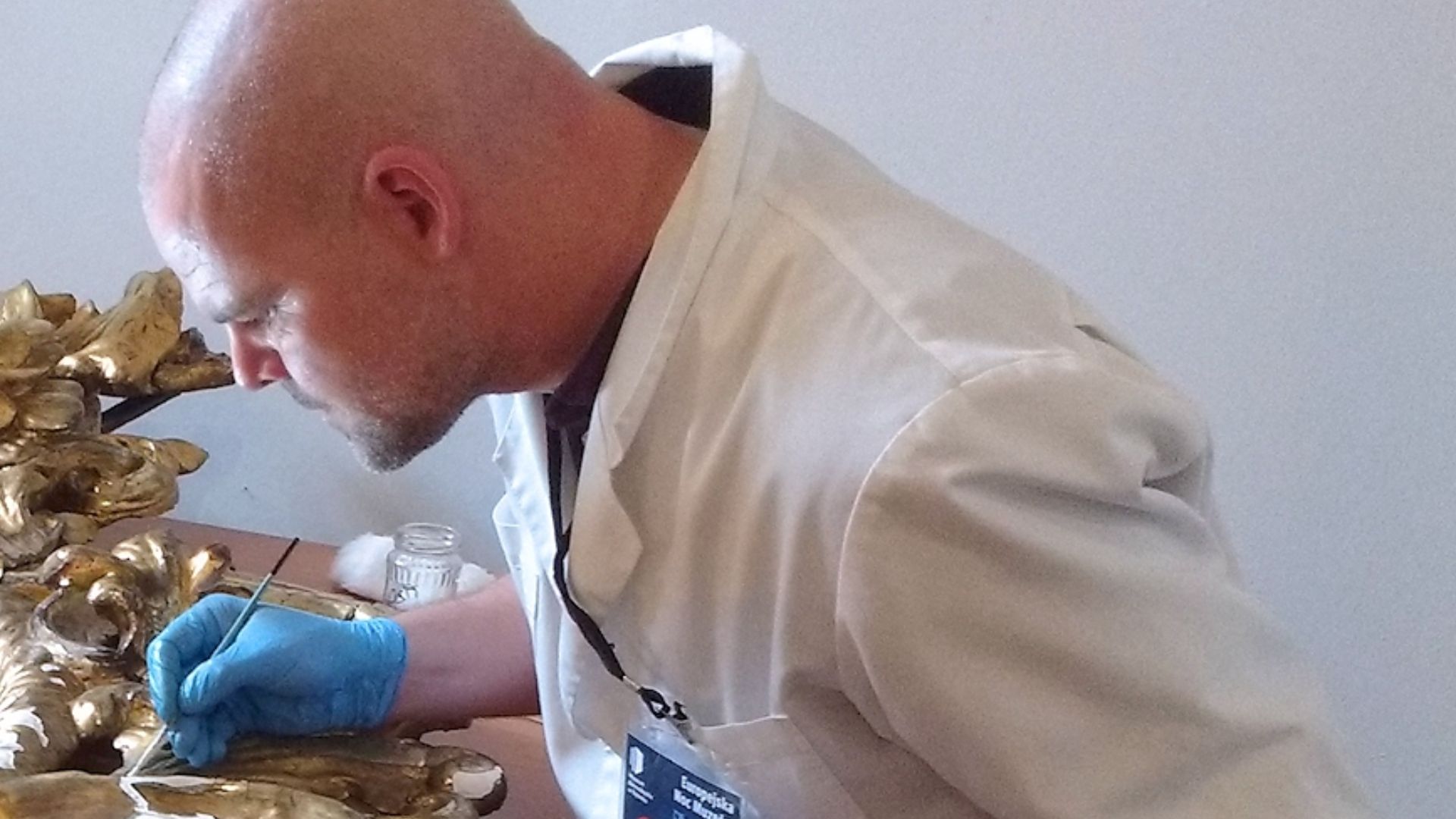
Once the bed arrived and could be fully laid out, the doubts grew. The joints, tool marks, and overall construction didn’t align with 19th-century methods. This wasn’t just ornate furniture—it showed techniques associated with much earlier craftsmanship.
 Marek Ślusarczyk (Tupungato) Photo portfolio, Wikimedia Commons
The Wood Told Its Own Story
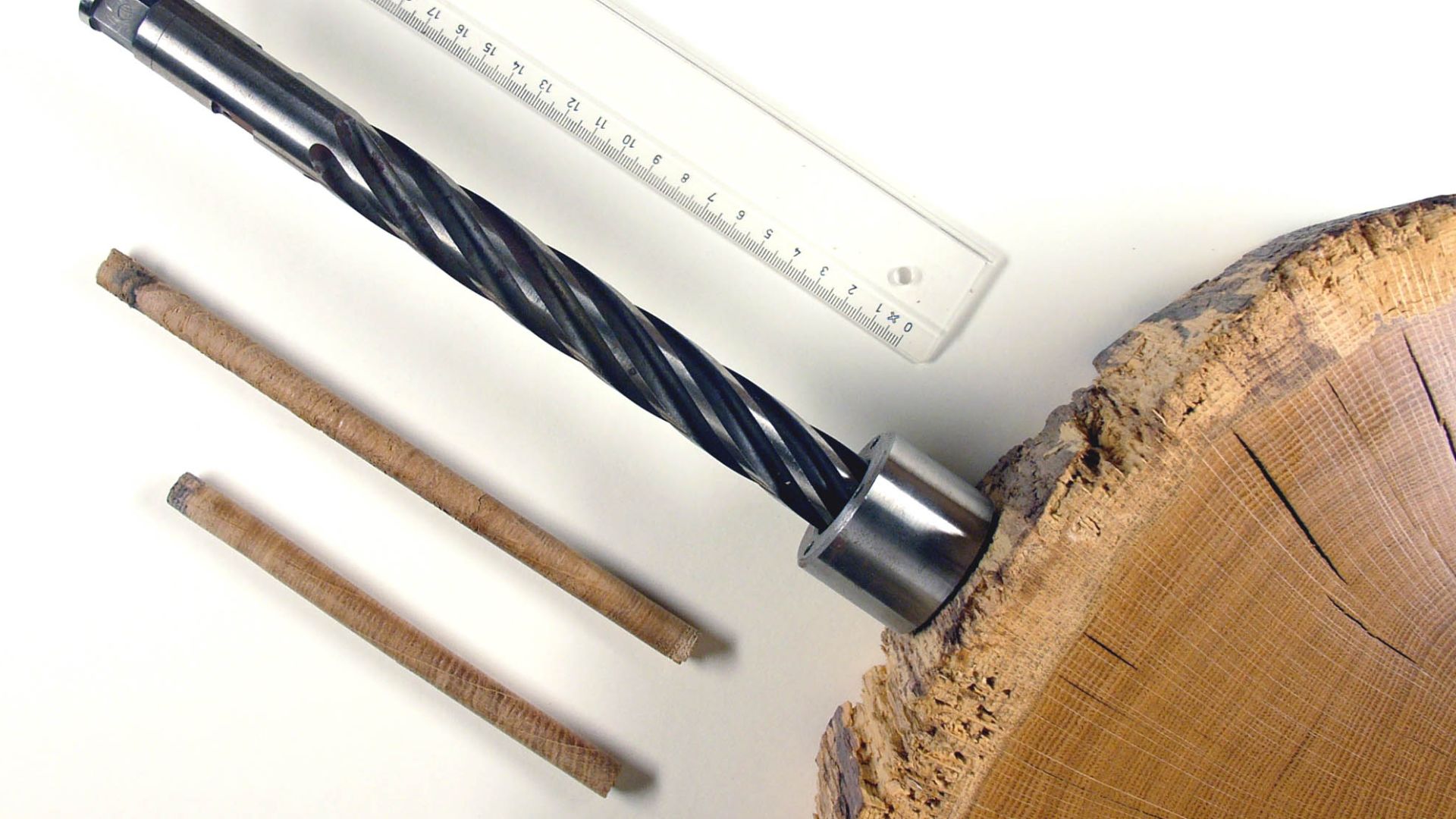
Scientific analysis played a major role in what followed. Dendrochronology—tree-ring dating—was used to examine the oak. Results pointed to wood felled in the late 15th century, dramatically shifting the timeline and placing the bed centuries earlier than advertised.
 Hannes Grobe/AWI, Wikimedia Commons
Carvings With Meaning
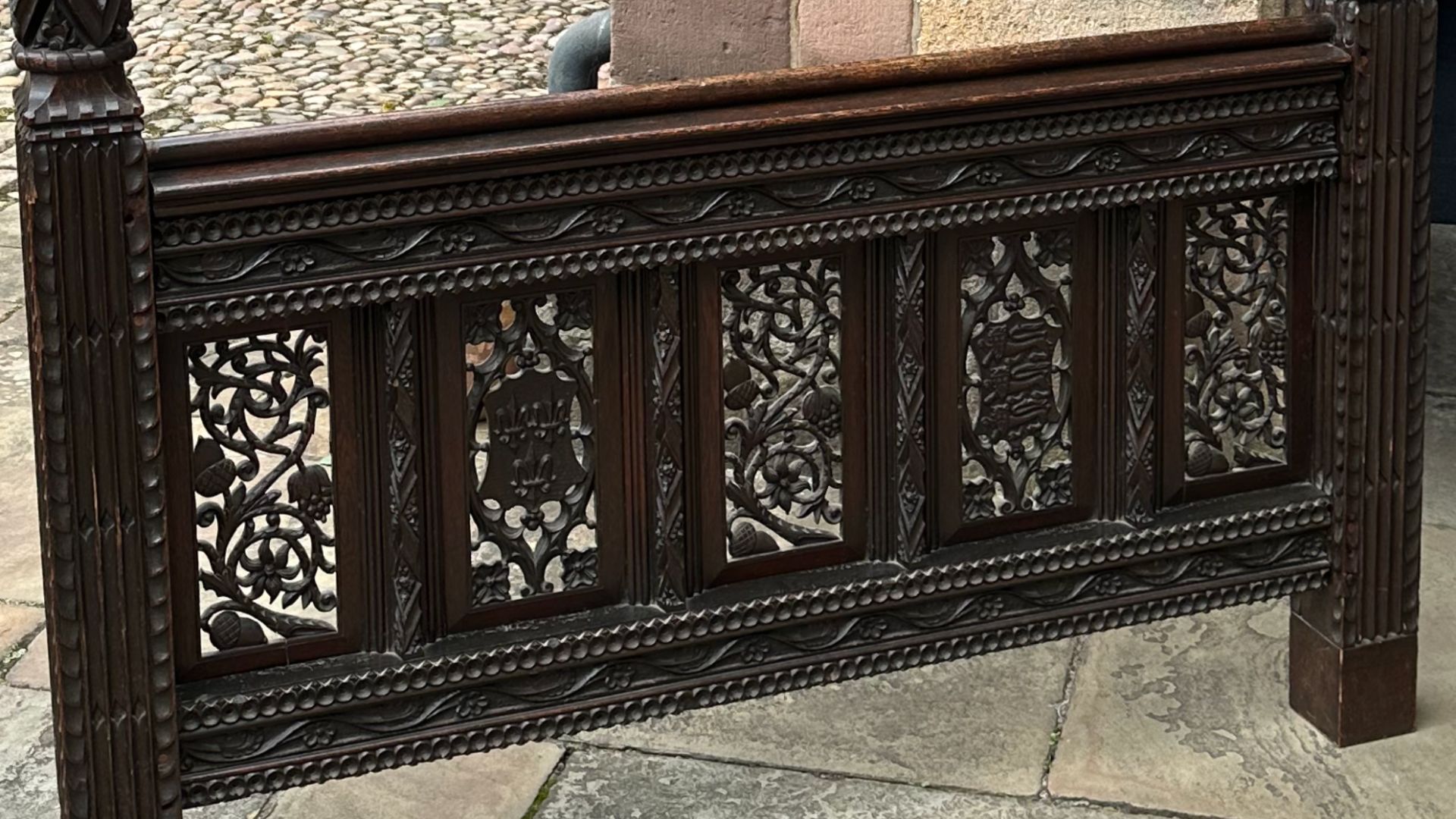
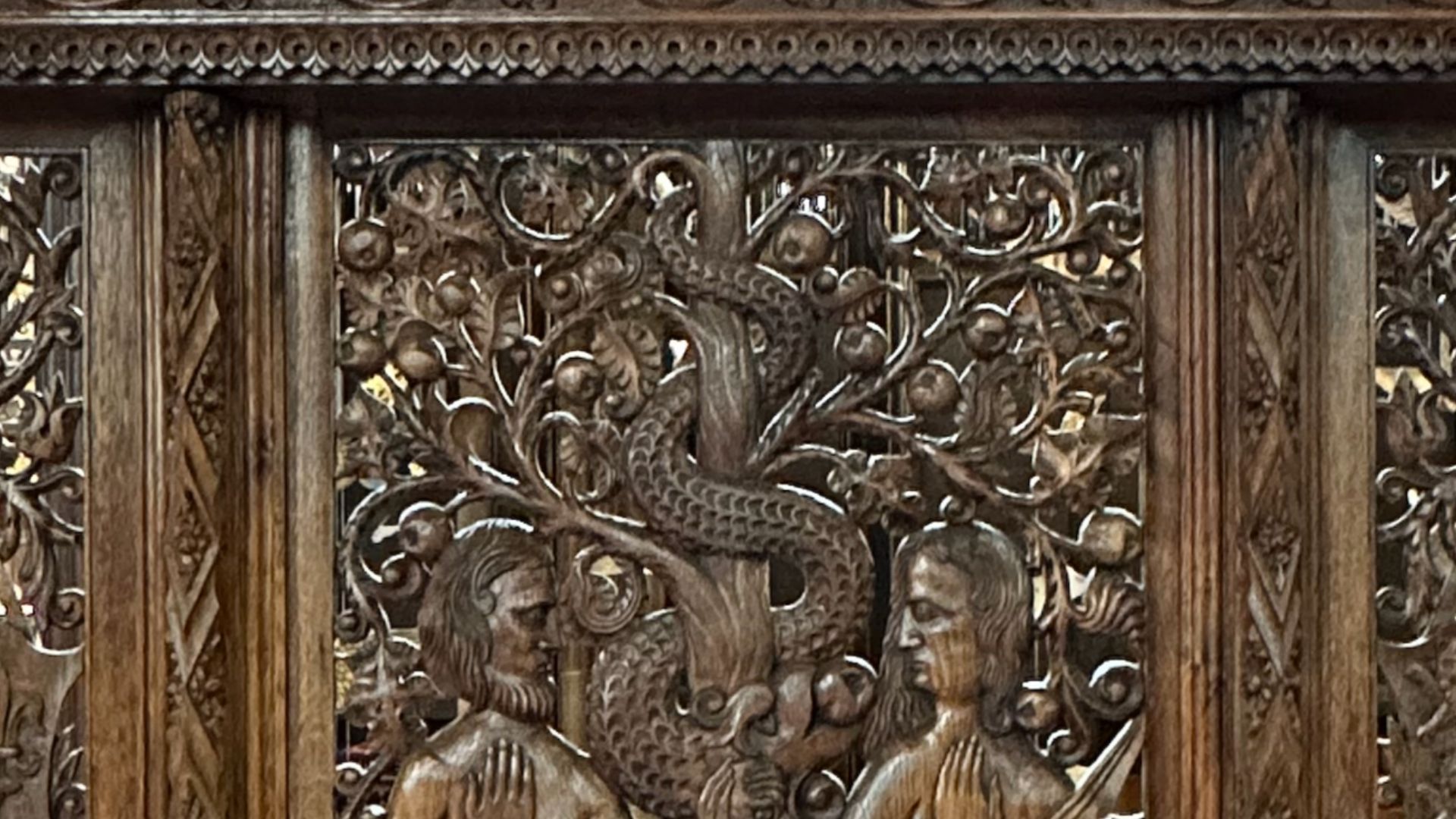
The bed’s carvings weren’t random decoration. Tudor roses, religious imagery, and heraldic motifs appeared repeatedly. Furniture historians noted that this level of symbolism suggested the bed was commissioned for a specific ceremonial purpose rather than everyday use.
 Moderngothic, Wikimedia Commons
Experts Are Brought In
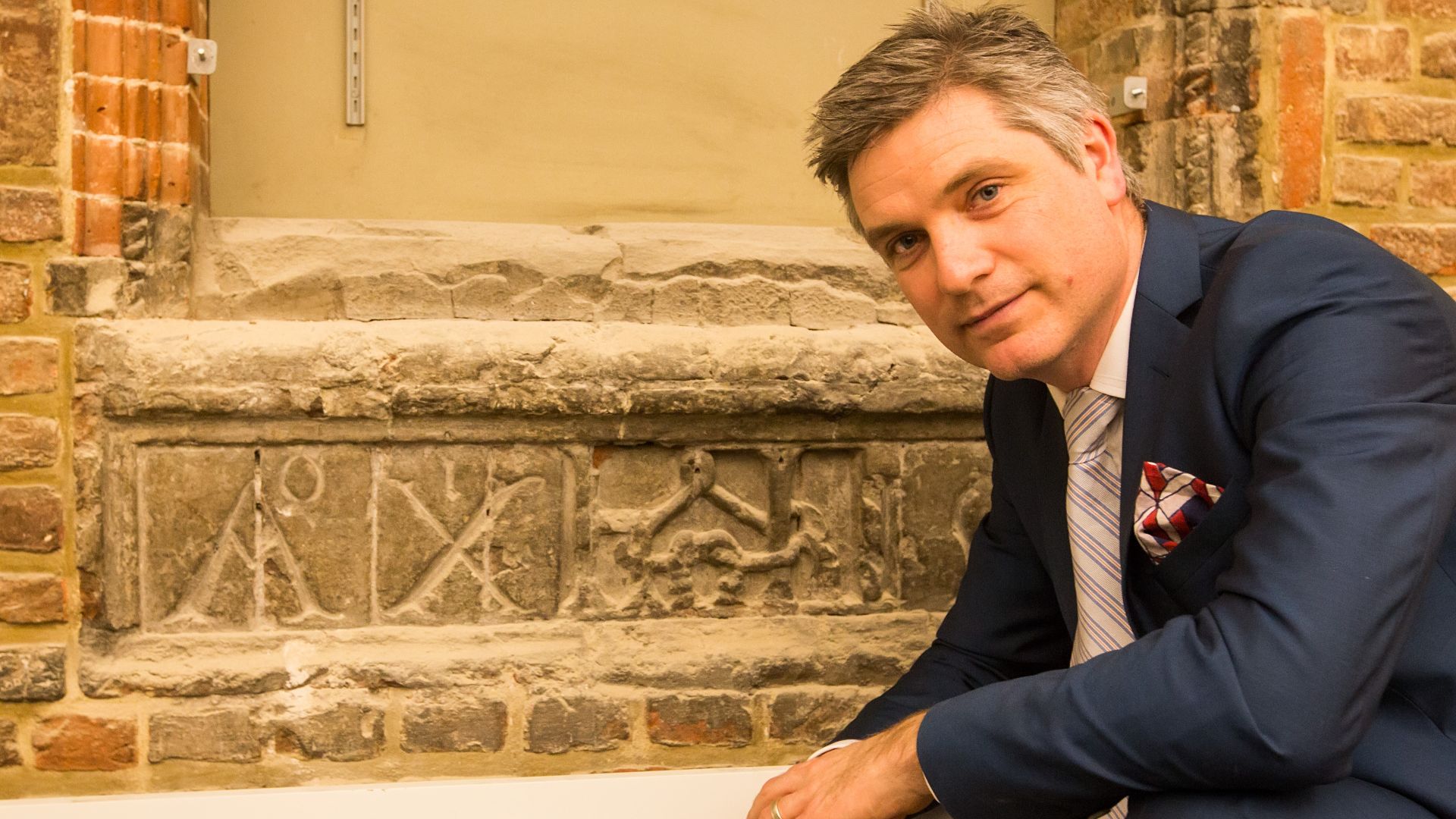
As interest grew, multiple specialists examined the bed, including furniture historians and architectural historians. While there has been scholarly debate, several experts argued that the design, symbolism, and dating strongly supported a late-medieval royal origin.
 Paul Clarke, Wikimedia Commons
A Wedding Bed, Not Just Furniture
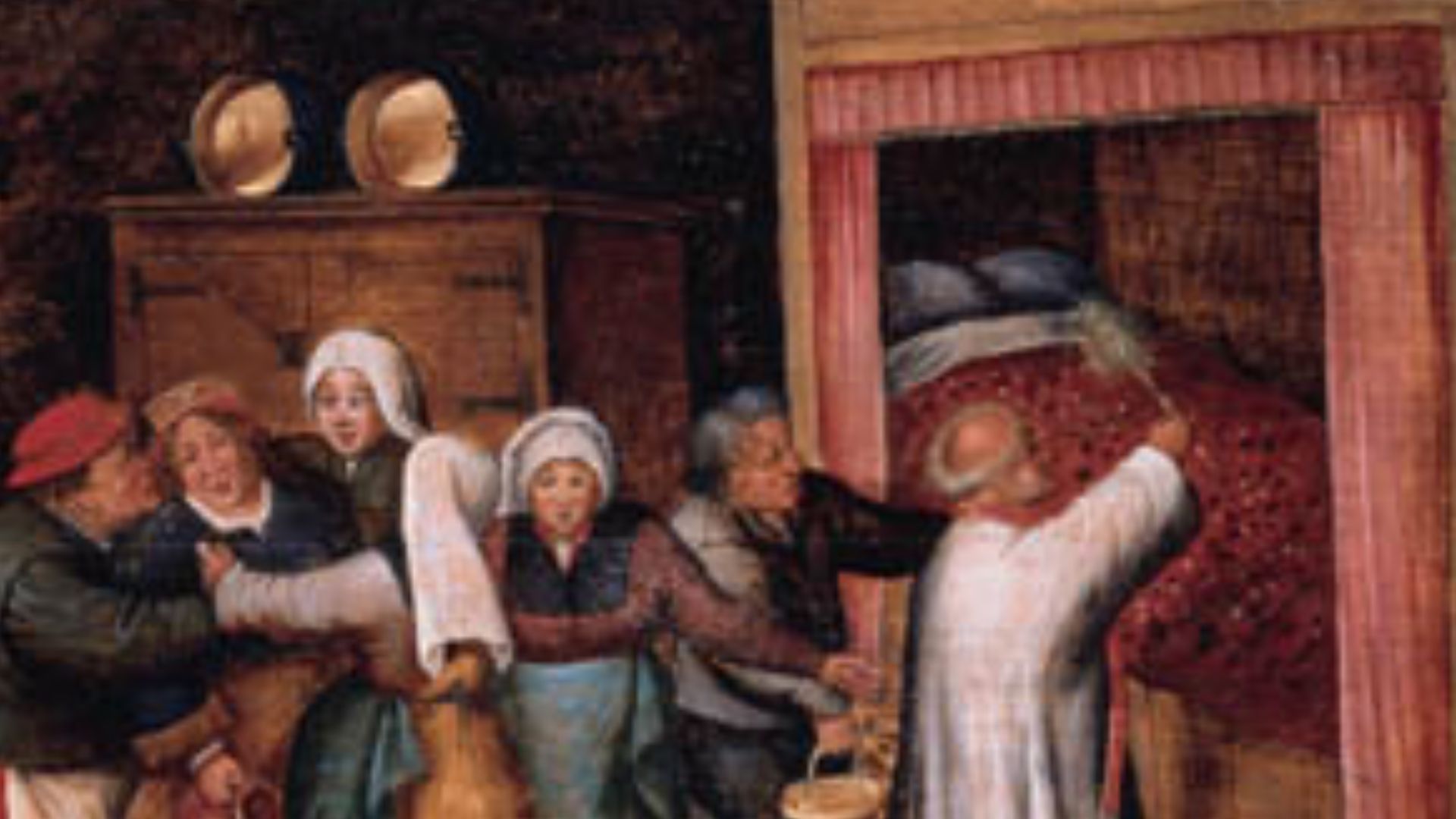
Research increasingly pointed to the idea that this wasn’t just a bed, but a ceremonial marriage bed—objects often commissioned to mark politically significant unions. In late-medieval England, these beds symbolized legitimacy, stability, and dynastic continuity.
 Pieter Brueghel the Younger, Wikimedia Commons
The Historical Moment That Fit
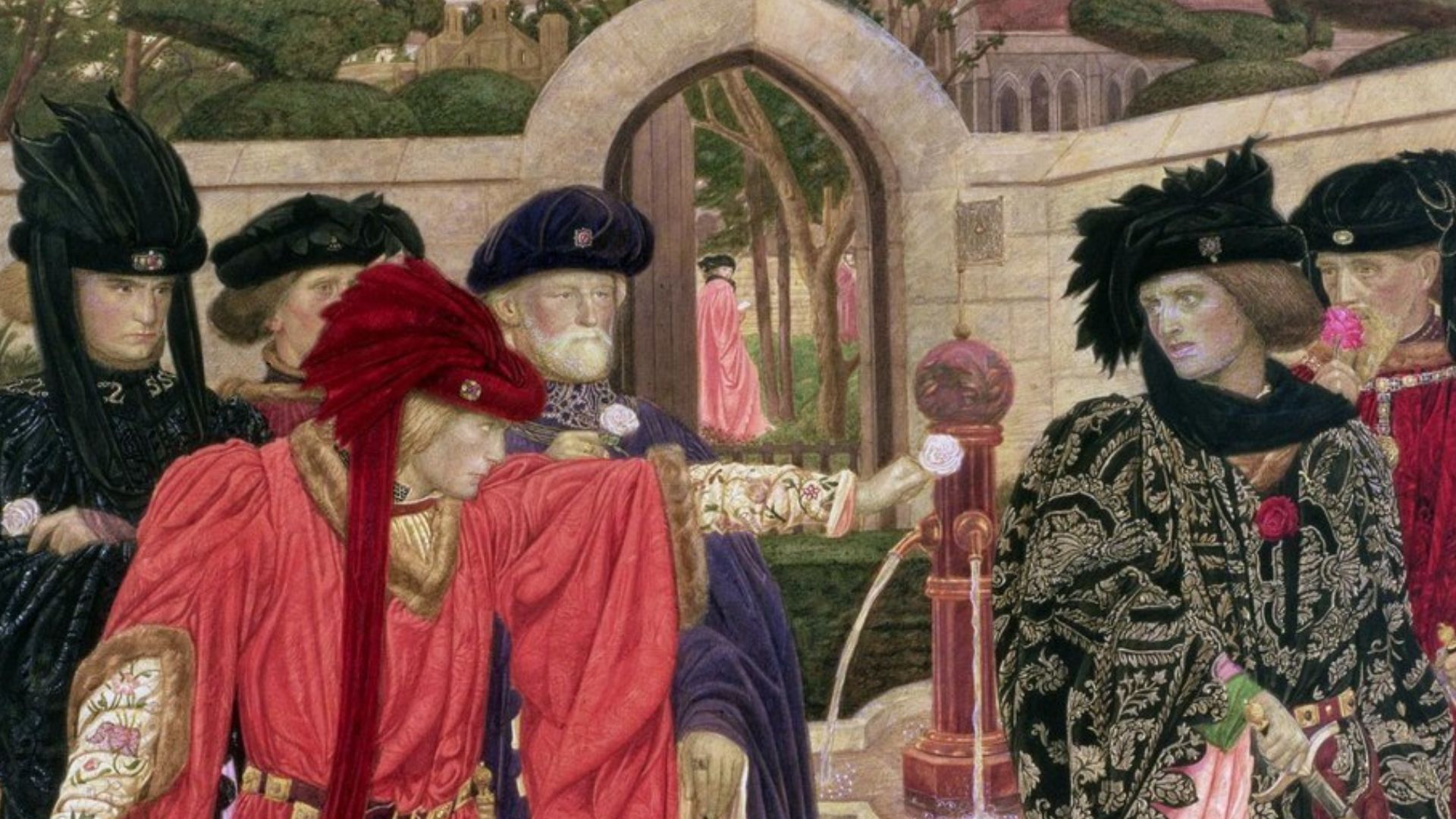
The symbolism aligned with one of the most important marriages in English history—one meant to unite a country emerging from decades of civil war. The timing, imagery, and purpose all began to line up.
 Henry Arthur Payne (1868–1940), Wikimedia Commons
The Wars of the Roses Context
The repeated rose motifs referenced the Houses of Lancaster and York, rival factions whose conflict defined the Wars of the Roses. Their union was meant to signal peace and stability, making symbolism a central feature of any object tied to that moment.
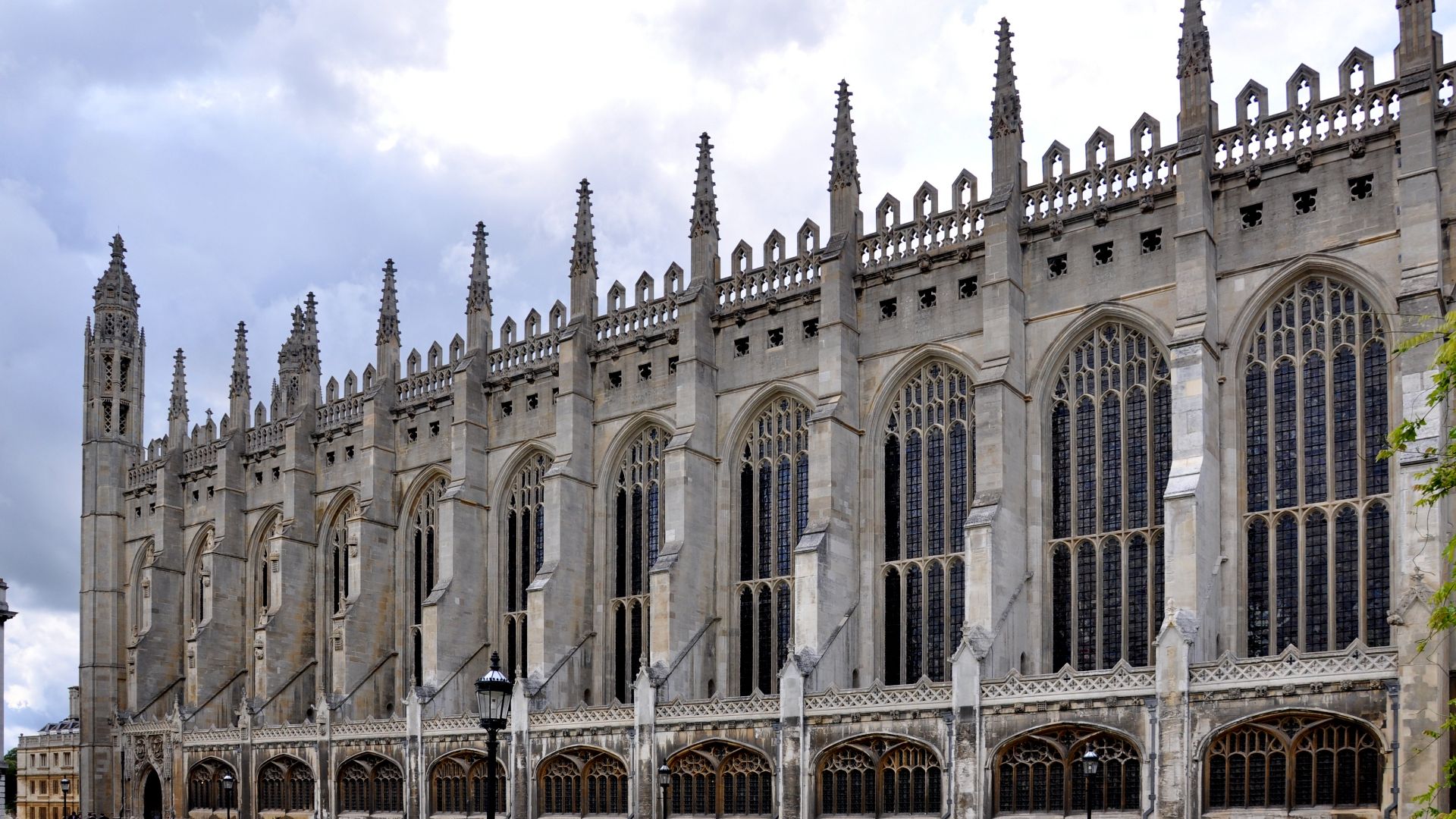 Photo: Andreas Praefcke, Wikimedia Commons
The Royal Couple Identified
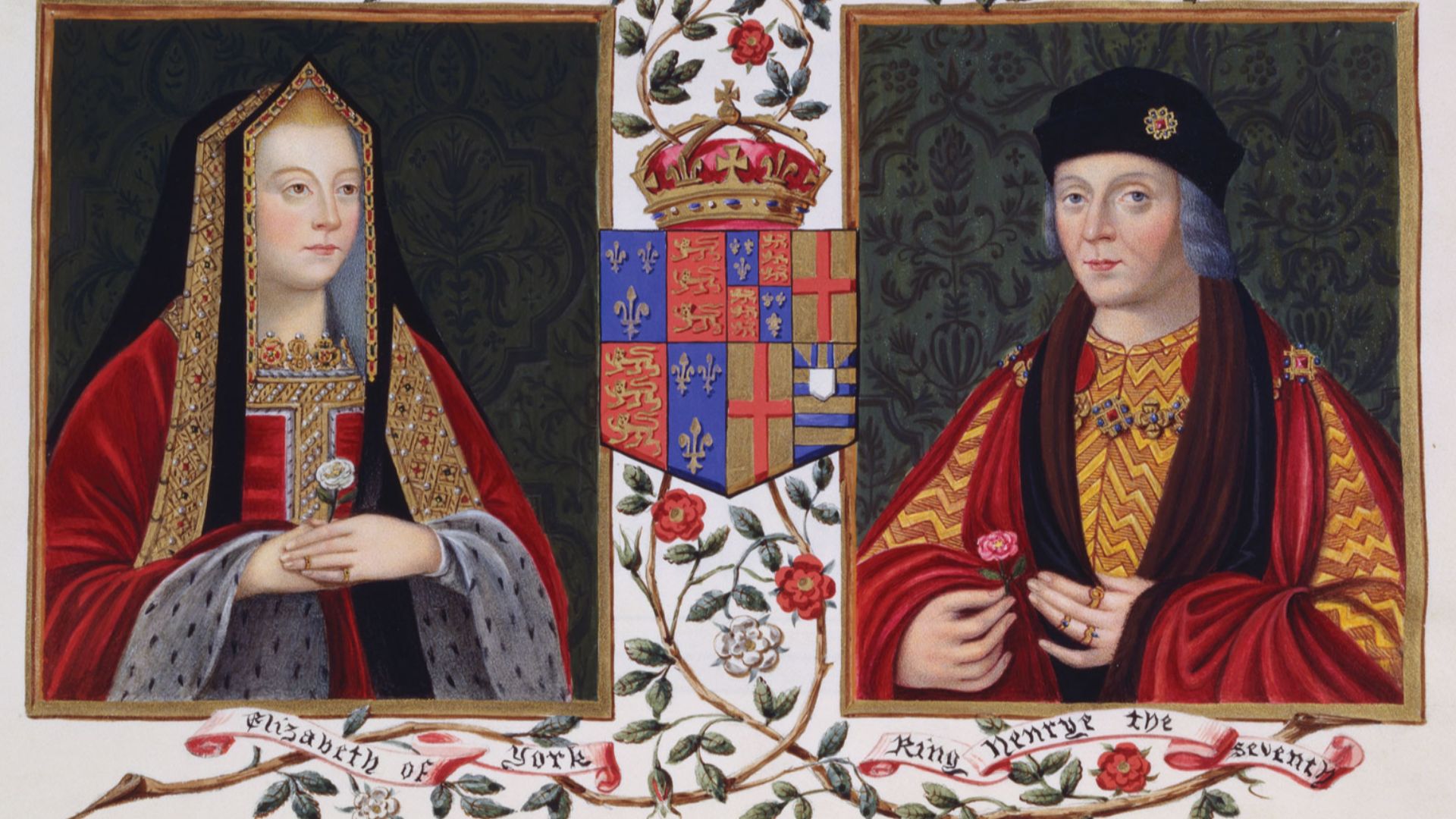
Many researchers have attributed the bed to the marriage of King Henry VII and Elizabeth of York, who wed in 1486. Henry VII founded the Tudor dynasty, and that marriage officially marked the end of the Wars of the Roses.
 Malden, Sarah, Countess of Essex (c. 1761-1838)[2][3], Wikimedia Commons
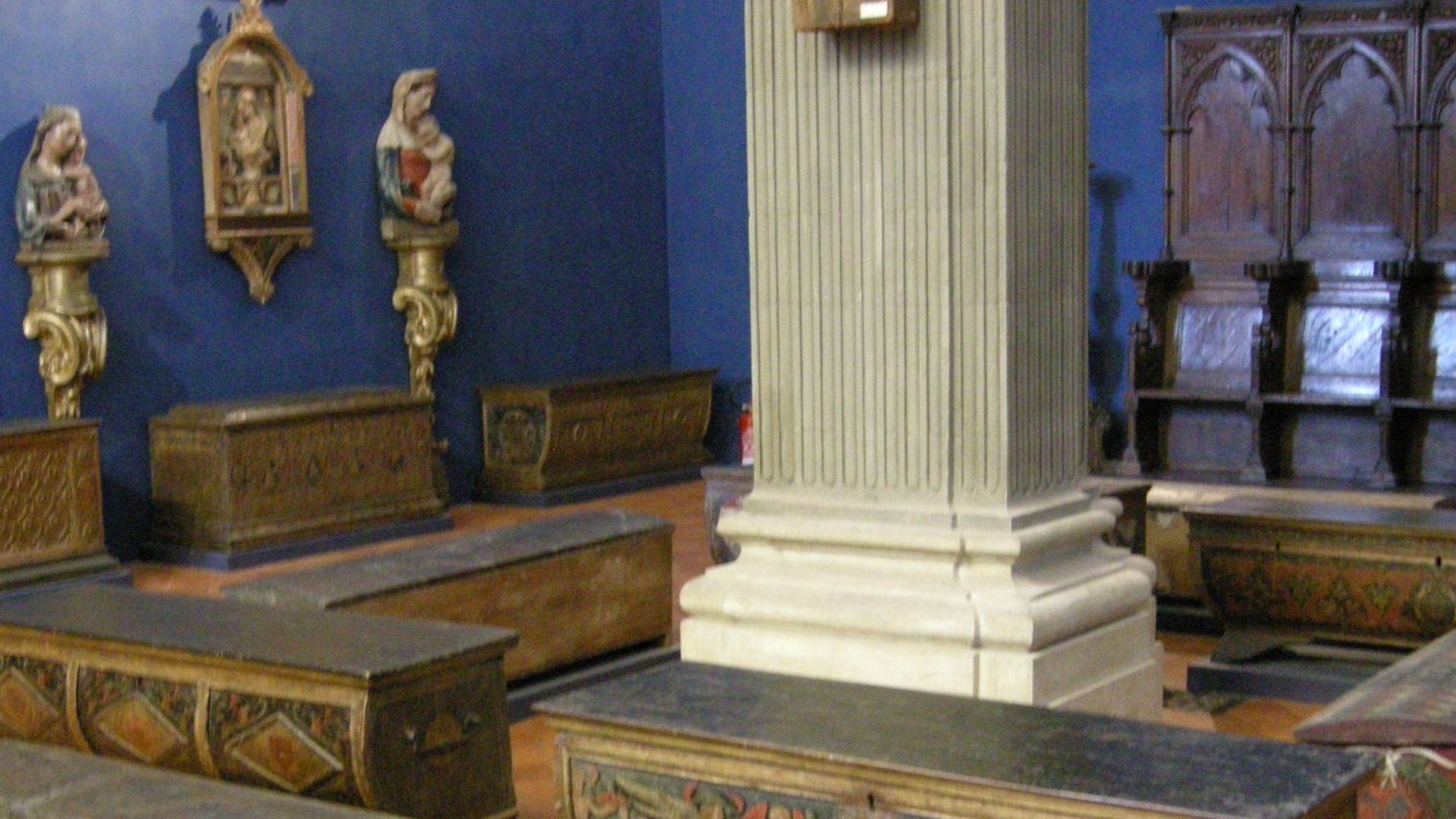
Why This Bed Is So Rare
Very little late-medieval domestic furniture survives, especially pieces tied to royalty. Even fewer retain extensive symbolic carving. Regardless of ongoing academic debate, specialists agree the bed is an extraordinary survival from a period where almost nothing comparable remains.
How It Ended Up in a Hotel
Over centuries, the bed passed through private ownership. Its original purpose faded from memory, and by the modern era it was treated as an impressive but anonymous antique. Eventually, it found its way into a hotel—its past completely forgotten.
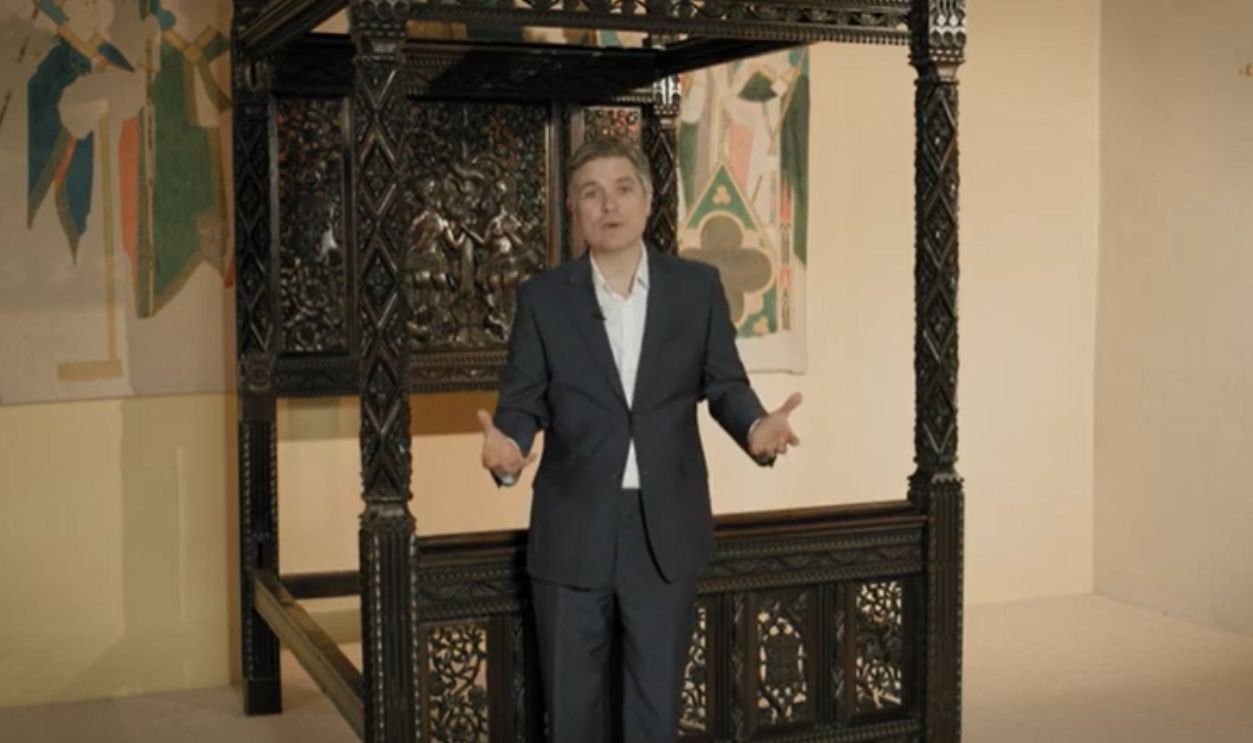
A Near-Miss for History
Had the bed been destroyed during redevelopment, its story would have ended quietly. No inventory would have recorded it. No museum would have known it was missing. A unique piece of English history would have vanished without notice.
 U.S. Army Corps of Engineers photo, Wikimedia Commons
What It’s Worth Today
Media reports and experts have suggested the bed could be worth tens of millions, with figures often cited around £20 million—depending on scholarly consensus and provenance. Even conservatively, it’s considered worth hundreds, possibly thousands, of times more than its auction price.
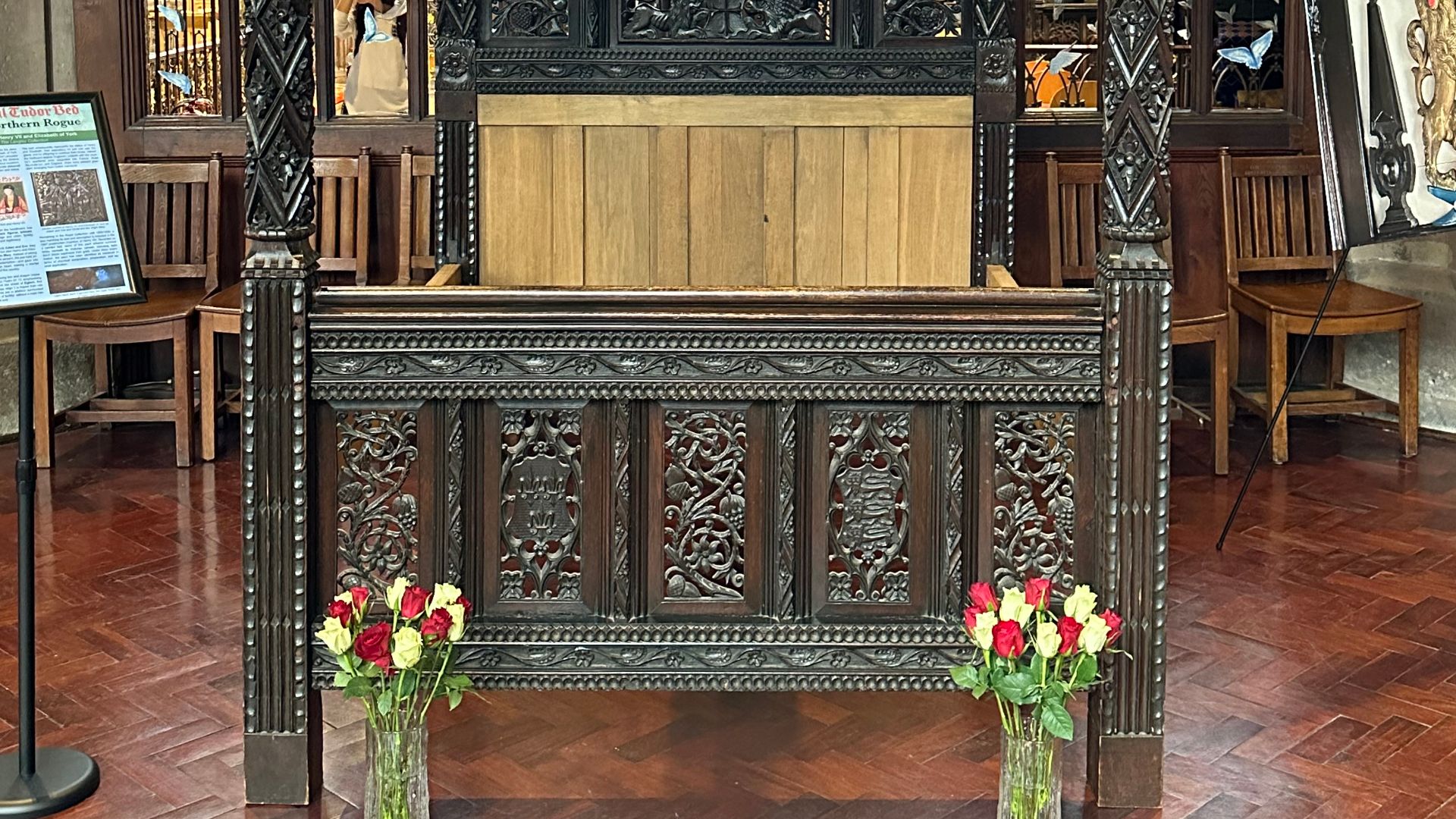 Moderngothic, Wikimedia Commons
Where the Bed Is Now
The bed remains part of Ian Coulson’s Langley Collection and has been displayed publicly in connection with research into its origins. It is now carefully conserved and treated as a historically significant object rather than furniture.
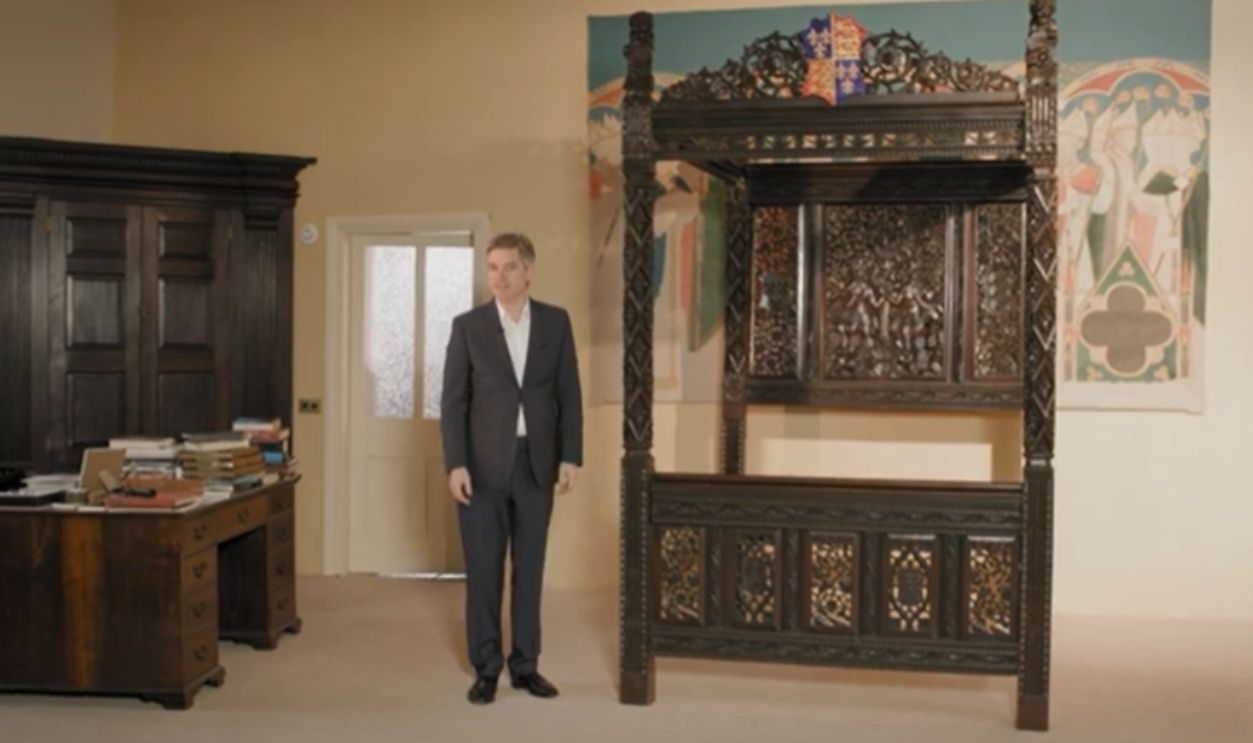
What This Discovery Reminds Us
The story highlights how fragile historical memory can be. Objects don’t lose their importance when their stories are forgotten—only our ability to recognize them does.
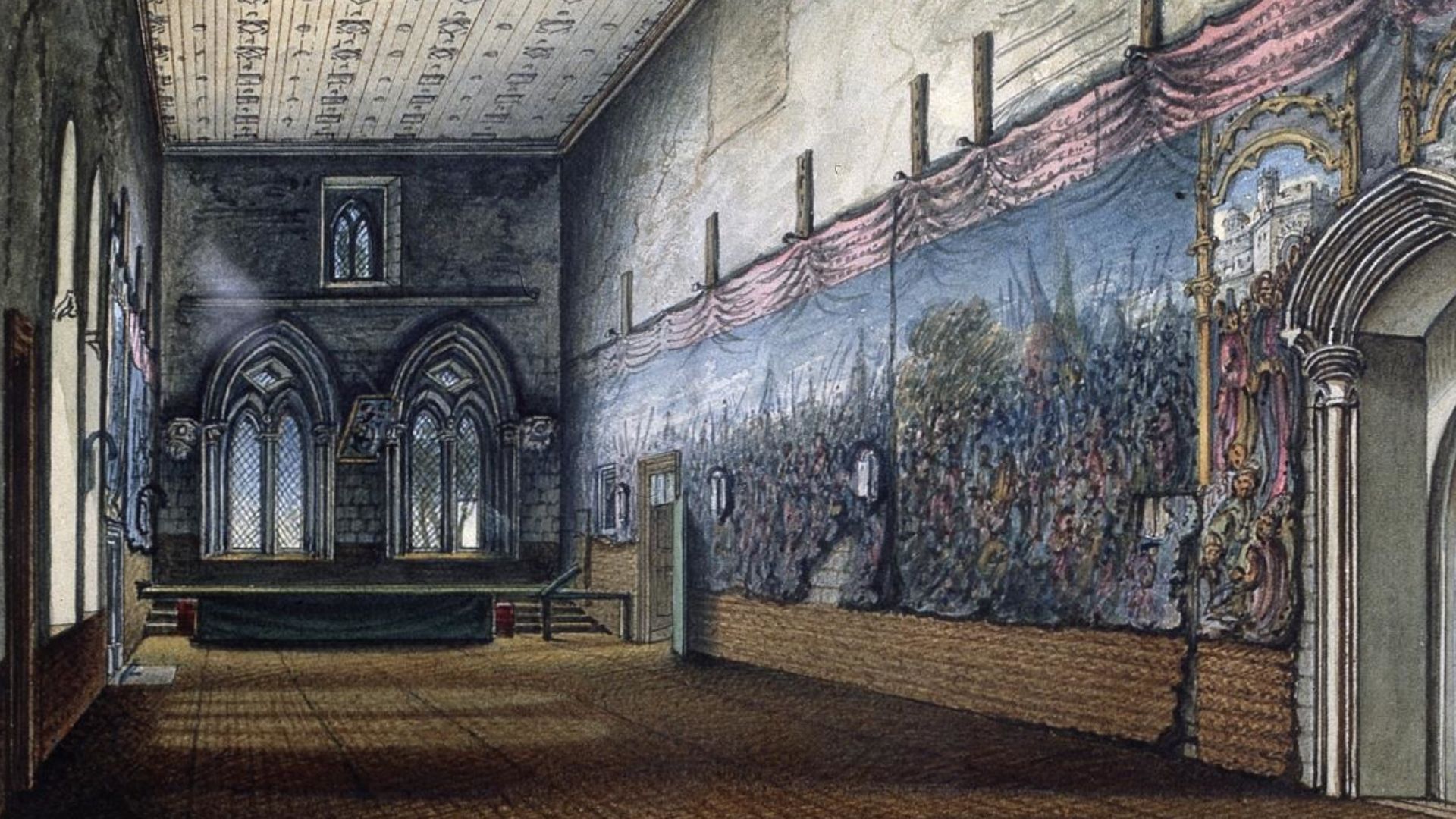 William Capon, Wikimedia Commons
From Trash to Tudor History
A bed nearly cleared out during a routine hotel renovation turned into one of the most unexpected historical discoveries in recent memory. Whether viewed as confirmed royal furniture or a remarkable surviving artifact, its survival came down to one person stopping long enough to look twice.
 Moderngothic, Wikimedia Commons
You Might Also Like: