
A Quiet Day…Until It Wasn’t
Thrift stores see odd donations all the time, but staff at a shop in Chilliwack, British Columbia didn’t think much of a small bundle of metal pieces priced at around $20. They looked old, maybe decorative, maybe just miscellaneous hardware. Nothing suggested a major historical mystery—at least not yet.
The Donation Arrived With Zero Backstory
The items were dropped off anonymously with no explanation. No note, no provenance, nothing to hint at their past. Just a cluster of metal rings, plaques, and strange shapes that didn’t match anything modern. With no context, they were simply prepared for sale.
The Shapes Looked Odd—But Not Identifiable
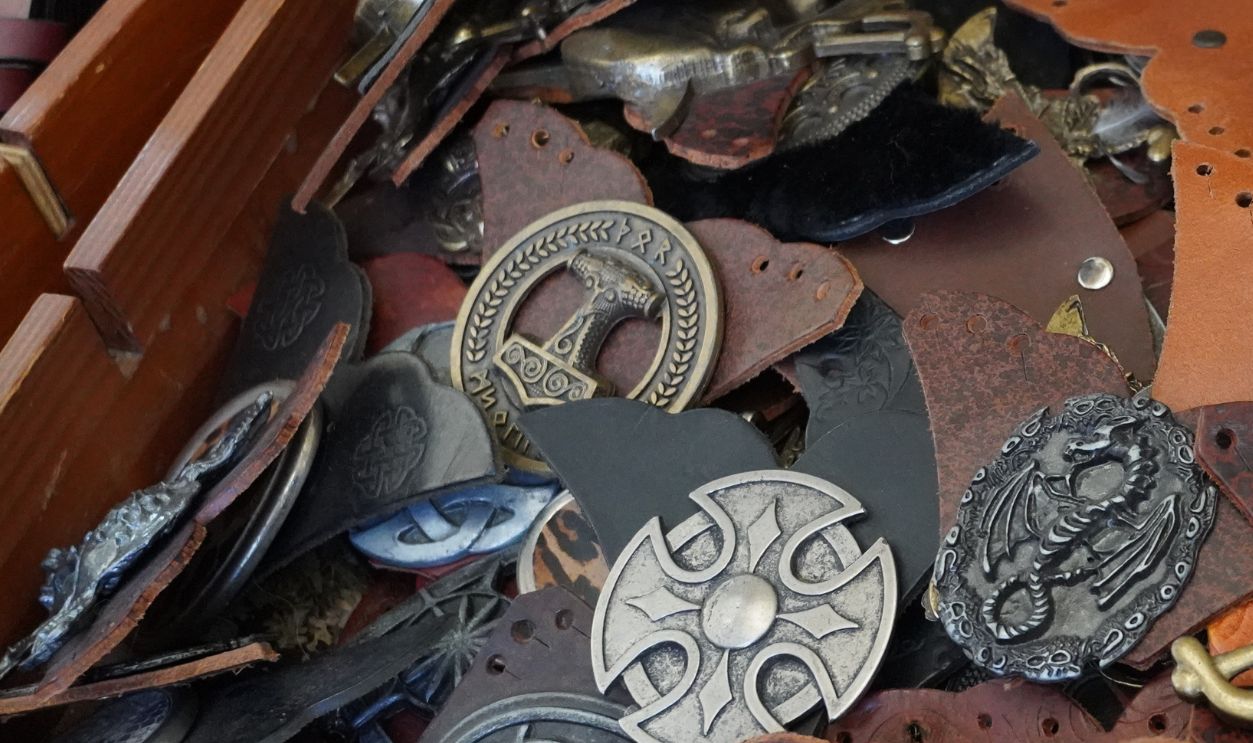
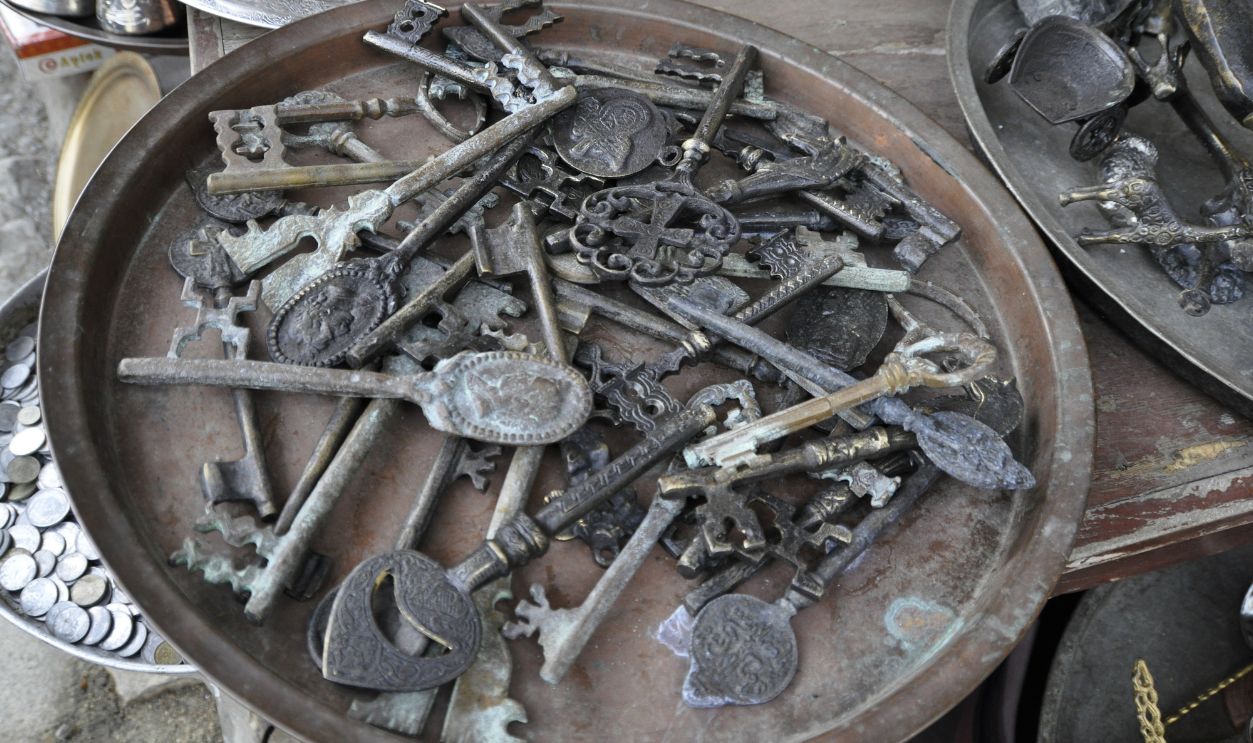
Even staff admitted the pieces were unusual. Simon Fraser University later confirmed the collection included “11 rings and two medallions of various shapes and sizes.” That description alone suggested these weren’t typical thrift-store trinkets—but without expertise, they still landed on the shelf.
 Reg Natarajan from Vancouver, Bogotá, Wikimedia Commons
One Day, an Archaeologist Walked In
One day, a trained archaeologist happened to be browsing the store. He wasn’t expecting to make a discovery—just passing through—when the metal pieces caught his eye. According to Smithsonian, he “mentioned that he was an archaeologist” only after spotting the unusual items.
His Reaction Changed Everything
The archaeologist told employees the pieces might be far older than anyone realized. Smithsonian reported that he “told staff that they should take a closer look,” hinting that these were not ordinary metal scraps.
 Julien-Pier Belanger, Unsplash
Staff Were Completely Caught Off Guard
Imagine thinking you’re pricing inexpensive metal trinkets, only to be told they might be historical artifacts. Employees were stunned—this kind of thing doesn’t happen in thrift stores, let alone ones in small Canadian towns.

Experts Were Contacted
The archaeologist reached out to colleagues and eventually Simon Fraser University. Once specialists examined the items, archaeologist Sabrina Higgins said, “The shape and designs make me think that these are medieval.” It was an expert’s educated impression—but still just a starting point.

The Items Were Donated for Study
The thrift store removed the pieces from the shelf and donated them to SFU’s Museum of Archaeology & Ethnology. The university said the artifacts would be used in coursework, giving students a chance to study and identify them firsthand.
The Age Is Still Uncertain
While the form and craftsmanship hint at medieval origins, the exact age remains unknown. SFU noted that determining their true history “will take at least a semester—if not longer—to piece together the origins of the artifacts.”
 Simon Fraser University, Wikimedia Commons
Could They Really Be Medieval?
Possibly. Higgins emphasized that the stylistic clues resemble medieval work, but also stressed that this is a hypothesis, not a conclusion. Without testing and comparative analysis, no one can say for sure.
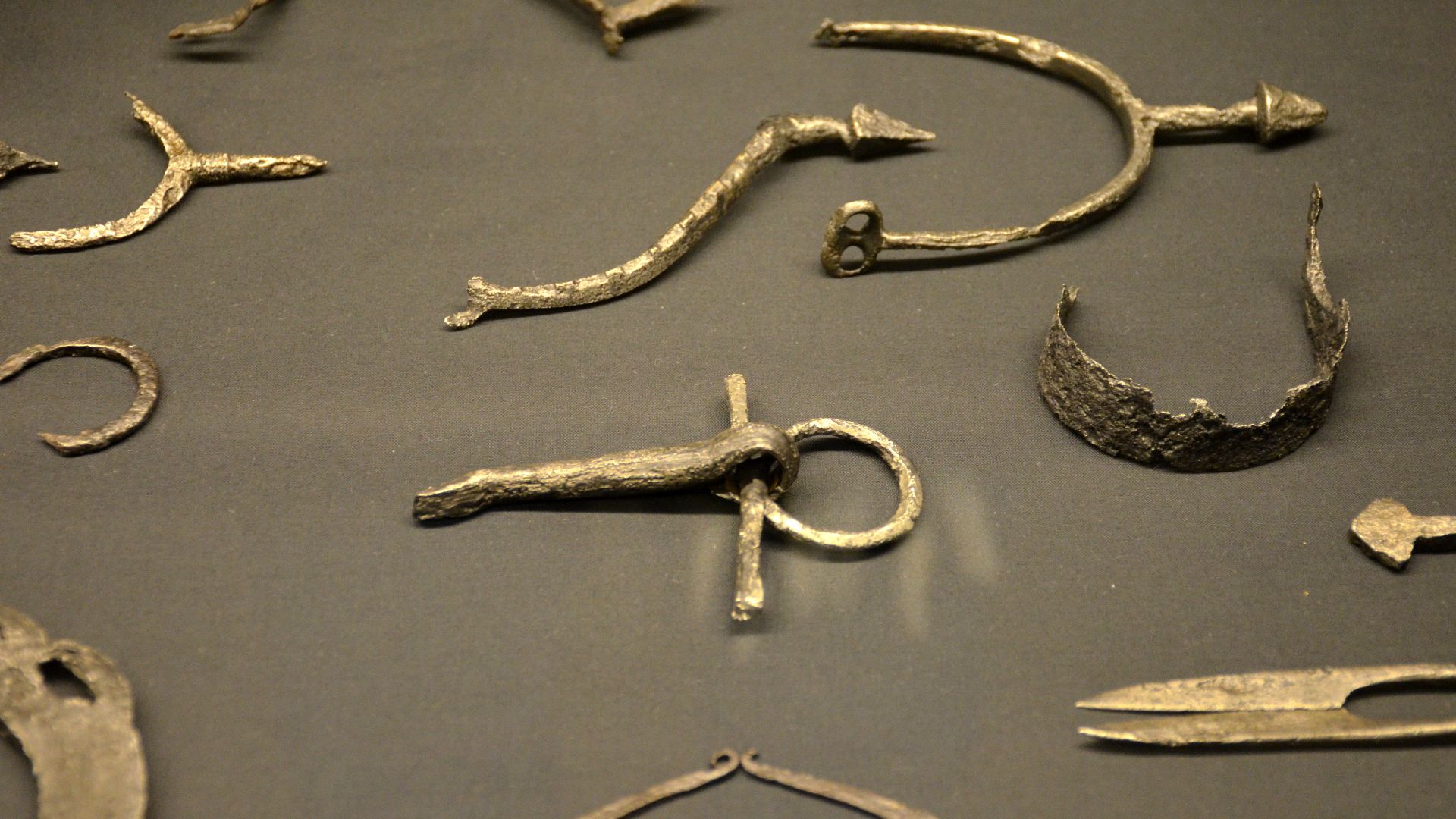
Provenance Is the Biggest Challenge
Because the donation came with no background, researchers are working with minimal clues. Higgins acknowledged plainly: “The provenance of the pieces is unknown.” And in archaeology, that missing puzzle piece complicates everything.
 Gary Todd from Xinzheng, China, Wikimedia Commons
The Replica Question
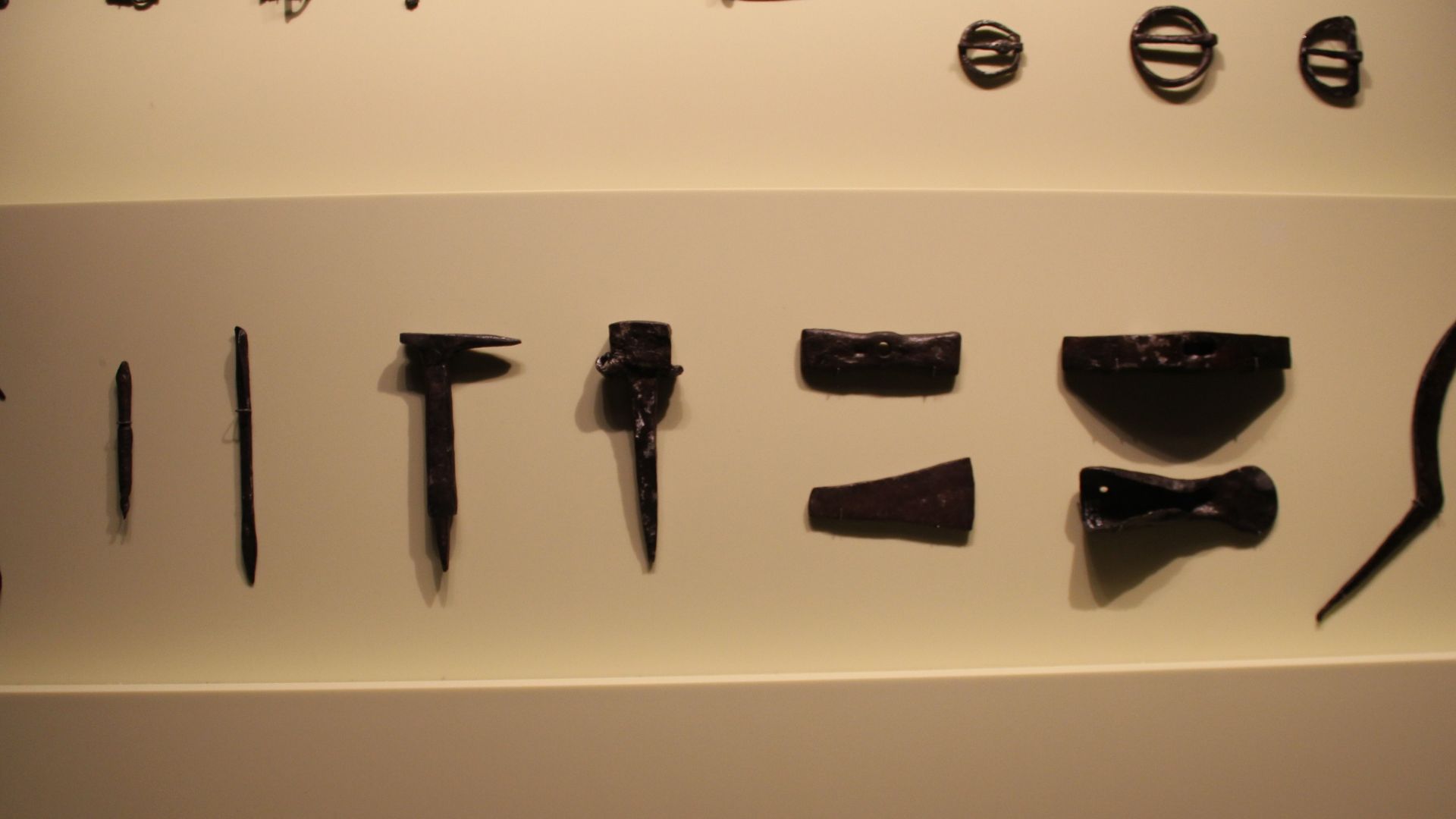
SFU researchers also warned that without testing, it may be difficult to determine their exact age or whether they could be later reproductions. Many modern artisans create medieval-style metalwork, making authenticity a question scientific analysis must answer.
Still, the Objects Are Intriguing
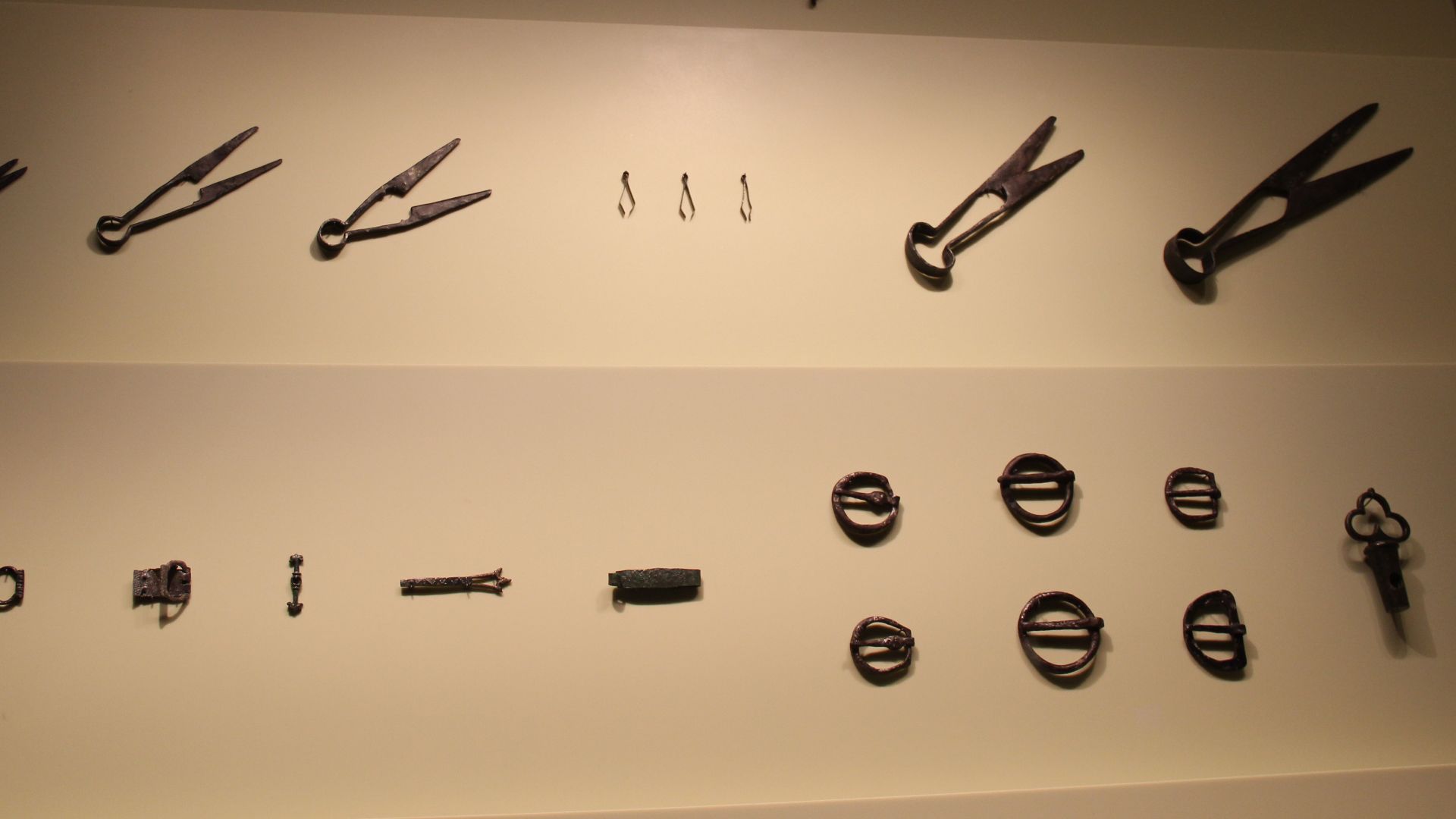
The shapes, construction, and unusual cluster of items don’t resemble modern décor or hardware. Their craftsmanship is what drew expert attention, which is why they’re now the subject of academic study instead of a thrift-store price tag.
 Gary Todd from Xinzheng, China, Wikimedia Commons
What They Might Have Been Used For
Researchers haven’t confirmed a function yet. Some speculate they could be fittings, adornments, or ceremonial pieces—but until testing is complete, their purpose remains an open question.
Well-Preserved, But Not Too Well-Preserved
The metal pieces appear in reasonably good condition. That doesn’t confirm authenticity, but it makes them ideal teaching material for students learning how to evaluate artifacts with uncertain origins.
A Mystery With No Clear Trail
Because the donor never came forward, no one knows how these pieces traveled from wherever they originated to a thrift store in western Canada. The story behind them may never be uncovered.
 Burkhard Mücke, Wikimedia Commons
The Store Never Sold Them
Once the archaeologist spoke up, the items were removed from the shelf immediately. A potential $20 sale had quietly transformed into a full-scale archaeological investigation.

Museums Took Notice
The unusual discovery attracted global attention—not just about the items themselves, but about how something possibly ancient ended up in a donation bin.
A Rare Teaching Opportunity
SFU explained that the artifacts will allow students to learn through real, open-ended investigation. The university said the hands-on work will help students “think more critically about the world around them” as they analyze the pieces.
 Simon Fraser University - University Communications, Wikimedia Commons
Could They Be Valuable?
If authentic and medieval, they could be historically significant. But without confirmation, assigning monetary value is impossible. Their greatest worth right now is academic, not financial.
 Photograph by Mike Peel (www.mikepeel.net)., Wikimedia Commons
Why People Love This Story
There’s something irresistible about hidden-history tales—ordinary places turning extraordinary when the right person looks closely. Whether these objects prove medieval or modern, the discovery journey is compelling.

The Bottom Line
A bag of anonymous metal objects nearly sold for twenty dollars turned into a real archaeological puzzle. Whether they turn out to be medieval, modern, or something in between, the mystery is now in the hands of researchers.

You Might Also Like:
Stolen Renoir Found At Flea Market Returned To Baltimore Museum Of Art
David Bowie Painting Bought For $5 At Donation Center Sells For $88k