The Homeownership Debate Never Really Ends
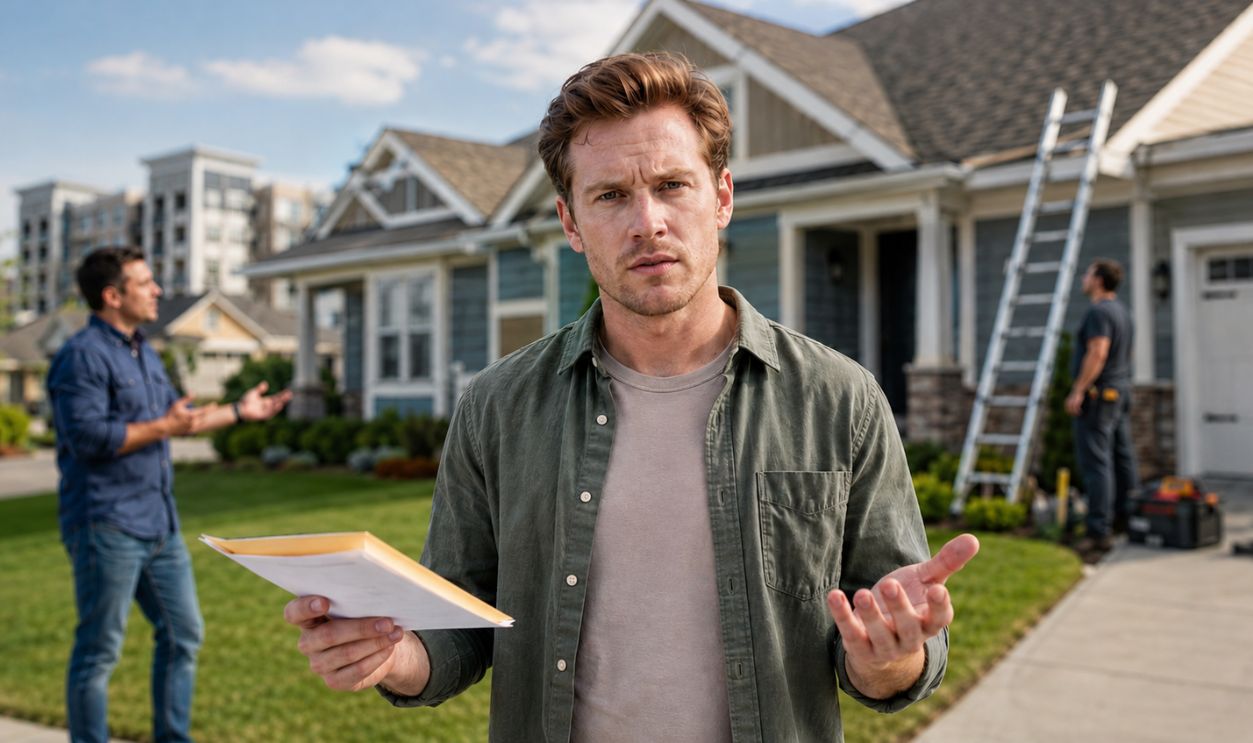
Your friend isn't wrong to cringe at property taxes, insurance bills, and surprise repair costs. Those expenses are real, and in many markets they have climbed fast in the past few years. But reality is a lot more complicated than they say. The long-term math depends on time, location, financing, and what would happen to your rent if you do not buy.
Why This Question Feels So Urgent Right Now
Housing costs have turned into a pressure cooker. The S&P CoreLogic Case-Shiller U.S. National Home Price Index shows home prices jumped sharply after 2020, while Freddie Mac reported 30-year fixed mortgage rates shot up in 2022 and 2023 before easing a bit later. At the same time, renters have dealt with years of steep lease hikes in many cities, which makes the buy-versus-rent question more than a lifestyle choice.

What People Mean When They Say Ownership Is A Scam
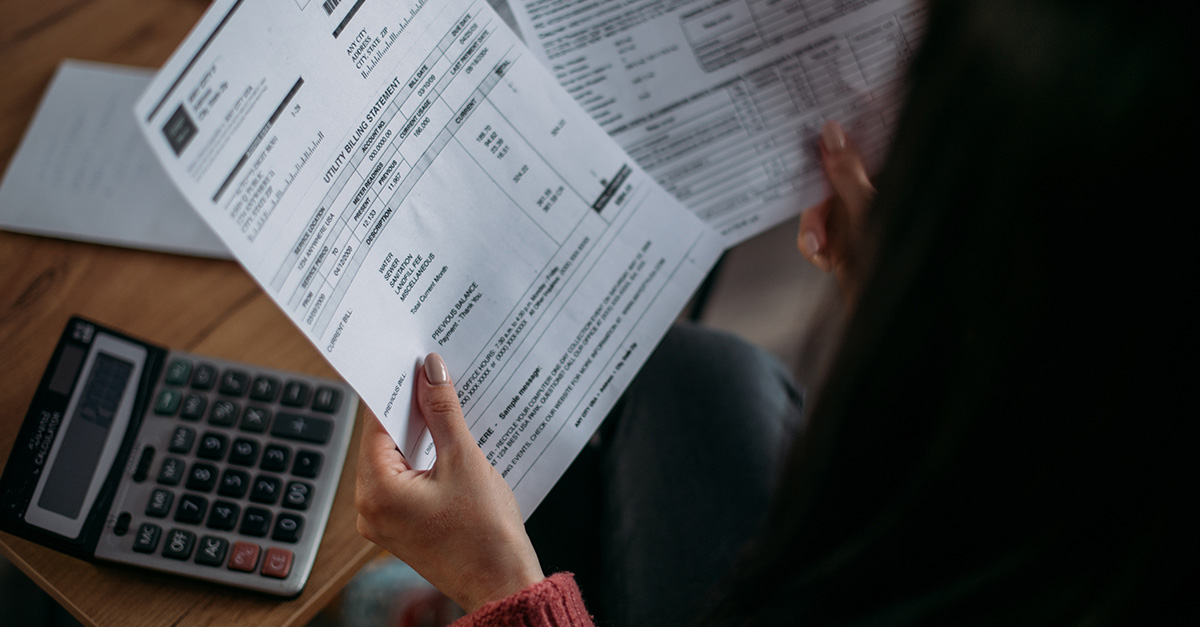
Usually they mean the mortgage payment is only the start. Owners also deal with property taxes, homeowners insurance, maintenance, HOA fees in some communities, and the risk of expensive repairs like roofs, plumbing, and HVAC systems. Those costs can make the real monthly price of owning look very different from the number in a mortgage ad.

Taxes Are A Real Cost, Not A Small Footnote
Property taxes vary a lot by state and county, and they can rise over time as assessments change. The Tax Foundation has repeatedly shown that effective property tax rates differ widely across the country, which means the same-priced home can come with very different annual tax bills depending on where you live. In high-tax areas, this expense alone can wipe out a big chunk of the financial edge people assume comes with buying.

Insurance Has Become A Bigger Deal
Homeowners insurance used to be a pretty boring line item for many households. That has changed as insurers have raised premiums in disaster-prone regions, limited coverage, or left some markets altogether. The Insurance Information Institute has documented the pressure from catastrophe losses and rebuilding costs, which means buyers now need to stress-test insurance costs before deciding a house is affordable.

Repairs Are The Part Everyone Underestimates
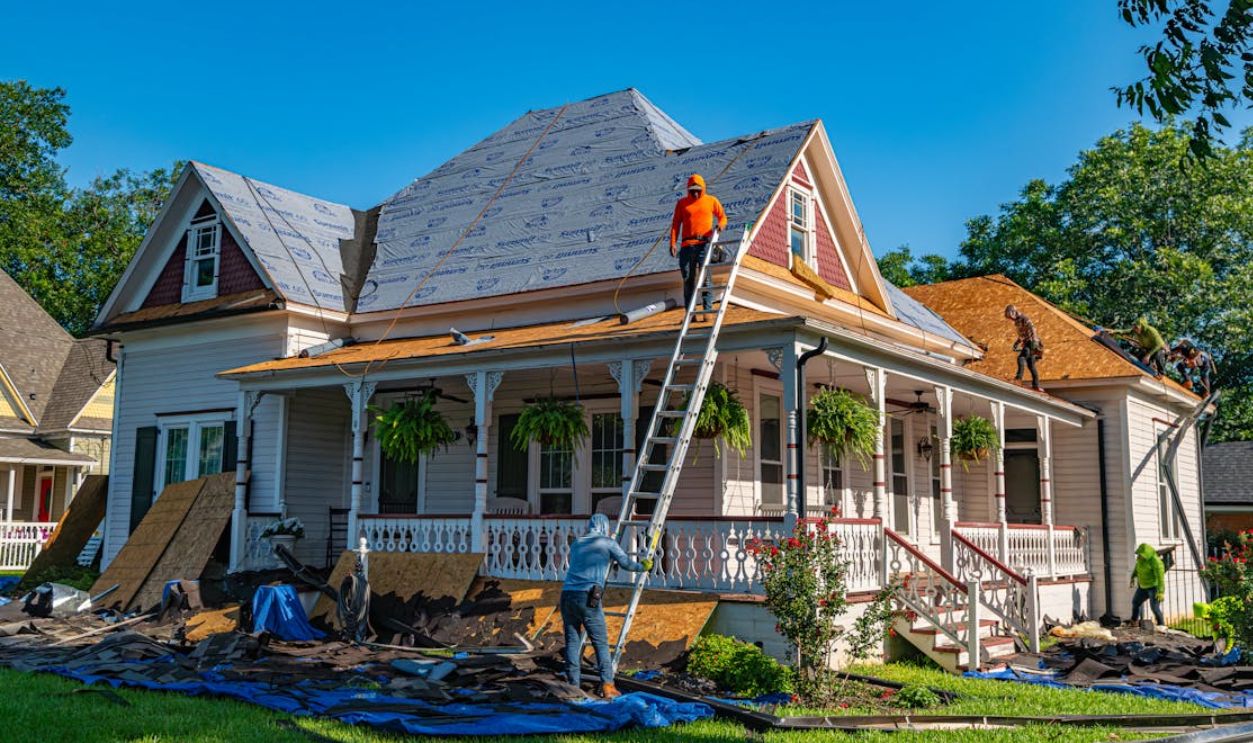
Repairs are not just annoying. They can wreck a budget. A water heater, roof, sewer line, or foundation issue can cost thousands or even tens of thousands of dollars, and homeowners cannot call a landlord when something breaks.
The Rule Of Thumb That Still Matters
Fannie Mae has long pointed to a simple maintenance rule of thumb that many owners use as a planning tool, often around 1 percent of a home’s value per year, though actual costs can swing a lot based on age and condition. That is not a law of nature, but it is a useful reminder that a house is an asset that constantly needs money put back into it. A newer condo may cost less to maintain for a while, while an older single-family home can turn into a money pit fast.

Renting Has Real Financial Advantages Too
Renters usually get lower upfront costs, fewer surprise bills, and more mobility. If the furnace dies or the roof leaks, the landlord generally handles the repair. That predictability can free up cash for retirement accounts, emergency savings, or paying down high-interest debt.

The Hidden Superpower Of Renting
The biggest financial edge renters have is flexibility. They can move for a better job, a cheaper neighborhood, or a different city without worrying about agent commissions, closing costs, or whether the local housing market is soft. That flexibility has real value, especially in shaky job markets or for people who may relocate within a few years.

Why Owners Still Build Wealth So Often
The strongest argument for buying is not that every homeowner beats every renter. It is that ownership can force a kind of disciplined saving through principal repayment and can let households benefit from long-term home price growth. Over long stretches, that mix has helped many Americans build net worth, even after accounting for the ugly bills that come with ownership.

What The Data Says About Wealth
The Federal Reserve has repeatedly shown a large wealth gap between homeowners and renters in its Survey of Consumer Finances. That does not prove buying magically creates wealth, because higher-income households are also more likely to own. Still, home equity remains one of the biggest sources of wealth for many middle-class families, which is why the case for ownership stays strong despite all the extra costs.

Appreciation Is Real But It Is Not Guaranteed
Home prices have historically risen over long periods, but they do not move in a straight line. The Case-Shiller index captured the painful housing bust of the late 2000s and the huge rebound that followed. If you buy at the wrong time and need to move quickly, ownership can absolutely leave you worse off than renting.

Mortgage Rates Can Change The Whole Equation
The monthly cost of buying depends heavily on financing. Freddie Mac’s historic mortgage rate data shows how much affordability can swing when rates rise or fall. A buyer who locked in a low rate in 2021 is in a very different position from a buyer who entered at much higher rates in 2023.

The Five-Year Rule Exists For A Reason
Buying works better when you stay put long enough to spread out closing costs and ride out market swings. There is no universal magic number, but many analysts use five years as a rough threshold for when ownership starts to make more financial sense. If you think you may move in two or three years, renting often looks smarter.

Transaction Costs Are The Quiet Budget Killer
People often compare rent to a mortgage payment and stop there. But buying and selling a home comes with closing costs, title fees, inspections, moving expenses, and often real estate agent commissions when you sell. Those one-time costs can eat up a surprising amount of your equity if you do not stay long.

Inflation Changes The Story In Favor Of Owners
One reason buying can win over long periods is that a fixed-rate mortgage locks in a large share of housing costs. Taxes, insurance, and maintenance can still rise, but the principal and interest payment stays stable. Rent, by contrast, can keep resetting higher as the market moves.

But Inflation Also Hits Owners In Painful Ways
The same inflation that makes future rent more expensive can also make repairs, labor, and insurance more costly for owners. Building materials and contractor prices rose sharply during and after the pandemic period, which pushed up the price of routine maintenance and major projects. That means the owner advantage is not as automatic as it looks in a spreadsheet built on old assumptions.

Location Is Everything In This Fight
There is no national answer that works for every zip code. In some metro areas, the cost to buy compared with renting a similar property is so high that renters come out ahead for years if they invest the difference. In other markets, especially where rents are rising quickly and home prices are more reasonable, buying can become the better long-term play.

The Price-To-Rent Ratio Offers A Useful Shortcut
One quick way to think about the market is the price-to-rent ratio, which compares home prices with annual rents. A high ratio often suggests renting is relatively attractive, while a lower ratio can make buying look more appealing. It is not perfect, but it helps explain why the right answer in San Francisco may differ dramatically from the right answer in Cleveland.

The New York Times Calculator Became A Go-To For A Reason
The New York Times buy-versus-rent calculator has stayed popular because it forces people to plug in the unglamorous details. It asks about tax rates, maintenance, insurance, expected rent growth, investment returns, and how long you plan to stay. That is exactly how this decision should be made, with real assumptions instead of slogans.

If You Rent And Invest The Difference, You Can Win
This is the strongest case for renting long term. If a renter consistently invests the money that would have gone toward a down payment, repairs, taxes, and higher monthly housing costs, compounding can do serious work over time. The catch is behavioral, because many people do not invest that difference consistently enough to match the forced-savings effect of a mortgage.

If You Buy Too Much House, You Can Lose
Ownership stops looking wise when buyers stretch themselves thin. A house that leaves no room for savings, retirement contributions, or emergency cash can turn into a financial trap. In that situation, renting a cheaper place can be the more disciplined and smarter move.

Retirement Changes The Calculation Again
People often like the idea of reaching retirement with a paid-off home, because that can shrink one of their biggest monthly expenses. That benefit is real, although taxes, insurance, and upkeep never fully disappear. Renters, meanwhile, need a plan for housing costs that may keep rising throughout retirement unless they have substantial investment assets.

So Is Homeownership A Scam
No. It is an expensive, imperfect, and sometimes overrated financial tool, but it is not a scam. It can build wealth over time for households that buy a reasonably priced home, stay long enough, and keep the rest of their finances healthy.

When Renting Is Probably Smarter
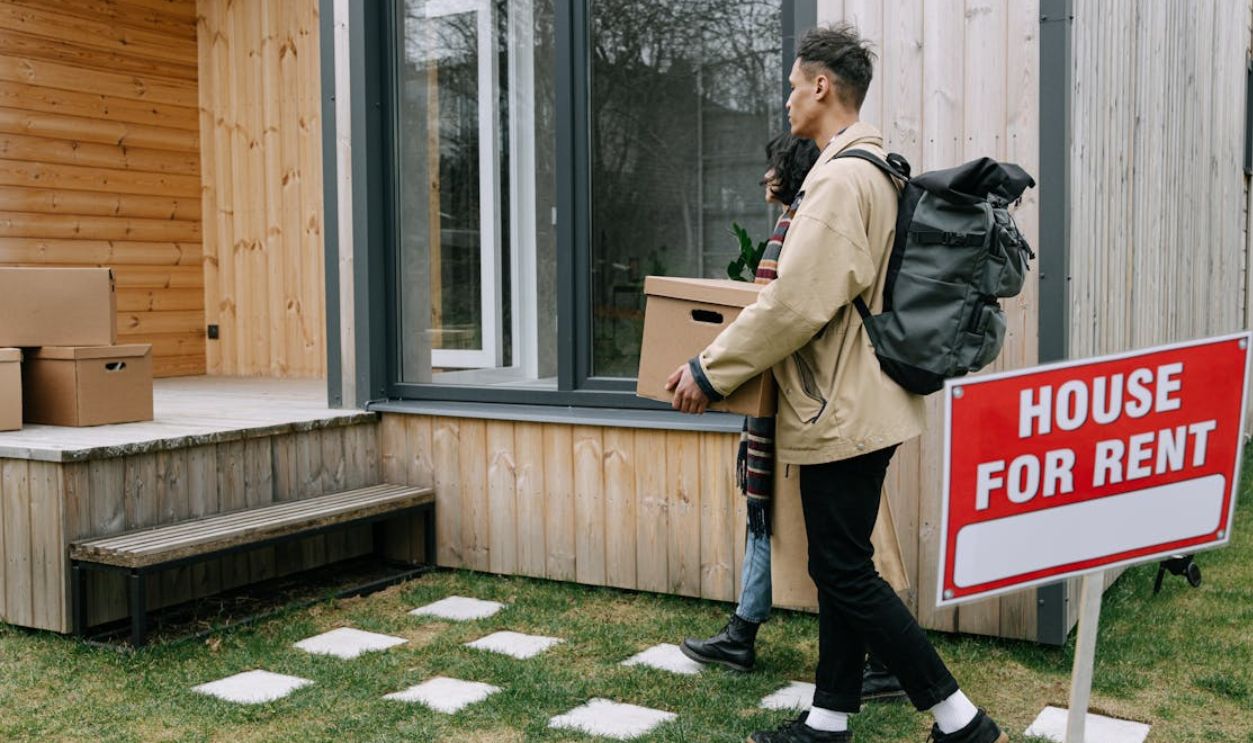
Renting often wins when you expect to move within a few years, live in a very high price-to-rent market, want maximum flexibility, or cannot comfortably handle surprise repair bills. It can also be smarter if buying would drain your emergency fund or force you to carry expensive debt. In those cases, renting is not throwing money away. It is buying flexibility and cutting risk.
When Buying Is Probably Smarter
Buying often wins when you plan to stay put, can afford the full cost of ownership, and can secure a home that fits your long-term budget. It also helps if local rents are climbing fast and your mortgage is fixed, giving you more payment stability over time. The best ownership stories usually begin with boring math, not romantic ideas about white picket fences.

The Bottom Line For Anyone Stuck In This Argument
Your friend is right that taxes, insurance, and repairs can make ownership feel brutal. But renting is not automatically smarter long term, and buying is not automatically wealth-building either. The honest answer is that the better choice depends on your timeline, market, discipline, and whether you can afford the true cost of owning instead of just the mortgage.