
The Pitch Sounds Smart at First
Borrowing money to invest can sound like a shortcut to building wealth faster. Your friend is talking about leverage, which means using debt to make an investment position bigger. When prices rise, leverage can boost gains. When prices fall, it can blow up losses just as fast. That is the part people tend to gloss over.

What “Amplify Gains” Actually Means
If you invest $10,000 of your own money and it goes up 10%, you make $1,000. If you borrow another $10,000 and invest $20,000 total, that same 10% gain becomes $2,000 before costs. But the loan still has to be paid back, and interest keeps piling up whether the market rises or falls. Leverage is not free extra return. It is extra risk tied to debt.

Margin Debt Is the Classic Version
In a brokerage account, borrowing to buy investments is usually called buying on margin. The Federal Reserve’s Regulation T has long set the initial margin requirement at 50% for many stock purchases, which means investors can often borrow up to half the purchase price. FINRA also requires a maintenance margin, usually at least 25%, though brokerages often set tighter rules. That means a sharp move in the market can trigger a margin call a lot sooner than many people expect.

These Rules Are Not New
Regulation T is not some recent Wall Street trick. The Federal Reserve Board adopted margin rules under the Securities Exchange Act of 1934, and the current 50% initial margin requirement has been in place since 1974 according to the Fed. That matters because it shows leveraged investing is an old, well-known practice, not some modern hack from social media. The risks are old too, and they have been documented for decades.
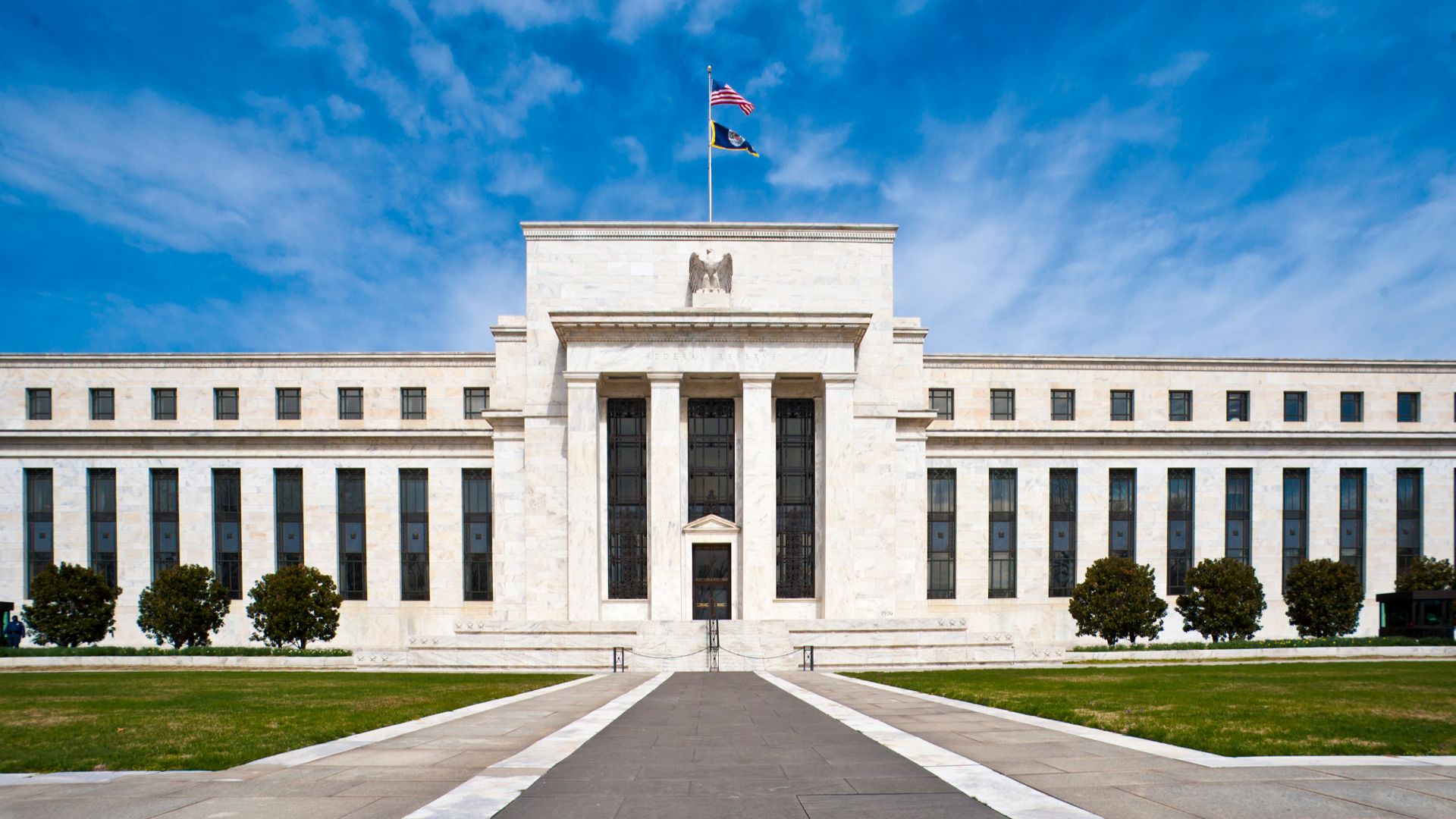 Federalreserve, Wikimedia Commons
A Margin Call Is Where It Turns Ugly
A margin call happens when your account falls enough that your equity drops below the required level. At that point, the broker can demand more cash or securities, and if you do not come up with them quickly, the firm can sell your investments. FINRA warns that firms can usually do this without asking your permission first. That is how a temporary market drop can turn into a permanent loss.

Losses Can Hit Harder Than People Expect
People often say leverage works both ways, but the downside can feel a lot worse in real life. A 20% drop on an unleveraged $10,000 investment leaves you with $8,000. On a $20,000 position funded with $10,000 of debt, that same 20% drop cuts the position to $16,000, and after repaying the $10,000 loan, your equity is down to $6,000 before interest and fees. A 20% market drop just turned into a 40% hit to your money.

Interest Keeps Running the Whole Time
Borrowed money is not just risky because markets can fall. It also costs money every day the debt is outstanding. The Consumer Financial Protection Bureau notes that interest raises the cost of borrowing, and that basic math applies whether the debt comes from margin, a personal loan, or home equity. If your investment does not beat the interest cost and taxes, leverage can leave you worse off even when your market call was right.

Investing and Speculating Are Not the Same Thing
Long-term investing usually depends on patience, diversification, and time. Borrowing to buy risky assets pushes the whole thing closer to speculation because timing suddenly matters a lot more. If the market drops early, the debt can force you out before your long-term idea ever gets a chance to work. That is how leverage can wreck an investment that might have paid off eventually.

Volatility Becomes the Real Threat
A normal investment can survive a rough stretch if you do not need to sell. A leveraged investment may not get that chance. The Securities and Exchange Commission warns that margin accounts can require investors to add money on short notice or face forced sales. In other words, leverage makes market swings dangerous all by themselves, even before you get to the question of whether the investment is any good.

History Has Been Warning People for a Long Time
One of the best-known examples came in 1929, when investors had piled into stocks with borrowed money before the market crashed. Economists and market historians have long pointed to heavy margin buying as one factor that made the collapse worse when prices turned. The Securities Exchange Act of 1934 and later margin rules came out of lessons from that period. The message has stayed pretty consistent ever since. Debt can make the boom feel great right before it makes the crash much worse.
 Associated Press, Wikimedia Commons
Leverage Helped Bring Down Long-Term Capital Management
A more modern warning came in 1998 with Long-Term Capital Management, the hedge fund founded in 1994 by John Meriwether. The fund included famous traders and even Nobel Prize-winning economists, yet extreme leverage helped push it toward collapse when Russia defaulted on its debt in August 1998 and markets swung hard. The Federal Reserve Bank of New York then helped organize a private-sector rescue in September 1998 to keep the damage from spreading. If leverage can humble some of the smartest people in finance, regular investors should take the risk seriously.

The 2008 Crisis Drove the Point Home Again
The global financial crisis was full of examples of what happens when debt meets falling asset prices. Households, banks, and investors across the system got hit when leveraged bets on housing and credit went bad. The Financial Crisis Inquiry Commission later concluded in its 2011 report that too much borrowing and risk-taking made the system far more fragile. This was not a niche trading issue. It was leverage on a massive scale.

Even “Safe” Investments Get Riskier With Debt
Some people assume leverage is fine if the investment itself is conservative. That is only partly true. A broad stock index fund is safer than a meme stock, but borrowing against it still creates a fixed obligation that does not care whether the market is having a terrible year. Debt can turn a sensible investment into a much more dangerous plan.

Personal Loans Make the Bet Tougher
If someone is using a personal loan to invest, the hurdle is often even higher than with margin debt. Personal loan rates are usually much higher than margin rates for big brokerage accounts, and they are not tied to an investment account you can quickly unwind with a few clicks. The CFPB and consumer lenders both make clear that unsecured borrowing can be expensive. That means the investment has to clear a pretty high bar just to break even.

Home Equity Is Not Free Money
Another version of this strategy is using a home equity loan or HELOC to invest. The danger here is obvious because your house may effectively sit behind the debt. The CFPB warns that failing to repay a home equity loan or line of credit can put your home at risk. Borrowing to invest sounds a lot less clever when the downside includes foreclosure.

Crypto and Leverage Can Be a Brutal Mix
Leverage gets even more dangerous when it is paired with very volatile assets like cryptocurrencies. Huge price swings can trigger liquidations fast, especially on platforms that offer aggressive leverage. Regulators have repeatedly warned that crypto markets can be volatile, speculative, and exposed to sharp losses. Borrowing to buy something that can drop double digits in a day is not a small twist on normal investing. It is a completely different level of risk.
 Viktoriia Hnatiuk, Shutterstock
Sequence Risk Can Crush a Good Idea
This is one of the least appreciated dangers. Even if an asset rises over five or ten years, a bad decline early on can trigger a margin call or make loan payments impossible to handle. In practical terms, that is sequence risk. When debt is involved, the order of returns matters a lot more than people think.

Taxes Will Not Save a Bad Leveraged Bet
Some investors assume tax breaks or deductible interest will soften the damage. In reality, tax rules are complicated and depend on the account, the loan, and the person. Even when some interest may be deductible in certain cases, that does not remove the investment risk or guarantee a profit. A losing leveraged trade is still a losing leveraged trade.

Professionals Use Leverage in a Different World
It is true that hedge funds, private equity firms, and some real estate investors use leverage all the time. The difference is that they often have risk teams, collateral agreements, diversification, and financing setups that regular investors do not. Even then, professionals still blow up. Copying the headline strategy without the machinery behind it can get expensive fast.

Real Estate Is the Example People Usually Bring Up
When people defend leverage, they often point to mortgages. That comparison is not totally unreasonable because buying a home has long been one debt-funded path to wealth for many households. Still, a primary residence is not the same as borrowing short-term money to buy volatile securities. Mortgages are usually paid down over many years, while margin loans can be called much faster and market prices can change by the minute.

Debt Also Changes How People Behave
Debt affects how people think and act. Losses can spark panic when monthly payments, margin calls, or the threat of forced selling enter the picture. Behavioral finance research has shown for years that investors do not always act rationally under stress. Leverage adds stress, and stress usually makes decisions worse, not better.

A Simple Stress Test Can Cut Through the Hype
Anyone thinking about borrowing to invest should ask one blunt question. What happens if the investment drops 30% while interest rates stay high and income falls at the same time? If the answer involves selling at the bottom, missing bills, or draining emergency savings, the strategy is probably too risky. A solid investment plan should survive bad scenarios, not just look smart in good ones.

There Are Safer Ways to Boost Returns
If the real goal is building wealth faster, there are less dramatic options. Saving more, staying invested longer, lowering fees, diversifying broadly, and taking a measured amount of stock market risk have historically mattered more for most households than fancy financial tricks. None of those ideas is exciting, but they do not come with a lender waiting to be repaid. Boring often wins.

Who Might Use Leverage Carefully
There are cases where leverage is used thoughtfully, usually by investors with high income, large cash reserves, deep knowledge of the assets, and a clear exit plan. Even then, the borrowed amount is often small compared with total net worth. The strategy is usually one part of a broader, risk-managed portfolio, not an all-in swing. That is very different from taking out a loan because a friend says it boosts returns.

Red Flags Worth Taking Seriously
Be careful if someone cannot clearly explain the interest cost, worst-case loss, margin rules, or how they would handle a 30% to 50% drop. Be even more careful if they talk only about upside, use phrases like “free money,” or claim debt is safe because an asset “always comes back.” Markets do not move on your schedule, and lenders do not care about optimism. Confidence is not a risk plan.

So Is It Smart or a Fast Way to Get Wrecked
For most ordinary investors, borrowing to invest is closer to a fast way to magnify mistakes than a smart way to build wealth. It can work in a rising market, but interest costs, volatility, and forced-selling risk make it much more dangerous than it sounds. The record from 1929 to 1998 to 2008 keeps repeating the same lesson. Leverage is powerful, but it cuts both ways.

The Bottom Line for Your Friend
If your friend fully understands the risks, has plenty of cash reserves, uses limited leverage, and can survive a severe downturn without being forced to sell, this may be a calculated strategy. For everyone else, it is usually a gamble dressed up as sophistication. For most people, the smarter move is to invest money they already have and let compounding do the heavy lifting. Slow wealth still counts.