Don’t Be Afraid Of Rising Rates: Use Them
When interest rates go up, a lot of people naturally panic about higher loan costs. But rising rates can also create opportunities for savers, investors, and even borrowers who understand how to adapt. By adjusting where you put your money, how you borrow, and what you invest in, you can make high interest rates work in your favor.

Understand What High Rates Really Mean
High interest rates signal tighter credit, slower growth, and the central bank’s effort to control inflation. But this also means banks are paying more for your deposits, and some investments can become more appealing. Recognize first of all that higher rates are an inevitable part of a normal economic cycle. Knowing this will help you plan, and not react emotionally to newspaper headlines.

Savings Accounts Finally Pay Again
For years, savings accounts earned next to nothing. Now, high-yield savings and money market accounts can offer the kind of returns we haven’t seen in more than a decade. If you’ve been parking cash in a checking account, now’s the time to move it. Do a comparison of online banks and credit unions for rates well above national averages.
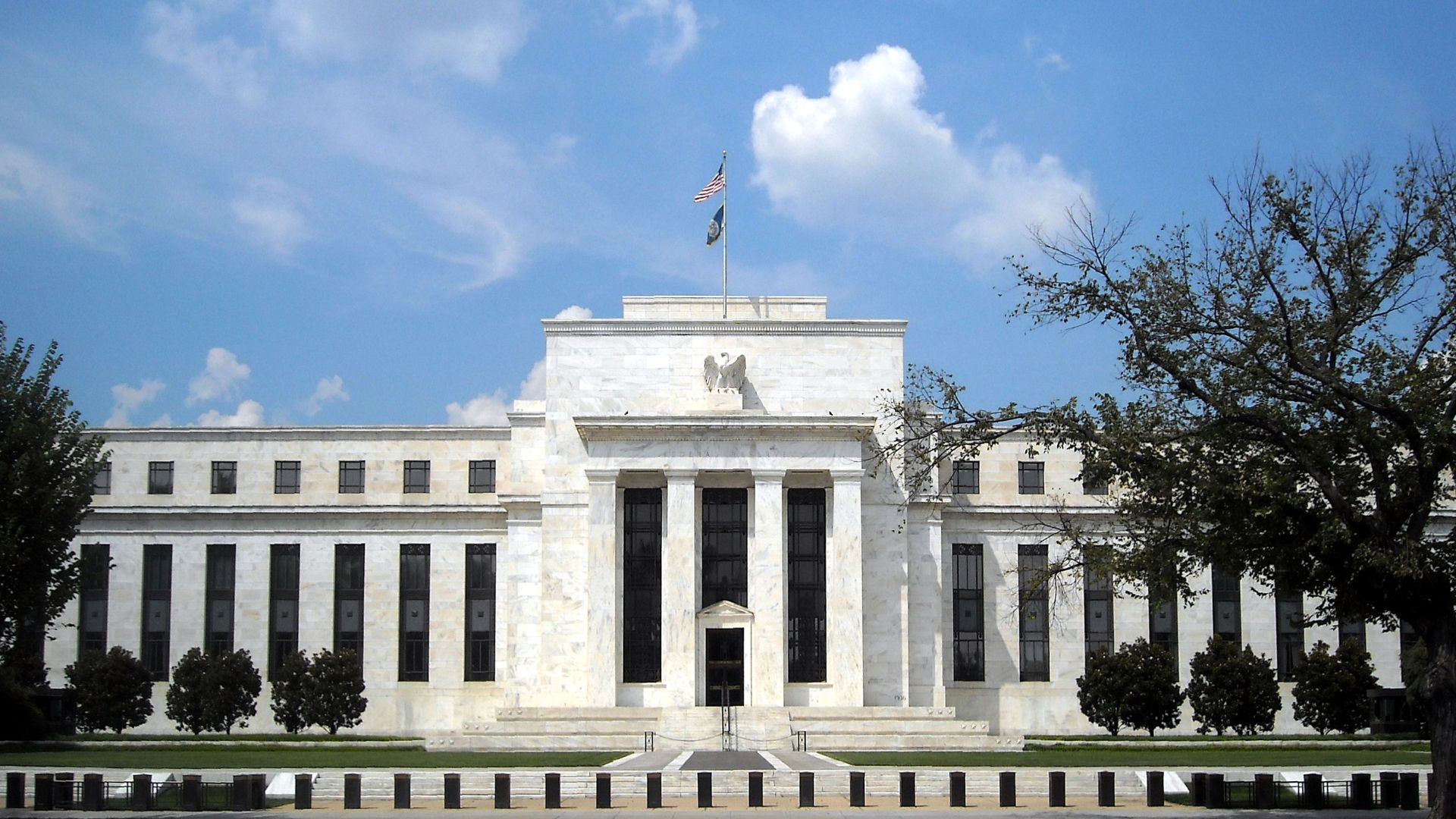 AgnosticPreachersKid, Wikimedia Commons
Certificates Of Deposit (CDs) Are Back
When interest rates rise, CDs become attractive again. You can lock in guaranteed returns at 4–5% or higher, depending on the length of the term. Consider a “CD ladder”: staggering maturities across different maturity dates so you earn good yields now while maintaining flexibility in case rates change later.

Pay Down High-Interest Debt Strategically
While savers benefit from higher rates, borrowers feel the squeeze. Credit card rates often climb over 20%. Use rising rates as motivation to crush high-interest balances. Focus on the debt avalanche method. This consists of paying off the costliest debts first; otherwise, you can consolidate your debts with a lower-rate personal loan before rates go up more.

Don’t Refinance In Panic Mode
If you have older loans at variable rates, like a HELOC, for example, or adjustable-rate mortgages, review your options carefully. Sometimes, locking in a fixed rate now guards you against further increases. But don’t rush in blindly: compare the costs of refinancing against how long you plan to stay in the home or keep the loan.

From Growth Stocks Into Income Plays
In a high-rate environment, growth stocks can start to flounder while dividend stocks and value sectors gain in appeal. Look for companies with strong cash flow, modest debt, and consistent track record of dividends. You don’t have to abandon growth stocks altogether, but you should look to rebalance toward steadier income-producing assets for now.

Revisit Bonds And Treasury Options
Higher rates mean new bonds and Treasury bills will be paying better yields. Short-term Treasuries, I-bonds, and high-grade corporate bonds can offer solid, low-risk returns. Ladder maturities at different times so you’re not locked in too long, and consider getting into government bonds for inflation protection.

Rethink Real Estate Timing
High rates can slow housing markets, which creates opportunities for patient buyers. Sellers are more negotiable, and competition drops. If you’re buying, focus on long-term value rather than short-term rates. You can always refinance later if rates go down, but you can’t go back and buy the same property once prices head back up.

Shop Around Like Never Before
Banks and lenders are competing harder for your deposits and your business. That means better deals, but only if you ask. Don’t settle for the first loan or savings product you’re offered. Compare the rates, read the fine print, and keep in mind: loyalty rarely pays as much as asking questions in a high-rate world.

From Inflation To Motivation
High rates usually follow in the footsteps of high inflation. Instead of feeling squeezed, use this period to become more deliberate with your money. Track spending, negotiate bills, and reassess all your subscriptions. Every dollar you save now means more when deposited or invested in today’s higher-yield environment.

Negotiate And Lock In Yields
If you’re holding large cash balances, don’t be shy about negotiating with your bank. Even a 0.5% improvement on a larger deposit adds up. Locking in good yields through CDs, bonds, or high-yield savings can ease the effect of potential rate drops later.

Adjust Your Emergency Fund Strategy
Keep at least three to six months of expenses in an easily accessible account. With rates higher, that cash is no longer sitting idle, but is now earning a return. Use an FDIC-insured high-yield account or Treasury bills for safety and growth without sacrificing your liquidity.

How Borrowers Can Still Benefit
If you’re in debt, rising rates don’t automatically mean defeat. Strong credit scores qualify you for the best available rates. Pay down balances quickly, refinance wisely, and avoid taking on any new variable-rate debt. Being selective about it now can save you thousands of dollars later.

Investors Can Beat Volatility Through Discipline
High-interest-rate environments test everyone’s patience. Markets swing more, and panic headlines tend to be the rule of the day. Stay consistent by dollar-cost averaging into solid funds, diversify, and reinvest dividends. Long-term investors who stay the course during rate spikes tend to emerge stronger when the markets finally stabilize.

Consider Alternatives With Caution
When rates go up, some investors start chasing after “alternative” assets like private credit, REITs, or peer-to-peer lending. Assets like these can certainly add diversification, but they also carry risks of their own. Only allocate a small portion of your portfolio to higher-yield alternatives that you understand well.

Use High Rates As A Financial Reset
Higher borrowing costs force everyone to rethink their debt load, savings, and general spending habits. That’s not a bad thing. As a matter of fact, it encourages healthier balance sheets, smarter purchasing, and better money discipline. Treat this environment as a built-in source of accountability for your finances.

Don’t Forget Taxes And Inflation
Your 5% savings yield isn’t really 5% after inflation and taxes are done with you. Use tax-advantaged accounts like IRAs, HSAs, or municipal bonds to preserve real returns. Thinking in after-tax, after-inflation terms separates the smart savers from the average ones.

Stay Flexible: The Cycle Always Turns
Interest rates don’t stay high forever. They rise, peak, and fall and there’s nothing you can do to avoid that. But you can position yourself to benefit both in the short term and later on: earn solid returns today, pay down expensive debt, and stay primed to pivot when borrowing costs eventually come down again.

Make High Rates Work for You
Rising interest rates squeeze borrowers, but they reward savers, disciplined investors, and flexible planners. By thinking and acting strategically, including locking in yields, managing debt, and fine-tuning portfolios, you can turn a challenging rate environment into a profitable financial window.

You May Like:
Understanding Compound Interest: The Power Of Money's Growth