
When Patriotism Meets Paperwork
You served your country. You respect the flag. You just want to fly it—quietly, proudly, respectfully. And then your HOA drops the hammer with a blanket “no flag” policy. Now what? If you’re a veteran staring down an HOA rulebook that feels wildly un-American, you’re not alone. This is a surprisingly common clash between personal expression, patriotism, and neighborhood governance—and yes, you do have options.

First, Take A Breath (And Don’t Grab The Pitchfork)
Before firing off an angry email or installing a 20-foot flagpole overnight, pause. HOAs thrive on rules and procedures, and how you respond matters. Staying calm and informed will give you far more leverage than going nuclear. Think of this less like a street fight and more like a strategic mission.

Understand Why The HOA Says “No Flags”
Many HOAs adopt “no flag” rules to keep a uniform aesthetic—no visual clutter, no political statements, no disputes between neighbors. Often, the rule wasn’t written with veterans or the U.S. flag specifically in mind. That distinction can matter more than you think.

Read The HOA Rules Word For Word
Dig out the Covenants, Conditions, and Restrictions (CC&Rs). Don’t skim—read carefully. Some HOAs ban certain flags, certain sizes, or certain placements. Others allow flags with board approval. The exact language could be your strongest ally.

Check If The Policy Mentions The U.S. Flag
Here’s a key question: does the rule explicitly ban the American flag, or just “flags” in general? Courts and lawmakers often treat the U.S. flag differently. A vague policy can sometimes be challenged—or at least negotiated.

Federal Law Might Actually Be On Your Side
Good news: there is a federal law involved. The Freedom to Display the American Flag Act of 2005 protects homeowners’ rights to display the U.S. flag. HOAs can regulate how it’s displayed—but banning it outright? That’s often not allowed.

What HOAs Are Still Allowed To Regulate
Even under federal law, HOAs can set “reasonable restrictions.” That might include flag size, pole height, placement, or lighting. They can’t usually say “no flag ever,” but they can say “no giant flagpole in the front yard.”

State Laws Can Add Even More Protection
Some states go further than federal law, offering extra protections—especially for veterans. A quick check of your state statutes (or a call to a local attorney) could reveal stronger rights than you expected.

Use Your Veteran Status—Respectfully
You don’t need to weaponize your service, but it is relevant. Many HOA boards are made up of neighbors, not villains. A calm explanation that flying the flag is about respect, not rebellion, can humanize the issue quickly.

Ask For A Variance Or Exception
Instead of demanding change, request a variance. This is HOA language for “an exception to the rule.” Boards are often far more receptive to formal requests than confrontational demands.

Offer A Compromise Before They Ask
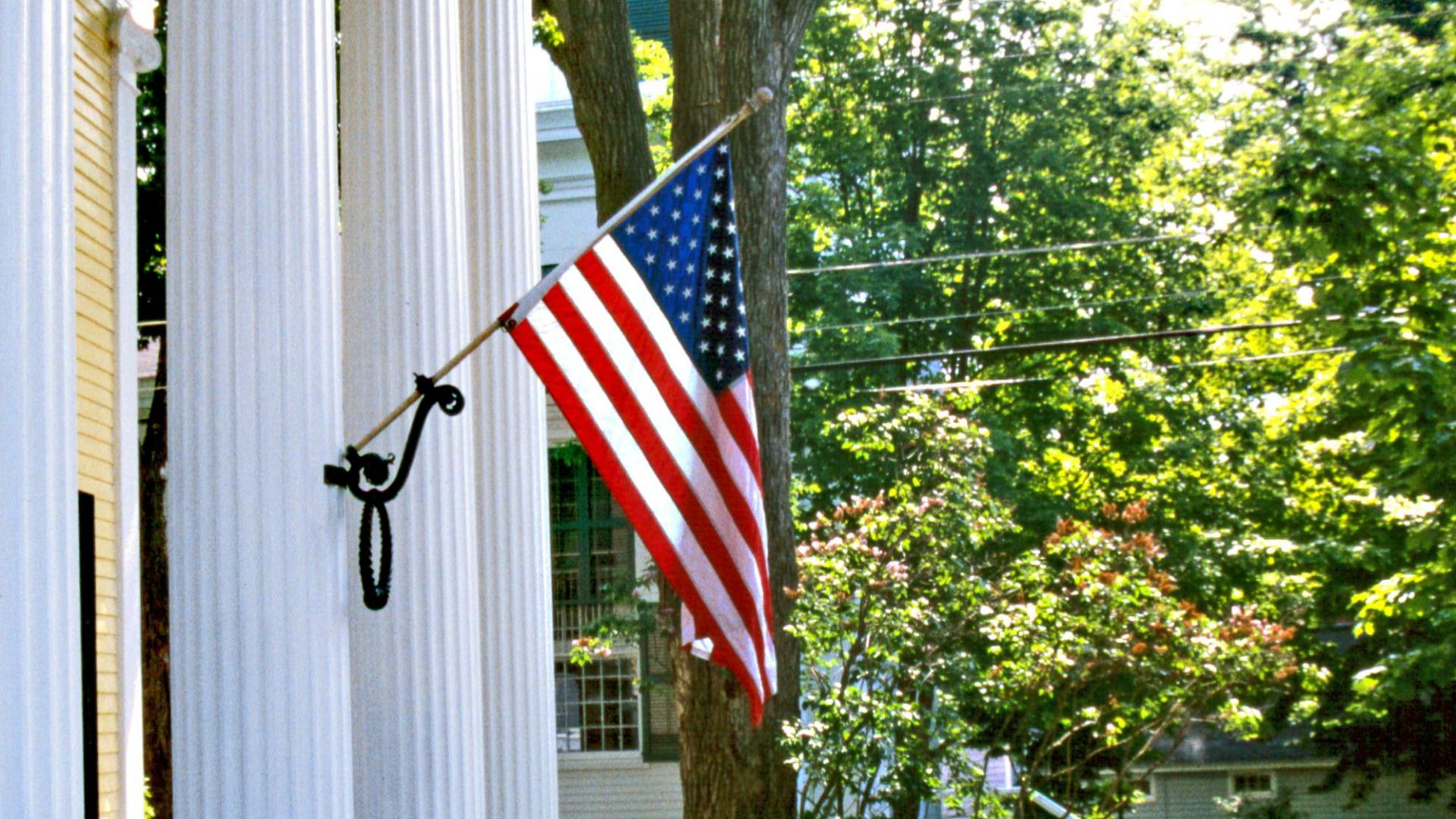
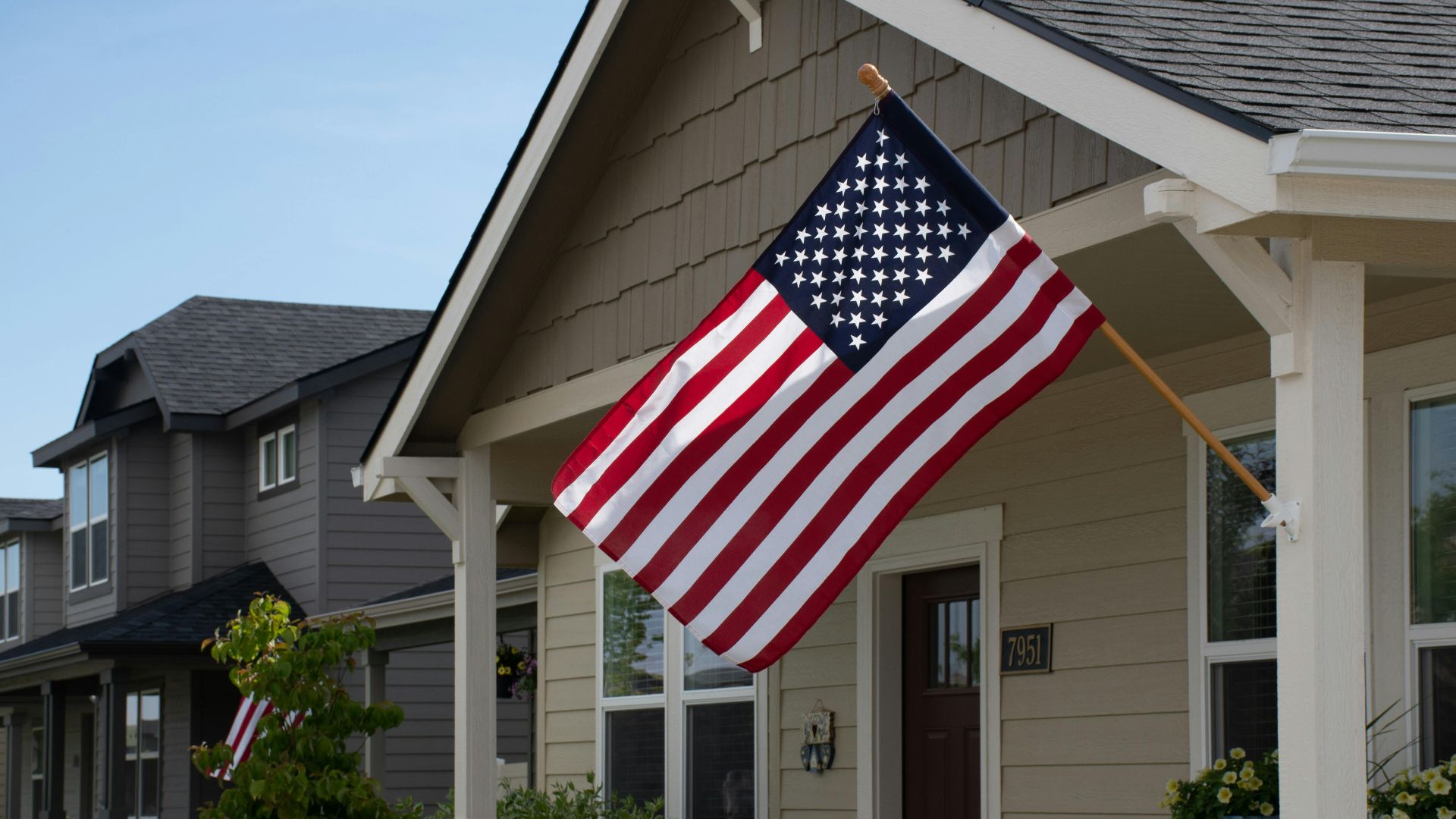
Suggest reasonable limits: a modest flag size, a wall-mounted bracket, or flying the flag only during daylight hours. When you show flexibility, boards often mirror it.
Put Everything In Writing
Verbal conversations disappear. Emails and letters don’t. Politely outline your request, reference applicable laws, and document all responses. This creates a paper trail if things escalate later.

Attend An HOA Meeting (Yes, Really)
It’s tempting to avoid HOA meetings like the plague—but showing up matters. When board members see you as a real person (not just a complaint), the tone often shifts dramatically.

You Might Not Be The Only One
Ask around. Other neighbors may also want to fly the flag—or support your right to do so. Numbers matter in HOA politics, especially when board elections roll around.

Consider Running For The HOA Board
It sounds extreme, but it works. Many HOAs are run by a small group simply because no one else volunteers. Serving on the board gives you direct influence over rule interpretation—and future policy changes.

Media Attention Is A Nuclear Option
Veteran + American flag + HOA ban is catnip for local news. That said, once you go public, there’s no undo button. Use this option carefully, and only if the HOA is being unreasonable.

Legal Action: Last Resort, Not First Move
Consulting a lawyer doesn’t mean suing immediately. Sometimes a simple letter from an attorney citing federal law is enough to prompt a “reconsideration.” Lawsuits are expensive and stressful—avoid them if possible.

Don’t Just Break The Rule Quietly
Flying the flag in defiance might feel satisfying, but it can backfire. Fines, liens, or legal action can follow. It’s better to challenge the rule openly than to ignore it silently.

Temporary Displays Can Be A Bridge
Some HOAs are more lenient around holidays like Memorial Day, Independence Day, or Veterans Day. Agreeing to limited display periods can be a stepping stone toward broader permission.
 Jessica Lewis 🦋 thepaintedsquare, Pexels
Know That “No Flags” Often Means “No Drama”
Many HOAs fear political or controversial flags—not Old Glory. Reframing the issue as respect rather than expression can defuse the underlying concern.
Keep Your Tone Patriotic, Not Political
Stick to shared values: respect, service, unity, and community pride. Avoid framing the issue as “my rights versus your rules.” That framing hardens opposition fast.
 Karolina Grabowska www.kaboompics.com, Pexels
Remember: HOAs Can Change Their Rules
HOA rules aren’t carved into stone tablets. With enough homeowner support, policies can be amended. It takes time—but it’s entirely possible.

This Isn’t About Winning, It’s About Living
At the end of the day, this is your home. You want peace, not perpetual conflict. Aim for a solution that lets you honor the flag and coexist comfortably with your neighbors.

Plenty Of Veterans Have Fought This—and Won
You’re far from the first veteran to face this issue. Many have successfully challenged or negotiated HOA flag bans. Their stories are proof that persistence pays off.

If You Do Fly It, Fly It Right
If and when you’re allowed, follow proper flag etiquette. That respect strengthens your position and underlines your intent. It’s harder to argue against someone doing things the right way.
What This Situation Is Really About
This isn’t just about fabric on a pole. It’s about identity, service, and being told “no” in your own home. Those feelings are valid—and worth addressing thoughtfully.

Respect The Flag, Respect Yourself
You earned the right to feel pride in the flag—and you don’t have to surrender that pride to HOA fine print. With knowledge, patience, and a smart approach, you can often find a path forward that honors both your service and your sanity. Stand firm, stay respectful, and remember: this is one battle where calm strategy usually beats brute force.
You May Also Like:
Scientists just tapped into an energy source that could last forever