
That Late Rent Panic Is Real
If your landlord is threatening eviction because your rent was a few days late, it can feel like the floor just dropped out from under you. The short answer is yes, a landlord may be able to start the eviction process after late rent, but they usually cannot legally throw you out overnight. In most places, the rules depend on your lease, your state law, and whether your landlord follows the formal court process.
You Usually Cannot Be Locked Out On The Spot
Even if you missed the due date, your landlord typically cannot just change the locks, shut off utilities, or put your belongings on the curb without going through court. The Legal Services Corporation says eviction is generally a legal process that starts with notice and can end in court if the tenant does not fix the problem or move. A threat is not the same thing as a lawful eviction.

Start With Your Lease
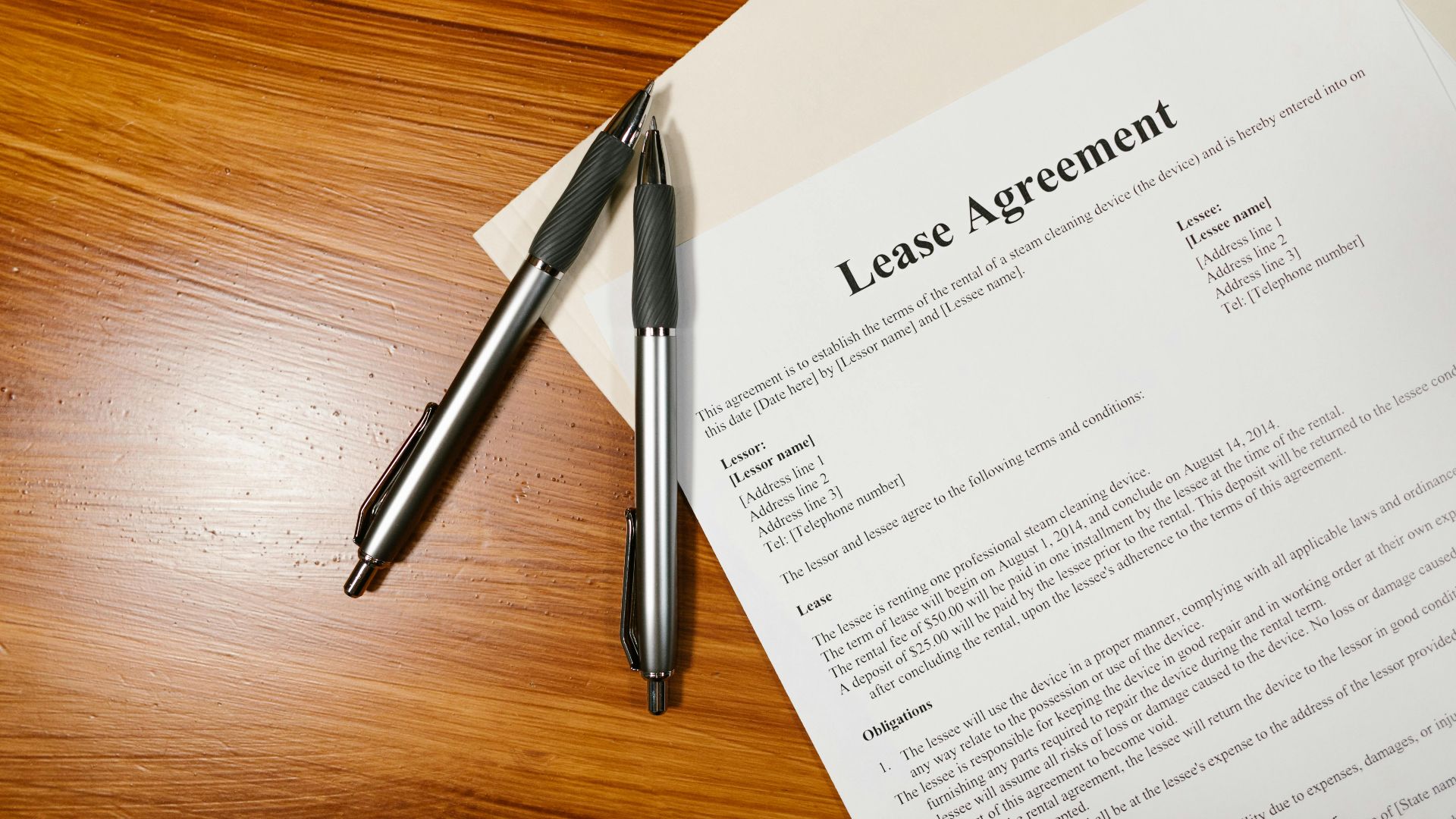
Your lease is the first thing to check because it often spells out when rent is due, when it counts as late, and whether there is any grace period. Some leases say rent is late the day after the due date. Others give you a few extra days before a late fee or notice can kick in.
A Grace Period Is Not Guaranteed Everywhere
Many renters assume there is an automatic grace period, but that is not true in every state. The Consumer Financial Protection Bureau advises renters to check both the lease and local law because state rules vary a lot. If your lease does not give extra time, your landlord may be able to send a pay-or-quit notice soon after the due date, depending on state law.
 G. Edward Johnson, Wikimedia Commons
Late Does Not Always Mean Evicted
There is a big difference between paying late and being legally evicted. In many states, the first step is a notice that gives you time to pay what you owe or move out. If you pay within that notice period, some states let the tenancy continue, though the exact rules depend on local law and your rental agreement.
The Notice Period Can Be Very Short
This is where things can speed up fast. In some states, landlords can issue a notice to pay rent or quit after rent is overdue, and the deadline to fix it can be just a few days. Nolo notes that these deadlines vary by state, which is why the calendar matters so much.

What Your Landlord Must Usually Do First
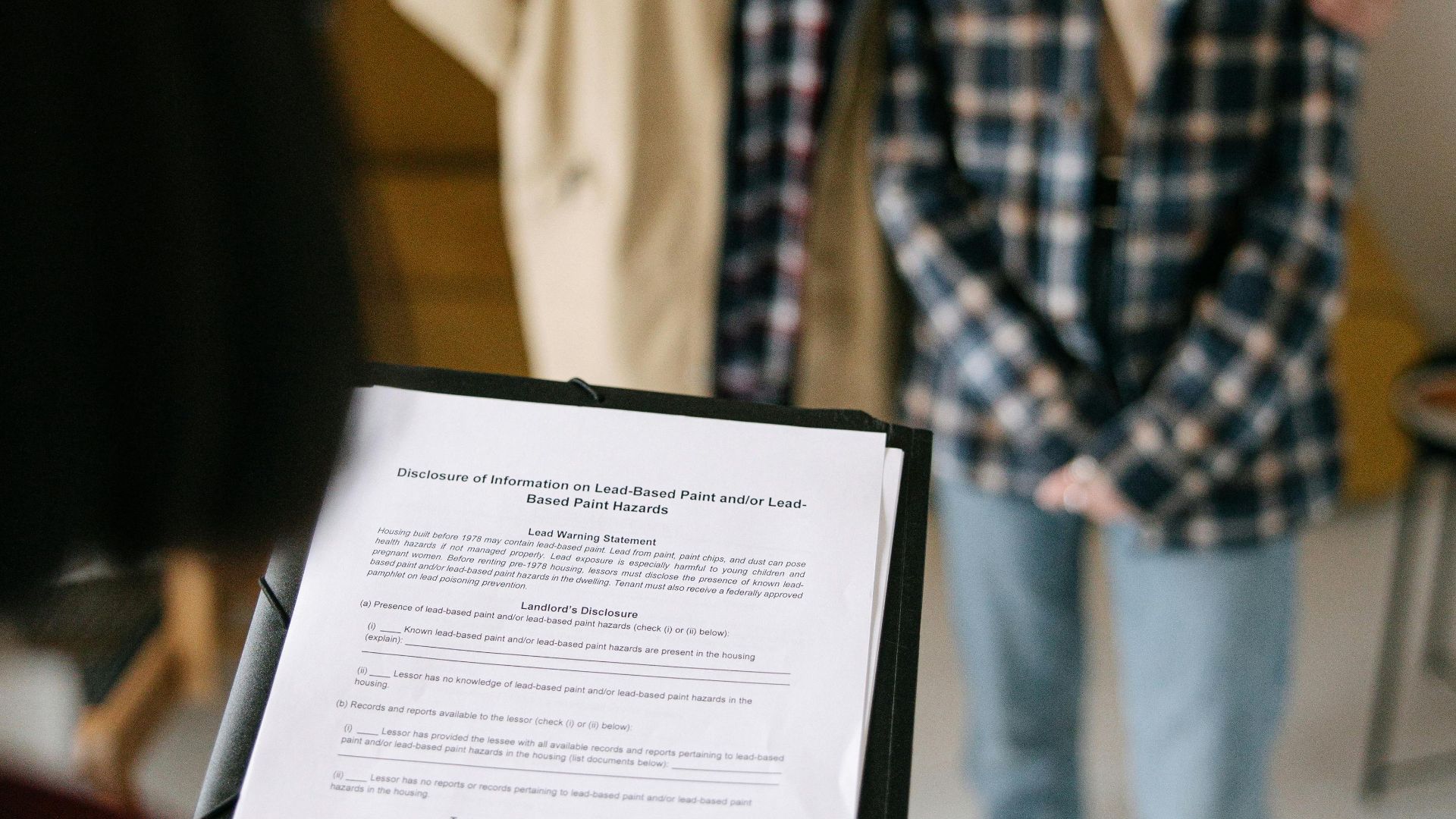
Before an eviction lawsuit can move forward, landlords generally must serve a written notice that follows state law. That notice often needs to say how much rent is owed, the deadline to pay, and what happens if you do not. If the notice is defective, that can matter in court.
Threats And Legal Action Are Not The Same Thing
A landlord can say they plan to evict you, but words alone do not complete an eviction. The formal process usually requires a written notice, a filed court case if the issue is not resolved, and a court order before a tenant can be forcibly removed. The CFPB and Legal Services Corporation both stress that eviction is a legal process, not just a landlord decision.
 ajay_suresh, Wikimedia Commons
When A Few Days Late Becomes A Bigger Problem
One late payment does not always lead to removal, but repeat late payments can raise the stakes. Some leases treat chronic lateness as a lease violation even if the rent is eventually paid. If your landlord has a paper trail showing repeated late payments, they may try to rely on that pattern if the dispute gets bigger.

Paying Rent Can Sometimes Stop The Process
In many places, paying all rent due within the notice period can stop an eviction based on nonpayment. But that is not true everywhere, and timing matters. If you are in this situation, move quickly and document the payment method, date, and amount.

Partial Payments Can Get Tricky
If you cannot pay the full balance, ask whether the landlord will accept a partial payment and get any agreement in writing. Accepting part of the rent can affect eviction rights in some states, but the rules are not the same everywhere. Do not assume a partial payment automatically protects you.

Late Fees Are A Separate Issue
Your landlord may be allowed to charge a late fee if your lease permits it and state law allows it. But late fees are different from the rent itself, and some states limit how they can be charged. A dispute over a late fee does not always justify an eviction for nonpayment of rent, especially if the rent itself has been paid.

Self-Help Evictions Are Often Illegal
If your landlord threatens to lock you out because you were three days late, that is a major red flag. The Legal Services Corporation warns that landlords generally cannot remove tenants by force, intimidation, utility shutoffs, or lock changes without going through the legal process. If that happens, contact local legal aid or a tenant hotline right away.

Court Is Usually The Turning Point
If the notice period expires and the problem is not fixed, the landlord may file an eviction case in court. You should receive notice of the hearing and have a chance to respond. A judge, not the landlord alone, usually decides whether eviction can move forward.

Documentation Can Save You
If you paid, tried to pay, or told the landlord about a delay, gather proof right away. Save bank records, screenshots, receipts, emails, text messages, and any money order stub. If the issue ends up in court, your paperwork can be one of your strongest defenses.

Communication Matters More Than You Think
If you know rent will be late, tell your landlord before the due date if possible. Ask for a written extension or payment arrangement. A short, polite message can sometimes keep a routine late payment from turning into a formal notice.

State Law Is The Real Decider
This is the part that frustrates renters most. There is no single national rule saying exactly how many days late triggers eviction. State statutes and local ordinances decide how notices work, how long tenants have to respond, and what landlords must do before going to court.

Some Cities Add Extra Tenant Protections
On top of state law, some cities and counties have their own renter protections. Those rules may affect notice requirements, filing procedures, or defenses. That is why a threat that sounds absolute may be weaker than it seems once local law is checked.

If You Get A Notice, Do Not Ignore It
A written notice to pay or quit is the moment to move fast. Read every line, confirm the amount claimed, and compare it with your own records. Then contact legal aid, a tenants' union, or a housing counselor if anything looks wrong or impossible to pay on time.

Check Whether The Amount Owed Is Accurate
Eviction notices sometimes include mistakes, especially if fees or prior payments are misapplied. Compare the landlord's number with your lease and payment history. If the total is inflated, that could matter in negotiations or in court.

Retaliation And Discrimination Are Different Issues
If your landlord is threatening eviction because you complained about repairs, reported code violations, or asserted a legal right, that can raise separate legal questions. The same is true if you believe you are being treated differently because of a protected characteristic. Those claims are fact-specific, but they are worth raising with a lawyer or legal aid office.

Emergency Rental Help May Still Exist Locally
The federal Emergency Rental Assistance program was created during the pandemic, and while national funding has largely been distributed, some local programs and nonprofit relief funds still exist. The CFPB recommends checking 211, local housing agencies, and community organizations for help. If money is the only problem, outside assistance may buy you time.

Legal Aid Can Be A Game Changer
If your landlord has already served notice or filed in court, free or low-cost legal help may improve your chances a lot. The Legal Services Corporation helps connect eligible renters with local legal aid providers. Even a brief consultation can help you understand deadlines, defenses, and what to say in court.

What To Do Right Now If Rent Is Only A Few Days Late
First, read your lease and check whether there is a grace period. Second, see what your state or city requires before a landlord can file for eviction. Third, pay as soon as you can and keep proof, or ask for a written payment plan if full payment is not possible.

What Not To Do
Do not rely on verbal promises alone. Do not ignore a notice because you think the landlord is bluffing. And do not move out in a panic before you understand your rights, especially if the landlord has not even started the formal legal process.

The Bottom Line For Renters
Yes, a landlord may be able to begin the eviction process if rent is late, even by only a few days, but they generally must follow state law and the court process. No, they usually cannot legally evict you instantly just because your payment was late. The smartest move is to check your lease, verify your local rules, document everything, and get help early if a threat turns into a formal notice.