
When Your Neighbor’s Garage Becomes A Midnight Recording Studio
Living next door to someone with musical ambitions can be charming—until the jam sessions start at 1 a.m. One day it’s a quiet street, the next it’s a rehearsal space for a band determined to master every instrument at once. If your neighbor turned their garage into a recording studio for their son and the music is blasting at all hours, you’re not alone. Plenty of people find themselves stuck between wanting to be supportive and desperately needing sleep. The good news is there are ways to deal with the situation without turning your block into a neighborhood feud.

When A Garage Turns Into A Concert Hall
Garages are a favorite spot for home recording studios. They’re separate from the main house, big enough for equipment, and easy to modify. The downside is they’re terrible at containing sound. With thin walls and big doors, music often leaks straight outside—and sometimes straight into the homes next door.

Why The Noise Feels Worse At Night
Music during the day might be mildly annoying, but nighttime noise hits differently. Once evening rolls around, background sounds disappear. Fewer cars pass by, people head indoors, and everything gets quieter. That means even moderate music can feel incredibly loud when you’re trying to fall asleep.

You’re Not Being Unreasonable
Many people hesitate to complain because they don’t want to seem difficult. But wanting peace and quiet late at night isn’t unreasonable—it’s normal. Sleep matters, and repeated interruptions can quickly turn into real stress. Feeling frustrated doesn’t make you a bad neighbor.

Start With A Friendly Conversation
Before you escalate the situation, try a simple conversation. There’s a good chance your neighbor doesn’t realize how far the music carries. A calm, friendly chat can solve more problems than people expect, especially if the neighbor is generally reasonable.

Choose The Right Moment To Talk
Timing makes a big difference. If you knock on their door while the music is shaking the windows and you’re already annoyed, the conversation probably won’t go well. Pick a quieter moment during the day and approach them calmly. The goal is cooperation, not confrontation.

Explain The Impact Clearly
When you bring it up, focus on how the noise affects you rather than accusing them. Saying something like, “I’ve been hearing the music late at night and it’s been keeping me up,” usually lands better than criticizing their kid’s band.

Ask About Their Practice Schedule
Sometimes the simplest fix is just adjusting the timing. Ask when they usually rehearse or record. If the schedule is flexible, you might be able to agree on earlier practice hours or avoid late-night sessions altogether.

Suggest Reasonable Quiet Hours
Most neighborhoods naturally follow quiet hours, usually around 10 p.m. to early morning. Mentioning this can help frame the conversation. You’re not asking them to stop completely—just to keep the noise down during the hours when most people are sleeping.
 Priscilla Du Preez 🇨🇦, Unsplash
Encourage Basic Soundproofing
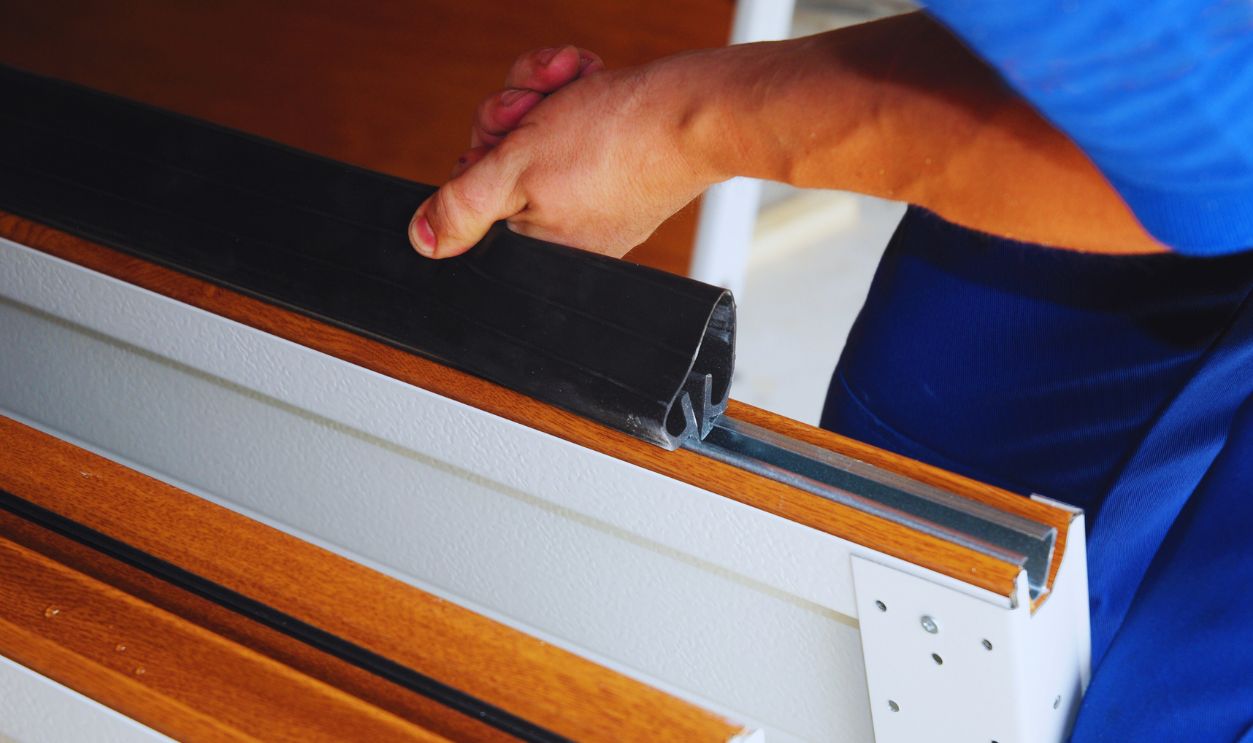
Garage studios rarely have proper soundproofing. A few upgrades can make a huge difference. Things like acoustic panels, weather stripping, thicker insulation, or even heavy curtains can reduce how much sound escapes the garage.

The Difference Between Soundproofing And Sound Treatment
A lot of amateur musicians think foam panels will solve everything. Those panels mainly improve the sound inside the room rather than stopping it from escaping. Real soundproofing involves sealing gaps and adding dense materials that block sound from traveling outside.

Offer Practical Ideas Instead Of Complaints
People are usually more open to suggestions than criticism. Mentioning small fixes—like sealing the garage door, adding rugs, or moving speakers away from shared walls—can make the conversation feel more collaborative.
Consider Your Own Noise Defenses
While the main responsibility lies with the person making the noise, there are small things you can do too. Heavier curtains, weather stripping around windows, or rearranging furniture might reduce how much sound reaches your bedroom.

Earplugs Can Be Surprisingly Effective
If the music isn’t constant, earplugs might help more than you expect. Modern sleep earplugs are soft, comfortable, and designed to block out steady background noise. They’re not a perfect fix, but they can save your sleep on the worst nights.

Keep A Record Of The Noise
If the issue keeps happening, start keeping track of it. Write down when the music starts, how long it lasts, and how often it happens. Having a simple record can be useful later if you need to show that the problem is ongoing.
 Alexander Van Steenberge, Unsplash
Learn Your Local Noise Rules
Most cities and towns have noise bylaws that limit loud sounds during nighttime hours. These rules often include amplified music, construction noise, and parties. Knowing what your local regulations say can help you understand your options.

Noise Complaints Are Very Common
It might feel awkward to complain about noise, but it’s actually one of the most common neighbor disputes. Cities deal with these calls all the time. From barking dogs to late-night parties, noise issues happen everywhere.

Try Mediation Before Escalating
If your neighbor isn’t receptive, some communities offer free or low-cost mediation programs. A neutral third party helps both sides talk through the problem and find a compromise. Surprisingly often, this approach works.

When To Contact Local Authorities
If the music continues late into the night and clearly violates noise rules, contacting your city’s non-emergency line may be the next step. Sometimes a simple warning from local authorities is enough to make the problem stop.
 Alex Smith from Fort Collins, CO, United States, Wikimedia Commons
Avoid Turning It Into A Feud
It can be tempting to fight noise with noise or leave a sarcastic note on the door. But that approach usually makes things worse. Once neighbor disputes turn personal, they’re much harder to fix.
 Ricardo Ferrando, Shutterstock
Remember The Kid Might Just Be Passionate
At the center of all this is probably a teenager who’s excited about music. Every garage band dreams of making it big someday. That enthusiasm isn’t a bad thing—it just needs to be balanced with consideration for the people nearby.

Finding A Balance Between Creativity And Courtesy
Neighborhoods work best when everyone gives a little. Musicians need a place to practice, but neighbors deserve quiet evenings. The goal isn’t to kill someone’s creativity—it’s to make sure it doesn’t keep the entire block awake.

Small Adjustments Can Make A Big Difference
Often the fix is surprisingly simple. Ending practice earlier, lowering amplifier volume, closing the garage door fully, or adding insulation can dramatically reduce the amount of sound escaping.

Communication Is Always The Best First Step
Letting frustration build for weeks rarely helps. If something is bothering you, addressing it early in a calm way usually leads to better results. Most neighbors are willing to work things out once they understand the problem.

A Good Conversation Can Improve Things
Handling the situation respectfully can actually strengthen neighbor relationships. Once the issue is resolved, it’s easier to live next to each other comfortably—and maybe even laugh about the late-night jam sessions someday.

Peace & Quiet Is Still Possible
Having a garage recording studio next door doesn’t automatically mean endless sleepless nights. With a little communication, some practical adjustments, and an understanding of local rules, most noise issues can be resolved. The music might not disappear entirely—but at least the midnight concerts probably will.
 Frame Stock Footage, Shutterstock
You May Also Like:
Does the 50/30/20 Budget Rule Still Work For The Average American In 2026?
I accidentally deposited the same check twice using mobile deposit. What actually happens now?