The Checkout Counter Is Big Business
That candy rack beside the register is valuable retail space. A 2023 consumer survey found that 51% of respondents frequently or always bought single-serving candy on impulse. Familiar brands help drive those purchases, making confectionery companies eager to expand their portfolios—but not a lot of people realize just how ruthlessly they've gone about it.
Reese's Wasn't Always Hershey's
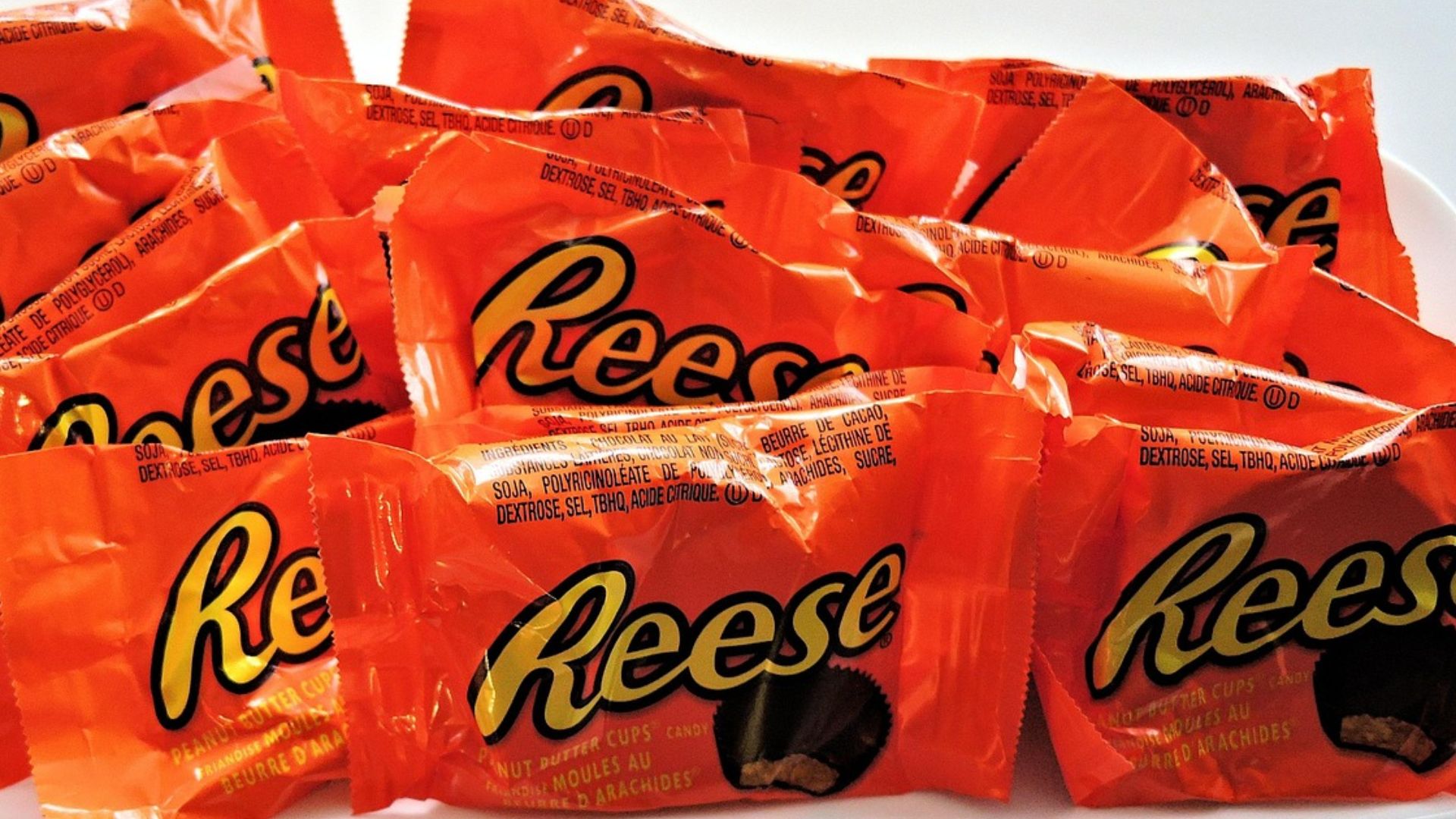
Reese's Peanut Butter Cups were created in 1928 by H.B. Reese, a former Hershey employee who established his own candy business. In 1963, Hershey acquired the H.B. Reese Candy Company. The deal brought a successful independent brand under the ownership of a much larger chocolate manufacturer.
Hershey Wanted More Than Chocolate
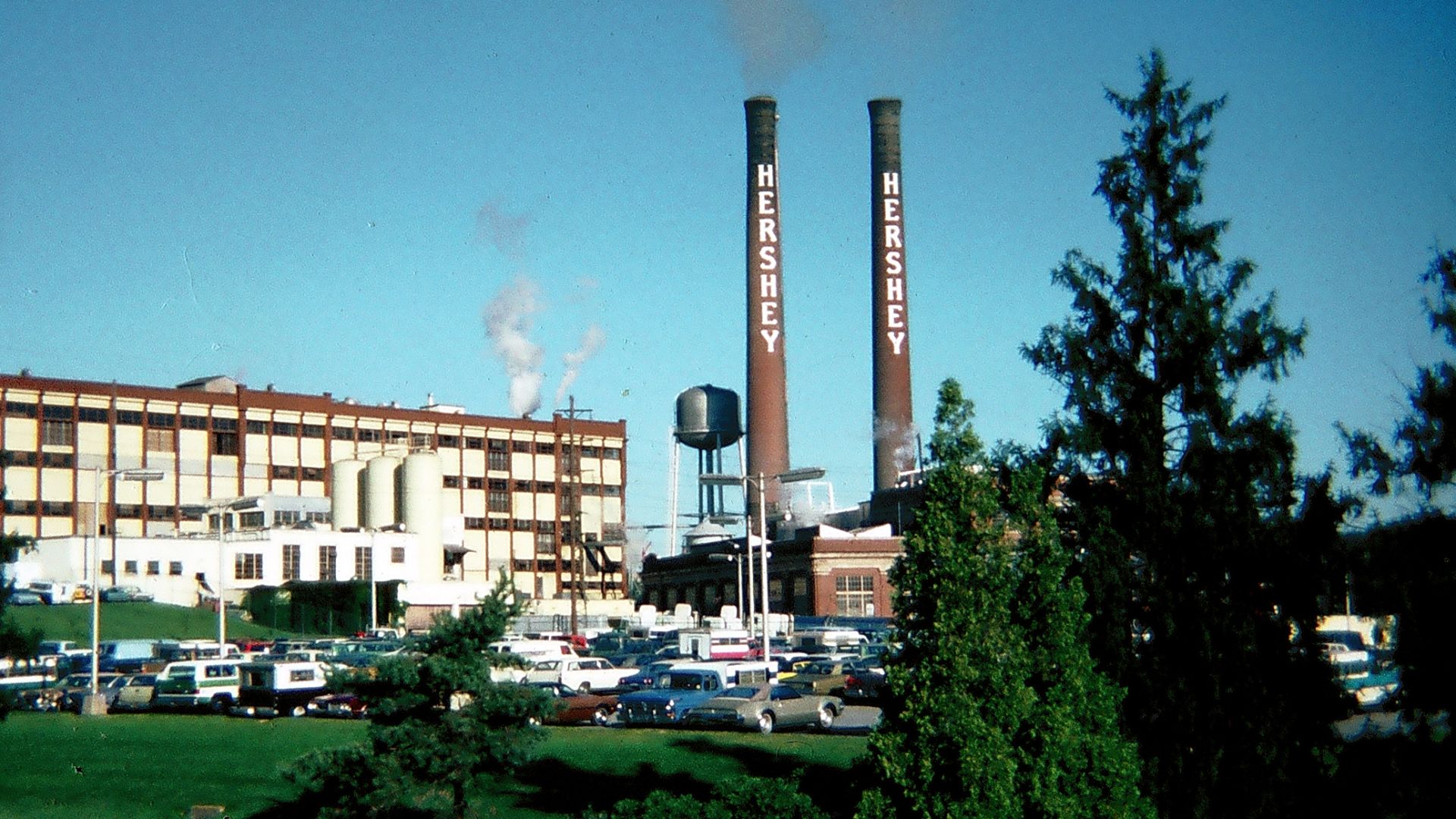
Hershey continued expanding beyond traditional chocolate bars. In 1977, it acquired Y&S Candies, the company behind Twizzlers. The licorice-style candy had been produced since 1927, making it an established brand long before Hershey bought it. That acquisition broadened Hershey's confectionery business.
 Antarctic96, Wikimedia Commons
Cadbury Made A Surprising American Deal
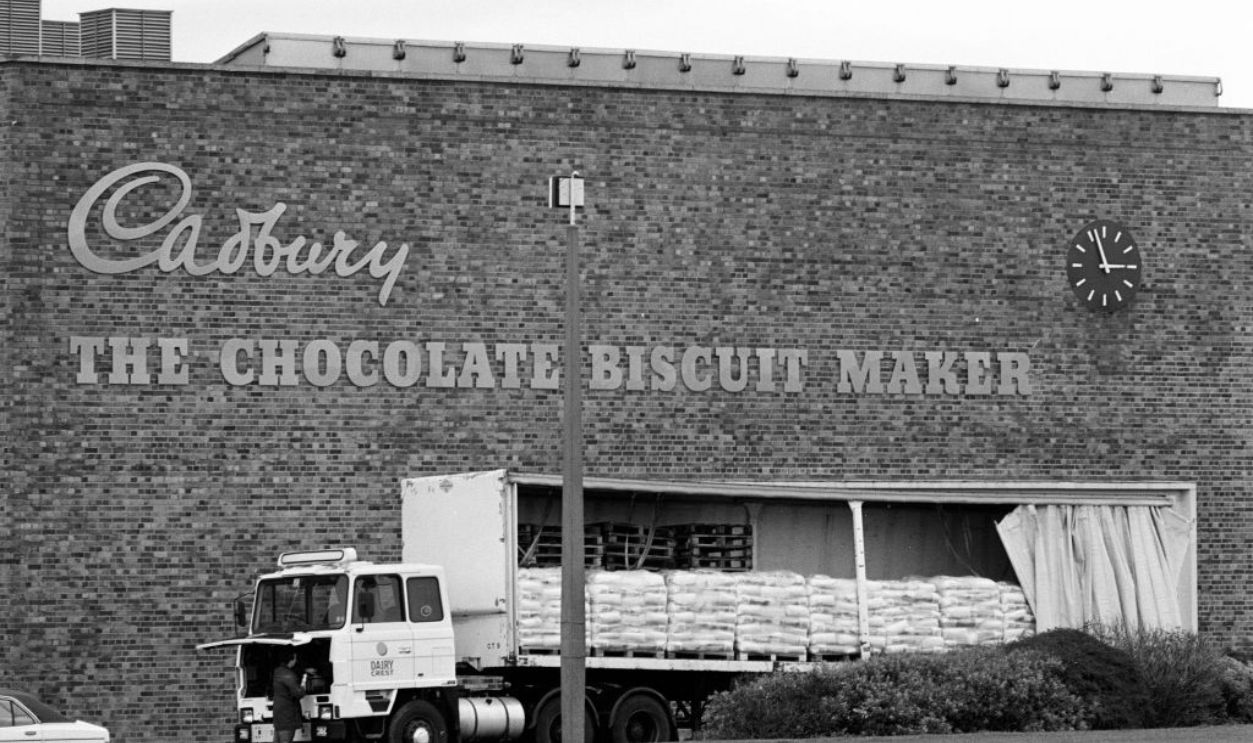
In 1988, Hershey purchased Cadbury Schweppes' American confectionery operations and secured licensing rights to its brands. The agreement covered products including Caramello and Cadbury chocolate. Cadbury retained ownership of its trademarks, creating an unusual arrangement in which Hershey manufactured and marketed another company's candy.
A $440 Million Candy Shopping Spree
Hershey made another major acquisition in 1996, purchasing Leaf's North American confectionery business from Finnish company Huhtamaki. The transaction was valued at $440 million in cash and royalties. Leaf's existing brands gave Hershey an immediate foothold in additional candy categories without developing replacements from scratch.
 Jiří Sedláček, Wikimedia Commons
Forty Brands Changed Hands
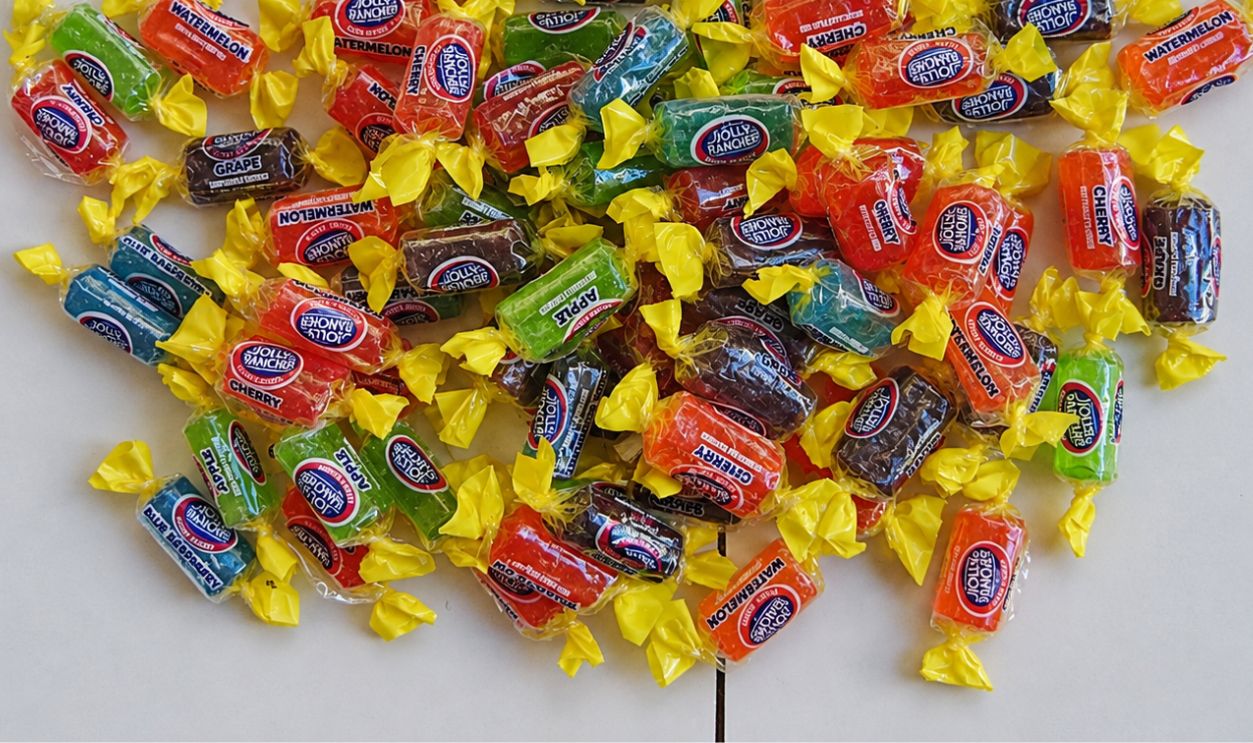
The Leaf acquisition added approximately 40 brands to Hershey's portfolio. Those included Jolly Rancher, Milk Duds, Whoppers, Good & Plenty, Heath, and PayDay. Shoppers could continue buying their familiar favorites, but the companies behind those products were no longer independent competitors of Hershey.
 Mene Tekel, Wikimedia Commons, Enhanced
Cadbury Went Shopping For Gum
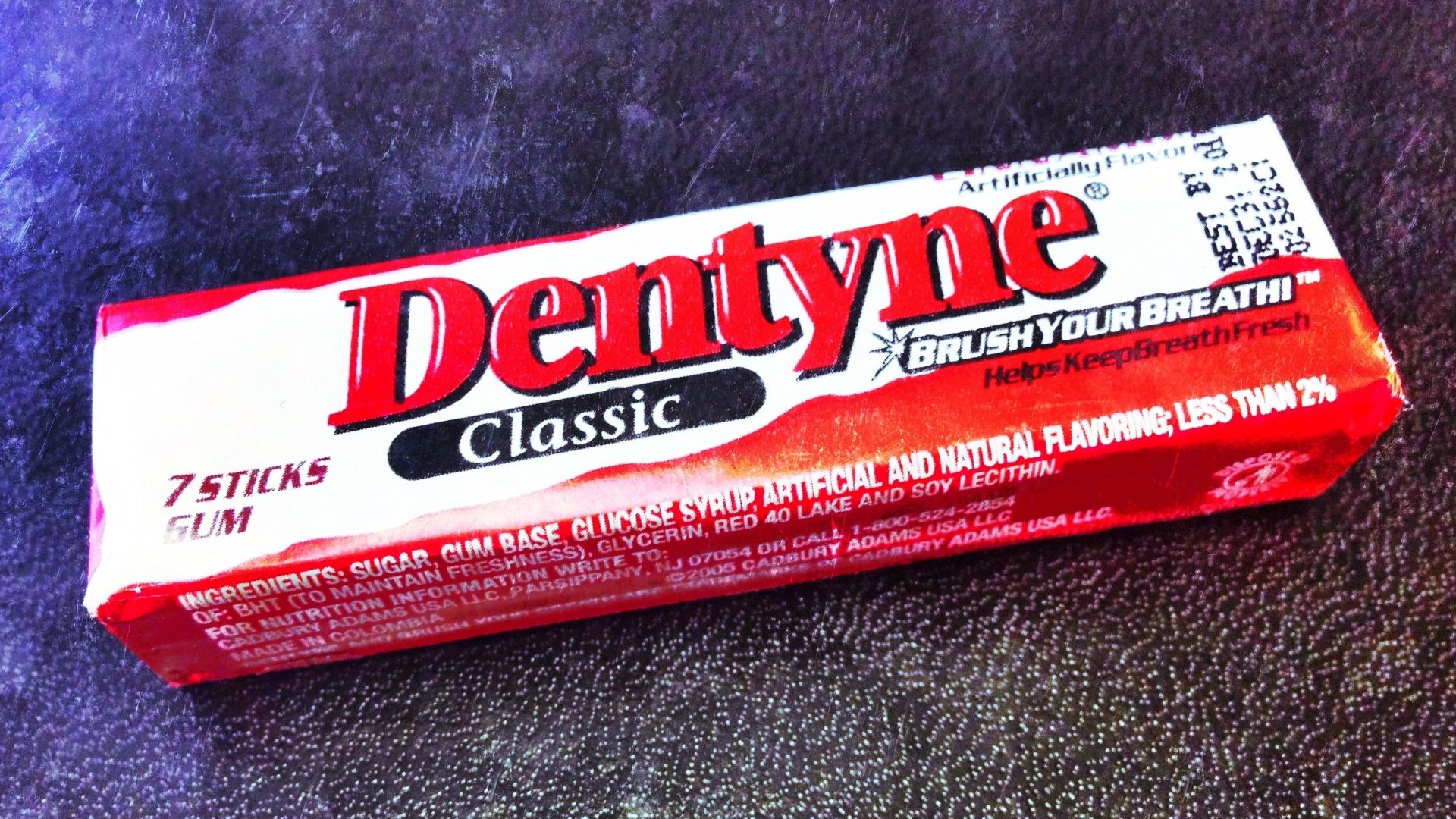
Meanwhile, Cadbury was building its own confectionery empire. In 2003, Cadbury Schweppes acquired Pfizer's Adams confectionery business, which included established chewing-gum operations. Brands such as Trident and Dentyne became part of Cadbury Adams, giving the company a larger position in the competitive gum market.
 WestportWiki, Wikimedia Commons
Wrigley Spent Billions On Familiar Favorites
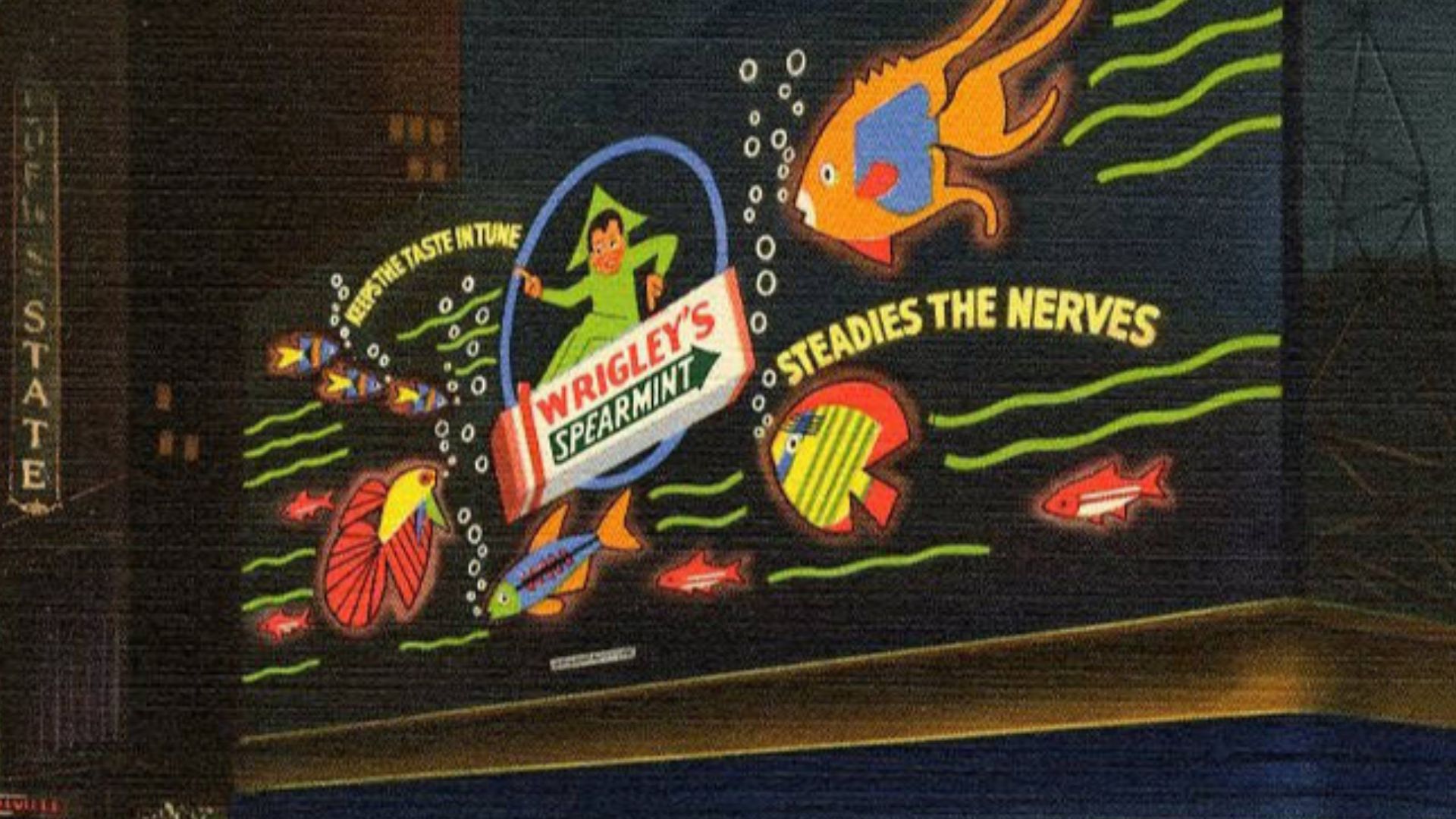
In June 2005, Wrigley completed a $1.46 billion acquisition of confectionery brands from Kraft Foods. The purchase included Altoids, Life Savers, Creme Savers, and Sugus. Wrigley, already famous for chewing gum, suddenly controlled several prominent mint and hard-candy brands as well.
 Unknown authorUnknown author, Wikimedia Commons
The Wrigley Deal Had A Cost
The acquisition was accompanied by manufacturing changes. Wrigley announced plans to discontinue operations at facilities in Bridgend, Wales, Chicago, and Edison, New Jersey. It also planned to increase investment at other factories. Behind the recognizable candy brands, the transaction involved a substantial reorganization of production.
 Diego Delso, Wikimedia Commons
Mars Made A $23 Billion Move
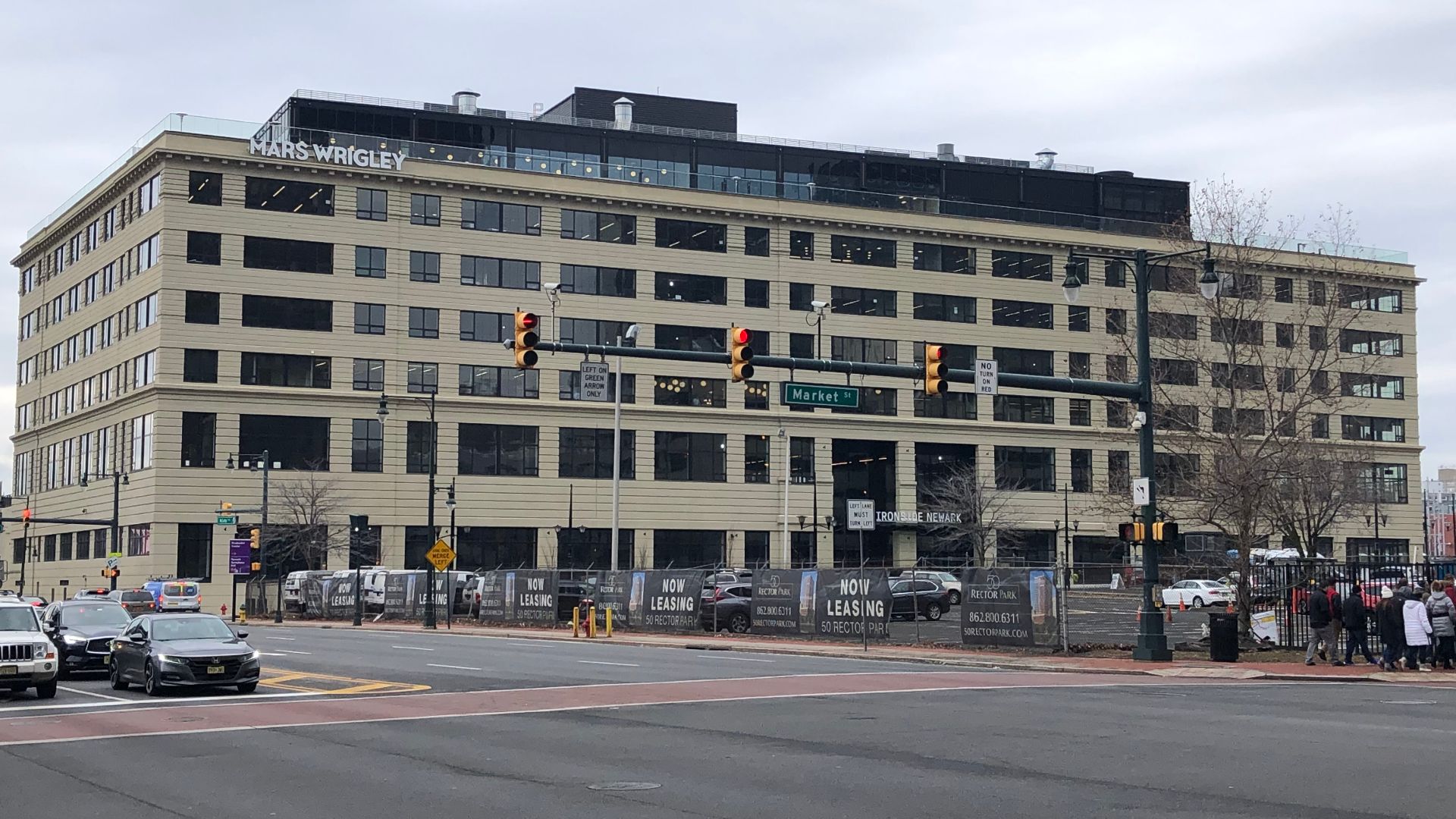
In 2008, Mars agreed to acquire Wrigley in a transaction valued at approximately $23 billion. The combination brought Wrigley's Extra, Orbit, and Doublemint together with Mars products such as Snickers and M&M's. One corporate family would now control an exceptionally broad selection of confectionery brands.
Warren Buffett Helped Finance The Takeover
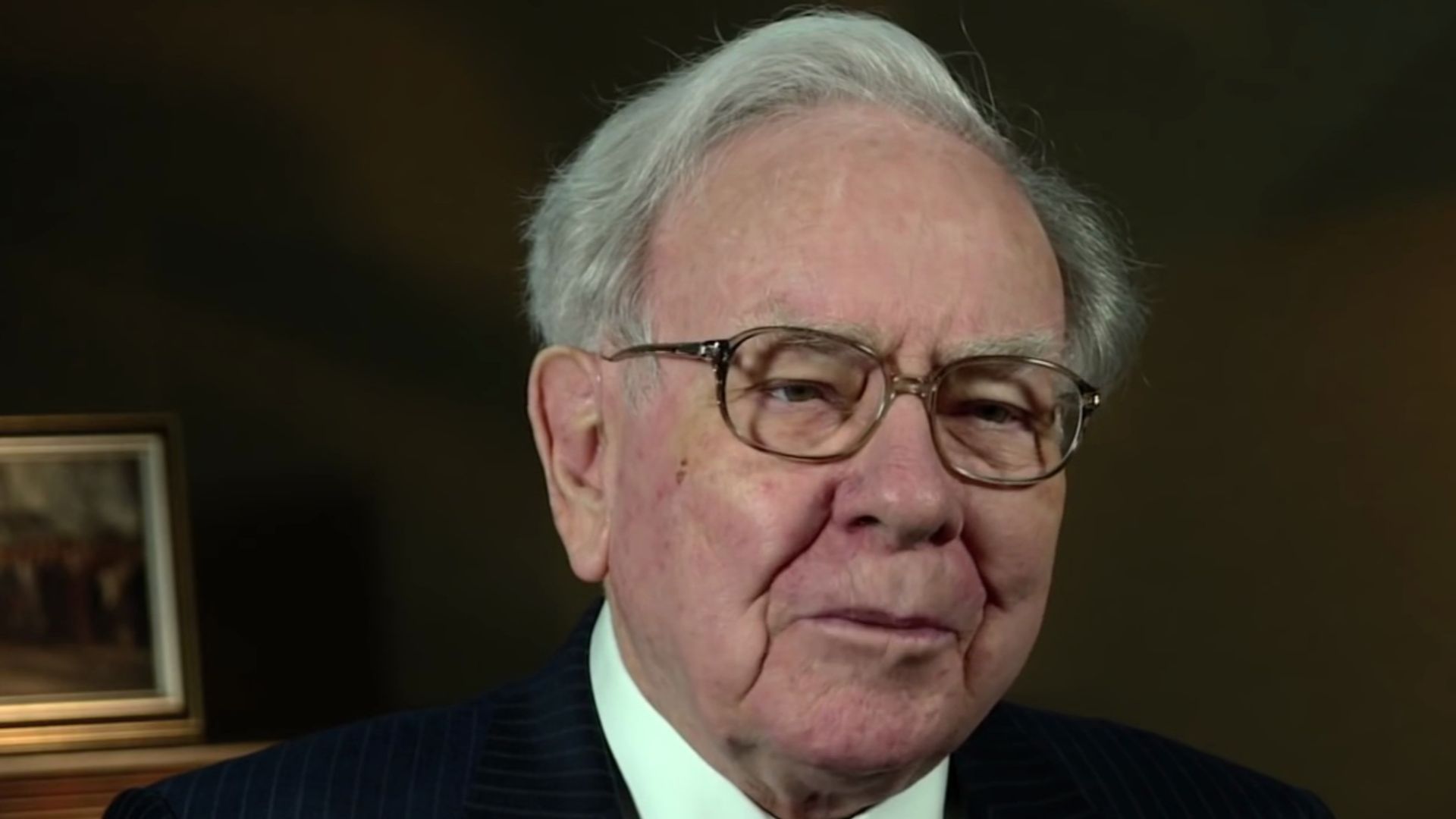
Mars did not finance its enormous Wrigley acquisition alone. Berkshire Hathaway, led by Warren Buffett, contributed capital and provided financing alongside other lenders. Wrigley's shareholders received $80 per share in cash when the transaction closed in October 2008. The publicly traded chewing-gum company became privately held.
 USA International Trade Administration, Wikimedia Commons
Kraft Won The Battle For Cadbury
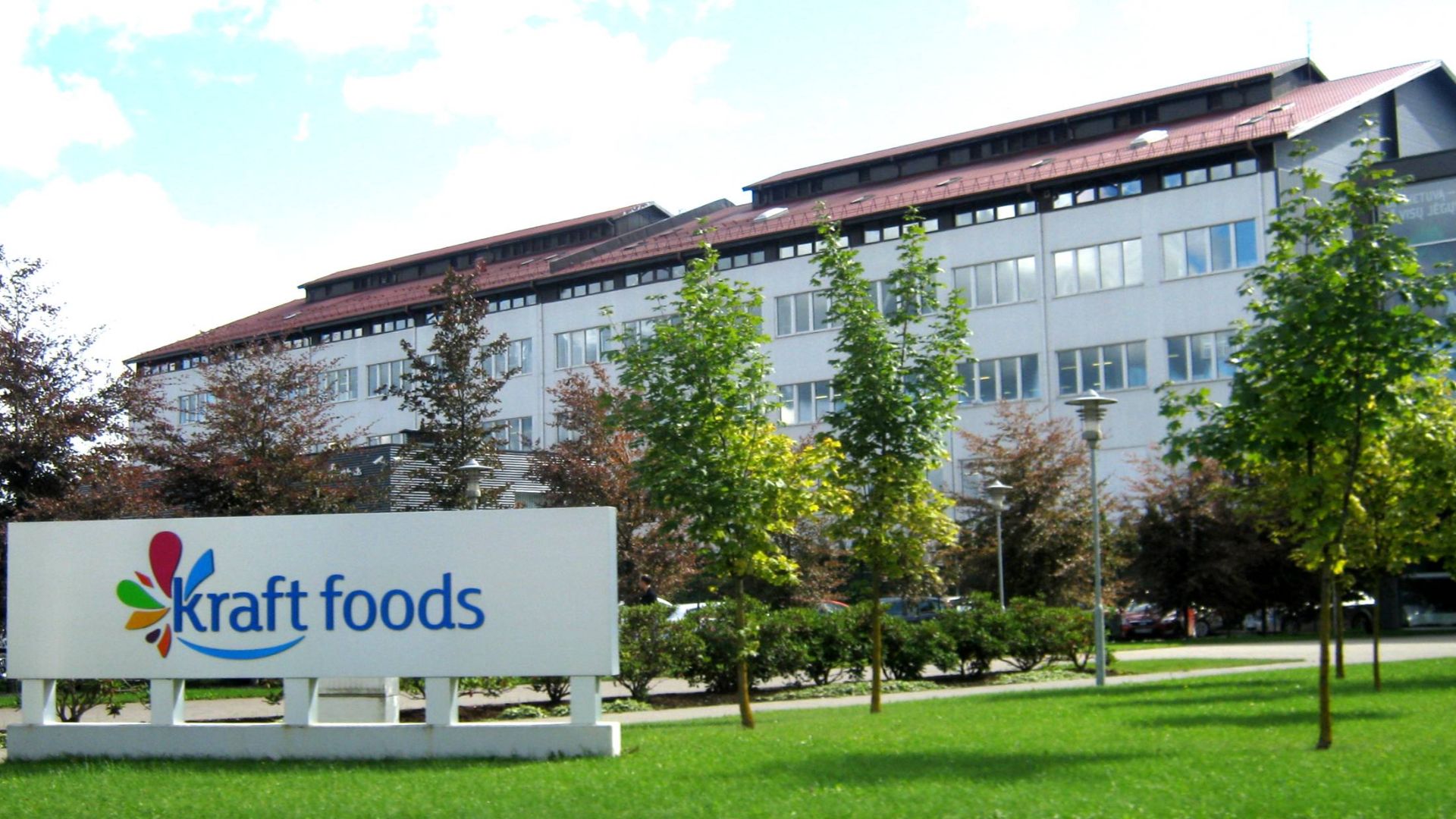
In February 2010, Kraft Foods acquired British confectionery giant Cadbury for $18.5 billion. The deal brought Cadbury's chocolate operations and Cadbury Adams gum business into Kraft. It created a much larger international snacks company with substantial interests in chocolate, chewing gum, and other sweets.
A Factory Promise Unraveled
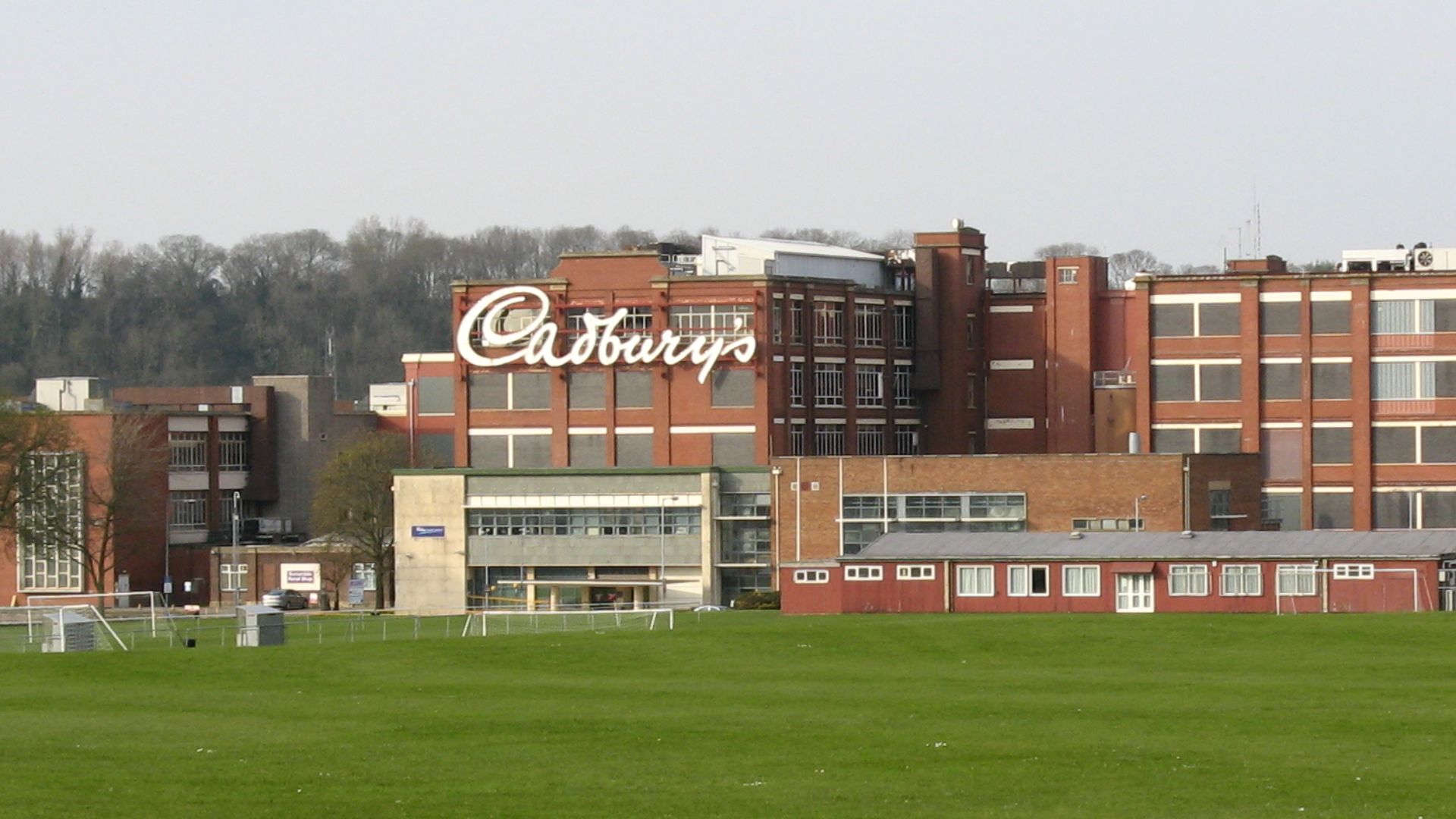
The Cadbury takeover also produced controversy in Britain. Kraft had indicated that it believed Cadbury's Somerdale factory could remain open, despite existing closure plans. Shortly after completing the acquisition, Kraft announced it could not reverse those plans. The factory eventually closed in January 2011.
Kraft's Candy Business Got A New Name
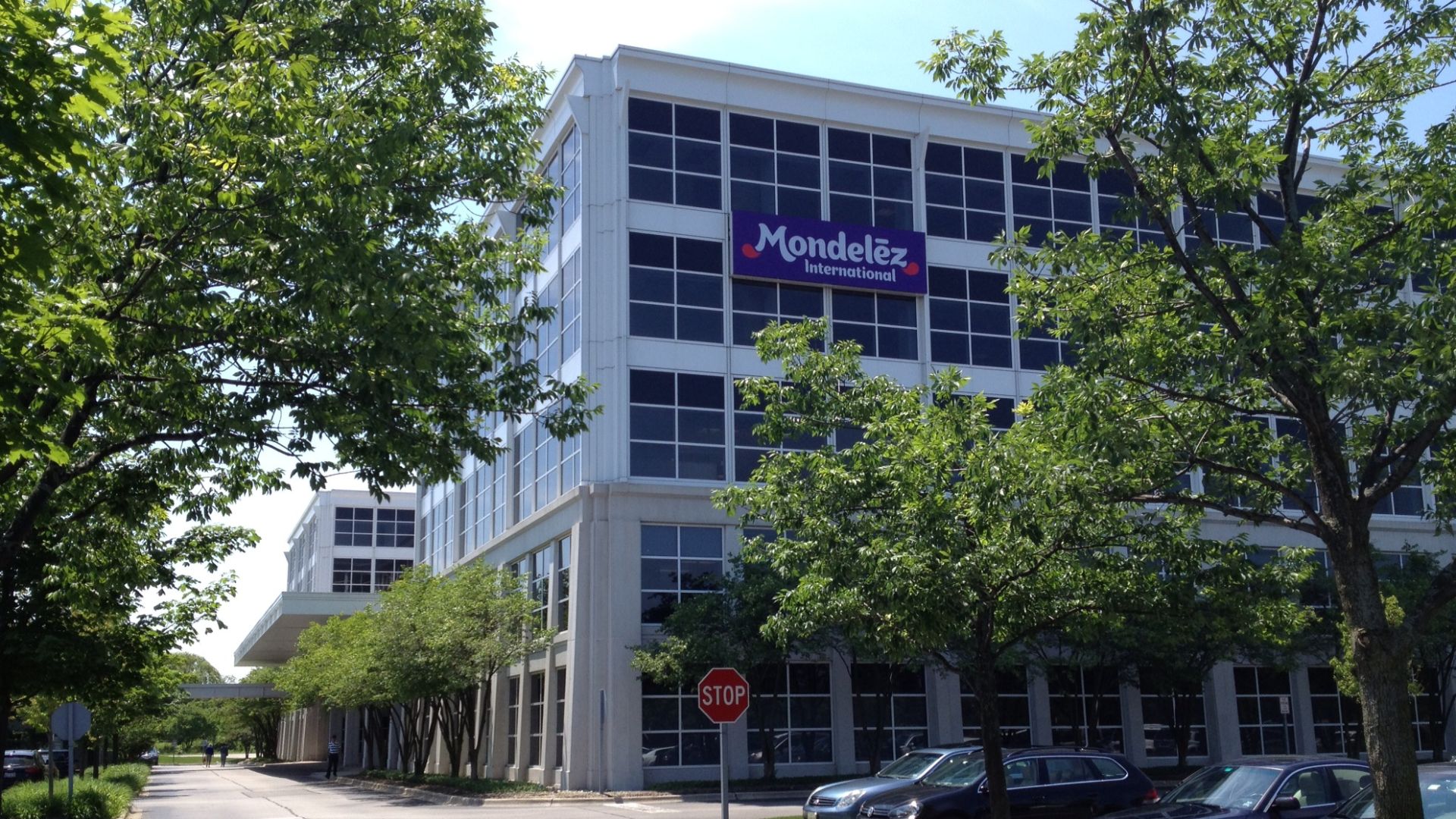
The corporate restructuring continued in October 2012 when Kraft Foods split into two publicly traded companies. Mondelēz International became the global snacks business, retaining Cadbury and other international brands. Kraft Foods Group took the North American grocery operations. Familiar candies now belonged to a company with an unfamiliar name.
 Mike Mitchell, Wikimedia Commons
Ferrara Had Already Combined Its Rivals
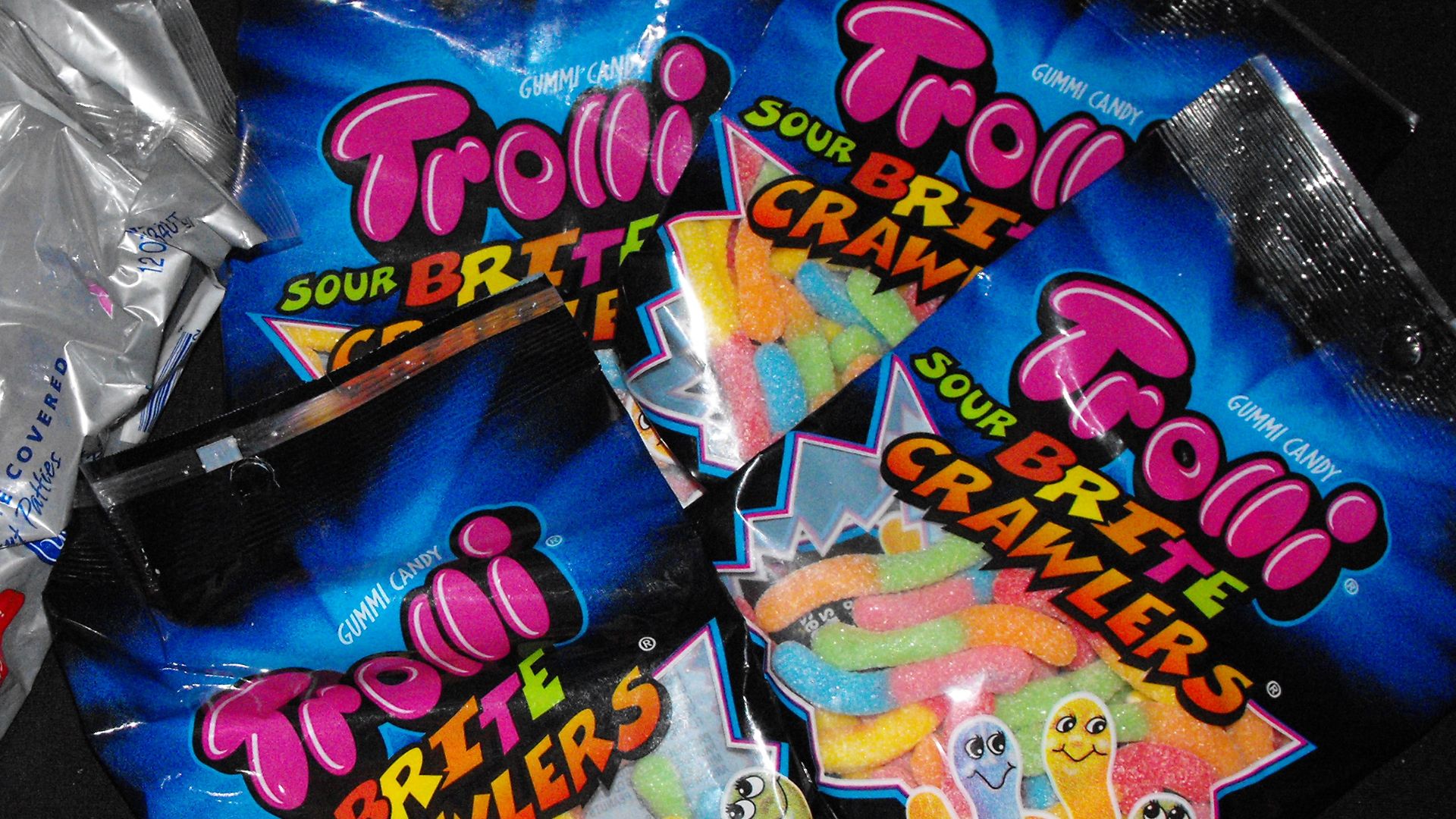
Another consolidation was taking place in American sugar candy. In 2012, Ferrara merged with Farley's and Sathers Candy Company. The combination brought established brands including Brach's, Trolli, and Now and Later into the expanded business. Ferrara was becoming a significant competitor outside the traditional chocolate market.
 Morgan from Montreal, Quebec, Canada, Wikimedia Commons
Ferrero Bought Its Way Into Gummies
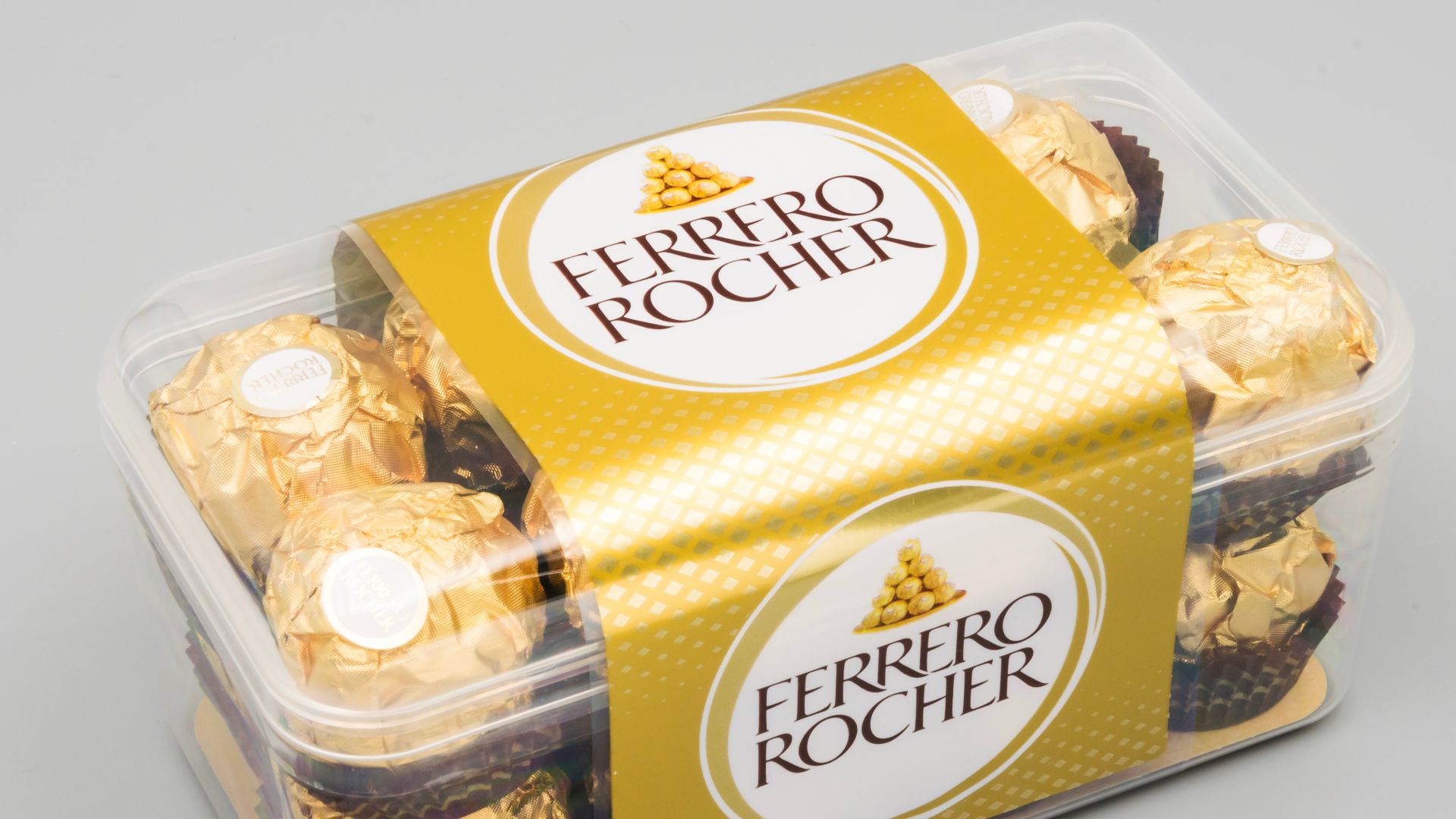
In 2017, Ferrero agreed to acquire Ferrara from private equity firm L Catterton. The transaction expanded Ferrero's American presence beyond products such as Ferrero Rocher and Tic Tac. The Italian confectionery group gained a substantial business in gummies and seasonal candy, including Brach's and Trolli.
 Jacek Halicki, Wikimedia Commons
Nestlé Sold Its American Candy Empire
In 2018, Nestlé agreed to sell its United States confectionery business to Ferrero for $2.8 billion. The operation had generated approximately $900 million in American sales during 2016. For Ferrero, the purchase represented a major expansion into established chocolate and sugar-candy categories.

Butterfinger, Nerds, And Crunch Got New Owners
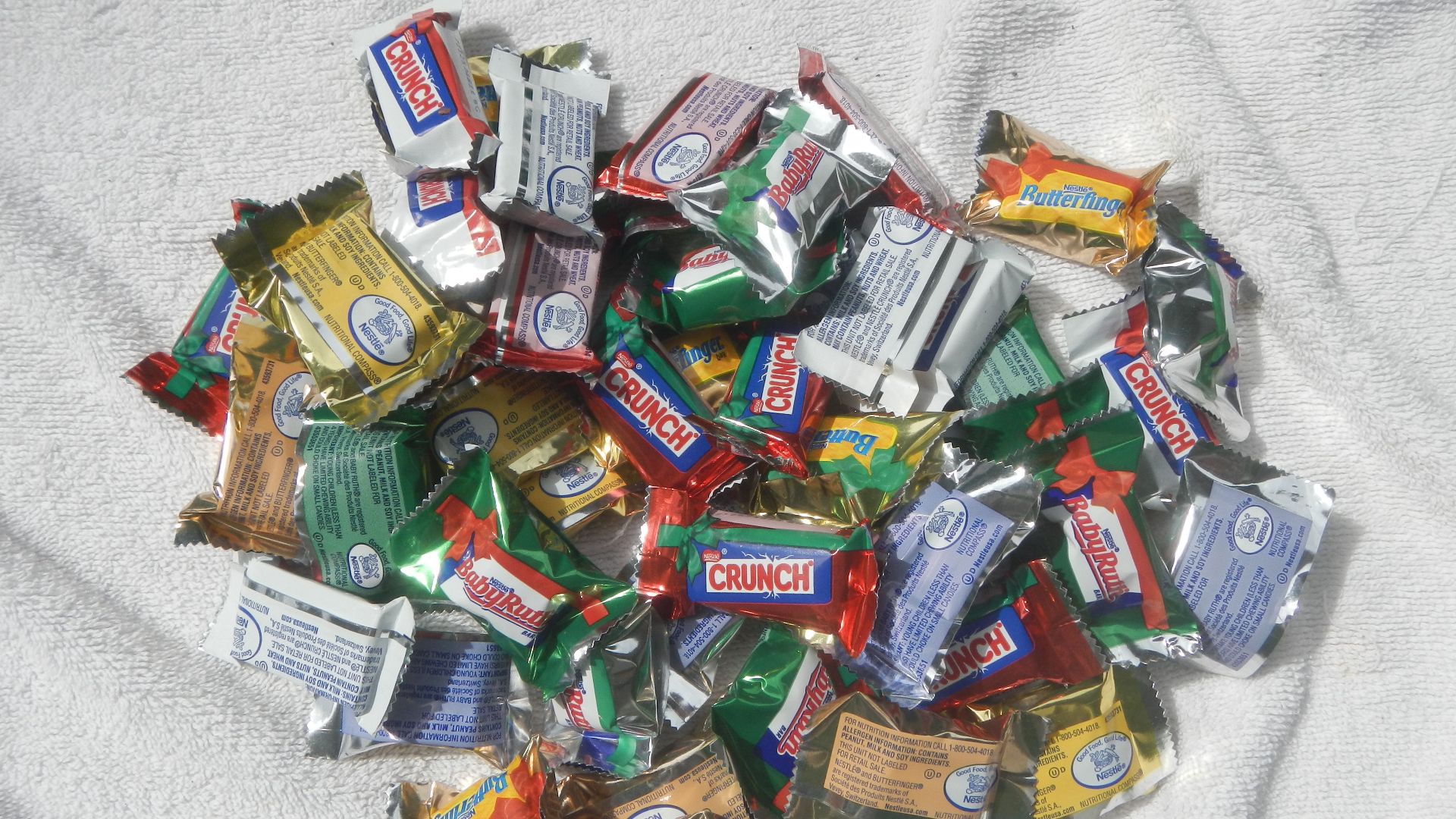
The Nestlé transaction involved more than 20 American brands. Butterfinger, Baby Ruth, Crunch, 100 Grand, Nerds, SweeTARTS, and Laffy Taffy were among the familiar names involved. Ferrara ultimately took control of the acquired American confectionery operations, substantially expanding its portfolio of recognizable candy brands.
Butterfinger Got A Makeover
The Ferrero acquisition eventually changed Butterfinger itself. In 2019, the candy bar arrived with an updated recipe, different packaging, and a revised chocolatey coating. The manufacturer eliminated certain ingredients, including hydrogenated oils and the preservative TBHQ. This was a visible product change following a corporate takeover.
Mondelēz Bought A Mexican Candy Giant
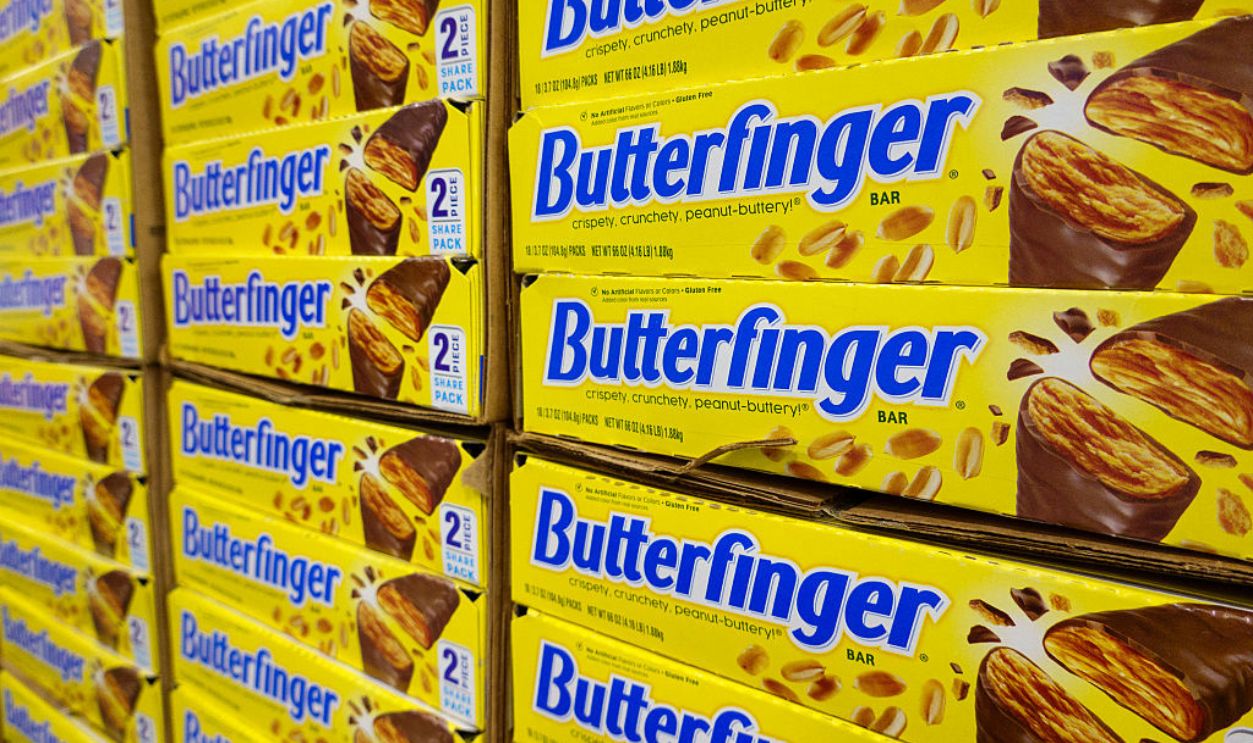
In 2022, Mondelēz agreed to acquire Mexican confectionery business Ricolino from Grupo Bimbo for approximately $1.3 billion. The deal included brands such as Vero, La Corona, and Coronado. Ricolino generated approximately $500 million in annual revenue, making it a substantial addition to Mondelēz's operations.
The Real Prize Included Delivery Trucks
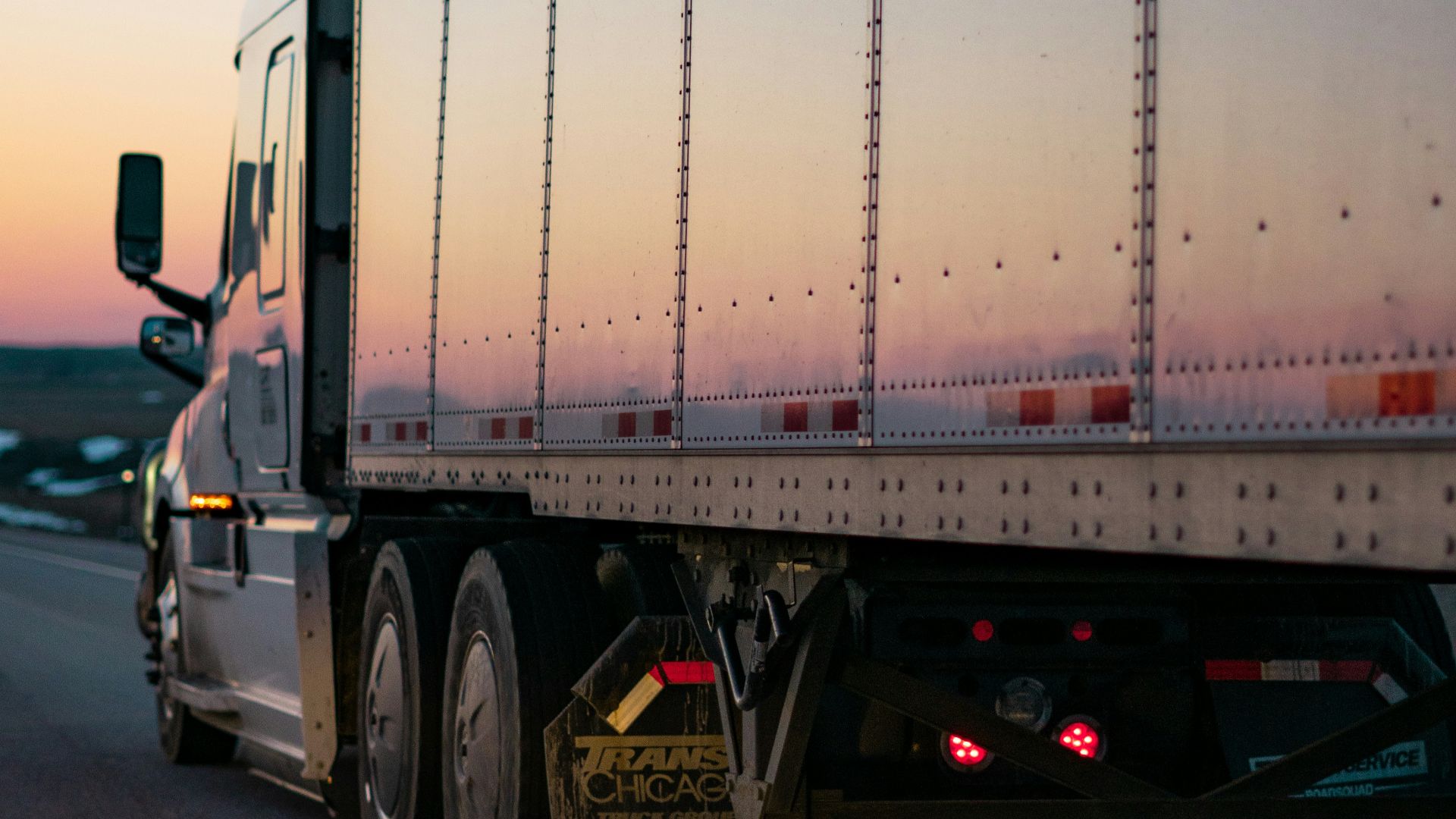
Ricolino brought more than candy recipes and trademarks. Its distribution network included over 2,100 direct-store-delivery routes reaching approximately 440,000 traditional retail outlets. Mondelēz specifically highlighted this network as an acquisition benefit. The deal demonstrated that reaching stores can be just as important as owning recognizable brands.
Mondelēz Then Sold Off Its Gum
In 2023, Mondelēz completed the sale of its developed-market gum business to Perfetti Van Melle. The transaction had been announced with a headline purchase price of $1.35 billion. It involved brands including Trident, Dentyne, Chiclets, and Bubblicious across the United States, Canada, and Europe.

Mentos And Trident Became Corporate Relatives
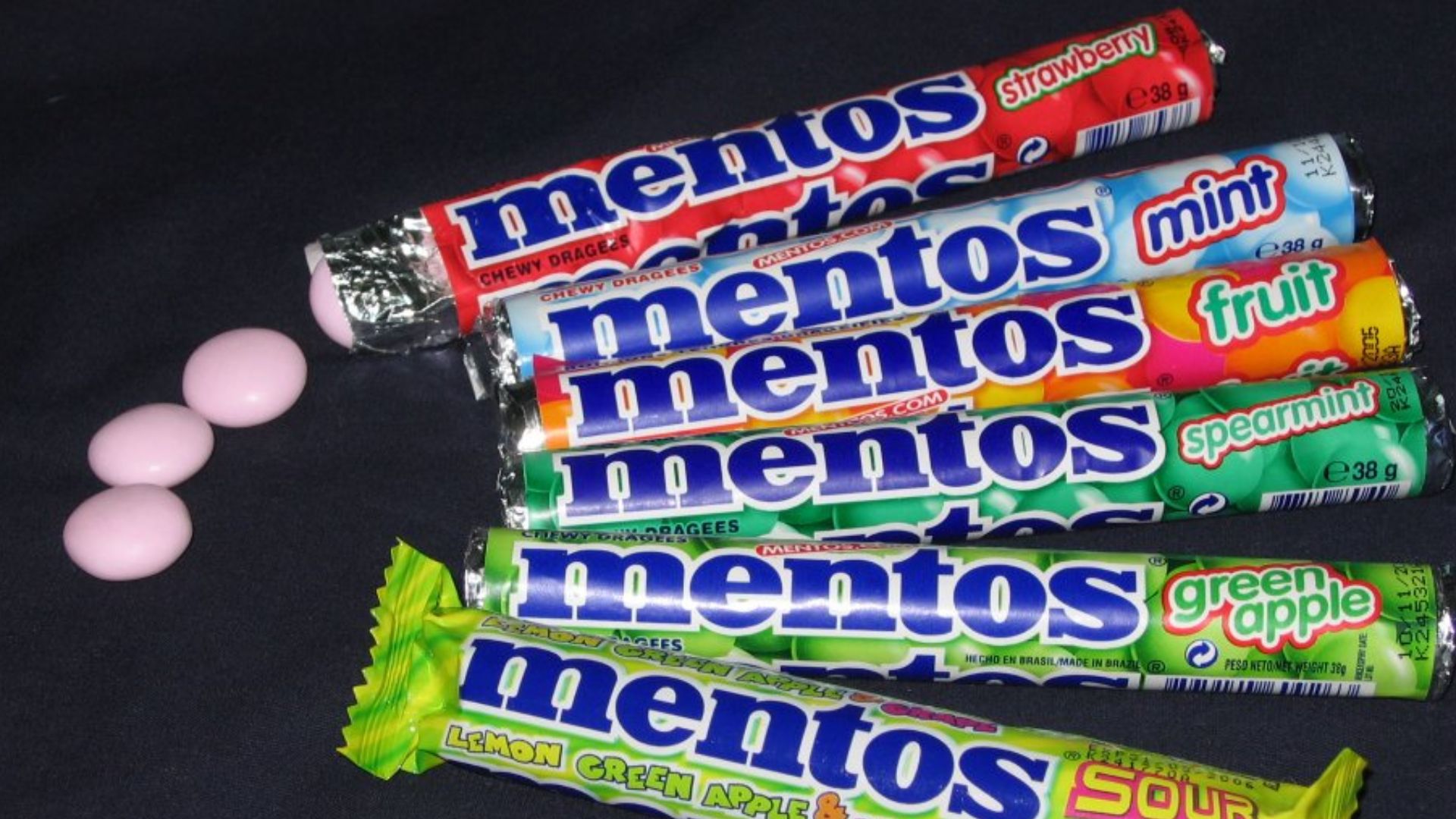
The gum acquisition expanded Perfetti Van Melle's existing confectionery portfolio. Its established brands included Mentos, Chupa Chups, and Airheads. Adding Trident and other chewing gums strengthened its position in products commonly associated with convenience stores and checkout purchases. The company described the deal as a major North American expansion.
Jelly Belly Joined Another Candy Empire
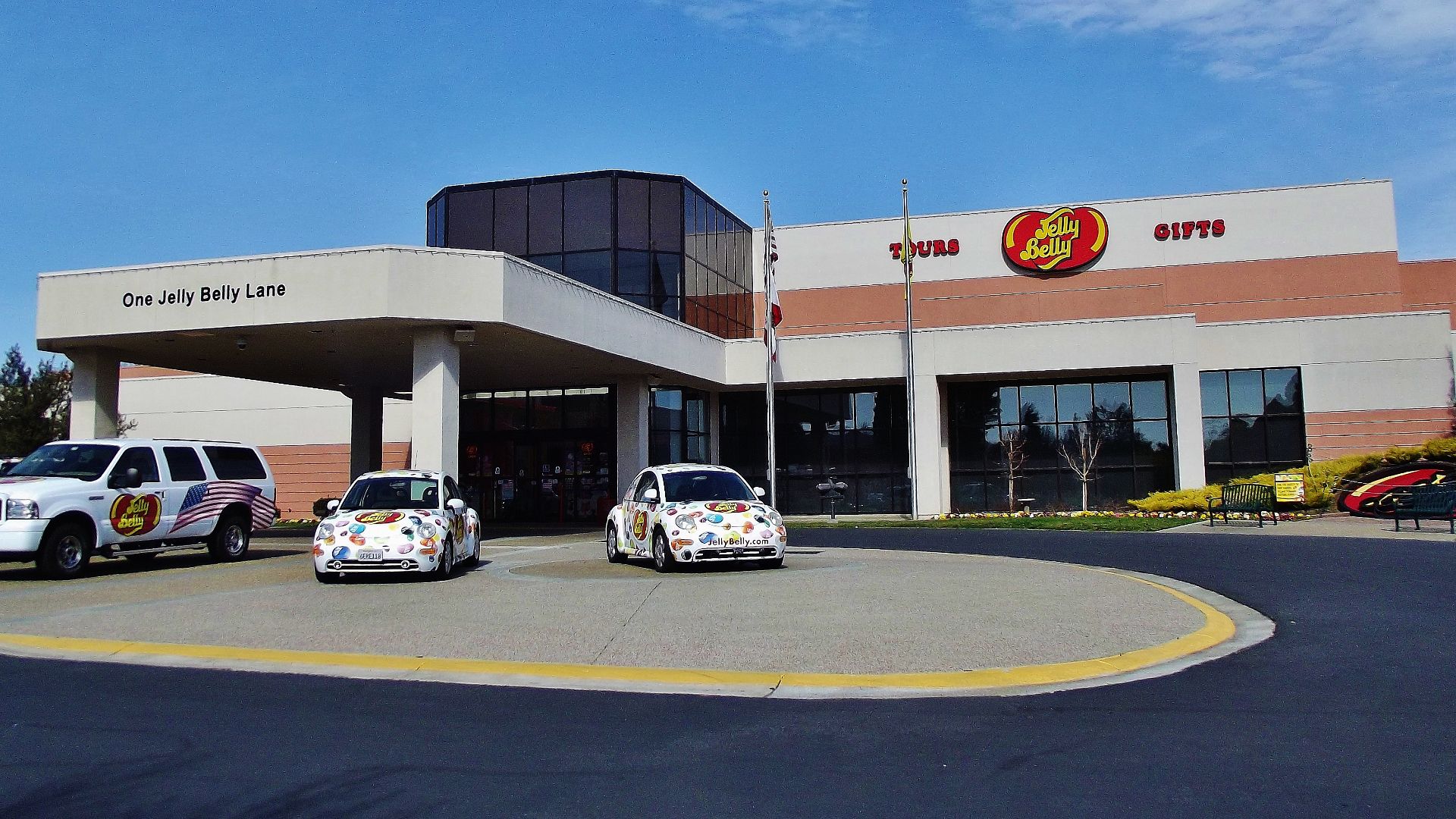
In November 2023, Ferrara completed its acquisition of Jelly Belly Candy Company. The transaction brought the famous jelly bean producer into Ferrara's growing organization. Although the acquisition price was not disclosed, it was another significant ownership change involving a longstanding American confectionery business and its recognizable products.
 Amadscientist, Wikimedia Commons
Mars Turned Toward Premium Chocolate
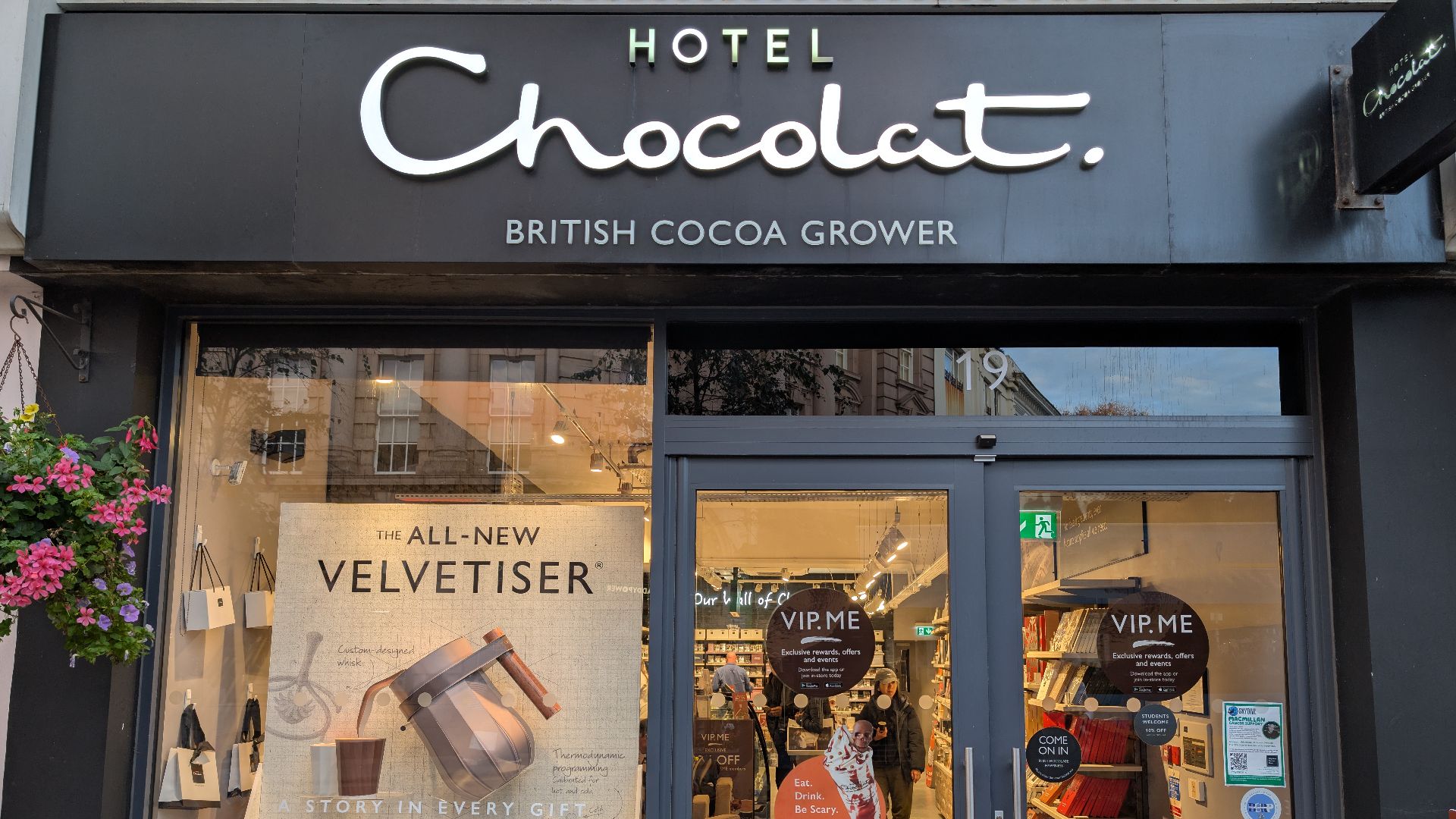
Mars completed its acquisition of British premium chocolatier Hotel Chocolat in January 2024. Unlike conventional supermarket candy brands, Hotel Chocolat had developed a business combining premium products with its own retail operations. Mars identified the company's chocolate offering and experience across multiple retail channels as important strengths.
Hershey Went After Sour Candy
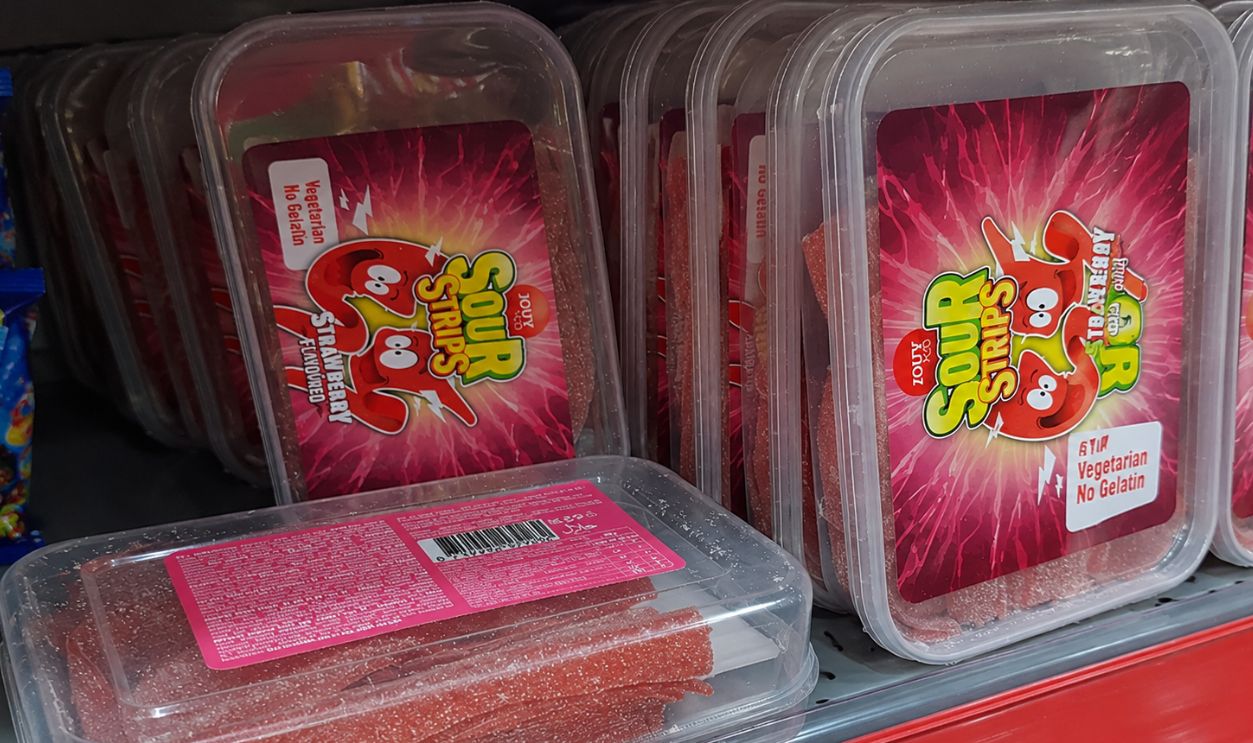
In November 2024, Hershey purchased the Sour Strips brand from Actual Candy. Its annual report recorded $75.5 million in acquisition spending, with possible additional payments tied to future performance targets. The purchase expanded Hershey's growing non-chocolate sweets portfolio and added a newer brand with an established retail presence.
 NrodmSOA 221, Wikimedia Commons, Modified
Mars Made An Even Bigger Snack Deal
Mars completed its acquisition of Kellanova in December 2025, following a deal originally valued at $35.9 billion including debt. Kellanova brought Pringles, Cheez-It, Pop-Tarts, and Rice Krispies Treats into the Mars organization. The transaction extended Mars's snack portfolio well beyond its famous candy brands.
 Battle Creek CVB, Wikimedia Commons
Regulators Examined The Growing Empire
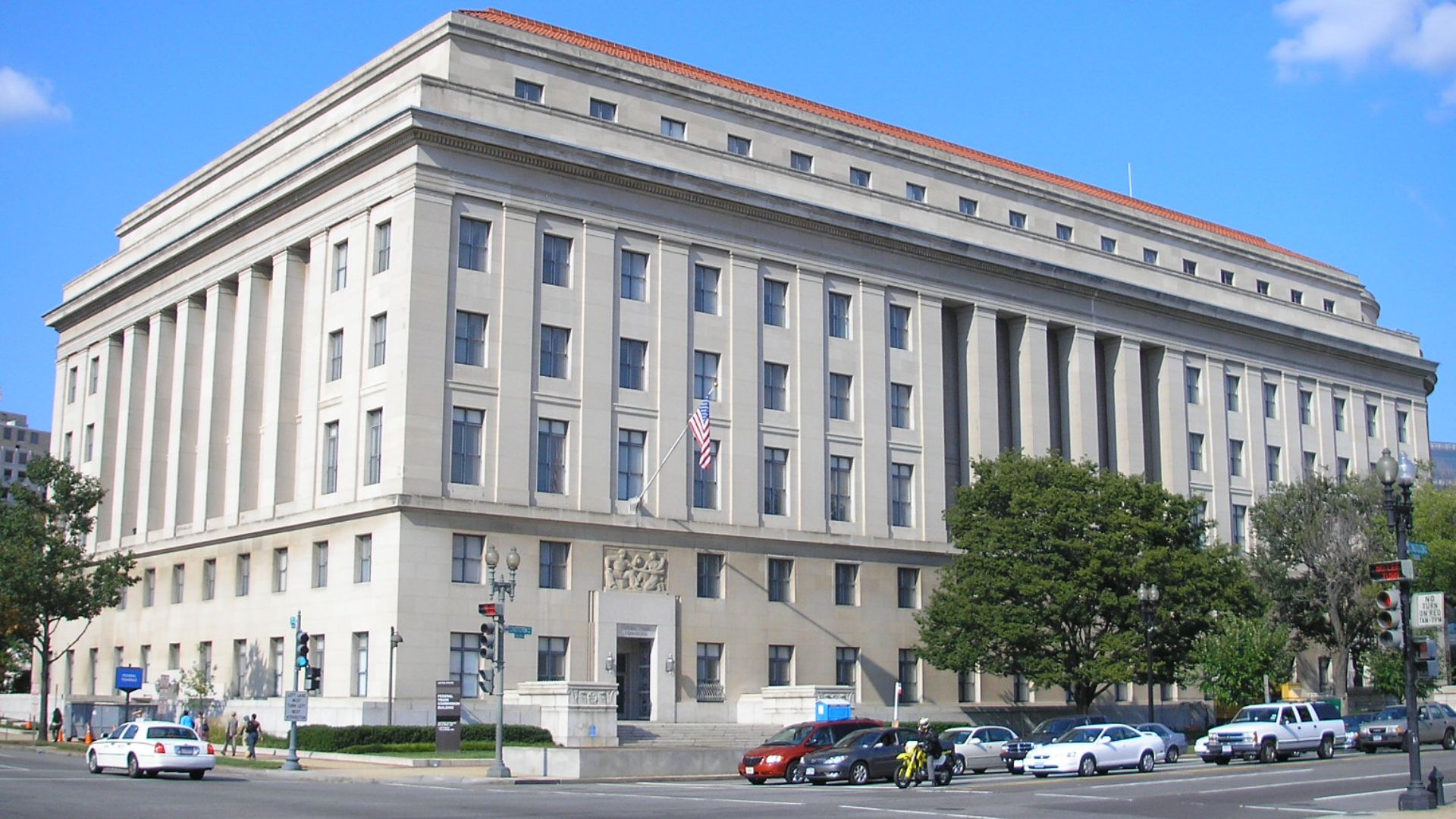
The Mars-Kellanova deal attracted a lengthy review by the Federal Trade Commission. In June 2025, the agency ended its investigation after concluding that the evidence did not establish an unlawful merger under the applicable antitrust standard. Investigators had specifically examined potential competitive effects arising from the companies' combined portfolios.
Old Candy Brands Found New Packaging
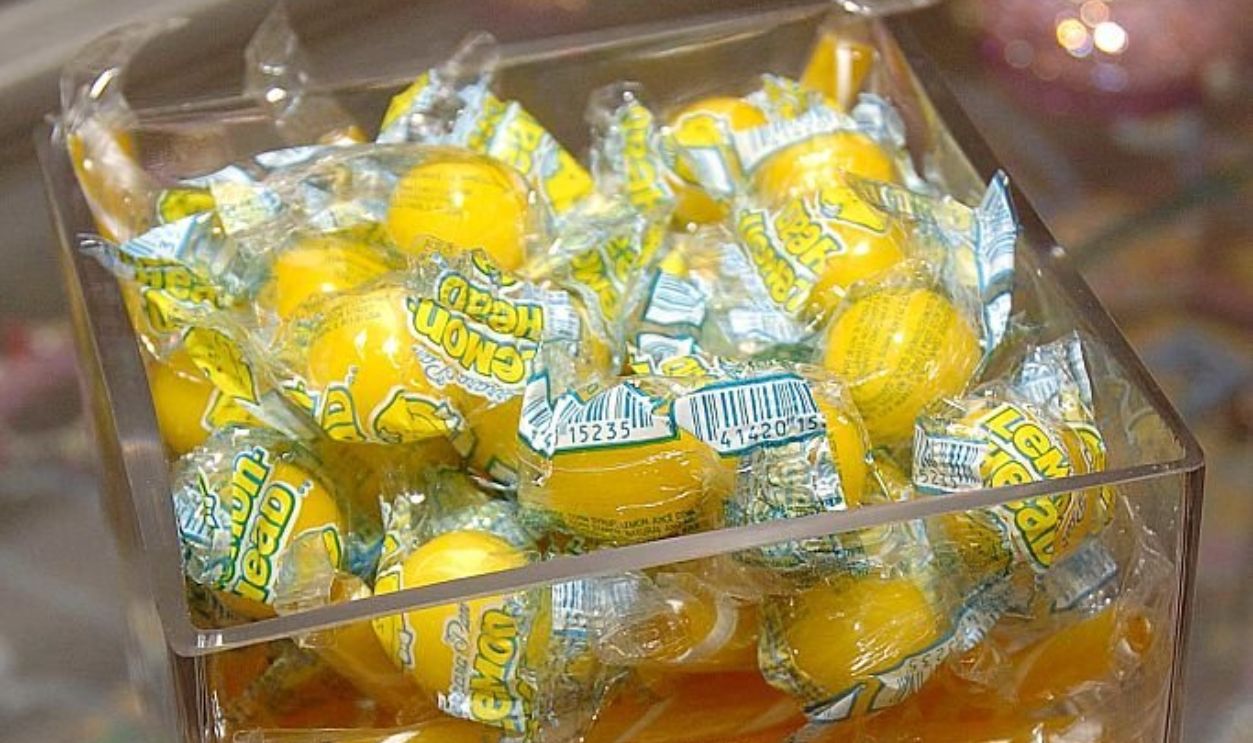
In August 2026, Ferrara introduced $1 pocket packs containing 2.5 ounces of candy. The range included classics such as Lemonhead, Red Hots, Runts, and Everlasting Gobstopper. These portable packages offered familiar products in another format, showing how an expanding confectionery business can continue repackaging established brands.
 Patrick McMullan, Getty Images
The Smartest Shopper Looks Beyond The Wrapper
Candy acquisitions have placed numerous familiar brands under larger corporate owners, but consolidation alone does not establish that prices have risen. Compare packages by price per ounce rather than sticker price alone. Unit pricing provides a more reliable basis for comparing sizes, particularly when packaging changes.

Sources: 1, 2, 3, 4, 5, 6, 7, 8, 9, 10, 11, 12, 13, 14, 15, 16, 17, 18, 19, 20, 21, 22, 23, 24, 25, 26, 27, 28, 29, 30