Saving The Wrong Way
Trying to save money is almost always a good idea—but not every frugal habit actually reduces your expenses. Some money-saving strategies create hidden costs that outweigh the immediate savings. Recognizing these common traps can help you spend more wisely while keeping more money over the long run.
Buying The Cheapest Option
Choosing the lowest-priced product often feels like smart shopping. However, inexpensive items frequently wear out sooner, perform poorly, or require replacement much earlier. Spending a little more on quality can often lower your total cost over years of use.

Skipping Preventive Maintenance
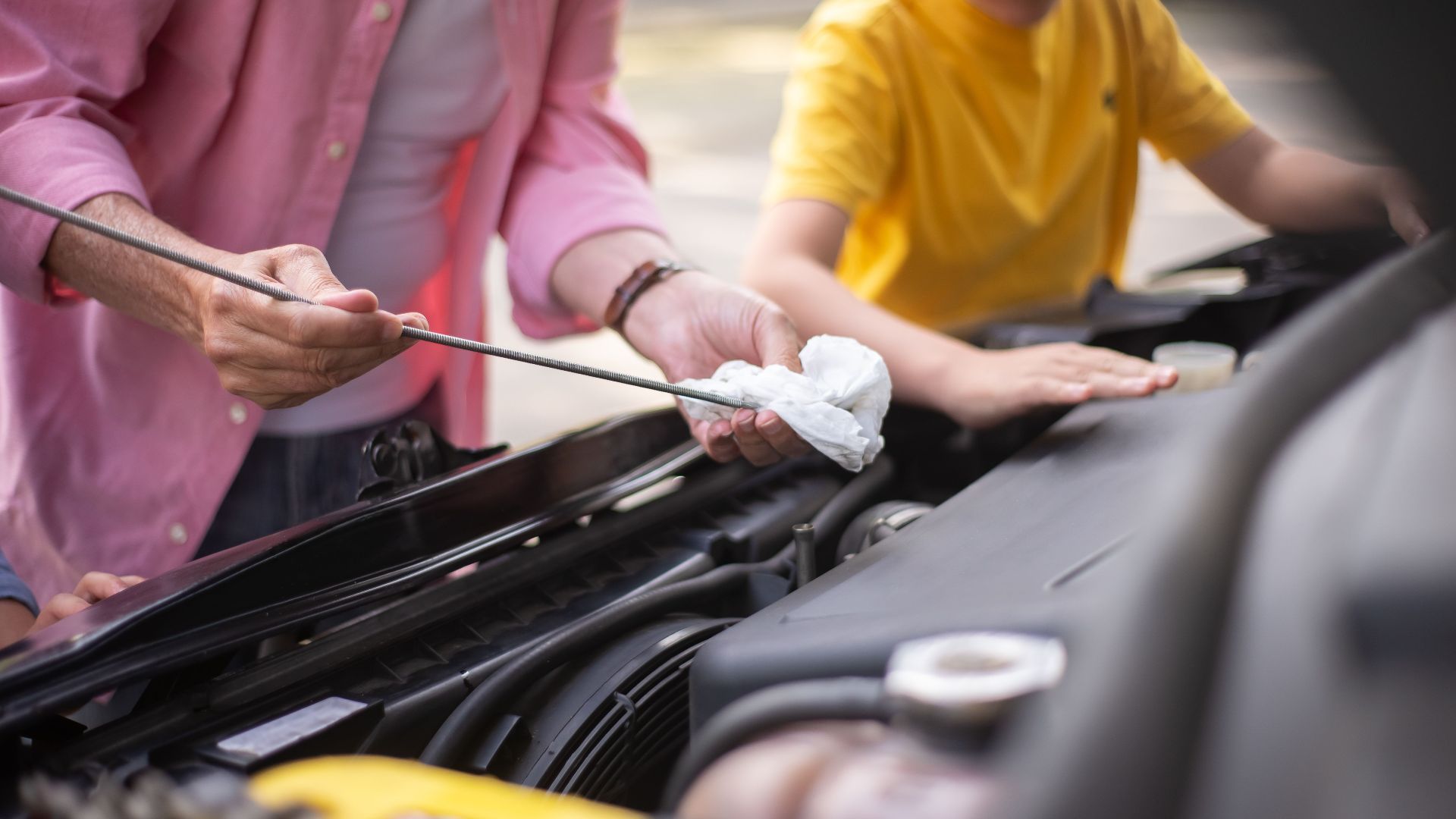
Avoiding routine maintenance saves money today but often creates expensive repairs tomorrow. Whether it's changing your car's oil, servicing your furnace, or cleaning your gutters, small maintenance costs usually prevent much larger bills later.
Driving On Worn Tires
Some drivers try to squeeze every possible mile out of aging tires. Unfortunately, worn tires reduce fuel economy, increase stopping distances, and become more vulnerable to punctures and blowouts. Replacing them on time can save both money and improve safety.

Ignoring Small Repairs
A dripping faucet, loose roof shingle, or tiny crack in a windshield may seem harmless. Left alone, however, these small problems often become major repairs costing hundreds or even thousands of dollars more than fixing them early.

Buying Disposable Products
Single-use products often appear inexpensive individually. Yet repeatedly replacing disposable items can cost far more than investing in durable alternatives like refillable water bottles, rechargeable batteries, reusable food containers, or quality kitchen towels.

Paying Minimum Credit Cards
Making only the minimum payment keeps monthly bills manageable, but interest continues accumulating. A modest balance can ultimately cost several times its original value, making this one of the most expensive 'budget-friendly' habits possible.
Avoiding Preventive Healthcare
Skipping dental cleanings, physical exams, or recommended screenings may seem like an easy way to save money. Unfortunately, untreated health problems frequently become more serious and expensive, leading to larger medical bills and longer recoveries.
 Filip Rankovic Grobgaard, Unsplash
Grocery Shopping Hungry
Trying to save money at the grocery store becomes much harder when you're hungry. Shoppers often make impulse purchases, buy unnecessary snacks, and spend considerably more than planned simply because they're shopping on an empty stomach.

Chasing Every Sale
Buying discounted items you didn't actually need isn't real savings. Many households accumulate closets full of 'great deals' that never get used. Spending less overall usually beats purchasing unnecessary items simply because they're temporarily discounted.
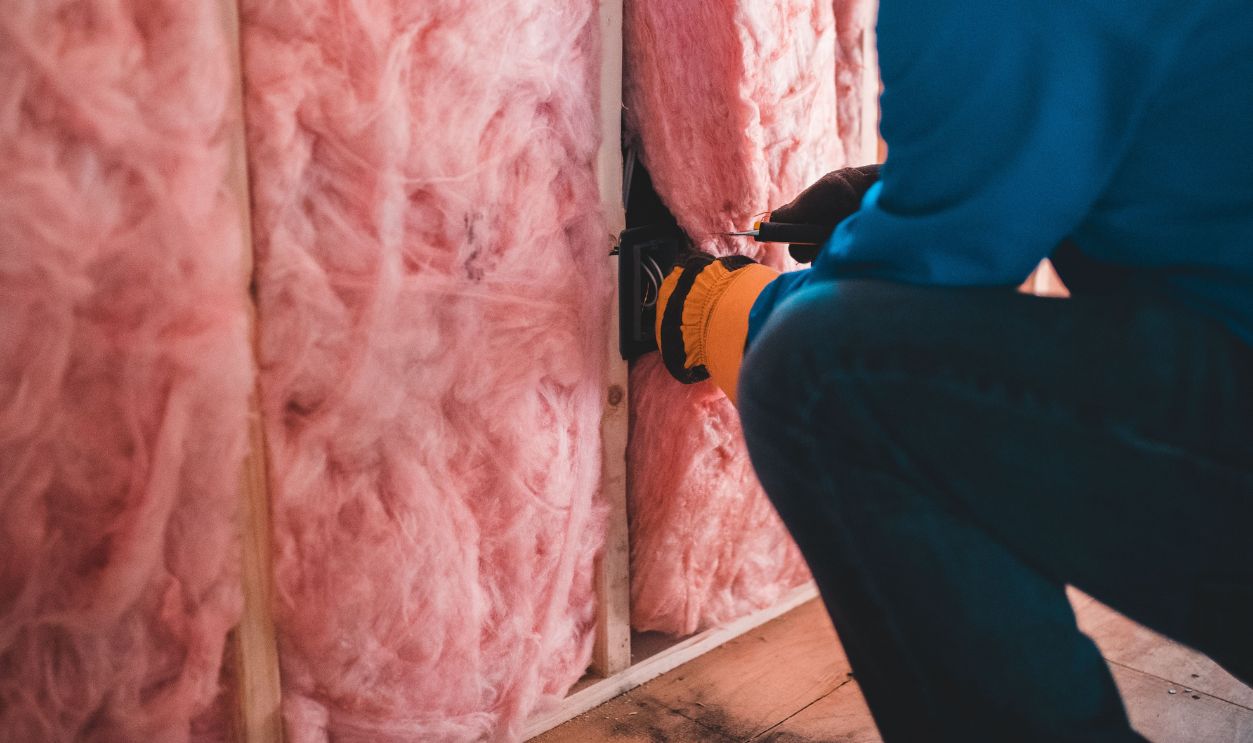
Neglecting Home Insulation
Some homeowners postpone insulation upgrades to avoid upfront costs. But the problem is, poor insulation increases heating and cooling expenses every month. Energy-efficient improvements often recover their costs surprisingly quickly through lower utility bills.
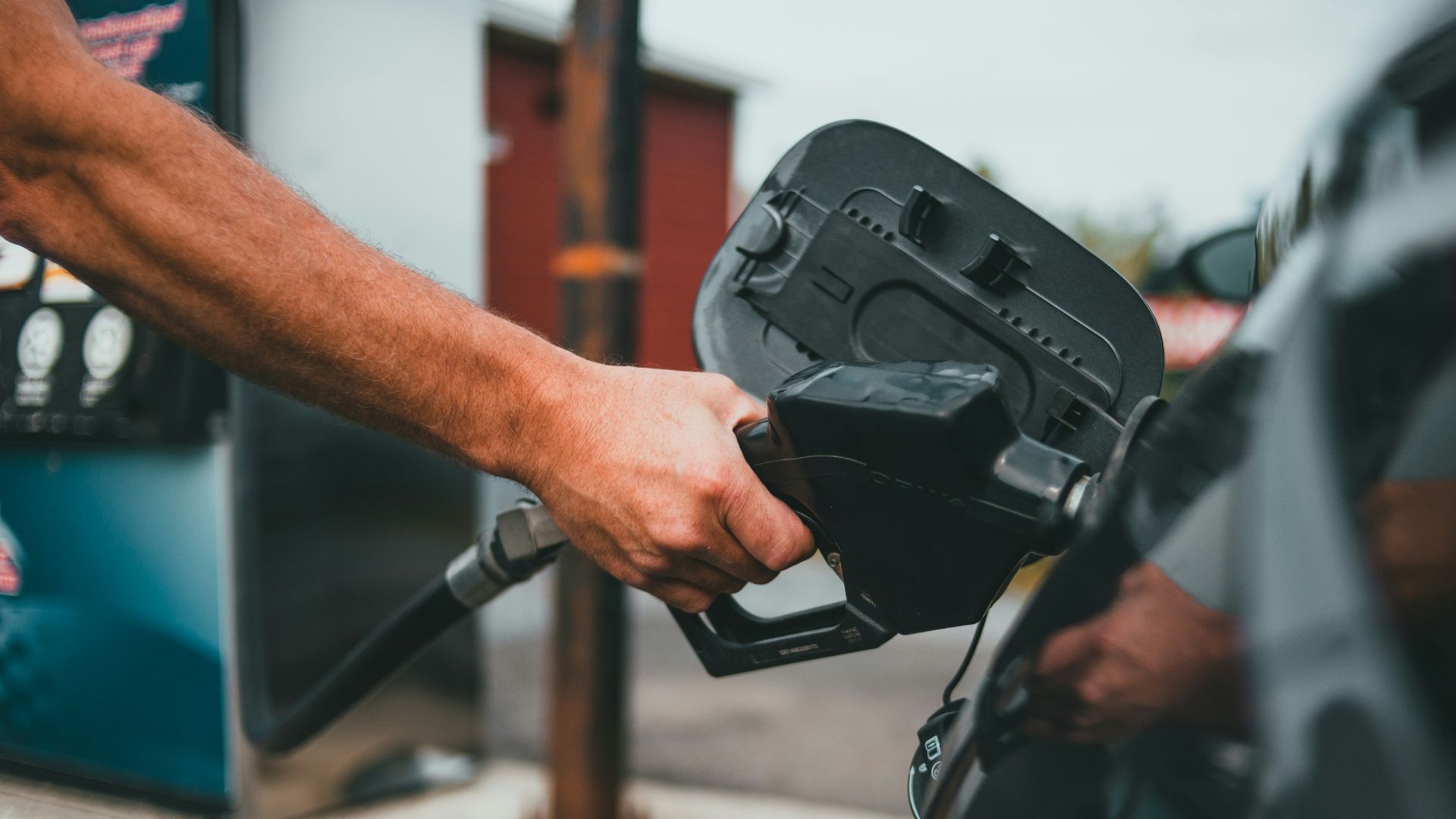
Driving Extra For Discounts
Traveling across town to save a few cents per gallon or redeem a minor coupon may consume more fuel, time, and vehicle wear than the savings justify. Sometimes convenience actually becomes the less expensive choice.
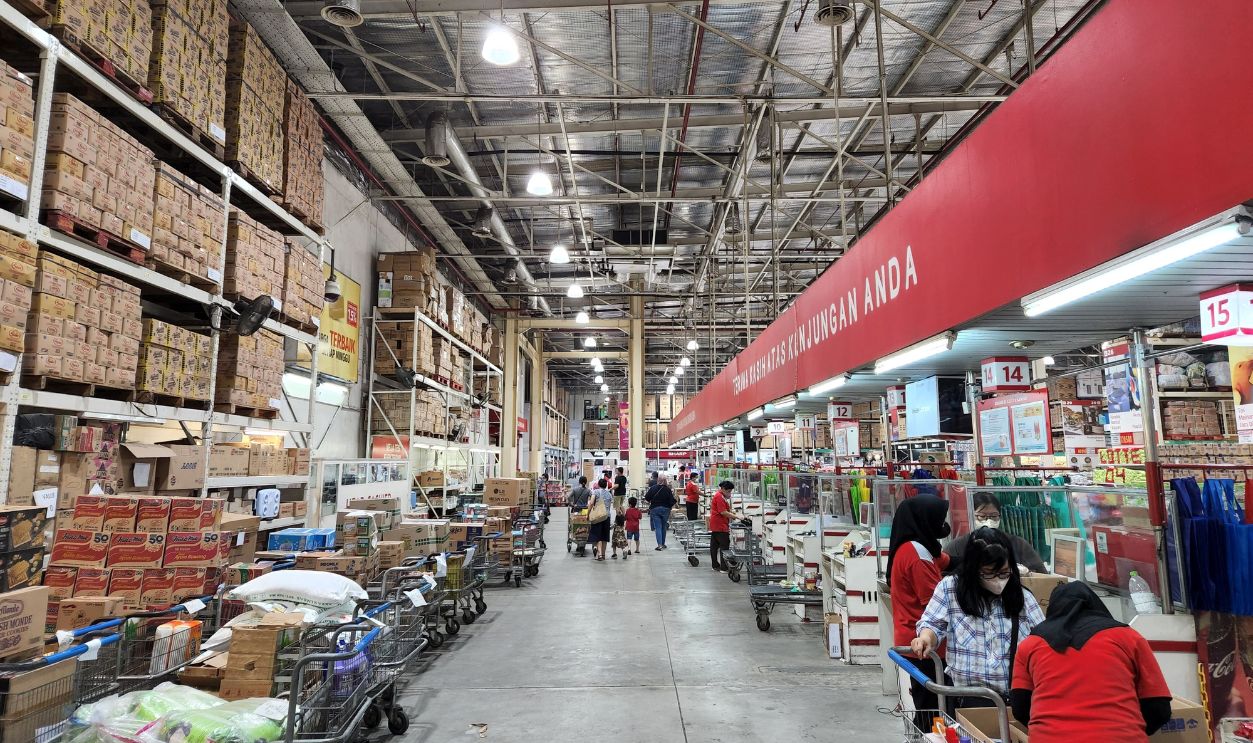
Buying In Bulk Blindly
Warehouse stores offer tremendous bargains—but only if you actually use what you buy. Purchasing oversized quantities of perishable food or products that expire often leads to waste that completely eliminates any bulk discount.
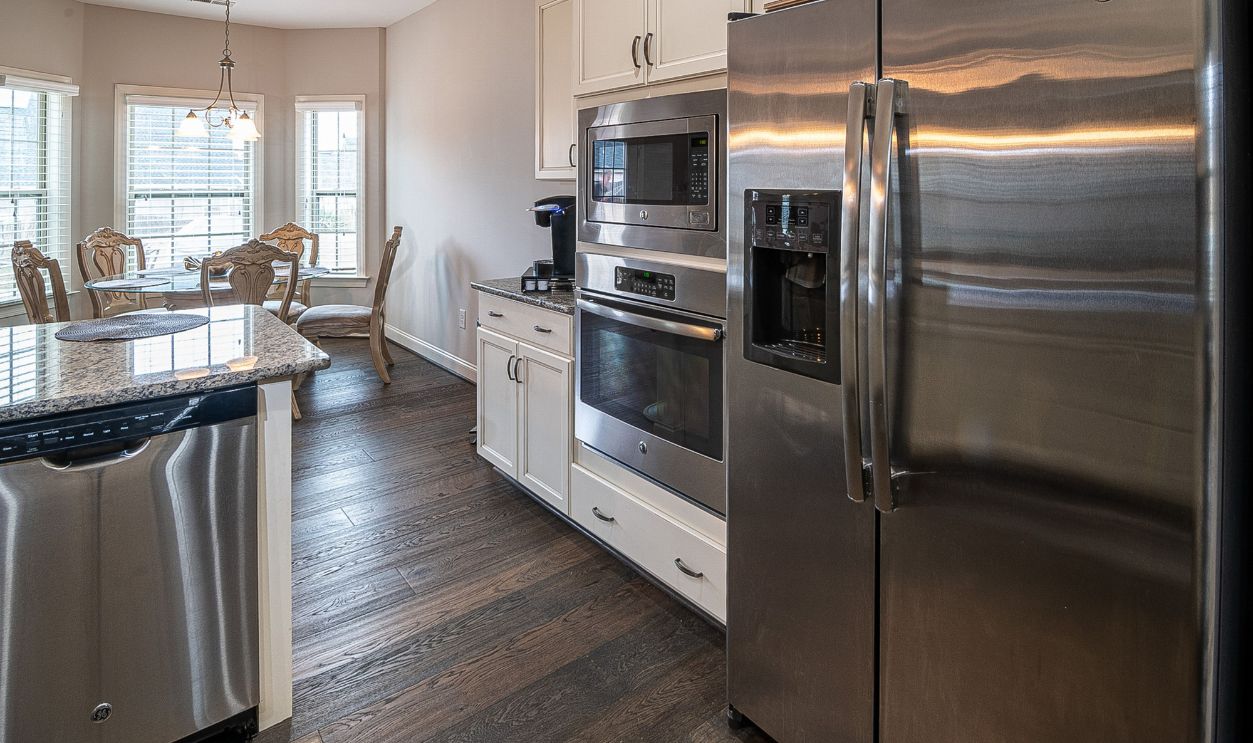
Refusing To Replace Appliances
Older appliances sometimes continue functioning for decades, but they may consume far more electricity and water than newer models. In some cases, replacing an inefficient appliance lowers utility bills enough to justify the purchase over time.
Delaying Retirement Savings
Waiting until your income increases before investing for retirement often means losing years of compound growth. Even relatively small contributions started early can outperform much larger deposits begun later in life.

Choosing Price Over Nutrition
Ultra-processed foods frequently cost less initially than healthier options. However, consistently poor nutrition may contribute to higher healthcare costs, missed work, and reduced quality of life over many years.

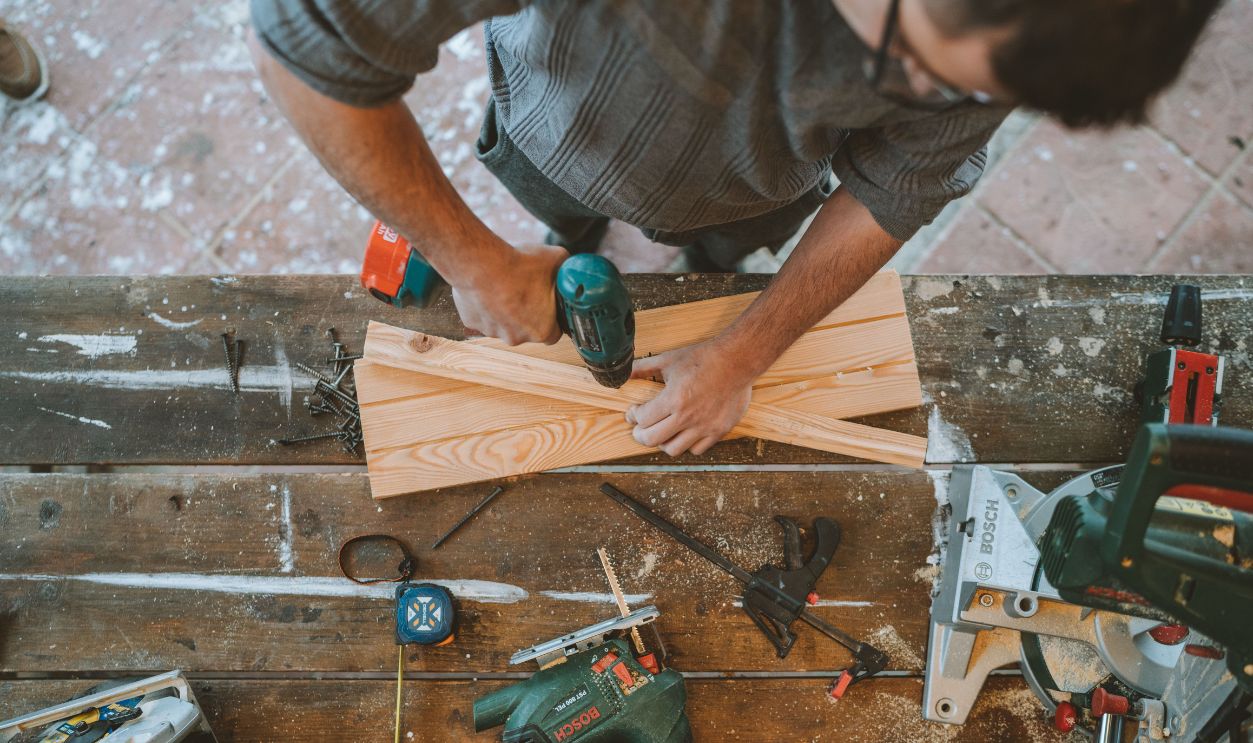
Doing Every Repair Yourself
DIY projects can save substantial money—but only when you possess the necessary skills. Mistakes involving plumbing, electrical work, or structural repairs sometimes create damage that costs far more than hiring a qualified professional initially.
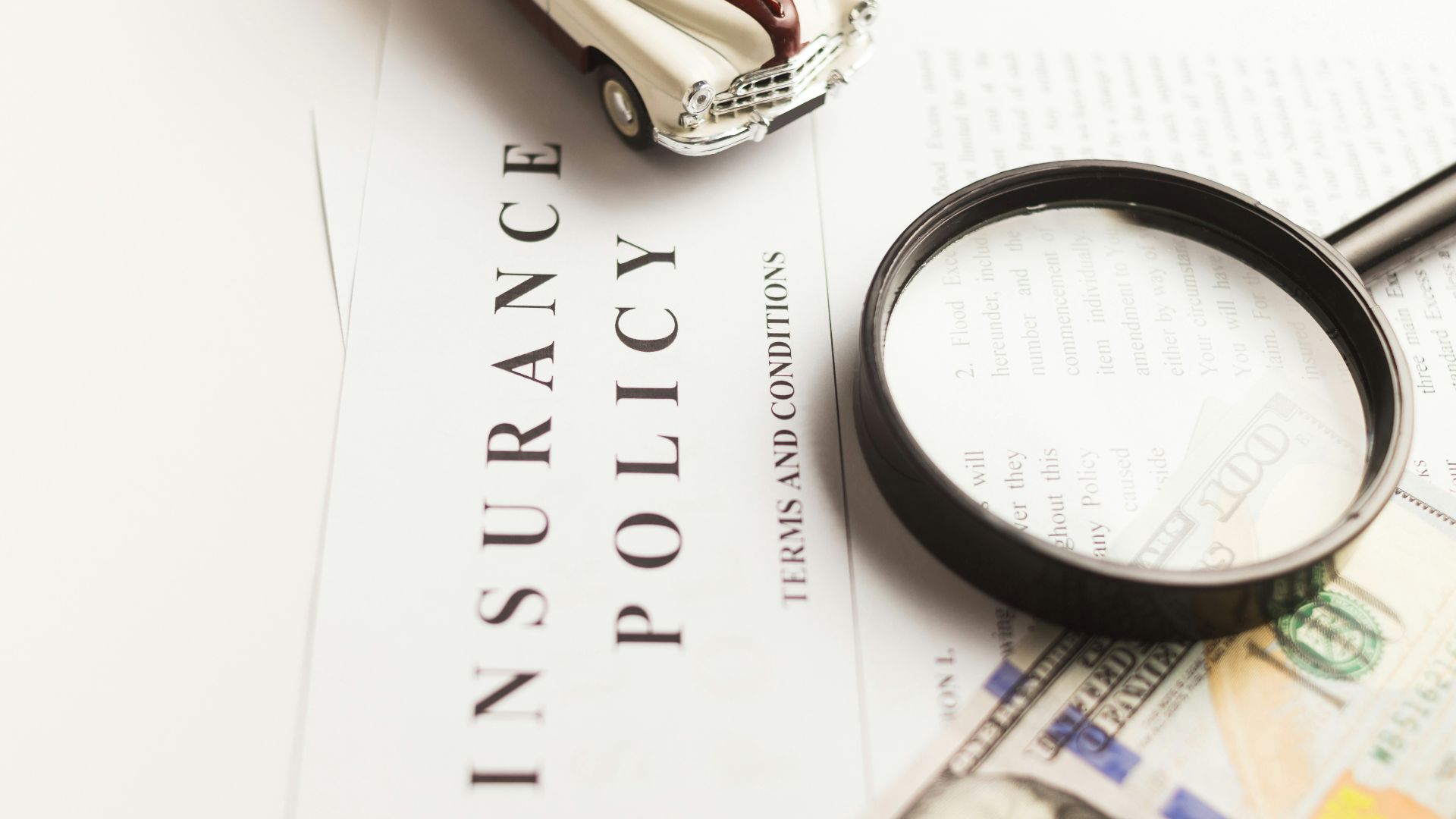
Canceling Useful Insurance
Dropping insurance policies solely to reduce monthly expenses can prove extremely costly after an unexpected accident, illness, or lawsuit. Carefully evaluating coverage rather than eliminating it entirely often provides better long-term financial protection.
Keeping Inefficient Vehicles
An older paid-off vehicle may seem cheaper than purchasing another car. However, when repair bills, breakdowns, poor fuel economy, and lost reliability accumulate, replacing it may eventually become the more economical decision.

Waiting Too Long To Replace Shoes
Cheap or badly worn footwear often leads to discomfort, reduced durability, and frequent replacement. Quality shoes that provide better support and last significantly longer may cost less over their lifetime.

Avoiding Professional Advice
Trying to save money by skipping legal, tax, or financial advice sometimes results in costly mistakes. A professional consultation may prevent expensive errors involving investments, estate planning, taxes, or major financial decisions.

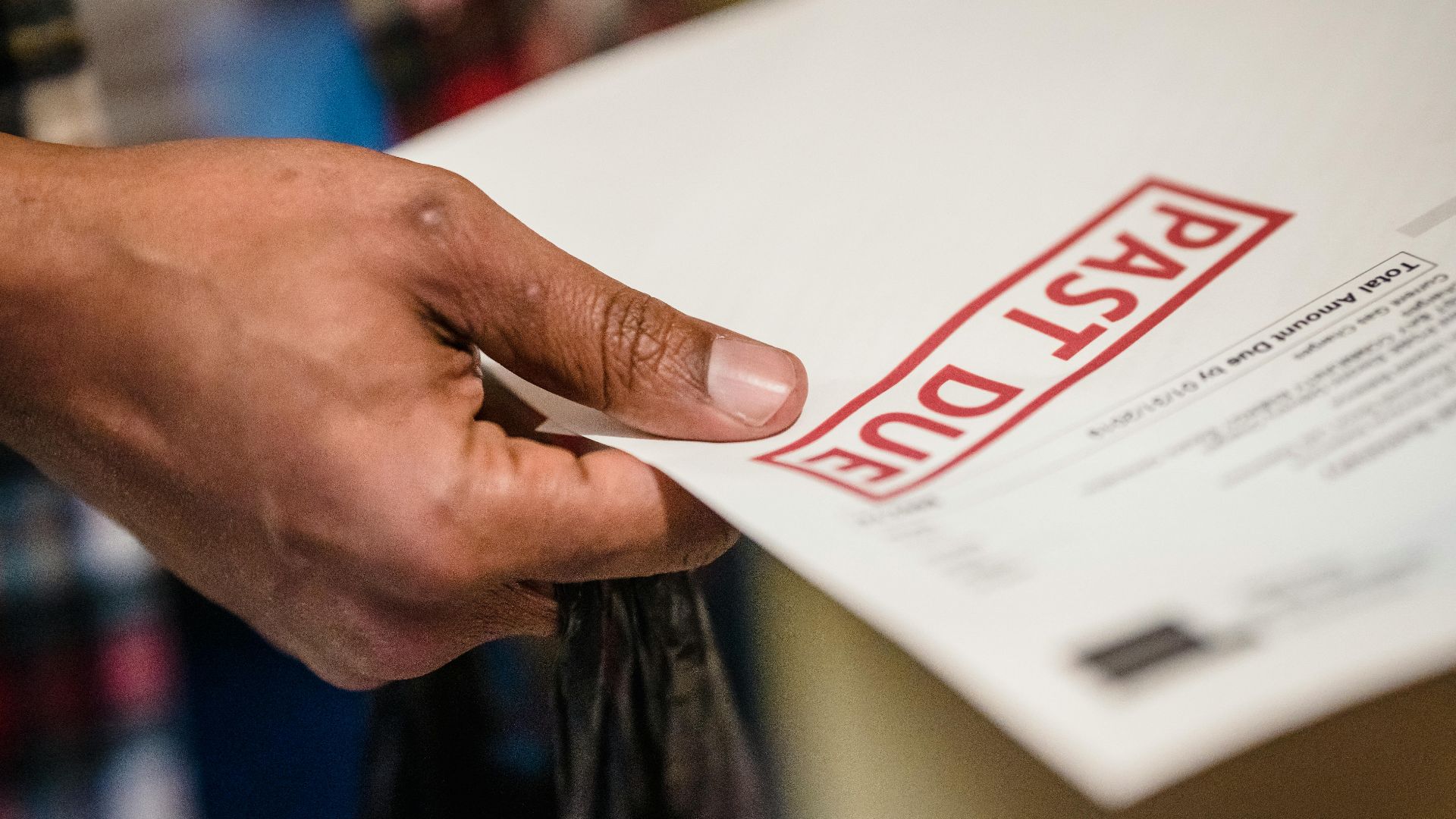
Paying Bills Late
Delaying bill payments to preserve cash flow often triggers late fees, penalty interest, and credit score damage. Those hidden costs can eventually make borrowing more expensive for mortgages, auto loans, and credit cards.
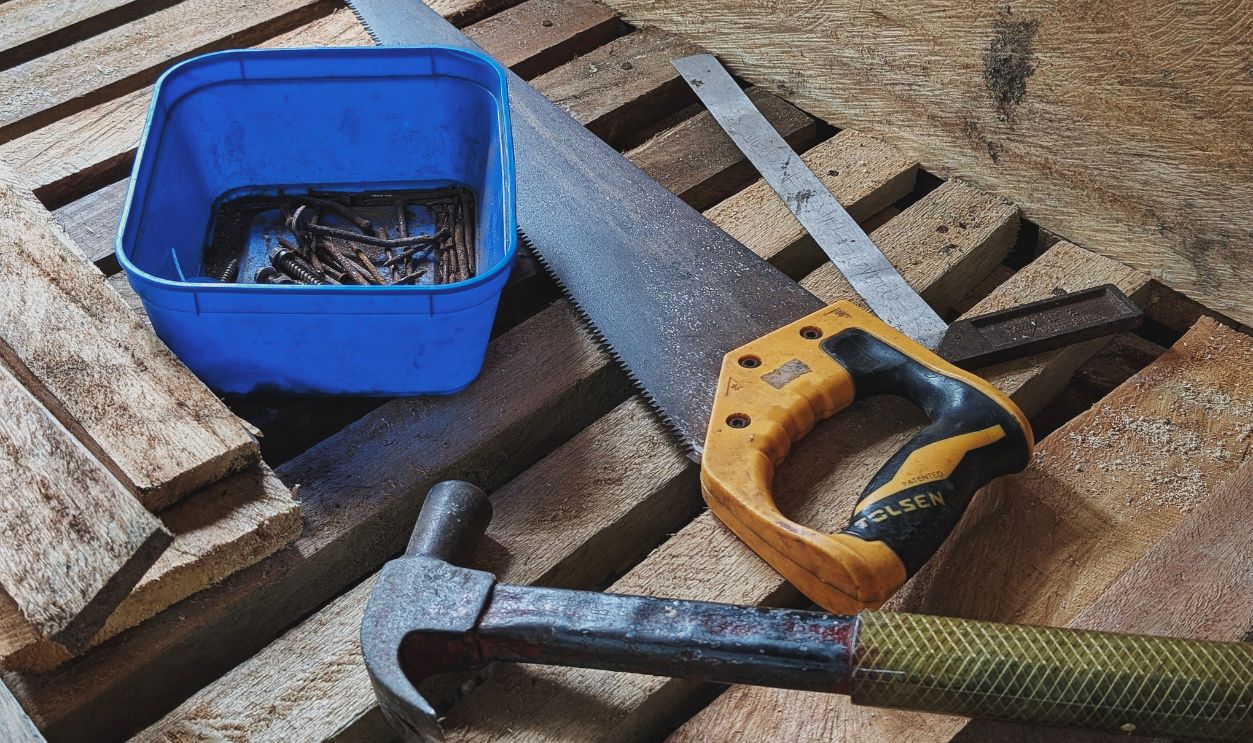
Buying Low-Quality Tools
Inexpensive tools often break under regular use or perform poorly, requiring replacement after only a few projects. Reliable tools generally last for decades, making them a better value for homeowners and hobbyists alike.
Never Negotiating Prices
Many people assume listed prices are fixed. In reality, medical bills, internet service, insurance premiums, and even some retail purchases can sometimes be negotiated. Failing to ask may quietly cost hundreds of dollars every year.

Ignoring Opportunity Costs
Every dollar tied up in unnecessary purchases cannot be invested elsewhere. Considering what your money could earn through investing or debt repayment helps reveal the hidden cost behind many seemingly harmless spending decisions.

Spend Smarter, Not Less
True frugality isn't simply spending the least amount possible—it's maximizing value over time. By focusing on quality, maintenance, planning, and long-term thinking, you can avoid false economies and build stronger financial health while often spending less overall.
You May Also Like:
Saving for a Rainy Day: How To Build An Emergency Fund
Has Tipping Culture Gone Too Far?
These Strange Financial Rules Are Affecting Your Money—And You Don’t Even Know It